

Mount Meru is one of Tanzania’s most rewarding mountain trekking destinations. Standing at approximately 4,566 meters (14,980 feet), it is the country’s second-highest mountain after Kilimanjaro and offers an impressive combination of wildlife, rainforest, volcanic landscapes, and high-altitude adventure.
But before booking, most travelers want to know one important thing: How much does it cost to climb Mount Meru?
For most international visitors, a guided Mount Meru climb costs approximately US$700 to US$1,500 per person, depending on the itinerary, group size, and services included. Some shared group packages cost less, while private or premium expeditions can exceed this range.
A three-day climb is generally cheaper because it involves fewer mountain nights and less time with the trekking crew. A four-day climb costs more but provides a better-paced descent and an additional night on the mountain.
Mount Meru is located inside Arusha National Park, so its price includes more than mountain guiding. Visitors must also account for conservation fees, mountain hut accommodation, ranger arrangements, meals, porter support, transport, and other operating expenses.
Understanding these expenses makes it easier to compare quotations and avoid unexpected charges.
This guide explains Mount Meru climbing prices, park fees, guide and porter expenses, three-day versus four-day costs, and how to choose a suitable trekking package.
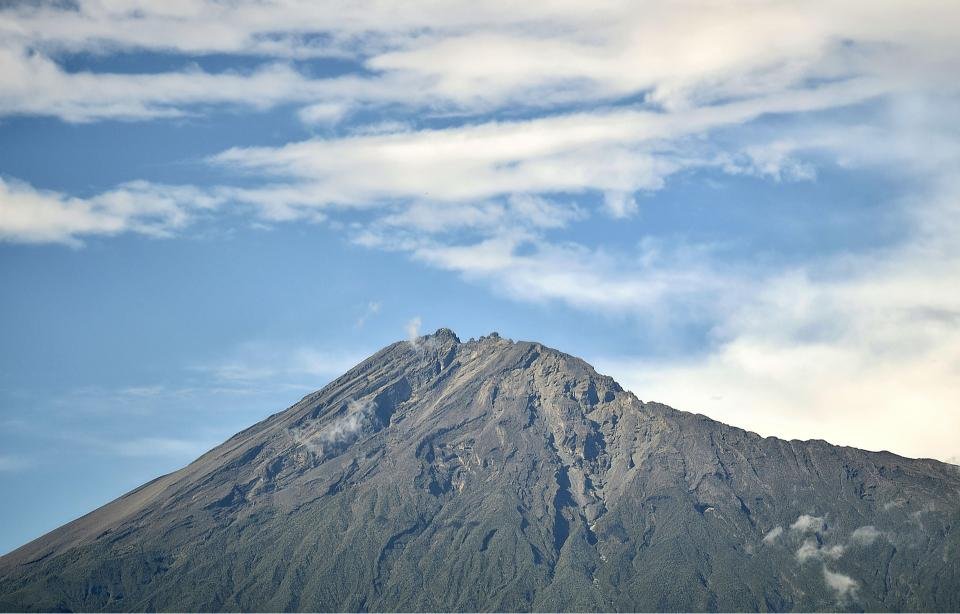
How Much Does a Mount Meru Climb Cost in 2026 and 2027?
Mount Meru climbing prices vary considerably between operators.
The following ranges are useful estimates for planning a guided expedition. They are not fixed official prices or confirmed quotations from Eddy Tours and Safaris.
| Mount Meru climbing option | Estimated cost per person |
|---|---|
| 3-day shared group climb | US$650–$950 |
| 3-day private climb | US$850–$1,400 |
| 4-day shared group climb | US$750–$1,150 |
| 4-day private climb | US$950–$1,600 |
| Premium or customized climb | US$1,400–$2,000+ |
These ranges reflect examples of publicly advertised climbing packages and broader market pricing. The amount you pay may differ according to group size, visitor nationality, accommodation before and after the trek, and the final services included.
For travel in late 2027, 2028, or later, obtain a fresh quotation because park tariffs and operating costs may change.
What Determines the Cost of Climbing Mount Meru?
Several expenses contribute to the final package price.
Unlike an ordinary day hike, Mount Meru is a multi-day high-altitude expedition requiring park access, overnight facilities, trained personnel, and organized logistics.
1. Arusha National Park Conservation Fees
Mount Meru lies within Arusha National Park, which is managed by the Tanzania National Parks Authority (TANAPA).
Visitors pay conservation fees according to their visitor category and the applicable tariff.
International non-residents, expatriate residents, and East African Community citizens may be charged different rates.
The length of the expedition also matters because park access is charged according to the applicable entry and validity rules.
For example, a four-day climb generally involves more chargeable park time than a three-day climb.
When comparing packages, check whether the quotation includes all applicable conservation fees and taxes.
The official source for current tariffs is the Tanzania National Parks Authority.
2. Mountain Hut Accommodation
The standard Mount Meru trekking route uses two main mountain huts.
Miriakamba Hut, at approximately 2,514 meters, is the first overnight stop.
Saddle Hut, at approximately 3,570 meters, is the higher accommodation point used before the summit attempt.
These are basic mountain facilities rather than luxury lodges.
Accommodation typically consists of shared sleeping arrangements, with limited amenities compared with hotels in Arusha.
Mountain hut fees are a separate component of park-related expenses and should be included in a properly itemized climbing quotation.
3. Armed Ranger Escort
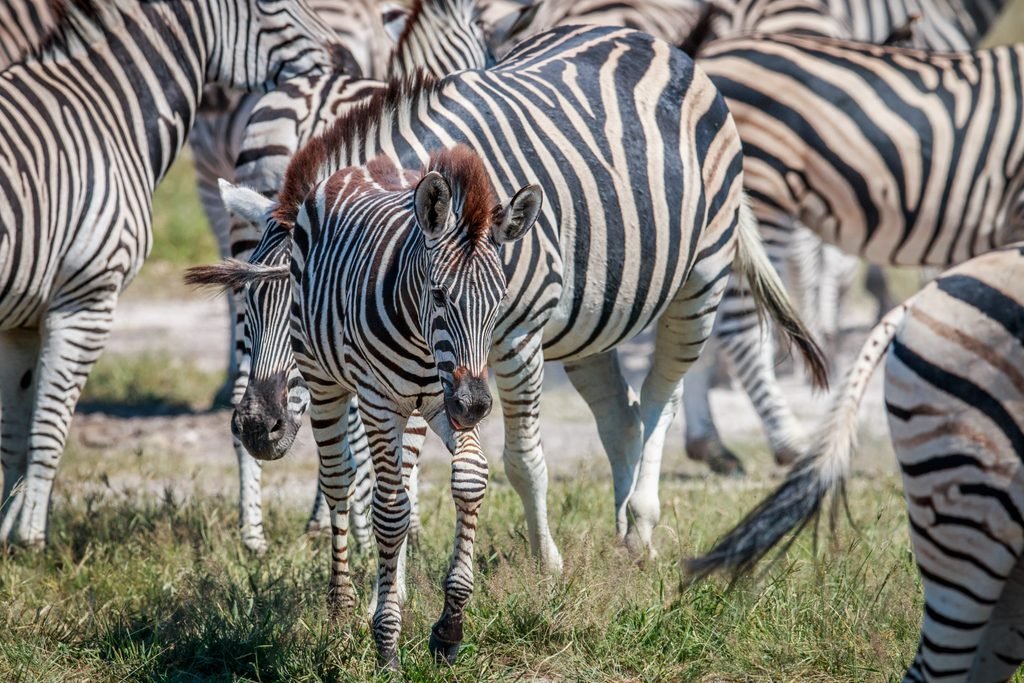
One of the distinctive features of Mount Meru is the presence of wildlife along the lower trekking route.
Arusha National Park supports animals such as buffaloes, giraffes, monkeys, and other wildlife.
Because of the potential for encounters with dangerous animals, trekking groups require an armed park ranger escort under the park’s operating arrangements.
The ranger’s role is different from that of your mountain guide.
The ranger is responsible for wildlife-related security and park escort requirements, while the trekking guide manages the climbing itinerary, pacing, and mountain safety.
Ask whether ranger charges are included in the advertised package.
4. Professional Mountain Guide
A professional mountain guide is essential for a properly organized Mount Meru expedition.
Your guide explains the route, manages the trekking pace, monitors how climbers respond to altitude, and makes decisions when weather or health conditions change.
Guiding costs depend on the length of the expedition, staffing arrangements, and the operator’s employment practices.
For larger groups, assistant guides may also be required or appropriate.
A low quotation should never come at the expense of qualified mountain leadership.
5. Porters and Mountain Crew
Porters carry approved expedition supplies and help transport food, equipment, and personal luggage according to the agreed arrangements.
A cook may also accompany the group to prepare meals at the mountain huts.
The number of crew members depends on the group size, equipment, and operating plan.
Responsible tour operators should provide appropriate food, equipment, and working conditions for their mountain teams.
When comparing prices, ask how crew welfare, meals, and porter loads are managed.
6. Meals and Drinking Water
A guided Mount Meru climbing package usually includes meals during the trek.
These may include breakfast, packed or prepared lunches, and dinner.
Food must be transported up the mountain, and the operator must arrange cooking supplies and drinking water treatment.
The cost depends on the number of trekking days, group size, and the quality of provisions.
Confirm whether drinking water and any special dietary requirements are covered by the quotation.
7. Transport to and from Momella Gate
Most Mount Meru climbs begin at Momella Gate in Arusha National Park.
Travelers usually start from Arusha, although transfers from Moshi can also be arranged.
Transport costs depend on the departure location, vehicle type, group size, and whether transfers are shared or private.
A package that starts in Arusha may cost less to operate than one requiring a separate round-trip transfer from Moshi.
Check whether hotel pickup and drop-off are included.
Mount Meru Climbing Cost Breakdown
The following table shows the main expense categories that commonly appear in a Mount Meru climbing quotation.
These are illustrative budgeting ranges, not official TANAPA tariffs or a guaranteed operator cost structure.
| Expense | Illustrative budgeting allowance | How it is charged |
|---|---|---|
| Park conservation fees | Varies by nationality and trip duration | Per eligible visitor and park validity period |
| Mountain hut fees | Varies by current tariff | Per person per night |
| Ranger arrangements | Varies by applicable rules | Usually organized for the trekking group |
| Mountain guide | US$25–$60 per guide-day | Staffing and operator cost |
| Cook and porter services | US$15–$35 per crew member-day | Staffing and operator cost |
| Food and drinking water | US$15–$35 per climber-day | Provisioning allowance |
| Transfers | US$60–$180 per vehicle | Depends on origin and vehicle |
| Equipment rental | Depends on required items | Per item or rental period |
| Hotel before or after trek | US$40–$150+ per room-night | Depends on hotel category |
Crew and provisioning amounts are broad illustrative allowances, not official wage scales or amounts that climbers pay directly to workers. Operators also incur costs for insurance, administration, taxes, equipment, and business operations.
The most reliable way to understand a quotation is to request the actual inclusions and exclusions rather than attempting to reconstruct the final price from individual estimates.
Three-Day vs Four-Day Mount Meru Climbing Cost
Most travelers choose between a three-day and a four-day Mount Meru itinerary.
Both follow the established route through Miriakamba Hut and Saddle Hut toward Socialist Peak.
The difference is mainly how the descent is organized.
Three-Day Mount Meru Climb
A typical three-day itinerary follows this schedule:
Day 1: Momella Gate to Miriakamba Hut
The trek begins through forest and grassland habitats, with possible wildlife sightings under ranger escort.
Day 2: Miriakamba Hut to Saddle Hut
Climbers ascend through increasingly open terrain toward Saddle Hut. Depending on conditions, an additional acclimatization walk may be possible.
Day 3: Saddle Hut to Socialist Peak and Descend to Momella Gate
The summit attempt begins very early, followed by a long descent all the way to the park gate.
This itinerary is physically demanding because the final day combines the summit ascent with an extended descent.
It is most suitable for fit trekkers who are comfortable with long mountain days.
Four-Day Mount Meru Climb
A typical four-day itinerary follows this schedule:
Day 1: Momella Gate to Miriakamba Hut
Trek through the lower mountain environment and spend the night at Miriakamba.
Day 2: Miriakamba Hut to Saddle Hut
Continue uphill toward Saddle Hut, with time for rest and a possible acclimatization walk.
Day 3: Saddle Hut to Socialist Peak and Return to Miriakamba Hut
Attempt the summit early in the morning, then descend to Miriakamba Hut for another night.
Day 4: Miriakamba Hut to Momella Gate
Complete the descent and return to Arusha or Moshi.
Which Is Better Value?
The four-day itinerary generally costs more because it includes an additional mountain night, meals, crew services, and potentially additional park-related charges.
However, it reduces the length of the final descent and allows more time to recover after summit day.
Importantly, the standard four-day schedule does not necessarily add an extra acclimatization night before the summit compared with the three-day version. Its main advantage is a more manageable descent.
For most travelers who have enough time, four days is the more comfortable choice.
Does Group Size Affect the Mount Meru Climbing Price?
Yes. Group size can make a substantial difference.
Some costs, such as vehicle transfers and certain staffing arrangements, can be shared among several climbers.
A solo private expedition generally has a higher cost per person because fewer travelers are sharing the operating expenses.
A group of four or six may receive a lower per-person quotation.
However, park conservation fees and hut fees are usually calculated individually according to the applicable tariff.
Example of Group Pricing
A published Mount Meru operator rate card illustrates how group size can affect costs.
| Number of climbers | Example 3-day price per person | Example 4-day price per person |
|---|---|---|
| 1 | US$1,210 | US$1,410 |
| 2 | US$830 | US$980 |
| 3–4 | US$700 | US$860 |
| 5–6 | US$650 | US$800 |
| 7 or more | US$600 | US$760 |
These figures are an example from one published operator rate card, not prices offered by Eddy Tours and Safaris. They may change and should not be treated as universal market rates.
This comparison shows why shared group climbing can be more affordable than booking a private expedition alone.
Are Mount Meru Park Fees Included in Tour Packages?
Many guided climbing packages include applicable park charges in the advertised price.
However, this should never be assumed.
Before paying a deposit, ask whether your quotation includes conservation fees, hut accommodation, ranger arrangements, applicable rescue-related charges, and taxes.
TANAPA publishes official park tariffs and visitor information. These are the correct references for checking current government charges.
For 2026/2027, travelers should use the tariff valid for their exact travel dates and visitor category.
Do not rely on a fee quoted several years earlier, because the tariff structure and applicable charges may have changed.
What Is Usually Included in a Mount Meru Climbing Package?
A standard guided package commonly includes:
- Applicable Arusha National Park conservation charges.
- Mountain hut accommodation.
- Required ranger escort arrangements.
- Professional trekking guide services.
- Porter and cooking crew support where specified.
- Meals during the mountain expedition.
- Drinking water arrangements.
- Transport to and from Momella Gate.
- Trekking logistics and park registration.
- Applicable park rescue-related fees where required.
The exact inclusions depend on the operator and should appear in your booking confirmation.
What Is Usually Not Included?
Common exclusions include:
- International flights to Tanzania.
- Tanzania visa fees.
- Travel and medical evacuation insurance.
- Hotel accommodation before and after the trek.
- Personal trekking clothing and equipment.
- Sleeping bag rental.
- Trekking pole rental.
- Tips for the mountain crew.
- Personal expenses and additional beverages.
- Optional wildlife safaris and other activities.
Some operators include hotel nights or equipment rental, while others charge separately.
A slightly more expensive package may provide better overall value if it includes services that would otherwise need to be purchased individually.
How Much Should You Budget for Tips?
Tips are customary on guided mountain treks in Tanzania, but the amounts depend on the operator’s guidance, group size, number of crew members, and the length of the expedition.
Rather than relying on one universal amount, request a recommended tipping breakdown before departure.
Ask how tips are shared among guides, cooks, and porters.
Crew members should receive proper agreed compensation regardless of gratuities.
Tips should not be treated as a substitute for fair wages.
How Much Does Mount Meru Equipment Rental Cost?
Mount Meru requires appropriate clothing and equipment for high-altitude conditions.
Even though the mountain is lower than Kilimanjaro, summit temperatures can fall below freezing.
Climbers should prepare for rain, cold weather, strong winds, and rocky terrain.
Common rental items include sleeping bags, insulated jackets, trekking poles, gloves, and rainwear.
Rental costs depend on the supplier, equipment quality, and rental period.
If you already own suitable trekking equipment, bringing it may reduce expenses.
However, airline baggage charges and the condition of your existing gear should also be considered.
Essential Equipment for Mount Meru
- Comfortable, well-fitted hiking boots.
- Waterproof jacket and trousers.
- Warm insulated jacket.
- Thermal base layers.
- Gloves and warm hat.
- Trekking trousers.
- Headlamp with spare batteries.
- Sleeping bag suitable for cold mountain conditions.
- Trekking poles.
- Daypack.
- Refillable water bottles.
- Sunglasses and sunscreen.
- Personal medication and toiletries.
Ask your climbing operator for a complete packing checklist before departure.
Is Mount Meru Cheaper Than Mount Kilimanjaro?
Mount Meru is generally less expensive to climb than Kilimanjaro.
The main reason is that standard Mount Meru expeditions are shorter.
A typical Meru climb takes three or four days, while Kilimanjaro itineraries commonly take five to nine days.
Kilimanjaro also has a different park fee structure and may require more expedition supplies and crew services.
However, Mount Meru should not be considered a cheap or effortless alternative.
Its summit stands above 4,500 meters, and the final ascent includes steep, exposed terrain.
Mount Meru vs Kilimanjaro Cost Comparison
| Feature | Mount Meru | Mount Kilimanjaro |
|---|---|---|
| Highest elevation | Approximately 4,566 m | 5,895 m |
| Typical climbing duration | 3–4 days | 5–9 days |
| Accommodation | Mountain huts | Huts on Marangu; camping on most other routes |
| General package cost | Usually lower | Usually higher |
| Wildlife escort | Required ranger arrangements | Different park operating arrangements |
| Main challenge | Steep summit ridge and altitude | Greater altitude and longer expedition |
Mount Meru is also sometimes used as a preparation climb before Kilimanjaro.
However, completing Mount Meru does not guarantee successful acclimatization or a safe summit on Kilimanjaro.
Is Mount Meru Worth the Cost?
For travelers who enjoy mountain trekking, Mount Meru can provide excellent value.
The climb offers more than a summit attempt.
During the first part of the journey, trekkers pass through Arusha National Park’s forests and grasslands, where wildlife may be encountered.
Higher up, the landscape becomes increasingly dramatic, with views of the volcanic crater, Ash Cone, and surrounding ridges.
The final ascent follows steep mountain terrain toward Socialist Peak.
On clear days, climbers may enjoy distant views of Mount Kilimanjaro.
The experience is particularly rewarding for travelers who want a challenging high-altitude trek without committing to a longer Kilimanjaro expedition.
How to Save Money on a Mount Meru Climb
Saving money should not mean compromising safety or crew welfare.
There are several practical ways to manage your budget.
Join a Group Climb
Shared group departures can reduce the per-person cost of transport and other operational arrangements.
Travel with Friends
Booking with two or more travelers may reduce the cost per person compared with a solo private climb.
Compare Complete Quotations
Check the services included before deciding which package is cheaper.
A low advertised price may exclude park charges, transfers, or other necessary expenses.
Bring Your Own Equipment
If you already own appropriate trekking gear, you may avoid rental charges.
Choose the Right Itinerary
A three-day climb may be cheaper, but the longer final day can be demanding.
Choose the duration that suits your fitness and experience rather than selecting solely on price.
Avoid Unnecessary Add-Ons
If your main goal is Mount Meru, you may not need premium hotel accommodation or additional activities.
Focus your budget on essential services, qualified guides, appropriate equipment, and safety.
What Should You Check Before Booking a Mount Meru Climb?
Before confirming your expedition, ask the tour operator for a detailed written quotation.
The quotation should explain the exact itinerary, number of mountain nights, accommodation, meals, park charges, ranger arrangements, guiding services, transport, and exclusions.
You should also confirm the maximum group size if joining a shared departure.
Ask about emergency procedures, communication equipment, and what happens if a climber needs to descend early.
A responsible operator should explain these matters clearly.
Do not assume that every company advertising a Mount Meru climb provides the same level of service.
Is Mount Meru Suitable for Beginners?
Mount Meru can be suitable for fit travelers with limited previous mountain experience, but it should not be underestimated.
The climb reaches a significant altitude, and the summit trail includes steep, rocky sections.
The final ascent often begins during the night.
Climbers need good endurance, suitable equipment, and a willingness to follow guide instructions.
The four-day itinerary is generally more comfortable because it avoids descending all the way to Momella Gate immediately after the summit attempt.
However, the standard four-day route does not automatically provide more acclimatization before summit day.
Travelers concerned about altitude should discuss their itinerary and medical considerations with a qualified professional.
Best Time to Climb Mount Meru
Mount Meru can be climbed throughout the year, although weather conditions vary.
January to early March and June to October are often considered favorable trekking periods.
During the long rainy season, particularly around March to May, trails can become wet and slippery.
The short rains may also affect conditions in November and December.
Even during generally dry months, rain, cloud, wind, and cold temperatures are possible.
Summit visibility is never guaranteed.
Frequently Asked Questions About Mount Meru Climbing Costs
How much does it cost to climb Mount Meru?
A typical guided three- or four-day Mount Meru climb costs approximately US$700–$1,500 per person, although group discounts and premium arrangements can place prices outside this range.
How much does a three-day Mount Meru climb cost?
Many advertised three-day packages fall around US$650–$1,400 per person, depending on whether the climb is shared or private.
How much does a four-day Mount Meru climb cost?
Four-day packages commonly fall around US$750–$1,600 per person, depending on group size and inclusions.
Is Mount Meru cheaper than Kilimanjaro?
Generally, yes. Mount Meru expeditions are usually shorter and have lower total operating costs.
Are park fees included in the climbing price?
Many packages include park fees, but you should confirm this in writing.
Do you need a guide to climb Mount Meru?
Mount Meru trekking is organized under Arusha National Park’s guiding and ranger requirements. Visitors should arrange their climb through an authorized operator or according to the park’s official procedures.
Why is an armed ranger required?
The lower slopes of Mount Meru contain wildlife, including potentially dangerous animals such as buffaloes.
Where do you sleep on Mount Meru?
The standard trekking route uses Miriakamba Hut and Saddle Hut.
Is three days enough for Mount Meru?
Three days is possible for fit trekkers, but the final day is long and demanding.
Is four days better than three days?
For many travelers, four days is more comfortable because the descent is divided over two days.
Does the price include flights?
International flights are usually excluded from standard climbing packages.
Do I need travel insurance?
Travel insurance covering trekking at the planned altitude and emergency evacuation is strongly recommended.
Can I climb Mount Meru before Kilimanjaro?
Yes. Some travelers climb Mount Meru before attempting Kilimanjaro, although altitude acclimatization and safety still require careful planning.
Can I combine Mount Meru with a Tanzania safari?
Yes. Travelers can combine Mount Meru with wildlife experiences in Arusha National Park, Tarangire, Ngorongoro, or Serengeti.
Are Mount Meru climbing prices the same for Tanzanian residents and international visitors?
Not necessarily. Official park tariffs distinguish between eligible visitor categories, which can affect the overall price.
Final Verdict: How Much Should You Budget for Mount Meru?
For most international travelers, a realistic starting budget is approximately US$700–$1,500 per person for a guided Mount Meru climb.
A shared three-day itinerary is often the least expensive option, while a four-day private climb generally costs more.
The final amount depends on park charges, hut accommodation, ranger arrangements, mountain crew, meals, transport, group size, and any optional services.
When comparing prices, do not focus only on the cheapest quotation.
Look for a well-organized itinerary, qualified guides, appropriate safety procedures, fair treatment of mountain staff, and a clear explanation of what is included.
A properly planned Mount Meru climb can be a rewarding introduction to Tanzania’s mountain landscapes and an excellent adventure in its own right.
Plan Your Mount Meru Climb with Eddy Tours and Safaris
Are you planning to climb Mount Meru and looking for a suitable three- or four-day trekking package?
Eddy Tours and Safaris can help you discuss your preferred climbing dates, itinerary duration, group size, mountain accommodation, and transport arrangements.
Whether you are traveling alone, with friends, or as part of a larger group, you can request a quotation based on your travel plans.
You can also combine Mount Meru with a Tanzania wildlife safari, Mount Kilimanjaro climb, or Zanzibar beach holiday.
Visit Eddy Tours and Safaris to explore our Tanzania travel services.
For a personalized Mount Meru climbing quotation, use our official contact page.
Email: sales@eddytours-safaris.com
WhatsApp: +255 711 906 664
Contact Eddy Tours and Safaris with your preferred travel dates, number of climbers, and whether you prefer a three-day or four-day Mount Meru expedition.