
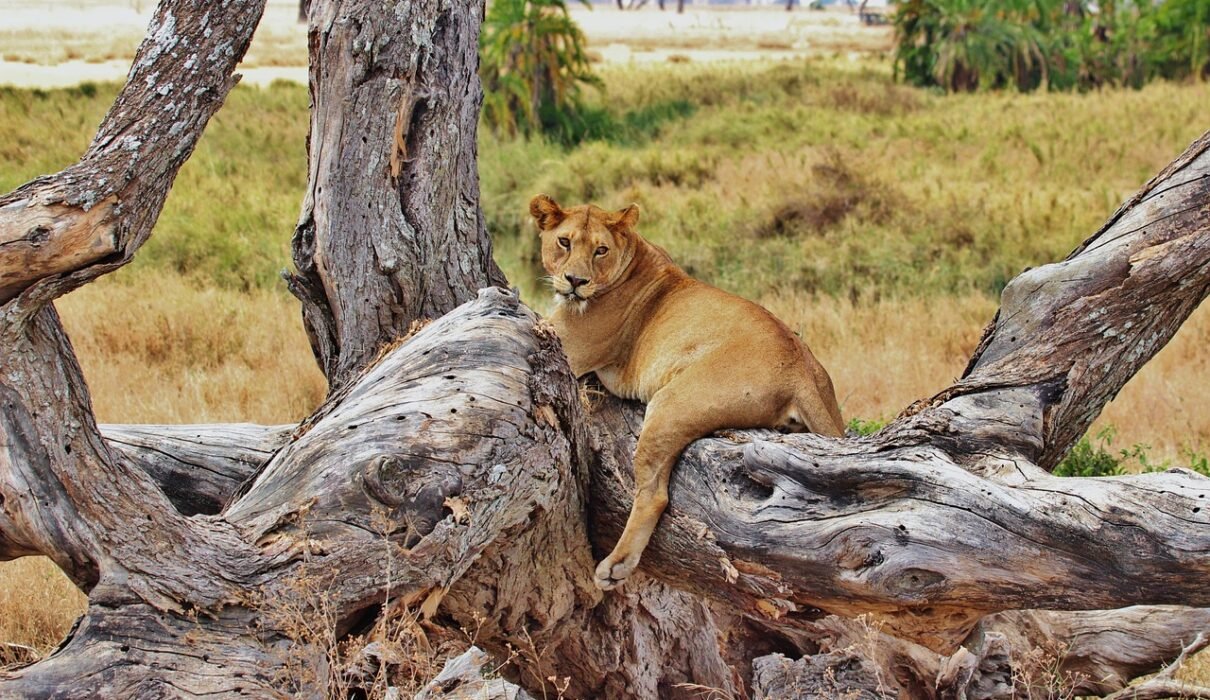
Planning an African safari is exciting, especially when you imagine watching elephants moving across the savannah, seeing lions resting beneath acacia trees, or witnessing thousands of wildebeest crossing the Serengeti plains. For many travelers, visiting Africa’s national parks is a dream they have been saving for over several years. However, as tourism continues to grow, it is becoming increasingly important to think about how our holidays affect wildlife, local communities, and the natural environment.
A sustainable African safari is not simply about staying in an eco-friendly lodge or choosing a company that describes itself as environmentally responsible. It involves making travel decisions that help protect wildlife habitats, respect local communities, reduce unnecessary environmental impacts, and support the long-term conservation of Africa’s natural resources.
Countries such as Tanzania, Kenya, Botswana, Namibia, Rwanda, and Uganda offer remarkable safari experiences, but each destination faces different conservation challenges. These may include habitat loss, human-wildlife conflict, waste management, pressure on water resources, and the effects of climate change. Responsible tourism cannot solve all these problems, but it can make a positive contribution when travelers choose operators and accommodation providers that follow meaningful conservation practices.
For travelers planning a safari in 2027 or 2028, sustainability should be considered from the beginning of the booking process. The choice of safari operator, accommodation, transport, wildlife activities, and even the length of your itinerary can influence the environmental and social impact of your holiday.
In Tanzania, destinations such as Serengeti National Park, Ngorongoro Conservation Area, and Tarangire National Park provide opportunities to experience wildlife while learning about conservation. Choosing responsible travel services helps support the systems and communities involved in protecting these areas.
At Eddy Tours and Safaris, travelers can discuss safari itineraries, accommodation preferences, wildlife experiences, and practical ways to make their Tanzania holiday more responsible.
This guide explains how to book a sustainable African safari in 2027 and 2028, what questions to ask before paying a deposit, how to recognize meaningful sustainability practices, and how to enjoy wildlife without placing unnecessary pressure on the environment.
1. Understand What Makes an African Safari Sustainable
Before booking a safari, it is useful to understand what sustainable tourism actually means. The term is often used in travel advertisements, but its meaning goes beyond protecting trees or using solar energy.
A sustainable safari considers environmental protection, social responsibility, and the economic benefits of tourism. These three areas are closely connected because wildlife conservation often depends on the people living around protected areas and the resources available to manage them.
Environmental responsibility includes reducing waste, conserving water, using energy efficiently, respecting wildlife, and avoiding activities that damage natural habitats. For example, a safari company that follows park regulations, maintains its vehicles properly, and avoids disturbing animals is taking practical steps toward reducing its impact.
Social responsibility means respecting local cultures, providing fair working conditions, and ensuring that nearby communities have opportunities to benefit from tourism. This may involve employing local guides, purchasing supplies from local businesses, or supporting community-managed tourism activities.
Economic sustainability is also important. Tourism businesses need to operate in ways that support long-term conservation and provide reliable employment rather than focusing only on short-term visitor numbers.
A safari does not have to be extremely expensive to be responsible. Both budget and luxury travelers can make better choices by asking questions and selecting services that demonstrate genuine commitment to these principles.
2. Choose a Safari Operator That Takes Responsible Tourism Seriously
Selecting the right safari operator is one of the most important steps when booking a sustainable African safari.
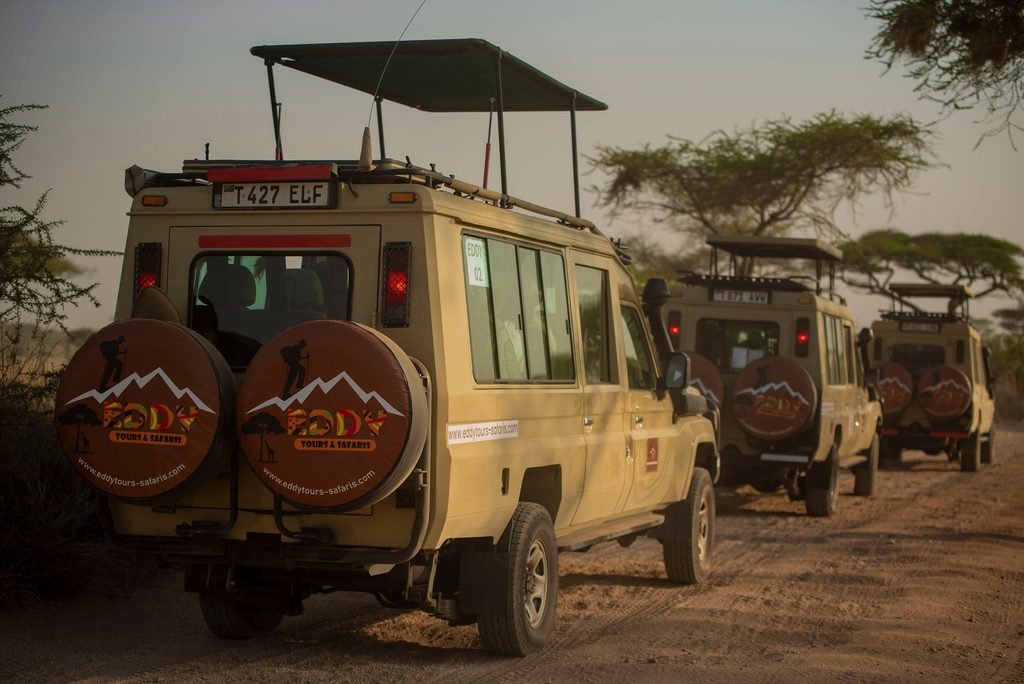
A responsible safari company should understand the destinations it operates in, follow national park regulations, employ knowledgeable guides, and provide clear information about the services included in its packages.
Before making a booking, ask the operator how it approaches wildlife viewing, waste management, staff welfare, and local community involvement.
A company does not need to have a long list of environmental awards to demonstrate responsible practices. However, it should be able to explain what it actually does rather than relying on general statements about loving nature or protecting the planet.
For example, ask whether guides follow designated tracks, how rubbish is handled during game drives, and whether the company provides appropriate working conditions for its employees.
You can also ask about vehicle maintenance, drinking-water arrangements, and whether the company uses locally owned accommodation providers where suitable.
When contacting Eddy Tours and Safaris, you can request information about the specific itinerary, accommodation providers, and responsible travel arrangements available for your chosen safari.
3. Look for Meaningful Sustainability Certifications
Environmental certifications can help travelers compare tourism businesses, but they should not be the only factor influencing a booking decision.
Some accommodation providers and tour operators participate in independent sustainability programs that assess environmental management, social responsibility, and business practices.
For example, Travelife provides sustainability management and certification programs for tourism businesses.
Other frameworks, including those developed by the Global Sustainable Tourism Council, help establish criteria for responsible tourism.
When reviewing a certification, check whether it applies to the specific business you are booking, whether it is current, and what the certification actually covers.
A sustainability label should not be treated as a guarantee that every aspect of a safari is environmentally friendly. Different programs assess different standards, and some claims may be difficult for travelers to verify.
A useful approach is to combine certification information with direct questions about how the company operates.
If an operator claims to be environmentally responsible, it should be able to provide specific examples of its practices.
4. Choose Safari Lodges and Camps That Reduce Environmental Impacts
Accommodation is an important part of any African safari. Whether you choose a luxury lodge, a permanent tented camp, or a budget campsite, the property will use resources such as water, electricity, food, and cleaning supplies.
When selecting accommodation, look beyond beautiful photographs and descriptions of natural surroundings. A lodge located in the wilderness is not automatically sustainable.
Ask how the property manages its water consumption, wastewater, electricity, and solid waste. Some safari lodges use solar energy, energy-efficient lighting, refillable drinking-water systems, and responsible wastewater treatment.
Other properties work with nearby farmers and suppliers to purchase food locally. This can support the regional economy while reducing some of the transportation involved in supplying remote accommodation.
The GSTC Hotel Standard provides a useful reference for evaluating sustainable accommodation practices, including resource conservation, working conditions, and local purchasing.
When booking a Tanzania safari, consider spending two or three nights at the same property rather than changing accommodation every day. This can reduce unnecessary transfers and give you more time to enjoy the surrounding wildlife.
5. Select Wildlife Activities That Respect Animals
Wildlife viewing is the main attraction of most African safaris, but the way animals are approached can influence their behaviour and well-being.
A responsible safari guide should maintain an appropriate distance from wildlife, avoid unnecessary noise, and never deliberately disturb an animal to create a better photograph.
For example, a lion resting beneath a tree should be allowed to remain undisturbed. Drivers should not surround the animal with vehicles, pressure it to move, or approach so closely that it becomes uncomfortable.
The same principle applies to elephants, cheetahs, leopards, and other animals.
Feeding wildlife should also be avoided. Wild animals need to find their own food, and feeding them can change their natural behaviour or create dangerous situations for future visitors.
In Tanzania’s national parks, visitors are expected to follow the applicable park rules, including restrictions on off-road driving, littering, wildlife disturbance, and leaving vehicles outside designated areas.
A good safari experience is not measured by how close your vehicle gets to an animal. Sometimes, watching wildlife quietly from a reasonable distance provides a much better opportunity to observe natural behaviour.
6. Support Local Communities Through Your Safari Booking
Wildlife conservation and local communities are closely connected. Many protected areas in Africa are surrounded by villages where people depend on agriculture, livestock keeping, tourism, and other economic activities.
When tourism creates employment and business opportunities for nearby communities, it can provide an additional reason to support the long-term protection of wildlife and natural habitats.
One practical way to contribute is by choosing locally owned safari companies, employing local guides, and using accommodation providers that purchase goods and services from nearby communities.
Travelers can also include community-based tourism activities in their itineraries.
In northern Tanzania, these may involve visiting local farms, participating in a traditional coffee experience around Mount Kilimanjaro, or joining a responsibly organized cultural visit.
For example, a visit to Materuni Village near Moshi can provide an opportunity to learn about Chagga culture and coffee farming.
A cultural visit should always respect the people involved. Ask permission before taking photographs, avoid treating communities as tourist attractions, and choose experiences where local residents have a meaningful role in organizing the activities.
Supporting local businesses can also be as simple as buying handmade products directly from artisans or enjoying meals prepared by locally owned restaurants.
7. Reduce Plastic Waste During Your African Safari
Plastic waste is an important environmental issue in many tourism destinations.
During a safari, travelers may use drinking-water bottles, snack packaging, disposable toiletries, and other single-use products. If these items are not handled properly, they can become a source of pollution.
One simple way to reduce waste is to carry a reusable water bottle and ask your safari operator whether safe drinking-water refills are available.
Some safari vehicles and accommodation providers have refillable drinking-water systems, while others may use sealed containers.
The most important consideration is ensuring that drinking water is safe.
You can also reduce unnecessary packaging by carrying reusable bags, avoiding disposable cutlery where practical, and choosing accommodation that uses refillable toiletries.
During game drives, all rubbish should remain inside the vehicle until it can be disposed of properly.
Even small items such as food wrappers and tissues should never be thrown into the national park.
Responsible waste management protects the appearance of natural landscapes and reduces the risk of wildlife coming into contact with discarded materials.
8. Plan a Safari Itinerary That Avoids Unnecessary Travel
Africa’s wildlife destinations often cover large areas, and traveling between national parks can take several hours.
In Tanzania, for example, the Northern Safari Circuit includes Tarangire National Park, Lake Manyara National Park, Ngorongoro Conservation Area, and Serengeti National Park.
Although these destinations can be combined, the distances between them should be considered carefully.
A safari itinerary that includes too many destinations within a short period may involve long driving days, increased fuel consumption, and limited time for wildlife viewing.
Instead of trying to visit every national park, consider selecting two or three destinations and spending more time exploring them.
For example, a seven-day Tanzania safari could include Tarangire, Ngorongoro, and Serengeti, with additional nights in the Serengeti.
This arrangement can provide a more relaxed experience than changing parks every day.
Travelers should also consider whether domestic flights are necessary. Flights can save considerable travel time, particularly when visiting remote parks, but they generally have a higher climate impact per passenger than efficient shared ground transport.
The best choice depends on the route, number of travelers, travel time, and available transport options.
At Eddy Tours and Safaris, you can discuss practical itinerary arrangements before confirming your travel plans.
9. Consider Visiting Less Crowded Wildlife Destinations
Serengeti National Park and Ngorongoro Crater are among Africa’s most famous safari destinations, but they are not the only places where travelers can enjoy remarkable wildlife.
Choosing less crowded parks can provide a quieter experience and may help distribute tourism benefits across different regions.
In Tanzania, destinations such as Ruaha National Park and Nyerere National Park offer opportunities to explore large wilderness landscapes.
Ruaha is known for its elephants, lions, baobab trees, and varied wildlife habitats.
Nyerere offers traditional game drives and, in designated areas, boat-based wildlife experiences along the Rufiji River system.
However, visiting a less crowded park does not automatically make a safari sustainable. The accommodation, transport, wildlife practices, and local community benefits still matter.
Travelers should also remember that remote destinations may require additional flights or long road transfers.
For a first-time Tanzania safari, the Northern Circuit remains a practical choice, particularly when travel time is limited.
For returning visitors, southern Tanzania can offer a different experience.
10. Travel During a Season That Suits Your Interests
Choosing the right travel season is important for both the quality of your safari and the practical arrangements involved.
Many travelers visit Tanzania between June and October because these months generally offer favorable wildlife-viewing conditions.
During the dry season, animals often gather near rivers and waterholes, particularly in Tarangire National Park.
However, this is also a popular travel period, and certain destinations can become busy.
The green season, which includes parts of November through May, can offer beautiful scenery, active birdlife, and opportunities to see young animals.
January and February are particularly interesting for travelers who want to experience the wildebeest calving season in the southern Serengeti and Ndutu area.
Traveling outside the busiest months may reduce pressure on some popular tourism facilities, although this benefit depends on the destination and how tourism is managed.
It is important not to choose a travel season based on sustainability alone. Weather, road accessibility, accommodation availability, and the wildlife you hope to see should also influence your decision.
11. Choose Responsible Photography and Cultural Experiences
Wildlife photography is one of the most enjoyable parts of an African safari. However, getting the perfect photograph should never be more important than the well-being of the animal.
Avoid asking your guide to drive too close to wildlife or move off designated tracks simply to improve the camera angle.
Using binoculars or a telephoto lens can help you observe animals from a comfortable distance.
Flash photography may also disturb some animals, particularly during nighttime activities, so follow the guide’s instructions and applicable park regulations.
When photographing local communities, ask permission before taking pictures.
Not everyone wants to be photographed, and visitors should respect that decision.
It is also worth being careful about the wildlife experiences promoted on social media.
Activities that involve inappropriate handling, feeding, or forced interaction with wild animals should be avoided.
Responsible tourism should allow visitors to enjoy nature while respecting the animals and people who live in the destination.
12. Ask Clear Questions Before Paying for Your Safari
One of the simplest ways to book a more sustainable safari is to ask the right questions before confirming your reservation.
A responsible operator should be able to explain the itinerary, accommodation arrangements, wildlife-viewing practices, and payment conditions clearly.
Before paying a deposit, ask for a written quotation that identifies the services included in the price.
The quotation should explain the national parks you will visit, number of nights, accommodation category, meals, transport arrangements, and any additional activities.
You should also understand the cancellation policy and whether travel insurance is required or recommended.
When discussing sustainability, ask for practical examples rather than general promises.
For instance, you can ask how the operator handles waste during game drives, whether the accommodation uses water-saving measures, and how local communities benefit from the services provided.
A company that can answer these questions clearly is easier to evaluate than one that relies only on promotional language.
How Much Does a Sustainable African Safari Cost in 2027 and 2028?
The cost of a sustainable safari depends on the destination, accommodation category, number of travelers, travel season, and activities included.
Responsible tourism does not necessarily mean choosing the most expensive safari.
A mid-range lodge with good waste management, fair employment practices, and strong local purchasing arrangements may provide a more responsible experience than a luxury property that makes broad environmental claims without supporting evidence.
For Tanzania, the following figures can be used as rough planning estimates.
| Safari type | Estimated cost per person per day |
|---|---|
| Budget or shared safari | $200–$350 |
| Mid-range private safari | $350–$600 |
| Luxury private safari | $600–$1,000+ |
| Premium fly-in safari | $1,000+ |
These are general estimates, not confirmed 2027 or 2028 prices or a sustainability premium. Actual costs depend on the operator, accommodation, group size, and services included.
When comparing quotations, consider the value of professional guiding, safe transportation, appropriate staff arrangements, and responsible accommodation.
Choosing the cheapest option without reviewing these factors may not provide the best overall experience.
Suggested 7-Day Responsible Tanzania Safari Itinerary
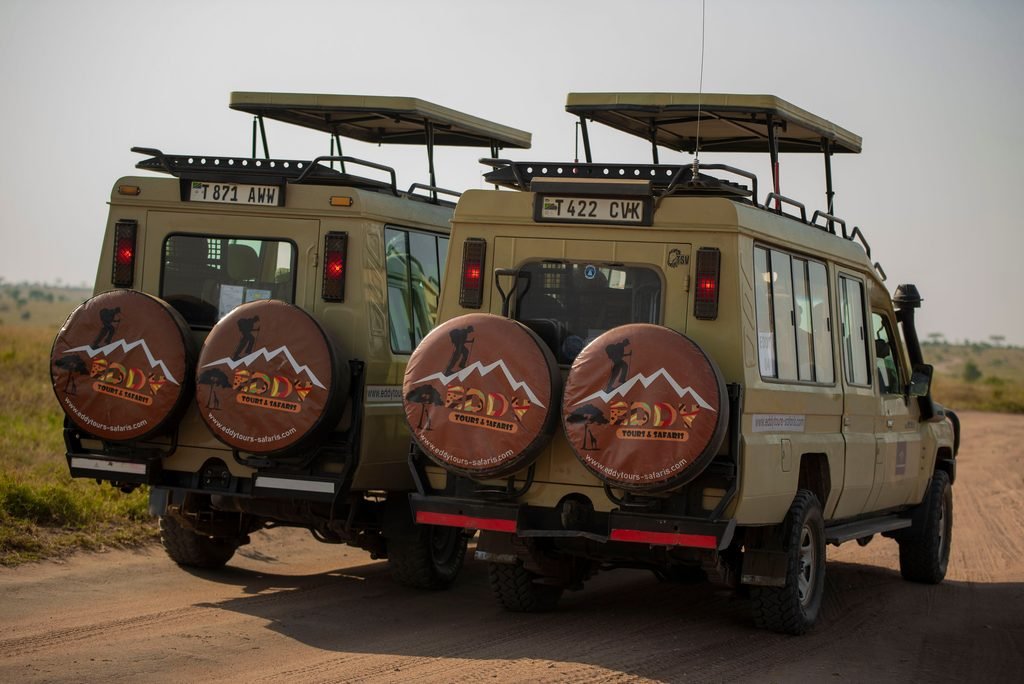
A seven-day safari can provide enough time to explore several of northern Tanzania’s major wildlife destinations without changing accommodation every night.
Day 1: Arrival in Arusha
Arrive at Kilimanjaro International Airport and transfer to your hotel in Arusha.
Spend the afternoon resting after your journey. If time allows, enjoy a meal at a locally owned restaurant or explore the town with a local guide.
Day 2: Tarangire National Park
Travel to Tarangire National Park for a game drive.
Look for elephants, giraffes, zebras, and other animals while enjoying the park’s beautiful baobab landscapes.
Your guide should follow designated tracks and maintain appropriate distances from wildlife.
Day 3: Tarangire and Transfer to Karatu
Enjoy another game drive in Tarangire before traveling toward Karatu.
Spending a second morning in the park provides more opportunities to observe wildlife without rushing.
Overnight at a suitable lodge in the Karatu area.
Day 4: Travel to Serengeti National Park
Continue toward Serengeti National Park through the Ngorongoro highlands.
The journey is relatively long, but it provides beautiful views of northern Tanzania’s landscapes.
Enjoy wildlife viewing after entering the Serengeti, depending on your arrival time.
Day 5: Full-Day Serengeti Safari
Spend a full day exploring the Serengeti with your professional safari guide.
Instead of rushing between distant sightings, allow time to observe wildlife behaviour and appreciate the surrounding environment.
Return to your accommodation for dinner and overnight.
Day 6: Serengeti to Ngorongoro
Enjoy a morning game drive before traveling toward the Ngorongoro Conservation Area.
Spend the evening near the crater, preparing for the following day’s wildlife experience.
Day 7: Ngorongoro Crater and Return to Arusha
Descend into Ngorongoro Crater for a game drive.
Look for lions, buffaloes, elephants, hippos, and other wildlife before returning to Arusha.
Depending on your international flight schedule, an additional night in Arusha may be necessary.
This itinerary can be adjusted according to travel dates, accommodation availability, and personal preferences.
Common Mistakes to Avoid When Booking a Sustainable Safari
Travelers sometimes make booking decisions based on attractive marketing photographs without checking the details behind the package.
One common mistake is assuming that every lodge described as eco-friendly has been independently assessed. Environmental claims should be supported by specific practices or verifiable certifications.
Another mistake is choosing an itinerary with too many destinations. Long transfers can increase transport impacts and reduce the time available for wildlife viewing.
Visitors should also avoid wildlife activities that encourage unnecessary close contact with animals.
Finally, do not assume that a high safari price automatically means better environmental performance. Responsible practices depend on how the business operates, not simply how much it charges.
Frequently Asked Questions About Sustainable African Safaris
What is a sustainable African safari?
A sustainable African safari is a wildlife holiday planned and operated with attention to environmental protection, wildlife welfare, local communities, and responsible business practices.
Are sustainable safaris more expensive?
Not always. Some responsible lodges and operators charge premium prices, but sustainable travel choices are available across different budgets. The important thing is to evaluate the practices behind the service.
Which African country is best for a sustainable safari?
Tanzania, Kenya, Botswana, Namibia, Rwanda, and Uganda all offer opportunities for responsible wildlife tourism. The best destination depends on the wildlife you want to see, your budget, and the practices of the operators you choose.
How can I tell whether a safari company is genuinely sustainable?
Ask for specific information about wildlife-viewing rules, waste management, employee welfare, community involvement, and accommodation practices. You can also check independently verifiable sustainability certifications.
Can I book a sustainable safari in Tanzania?
Yes. Tanzania offers many safari options, and travelers can select operators and accommodation providers that demonstrate responsible environmental and social practices.
Is a private safari less sustainable than a group safari?
A private safari may use more transport resources per person, particularly when only one or two travelers are in the vehicle. However, the overall impact depends on the vehicle, itinerary, accommodation, and other travel arrangements.
Does paying national park fees support conservation?
National park fees provide revenue to protected-area management authorities and can help fund park operations and conservation activities. The precise use of funds depends on the authority and its financial arrangements.
Should I avoid visiting popular parks like Serengeti?
Not necessarily. Visiting established national parks can support conservation-related revenue and local employment. The important thing is to follow regulations, choose responsible services, and avoid disturbing wildlife.
Why Plan Your Tanzania Safari with Eddy Tours and Safaris?
Planning a Tanzania wildlife safari involves choosing the right destinations, accommodation, transport arrangements, and travel dates.
At Eddy Tours and Safaris, we help travelers explore different safari options according to their interests, available time, and preferred travel budget.
If responsible travel is important to you, our team can discuss the proposed itinerary and help you ask the right questions about accommodation, transport, and wildlife activities before confirming your booking.
Whether you are interested in Serengeti National Park, Ngorongoro Crater, Tarangire National Park, or a longer Tanzania holiday, careful planning can help you enjoy your journey while being more mindful of the places you visit.
You can also combine a wildlife safari with Mount Kilimanjaro climbing, cultural experiences, or a Zanzibar beach holiday.
Visit Eddy Tours and Safaris to learn more about Tanzania travel options.
Final Thoughts: Booking a More Responsible African Safari
A sustainable African safari begins with informed travel decisions.
Choosing an operator that follows wildlife regulations, selecting accommodation with meaningful environmental practices, supporting local communities, and reducing unnecessary waste are all practical ways to make a difference.
It is also important to remember that no safari is completely free of environmental impacts. Vehicles consume fuel, accommodation uses resources, and international travel contributes to greenhouse gas emissions.
The goal is not to pretend that tourism has no impact, but to make better choices and support businesses that are working to reduce harm while contributing positively to the destinations they operate in.
For travelers visiting Tanzania in 2027 or 2028, a well-planned safari can provide opportunities to see remarkable wildlife while developing a greater understanding of the importance of conservation.
Taking time to research your safari operator, accommodation, and itinerary before booking is one of the most useful steps you can take.
Book Your Tanzania Safari with Eddy Tours and Safaris
Are you planning an African safari in 2027 or 2028?
Eddy Tours and Safaris can help you plan a Tanzania wildlife safari based on your travel dates, preferred national parks, accommodation requirements, and budget.
You can discuss private safaris, shared safari arrangements, cultural experiences, and additional activities before selecting a suitable itinerary.
Contact Eddy Tours and Safaris
Email: sales@eddytours-safaris.com
Phone/WhatsApp: +255 711 906 664
Website: https://eddytours-safaris.com/
Booking inquiries: https://eddytours-safaris.com/contact/