
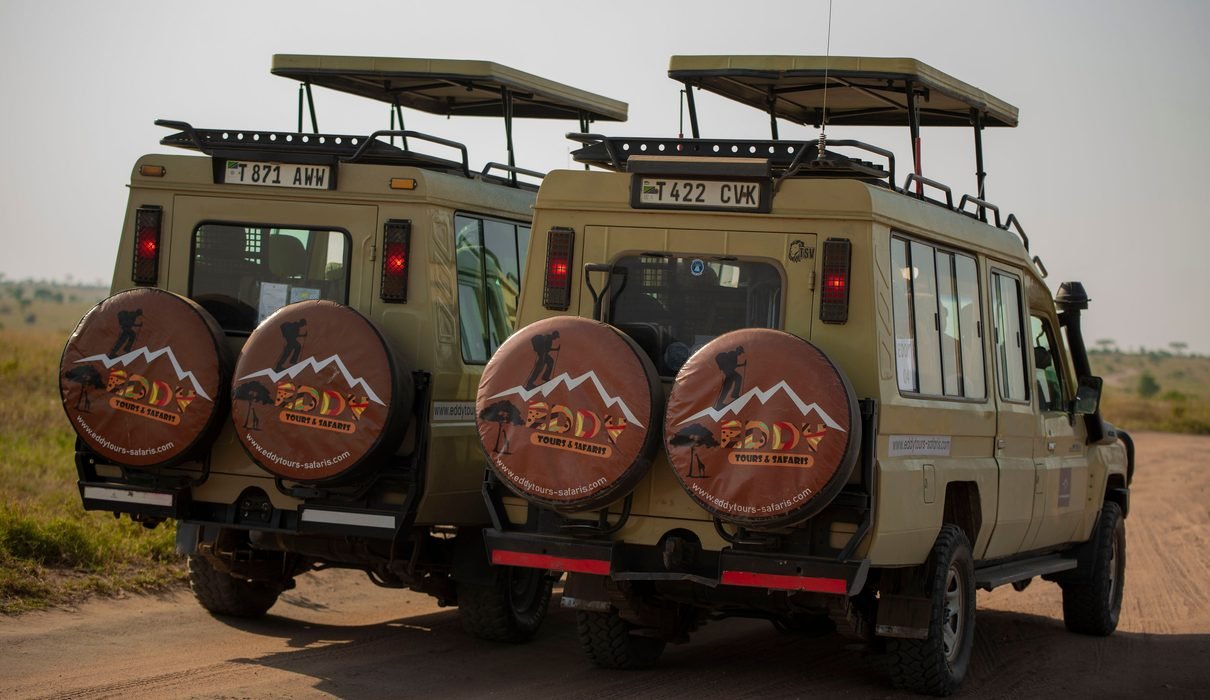
Tanzania is one of the few countries in Africa where you can enjoy a wildlife safari, visit Africa’s highest mountain, learn about local cultures, and relax on beautiful Indian Ocean beaches during the same holiday. From the open plains of Serengeti National Park to the villages around Mount Kilimanjaro and the historic streets of Zanzibar, the country has plenty to offer travelers with different interests.
However, planning a Tanzania holiday requires more than choosing a few famous destinations. Tanzania is a large country, and traveling between national parks, towns, and coastal destinations can take several hours. If you try to visit too many places within a short holiday, you may end up spending most of your time on the road instead of enjoying the experiences you came to Tanzania for.
A good Tanzania itinerary should include the places you genuinely want to visit, enough time to explore them, and a comfortable balance between activities and relaxation. For some travelers, that means spending several days watching wildlife in the Serengeti. Others may prefer climbing Mount Kilimanjaro, meeting local communities, or finishing their holiday on Zanzibar’s beaches.
If you are visiting Tanzania for the first time, the northern part of the country is often a good place to begin. It is home to Serengeti National Park, Ngorongoro Crater, Tarangire National Park, Lake Manyara, and Mount Kilimanjaro. These destinations can be combined into different itineraries depending on your available time and budget.
At Eddy Tours and Safaris, we help travelers organize Tanzania holidays that include wildlife safaris, Kilimanjaro climbing, cultural activities, and beach holidays. Whether you are planning a short visit or a two-week holiday, choosing the right experiences will help you make better use of your time.
Here are twelve things worth considering for your Tanzania itinerary in 2027 and 2028.
1. Spend Time Exploring Serengeti National Park
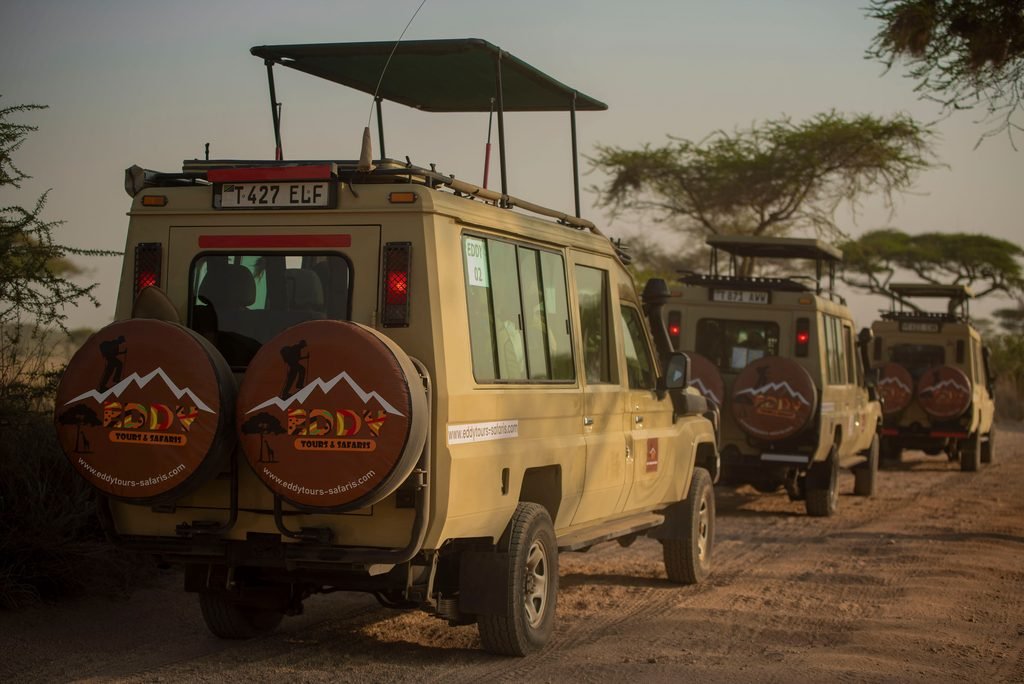
Serengeti National Park should be high on your list if wildlife is one of the main reasons you are visiting Tanzania. The park is famous for its wide grasslands, large animal populations, and the annual Great Wildebeest Migration.
The Serengeti covers approximately 14,750 square kilometres, making it one of Tanzania’s largest and most important wildlife destinations. Its landscapes include open savannah, acacia woodland, rocky outcrops, rivers, and seasonal wetlands. These habitats support lions, elephants, giraffes, buffaloes, zebras, wildebeest, cheetahs, leopards, hyenas, and many other animals.
One of the best things about visiting the Serengeti is that every game drive is different. You may spend one morning watching a pride of lions resting beneath a tree and another observing elephants moving slowly through the grasslands. Sometimes, the most interesting moments come from simply watching how animals behave rather than rushing from one sighting to another.
For first-time visitors, spending at least two nights in the Serengeti is a reasonable starting point. Three nights or more can be even better, particularly if you want to explore different areas or are interested in wildlife photography.
The Serengeti is also a large park, so accommodation location matters. Staying close to the area you want to explore can reduce driving time and allow you to spend more hours watching wildlife.
You can discuss suitable Serengeti safari arrangements with Eddy Tours and Safaris.
2. Plan Your Visit Around the Great Wildebeest Migration
The Great Wildebeest Migration is one of Tanzania’s best-known wildlife events. Every year, enormous herds of wildebeest, accompanied by zebras and other grazing animals, move through the Serengeti-Mara ecosystem in search of fresh grass and water.
Many travelers associate the migration with dramatic river crossings, but the migration is a year-round natural movement. Different parts of the Serengeti offer different experiences depending on the season.
Between January and March, the southern Serengeti and Ndutu area often support large concentrations of wildebeest. January and February are particularly associated with the calving season, when many wildebeest give birth. This period can also attract predators such as lions, cheetahs, and hyenas.
From around April through June, the herds generally move toward the central and western parts of the ecosystem, depending on rainfall and grazing conditions.
Between July and October, many herds may be found in the northern Serengeti and Kenya’s Maasai Mara region. This is the period when travelers often hope to witness crossings of the Mara River.
However, the timing and location of the migration cannot be guaranteed. Rainfall patterns vary, and the animals do not follow a fixed calendar.
If the Great Migration is one of your main reasons for visiting Tanzania, it is important to choose your travel dates and accommodation carefully. A safari operator familiar with seasonal wildlife movements can help you select the most suitable area for your intended visit.
3. Visit Ngorongoro Crater for Excellent Wildlife Viewing
Ngorongoro Crater is one of the most impressive natural attractions in Tanzania. Located within the Ngorongoro Conservation Area, it is a large volcanic caldera surrounded by steep walls and beautiful highland scenery.
The crater floor contains grasslands, wetlands, woodland, and a seasonal lake. These different habitats support many animal species within a relatively compact area.
During a game drive, visitors may see lions, buffaloes, elephants, zebras, wildebeest, hippos, hyenas, and different antelope species. Ngorongoro is also an important habitat for the endangered black rhinoceros.
Although black rhino sightings are not guaranteed, the crater is one of the better-known places in Tanzania where visitors may have an opportunity to see this rare animal.
Most Ngorongoro visits begin early in the morning. After descending from the crater rim, you spend several hours exploring the floor with your safari guide.
The scenery is particularly beautiful when the morning mist begins to clear and the surrounding crater walls become visible.
Ngorongoro is a good destination for travelers who have limited time because a single game drive can provide opportunities to observe several different wildlife species.
However, the crater can become busy during peak tourism months. It is therefore worth planning your visit carefully and allowing enough time to enjoy the experience.
For official information about the conservation area, visit the Ngorongoro Conservation Area Authority.
4. Watch Elephants in Tarangire National Park
Tarangire National Park is another destination that deserves a place on your Tanzania itinerary, particularly if you enjoy watching elephants.
Located southwest of Arusha, Tarangire is known for its large elephant herds, ancient baobab trees, and beautiful landscapes. The Tarangire River is an important source of water for wildlife, especially during the dry season.
From June through October, animals often gather near the river and other available water sources. This creates excellent opportunities to observe elephants, giraffes, zebras, wildebeest, buffaloes, and various antelope species.
Watching elephants in Tarangire can be particularly interesting because visitors sometimes see large family groups moving together. Young elephants may stay close to their mothers while adults feed or gather near water.
The park is also home to lions, leopards, and many bird species, although sightings depend on the season and natural conditions.
One of Tarangire’s most recognizable features is its baobab trees. These enormous trees are scattered across the landscape and provide beautiful backgrounds for wildlife photography.
If you are planning a short Tanzania safari, Tarangire can be visited as a day trip from Arusha, although staying overnight nearby allows more time for game drives.
For longer safaris, Tarangire is commonly combined with Serengeti and Ngorongoro.
5. Include Mount Kilimanjaro in Your Travel Plans
Mount Kilimanjaro is Tanzania’s most famous mountain and the highest peak in Africa, standing at 5,895 metres above sea level.
Located near Moshi in northern Tanzania, the mountain attracts climbers from around the world who want to reach Uhuru Peak.
Climbing Kilimanjaro is a demanding adventure that requires physical preparation, suitable equipment, and careful attention to altitude acclimatization.
There are several established routes, including Machame, Lemosho, Marangu, Rongai, and the Northern Circuit.
The Machame Route is known for its varied scenery and challenging trails, while the Lemosho Route is popular among travelers who want a longer itinerary and more time for acclimatization.
The Marangu Route is different because climbers stay in mountain huts rather than tents.
For travelers who have enough time, a seven- or eight-day itinerary is generally preferable to a shorter climb because it provides more opportunities for gradual acclimatization.
However, reaching the summit is never guaranteed, and altitude sickness remains a risk even for physically fit climbers.
Can You Visit Kilimanjaro Without Climbing It?
Yes. You do not need to climb to the summit to enjoy Mount Kilimanjaro.
Visitors can spend time in Moshi, explore nearby villages, or arrange permitted day hikes on the mountain’s lower slopes.
On clear mornings, Kilimanjaro can be seen from several locations around Moshi, providing excellent opportunities for photography.
If you are interested in climbing Kilimanjaro, Eddy Tours and Safaris can help you compare different routes and choose a suitable itinerary.
6. Visit Materuni Waterfalls and Learn About Chagga Culture
Materuni Waterfalls is one of the most popular day-trip destinations near Moshi. Located on the lower slopes of Mount Kilimanjaro, the waterfall is surrounded by green vegetation, farms, and beautiful mountain scenery.
The visit normally begins with a drive to Materuni Village, followed by a guided walk toward the waterfall.
The walking trail passes through cultivated areas and local footpaths, providing opportunities to observe village life and enjoy views of the surrounding countryside.
Depending on the route and walking pace, the hike may take approximately 30–60 minutes each way.
The trail can become muddy or slippery after rainfall, so comfortable walking shoes are recommended.
When you reach the waterfall, you can spend time enjoying the scenery and taking photographs.
Materuni is also known for its coffee experiences. During a traditional coffee tour, visitors can learn how coffee is grown, harvested, dried, roasted, and prepared.
Local guides often explain the importance of coffee farming to the Chagga community and demonstrate traditional processing methods.
A visit to Materuni is particularly suitable for travelers staying in Moshi before or after climbing Kilimanjaro.
It can also be included as part of a longer northern Tanzania holiday.
7. Relax at Chemka Hot Springs
Chemka Hot Springs, also known as Kikuletwa Hot Springs, is a natural swimming destination located between Moshi and Arusha.
The springs are surrounded by trees and vegetation, creating a peaceful environment for swimming and relaxation.
Despite the name, the water is generally pleasantly warm rather than hot.
The pool is known for its clear blue-green appearance, although water conditions can vary.
Chemka is particularly popular among travelers who want a relaxing activity after several days of hiking or wildlife viewing.
Visitors can spend a few hours swimming, sitting beneath the trees, or enjoying the surrounding natural environment.
However, some parts of the pool are deep, and visitors should take care when swimming.
The drive from Moshi normally takes around one to two hours, depending on road conditions and the starting point.
Chemka can be combined with other activities around Moshi, although it is important to consider travel time when planning the day.
For travelers who want to include a quieter activity between a safari and Kilimanjaro climb, Chemka is worth considering.
8. Experience Local Culture in a Maasai Community
Tanzania is home to many different ethnic communities, each with its own traditions, languages, and cultural practices.
The Maasai are among the best-known communities in northern Tanzania, particularly in areas around Arusha, Ngorongoro, and the Great Rift Valley.
A responsibly organized cultural visit can provide an opportunity to learn about Maasai traditions, livestock keeping, traditional clothing, housing, and community life.
Some visits include discussions with local guides, traditional dances, demonstrations of daily activities, and opportunities to purchase locally made crafts.
However, cultural tourism should be approached respectfully.
Visitors should ask permission before photographing people and choose experiences where local communities participate voluntarily and receive fair benefits.
It is also important to remember that Maasai communities are not all the same. Their lifestyles, livelihoods, and traditions vary, and many families combine traditional practices with modern education and employment.
For travelers interested in learning more about Tanzania beyond its wildlife, a cultural visit can add valuable meaning to the holiday.
9. Explore Lake Manyara National Park and Mto wa Mbu
Lake Manyara National Park is located near Mto wa Mbu, at the base of the Great Rift Valley escarpment.
Although the park is smaller than Serengeti and Tarangire, it offers beautiful scenery and a variety of wildlife habitats.
The park includes groundwater forest, open grassland, wetlands, and lake environments.
Visitors may see elephants, giraffes, buffaloes, zebras, baboons, hippos, and different bird species.
Lake Manyara is also known for its tree-climbing lions, although sightings are uncommon and should not be expected during every visit.
The park is particularly attractive to birdwatchers, with flamingos and other waterbirds sometimes present depending on lake conditions.
Explore Mto wa Mbu Village
Mto wa Mbu is located near Lake Manyara and is known for its cultural diversity and agricultural activities.
Visitors can arrange guided village tours to learn about local farming, markets, food, and everyday life.
Banana cultivation is particularly common in the area, and some cultural tours include opportunities to learn about local food preparation.
Mto wa Mbu is also a convenient stopping point when traveling between Arusha, Tarangire, Ngorongoro, and Serengeti.
For travelers who enjoy combining wildlife with cultural experiences, Lake Manyara and Mto wa Mbu can make an interesting addition to the itinerary.
10. Spend Time on Zanzibar’s Beautiful Beaches
Zanzibar is one of Tanzania’s most popular holiday destinations, particularly for travelers who want to relax after a wildlife safari or Kilimanjaro climb.
The islands are known for their white sandy beaches, warm Indian Ocean waters, historic towns, and Swahili coastal culture.
Zanzibar offers accommodation for different budgets, from small guesthouses to luxury beachfront resorts.
Some of the most popular beach destinations include Nungwi, Kendwa, Paje, Jambiani, and Matemwe.
Nungwi and Kendwa
Nungwi and Kendwa are located in northern Zanzibar and are popular for swimming, beach relaxation, and sunset views.
Kendwa is particularly attractive to travelers who prefer beaches where swimming is less affected by tidal changes than on parts of Zanzibar’s eastern coast.
Paje and Jambiani
Paje and Jambiani are located along Zanzibar’s southeast coast.
These areas are known for beautiful beaches, coastal villages, and opportunities for water activities.
Paje is particularly popular for kitesurfing when wind conditions are suitable.
How Many Days Should You Spend in Zanzibar?
For travelers combining Zanzibar with a Tanzania safari, three to five days is a good starting point.
This provides enough time to relax on the beach and explore some of the island’s attractions.
A longer stay may be suitable for honeymoon travelers or visitors who prefer a slower holiday.
11. Explore Stone Town and Zanzibar’s History
Stone Town is the historic centre of Zanzibar City and one of Tanzania’s most interesting cultural destinations.
The town is famous for its narrow streets, old buildings, carved wooden doors, markets, and architecture influenced by African, Arabian, Indian, and European cultures.
Stone Town is recognized as a UNESCO World Heritage Site because of its historical and cultural significance.
During a guided walking tour, visitors can learn about Zanzibar’s history as an important trading centre in the Indian Ocean.
Popular places to visit include the Old Fort, Forodhani Gardens, local markets, and the former slave market site.
The history of the East African slave trade is an important part of Stone Town’s heritage, and a knowledgeable local guide can help visitors understand this difficult period.
Stone Town is also an excellent place to experience Zanzibar’s food culture.
Local restaurants and markets serve dishes influenced by the island’s Swahili, Arabian, and Indian culinary traditions.
You can learn more about the town’s historical importance through the UNESCO World Heritage Centre.
12. Leave Enough Time to Relax and Enjoy Your Journey
One of the most important things to include in your Tanzania itinerary is enough time to relax.
Many travelers make the mistake of trying to visit too many destinations within a short period.
For example, visiting Serengeti, Ngorongoro, Tarangire, Kilimanjaro, Materuni, Chemka, and Zanzibar within only one week would involve considerable travel and leave very little time to enjoy each place.
A better itinerary focuses on a manageable number of destinations.
If you are visiting Tanzania for the first time and have seven days available, you may prefer to concentrate on the Northern Safari Circuit.
If you have ten to fourteen days, you can combine a wildlife safari with cultural activities and Zanzibar.
Travelers planning to climb Kilimanjaro should allow additional days for the climb, arrival, and rest.
It is also worth spending time in towns such as Arusha or Moshi, where you can enjoy local food, visit markets, and experience everyday life in Tanzania.
These quieter moments can be just as enjoyable as visiting the country’s famous attractions.
How Many Days Should You Spend in Tanzania?
The ideal length of your Tanzania holiday depends on your interests and the activities you want to include.
A traveler interested mainly in wildlife may need fewer days than someone who wants to combine a safari, Kilimanjaro climb, cultural visits, and Zanzibar.
| Travel duration | Suggested experiences |
|---|---|
| 3–4 days | Tarangire, Ngorongoro, and nearby attractions |
| 5–7 days | Serengeti, Ngorongoro, and Tarangire |
| 8–10 days | Northern Circuit safari and selected cultural activities |
| 12–14 days | Wildlife safari, cultural visits, and Zanzibar |
| 16–20 days | Kilimanjaro climbing, Tanzania safari, and Zanzibar |
These are general suggestions rather than fixed itineraries.
Travel distances, domestic flights, accommodation locations, and personal preferences should be considered when planning the final schedule.
Suggested 10-Day Tanzania Itinerary for First-Time Visitors
A ten-day holiday can provide a good introduction to Tanzania’s wildlife, landscapes, and beaches.
Day 1: Arrival in Tanzania. Arrive at Kilimanjaro International Airport and transfer to your hotel in Arusha. Spend the rest of the day relaxing after your flight.
Day 2: Tarangire National Park. Travel to Tarangire for a game drive. Look for elephants, giraffes, zebras, and other wildlife before continuing to your accommodation.
Day 3: Travel to Serengeti National Park. Continue toward the Serengeti, passing through the Ngorongoro highlands. Enjoy wildlife viewing along the way, depending on your travel schedule.
Day 4: Full-Day Serengeti Safari. Spend the day exploring the Serengeti with your safari guide. Look for lions, elephants, cheetahs, giraffes, and other animals.
Day 5: Serengeti to Ngorongoro. Enjoy a morning game drive before traveling toward the Ngorongoro Conservation Area.
Day 6: Ngorongoro Crater. Descend into the crater for a game drive before returning to Arusha.
Day 7: Travel to Zanzibar. Transfer to the airport for a domestic flight to Zanzibar. Continue to your beach accommodation and spend the afternoon relaxing.
Day 8: Zanzibar Beach Holiday. Enjoy a full day at the beach or participate in optional water activities.
Day 9: Stone Town Visit. Explore Stone Town with a local guide and learn about Zanzibar’s history, culture, and architecture.
Day 10: Departure. Depending on your flight schedule, enjoy some free time before transferring to the airport.
This itinerary can be adjusted according to your travel dates, accommodation preferences, and budget.
For a personalized Tanzania holiday, contact Eddy Tours and Safaris.
Best Time to Visit Tanzania in 2027 and 2028
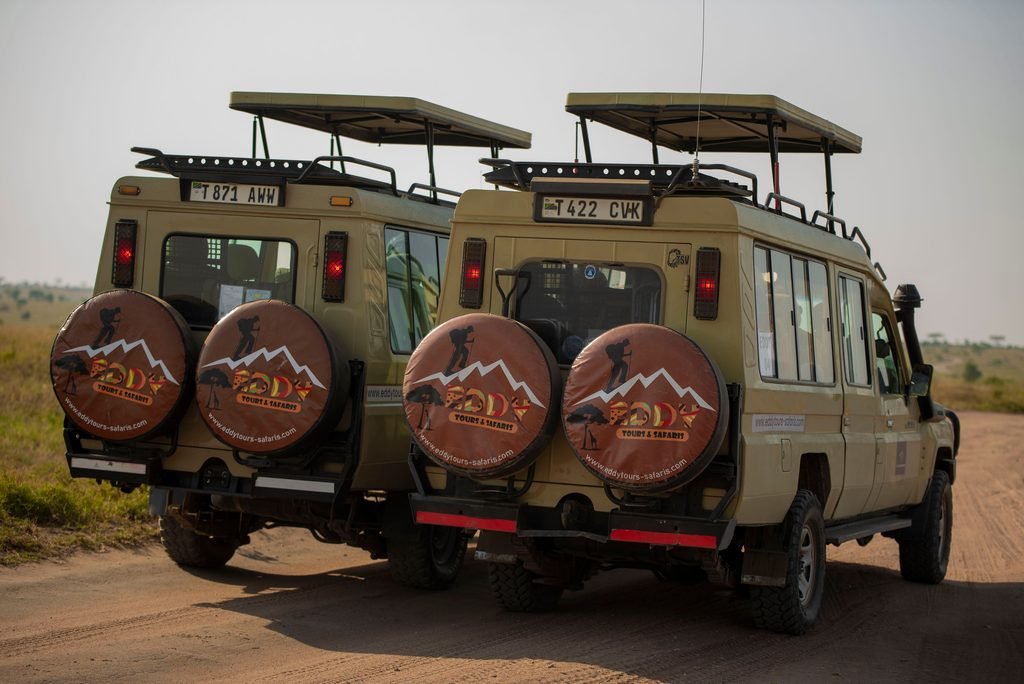
Tanzania can be visited throughout the year, but the best travel period depends on the activities you want to experience.
January to March
January and February are particularly interesting for visitors who want to see the wildebeest calving season in the southern Serengeti and Ndutu area.
These months can also offer suitable conditions for climbing Kilimanjaro, although mountain weather remains unpredictable.
April to May
April and May are generally associated with the long rainy season in northern Tanzania.
Some safari roads may become muddy, and outdoor activities can be affected by rainfall.
However, the landscapes are often green, and some accommodation properties offer lower seasonal rates.
June to October
June through October is generally one of the best periods for wildlife viewing.
During the dry season, animals often gather around water sources, particularly in destinations such as Tarangire National Park.
These months are also popular for Kilimanjaro climbing and northern Serengeti migration safaris.
November to December
November often brings short rains, while December conditions vary.
The landscape becomes greener, and many destinations remain suitable for travel.
Zanzibar can be visited throughout the year, although rainfall, humidity, and sea conditions vary by season.
How Much Does a Tanzania Holiday Cost?
The cost of a Tanzania holiday depends on the number of travel days, accommodation standard, destinations, transport arrangements, and activities included.
A private wildlife safari generally costs more than a shared group safari because the vehicle and guide are reserved for one booking.
Kilimanjaro climbing and Zanzibar beach holidays have different pricing structures, so the total cost depends on how these activities are combined.
For planning purposes, a mid-range private safari may cost approximately $350–$600 per person per day, depending on the itinerary and number of travelers.
Luxury safaris can cost considerably more, particularly when staying in premium lodges or using domestic flights.
These are broad planning estimates rather than confirmed quotations for 2027 or 2028.
When comparing packages, check whether the price includes park entrance fees, accommodation, meals, transportation, professional guides, domestic flights, and airport transfers.
International flights, visas, travel insurance, personal expenses, and optional activities may be excluded.
Important Travel Tips for Planning Your Tanzania Itinerary
Before traveling to Tanzania, it is important to prepare the necessary travel documents and understand the practical arrangements for your holiday.
Most international visitors require a passport with sufficient validity and may need a visa, depending on their nationality.
Travelers should check the latest entry requirements through the official Tanzania Immigration Department.
It is also advisable to consult a qualified healthcare professional about recommended vaccinations, malaria prevention, and other travel health considerations.
Travel insurance is strongly recommended, particularly for visitors planning to climb Kilimanjaro or travel to remote safari destinations.
When packing, choose lightweight clothing suitable for warm weather, but include a warm jacket for early morning game drives and cooler highland areas.
If you are climbing Kilimanjaro, you will need additional mountain equipment suitable for freezing temperatures.
Finally, remember that wildlife sightings and natural events cannot be guaranteed. The Great Migration, for example, follows seasonal rainfall and grazing conditions rather than fixed dates.
A flexible itinerary and an experienced guide can help you make the most of your time in Tanzania.
Why Plan Your Tanzania Itinerary with Eddy Tours and Safaris?
Planning a Tanzania holiday involves several important decisions, including which destinations to visit, how many days to spend in each location, and what type of accommodation to choose.
At Eddy Tours and Safaris, we help travelers organize Tanzania wildlife safaris, Kilimanjaro climbing experiences, cultural tours, and Zanzibar holidays according to their travel interests.
Whether you are planning a short safari or a longer holiday combining several destinations, our team can help you create an itinerary that makes practical use of your available time.
We understand that every traveler has different preferences. Some visitors want to spend several days photographing wildlife in the Serengeti, while others prefer to combine game drives with cultural experiences and relaxation.
By discussing your travel dates, interests, and budget, we can help you choose suitable destinations and accommodation arrangements.
Visit the Eddy Tours and Safaris website to explore Tanzania travel experiences, or contact our team to request a customized itinerary.
Frequently Asked Questions About Planning a Tanzania Itinerary
What should be included in a first-time Tanzania itinerary?
A first-time Tanzania itinerary should ideally include some of the country’s major wildlife destinations, such as Serengeti National Park, Ngorongoro Crater, and Tarangire National Park. Depending on your available time, you can also include cultural activities, Mount Kilimanjaro, or Zanzibar.
How many days are enough to visit Tanzania?
Seven to ten days is a good starting point for travelers who want to experience several wildlife destinations. If you plan to combine a safari with Zanzibar or Kilimanjaro climbing, twelve to twenty days may be more suitable.
Is Serengeti National Park worth visiting?
Yes. Serengeti National Park is one of Africa’s most famous wildlife destinations and offers opportunities to see lions, elephants, giraffes, zebras, wildebeest, and other animals throughout the year.
Can I visit Kilimanjaro without climbing it?
Yes. You can enjoy views of Mount Kilimanjaro from Moshi and nearby areas or participate in permitted day hikes on the lower slopes.
What is the best month to visit Tanzania?
June through October is generally favorable for wildlife safaris, while January and February are particularly interesting for the wildebeest calving season in the southern Serengeti. The best month depends on your preferred activities.
Can I combine a Tanzania safari with Zanzibar?
Yes. Many travelers spend several days exploring Tanzania’s national parks before flying to Zanzibar for a beach holiday. This is a popular option for couples, families, and honeymoon travelers.
Is Tanzania expensive for tourists?
Tanzania offers different travel options, from budget group safaris to luxury private holidays. Costs depend on the destinations, accommodation, travel season, and activities included.
Do I need a guide for a Tanzania safari?
Most international visitors choose a guided safari because professional guides understand the national parks, wildlife habitats, and local conditions. A knowledgeable guide can also help visitors follow park regulations and travel safely.
Final Thoughts: Planning the Best Tanzania Itinerary
Tanzania has much more to offer than a traditional wildlife safari. From the open plains of the Serengeti and the wildlife-rich Ngorongoro Crater to the slopes of Mount Kilimanjaro and the beaches of Zanzibar, the country provides a wide variety of experiences.
For first-time visitors, Serengeti, Ngorongoro, and Tarangire are among the most important wildlife destinations to consider.
Travelers who enjoy hiking and mountain adventures may want to include Mount Kilimanjaro, while those interested in local culture can visit Materuni Village, Mto wa Mbu, or a Maasai community.
Zanzibar is an excellent addition for visitors who want to relax after several days of wildlife viewing or mountain trekking.
The most important thing is to plan your journey according to your interests and available time rather than trying to visit every destination within a short holiday.
A well-organized itinerary allows you to enjoy Tanzania’s landscapes, wildlife, and people without spending most of your holiday rushing between locations.
Plan Your Tanzania Holiday with Eddy Tours and Safaris
Are you planning to visit Tanzania in 2027 or 2028? Eddy Tours and Safaris can help you organize a private safari, Kilimanjaro climbing adventure, cultural tour, or Zanzibar beach holiday based on your travel preferences.
Whether you are traveling alone, as a couple, with friends, or with family, our team can help you choose suitable destinations and arrange your Tanzania itinerary.
For more information, visit Eddy Tours and Safaris or send us your travel inquiry.
Email: sales@eddytours-safaris.com
Phone/WhatsApp: +255 711 906 664
Website: Eddy Tours and Safaris
Contact page: Plan Your Tanzania Holiday