
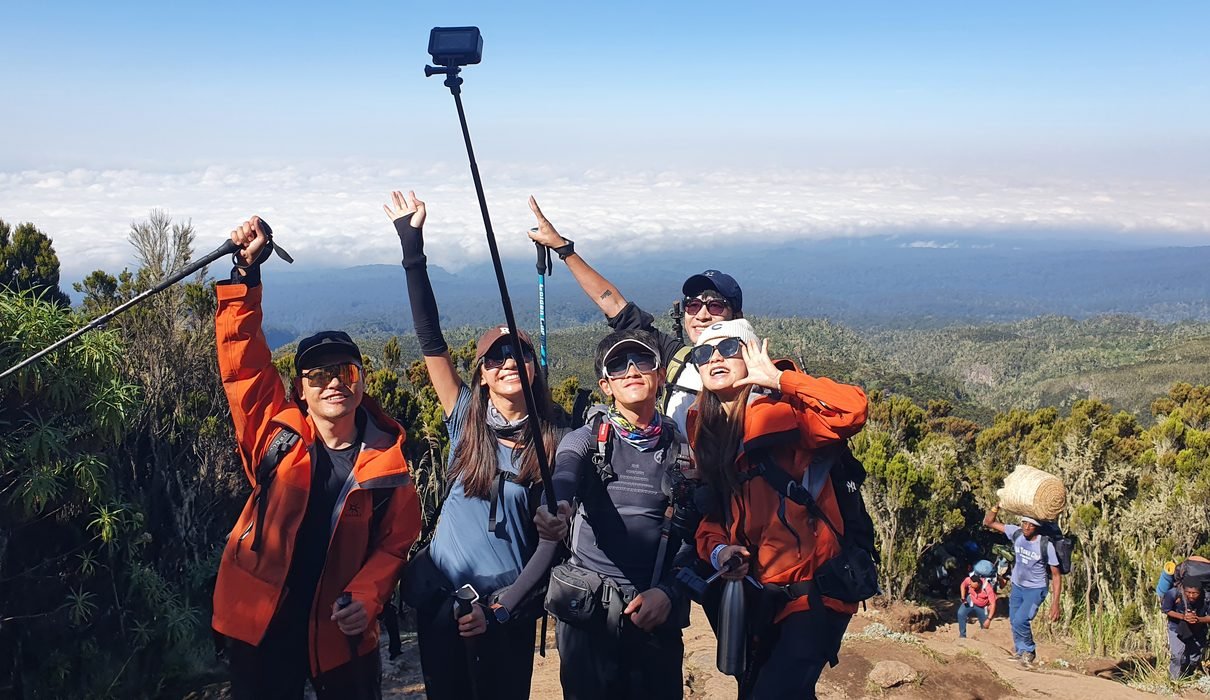
Climbing Mount Kilimanjaro is a dream for many travellers visiting Tanzania, but reaching Africa’s highest point at 5,895 metres requires proper preparation, experienced mountain guides and enough time for the body to adjust to high altitude. Although Kilimanjaro does not normally require technical mountaineering skills, it should never be treated as an ordinary hiking trip. Changing weather conditions, low oxygen levels, lengthy walking days and freezing temperatures near the summit can make the expedition physically demanding, even for experienced hikers. Choosing a suitable route, preparing the right equipment and understanding the risks are important steps towards a safer climbing experience.
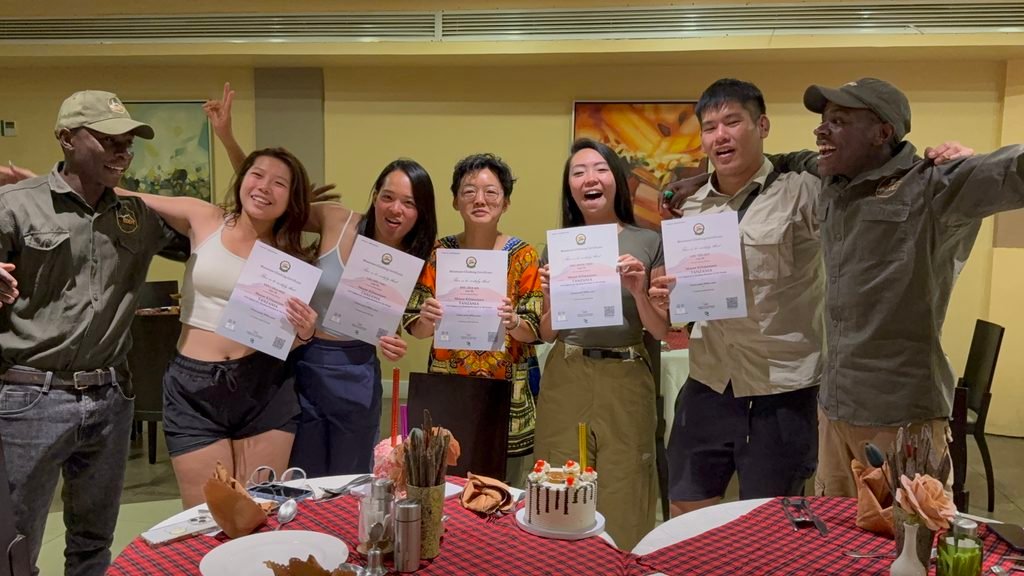
At Eddy Tours & Safaris, we help travellers plan their Kilimanjaro expeditions according to their fitness levels, previous trekking experience, available time and personal preferences. Whether you are planning your first mountain expedition in 2027 or returning to Tanzania for another adventure in 2028, this guide explains what you need to know about Kilimanjaro climbing safety, acclimatisation, mountain equipment, emergency procedures and choosing the right climbing company.
Is Mount Kilimanjaro Safe to Climb in 2027 and 2028?
Mount Kilimanjaro can be climbed with reasonable safety precautions when travellers are properly prepared, supported by qualified mountain guides and following a suitable itinerary. However, no high-altitude mountain expedition is completely risk-free. Kilimanjaro’s greatest challenge is not necessarily its walking distance or steep terrain but the reduction in available oxygen as climbers approach higher elevations. People who rush their ascent or ignore symptoms of altitude sickness may experience serious health complications regardless of their physical fitness.
Many Kilimanjaro routes follow established trails with designated campsites and arrangements for mountain rescue. Climbers should nevertheless understand that immediate medical assistance may not always be available in remote mountain areas. Booking with a responsible local operator, selecting a longer climbing itinerary and obtaining appropriate travel insurance are important parts of planning your expedition. Travellers can explore different mountain programmes through Kilimanjaro Climb Specialist before deciding which route best suits their needs.
What Are the Main Risks of Climbing Mount Kilimanjaro?
Understanding the risks before travelling to Tanzania allows climbers to prepare properly and make informed decisions throughout their expedition. Most mountain-related problems can be managed more effectively when recognised early, making communication between climbers and their mountain guides particularly important.
| Climbing Risk | Main Cause | Recommended Precaution |
|---|---|---|
| Altitude sickness | Rapid ascent to high elevations | Gradual acclimatisation |
| Hypothermia | Cold, wind and wet clothing | Proper insulated clothing |
| Dehydration | Fluid loss during physical activity | Regular fluid intake |
| Physical exhaustion | Long hiking days and inadequate preparation | Fitness training and sufficient rest |
| Sprains and injuries | Rocky or slippery trails | Suitable boots and trekking poles |
| Sunburn | Strong ultraviolet radiation | Sunscreen and protective clothing |
| Food-related illness | Poor food or water hygiene | Treated water and hygienic food preparation |
| Severe altitude illness | Inadequate adjustment to altitude | Early recognition, descent and emergency medical care |
Which Kilimanjaro Route Is the Safest to Climb?
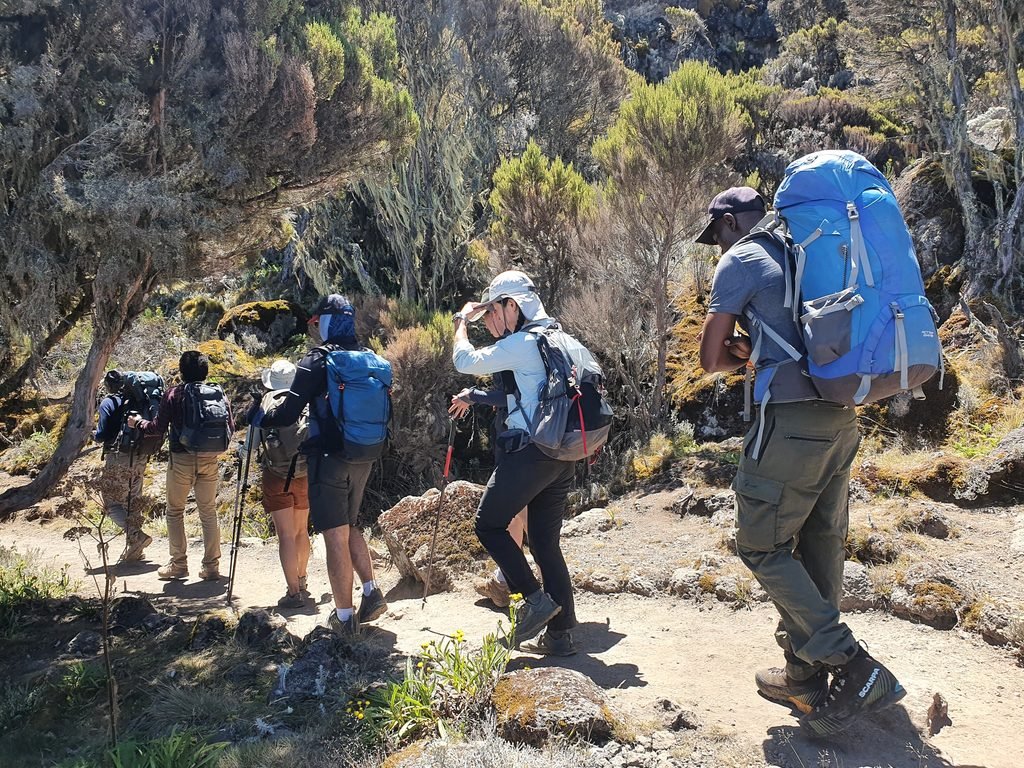
The safest Kilimanjaro climbing itinerary is generally one that provides sufficient time for acclimatisation, reasonable daily walking distances and opportunities for recovery before summit day. Longer routes often provide better acclimatisation conditions than shorter programmes, although the actual daily elevation profile is equally important. Travellers should avoid choosing a route simply because it is cheaper or requires fewer days away from home.
8 Days Lemosho Route
The eight-day Lemosho Route is one of the preferred options for travellers who want additional acclimatisation time while exploring Kilimanjaro’s western slopes. The route begins in the rainforest before crossing the Shira Plateau and joining the southern mountain trails. Its longer schedule provides more time for rest and adjustment to altitude compared with shorter itineraries. Lemosho is particularly suitable for first-time Kilimanjaro climbers who are physically prepared and have enough time to complete a longer expedition.
9 Days Northern Circuit Route
The nine-day Northern Circuit is among the longest standard Kilimanjaro climbing programmes and offers considerable time for acclimatisation. The route follows the western and northern slopes of the mountain, passing through quieter areas before approaching the summit. Its extended schedule allows climbers to spend several days at high altitude before their final ascent. Travellers who prefer less crowded trails and have sufficient time for their expedition should consider this route.
7 Days Machame Route
The seven-day Machame Route provides a good balance between mountain scenery, climbing duration and acclimatisation opportunities. Unlike the six-day programme, this itinerary includes an additional night at Karanga Camp, reducing the distance covered immediately before reaching Barafu Camp. The climb through Lava Tower and subsequent descent into Barranco Valley also provides an opportunity to experience higher elevations before sleeping at a lower campsite.
7 Days Rongai Route
The Rongai Route approaches Kilimanjaro from the northern side near the Kenyan border. This side of the mountain generally receives less rainfall than the southern slopes, making Rongai an attractive option during periods when other routes may experience wetter conditions. The seven-day itinerary is preferable to shorter Rongai programmes because it provides additional time for acclimatisation and preparation before summit day.
6 Days Marangu Route
Marangu is the only standard Kilimanjaro climbing route that provides communal hut accommodation instead of mountain camping tents. Its established walking trails and accommodation arrangements attract travellers who prefer sleeping indoors. The six-day programme includes an additional acclimatisation day at Horombo Hut compared with the five-day itinerary. Nevertheless, its relatively short climbing schedule means that altitude sickness remains a significant consideration.
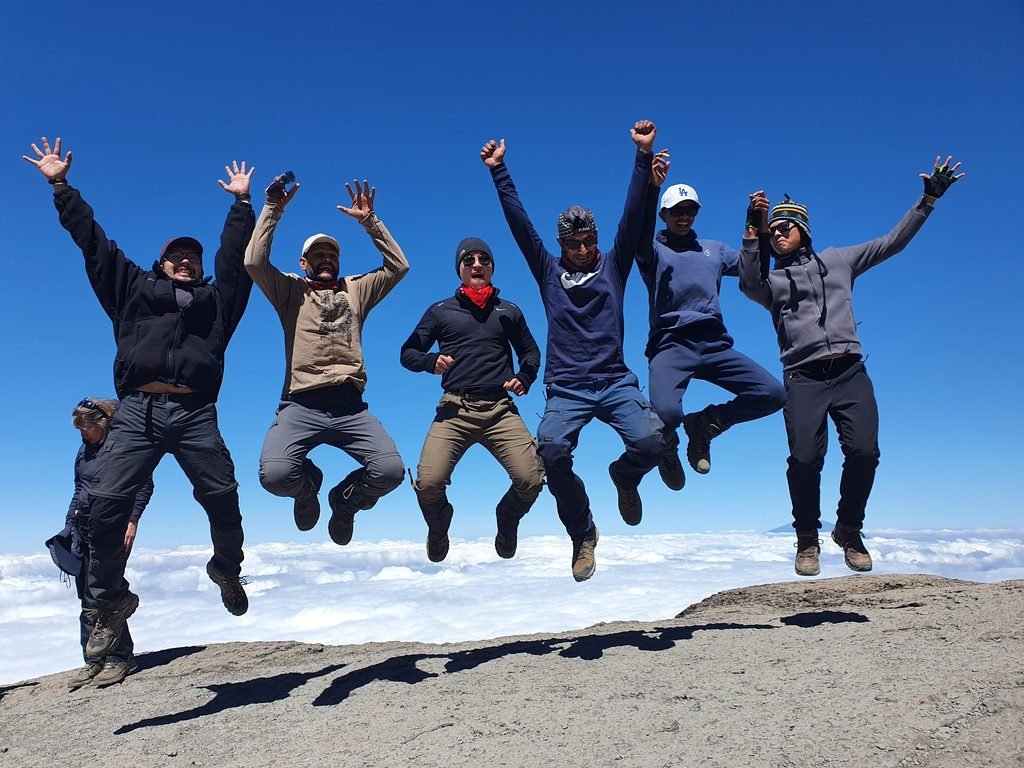
Kilimanjaro Route Safety and Acclimatisation Comparison
| Kilimanjaro Route | Recommended Duration | Relative Acclimatisation Opportunity | Accommodation |
|---|---|---|---|
| Northern Circuit | 9 days | Excellent | Camping |
| Lemosho | 8 days | Very good | Camping |
| Machame | 7 days | Good | Camping |
| Rongai | 7 days | Good | Camping |
| Marangu | 6 days | Moderate | Mountain huts |
| Machame | 6 days | More limited | Camping |
| Umbwe | 6–7 days | Challenging due to steep ascent | Camping |
These comparisons describe the relative acclimatisation opportunities of typical itineraries rather than guaranteed safety or summit success. Travellers planning their expeditions can discuss the daily elevation profiles and available route arrangements with Eddy Tours & Safaris before confirming their bookings.
Understanding Altitude Sickness on Mount Kilimanjaro
Altitude sickness occurs when the body struggles to adjust to the reduced oxygen pressure found at higher elevations. Symptoms may develop during the early stages of a Kilimanjaro climb or as travellers approach camps situated above 3,000 metres. Previous trekking experience and excellent physical fitness do not guarantee protection against altitude sickness. Even professional athletes can experience difficulties when ascending too quickly without sufficient acclimatisation.
Acute Mountain Sickness (AMS)
Acute Mountain Sickness is a common form of altitude illness experienced by high-altitude trekkers. Early signs may include headaches, nausea, dizziness, unusual tiredness, vomiting and reduced appetite. Climbers experiencing these symptoms should immediately inform their mountain guide and should not continue ascending while symptoms remain. If their condition worsens despite resting at the same altitude, descent becomes necessary.
High-Altitude Pulmonary Edema (HAPE)
High-Altitude Pulmonary Edema occurs when fluid accumulates in the lungs, interfering with normal breathing. Warning signs can include breathlessness while resting, persistent coughing, chest congestion and a noticeable decline in walking ability. HAPE is a medical emergency requiring immediate descent, emergency assistance and supplemental oxygen where available.
High-Altitude Cerebral Edema (HACE)
High-Altitude Cerebral Edema is a serious condition involving swelling of the brain. Affected climbers may experience confusion, difficulty walking in a straight line, unusual behaviour, severe drowsiness or loss of coordination. Anyone showing these warning signs requires immediate assisted descent and urgent medical attention. A climber should never be left alone or encouraged to continue towards the summit under these circumstances.
Travellers can read further medical information through the CDC Guide to High-Altitude Travel before preparing for their Kilimanjaro expedition.
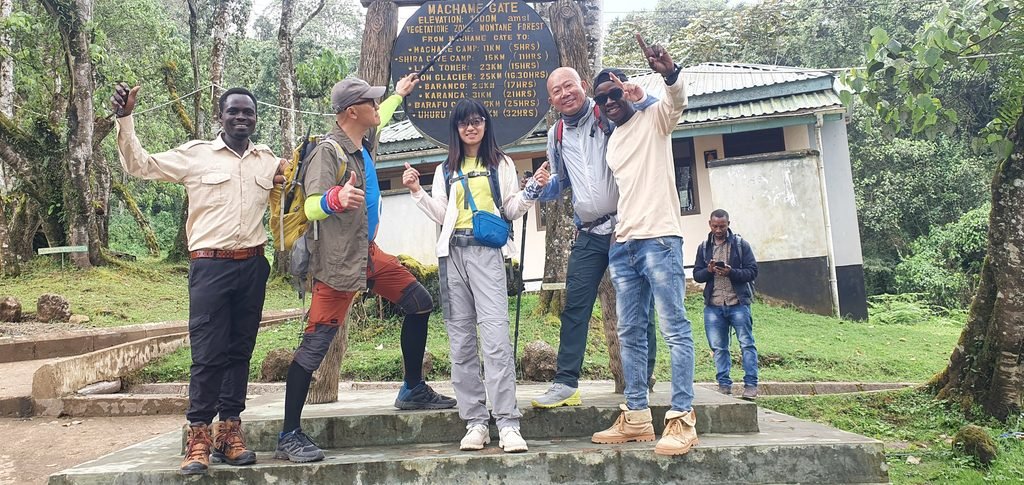
How to Prevent Altitude Sickness When Climbing Kilimanjaro
Choose a Longer Climbing Itinerary
Allowing additional days on the mountain is one of the most practical ways to improve acclimatisation. A seven-, eight- or nine-day itinerary generally provides more adjustment time than a five- or six-day programme. Travellers should pay particular attention to the elevation gained between overnight camps rather than considering only the total number of climbing days. Where possible, spending time at moderate altitude before starting Kilimanjaro may also help prepare the body for the expedition.
Walk Slowly and Maintain a Comfortable Pace
Mountain guides in Tanzania frequently use the Swahili expression “pole pole,” meaning slowly. Walking at a controlled pace reduces unnecessary physical strain and helps climbers conserve energy for longer trekking days. Travellers should avoid racing ahead of their group, competing with other climbers or attempting to reach campsites as quickly as possible. Following the guide’s recommended pace is particularly important as the air becomes thinner at higher elevations.
Drink Enough Water and Eat Regularly
Long hiking days, dry mountain air and increased breathing can contribute to fluid loss. Climbers should drink regularly according to their needs and maintain sufficient food intake throughout the expedition. Excessive water consumption should also be avoided because drinking considerably more than the body requires can cause serious health problems. Nutritious meals, regular snacks and appropriate fluid intake help maintain energy during demanding sections of the climb.
Follow the Climb High, Sleep Low Approach
Several Kilimanjaro routes include sections where climbers reach a higher elevation during the day before descending to a lower campsite for the night. This approach provides opportunities for acclimatisation without requiring climbers to sleep at the highest altitude reached during that day’s trek. Routes such as Machame and Lemosho include this type of elevation profile around Lava Tower and Barranco Valley, although additional acclimatisation days may still be necessary.
Discuss Altitude Medication with Your Doctor
Some travellers use prescribed medication such as acetazolamide to reduce their risk of Acute Mountain Sickness. However, medication should never be considered a replacement for gradual ascent or proper medical assessment. Travellers should consult a healthcare professional familiar with high-altitude medicine before departure to determine whether medication is appropriate for their individual circumstances.
How to Choose a Safe Kilimanjaro Climbing Company
Selecting a responsible climbing company is an important part of organising your Kilimanjaro expedition. A low package price does not necessarily mean that the company provides suitable equipment, experienced mountain staff or adequate emergency arrangements. Before paying a deposit, travellers should ask detailed questions about the services included, the qualifications of their mountain guides and the procedures followed when a climber becomes unwell. A responsible operator should provide clear answers without making unrealistic promises about summit success.
A reliable Kilimanjaro climbing company should provide or clearly explain the following arrangements:
- Valid tourism operating licences and required park permissions.
- Experienced mountain guides with appropriate qualifications.
- Mountain first-aid training for responsible guiding staff.
- Emergency oxygen supplies and suitable delivery equipment.
- Regular checks of climbers’ health and physical condition.
- Pulse oximeters for supporting altitude assessments.
- Clear emergency descent and evacuation procedures.
- Suitable four-season mountain camping equipment.
- Hygienically prepared meals and treated drinking water.
- Fair working conditions and appropriate equipment for porters.
- Reliable communication arrangements during emergencies.
- Transparent package prices and booking conditions.
At Eddy Tours & Safaris, travellers can discuss their climbing arrangements directly with our local reservations team, including route selection, mountain equipment, safety procedures and emergency support before confirming their expeditions.
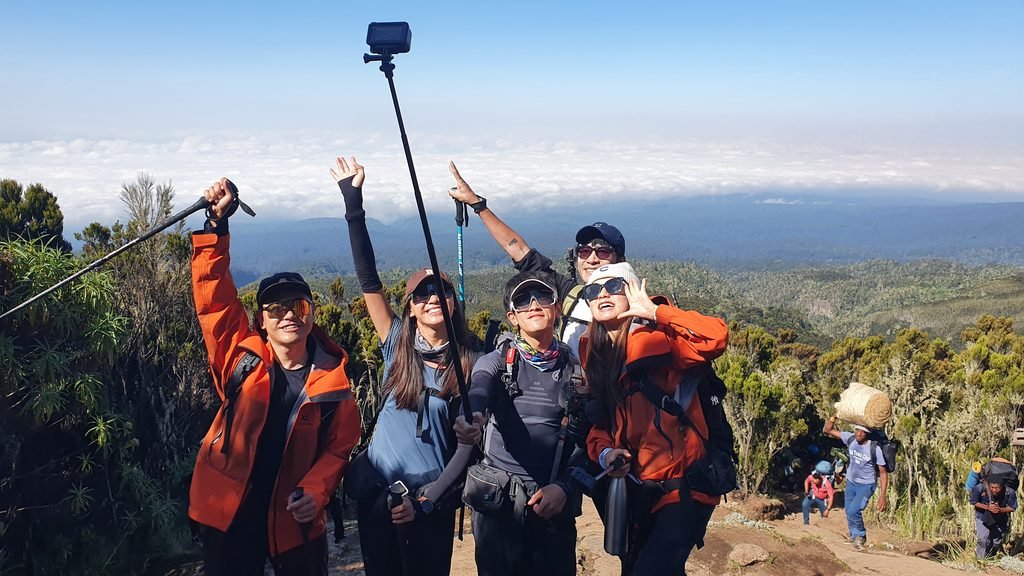
Daily Health Monitoring During a Kilimanjaro Climb
Regular health assessments help mountain guides identify potential problems before they become serious. Climbers should inform their guides about changes in their appetite, breathing, sleep, energy levels or general physical condition, even when the symptoms appear minor. Measurements such as blood oxygen saturation and pulse rate can provide useful information when considered alongside symptoms and altitude, but they should never be used alone to determine whether a climber is safe to continue ascending.
The most important aspect of mountain health monitoring is honest communication. Some climbers may feel pressure to reach the summit after spending considerable money and time preparing for their expedition. However, continuing to climb while experiencing worsening symptoms can have dangerous consequences. A responsible mountain guide should prioritise the health of every participant rather than attempting to achieve a particular summit success percentage.
Best Time to Climb Kilimanjaro Safely in 2027 and 2028
Although Mount Kilimanjaro can be climbed throughout the year, some months generally provide more favourable weather conditions than others. Selecting a climbing period with lower rainfall can reduce difficulties associated with slippery trails, wet equipment and prolonged exposure to cold conditions. However, mountain weather remains unpredictable, and freezing temperatures near the summit are possible during every season.
January to Early March
January, February and early March generally provide favourable climbing conditions with relatively dry weather and opportunities for clear mountain views. These months are suitable for travellers who prefer climbing outside the busiest middle-of-the-year season. Climbers should still prepare for cold nights, occasional rainfall and possible snow or ice near the summit.
June to October
June through October is generally considered one of the best periods for climbing Kilimanjaro because rainfall is often lower and mountain trails may be easier to negotiate. July, August and September are particularly popular among international travellers. Advance reservations are recommended for these months, especially for those planning private expeditions or travelling during international holiday periods.
April, May and November
April and May normally experience heavier seasonal rainfall, while November often receives shorter periods of rain. During these months, forest trails can become muddy and slippery, and camping conditions may be more demanding. Travellers considering these periods should discuss suitable route options, waterproof equipment and expected weather conditions with their climbing company.
| Month | General Weather Conditions | Climbing Suitability |
|---|---|---|
| January | Relatively dry | Very good |
| February | Relatively dry | Very good |
| March | Increasing rainfall | Good early in the month |
| April | Long rainy season | More challenging |
| May | Long rainy season | More challenging |
| June | Beginning of the drier season | Very good |
| July | Generally dry and cool | Excellent |
| August | Generally dry and cool | Excellent |
| September | Generally dry | Excellent |
| October | Mostly dry with variable conditions | Very good |
| November | Short rainy season | Moderate |
| December | Variable rainfall | Good |
These are general seasonal patterns rather than confirmed weather forecasts for 2027 or 2028.
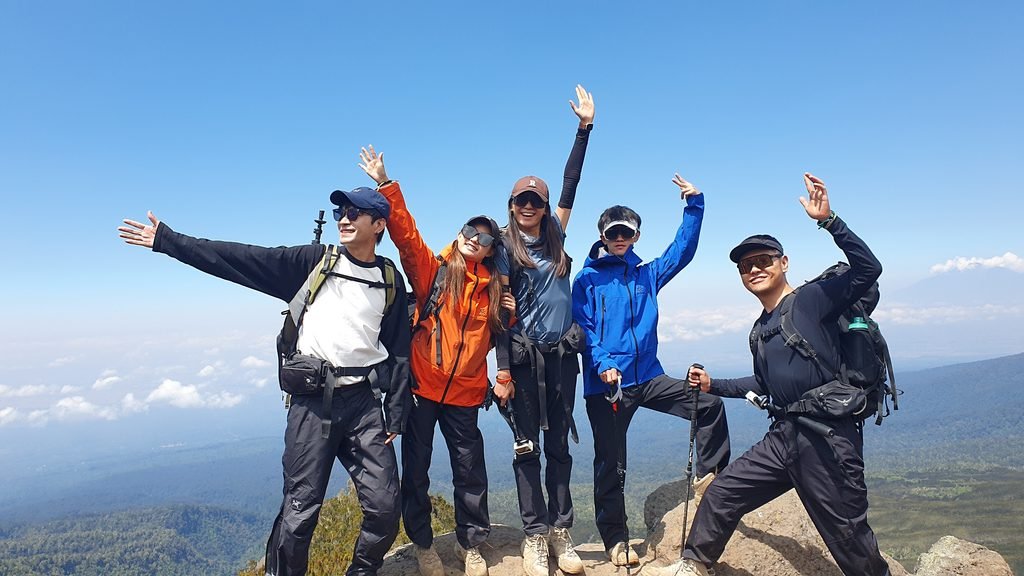
How to Prepare Physically for a Safe Kilimanjaro Expedition
Physical preparation should ideally begin two to three months before travelling to Tanzania, depending on your current fitness level. Regular walking, hill climbing, stair exercises and longer hikes help develop the endurance required for several consecutive days on the mountain. Training should also include walking downhill because the descent from Uhuru Peak places considerable pressure on the knees, ankles and leg muscles, particularly after the lengthy summit attempt.
Practising with the hiking boots, trekking poles and daypack you intend to use during your expedition can help identify equipment problems before departure. Travellers should gradually increase their training intensity rather than beginning with demanding exercise programmes that may cause injuries. While physical training improves endurance and walking comfort, it cannot guarantee protection against altitude sickness.
Essential Equipment for Safe Kilimanjaro Climbing
Appropriate clothing and equipment help protect climbers against rainfall, strong winds, intense sunlight and freezing temperatures. Kilimanjaro passes through several climatic zones, meaning that travellers may experience warm rainforest conditions during the first day and temperatures below freezing near the summit. Packing several clothing layers allows climbers to adjust their clothing according to the changing mountain conditions.
Clothing and Footwear
- Waterproof and comfortable hiking boots.
- Thermal base layers.
- Insulated mountain jacket.
- Waterproof jacket and trousers.
- Fleece jackets and warm clothing.
- Comfortable trekking trousers.
- Warm hiking socks.
- Insulated gloves and lightweight gloves.
- Warm winter hat and sun hat.
- Neck covering or protective scarf.
Personal Mountain Equipment
- Adjustable trekking poles.
- Headlamp with spare batteries.
- Four-season sleeping bag.
- Comfortable waterproof daypack.
- Durable duffel bag.
- Reusable water bottles.
- Sunglasses with ultraviolet protection.
- High-protection sunscreen.
- Personal first-aid supplies.
- Personal medication prescribed by a doctor.
- Energy snacks and personal toiletries.
Travellers should confirm which equipment is supplied by their operator and which items need to be brought or rented. Additional information about mountain preparation and climbing arrangements is available at Kilimanjaro Climb Specialist.
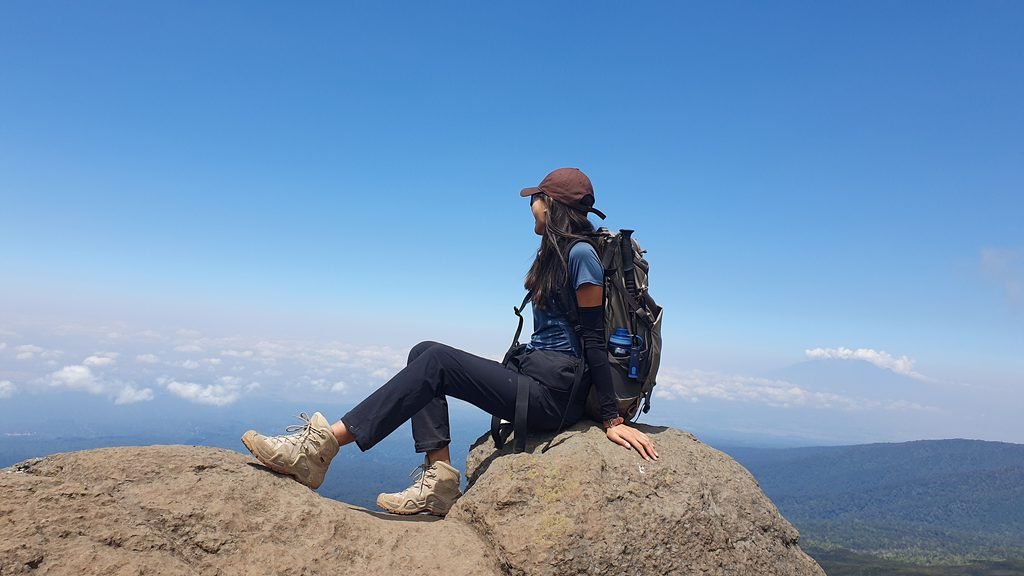
Mountain Rescue and Emergency Evacuation on Kilimanjaro
Emergency evacuation arrangements should be understood before beginning any Kilimanjaro expedition. When a climber becomes seriously unwell, the mountain crew may need to assist the person in descending to a lower elevation before arranging further transportation and medical treatment. Depending on the location, weather conditions and nature of the emergency, evacuation may involve assisted walking, stretchers, ground transportation or helicopter services where available.
Helicopter evacuation is not guaranteed from every location on Kilimanjaro, and poor weather or operational limitations may prevent immediate access. Travellers should therefore confirm their operator’s emergency procedures and avoid assuming that payment of national park rescue fees covers every possible evacuation or hospital expense. Comprehensive travel insurance and clear communication with the mountain crew remain essential.
Travel Insurance for Kilimanjaro Climbing in 2027 and 2028
Ordinary holiday insurance may not provide adequate coverage for trekking at elevations approaching 6,000 metres. Before travelling to Tanzania, climbers should obtain written confirmation that their insurance policy covers Mount Kilimanjaro, high-altitude trekking, emergency medical treatment and mountain evacuation. Some insurance providers require additional adventure sports coverage, while others impose restrictions based on elevation, existing medical conditions or the type of expedition undertaken.
Your Kilimanjaro travel insurance should ideally cover:
- High-altitude trekking up to at least 5,895 metres.
- Emergency mountain rescue.
- Emergency medical evacuation.
- Helicopter evacuation where available and medically necessary.
- Hospital treatment in Tanzania.
- Emergency medical repatriation.
- Trip cancellation and interruption.
- Loss or damage to personal hiking equipment.
- Travel delays and other covered emergencies.
Is Kilimanjaro Safe for Beginners?
Mount Kilimanjaro does not normally require ropes, technical climbing equipment or previous mountaineering experience, making it accessible to many first-time mountain trekkers. However, beginners should understand that reaching Uhuru Peak requires several days of continuous physical activity, exposure to high altitude and the ability to cope with changing weather conditions. Selecting an eight-day Lemosho or nine-day Northern Circuit itinerary may provide more time for acclimatisation than shorter programmes.
Beginners should avoid comparing their walking ability with experienced mountaineers and should instead concentrate on maintaining a comfortable pace, eating well, resting adequately and reporting any health concerns to their guides. Travellers can contact Eddy Tours & Safaris for assistance in selecting a climbing programme that suits their experience and available time.
Is Kilimanjaro Safe for Solo and Female Travellers?
Solo and female travellers can participate in organised Kilimanjaro expeditions through private climbing arrangements or scheduled group departures. All travellers should select a reputable operator that maintains professional standards, provides clear accommodation arrangements and has procedures for dealing with inappropriate behaviour or other personal safety concerns. Asking about guide assignments, sleeping arrangements and emergency contacts before booking can help travellers make informed decisions.
Joining a scheduled climbing group may also provide companionship during long trekking days, opportunities to meet other international travellers and shared expedition costs. Private climbing arrangements offer greater flexibility and may be suitable for travellers who prefer a more personalised mountain experience.
Is There an Age Limit for Climbing Mount Kilimanjaro?
The suitability of a Kilimanjaro expedition depends on individual health, physical preparation, applicable national park regulations and the ability to cope with high altitude. Older travellers have successfully climbed Kilimanjaro, but age alone should not be used to determine whether someone is medically suitable for the expedition. Children and teenagers require additional consideration because they may find it difficult to recognise or communicate symptoms of altitude illness.
Families, older travellers and people with existing medical conditions should discuss their plans with a qualified healthcare professional and confirm the applicable park age requirements with their climbing company before making reservations.
What Is the Cost of a Well-Organised Kilimanjaro Climb?
Kilimanjaro climbing prices depend on the selected route, number of climbing days, group size, park fees, mountain equipment and level of service. Longer itineraries generally cost more because they involve additional national park charges, crew wages, accommodation arrangements and food supplies. However, selecting a shorter programme purely to reduce expenses may limit valuable acclimatisation time.
The following amounts are broad budget estimates for planning a Kilimanjaro expedition in 2027 or 2028.
| Climbing Package | Estimated Price per Person |
|---|---|
| 6 Days Marangu Route | USD 1,500–2,200 |
| 6 Days Machame Route | USD 1,500–2,200 |
| 7 Days Machame Route | USD 1,800–2,500 |
| 7 Days Rongai Route | USD 1,900–2,600 |
| 8 Days Lemosho Route | USD 2,100–3,000 |
| 9 Days Northern Circuit | USD 2,500–3,500 |
These are indicative estimates rather than confirmed package rates. Travellers should request a detailed quotation from Eddy Tours & Safaris based on their preferred route, departure dates and group size.
Common Mistakes to Avoid When Climbing Kilimanjaro
Some travellers spend considerable time researching Kilimanjaro prices but give less attention to the daily climbing schedule, mountain equipment and acclimatisation requirements. Others arrive in Tanzania without sufficient physical preparation or attempt to continue climbing despite developing symptoms of altitude sickness. Avoiding these mistakes can improve the overall quality and safety of the expedition.
- Choosing the shortest route simply because it is cheaper.
- Walking too quickly during the first climbing days.
- Ignoring headaches, nausea and breathing difficulties.
- Wearing new hiking boots without testing them.
- Packing insufficient warm and waterproof clothing.
- Travelling without appropriate high-altitude insurance.
- Hiding medical conditions from mountain guides.
- Taking medication without professional medical advice.
- Selecting an operator based entirely on price.
- Continuing towards the summit despite serious health concerns.
- Assuming that physical fitness prevents altitude sickness.
- Relying entirely on emergency oxygen instead of acclimatisation.
Frequently Asked Questions About Kilimanjaro Climbing Safety
What is the safest Kilimanjaro route for beginners?
The eight-day Lemosho Route and nine-day Northern Circuit are commonly preferred by beginners seeking longer acclimatisation schedules. Both provide additional time on the mountain compared with shorter itineraries, although individual health, daily elevation gain and guiding standards remain important considerations.
Can you climb Kilimanjaro without oxygen?
Most climbers attempt Kilimanjaro without routinely using supplemental oxygen. However, responsible climbing arrangements should include emergency oxygen for situations where it becomes medically necessary. Supplemental oxygen should not be used to justify continuing an unsafe ascent.
Is the 5 Days Marangu Route safe?
The five-day Marangu Route has a relatively short acclimatisation schedule, which may increase the risk of altitude sickness. Travellers without previous high-altitude experience should consider the six-day Marangu itinerary or a longer camping route that provides additional time for adjustment.
What happens if I become sick while climbing Kilimanjaro?
Your mountain guide should assess your condition, prevent further ascent when altitude illness is suspected and determine whether resting, descending or emergency evacuation is necessary. Severe symptoms require immediate descent and urgent medical assistance. Your health must always take priority over completing the expedition.
Can physically fit people develop altitude sickness?
Yes. Physical fitness helps climbers manage long walking days but does not prevent altitude sickness. Individuals respond differently to reduced oxygen pressure, making gradual ascent and careful monitoring essential for everyone, including experienced athletes.
Can a climbing company guarantee that I will reach Uhuru Peak?
No responsible climbing company can guarantee summit success. Weather conditions, individual health, acclimatisation and other mountain-related factors influence whether a climber can safely reach the summit. Successful expedition management includes recognising when continuing the climb is no longer appropriate.
How many days should I spend climbing Kilimanjaro?
Seven to nine climbing days are generally preferable to shorter itineraries for travellers seeking additional acclimatisation time. The most suitable duration depends on the selected route, daily sleeping elevations, previous altitude experience and individual medical considerations.
Is climbing Kilimanjaro more dangerous during the rainy season?
Rainy periods can introduce additional challenges, including slippery trails, wet clothing, reduced visibility and increased exposure to cold. Travellers can climb during these months, but suitable equipment, experienced guides and careful route planning become particularly important.
Plan Your Safe Kilimanjaro Climb in 2027 or 2028 with Eddy Tours & Safaris
A well-planned Kilimanjaro expedition begins with choosing a suitable climbing route, preparing physically, obtaining appropriate insurance and selecting a responsible mountain operator. Reaching Uhuru Peak is an important personal achievement, but returning from the mountain safely should always remain the main priority. Travellers who allow sufficient time for acclimatisation, follow their guides’ instructions and prepare appropriate mountain equipment are better positioned to enjoy their expedition.
Eddy Tours & Safaris welcomes solo travellers, couples, families and organised groups planning to climb Mount Kilimanjaro in 2027 and 2028. Our local team can assist with route selection, private climbing arrangements, available group departures, mountain equipment information and personalised quotations. Travellers can also combine their mountain expedition with a Tanzania wildlife safari or a relaxing beach holiday in Zanzibar.
Contact Eddy Tours & Safaris
Website: www.eddytours-safaris.com
Email: sales@eddytours-safaris.com
Alternative Email: eddytoursandsafaris@gmail.com
Additional Mountain Information: [www.kilimanjaroclimbspecialist.com