
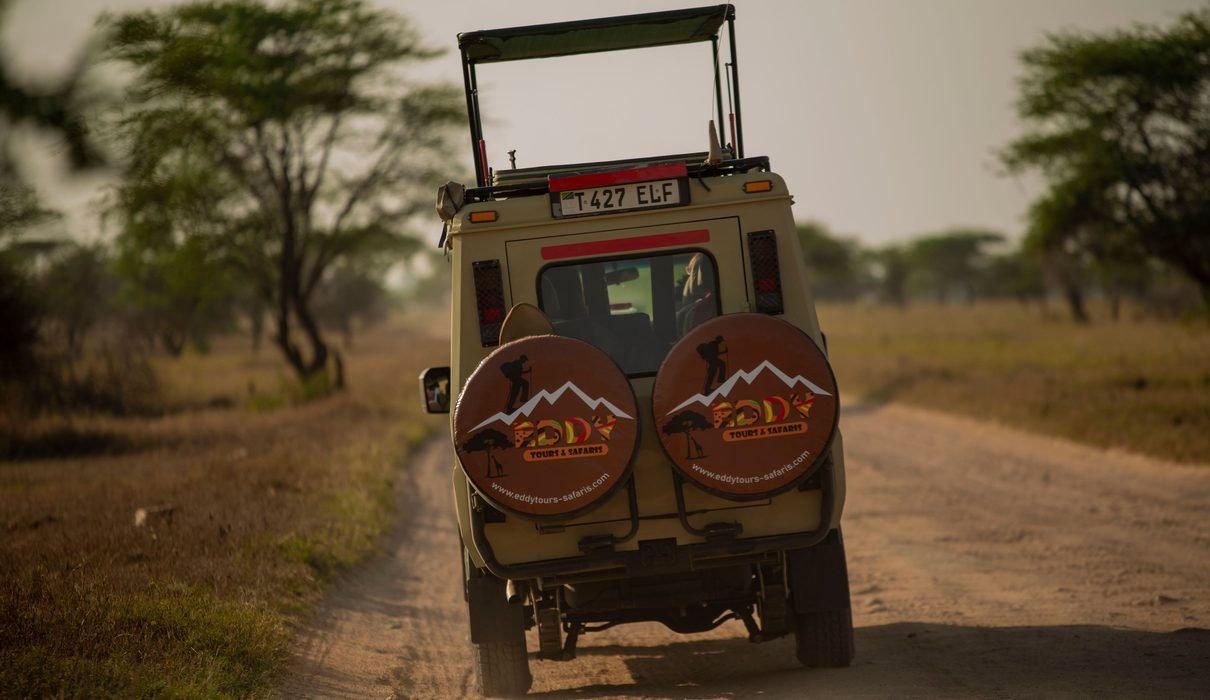
A Kenya and Tanzania safari in 2027 or 2028 offers travellers the opportunity to explore two of Africa’s finest wildlife destinations in a single holiday. From the open grasslands of Kenya’s Maasai Mara to the vast plains of Tanzania’s Serengeti National Park, East Africa is home to remarkable wildlife, beautiful landscapes and diverse cultural traditions. Whether you are interested in watching the Great Wildebeest Migration, photographing African elephants, searching for the Big Five or spending your evenings in comfortable safari lodges, combining these two countries provides a rewarding and varied African wildlife experience.
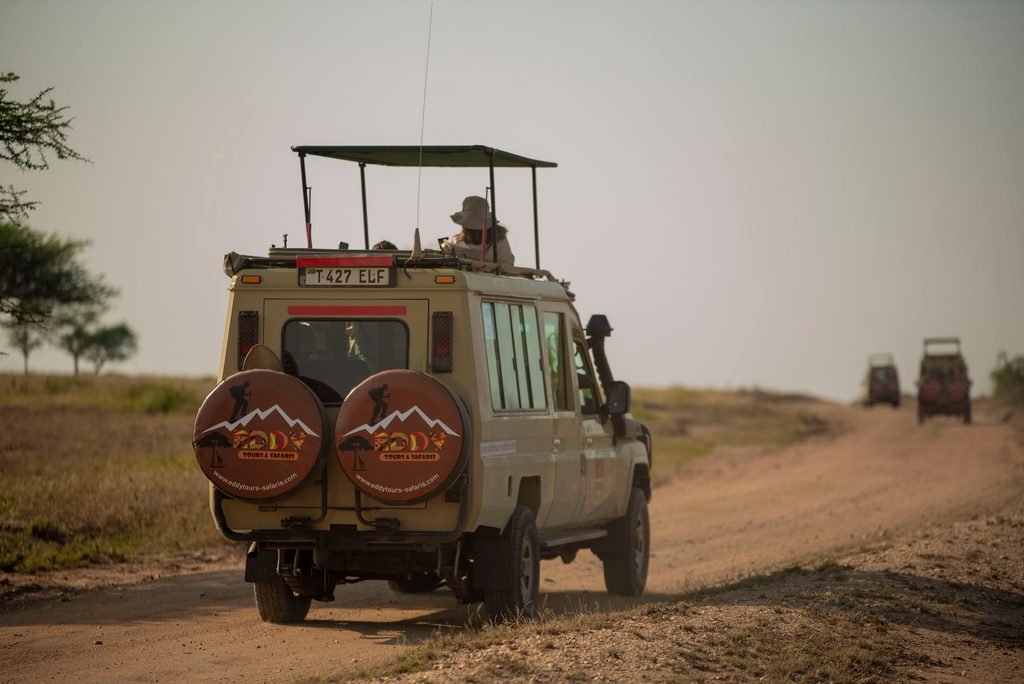
Planning a safari across Kenya and Tanzania requires careful consideration of travel dates, wildlife movements, accommodation, transport and budget. Each country has its own national parks, conservation areas and seasonal attractions, making it important to select destinations that match your interests. At Eddy Tours & Safaris, we help travellers organise personalised East African holidays, including privately guided Tanzania safaris, cross-border wildlife adventures, Mount Kilimanjaro climbing expeditions and Zanzibar beach holidays.
Why Choose a Combined Kenya and Tanzania Safari in 2027/2028?
Kenya and Tanzania share some of the largest wildlife ecosystems in Africa, but each country offers experiences that make it worth visiting. Kenya is particularly famous for the Maasai Mara, the elephant herds of Amboseli and the beautiful landscapes of the Great Rift Valley. Tanzania offers the extensive Serengeti plains, the wildlife-rich Ngorongoro Crater and Tarangire National Park, where ancient baobab trees stand alongside large herds of elephants. Visiting both countries allows travellers to appreciate the differences between their landscapes while enjoying excellent wildlife viewing throughout the journey.
A combined safari is especially suitable for first-time visitors to Africa, wildlife photographers, honeymooners, families and travellers interested in the Great Wildebeest Migration. Instead of limiting your holiday to one national park, you can explore several ecosystems, encounter different animal species and learn about local communities along the way. Travellers interested in following the migrating herds can explore our Kenya and Tanzania Wildebeest Migration Safari for additional travel ideas.
Kenya and Tanzania Safari 2027/2028 at a Glance
| Safari Details | Information |
|---|---|
| Travel destinations | Kenya and Tanzania |
| Recommended duration | 10–14 days |
| Main wildlife attraction | Big Five and Great Wildebeest Migration |
| Popular Kenyan destinations | Maasai Mara, Amboseli and Lake Nakuru |
| Popular Tanzanian destinations | Serengeti, Ngorongoro and Tarangire |
| Best general safari season | June to October |
| Best calving season | January to March |
| Safari accommodation | Budget camps, tented camps and luxury lodges |
| Safari transport | Guided 4×4 safari vehicles |
| Starting destination | Nairobi or Arusha |
| Estimated starting budget | USD 2,800 per person |
| Available travel years | 2027 and 2028 |
| Optional extensions | Zanzibar and Mount Kilimanjaro |
Best Safari Destinations in Kenya
Maasai Mara National Reserve
The Maasai Mara National Reserve is one of Kenya’s most celebrated wildlife destinations, known for its open grasslands and healthy populations of lions, cheetahs, elephants, giraffes and other African animals. The reserve forms part of the wider Serengeti–Mara ecosystem, allowing wildlife to move naturally between Kenya and Tanzania. Between approximately July and October, migrating wildebeest and zebras may enter the Maasai Mara, attracting predators and creating excellent opportunities for wildlife photography. Even outside the migration season, the reserve remains an attractive destination because of its resident wildlife.
Travellers should consider spending at least two or three nights in the Maasai Mara to allow enough time for morning and afternoon game drives. Accommodation ranges from simple safari camps to exclusive tented lodges, including properties located in neighbouring conservancies where visitor numbers may be more limited.
Amboseli National Park
Amboseli National Park is particularly famous for its large elephant herds and views of Mount Kilimanjaro, which rises across the border in Tanzania. The park contains open plains, seasonal wetlands and permanent swamps that attract elephants, buffaloes, zebras, wildebeest and numerous bird species. On clear mornings, travellers can photograph wildlife with the snow-covered summit of Kilimanjaro in the background, making Amboseli especially popular among nature photographers.
Amboseli is a convenient destination for travellers combining southern Kenya with northern Tanzania because it lies relatively close to the Namanga border crossing. Visitors inspired by the mountain scenery can also explore the climbing routes and trekking programmes offered by Kilimanjaro Climb Specialist.
Lake Nakuru National Park
Located within Kenya’s Great Rift Valley, Lake Nakuru National Park offers a different wildlife experience from the open plains of Maasai Mara and Amboseli. The park is an important habitat for black and white rhinoceroses, giraffes, buffaloes, zebras and numerous waterbirds. Lake Nakuru has historically been famous for its flamingos, although their numbers change according to water levels, food availability and environmental conditions. Visitors can also enjoy views of the surrounding escarpments, woodland and freshwater habitats during their game drives.
Samburu National Reserve
Samburu National Reserve is an excellent addition for travellers who have more time to explore northern Kenya. Its dry landscapes support wildlife species that are less commonly encountered in southern Kenya and northern Tanzania, including Grevy’s zebras, gerenuks, reticulated giraffes, Somali ostriches and Beisa oryx. The Ewaso Nyiro River provides an important water source for wildlife, particularly during dry periods. A visit to Samburu adds variety to a longer East African safari, although travellers should allow additional days because of its location north of Nairobi.
Best Safari Destinations in Tanzania
Serengeti National Park
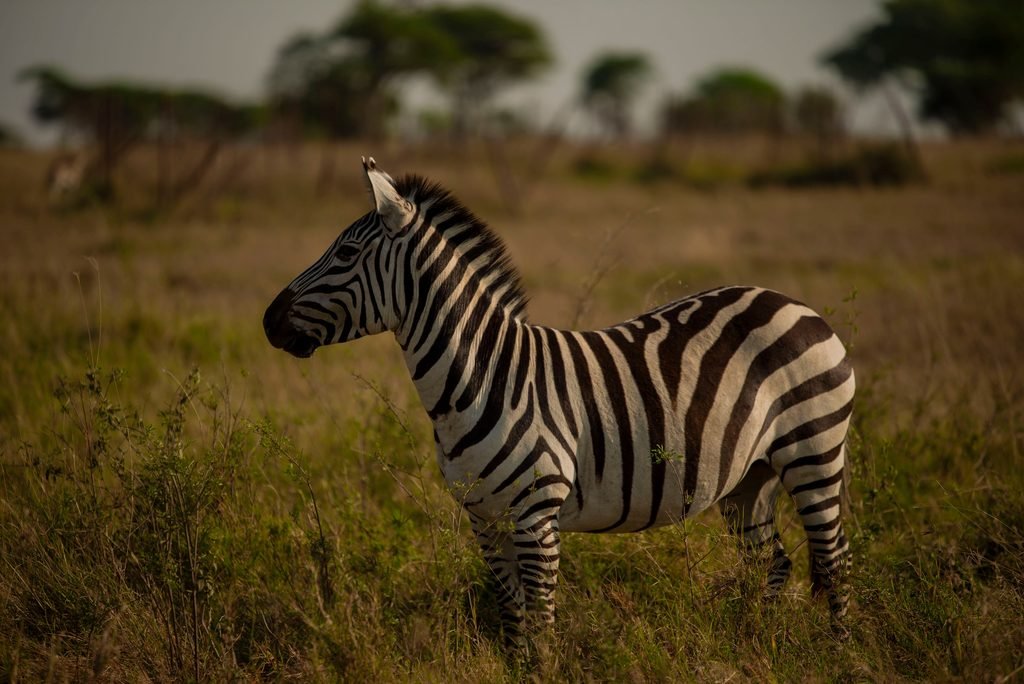
Serengeti National Park is Tanzania’s most famous wildlife destination and one of the most important protected ecosystems in Africa. Its extensive grasslands, rocky outcrops, river valleys and woodland habitats support large populations of lions, elephants, leopards, cheetahs, giraffes, buffaloes and grazing animals. The Serengeti is also the main location of the Great Wildebeest Migration, with enormous herds moving between different regions throughout the year in response to rainfall and grazing conditions.
The best area of the Serengeti to visit depends on your travel month. Southern Serengeti and Ndutu are particularly attractive during the calving season, while the northern Serengeti offers opportunities to observe migrating herds near the Mara River during parts of the dry season. Central Serengeti provides excellent resident wildlife viewing throughout the year. Read our Serengeti National Park travel guide before selecting your preferred accommodation and safari dates.
Ngorongoro Crater
Ngorongoro Crater is a large volcanic caldera containing grasslands, freshwater sources, woodland and wetlands that support a wide variety of African wildlife. Its relatively compact wildlife viewing area makes it possible to encounter several major animal species during a single game drive. Lions, spotted hyenas, buffaloes, hippos, zebras, wildebeest and elephants are frequently encountered, while black rhinoceroses may also be observed with patience and suitable conditions.
The surrounding Ngorongoro Conservation Area also provides opportunities to learn about the relationship between wildlife, conservation and local Maasai communities. Visitors often spend the night near the crater rim or in Karatu before descending into the crater for an early morning game drive.
Tarangire National Park
Tarangire National Park is well known for its elephant populations, enormous baobab trees and seasonal wildlife movements. During the dry season, the Tarangire River becomes an important water source, attracting elephants, wildebeest, zebras, giraffes and other animals from surrounding areas. Lions and leopards also inhabit the park, while birdwatchers can enjoy a wide variety of species across its woodland, grassland and wetland habitats.
Tarangire provides a relaxed introduction to Tanzania’s northern safari circuit and is conveniently located within driving distance of Arusha. It is an excellent destination to include before continuing towards Ngorongoro and Serengeti National Park.
Lake Manyara National Park
Lake Manyara National Park is located beneath the steep slopes of the Great Rift Valley escarpment. Despite its relatively small size, the park contains groundwater forests, open grasslands, hot springs and lakeside habitats. Visitors may encounter elephants, baboons, giraffes, buffaloes and numerous bird species. Lake Manyara is also known for its tree-climbing lions, although this behaviour is not regularly witnessed and should not be considered a guaranteed attraction.
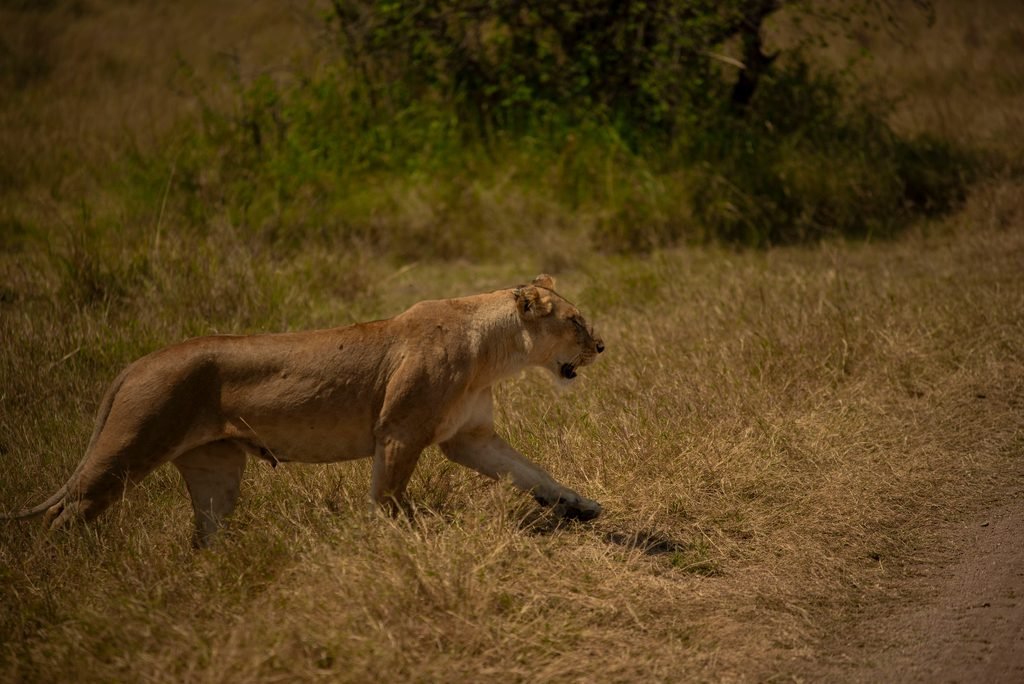
The Great Wildebeest Migration Between Kenya and Tanzania
The Great Wildebeest Migration is one of the largest seasonal wildlife movements in the world. More than a million wildebeest, accompanied by zebras and other grazing animals, travel through the Serengeti–Mara ecosystem in search of fresh grass and reliable water sources. Predators such as lions, cheetahs and hyenas follow the herds, while crocodiles inhabit rivers that migrating animals must sometimes cross. The migration continues throughout the year, with different regions offering different wildlife experiences depending on rainfall and grazing conditions.
Many travellers believe the Great Migration only takes place between July and October, but this is primarily the period associated with northern Serengeti, Maasai Mara and potential Mara River crossings. Tanzania hosts much of the migration’s annual cycle, including the calving season in the southern plains. Understanding these movements is essential when planning a safari for 2027 or 2028. Our complete Great Wildebeest Migration guide explains how the herds move throughout the year.
Great Wildebeest Migration Calendar 2027/2028
| Month | Expected Migration Region | Main Wildlife Experience |
|---|---|---|
| January | Southern Serengeti and Ndutu | Large herd gatherings |
| February | Ndutu and southern plains | Peak calving period |
| March | Southern and central Serengeti | Young calves and predator activity |
| April | Central and southern Serengeti | Green-season wildlife viewing |
| May | Central and western Serengeti | Gradual northward movements |
| June | Western Serengeti | Possible Grumeti River crossings |
| July | Western and northern Serengeti | Movement towards the Mara region |
| August | Northern Serengeti and Maasai Mara | Possible Mara River crossings |
| September | Maasai Mara and northern Serengeti | Migration and predator activity |
| October | Northern Serengeti and Maasai Mara | Changing herd movements |
| November | Eastern and central Serengeti | Southward movements |
| December | Southern Serengeti | Herds returning to the short-grass plains |
The migration calendar provides general seasonal guidance rather than guaranteed wildlife locations. Rainfall patterns change each year, and river crossings may occur earlier or later than expected. Travellers particularly interested in river crossings should consider spending several nights in the relevant region. Explore our Mara River Crossing Safari Guide for more information.
Best Time to Visit Kenya and Tanzania for a Safari
January to March – Calving Season and Green Landscapes
January through March is an excellent period for travellers interested in the wildebeest calving season in Tanzania. During these months, large herds gather across the southern Serengeti and Ndutu plains, where fresh grass provides suitable feeding conditions. Numerous wildebeest calves are born during this period, attracting lions, cheetahs and hyenas. Kenya also offers rewarding wildlife viewing during these months, particularly in Amboseli, Maasai Mara and selected northern reserves. Visitors interested in wildlife behaviour, newborn animals and green landscapes should strongly consider travelling during this period.
June to October – Dry Season and Great Migration
June through October is generally the most popular safari season across Kenya and northern Tanzania. Lower rainfall and thinner vegetation often improve wildlife visibility, while animals gather near rivers, swamps and permanent water sources. This period is particularly attractive for travellers hoping to experience the migration between the northern Serengeti and Maasai Mara. Accommodation demand is usually high during July, August and September, so travellers planning their 2027 or 2028 holiday should make reservations well in advance.
April and May – Green Season and Lower Visitor Numbers
April and May generally receive more rainfall across much of East Africa, creating green landscapes and favourable conditions for birdwatching. Although some roads become muddy and selected seasonal camps may close, wildlife viewing remains possible in many national parks. Travellers with flexible schedules may benefit from lower accommodation rates and fewer safari vehicles. This season is suitable for visitors who appreciate photography, quiet surroundings and greener scenery rather than focusing entirely on migration river crossings.
November and December – Short Rains and Seasonal Wildlife Movements
November and December often bring shorter periods of rainfall that encourage fresh vegetation across the East African plains. Migrating animals may begin returning towards central and southern Serengeti, depending on environmental conditions. Wildlife viewing remains rewarding in many Kenyan and Tanzanian parks, while December becomes increasingly popular with families travelling during the Christmas and New Year holidays. Travellers visiting during the festive period should book accommodation and international flights early.
Recommended 12 Days Kenya and Tanzania Safari Itinerary 2027/2028
A twelve-day safari provides enough time to explore several important wildlife destinations without spending every day travelling between national parks. The following itinerary starts in Nairobi, Kenya, and finishes in Arusha, Tanzania. It can be adjusted according to your budget, international flights, migration season and accommodation preferences.
Day 1: Arrival in Nairobi, Kenya
Upon arrival at Jomo Kenyatta International Airport, meet your safari representative and transfer to your selected hotel in Nairobi. Depending on your arrival time, you may spend the afternoon relaxing or exploring nearby attractions. Your safari guide will provide a briefing covering the upcoming wildlife destinations, daily travel arrangements and border-crossing procedures before the expedition begins the following morning.
Accommodation: Hotel in Nairobi.
Day 2: Nairobi to Maasai Mara National Reserve
After breakfast, depart Nairobi and travel towards Maasai Mara through Kenya’s Great Rift Valley. The journey passes through rural settlements, agricultural areas and attractive countryside before reaching the reserve. Depending on your arrival time and accommodation location, enjoy an afternoon game drive searching for elephants, giraffes, zebras, lions and other wildlife before returning to your lodge or tented camp for dinner.
Accommodation: Lodge or tented camp in Maasai Mara.
Day 3: Full-Day Maasai Mara Safari
Spend the day exploring Maasai Mara with your professional safari guide, following wildlife movements across the open grasslands and river valleys. The reserve offers excellent opportunities to search for lions, cheetahs, elephants and buffaloes. During the migration season, your guide may visit areas where large herds of wildebeest have gathered, including suitable sections near the Mara River. An optional hot-air balloon safari can be arranged for travellers interested in viewing the landscape from above.
Accommodation: Lodge or tented camp in Maasai Mara.
Day 4: Maasai Mara Wildlife Experience
Enjoy another day of wildlife viewing within Maasai Mara, allowing additional time to observe animal behaviour rather than rushing between sightings. Early morning game drives are often rewarding because predators may still be active before the temperatures rise. Your guide will select suitable wildlife areas based on recent sightings and weather conditions. An optional visit to a local Maasai community can also be arranged through an appropriate community-based tourism programme.
Accommodation: Lodge or tented camp in Maasai Mara.
Day 5: Maasai Mara to Tanzania via Isebania Border
Leave Maasai Mara after breakfast and travel towards the Isebania–Sirari border crossing, where immigration formalities for Kenya and Tanzania will be completed. Depending on the operator’s arrangements, you may change vehicles and meet your Tanzanian safari guide at the border. Continue towards your accommodation in the Tarime region or near the Serengeti’s western entrance, depending on road conditions and available travel time. This is primarily a transfer day, so sufficient time should be allowed for the journey.
Accommodation: Lodge in the Tarime area or near the western Serengeti entrance.
Day 6: Transfer to Serengeti National Park
Continue towards Serengeti National Park after breakfast, enjoying wildlife viewing as you enter the protected ecosystem. The exact route and accommodation location will depend on your travel season and the expected movement of the wildebeest herds. During the journey, your guide will search for resident wildlife, including elephants, giraffes, lions and grazing animals, before reaching your selected safari camp.
Accommodation: Tented camp or lodge in Serengeti.
Day 7: Full-Day Serengeti Safari
Spend the entire day exploring Serengeti National Park, travelling through grasslands, rocky outcrops and riverine habitats. The park is particularly well known for its large cat populations, offering opportunities to observe lions, cheetahs and leopards when conditions are favourable. Your guide will adjust the day’s route according to wildlife sightings and your personal interests, allowing sufficient time for photography and observation.
Accommodation: Tented camp or lodge in Serengeti.
Day 8: Serengeti Migration and Wildlife Safari
Continue exploring the Serengeti, focusing on the region most suitable for your travel dates. During the early months of the year, the itinerary may concentrate on the southern plains and calving areas, while northern Serengeti is generally more relevant during parts of the dry season. Travellers who prefer resident wildlife can explore central Serengeti throughout the year. Discover more seasonal options through our Serengeti Migration Safari Packages.
Accommodation: Tented camp or lodge in Serengeti.
Day 9: Serengeti to Ngorongoro Conservation Area
After breakfast, enjoy wildlife viewing while travelling towards the Ngorongoro Conservation Area. The journey offers changing scenery as the Serengeti plains gradually give way to volcanic highlands. Depending on your itinerary, you may arrange an optional visit to Olduvai Gorge, an important archaeological site associated with early human history. Continue towards your accommodation near the crater rim or in the Karatu area.
Accommodation: Lodge near Ngorongoro or Karatu.
Day 10: Ngorongoro Crater Safari
Depart early for a game drive inside Ngorongoro Crater, where the grasslands, wetlands and permanent water sources support a remarkable variety of animals. Search for lions, elephants, buffaloes, zebras, wildebeest and black rhinoceroses while enjoying the surrounding volcanic scenery. After completing your crater game drive and having lunch at a designated picnic area, continue towards your lodge for an evening of relaxation.
Accommodation: Lodge in Karatu or near Tarangire.
Day 11: Tarangire National Park Safari
Travel to Tarangire National Park for a day of wildlife viewing among baobab trees, open woodland and river valleys. The park is particularly rewarding for elephant sightings, especially during the dry season when large animals gather around reliable water sources. Your guide will explore different habitats while searching for giraffes, lions, zebras and numerous bird species. After completing the game drive, continue towards Arusha or spend the night near the park, depending on your flight arrangements.
Accommodation: Lodge near Tarangire or hotel in Arusha.
Day 12: Arusha and Departure
Enjoy breakfast before transferring to Kilimanjaro International Airport for your onward flight. Travellers with additional time can extend their journey with a Zanzibar beach holiday, another wildlife safari or a Mount Kilimanjaro climbing expedition. Our team at Eddy Tours & Safaris can organise additional arrangements according to your interests, available days and international departure schedule.
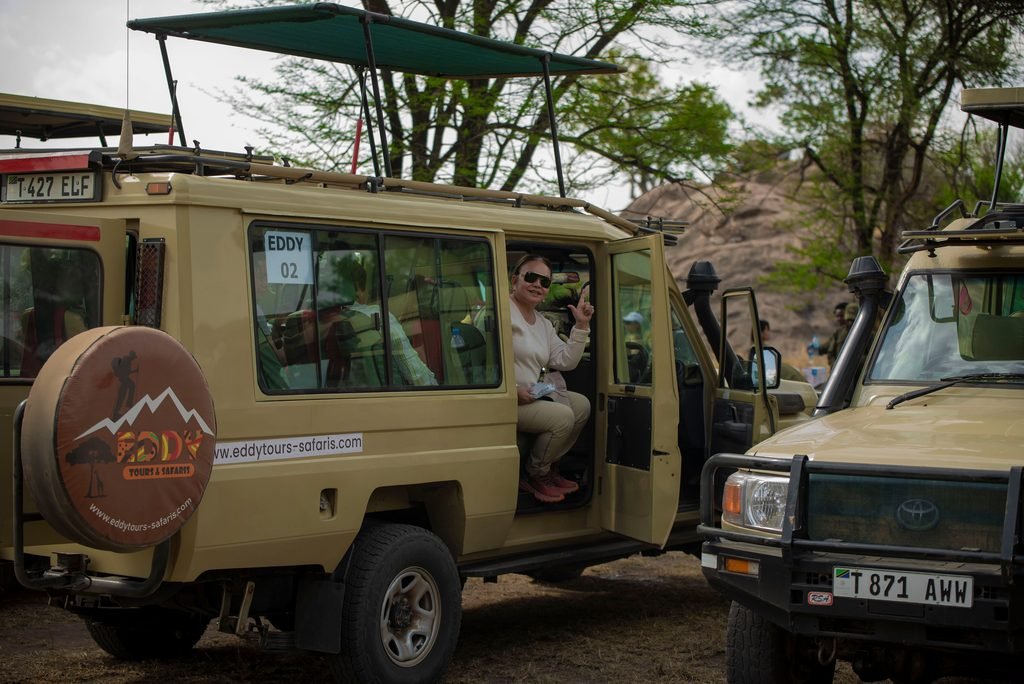
Kenya and Tanzania Safari Prices for 2027/2028
The cost of a combined Kenya and Tanzania safari depends on the number of travellers, accommodation category, travel season, park fees and transportation arrangements. Visiting both countries generally costs more than travelling within a single country because of the additional driving distances, border procedures and separate conservation charges. Travellers sharing a safari vehicle can often reduce individual costs, while private solo travellers and guests staying in exclusive luxury lodges should expect higher prices.
Estimated Safari Prices Per Person
| Safari Duration | Budget Safari | Mid-Range Safari | Luxury Safari |
|---|---|---|---|
| 7 days | $1,800–$2,500 | $2,600–$3,800 | $4,200–$7,000+ |
| 10 days | $2,400–$3,500 | $3,500–$5,000 | $5,800–$9,000+ |
| 12 days | $2,800–$4,000 | $4,000–$6,500 | $7,000–$11,000+ |
| 14 days | $3,400–$4,800 | $4,800–$7,500 | $8,000–$14,000+ |
The above prices are general planning estimates in US dollars per person, based broadly on shared safari transport and twin or double accommodation. They are not confirmed package rates for 2027 or 2028. Actual costs depend on the confirmed itinerary, group size, season, accommodation availability and applicable government charges.
What Is Included in a Kenya and Tanzania Safari Package?
A combined East African safari package brings together the main services required throughout your wildlife holiday. Exact arrangements depend on your selected accommodation, itinerary and confirmed quotation.
Safari Package Inclusions
- Airport transfers specified in the itinerary.
- Accommodation throughout the scheduled safari.
- Meals according to the confirmed programme.
- Transportation in suitable 4×4 safari vehicles.
- Professional English-speaking safari driver-guides.
- Scheduled wildlife game drives.
- National park and game reserve entrance fees.
- Applicable conservation charges.
- Ngorongoro Crater service fees where included.
- Drinking water during game drives.
- Scheduled Kenya–Tanzania cross-border transportation.
- Assistance with border-crossing procedures.
- Applicable taxes on included services.
- Safari coordination and local assistance.
Safari Package Exclusions
- International flights.
- Domestic and regional flights unless specified.
- Tanzania visa and Kenya travel authorisation fees.
- Travel and medical insurance.
- Tips for safari guides, drivers and lodge staff.
- Optional hot-air balloon safaris.
- Optional cultural visits.
- Alcoholic beverages and additional refreshments.
- Personal expenses and laundry services.
- Additional accommodation outside the scheduled itinerary.
- Mount Kilimanjaro climbing extensions.
- Zanzibar beach holiday extensions.
- Any services not listed in the confirmed quotation.
Kenya vs Tanzania Safari: Which Destination Is Better?
Both countries offer excellent wildlife viewing, and the better destination depends on your personal interests, available travel time and preferred safari style. Kenya is particularly attractive for travellers interested in Maasai Mara, the Rift Valley and Amboseli’s elephant populations, while Tanzania offers extensive conservation areas, the Serengeti migration cycle and Ngorongoro Crater. A combined safari removes the need to choose between them, provided you have sufficient time and budget to travel comfortably.
| Safari Feature | Kenya | Tanzania |
|---|---|---|
| Main safari destination | Maasai Mara | Serengeti |
| Migration experience | Mainly seasonal herd movements | Different migration regions throughout the year |
| Elephant viewing | Amboseli | Tarangire |
| Rhino viewing | Lake Nakuru and selected conservancies | Ngorongoro Crater |
| Mountain scenery | Mount Kenya and Kilimanjaro views | Mount Kilimanjaro and Mount Meru |
| Beach holidays | Diani and Mombasa | Zanzibar and Mafia Island |
| Main safari gateway | Nairobi | Arusha |
| Popular safari duration | 5–8 days | 5–10 days |
| Cultural experiences | Maasai and Samburu communities | Maasai, Hadzabe and Datoga communities |
Types of Kenya and Tanzania Safari Packages
Budget Camping Safari
A budget camping safari is suitable for travellers who want to experience East African wildlife while keeping accommodation expenses relatively low. Depending on the selected programme, guests may stay in public campsites, simple permanent tented camps or affordable lodges. Sharing safari transportation with other travellers can further reduce individual costs. Budget options should still include reliable transport, professional guides and the necessary park entrance fees.
Mid-Range Lodge Safari
Mid-range safaris provide a balance between comfort and affordability, making them particularly popular among couples, families and small groups. Accommodation typically includes comfortable lodges and permanent tented camps with proper beds, private bathrooms and restaurant facilities. Many properties are located within or near national parks, allowing visitors to enjoy early morning wildlife viewing without travelling unnecessary distances.
Luxury Kenya and Tanzania Safari
Luxury safaris focus on personalised service, carefully selected accommodation and flexible wildlife viewing arrangements. Guests may stay in exclusive tented camps and high-standard safari lodges located in prime wildlife areas. Private vehicles, regional flights, spacious rooms and additional activities can be arranged according to the selected package. Luxury migration safaris are particularly attractive for travellers who want to remain close to the expected location of the wildebeest herds.
Private Family Safari
A private family safari allows parents and children to travel at a comfortable pace without following the schedule of an unrelated group. Family itineraries can include shorter driving distances, flexible meal times, accommodation with family rooms and activities suitable for different age groups. Travellers should discuss children’s ages with their safari operator because some lodges, walking safaris and balloon activities apply minimum age restrictions.
Kenya and Tanzania Safari Border-Crossing Guide
Kenya and Tanzania have several official border crossings used by international travellers. The most common routes for combined northern circuit safaris include Namanga, Isebania–Sirari and Taveta–Holili. The appropriate crossing depends on your selected national parks and the direction of your journey. Namanga is commonly used when travelling between Nairobi or Amboseli and Arusha, while Isebania is useful for road connections between the Maasai Mara region and western Tanzania.
Travellers should understand that there is no ordinary tourist road crossing directly between Maasai Mara National Reserve and Serengeti National Park. Road journeys must use authorised immigration border posts, which can involve considerable driving distances. In many cases, passengers change vehicles and safari guides at the border according to local operating requirements. Fly-in connections through approved airports can also be arranged for travellers who prefer to reduce road travel, subject to flight schedules and availability.
Kenya and Tanzania Visa Requirements for 2027/2028
International visitors should check the immigration requirements applicable to their nationality before travelling. Kenya and Tanzania maintain separate entry systems, meaning that permission to enter Kenya does not automatically allow entry into Tanzania. Depending on nationality and exemptions, travellers visiting Kenya may need an Electronic Travel Authorisation, commonly known as an eTA, while visitors entering Tanzania may require a tourist visa.
Travellers should normally ensure that their passports have at least six months of validity and sufficient blank pages. Yellow fever vaccination certificates may also be required when entering Tanzania from Kenya, subject to applicable health regulations and exemptions. Since immigration and public health requirements may change before 2027 or 2028, visitors should confirm the latest official requirements before departure.
What Animals Can You See on a Kenya and Tanzania Safari?
Kenya and Tanzania provide opportunities to encounter a wide variety of African wildlife, ranging from large mammals and predators to reptiles and numerous bird species. The Big Five remain among the most popular attractions, although many visitors also enjoy observing cheetahs, giraffes, hippos and the behaviour of migrating wildebeest. Wildlife sightings depend on the destination, season, habitat and natural movements of the animals.
Some of the animals you may encounter include:
- African elephants
- Lions
- Leopards
- Black and white rhinoceroses
- African buffaloes
- Cheetahs
- Wildebeest
- Plains zebras
- Maasai giraffes
- Hippopotamuses
- Nile crocodiles
- Spotted hyenas
- African wild dogs
- Warthogs
- Elands
- Impalas
- Thomson’s gazelles
- Ostriches
- Secretary birds
- Flamingos
What to Pack for a Kenya and Tanzania Safari
Packing correctly will make your East African holiday more comfortable, particularly when travelling between destinations with different temperatures and weather conditions. Early morning game drives can be cold, while afternoon temperatures may become considerably warmer. Lightweight clothing in neutral colours is generally suitable for safari activities, while a warm jacket is useful in highland areas such as Ngorongoro. Travellers using regional light aircraft should also check luggage weight limits and soft-sided bag requirements.
Essential Safari Packing List
- Lightweight safari shirts and trousers.
- Warm fleece or jacket.
- Comfortable walking shoes.
- Waterproof clothing.
- Wide-brimmed sun hat.
- Sunglasses and sunscreen.
- Insect repellent.
- Binoculars.
- Camera and spare batteries.
- Universal travel adapter.
- Reusable water bottle.
- Personal medication.
- Small daypack.
- Passport and travel documents.
- Travel insurance details.
- Required vaccination certificates.
- Personal hygiene products.
Combine Your Kenya and Tanzania Safari with Mount Kilimanjaro
Travellers seeking a more active East African holiday can combine wildlife viewing with a guided climb of Mount Kilimanjaro. Standing at 5,895 metres above sea level, Kilimanjaro is Africa’s highest mountain and offers several established trekking routes, including Machame, Lemosho, Marangu, Rongai and the Northern Circuit. Each route has different accommodation arrangements, physical demands and acclimatisation opportunities, so choosing a suitable climbing programme is important.
Many travellers prefer completing their mountain expedition before beginning their wildlife safari, allowing them to relax and recover while exploring Tanzania’s national parks. For most first-time high-altitude trekkers, longer climbing itineraries provide more suitable acclimatisation time. Visit Kilimanjaro Climb Specialist to compare climbing routes, preparation requirements and available trekking programmes.
Extend Your Kenya and Tanzania Safari with a Zanzibar Beach Holiday
Zanzibar is an excellent destination for relaxing after several days of wildlife viewing. The island offers beautiful beaches, warm Indian Ocean waters, traditional coastal villages and the historical streets of Stone Town. Travellers can spend their days swimming, snorkelling, visiting spice plantations or simply enjoying their beachfront accommodation. Popular beach destinations include Nungwi, Kendwa, Matemwe, Paje and Jambiani, each offering a different holiday atmosphere.
A combined Kenya, Tanzania and Zanzibar itinerary generally works well over fourteen to eighteen days, depending on the number of national parks included. Domestic flights from Arusha or selected Serengeti airstrips can help reduce travel time. Eddy Tours & Safaris can arrange a beach extension according to your preferred accommodation, flight schedule and overall holiday budget.
Frequently Asked Questions About Kenya and Tanzania Safaris 2027/2028
How many days do I need for a Kenya and Tanzania safari?
A combined safari of ten to fourteen days is generally suitable for travellers who want to explore several major wildlife destinations in both countries. Shorter itineraries are possible, particularly when using regional flights, but may involve more limited game drive time. Travellers interested in additional destinations, cultural experiences or Zanzibar should consider allowing two to three weeks.
Can I see the Big Five in Kenya and Tanzania?
Yes, both countries are home to lions, elephants, leopards, rhinoceroses and buffaloes. Combining destinations such as Maasai Mara, Lake Nakuru, Serengeti and Ngorongoro Crater provides opportunities to search for all five species. However, wildlife exists naturally within protected ecosystems, so particular sightings cannot be guaranteed.
What is the best month for a combined migration safari?
August and September are particularly popular among travellers hoping to observe migrating herds in northern Serengeti and Maasai Mara. July and October may also provide excellent opportunities depending on rainfall and herd movements. Travellers interested in newborn wildebeest should consider January or February in southern Tanzania instead.
Is a Kenya and Tanzania safari expensive?
A combined safari generally costs more than visiting only one country because of additional transportation arrangements and separate park charges. Nevertheless, selecting mid-range accommodation, travelling in a small group and avoiding the busiest holiday periods can help manage expenses without compromising the main wildlife experience.
Can I start my safari in Kenya and finish in Tanzania?
Yes, many combined safaris begin in Nairobi and finish in Arusha, Zanzibar or at Kilimanjaro International Airport. Travelling in the opposite direction is also possible. Booking international flights into one country and out of the other can reduce unnecessary return journeys and provide more time for wildlife viewing.
Is Kenya and Tanzania suitable for solo travellers?
Both countries offer safari options suitable for solo travellers, including private tours and selected group departures. Group safaris can help reduce transportation costs, while private safaris offer greater flexibility. Travellers should confirm departure availability and any single-room supplements before making reservations.
How early should I book my 2027 or 2028 safari?
Booking six to twelve months in advance is advisable for many combined safaris, particularly those travelling during July, August, September or the Christmas holiday period. Popular migration camps and family accommodation may become fully booked even earlier. Early planning also provides more flexibility when selecting international flights and preferred lodges.
Can I guarantee a Mara River crossing during my safari?
No safari company can guarantee a wildebeest river crossing because the animals move naturally according to environmental conditions. Herds sometimes gather near the river for extended periods without crossing. Choosing suitable travel dates, staying in the appropriate region and allowing several days for wildlife viewing can improve your chances.
Book Your Kenya and Tanzania Safari for 2027 or 2028
A combined Kenya and Tanzania safari brings together some of Africa’s finest wildlife destinations, from the predator-rich grasslands of Maasai Mara to the extensive Serengeti plains, Ngorongoro Crater and Tarangire’s elephant-filled landscapes. Whether you are planning a family holiday, honeymoon, photography expedition or private wildlife adventure, choosing the right destinations and travelling during a suitable season will help you make the most of your time in East Africa. Our local knowledge allows us to recommend safari routes, accommodation and travel arrangements that match your personal interests rather than offering the same itinerary to every visitor.
Contact Eddy Tours & Safaris today to discuss your Kenya and Tanzania safari for 2027 or 2028. Our team can prepare a personalised itinerary with detailed accommodation information, transportation arrangements, seasonal wildlife recommendations and a clear quotation covering all included and excluded services.
Tour Operator: Eddy Tours & Safaris
Location: Arusha, Tanzania
Website: www.eddytours-safaris.com
Email: sales@eddytours-safaris.com
Alternative Email: eddytoursandsafaris@gmail.com
Kilimanjaro Climbing Information: www.kilimanjaroclimbspecialist.com