
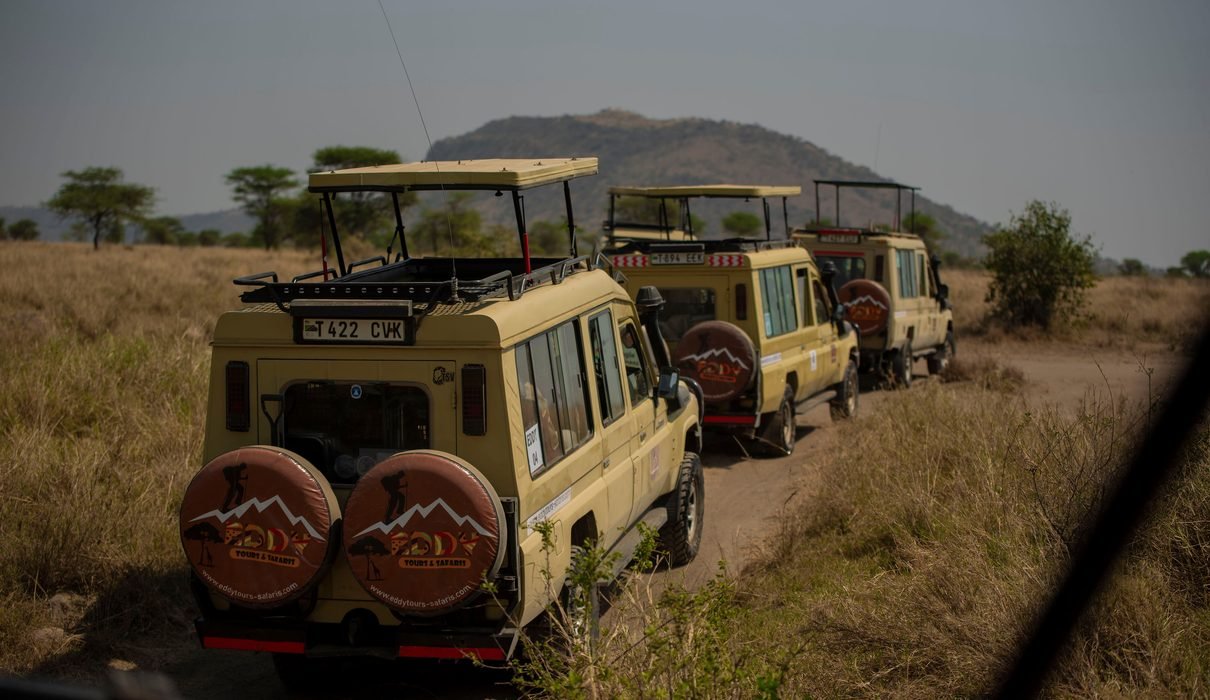
Planning a Tanzania safari is exciting, but choosing which national parks to visit can be challenging, especially when you have limited holiday time. Tanzania is home to some of Africa’s most remarkable wildlife destinations, including Serengeti National Park, Ngorongoro Crater, Tarangire National Park, and Lake Manyara. Each park offers different landscapes and wildlife experiences, but visiting too many destinations within a short period can leave you spending more time travelling than actually watching animals.
If you are planning a Tanzania safari in 2027, 2028, or 2029, the secret to a rewarding experience is not visiting every national park. It is choosing the right destinations, understanding the distances between them, and allowing enough time for game drives. A well-planned four-day safari can be more enjoyable than a poorly organised seven-day trip, particularly when your itinerary focuses on wildlife viewing rather than unnecessary transfers.
Whether you are travelling as a couple, family, group of friends, or solo visitor, understanding how Tanzania’s safari circuit works will help you make better decisions. This guide explains which national parks are worth visiting, how many days to spend in each destination, the best routes to follow, and practical ways to avoid common planning mistakes.
1. Start by Choosing the Right Tanzania Safari Circuit
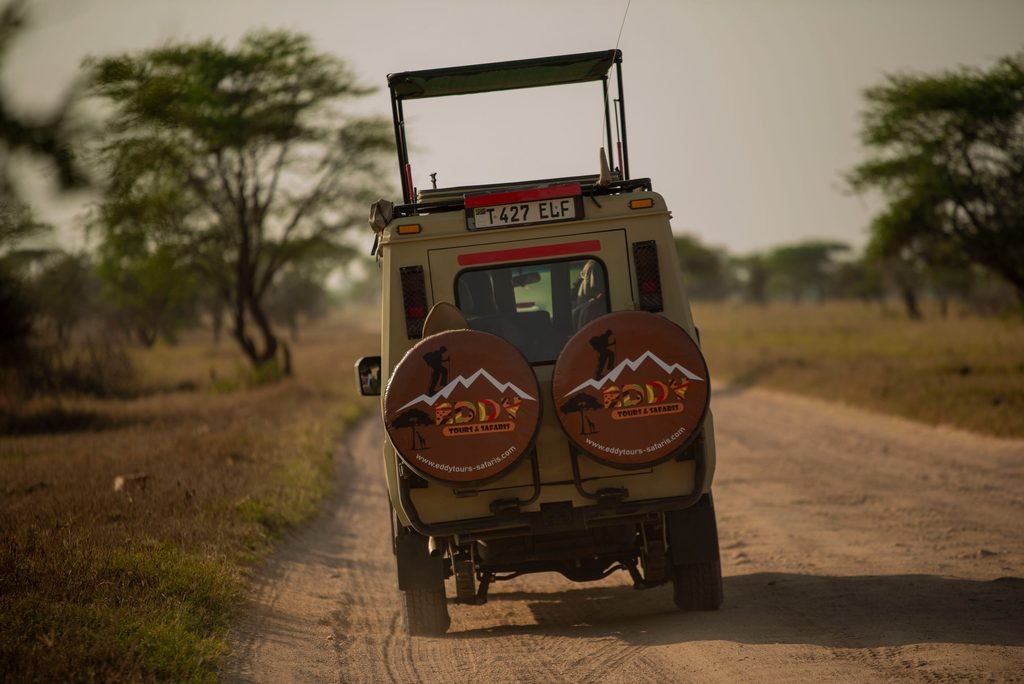
Tanzania has several safari regions, but the northern circuit is the most popular choice for first-time visitors. This region includes Serengeti, Ngorongoro, Tarangire, Lake Manyara, and Arusha National Park. Most northern safaris begin in Arusha, which provides convenient access to these destinations and serves as a major centre for safari operators, accommodation, and transport services.
The main advantage of the northern circuit is that several important wildlife areas can be combined within one journey. For example, you can begin with Tarangire, continue towards Ngorongoro, and then travel to the Serengeti. However, the parks are not all located close together, and driving between them can take several hours. Understanding these distances is essential when deciding how many destinations to include.
Southern Tanzania offers another excellent safari experience, particularly in Nyerere National Park and Ruaha National Park. These destinations are suitable for travellers interested in less crowded wildlife areas and different safari environments. However, combining northern and southern parks within a short itinerary usually requires additional flights or substantial travel time.
For most first-time visitors with four to seven days available, focusing on the northern safari circuit is the most practical option.
2. Understand What Makes Each National Park Special
One of the biggest mistakes travellers make is assuming that every Tanzania national park offers the same experience. Although several wildlife species occur in more than one destination, the landscapes, animal concentrations, and game-drive opportunities vary considerably. Choosing parks according to your interests can help you avoid unnecessary travel while still enjoying a rewarding safari.
Serengeti National Park: Best for Big Cats and Open Savannah
Serengeti National Park is one of Tanzania’s most famous wildlife destinations, known for its extensive grasslands, predator populations, and the annual Great Wildebeest Migration. The park supports lions, leopards, cheetahs, elephants, giraffes, buffaloes, zebras, wildebeest, and numerous antelope species. Its different habitats provide opportunities for wildlife viewing throughout the year, although the location of particular animals changes with the seasons.
The Serengeti is especially suitable for travellers interested in big cats and wildlife photography. The central Serengeti, including the Seronera area, supports wildlife throughout the year, while other regions become particularly interesting during different stages of the wildebeest migration. Because the park covers a large area, spending only a few hours inside it does not provide enough time to appreciate everything it offers.
Recommended stay: Two to four nights.
If you have at least five or six safari days available, the Serengeti deserves serious consideration. However, travellers with only two or three days may find that visiting the Serengeti by road from Arusha leaves too little time for game drives.
Ngorongoro Crater: Best for Concentrated Wildlife Viewing
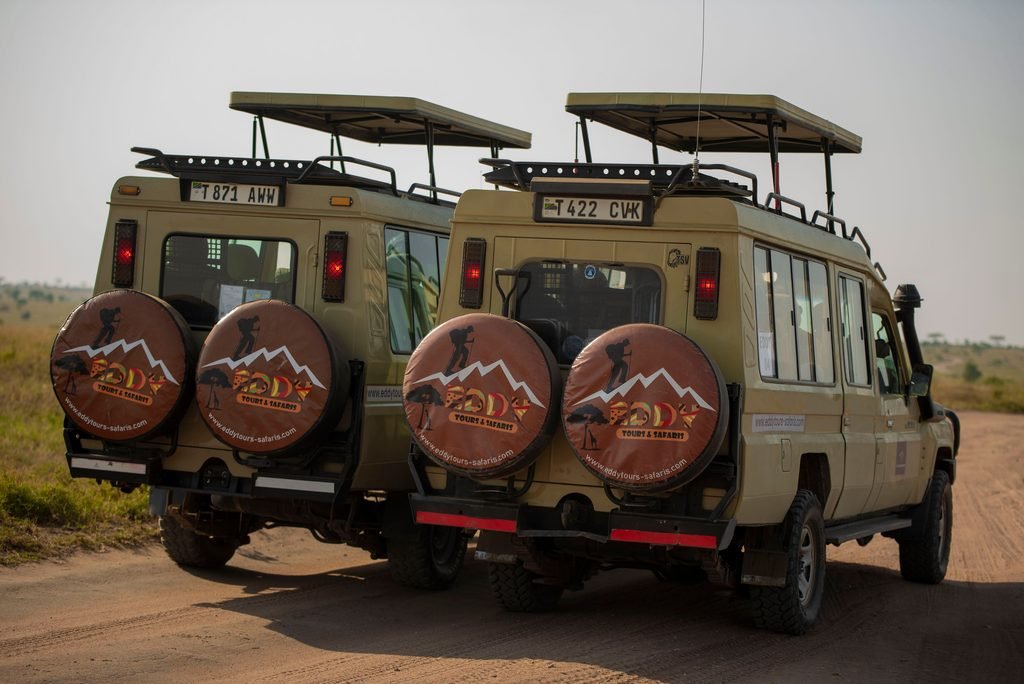
Ngorongoro Crater is one of Tanzania’s most distinctive wildlife destinations. Formed after the collapse of a large volcano, the crater contains grasslands, woodland, wetlands, and water sources that support numerous animals within a relatively compact area. Visitors may encounter lions, elephants, buffaloes, zebras, wildebeest, hippos, and different bird species during a game drive.
The crater is also one of the places in Tanzania where travellers may have an opportunity to see the endangered black rhinoceros. However, rhinoceros sightings are never guaranteed because the animals are relatively rare and may remain far from safari roads. The crater’s landscape also provides beautiful views, particularly when descending from the surrounding highlands.
One of Ngorongoro’s main advantages is that a substantial wildlife experience can be enjoyed during a single crater-floor game drive. This makes it particularly suitable for shorter safari itineraries.
Recommended stay: One night nearby, with a crater game drive the following morning.
Travellers can stay near the crater rim or in Karatu, depending on their budget and accommodation preferences.
Tarangire National Park: Best for Elephants and Baobab Trees
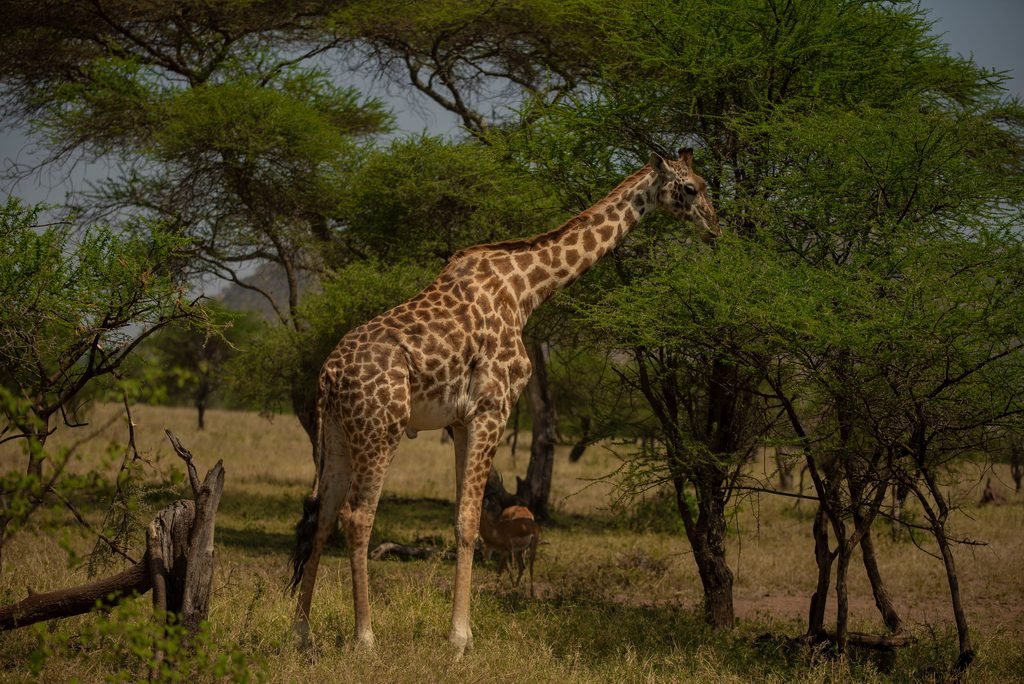
Tarangire National Park is particularly famous for its elephants, impressive baobab trees, and seasonal wildlife concentrations. The park contains woodland, open grassland, wetlands, and riverine habitats that support giraffes, zebras, buffaloes, lions, antelopes, and numerous bird species.
During the dry season, generally between June and October, the Tarangire River becomes an important water source for wildlife. Elephants and other animals may gather near the river, creating opportunities for interesting game drives and wildlife photography. During wetter months, the park becomes greener, and animals may spread across a wider area as water becomes more widely available.
Tarangire is also conveniently located within driving distance of Arusha, making it a practical destination for short safaris. Travellers can enjoy a game drive before continuing towards Karatu or returning to Arusha, depending on the itinerary.
Recommended stay: One to two days.
For travellers with limited time, combining Tarangire and Ngorongoro can provide an excellent safari experience without travelling all the way to the Serengeti.
Lake Manyara National Park: Best for Forest Scenery and Birdlife
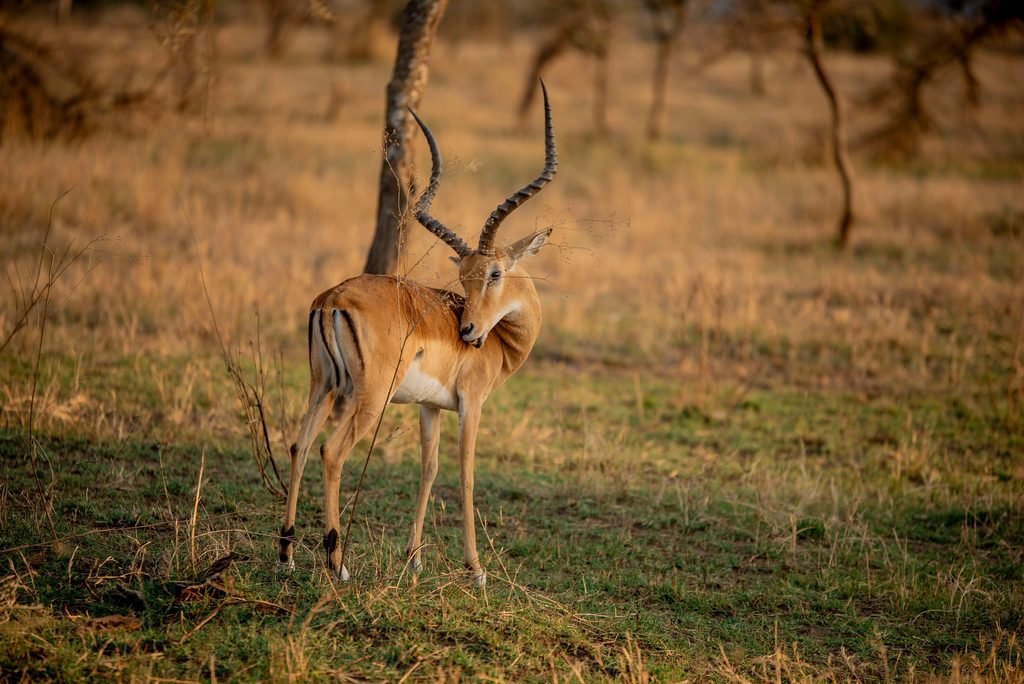
Lake Manyara National Park is a relatively small destination known for its groundwater forest, scenic landscapes, and birdlife. The park supports elephants, buffaloes, giraffes, monkeys, and various bird species. Its forest environment provides a different experience from the open grasslands of the Serengeti and the woodland landscapes of Tarangire.
Lake Manyara is often included in northern Tanzania safari itineraries because of its location near the route towards Ngorongoro. However, it is not necessary to visit both Lake Manyara and Tarangire during a short safari. Travellers should consider which park best matches their wildlife interests and available time.
Recommended stay: Half a day to one full day.
Lake Manyara can be a suitable addition to a longer itinerary, but travellers with only three or four days may benefit from concentrating on fewer destinations.
Arusha National Park: Best for Short Safaris Near Arusha
Arusha National Park is located relatively close to Arusha and offers a different landscape from the larger northern safari destinations. The park includes forest habitats, grasslands, lakes, and views of Mount Meru. Wildlife includes giraffes, buffaloes, zebras, monkeys, and various bird species, although large predators are less prominent than in the Serengeti.
The park is particularly suitable for travellers who have one free day before or after a Kilimanjaro climb. Depending on park regulations and the activities arranged, visitors may enjoy game drives, guided walking safaris, or other nature experiences.
Recommended stay: One day.
Arusha National Park is a practical option when you want to enjoy wildlife without spending several days travelling to more distant destinations.
3. How Many Days Do You Really Need for a Tanzania Safari?
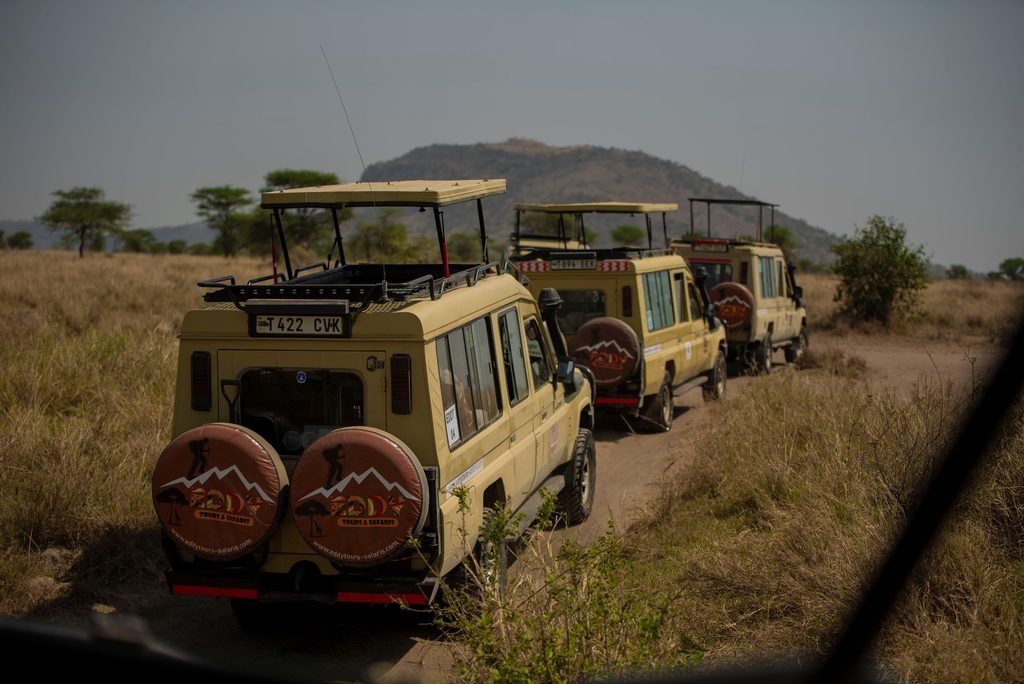
The ideal safari duration depends on the number of destinations you want to visit and how much time you prefer to spend observing wildlife. Travellers sometimes choose an itinerary based on the number of national parks listed rather than the actual game-drive time available. This can lead to exhausting schedules with early departures, long transfers, and limited opportunities to enjoy the parks.
A better approach is to choose your itinerary according to the number of days available.
| Safari Duration | Recommended Destinations | Best For |
|---|---|---|
| 1 day | Tarangire or Arusha National Park | Travellers with very limited time |
| 2 days | Tarangire and Ngorongoro | Short wildlife holidays |
| 3 days | Tarangire and Ngorongoro | Relaxed short safari |
| 4 days | Serengeti and Ngorongoro | Travellers prioritising Serengeti |
| 5 days | Tarangire, Serengeti and Ngorongoro | First-time safari visitors |
| 6 days | Tarangire, Serengeti and Ngorongoro | More time for wildlife viewing |
| 7 days | Tarangire, Serengeti and Ngorongoro | Balanced northern Tanzania safari |
| 8–10 days | Northern circuit with additional nights or parks | Photography and extended wildlife experiences |
These recommendations are general planning guidelines rather than fixed itineraries. Driving distances, accommodation locations, park entry arrangements, and seasonal conditions can affect the time available for wildlife viewing.
4. Avoid Visiting Too Many National Parks in a Short Time
One of the easiest ways to waste time during a Tanzania safari is trying to visit too many national parks within a few days. For example, an itinerary that includes Tarangire, Lake Manyara, Serengeti, and Ngorongoro in only four days may appear attractive because it covers several famous destinations. However, the schedule can involve long drives, repeated accommodation changes, and limited game-drive time in each park.
A more practical four-day itinerary might focus on Serengeti and Ngorongoro, allowing travellers to spend additional time exploring the Serengeti instead of rushing between multiple destinations. Alternatively, visitors who prefer shorter driving distances can choose Tarangire, Lake Manyara, and Ngorongoro without travelling to the Serengeti.
The important consideration is the quality of the experience rather than the number of parks visited. Spending several hours watching elephants, lions, or giraffes can be more rewarding than rushing through another destination simply to include it on the itinerary.
5. Choose Your Safari Route Carefully
The order in which you visit Tanzania’s national parks can make a significant difference to your travel experience. A well-organised route reduces unnecessary backtracking and allows you to spend more time on game drives. Most northern Tanzania road safaris follow a route that begins in Arusha and gradually moves west towards Ngorongoro and the Serengeti.
For example, a practical seven-day road safari may follow this route:
Arusha → Tarangire → Karatu → Serengeti → Ngorongoro → Arusha
This arrangement allows travellers to visit Tarangire before continuing towards the more distant Serengeti. On the return journey, Ngorongoro Crater can be visited before travelling back to Arusha.
However, the best route depends on your arrival airport, accommodation locations, and whether you plan to include a domestic flight. Travellers continuing to Zanzibar may prefer to finish their safari in the Serengeti and fly to the island, avoiding the long return drive to Arusha.
6. Consider Flying Instead of Driving When Time Is Limited
Road safaris are popular because they allow travellers to experience the changing landscapes of northern Tanzania. However, some journeys are long, particularly when travelling between Arusha and the Serengeti. Depending on the route, road conditions, and stops, reaching central Serengeti from Arusha can take much of the day.
Travellers with limited time may consider domestic flights to or from selected safari airstrips. For example, flying into the Serengeti can reduce the time spent travelling by road and allow more time for wildlife viewing. Similarly, travellers continuing to Zanzibar may be able to use scheduled flights from selected Serengeti airstrips, depending on airline schedules and availability.
Flying is generally more expensive than travelling entirely by road, but it can be worthwhile for travellers who prioritise game-drive time. Before booking, compare the total journey duration, flight costs, baggage restrictions, and transfer arrangements.
7. Stay Inside or Near the Parks to Reduce Travel Time
Accommodation location is another important factor when planning a Tanzania safari. Some lodges and camps are located inside national parks, while others are situated outside park boundaries or in nearby towns. Staying inside or close to the wildlife areas you intend to explore can reduce daily transfer times and make early morning game drives more convenient.
For example, spending the night inside the Serengeti allows travellers to begin exploring nearby wildlife areas without first completing a long drive from outside the park. Similarly, accommodation near Ngorongoro Crater can make it easier to begin the crater visit early in the morning.
However, accommodation inside national parks can be more expensive because of park-related fees and operating costs. Travellers should compare the total package price rather than looking only at the nightly accommodation rate.
8. Plan Your Safari Around the Wildlife You Want to See
Different travellers have different wildlife interests. Some want to observe lions, leopards, and cheetahs, while others are particularly interested in elephants, birdwatching, or the Great Wildebeest Migration. Understanding your priorities before booking helps you select the most suitable parks and avoid spending time in destinations that do not match your interests.
If your main interest is big cats, the Serengeti is an important destination because it supports lions, leopards, and cheetahs across suitable habitats. If you particularly enjoy elephants, Tarangire is worth considering. Travellers hoping to see the endangered black rhinoceros may want to include Ngorongoro Crater, although sightings are not guaranteed.
Birdwatchers may enjoy Tarangire, Lake Manyara, and other suitable habitats, while photographers often benefit from spending several nights in one location. A safari designed around specific interests generally provides a more satisfying experience than a standard itinerary that tries to include everything.
9. Understand the Great Wildebeest Migration Before Booking
The Great Wildebeest Migration is one of Tanzania’s most famous wildlife events, but many travellers misunderstand how it works. The migration is a continuous seasonal movement of wildebeest and other grazing animals across the Serengeti-Mara ecosystem. The herds move according to rainfall, grazing conditions, and other environmental factors, meaning they cannot be expected in the same location throughout the year.
Between approximately January and March, large herds are often associated with the southern Serengeti and Ndutu region, where calving usually takes place. During the middle of the year, migration movements may occur through western and northern areas of the Serengeti, while river crossings are most commonly associated with particular periods when herds reach suitable crossing points. However, these movements vary from year to year.
If you are planning a migration safari in 2027, 2028, or 2029, avoid booking accommodation in the central Serengeti simply because the package advertises migration viewing. Instead, ask your operator which region is most suitable for your travel dates and whether the itinerary allows enough time to explore that area.
10. Choose the Best Time to Visit Tanzania’s Safari Parks
Tanzania offers wildlife viewing throughout the year, but the experience changes according to rainfall, vegetation, and animal movements. The dry season, generally from June to October in much of northern Tanzania, is popular because animals often gather near available water sources and vegetation may be less dense. Tarangire can be particularly rewarding during this period, while Serengeti and Ngorongoro continue to support wildlife throughout the year.
January and February are also attractive months, especially for travellers interested in the southern Serengeti and Ndutu calving season. During this period, large wildebeest herds may gather on the short-grass plains, creating opportunities to observe newborn calves and predator activity.
The wetter months, including parts of March, April, May, November, and December, can bring greener landscapes and fewer visitors in some destinations. Rainfall may affect road conditions and wildlife visibility, but it can also create attractive scenery and rewarding birdwatching opportunities.
For travel in 2027, 2028, or 2029, the best time depends on the destinations you want to visit and the wildlife experiences you value most.
11. Private Safari or Joining Group: Which Saves More Time?
A private safari provides greater flexibility because the vehicle and guide are dedicated to your group. You can discuss departure times, wildlife interests, and photography opportunities with your guide while following park regulations. Private arrangements can also make it easier to coordinate accommodation locations and travel schedules, particularly when you have limited time.
Joining-group safaris allow travellers to share transport and guiding costs with other participants following a similar itinerary. This can make them attractive to solo travellers and visitors working with a limited budget. However, group departures generally follow fixed schedules, and participants have less flexibility when deciding how long to remain at wildlife sightings.
If your main priority is saving time and enjoying a personalised experience, a private safari may be more suitable. If reducing costs is more important, a joining-group safari can still provide an enjoyable wildlife experience when organised professionally.
12. How Much Does a Well-Planned Tanzania Safari Cost in 2027–2029?
The cost of a Tanzania safari depends on the number of travel days, accommodation category, group size, transport arrangements, and travel season. Budget safaris generally use simpler accommodation, while mid-range packages offer comfortable lodges or tented camps. Luxury safaris may include premium accommodation, additional services, and more exclusive locations.
National park fees, Ngorongoro Crater charges, accommodation, meals, fuel, and safari vehicle expenses make up a significant portion of the total cost. Travellers should compare packages carefully because a lower advertised price may reflect fewer park nights, different accommodation standards, or excluded services.
For travel in 2027, 2028, or 2029, request an updated quotation based on your preferred dates and group size. Future park fees, accommodation rates, and operating costs may change, so older published prices should not be treated as guaranteed.
13. Common Tanzania Safari Planning Mistakes to Avoid
Even experienced travellers can make mistakes when planning a Tanzania safari. Many problems arise from unrealistic itineraries, insufficient research, or misunderstanding the distances between destinations. Avoiding a few common mistakes can help you enjoy more time observing wildlife and less time dealing with unnecessary travel.
Booking too many parks: Visiting four destinations in three or four days can create a rushed experience. Choose fewer parks and allow enough time for game drives.
Ignoring driving distances: Some safari destinations are several hours apart. Always ask how much time will be spent travelling between parks.
Choosing accommodation too far away: A cheaper lodge may increase daily transfer times, reducing the time available for wildlife viewing.
Expecting guaranteed sightings: Wildlife movements are unpredictable, and no safari operator can guarantee encounters with specific animals.
Booking the wrong migration region: The wildebeest herds move seasonally, so the best location depends on your travel dates.
Comparing prices without checking inclusions: Confirm park fees, accommodation, meals, transport, and other services before making payment.
Planning without rest time: Long travel days and early game drives can be tiring, particularly for families with young children.
14. Sample 7-Day Tanzania Safari Itinerary Without Unnecessary Rushing
A seven-day itinerary provides enough time to explore several major northern Tanzania wildlife destinations while allowing more time for game drives than shorter packages. The following example focuses on Tarangire, Serengeti, and Ngorongoro Crater, with a route designed to reduce unnecessary backtracking.
Day 1: Arrival in Arusha
Upon arrival at Kilimanjaro International Airport, your driver will transfer you to your hotel in Arusha. Depending on your arrival time, you can relax or explore part of the town before meeting your safari guide for a briefing.
Day 2: Arusha to Tarangire National Park
After breakfast, you will travel to Tarangire National Park for a game drive. The park is famous for elephants, baobab trees, and seasonal wildlife concentrations. After exploring suitable wildlife areas, you will continue to your accommodation near Tarangire or Karatu.
Day 3: Tarangire or Karatu to Serengeti National Park
You will travel through the Ngorongoro highlands towards the Serengeti, enjoying changing landscapes along the way. After entering the park, you will begin a game drive while travelling towards your lodge or tented camp.
Day 4: Full-Day Serengeti Game Drive
Today is dedicated to exploring the Serengeti. Your guide will select suitable wildlife areas according to the season and animal movements, allowing time for photography and observation. You will return to your accommodation later in the day.
Day 5: Another Full Day in the Serengeti
A second full day provides additional opportunities to observe wildlife and explore different habitats. Depending on your interests, the day may focus on predators, large herbivores, or seasonal migration activity in accessible areas.
Day 6: Serengeti to Ngorongoro Conservation Area
After breakfast, you will enjoy a final game drive while travelling out of the Serengeti towards Ngorongoro. You will spend the night near the crater rim or in Karatu, preparing for the following day’s crater visit.
Day 7: Ngorongoro Crater Game Drive and Return to Arusha
Your final day begins with an early game drive inside Ngorongoro Crater, where you may encounter lions, elephants, buffaloes, zebras, hippos, and other wildlife. After lunch, you will ascend from the crater and travel back to Arusha, arriving later in the day.
This itinerary provides three nights in the Serengeti and avoids adding unnecessary destinations. Travellers who prefer a slower pace may choose to extend the safari or include a domestic flight for one of the longer transfers.
15. Combine Your Tanzania Safari with Zanzibar or Kilimanjaro
Travellers visiting Tanzania for more than a week may consider combining their safari with a Kilimanjaro climbing expedition or Zanzibar beach holiday. This allows you to experience different parts of Tanzania within one journey, from wildlife-filled national parks to mountain landscapes and Indian Ocean beaches.
Zanzibar is particularly popular after a safari because it provides an opportunity to relax following several days of game drives. Depending on flight availability, travellers may fly from Arusha or selected Serengeti airstrips to Zanzibar. Those interested in mountain trekking can also arrange a Kilimanjaro climb before or after their safari, although adequate rest time is important.
Combining activities can be convenient when transport and accommodation are organised together. However, travellers should avoid filling every available day with activities, particularly when long journeys or physically demanding experiences are involved.
Frequently Asked Questions About Planning a Tanzania Safari
Which Tanzania National Park Is Best for First-Time Visitors?
Serengeti National Park and Ngorongoro Crater are among the most popular choices for first-time safari visitors. Tarangire is also an excellent destination, particularly for travellers interested in elephants and scenic landscapes.
How Many Days Are Enough for a Tanzania Safari?
Five to seven days provides a good balance for many first-time visitors exploring the northern safari circuit. However, shorter safaris can still be enjoyable when they focus on nearby destinations such as Tarangire and Ngorongoro.
Can You Visit Serengeti and Ngorongoro in Four Days?
Yes. A four-day itinerary can include Serengeti and Ngorongoro, although it involves long driving distances. Travellers should plan their accommodation locations and departure times carefully to maximise game-drive opportunities.
Is It Better to Fly or Drive to Serengeti?
Driving provides an opportunity to enjoy the changing landscapes of northern Tanzania, while flying can reduce travel time. The best option depends on your budget, available days, and preferred travel experience.
Which Tanzania Safari Park Has the Most Lions?
The Serengeti is particularly famous for its lion populations and provides opportunities to observe prides across suitable habitats. Ngorongoro Crater also supports lions, although sightings in either destination depend on animal movements.
Can You See the Big Five in Tanzania?
Yes. Tanzania’s northern safari circuit supports lions, leopards, elephants, buffaloes, and black rhinoceroses. However, seeing all five during one safari is not guaranteed, particularly because leopards and black rhinoceroses can be difficult to locate.
What Is the Best Month for a Tanzania Safari?
June to October is popular because of generally dry conditions and rewarding wildlife viewing. January and February are also attractive, particularly for travellers interested in seasonal wildlife activity in the southern Serengeti ecosystem.
Is a Private Tanzania Safari Worth It?
A private safari can be worthwhile for travellers who want greater flexibility over departure times, accommodation, and wildlife interests. Joining-group safaris may be more affordable, but they generally follow fixed schedules.
Plan Your Tanzania Safari for 2027, 2028 or 2029 with Eddy Tours & Safaris
Experiencing Tanzania’s best safari parks does not require visiting every destination within one holiday. The most rewarding itineraries focus on the parks that match your interests, allow enough time for wildlife observation, and avoid unnecessary travel. Whether you have three days or ten days available, choosing the right route can make a significant difference to your overall safari experience.
For travellers interested in elephants and scenic landscapes, Tarangire is an excellent choice. Those hoping to observe lions, leopards, cheetahs, and large herbivore populations may prefer spending more time in the Serengeti. Ngorongoro Crater provides another distinctive wildlife experience, with opportunities to observe several large mammals within an ancient volcanic caldera.
Eddy Tours & Safaris is a local tour company in Arusha, Tanzania, arranging professionally guided wildlife safaris, Kilimanjaro climbing trips, and private holidays. Our team can help you plan a Tanzania safari for 2027, 2028, or 2029 according to your preferred destinations, available travel days, accommodation category, and budget.
Contact Eddy Tours & Safaris
Location: Arusha, Tanzania
Email: sales@eddytours-safaris.com
Phone/WhatsApp: +255 711 906 664
Website: Eddy Tours & Safaris
Booking enquiries: Contact our safari team