
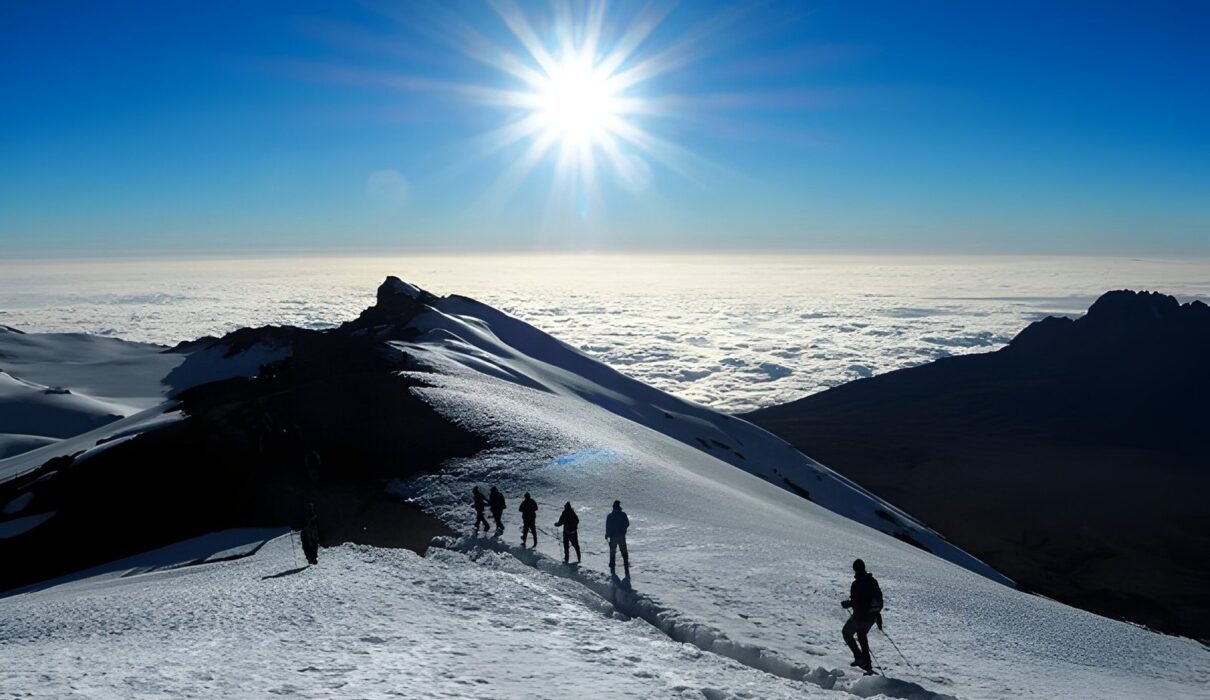
How to Train for Kilimanjaro Climb : Climbing Mount Kilimanjaro is an exciting goal, but reaching the summit requires preparation long before you arrive in Tanzania. At 5,895 meters (19,341 feet), Kilimanjaro is the highest mountain in Africa. Although its standard trekking routes do not normally require technical mountaineering skills, the combination of long walking days, steep terrain, cold temperatures, and high altitude makes the climb physically demanding.
One of the most common questions first-time climbers ask is how to train for Kilimanjaro. Do you need to run every day? Should you join a gym? How many hours should you walk? And how fit do you need to be before attempting the summit?
The most effective preparation is surprisingly practical. You need to develop the ability to walk uphill for several hours, carry a daypack comfortably, recover between consecutive trekking days, and descend steep trails without excessive fatigue.
For many reasonably active adults, 12 weeks of consistent training provides a useful foundation. If you currently exercise very little, are recovering from an injury, or have limited hiking experience, beginning four to six months before departure may be more appropriate.
The goal is not to become an elite athlete. It is to arrive in Tanzania physically prepared, well rested, familiar with your equipment, and realistic about the challenges of high-altitude trekking.
This guide explains how to prepare for Kilimanjaro, including a complete 12-week fitness plan, the best exercises, hiking preparation, strength training, route-specific requirements, and common mistakes to avoid.
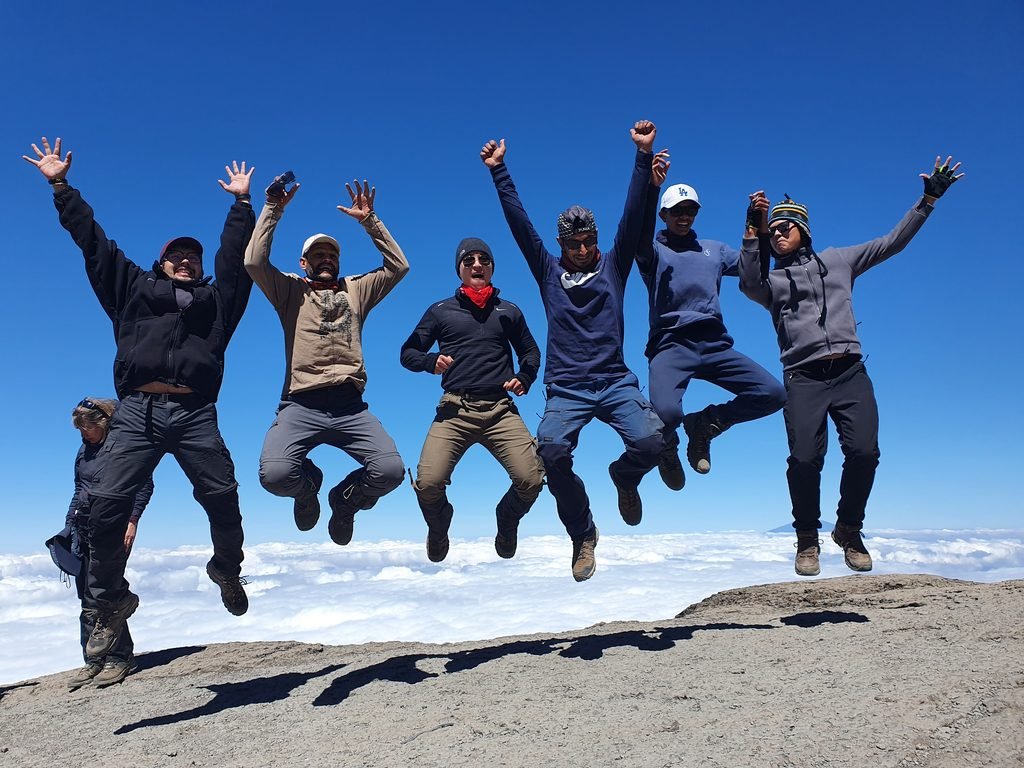
How Fit Do You Need to Be to Climb Kilimanjaro?
You do not need to be a professional athlete to climb Kilimanjaro, but you should have good walking endurance and sufficient strength to manage several days of uphill and downhill trekking.
On many routes, climbers spend approximately four to eight hours walking on a normal trekking day. Summit day is considerably longer and may involve 10–16 hours or more of walking, depending on the route, weather, group pace, and individual condition.
The terrain also changes considerably. The lower slopes include rainforest trails, while higher sections feature rocky paths, volcanic scree, steep ascents, and exposed summit terrain.
A person who can comfortably walk for several hours on uneven ground and repeat similar activity the following day is generally better prepared than someone whose fitness comes entirely from short, intense workouts.
Before your departure, useful practical training goals include:
- Walking or hiking for five to seven hours with suitable breaks.
- Completing two hiking days on consecutive days without excessive fatigue.
- Walking uphill for extended periods at a steady pace.
- Descending hills while maintaining balance and control.
- Carrying a daypack weighing approximately four to seven kilograms.
- Using your trekking boots comfortably over long distances.
- Recovering adequately between training sessions.
These are training goals, not medical clearance or guarantees of summit success.
How Long Should You Train for Kilimanjaro?
The amount of preparation required depends on your current fitness.
Someone who hikes regularly may need less time to prepare than someone who has spent several years without consistent exercise.
| Current fitness | Suggested preparation period | Main priority |
|---|---|---|
| Regular hiker | 8–12 weeks | Longer hikes and consecutive trekking days |
| Moderately active | 12–16 weeks | Endurance, hills, and strength |
| Beginner with little exercise | 4–6 months | Build walking fitness gradually |
| Experienced endurance athlete | 6–12 weeks of specific preparation | Mountain terrain and loaded hiking |
| Returning from injury | Individualized | Medical or physiotherapy guidance |
These are general planning ranges. Progress should be adjusted according to age, health, recovery, and previous exercise experience.
Starting early gives you more time to increase your walking distance gradually without rushing.
The Five Most Important Types of Kilimanjaro Training
A balanced training program should prepare your body for the actual demands of the mountain.
1. Hiking and Walking Endurance
Hiking is the most important part of Kilimanjaro preparation because it closely matches what you will do during the climb.
Start with walks that suit your current fitness and gradually increase the duration.
Where possible, include hills, uneven ground, and longer outdoor walks.
As your departure approaches, aim to complete several hikes lasting four to six hours or longer, depending on your fitness and route.
Walking for several hours also allows you to test your boots, backpack, socks, and trekking poles.
2. Cardiovascular Fitness
Cardiovascular exercise helps improve your ability to sustain physical effort.
Useful activities include brisk walking, cycling, swimming, jogging, and stair climbing.
You do not need to run marathons or complete exhausting interval sessions.
Moderate-intensity exercise performed consistently is more useful than occasional extreme workouts.
For many adults, a reasonable foundation is at least 150 minutes of moderate aerobic activity per week, increasing gradually as fitness improves.
3. Leg Strength
Strong legs help with uphill climbing and controlled downhill walking.
Exercises such as squats, lunges, step-ups, and calf raises strengthen muscles used during trekking.
Downhill walking is particularly demanding on the quadriceps, so training should include controlled lowering movements rather than focusing only on climbing uphill.
4. Core Strength and Balance
Your core muscles help maintain posture and stability while carrying a backpack.
Exercises such as planks, bird dogs, and controlled single-leg movements can improve balance and body control.
This is useful on rocky trails and uneven terrain.
5. Recovery and Rest
Training creates physical stress, but improvement happens when the body has time to recover.
Include rest days and easier sessions throughout your preparation.
Persistent soreness, worsening fatigue, or declining performance may indicate that you need to reduce your training load.
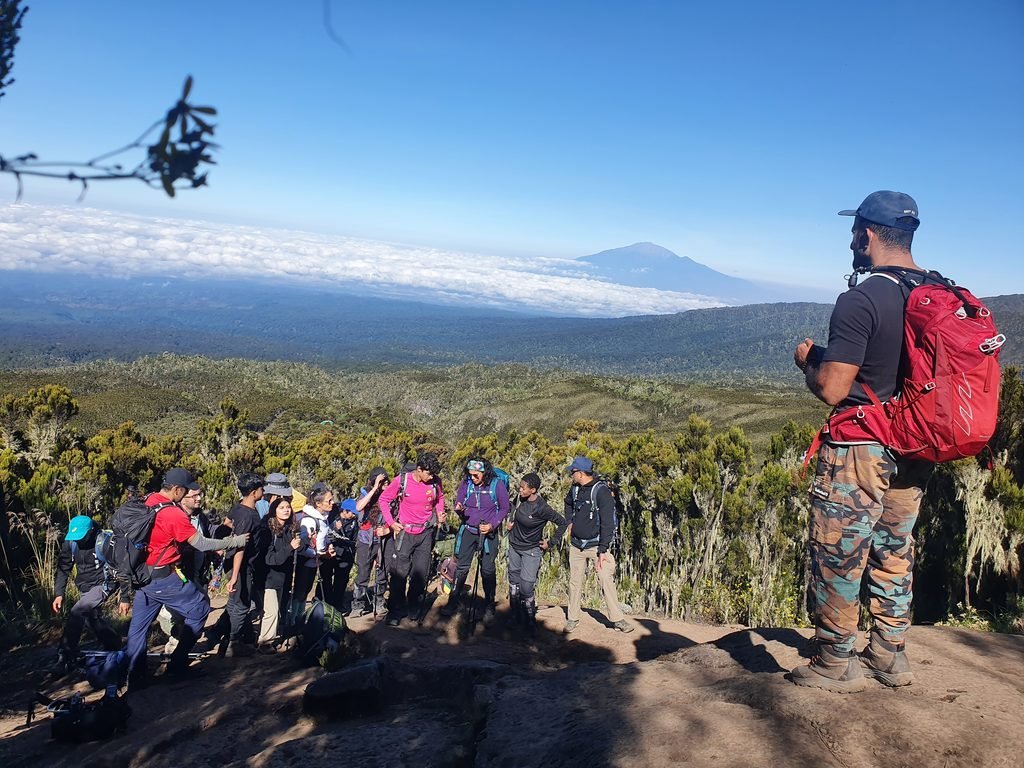
Complete 12-Week Kilimanjaro Training Plan
The following program is designed as a general example for a reasonably healthy adult who can already walk comfortably for about 45–60 minutes.
If you are starting from a lower fitness level, begin with shorter sessions and allow more weeks for preparation.
The plan gradually builds endurance, adds hill work, introduces loaded hiking, and reduces training intensity before departure.
Weeks 1–4: Build Your Fitness Foundation
During the first four weeks, concentrate on regular walking, moderate cardiovascular activity, and basic strength exercises.
Avoid trying to complete extremely long hikes immediately.
| Week | Walking and cardio | Long weekend hike | Strength |
|---|---|---|---|
| 1 | Three 30-minute sessions | 1.5 hours | Two light sessions |
| 2 | Three 35–40-minute sessions | 2 hours | Two sessions |
| 3 | Three 40–45-minute sessions | 2.5 hours | Two sessions |
| 4 | Three easy 30–40-minute sessions | 2 hours | One or two light sessions |
Week four is deliberately easier to allow recovery.
During this stage, focus on developing a consistent routine.
If you have access to hills, include gentle uphill walking.
You can also begin using your trekking boots and a lightly loaded backpack.
Weeks 5–8: Increase Endurance and Hill Training
The second phase introduces longer walks and more demanding terrain.
Your body should gradually become accustomed to spending several hours on your feet.
| Week | Walking and cardio | Long weekend hike | Additional training |
|---|---|---|---|
| 5 | Three 45-minute sessions | 3 hours | Two strength sessions |
| 6 | Three 45–60-minute sessions | 3.5 hours | Hills or stairs |
| 7 | Three 60-minute sessions | 4 hours | Loaded daypack practice |
| 8 | Three easier 40-minute sessions | 3 hours | Recovery-focused strength |
By this stage, you should begin hiking with the backpack you intend to use on Kilimanjaro.
Gradually add weight until you can comfortably carry a realistic trekking load.
If possible, use routes with both ascents and descents.
Avoid increasing distance, elevation gain, and backpack weight aggressively at the same time.
Weeks 9–10: Practice Long Mountain Days
These weeks focus on preparing for consecutive trekking days.
| Week | Midweek training | Weekend hiking | Main objective |
|---|---|---|---|
| 9 | Two cardio sessions and two strength sessions | 5-hour hike plus a shorter walk the next day | Build endurance |
| 10 | Two moderate cardio sessions and one or two strength sessions | 5–7-hour hike plus 2–3 hours the next day | Practice back-to-back walking |
The aim is to become familiar with walking while carrying a daypack, managing food and water, and recovering between long days.
You do not need to train until exhaustion.
If a seven-hour hike is beyond your current ability, reduce the duration and continue progressing at a manageable pace.
Weeks 11–12: Reduce Training and Prepare for Departure
The final two weeks should focus on maintaining fitness while allowing fatigue to decrease.
| Week | Training focus | Recommended activity |
|---|---|---|
| 11 | Begin reducing training volume | Moderate walks, light strength, one shorter hike |
| 12 | Rest and maintain mobility | Easy walking, gentle stretching, equipment preparation |
Avoid beginning new intense exercises immediately before departure.
Arriving rested is more valuable than trying to gain additional fitness during the final few days.
Example Weekly Kilimanjaro Workout Schedule
Once you have established a fitness foundation, you can follow a balanced weekly routine.
| Day | Training activity | Example duration |
|---|---|---|
| Monday | Rest or gentle mobility | 15–20 minutes |
| Tuesday | Brisk walking or cycling | 45–60 minutes |
| Wednesday | Leg and core strength | 30–45 minutes |
| Thursday | Hill walking or stair climbing | 45–60 minutes |
| Friday | Rest or easy walking | 20–30 minutes |
| Saturday | Long outdoor hike | 3–6 hours, depending on training stage |
| Sunday | Recovery walk or second shorter hike | 30 minutes to 3 hours |
Adjust the schedule to your fitness and recovery needs.
The long weekend hike is particularly valuable because it develops endurance and gives you an opportunity to practice with your actual equipment.
Best Strength Exercises for Kilimanjaro Climbers
You do not need complicated gym equipment to prepare for Kilimanjaro.
Many useful exercises can be completed at home using body weight, a sturdy step, or light resistance.
Squats
Squats strengthen the quadriceps, glutes, and other muscles involved in uphill walking.
Begin with bodyweight squats and focus on controlled movement.
A starting routine might include two or three sets of eight to twelve repetitions.
Lunges
Lunges help develop leg strength and balance.
They are useful for preparing for uneven terrain.
Start with a manageable range of motion and avoid forcing painful movements.
Step-Ups
Step-ups are particularly relevant to mountain trekking.
Use a stable platform and step up slowly, maintaining control.
As your fitness improves, you can increase repetitions or use a lightly loaded backpack.
Calf Raises
Calf raises strengthen the lower legs and support repeated uphill walking.
They can be performed on flat ground or a stable step.
Planks
Planks help develop core stability.
Begin with short holds and gradually increase the duration while maintaining good form.
Controlled Step-Downs
Step-down exercises help prepare the legs for downhill trekking.
Stand on a low, stable step and lower one foot toward the ground slowly.
This movement strengthens the muscles involved in controlling descent.
If you have knee pain or another musculoskeletal condition, seek individualized guidance before increasing the difficulty.
How to Train for Kilimanjaro Without Mountains Nearby
Not everyone lives close to hills or hiking trails.
Fortunately, you can still prepare effectively.
Stair climbing is one of the most useful alternatives because it trains the muscles used during uphill trekking.
You can also use an inclined treadmill, stationary bicycle, or stair-climbing machine.
However, gym exercise should not completely replace outdoor walking.
Kilimanjaro involves uneven terrain, changes in weather, and long hours on your feet.
Whenever possible, include walks outdoors while wearing your trekking boots and carrying your backpack.
If your area is flat, increase walking duration and include stairs or incline training several times per week.
How Much Weight Should You Carry During Training?
On a guided Kilimanjaro expedition, porters normally transport your main duffel bag and group equipment.
Most climbers carry a daypack containing drinking water, snacks, rainwear, warm clothing, and personal essentials.
A typical daypack may weigh approximately four to seven kilograms.
During training, start with a lighter backpack and gradually increase the load.
For example, you might begin with two or three kilograms and work toward the weight you expect to carry on the mountain.
There is generally no need to train with a 15–20-kilogram expedition backpack if you will not be carrying that weight during the actual climb.
Your training should resemble the conditions you expect to encounter.
How to Prepare for Kilimanjaro Summit Night
Summit night is usually the most physically and mentally demanding part of the expedition.
Depending on the route, climbers often begin the final ascent around midnight.
The climb involves steep terrain, low temperatures, darkness, and significant altitude.
You may spend many hours ascending before reaching the crater rim and continuing toward Uhuru Peak.
Afterward, a long descent follows.
Build Walking Endurance
Long training hikes prepare your legs for extended periods of activity.
Practice Hiking with a Headlamp
A short, safe evening walk can help you become familiar with your headlamp and nighttime equipment.
Do not attempt hazardous nighttime terrain without suitable experience and support.
Train for Descents
The descent can be particularly tiring after summit night.
Include downhill walking and controlled leg-strength exercises in your training.
Practice Layering Clothing
During your preparation hikes, learn how to adjust clothing as temperatures change.
Develop a Steady Walking Pace
Kilimanjaro guides frequently encourage climbers to walk pole pole, meaning slowly in Swahili.
A comfortable, consistent pace is more useful than attempting to walk quickly and becoming exhausted.
Does Physical Fitness Prevent Altitude Sickness?
No. This is one of the most important things to understand before climbing Kilimanjaro.
Being physically fit helps you cope with walking demands, but it does not make you immune to altitude illness.
The risk depends on factors including the altitude reached, rate of ascent, previous altitude experience, and individual susceptibility.
A very fit runner can develop altitude sickness, while a moderately fit walker may acclimatize successfully.
Common symptoms of acute mountain sickness include headache, nausea, dizziness, and unusual fatigue.
Serious warning signs include confusion, difficulty walking normally, or breathlessness at rest.
These symptoms require urgent assessment and appropriate action, including descent when indicated.
Do not continue ascending to a higher sleeping altitude while experiencing symptoms of altitude illness.
Climbers should discuss high-altitude health risks and possible preventive medication with a qualified healthcare professional before departure.
Why Choosing the Right Kilimanjaro Route Matters
Your training program is important, but so is the itinerary you choose.
Some Kilimanjaro routes provide more time for acclimatization than others.
| Route | Common duration | Fitness considerations |
|---|---|---|
| Machame | 6–7 days | Steep sections, Barranco Wall, long summit day |
| Marangu | 5–6 days | Hut accommodation, sustained ascent and descent |
| Lemosho | 7–8 days | Longer trekking schedule and varied terrain |
| Rongai | 6–7 days | Gradual early sections, high-altitude summit |
| Northern Circuit | 8–9 days | More trekking days, extended mountain exposure |
| Umbwe | 6–7 days | Steep early ascent and demanding terrain |
Longer itineraries generally provide more opportunities for acclimatization, although altitude illness remains possible on every route.
For many first-time climbers, a seven- or eight-day itinerary is a sensible choice.
Should You Climb Mount Meru Before Kilimanjaro?
Mount Meru, located inside Arusha National Park, reaches approximately 4,566 meters.
It is sometimes used as a preparation climb before Kilimanjaro.
A Mount Meru trek allows travelers to experience mountain walking, high-altitude conditions, and consecutive trekking days.
It can also provide some acclimatization benefit when scheduled appropriately before Kilimanjaro.
However, climbing Mount Meru is not essential, and completing it does not guarantee that you will acclimatize safely on Kilimanjaro.
If you are considering both mountains, discuss the schedule and recovery time with your operator.
Nutrition and Hydration During Kilimanjaro Training
Good nutrition supports training and recovery.
You do not need an extreme diet or expensive supplements to prepare for Kilimanjaro.
Eat balanced meals containing carbohydrates, protein, healthy fats, vegetables, and fruit.
Carbohydrates provide energy for walking and other endurance activities.
Protein supports muscle repair after strength training and long hikes.
During extended training walks, practice eating snacks that are easy to carry and digest.
You should also develop consistent hydration habits.
Drink according to your activity level, weather, and thirst, and replace fluids lost through sweating.
Avoid forcing excessive amounts of water, which can be harmful.
On the mountain, follow your guide’s instructions for water availability and drinking arrangements.
How Important Is Sleep During Training?
Sleep plays an important role in physical recovery.
Consistently poor sleep can make training feel more difficult and reduce your ability to recover between sessions.
Aim for a regular sleep schedule, particularly during the final weeks before departure.
Do not deliberately deprive yourself of sleep to imitate summit night.
The purpose of training is to arrive physically prepared and rested, not exhausted.
How to Avoid Injuries Before Your Kilimanjaro Climb
One of the biggest training mistakes is increasing activity too quickly.
A climber who suddenly begins running long distances, climbing stairs every day, and carrying a heavy backpack may develop knee pain, tendon problems, or other injuries.
Increase your training gradually.
Use comfortable footwear and allow time for recovery.
If pain changes your walking pattern, persists, or worsens, reduce the activity and seek appropriate professional advice.
Avoid attempting to train through significant pain.
It is better to arrive on Kilimanjaro slightly less fit but healthy than highly trained and injured.
Common Kilimanjaro Training Mistakes
Starting Too Late
A few intense workouts immediately before departure cannot replace months of consistent preparation.
Training Only in the Gym
Gym exercise is useful, but it does not fully prepare you for long outdoor walks and uneven terrain.
Ignoring Downhill Walking
Climbers often focus on ascending hills but forget that descending Kilimanjaro can be demanding on the legs and knees.
Carrying Too Much Weight
Training with unnecessarily heavy loads can increase fatigue and injury risk.
Neglecting Recovery
Rest days are important for adaptation and injury prevention.
Believing Fitness Guarantees Summit Success
Good fitness improves trekking endurance but does not prevent altitude sickness.
Choosing a Route Only Because It Is Shorter
A shorter itinerary may cost less or fit your holiday schedule, but it can provide less acclimatization time.
Using New Boots on the Mountain
Wear your trekking boots during training to identify fit problems before departure.
Final Kilimanjaro Fitness Checklist
Before traveling to Tanzania, review the following checklist.
- I can comfortably complete several hours of walking.
- I have practiced hiking uphill and downhill.
- I have completed at least one long training hike.
- I have practiced walking on consecutive days.
- I can carry my intended daypack comfortably.
- I have tested my trekking boots and socks.
- I have practiced using trekking poles.
- I understand the importance of acclimatization.
- I know the warning signs of altitude illness.
- I have discussed relevant health concerns with a qualified healthcare professional.
- I have reviewed my route and equipment requirements.
- I have allowed time to rest before departure.
This checklist is a preparation aid, not a guarantee that a climb will be safe or successful.
Frequently Asked Questions About Training for Kilimanjaro
How many months should I train for Kilimanjaro?
Many reasonably active adults can prepare over approximately three months. Beginners may benefit from four to six months.
Can I climb Kilimanjaro without training?
Some people attempt it with limited preparation, but this is not recommended. Training helps improve endurance, strength, and comfort during long trekking days.
Is walking enough to train for Kilimanjaro?
Walking and hiking are the most important activities. Adding strength training, hills, and balance exercises provides more complete preparation.
Do I need to run to climb Kilimanjaro?
No. Running is optional. Brisk walking, hiking, cycling, swimming, and other cardiovascular activities can develop useful endurance.
How many kilometers should I walk during training?
There is no universal distance. Focus on gradually increasing walking duration and terrain difficulty rather than reaching a particular daily kilometer target.
Should I train every day?
No. A balanced program includes exercise and recovery days.
How heavy should my training backpack be?
Gradually work toward the weight you expect to carry on Kilimanjaro, often around four to seven kilograms.
Is Kilimanjaro harder than a marathon?
The challenges are different. A marathon involves sustained running, while Kilimanjaro requires consecutive trekking days, high-altitude adaptation, and a long summit attempt.
Can an overweight person climb Kilimanjaro?
Body weight alone does not determine whether someone can climb. Fitness, health, mobility, preparation, and medical considerations all matter.
Can older adults climb Kilimanjaro?
Many older adults climb Kilimanjaro, but preparation and individual health assessment are important.
Is gym training necessary?
No. You can prepare through walking, stairs, outdoor hiking, and bodyweight strength exercises.
What is the best exercise for Kilimanjaro?
Regular uphill hiking is one of the most useful activities because it closely matches the physical demands of the climb.
Should I train at high altitude?
Previous high-altitude exposure can be useful, but it is not always possible or necessary. It does not eliminate altitude illness risk.
Is a seven-day Kilimanjaro climb easier than six days?
A seven-day itinerary may provide better acclimatization and a less compressed schedule, depending on the route. It still requires good physical preparation.
How long is Kilimanjaro summit day?
Summit day commonly involves approximately 10–16 hours of walking, sometimes longer, depending on the itinerary and conditions.
When should I stop intense training before departure?
Reducing training volume during the final one to two weeks is a reasonable approach for many climbers.
Final Advice: The Best Way to Train for Kilimanjaro
The best way to train for Kilimanjaro is to build consistent walking endurance over several months.
Start with manageable walks, gradually introduce hills, strengthen your legs and core, and practice carrying a realistic daypack.
As your fitness improves, include longer hikes and occasional consecutive walking days.
In the final weeks, reduce your training load and allow time for recovery.
Remember that physical preparation is only one part of a successful mountain expedition.
Your climbing route, acclimatization schedule, equipment, guide support, weather conditions, and individual response to altitude are also important.
With a sensible training plan and a well-organized itinerary, you can arrive in Tanzania better prepared to enjoy the journey toward Uhuru Peak.
Plan Your Kilimanjaro Climb with Eddy Tours and Safaris
If you are preparing to climb Mount Kilimanjaro, Eddy Tours and Safaris can help you explore suitable trekking routes, itinerary durations, equipment requirements, and departure arrangements.
Whether you are interested in the Machame Route, Lemosho Route, Marangu Route, Rongai Route, or Northern Circuit, choosing an itinerary that matches your fitness and experience is an important part of planning.
You can also combine your Kilimanjaro expedition with a Tanzania wildlife safari or a Zanzibar beach holiday.
Visit Eddy Tours and Safaris to explore our Tanzania travel services.
For climbing inquiries and a personalized quotation, visit our contact page.
Email: sales@eddytours-safaris.com
WhatsApp: +255 711 906 664
Share your preferred route, travel dates, number of climbers, and previous hiking experience so our team can help you discuss suitable Kilimanjaro climbing options.