
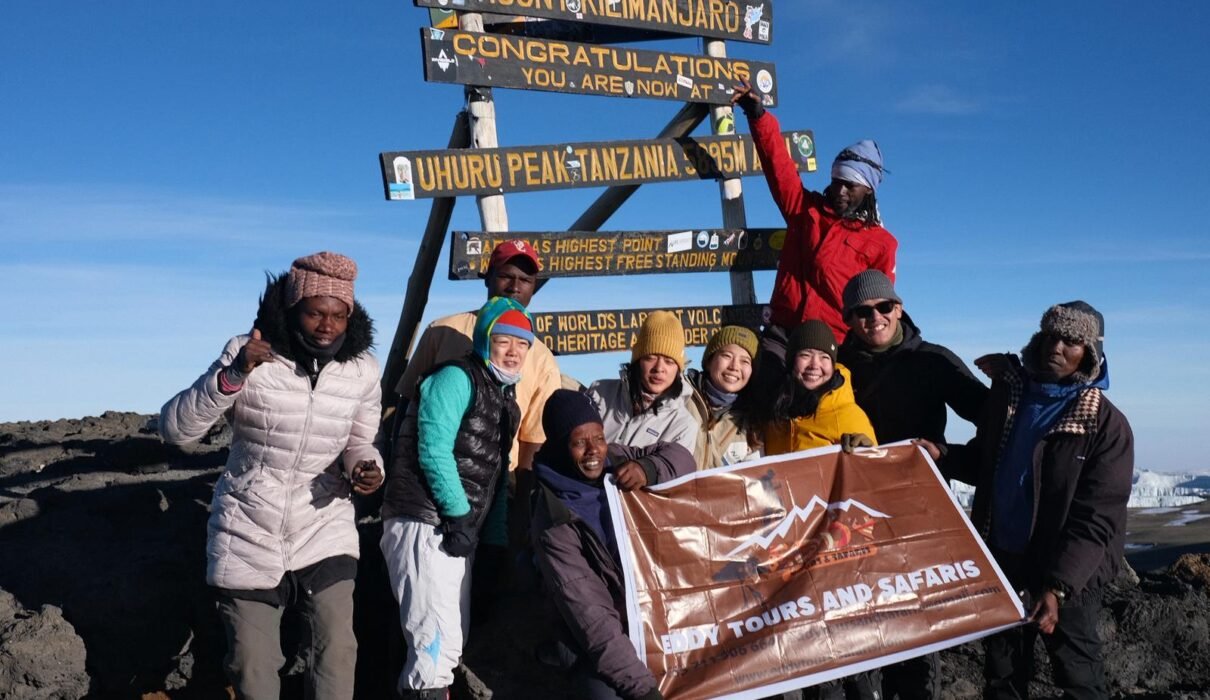
Kilimanjaro Budget vs Luxury – 6 Smart Ways to Control Your Cost is the most important comparison every climber should understand before booking a Mount Kilimanjaro adventure. Climbing Africa’s highest peak is a dream, but the price differences between budget and luxury climbs can feel confusing. Some packages look incredibly cheap, while others seem premium and exclusive. The real question is not just about price, but about value, safety, comfort, and overall experience.
Choosing wisely can help you save money without compromising your summit success. Whether you are traveling on a tight budget or seeking a once-in-a-lifetime premium adventure, this guide explains everything in simple terms so you can make the smartest decision possible.
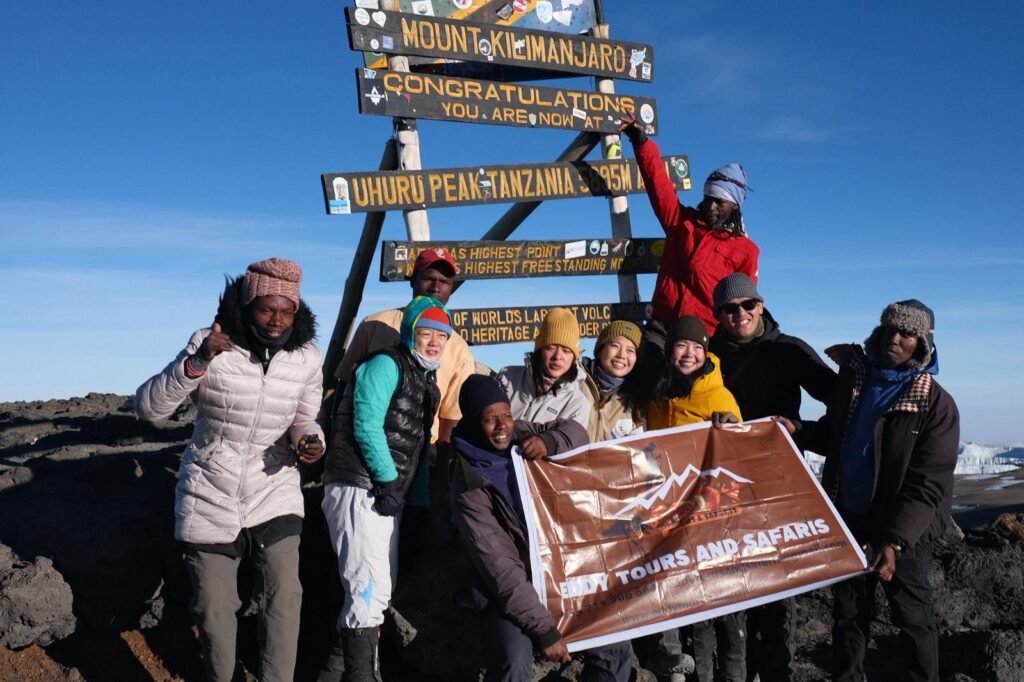
Kilimanjaro Budget vs Luxury – Understanding the Real Difference
The difference between budget and luxury Kilimanjaro climbs goes far beyond the price tag. Budget operators often provide the essential services needed to reach the summit, including permits, guides, porters, meals, and basic camping equipment. However, luxury climbs elevate the experience by offering spacious tents, comfortable bedding, private toilet tents, hot showers, upgraded meals, and highly experienced mountain teams.
When comparing options, it is important to examine what is included. For example, reputable operators such as Eddy Tours & Safaris provide transparent breakdowns of services, ensuring climbers know exactly what they are paying for. A low price may sometimes reflect reduced safety measures or underpaid staff, which can affect both your experience and ethical standards.
Organizations such as Kilimanjaro Porters Assistance Project, International Labour Organization, and International Union for Conservation of Nature emphasize fair treatment and sustainability in mountain tourism. Choosing a responsible company ensures your climb supports local communities and conservation efforts.
1. Route Selection Impacts Kilimanjaro Budget vs Luxury Pricing
Not all Kilimanjaro routes cost the same. Longer routes such as Lemosho and Northern Circuit typically cost more because they require extra park fees, additional camping nights, and more logistical support. Shorter routes may reduce costs but can lower acclimatization time.
Scientific research from institutions like National Geographic and Encyclopaedia Britannica confirms that gradual acclimatization significantly improves summit success. Investing in an extra day may increase upfront costs but reduce health risks.
To compare route options clearly, explore detailed route breakdowns through trusted local operators like Eddy Tours & Safaris who provide realistic expectations and transparent pricing structures.
2. Safety Standards and Crew Welfare Matter More Than Price
Safety is the biggest factor when evaluating Kilimanjaro Budget vs Luxury. Budget climbs may provide basic safety equipment, but luxury climbs often include pulse oximeters, oxygen tanks, emergency evacuation plans, and higher guide-to-client ratios. These elements directly impact your chances of reaching the summit safely.
Health research from World Health Organization and altitude studies from National Center for Biotechnology Information highlight the risks of high-altitude sickness. Proper monitoring is not optional—it is essential.
Ethical treatment of porters is also critical. The Kilimanjaro Porters Assistance Project promotes fair wages and humane working conditions. Responsible companies such as Eddy Tours & Safaris follow these guidelines strictly.
3. Accommodation and Comfort Levels Explained
Luxury climbs typically provide large sleeping tents, foam mattresses or camp beds, private toilets, and gourmet meals. Budget climbs usually offer standard dome tents and shared facilities. The difference can significantly affect your comfort during the seven to nine days on the mountain.
Outdoor equipment standards are often aligned with recommendations from organizations like REI and environmental guidelines from United Nations Environment Programme. High-quality gear performs better in extreme weather conditions, which can directly impact your energy levels and rest quality.
4. Food Quality and Nutrition on the Mountain
Nutrition plays a vital role in high-altitude performance. Luxury operators often provide diverse menus including fresh fruits, soups, meats, and special dietary options. Budget packages may offer simpler meals focused on basic calories rather than balanced nutrition.
According to Centers for Disease Control and Prevention, maintaining caloric intake at high altitude supports immune function and stamina. Choosing an operator that prioritizes food quality can significantly enhance your summit chances.
5. Group Size and Personal Attention
Smaller group sizes are common in luxury climbs. This ensures more personalized guidance and flexible pacing. Budget climbs may involve larger groups, which can limit individual attention.
Studies shared by American Psychological Association show that group dynamics influence performance in physically demanding environments. Personalized support increases confidence and motivation during summit night.
6. Hidden Costs and Transparency in Kilimanjaro Budget vs Luxury
Many climbers overlook hidden costs such as gear rental, airport transfers, hotel nights, and tipping guidelines. Budget prices may exclude certain essentials, leading to unexpected expenses later.
Reliable travel standards referenced by Lonely Planet and financial transparency guidelines from World Bank emphasize clarity before booking. Always request a full cost breakdown.
For example, some professional operators including Eddy Tours & Safaris provide detailed pre-departure information so you can prepare financially without surprises. If you are also considering a specialized climb approach, platforms like Kilimanjaro Climb Specialist offer technical insights into route strategies.
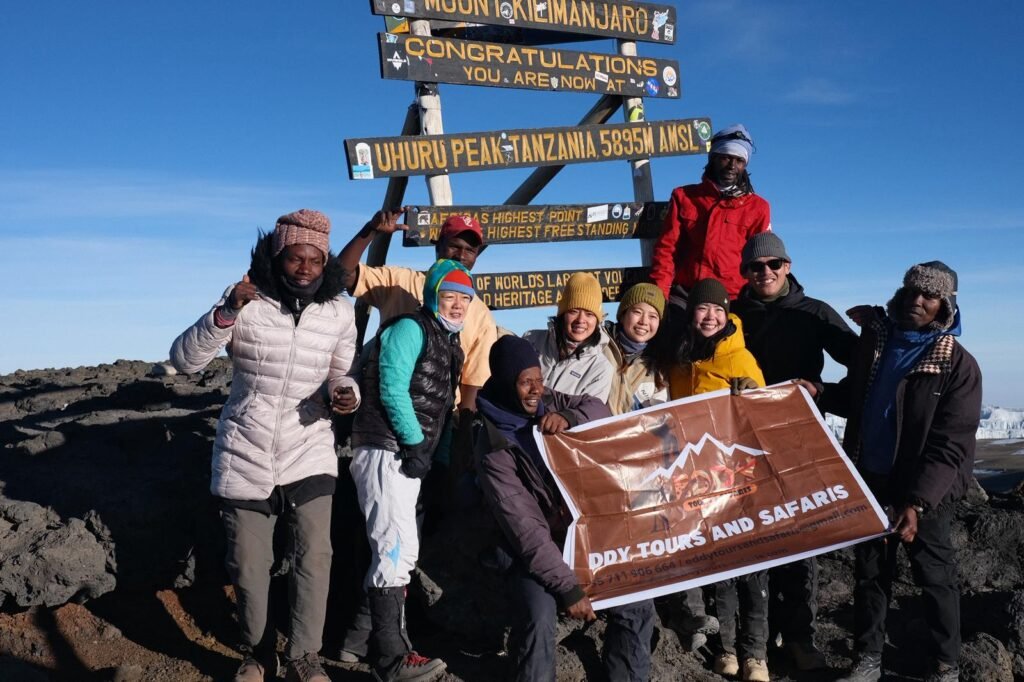
Environmental Responsibility and Sustainable Climbing
Mount Kilimanjaro is part of a fragile ecosystem protected by international conservation bodies such as UNESCO World Heritage Centre and wildlife research supported by World Wildlife Fund. Choosing operators committed to waste management and responsible tourism helps preserve this iconic mountain for future generations.
Climate studies from NASA Climate show visible glacier retreat on Kilimanjaro. Sustainable travel choices matter now more than ever.
Final Thoughts on Kilimanjaro Budget vs Luxury
Understanding Kilimanjaro Budget vs Luxury allows you to control your expenses wisely without compromising safety, ethics, or enjoyment. Budget climbs can work well if operated responsibly, while luxury climbs provide enhanced comfort and peace of mind. The best choice depends on your priorities, health considerations, and expectations.
Before making a decision, compare detailed inclusions, review safety standards, and confirm ethical compliance. A well-planned climb transforms this adventure from a simple trek into a life-changing achievement.
To begin planning confidently, explore professional guidance through Eddy Tours & Safaris and review additional research through reputable organizations like Google for broader insights.