
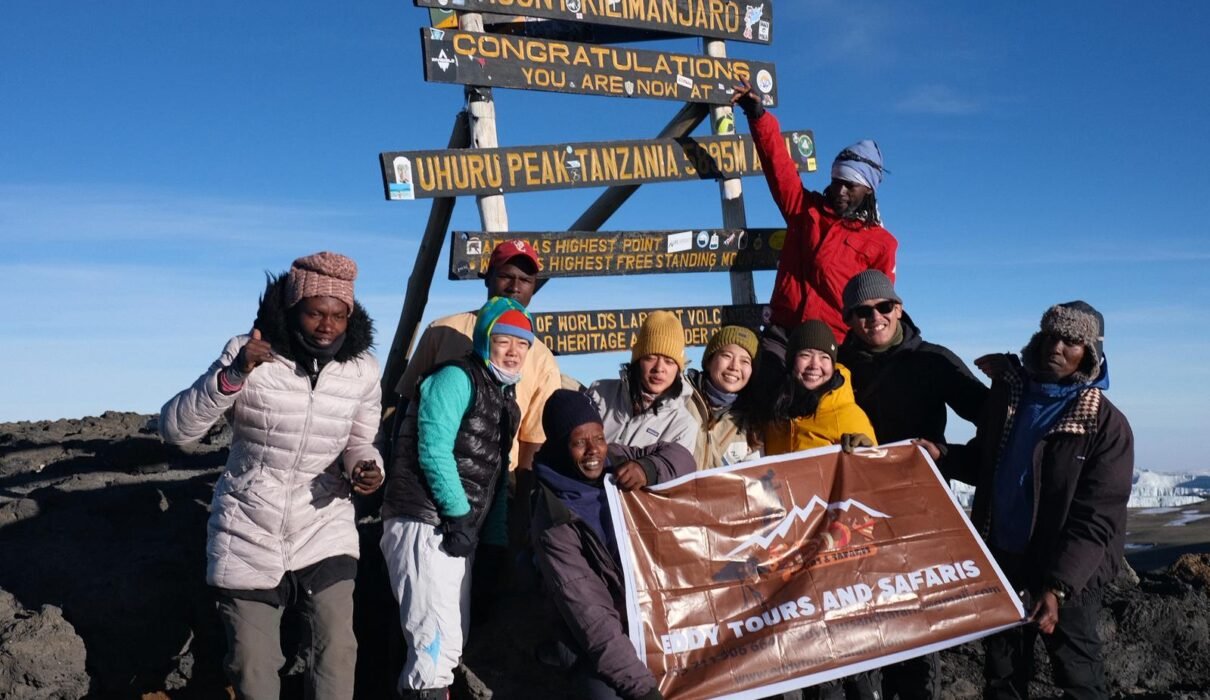
Kilimanjaro Climb Total Cost is the first question every serious trekker asks before planning Africa’s most iconic mountain adventure. Climbing Mount Kilimanjaro is not just about reaching the summit; it is about understanding what you are paying for and why the experience is worth every dollar. Many travelers see different prices online and feel confused. Some packages look cheap, others seem expensive, and the difference is not always clear.
This guide explains the real breakdown of the Kilimanjaro Climb Total Cost so you can plan confidently, avoid hidden surprises, and choose wisely. Whether you are preparing months ahead or actively comparing tour operators, this detailed explanation will help you make informed decisions.
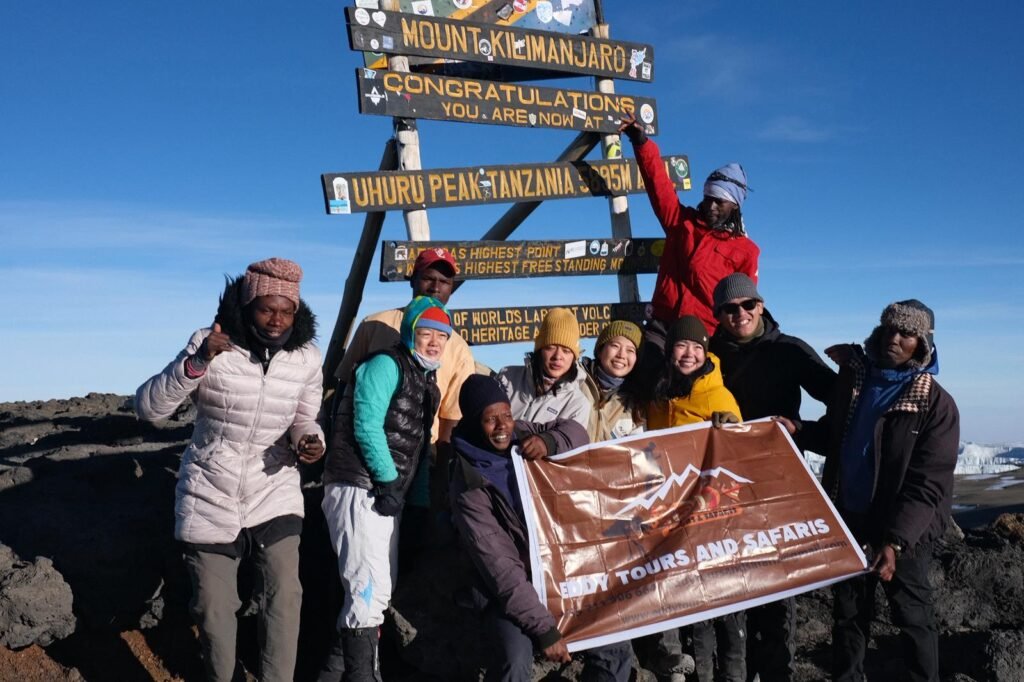
Understanding Kilimanjaro Climb Total Cost Before Booking
The Kilimanjaro Climb Total Cost varies depending on route, duration, operator standards, and season. On average, climbers spend between $2,000 and $6,000 for a complete trek. The price may sound high at first, but once you understand what is included, it makes sense. Tanzania National Park fees alone form a large percentage of the overall cost.
Mount Kilimanjaro is protected by the Tanzania National Parks Authority, and conservation policies are supported by global organizations like the International Union for Conservation of Nature and the United Nations Environment Programme. These conservation efforts ensure the mountain remains preserved for future generations.
When choosing a trusted local operator such as Eddy Tours & Safaris, you are not just paying for a climb. You are investing in safety, experienced guides, ethical porter treatment, and high-quality equipment.
1. National Park and Conservation Fees
A significant portion of the Kilimanjaro Climb Total Cost goes directly to park fees. These include conservation fees, camping fees, rescue fees, and crew entry fees. Organizations like the National Geographic Society and the World Wildlife Fund strongly support protected areas like Kilimanjaro because they protect biodiversity and local ecosystems.
These fees are non-negotiable and set by the government. The longer your route, the higher the park fees, which is why seven or eight-day climbs cost more than shorter routes.
2. Guide, Porter, and Crew Wages
Climbing Kilimanjaro is only possible with licensed guides and support teams. Ethical treatment of porters is promoted by the Kilimanjaro Porters Assistance Project and supported by international labor awareness groups such as the International Labour Organization. Fair wages and proper gear ensure the mountain workforce is respected.
Choosing reputable operators like Eddy Tours & Safaris guarantees compliance with porter welfare standards. Cheap operators may cut costs by underpaying staff, which affects safety and service quality.
3. Climbing Route Selection
The route you choose affects the Kilimanjaro Climb Total Cost significantly. Popular routes such as Machame, Lemosho, and Marangu vary in duration and logistics. Longer routes improve acclimatization and summit success rates, as supported by research from institutions like Harvard University and altitude studies referenced by the Centers for Disease Control and Prevention.
If you need professional mountain support services beyond safari combinations, you can also explore trusted climbing resources at Kilimanjaro Climb Specialist.
4. Climbing Gear and Equipment
Proper gear is essential for safety. Cold temperatures, altitude, and unpredictable weather require high-quality clothing and equipment. Recommendations from the REI Expert Advice Center and mountain safety standards from the American Alpine Club highlight the importance of layering systems, waterproof gear, and insulated boots.
Some operators include tents, sleeping mats, and oxygen cylinders in their pricing. Others charge separately, increasing your Kilimanjaro Climb Total Cost unexpectedly.
5. International Flights and Airport Transfers
Flights to Tanzania are not included in most climbing packages. Airfare depends on departure country and season. Reliable booking platforms such as Google Flights help compare fares. Once you land, professional operators like Eddy Tours & Safaris usually provide airport transfers as part of their service.
Always confirm transfer inclusion to avoid extra transport charges.
6. Accommodation Before and After the Climb
Most climbers need at least two hotel nights in Moshi or Arusha. Accommodation quality affects your overall Kilimanjaro Climb Total Cost. Budget hotels cost less, while luxury lodges charge more. Organizations like Booking.com provide pricing comparisons, but booking directly through your operator often ensures smoother coordination.
You can also combine your trek with wildlife experiences through Tanzania safari extensions for a complete East African adventure.
7. Tips and Gratitude Payments
Tipping is customary on Kilimanjaro and forms part of the expected Kilimanjaro Climb Total Cost. Ethical tipping practices are guided by recommendations from the Adventure Travel Trade Association. Climbers typically contribute a pooled tip shared among guides and porters.
This amount may feel additional, but it directly supports hardworking teams who ensure your safety and comfort on the mountain.
8. Travel Insurance and Medical Coverage
High-altitude trekking requires specialized travel insurance that covers emergency evacuation. Medical recommendations from the World Health Organization and high-altitude illness research from the University of Iowa emphasize preparation and coverage.
Never ignore insurance when calculating the Kilimanjaro Climb Total Cost. Rescue operations are expensive without coverage.
Why Investing in Quality Matters
The Kilimanjaro Climb Total Cost reflects safety standards, experienced guides, environmental responsibility, and ethical practices. Choosing reliable companies like Eddy Tours & Safaris ensures you receive professional planning, proper meals, medical checks, and strong summit support.
Mount Kilimanjaro is recognized globally by organizations like UNESCO World Heritage Centre for its ecological value. Paying a fair price helps preserve this natural wonder.
Frequently Asked Questions
Is the Kilimanjaro Climb Total Cost worth it?
Yes, because the price includes safety teams, conservation fees, and full logistical support for a once-in-a-lifetime experience.
Why do some operators offer cheaper prices?
Lower prices often mean reduced staff wages, fewer safety measures, or hidden extra costs.
How much should I budget in total?
Most climbers budget between $3,000 and $6,000 including flights, tips, and insurance.
Does the Kilimanjaro Climb Total Cost include food?
Reputable operators provide all mountain meals prepared by trained cooks.
Can I reduce the overall expense?
You can save by renting gear and booking flights early, but never compromise safety standards.
Is travel insurance mandatory?
Yes, evacuation coverage is strongly recommended for high-altitude trekking.
Final Thoughts
The Kilimanjaro Climb Total Cost is not just a number. It represents conservation, safety, skilled support teams, and an unforgettable journey to Africa’s highest peak. When you understand each expense clearly, the investment feels justified and empowering. Plan wisely, choose responsibly, and prepare for one of the most rewarding adventures of your life.