
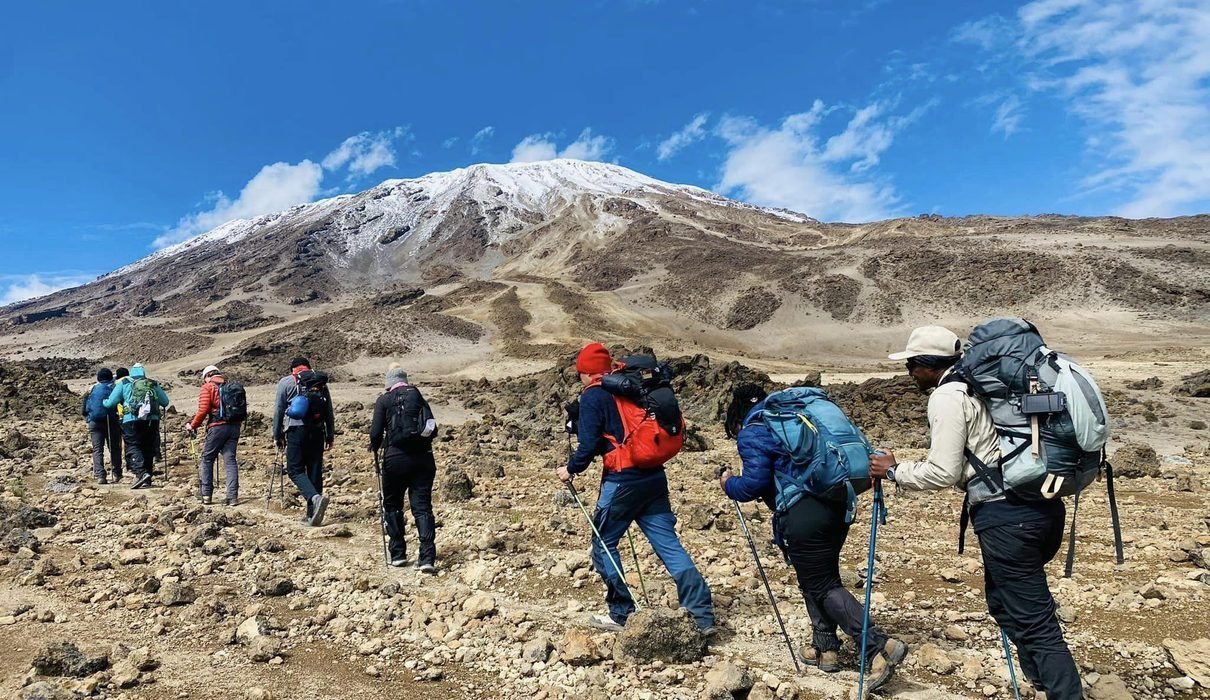
Kilimanjaro climbing packages for 2027 and 2028 give travelers the opportunity to explore Africa’s highest mountain through several established trekking routes. Standing at 5,895 metres (19,341 feet) above sea level, Mount Kilimanjaro is located in northern Tanzania and attracts hikers from around the world. Whether you are planning your first mountain expedition, joining a group of travelers or arranging a private climb with friends, choosing the right package is an important part of preparing for the journey.
There are several ways to climb Kilimanjaro, and each route offers a different experience. Machame is known for its changing landscapes and the Barranco Wall, Lemosho provides a scenic western approach, Marangu offers mountain hut accommodation, and Rongai approaches from the northern side near the Kenyan border. The Northern Circuit is particularly attractive for travelers who prefer a longer itinerary, while Umbwe is a steep and demanding option better suited to experienced trekkers.
For 2027 and 2028, travelers should compare more than the number of days and the advertised price. The daily elevation gain, opportunities for acclimatization, accommodation arrangements, group size and mountain safety procedures all deserve attention. A shorter itinerary may cost less and require fewer days away from work, but it can also mean spending less time adjusting to altitude before attempting Uhuru Peak.
At Eddy Tours & Safaris, we help travelers organize Kilimanjaro climbing packages with guided mountain teams, camping or hut arrangements, and practical travel planning. Our climbing options can be discussed for private travelers, couples, families, friends and people interested in joining a group. This guide explains the main Kilimanjaro routes, popular climbing durations, how group departures work, the best travel months, package costs and how to request available dates for 2027 or 2028.
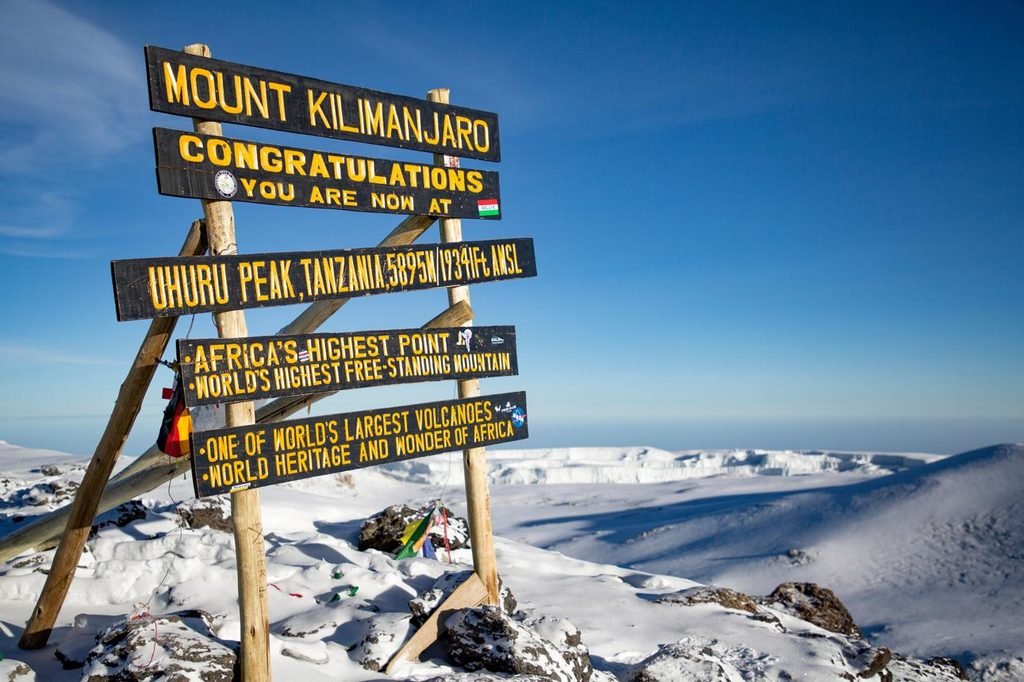
Kilimanjaro Climbing Packages for 2027 and 2028
| Climbing route | Popular package duration | Accommodation | Best suited for |
|---|---|---|---|
| Machame | 6–7 days | Camping | Scenic trekking and physically prepared climbers |
| Lemosho | 7–8 days | Camping | Travelers wanting varied scenery and more acclimatization time |
| Marangu | 5–6 days | Mountain huts | Travelers who prefer hut accommodation |
| Rongai | 6–8 days | Camping | Climbers interested in the quieter northern approach |
| Northern Circuit | 8–9 days | Camping | Travelers prioritizing a longer acclimatization schedule |
| Umbwe | 6–7 days, with shorter options sometimes offered | Camping | Experienced trekkers comfortable with steep terrain |
| Shira | 7–8 days | Camping | Travelers with suitable altitude preparation |
These are common itinerary lengths rather than a list of confirmed departures. Actual schedules, prices and available group places depend on the arrangements offered for your chosen travel dates.
1. Machame Route Kilimanjaro Climbing Packages
The Machame Route is one of the most popular Kilimanjaro climbing options because it combines varied scenery with a well-established trekking itinerary. The climb begins on the southwestern side of the mountain and passes through rainforest, heath, moorland and rocky alpine desert before reaching the summit area. Along the way, climbers experience the Shira Plateau, Lava Tower, Barranco Valley, the famous Barranco Wall and the high-altitude camps leading toward Uhuru Peak.
Travelers can commonly choose between six-day and seven-day Machame packages. The six-day itinerary is more compact and involves a long trekking stage from Barranco through Karanga to Barafu Camp. The seven-day version includes an additional overnight stay at Karanga, allowing more time for rest and acclimatization before summit night. For many first-time climbers, the seven-day itinerary is generally preferable because the additional day creates a more gradual schedule.
Machame is suitable for travelers who enjoy mountain camping, varied terrain and active hiking. Although technical mountaineering experience is not normally required on the standard route, climbers should prepare for steep sections, long walking days and freezing summit conditions. The route is particularly attractive to people who want to experience several of Kilimanjaro’s distinctive landscapes within a single expedition.
For more details, read our 6-Day Machame Route Kilimanjaro Climbing Package, which explains the mountain stages and challenges of the shorter itinerary.
Popular package options: Six-day Machame and seven-day Machame.
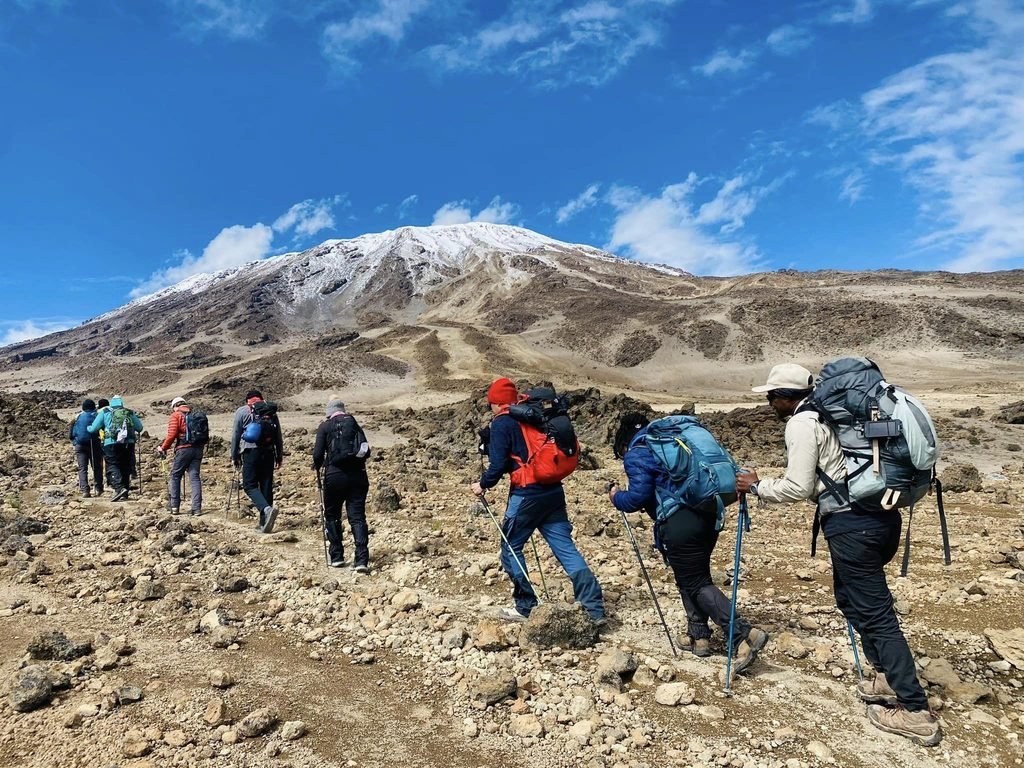
2. Lemosho Route Kilimanjaro Climbing Packages
The Lemosho Route begins on Kilimanjaro’s western side and is widely appreciated for its varied scenery and longer trekking options. The early stages pass through forest before reaching the Shira Plateau, where climbers can enjoy open mountain landscapes and views of Kibo when conditions are clear. The route then continues toward Lava Tower, Barranco Camp and the southern circuit before the summit attempt.
One of Lemosho’s main advantages is the opportunity to follow an itinerary with additional acclimatization time. The eight-day version is particularly attractive because it allows a more gradual progression than shorter schedules. Climbers spend several days moving through different elevations before reaching the upper mountain, which can help the body adjust to reduced oxygen availability. However, the route remains physically demanding, and a longer itinerary does not guarantee summit success.
Lemosho can be a suitable option for physically prepared beginners, couples and private groups who want to combine scenic trekking with a carefully planned ascent. It also appeals to travelers who prefer spending more time on the mountain rather than rushing toward the summit. Camping is used throughout the expedition, and the exact overnight stops depend on the selected package duration.
You can explore our 8-Day Lemosho Kilimanjaro Climbing Guide for more information about the route and its main mountain stages.
Popular package options: Seven-day Lemosho and eight-day Lemosho.
3. Marangu Route Kilimanjaro Climbing Packages
Marangu is one of Kilimanjaro’s oldest and best-known climbing routes. Often called the Coca-Cola Route, it approaches the mountain from the southeastern side and is particularly popular because climbers stay in established mountain huts rather than sleeping in tents. The main overnight stops include Mandara Hut, Horombo Hut and Kibo Hut, with the summit attempt following the trail toward Gilman’s Point and Uhuru Peak.
The availability of hut accommodation makes Marangu attractive to travelers who prefer an alternative to camping. However, the route should not be described as easy simply because it has established sleeping facilities. Climbers still face the same extreme summit elevation as on other routes, and the relatively direct ascent can make acclimatization difficult.
Five-day and six-day Marangu itineraries are commonly available, but the six-day option is generally preferable because it includes additional time around Horombo. This extra day can provide a useful opportunity for acclimatization before continuing toward Kibo. Travelers with limited high-altitude experience should carefully consider the implications of choosing the shorter five-day version.
Our 5-Day Marangu Route Kilimanjaro Guide explains the traditional route and its accommodation arrangements.
Popular package options: Five-day Marangu and six-day Marangu.
4. Rongai Route Kilimanjaro Climbing Packages
The Rongai Route approaches Kilimanjaro from the north, near the Tanzania–Kenya border. Its early stages pass through forest and open moorland before reaching higher mountain landscapes near Mawenzi Peak. The route then continues toward Kibo, where climbers prepare for the final summit attempt. After the ascent, the standard Rongai itinerary generally descends along the Marangu side of the mountain.
Rongai appeals to travelers who want a different view of Kilimanjaro and prefer an approach away from the busier southern trails during the early stages. The northern landscape is distinct, with open views and mountain scenery that changes gradually as the trail gains elevation. Although some lower sections have relatively gentle gradients, the summit ascent remains demanding.
Travelers can compare six-, seven- and eight-day Rongai itineraries. The longer versions may include additional time at intermediate elevations or an acclimatization day around Mawenzi Tarn. This is important because the climb toward Kibo involves substantial elevation gain, and sufficient acclimatization time should be a priority when selecting a package.
Popular package options: Seven-day Rongai and eight-day Rongai, with shorter alternatives available.
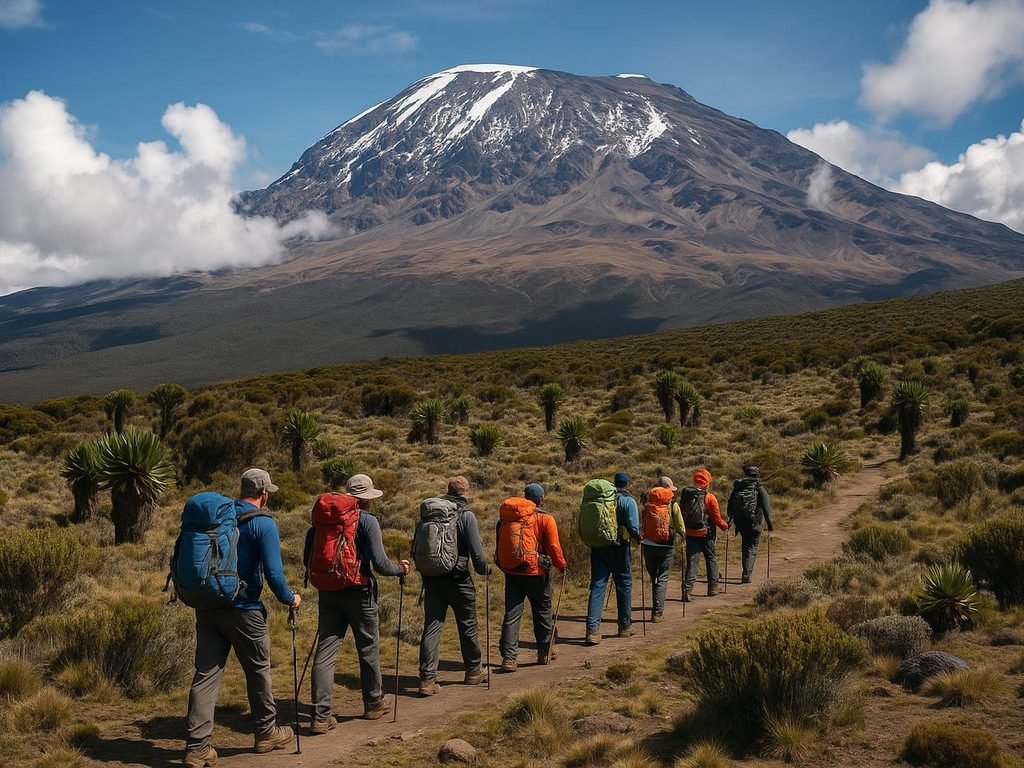
5. Northern Circuit Kilimanjaro Climbing Packages
The Northern Circuit is one of the longest commonly offered Kilimanjaro trekking routes. It generally begins on the western side of the mountain, following the Lemosho approach before continuing around the northern slopes of Kibo. The itinerary passes through remote high-altitude landscapes and offers a different perspective of Kilimanjaro compared with routes that remain on the southern side.
The main attraction of the Northern Circuit is its extended trekking schedule. A nine-day itinerary allows more time on the mountain and can provide useful opportunities for gradual acclimatization. This makes it particularly appealing to travelers who are concerned about rapid altitude gain and have enough time for a longer expedition. However, the route still involves several consecutive days of hiking and a physically demanding summit attempt.
The Northern Circuit can be a good choice for experienced hikers and physically prepared beginners who want a longer mountain experience. It may also suit private groups looking for a quieter itinerary and travelers who enjoy walking through remote landscapes. Because the route requires more days on the mountain, the overall package cost is often higher than that of shorter climbs.
Popular package options: Eight-day and nine-day Northern Circuit, with longer custom schedules possible.
6. Umbwe Route Kilimanjaro Climbing Packages
The Umbwe Route is one of Kilimanjaro’s steepest established approaches and is generally better suited to experienced trekkers. Beginning on the southern side of the mountain, it climbs rapidly through rainforest and along a steep ridge before joining the southern circuit near Barranco Camp. From there, climbers continue toward Karanga, Barafu and the summit.
Umbwe is attractive to travelers who enjoy challenging mountain terrain, but its steep early ascent and rapid elevation gain create particular acclimatization concerns. A climber may be physically strong enough to manage the trail while still developing altitude illness because the body has not had sufficient time to adjust. For this reason, Umbwe should not be promoted as the easiest or most reliable route for reaching the summit.
Travelers considering Umbwe should discuss their previous hiking experience, fitness and altitude exposure with the climbing operator. Longer itineraries are generally preferable to compressed five-day schedules, particularly when an additional day can be used to improve acclimatization. For most first-time climbers, Lemosho, Northern Circuit or a longer Machame itinerary may be more appropriate choices.
Popular package options: Six-day and seven-day Umbwe, depending on the planned route and available arrangements.
Kilimanjaro Group Joining Packages for 2027 and 2028
Group joining Kilimanjaro packages allow individual travelers, couples and small groups to climb with other people following the same itinerary. Instead of organizing a completely private expedition, participants share some of the logistical arrangements while being supported by a professional mountain team. This can make group climbing attractive to solo travelers who enjoy meeting other hikers and want to reduce certain shared operating costs.
A typical group climb includes a scheduled departure date, a selected route, a fixed trekking duration and a planned series of mountain camps. The group travels together under the supervision of mountain guides, while porters and cooks support the expedition. The number of participants may vary depending on the operator and the specific departure, so travelers should confirm the maximum group size before booking.
Group climbs work best when participants understand that the itinerary must accommodate different walking speeds, fitness levels and acclimatization responses. A responsible guide should monitor each climber individually rather than expecting everyone to progress at exactly the same pace. If someone becomes unwell, appropriate safety decisions may be necessary even when the rest of the group can continue.
At Eddy Tours & Safaris, travelers interested in joining a Kilimanjaro group for 2027 or 2028 can request information about planned departures, available places and route options. Group availability should be confirmed directly before flights or other nonrefundable travel arrangements are booked.
Private Kilimanjaro Climbs Versus Group Joining Climbs
Private Kilimanjaro packages are suitable for travelers who want more flexibility over their departure date, group composition and overall travel arrangements. A private climb can be organized for a solo traveler, couple, family or group of friends, subject to park regulations and the operator’s arrangements. The itinerary is planned around the selected route and the group’s requirements, although mountain safety and appropriate acclimatization must remain the priority.
Group joining climbs, on the other hand, usually follow predetermined departure dates and fixed itineraries. They can be attractive to travelers who want to share the experience with others and potentially reduce some operating costs. However, they provide less flexibility when it comes to changing dates or adjusting the overall schedule.
| Feature | Group joining climb | Private climb |
|---|---|---|
| Departure dates | Scheduled group departures | More flexible, subject to confirmation |
| Group members | Other travelers may join | Your own party |
| Itinerary | Usually fixed | Can be customized before departure |
| Price structure | Shared group operating costs | Depends on private party size |
| Best suited for | Solo travelers and social hikers | Couples, families and private groups |
| Mountain safety | Professional guiding required | Professional guiding required |
Both options can provide a good climbing experience when organized responsibly. The best choice depends on your travel style, preferred dates, budget and the level of flexibility you need.
Kilimanjaro Climbing Departure Dates for 2027 and 2028
Mount Kilimanjaro can be climbed throughout the year, and operators may organize private expeditions during different months depending on conditions and availability. Group joining climbs normally require a published or confirmed schedule, while private climbs can often be arranged around the traveler’s preferred dates.
For 2027 and 2028, it is important to distinguish between popular climbing periods and actual confirmed departures. The following table explains the general seasonal conditions rather than advertising specific group dates that have not been verified.
| Travel period | General mountain conditions | Planning advice |
|---|---|---|
| January–March 2027 | Often relatively dry; cold summit conditions | Popular period for climbing |
| April–May 2027 | Generally wetter conditions | Prepare for rain and muddy trails |
| June–October 2027 | Often relatively dry; popular trekking season | Enquire early about group places |
| November–December 2027 | Variable conditions with seasonal rainfall | Check departure availability and weather expectations |
| January–March 2028 | Often relatively dry | Suitable period to compare departures |
| April–May 2028 | Generally wetter conditions | Consider trail conditions carefully |
| June–October 2028 | Often relatively dry; popular trekking season | Request dates well in advance |
| November–December 2028 | Variable weather and possible rainfall | Confirm arrangements before booking |
These seasonal patterns are general expectations, not weather forecasts. The exact dates of 2027 and 2028 group departures, remaining spaces and final prices must be confirmed with Eddy Tours & Safaris.
Request Available Kilimanjaro Group Departure Dates
How Much Do Kilimanjaro Climbing Packages Cost in 2027 and 2028?
The cost of climbing Kilimanjaro depends on the selected route, number of trekking days, group size, accommodation arrangements and services included in the package. Longer itineraries generally involve additional park fees, mountain crew wages, food supplies and camping arrangements. Private climbs may also cost more per person than group departures because certain operating expenses are shared among fewer travelers.
Eddy Tours & Safaris has published indicative starting prices in its Kilimanjaro planning material, but these should be treated as reference figures rather than guaranteed rates for every 2027 or 2028 departure. Actual prices may change according to the confirmed route, applicable park fees, accommodation, equipment requirements and operating costs.
| Route | Indicative published starting price per person |
|---|---|
| Marangu | From US$1,750 |
| Machame | From US$1,950 |
| Rongai | From US$2,050 |
| Lemosho | From US$2,350 |
| Northern Circuit | From US$2,850 |
These are previously published starting prices, not confirmed quotations for a particular departure. The Umbwe Route and customized packages should be priced separately according to the requested itinerary.
When comparing Kilimanjaro packages, check whether the price includes park conservation fees, camping or hut fees, rescue fees, professional guides, porters, meals, transfers and mountain equipment. A package that appears cheaper may exclude services that another operator includes. Travelers should always request a written quotation showing the total cost and any additional expenses.
What Is Included in a Kilimanjaro Climbing Package?
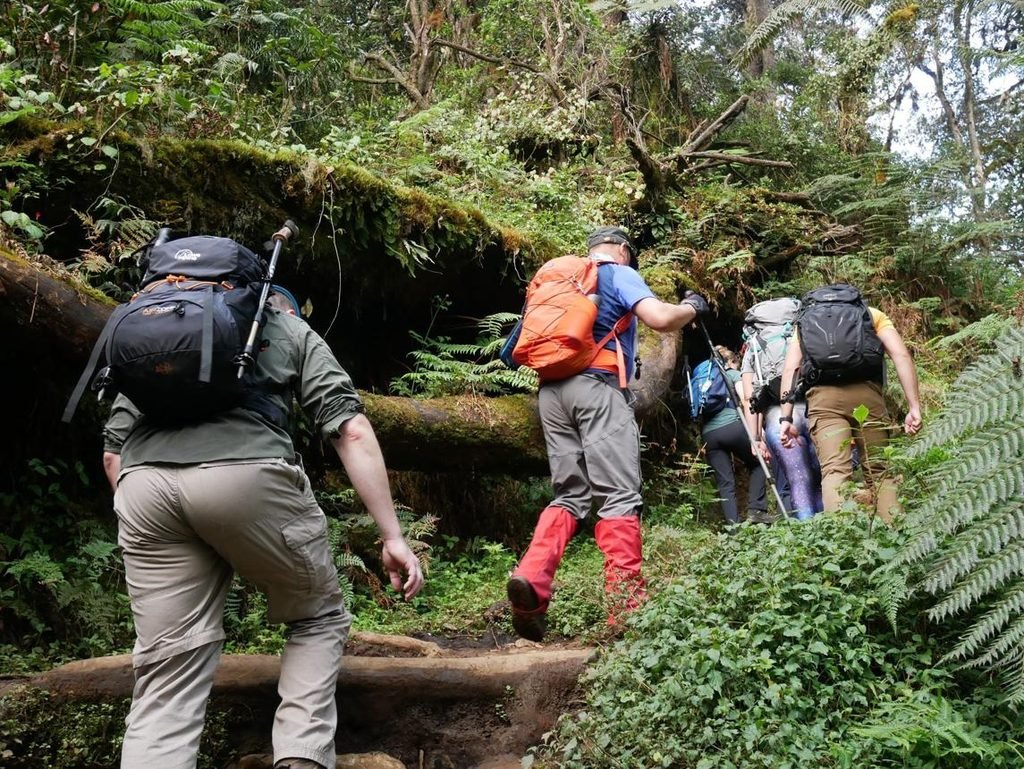
A professionally organized Kilimanjaro climbing package commonly includes the required park fees, professional mountain guides, porters, a mountain cook, meals during the trek and accommodation at designated camps or mountain huts. Transfers between Moshi and the park gates are also commonly arranged, while the mountain crew transports the main expedition supplies and prepares meals during the climb.
Camping routes such as Machame, Lemosho, Rongai, Northern Circuit and Umbwe generally use tents, while Marangu uses established mountain huts. The exact equipment and accommodation arrangements depend on the package selected. Before booking, travelers should ask whether sleeping bags, personal hiking equipment, airport transfers and hotel accommodation are included.
Services commonly excluded unless specifically stated include international flights, Tanzania visa fees, travel insurance, tips for the mountain crew, personal equipment and optional activities. Additional hotel nights, equipment rental and safari extensions may also be quoted separately. A clear written list of inclusions and exclusions helps travelers understand what they are paying for.
Which Kilimanjaro Route Is Best for Beginners?
For many first-time climbers, the eight-day Lemosho Route and nine-day Northern Circuit are strong options because they provide more time on the mountain and opportunities for gradual acclimatization. The seven-day Machame Route is another popular choice, particularly for travelers who are comfortable camping and enjoy varied mountain terrain.
Beginners should not assume that Marangu is the easiest option simply because it has huts or that shorter itineraries are automatically more convenient. Every standard Kilimanjaro route reaches the same extreme summit elevation, and the body’s response to altitude is not determined by physical fitness alone.
The best route depends on your available time, hiking experience, health and preferred accommodation. Travelers who have never spent time above 3,000 or 4,000 metres should pay particular attention to the sleeping elevations and acclimatization opportunities included in the itinerary.
Kilimanjaro Summit Success Rates and Acclimatization
Kilimanjaro summit success rates vary between operators, routes, seasons and individual climbing groups. Some websites advertise percentages above 90%, but these figures should be supported by documented climbing records rather than treated as universal statistics. A meaningful success rate should explain the number of climbers included, the itinerary duration and whether reaching Uhuru Peak was required.
One of the most important factors influencing the climb is acclimatization. As you ascend, atmospheric pressure decreases, reducing the amount of oxygen available to the body. Climbers may experience headache, nausea, dizziness, poor appetite and unusual fatigue, while more serious altitude illnesses can require urgent descent and medical attention.
Longer itineraries generally provide more time for the body to adjust to altitude. This is why many travelers prefer eight-day Lemosho, nine-day Northern Circuit or seven-day Machame rather than choosing the shortest available package. However, no route guarantees summit success, and mountain guides must always prioritize health and safety over completing the planned ascent.
For additional route planning, read our Kilimanjaro Climbing Routes Guide, which compares the mountain’s main trekking approaches.
How to Prepare for a Kilimanjaro Climb in 2027 or 2028
Physical preparation should begin several months before departure, especially for travelers who are not accustomed to regular hiking. Walking on hills, climbing stairs, cardiovascular exercise and leg-strength training can help develop the endurance needed for several consecutive trekking days. Practicing with a daypack and testing hiking boots before departure can also prevent unnecessary discomfort during the expedition.
Suitable clothing and equipment are equally important because Kilimanjaro passes through different climatic zones. The lower rainforest may be warm and wet, while the upper mountain can experience freezing temperatures and strong winds. Climbers should prepare waterproof hiking boots, thermal layers, insulated jackets, warm gloves, waterproof outerwear, trekking poles, a headlamp and a sleeping bag suitable for cold mountain conditions.
Before traveling, consult a qualified healthcare professional about high-altitude trekking, particularly if you have an existing medical condition or previous altitude-related symptoms. Travel insurance should cover high-altitude trekking and emergency evacuation. During the climb, follow your guide’s pace, report symptoms promptly and never continue ascending with worsening altitude illness.
Arriving in Tanzania for Your Kilimanjaro Climb
Most international travelers visiting Kilimanjaro arrive through Kilimanjaro International Airport, which serves the Moshi and Arusha areas. Moshi is a common departure town for mountain expeditions because of its proximity to several Kilimanjaro access gates. Arriving at least one day before the climb allows time for a briefing, equipment checks, meeting the mountain team and recovering from international travel.
Travelers should verify Tanzania’s entry requirements for their nationality before departure, including passport validity and visa arrangements. It is also sensible to keep copies of travel insurance documents, emergency contacts and the confirmed climbing itinerary.
If you are organizing a private expedition, discuss your preferred arrival and departure dates before purchasing flights. Group joining travelers should wait until their climbing place and departure date have been confirmed.
Combine Your Kilimanjaro Climb with a Tanzania Safari
Many travelers choose to combine their Kilimanjaro expedition with a wildlife safari in northern Tanzania. After completing the climb, you can visit destinations such as Tarangire National Park, Serengeti National Park, Ngorongoro Crater and Lake Manyara National Park. This allows you to experience Tanzania’s mountain landscapes and wildlife areas during the same holiday.
A three- to five-day safari can be a practical addition for travelers with limited time, while longer itineraries allow more opportunities to explore different national parks. Some visitors also continue to Zanzibar for a beach holiday after their mountain and safari experiences.
Eddy Tours & Safaris can discuss combined climbing and safari arrangements when preparing your quotation. It is important to allow suitable recovery time after Kilimanjaro, particularly if you experience significant fatigue, injury or altitude-related symptoms.
Frequently Asked Questions About Kilimanjaro Climbing Packages 2027/2028
1. What are the best Kilimanjaro climbing packages for 2027?
Popular options include seven-day Machame, eight-day Lemosho, seven- or eight-day Rongai and nine-day Northern Circuit.
2. Can I book a Kilimanjaro climb for 2028?
You can request a quotation and discuss your preferred dates for 2028, subject to confirmation of availability and prices.
3. Are there Kilimanjaro group joining climbs in 2027?
Group joining climbs may be arranged for 2027. Request the confirmed departure schedule and available places before booking.
4. Are 2028 Kilimanjaro group dates available?
Ask the operator for the latest planned and confirmed group departure dates for your preferred route.
5. Which Kilimanjaro route is best for beginners?
Eight-day Lemosho, nine-day Northern Circuit and seven-day Machame are strong options to consider.
6. What is the cheapest Kilimanjaro climbing route?
Shorter itineraries can have lower overall costs, but the final price depends on the services included and the group size.
7. Is Marangu cheaper than Machame?
Marangu may be offered at a lower starting price, but travelers should compare the complete package inclusions.
8. What is the difference between a private and group climb?
Private climbs offer greater flexibility, while group climbs follow scheduled departures with other travelers.
9. Can solo travelers join Kilimanjaro groups?
Yes, where an operator has a suitable group departure with available places.
10. How many days are recommended for Kilimanjaro?
Seven to nine days is often a useful range to consider, depending on the route and acclimatization schedule.
11. Is the six-day Machame Route difficult?
Yes. It includes a long trekking stage before summit night and provides less acclimatization time than seven-day Machame.
12. Is the Northern Circuit suitable for beginners?
It can be suitable for physically prepared beginners who want a longer itinerary and have sufficient time.
13. Does the Rongai Route use camping accommodation?
Yes. Standard Rongai itineraries use designated mountain camps.
14. Which Kilimanjaro route has mountain huts?
Marangu is the main standard trekking route with established hut accommodation.
15. Is Umbwe suitable for first-time climbers?
It is generally better suited to experienced trekkers because of its steep approach and rapid elevation gain.
16. What is the best month to climb Kilimanjaro?
January to March and June to October are generally popular climbing periods.
17. Can I climb Kilimanjaro during the rainy season?
Yes, but wetter conditions can make trails slippery and the expedition less comfortable.
18. How much does a Kilimanjaro climbing package cost?
Prices depend on the route, duration, group size and included services. Request a current written quotation for your preferred departure.
19. Are Kilimanjaro park fees included in packages?
They are commonly included in organized climbing packages, but travelers should confirm this in writing.
20. Do I need previous mountaineering experience?
Technical mountaineering experience is not normally required on standard trekking routes, although hiking experience is helpful.
21. Can physical fitness prevent altitude sickness?
No. Physical fitness improves endurance but does not guarantee successful acclimatization.
22. Do I need travel insurance?
Appropriate insurance covering high-altitude trekking and emergency evacuation is strongly recommended.
23. Can I rent hiking equipment in Moshi?
Some equipment may be available for rental, depending on local supplier availability.
24. Can I combine Kilimanjaro with a Serengeti safari?
Yes. A wildlife safari can be arranged after the climb, allowing suitable recovery time.
25. How do I request Kilimanjaro departure dates for 2027 or 2028?
Contact Eddy Tours & Safaris with your preferred route, travel month, number of travelers and whether you want a private or group joining climb.
Book Your Kilimanjaro Climbing Package for 2027 or 2028 with Eddy Tours & Safaris
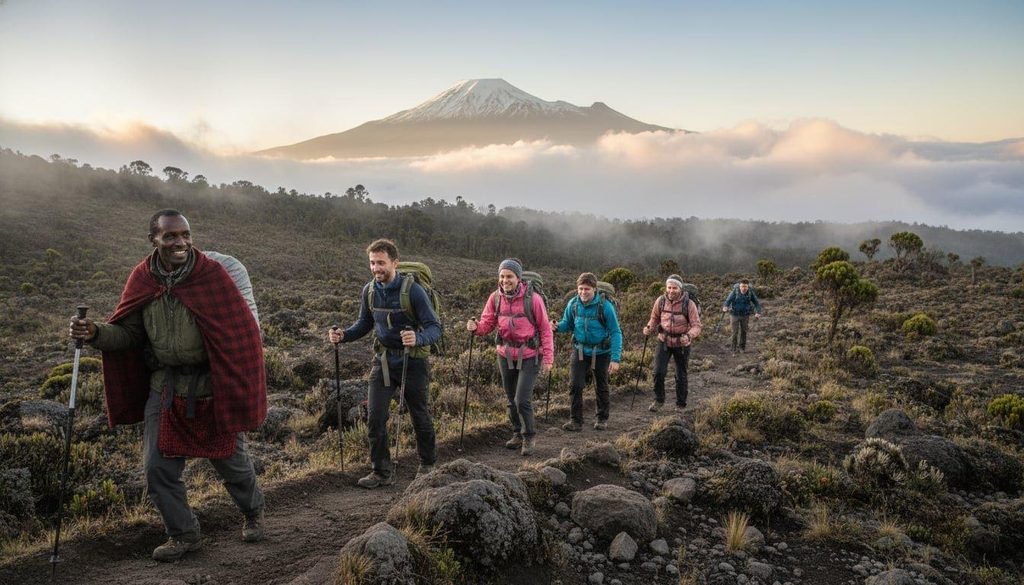
Choosing the right Kilimanjaro climbing package involves more than selecting a route and departure date. The most important considerations include acclimatization time, physical preparation, accommodation preferences, group size and the experience of the mountain team. A longer itinerary may provide better opportunities for adjusting to altitude, but every climb requires realistic expectations and careful attention to safety.
Whether you are interested in the scenic Machame Route, the longer Lemosho and Northern Circuit itineraries, Marangu’s mountain huts or the northern approach of Rongai, Eddy Tours & Safaris can help you compare the available options. Private climbs and group joining arrangements can be discussed according to your preferred travel dates and the confirmed departure schedule.
At Eddy Tours & Safaris, we help travelers organize guided Kilimanjaro expeditions for 2027 and 2028, including route planning, mountain arrangements and optional Tanzania safari extensions. Contact our team to request current group departure information, private climbing options and a detailed quotation for your preferred itinerary.
Request Your Kilimanjaro Climbing Package Quotation
Chat with Eddy Tours & Safaris on WhatsApp
Email: sales@eddytours-safaris.com
Website: www.eddytours-safaris.com
Address: P.O. Box 1712, Arusha Mjini, Tanzania
Share your preferred route, travel dates and group size with our team to plan a Kilimanjaro climb that matches your schedule, experience and budget.