
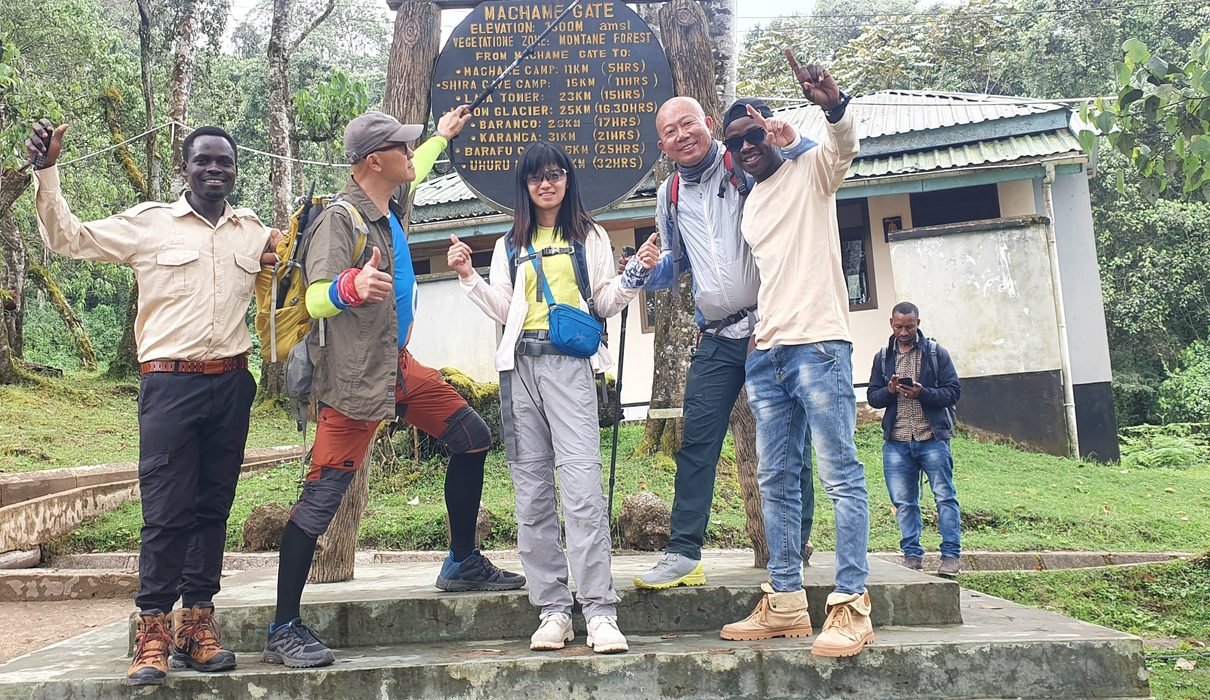
Climbing Mount Kilimanjaro via the Lemosho Route in 2027 or 2028 is an excellent choice for travellers looking to experience Africa’s highest mountain through a scenic and well-paced trekking itinerary. Starting from the western side of Kilimanjaro, the route takes climbers through thick rainforest, open moorlands, volcanic valleys and rocky mountain slopes before reaching Uhuru Peak at 5,895 metres above sea level. Unlike shorter climbing routes, Lemosho offers additional time for the body to adjust to higher elevations, making it a popular choice among both first-time climbers and experienced hikers.
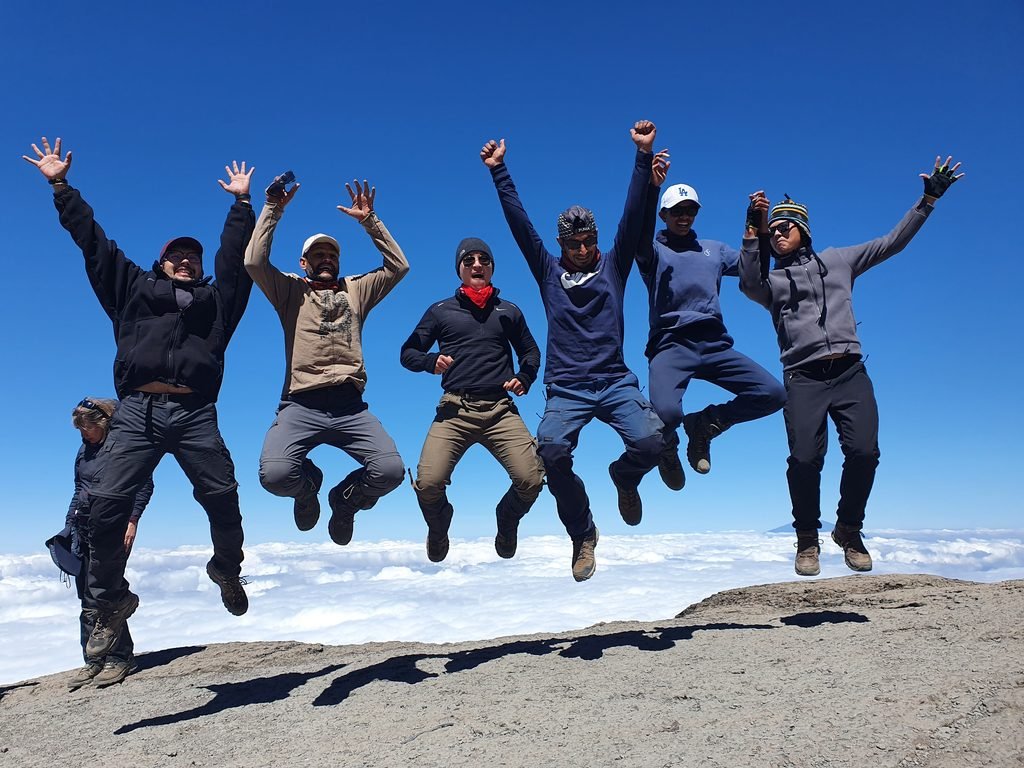
At Eddy Tours & Safaris, we organize private and group-joining Kilimanjaro climbing expeditions for travellers planning their mountain adventures in 2027 and 2028. Our experienced mountain guides, porters and cooks accompany climbers throughout the expedition, providing the necessary support, meals, camping equipment and guidance. Whether you are travelling alone, with friends or as a couple, our Lemosho climbing packages allow you to explore Kilimanjaro at a manageable pace while enjoying the natural beauty of Tanzania.
Overview of Lemosho Route Kilimanjaro Climbing 2027/2028
| Package Information | Details |
|---|---|
| Destination | Mount Kilimanjaro, Tanzania |
| Climbing route | Lemosho Route |
| Recommended duration | 8 days and 7 nights |
| Maximum altitude | 5,895 metres |
| Summit | Uhuru Peak |
| Approximate trekking distance | 70 kilometres |
| Difficulty level | Challenging |
| Accommodation | Mountain camping |
| Starting point | Londorossi Gate |
| Finishing point | Mweka Gate |
| Climbing options | Private and group joining |
| Travel years | 2027 and 2028 |
| Tour operator | Eddy Tours & Safaris |
Why Choose the Lemosho Route for Kilimanjaro Climbing in 2027/2028?
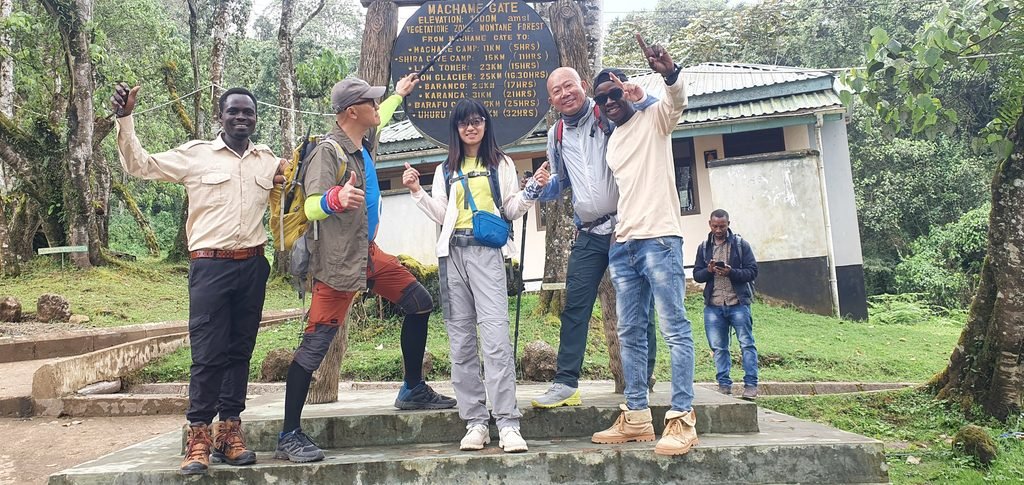
The Lemosho Route is well known for its beautiful landscapes, gradual ascent and relatively quiet trails during the first few days of climbing. Beginning on the western slopes of Kilimanjaro, climbers spend their early days walking through natural forest before reaching the extensive Shira Plateau, where clear weather provides impressive views of the mountain. The route later joins the southern circuit, passing several well-known landmarks, including Lava Tower, Barranco Wall and Karanga Valley.
One of the main advantages of choosing Lemosho is the opportunity to spend more time adjusting to altitude before the summit attempt. Although no climbing route can guarantee summit success, a longer itinerary gives climbers more opportunities to acclimatize. Travellers can explore our Kilimanjaro climbing routes guide to compare Lemosho with Machame, Marangu, Rongai and other established routes. Additional mountain preparation information is also available through Kilimanjaro Climb Specialist.
Detailed 8 Days Lemosho Route Kilimanjaro Climbing Itinerary
Day 1: Moshi – Londorossi Gate – Mti Mkubwa Camp
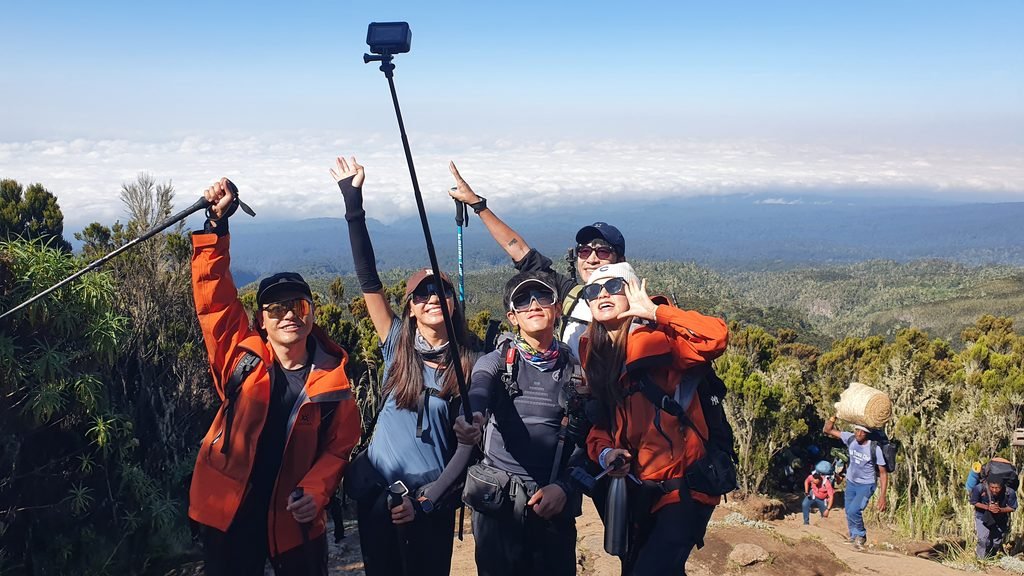
After breakfast, your mountain guide and driver will collect you from your hotel in Moshi and drive towards Londorossi Gate for registration. Once the park entry arrangements are completed, you will continue to the Lemosho trailhead, where your trekking adventure begins. The first day takes you through a thick mountain rainforest filled with tall trees, birds and occasionally monkeys. You will arrive at Mti Mkubwa Camp in the afternoon, where your mountain crew will have prepared your tents and evening meal.
- Elevation: Approximately 2,100–2,650 metres
- Hiking time: 3–4 hours
- Habitat: Rainforest
- Accommodation: Mti Mkubwa Camp
- Meals: Lunch and dinner
Day 2: Mti Mkubwa Camp – Shira 1 Camp
Following breakfast, you will leave the rainforest and gradually climb towards the heather and moorland zone. As the vegetation becomes shorter, the surrounding views begin to open, offering beautiful mountain scenery and occasional views of Kibo Peak. The trail involves several uphill sections before reaching the Shira Plateau, an extensive volcanic landscape on the western side of Kilimanjaro. Your evening will be spent at Shira 1 Camp, where you can rest and become accustomed to the increasing altitude.
- Elevation: 2,650–3,500 metres
- Hiking time: 5–7 hours
- Habitat: Heather and moorland
- Accommodation: Shira 1 Camp
- Meals: Breakfast, lunch and dinner
Day 3: Shira 1 Camp – Shira 2 Camp
Today’s trek follows a relatively gentle trail across the Shira Plateau, allowing you to enjoy the scenery without rushing towards higher elevations. The open landscape provides excellent views of Kilimanjaro’s upper slopes and, during clear weather, Mount Meru in the distance. Your guide may organize a short acclimatization walk after reaching Shira 2 Camp, depending on your physical condition and weather. This day is particularly important because it allows your body to continue adjusting to the mountain environment.
- Elevation: 3,500–3,850 metres
- Hiking time: 4–5 hours
- Habitat: Moorland
- Accommodation: Shira 2 Camp
- Meals: Breakfast, lunch and dinner
Day 4: Shira 2 Camp – Lava Tower – Barranco Camp
After breakfast, you will climb towards Lava Tower, a large volcanic rock formation located at approximately 4,600 metres above sea level. This section is an important part of the acclimatization process, as climbers reach a higher elevation before descending to sleep at Barranco Camp. The landscape becomes increasingly rocky, with fewer plants and cooler temperatures. After lunch near Lava Tower, you will descend into Barranco Valley, where giant groundsels and impressive mountain cliffs create one of the most attractive camping environments along the route.
- Highest elevation: Approximately 4,600 metres
- Sleeping elevation: Approximately 3,960 metres
- Hiking time: 6–8 hours
- Habitat: Alpine desert
- Accommodation: Barranco Camp
- Meals: Breakfast, lunch and dinner
Day 5: Barranco Camp – Karanga Camp
The morning begins with the climb up Barranco Wall, one of the most recognized sections of the Lemosho Route. Although the wall may appear intimidating from below, it does not normally require technical climbing equipment, but you will need to use your hands for balance in several places. Your mountain guide will assist you through the more difficult sections before continuing across rocky ridges towards Karanga Valley. The relatively shorter trekking day gives you additional time to rest, eat well and prepare for the higher camps.
- Elevation: Approximately 3,960–3,995 metres
- Hiking time: 4–5 hours
- Habitat: Alpine desert
- Accommodation: Karanga Camp
- Meals: Breakfast, lunch and dinner
Day 6: Karanga Camp – Barafu Camp
Today’s climb takes you through a dry, rocky landscape towards Barafu Camp, the main summit base for the Lemosho Route. Vegetation becomes almost completely absent, and the effects of altitude may become more noticeable as you approach the camp. Upon arrival, your guide will explain the summit arrangements, check your equipment and advise you on the clothing required for the cold conditions ahead. You will have an early dinner and rest before beginning the summit attempt during the night.
- Elevation: Approximately 3,995–4,673 metres
- Hiking time: 3–4 hours
- Habitat: Alpine desert
- Accommodation: Barafu Camp
- Meals: Breakfast, lunch and dinner
Day 7: Barafu Camp – Uhuru Peak – Mweka Camp
The summit attempt usually begins around midnight, when climbers leave Barafu Camp wearing warm clothing and headlamps. You will gradually ascend the steep mountain slopes towards Stella Point, where you join the crater rim before continuing towards Uhuru Peak at 5,895 metres. Reaching the highest point in Africa is the main goal of the expedition, although the final decision to continue will depend on your health, weather and the guide’s assessment. After spending time at the summit, you will descend to Barafu Camp for a short rest before continuing to Mweka Camp for your final night on the mountain.
- Maximum elevation: 5,895 metres
- Sleeping elevation: Approximately 3,100 metres
- Hiking time: 11–15 hours
- Habitat: Arctic summit zone and alpine desert
- Accommodation: Mweka Camp
- Meals: Breakfast, lunch and dinner
Day 8: Mweka Camp – Mweka Gate – Moshi
After breakfast, you will complete your descent through Kilimanjaro’s rainforest towards Mweka Gate. The lower trails are often damp and slippery, so trekking poles can be particularly useful during this section. Upon reaching the gate, you will complete the park exit procedures and receive your climbing certificate if eligible. Your driver will then transfer you back to Moshi, where you can enjoy a hot shower, a comfortable bed and a well-earned rest after eight days on the mountain.
- Elevation: Approximately 3,100–1,640 metres
- Hiking time: 3–4 hours
- Habitat: Rainforest
- Meals: Breakfast
For more information about this itinerary, explore our 8 Days Kilimanjaro Climbing via the Lemosho Route package.
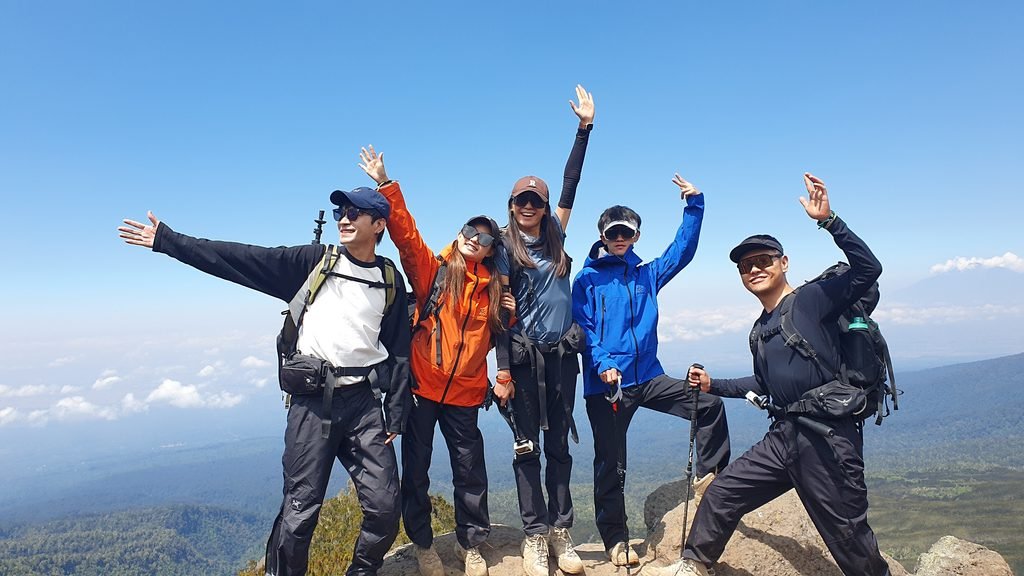
Best Time to Climb Kilimanjaro via Lemosho in 2027 and 2028
Mount Kilimanjaro can be climbed throughout the year, but certain months generally offer more favourable trekking conditions. January to early March and June to October are popular climbing periods because rainfall is usually lower, trails are comparatively dry and mountain visibility is often better. January and February are particularly attractive for travellers who prefer quieter climbing periods, while July, August and September receive more visitors from different parts of the world.
| Climbing period | Expected conditions |
|---|---|
| January–February | Relatively dry with good climbing conditions |
| March | Changing weather with increasing rainfall |
| April–May | Rainy conditions and quieter trails |
| June–July | Generally dry with colder mountain nights |
| August–September | Popular climbing season with relatively dry weather |
| October | Often favourable, particularly earlier in the month |
| November | Short rains and fewer climbers |
| December | Variable weather and popular festive departures |
Mountain weather can change quickly regardless of the season, so climbers should always carry suitable waterproof and cold-weather clothing. Travellers looking to celebrate Christmas on Africa’s highest mountain can also explore our 8-Day Lemosho Route Christmas Summit Package for 2027 and 2028.
Kilimanjaro Lemosho Route Climbing Cost in 2027/2028
The cost of climbing Kilimanjaro through the Lemosho Route depends on the trekking duration, number of participants, mountain services and accommodation arrangements before and after the expedition. Private climbs offer greater flexibility and personal attention, while joining an established climbing group allows travellers to share some operational expenses. Park entrance fees, camping fees, mountain crew wages, transportation, food and camping equipment contribute significantly to the overall package cost.
At Eddy Tours & Safaris, we provide quotations based on your preferred climbing dates, group size and individual travel requirements. Travellers interested in comparing climbing arrangements can visit our Lemosho Route 8 Days Itinerary, Prices and Dates page or explore further climbing options through Kilimanjaro Climb Specialist.
Lemosho Route Kilimanjaro Group Joining Departures 2027/2028
Joining a Kilimanjaro climbing group is a practical option for solo travellers, couples and small groups looking to share the mountain experience with other hikers. Group climbing allows participants to meet people from different countries while benefiting from organized mountain services and shared operating costs. The eight-day Lemosho itinerary is particularly suitable for group expeditions because it provides additional acclimatization time and a gradual approach towards the summit.
Eddy Tours & Safaris accepts group-joining enquiries for both 2027 and 2028. Departure dates, available spaces and package prices are confirmed according to the climbing schedule. Visit our 8 Days Lemosho Route Kilimanjaro Group Joining Package to learn more about joining an organized mountain expedition.
How Difficult Is the Lemosho Route?
The Lemosho Route is a challenging high-altitude trekking route that requires good physical fitness, mental preparation and patience. Most sections involve ordinary hiking rather than technical mountaineering, although Barranco Wall requires some scrambling and the summit attempt involves a long ascent in cold and sometimes windy conditions. The greatest challenge for many climbers is the reduced oxygen available at higher elevations, which can affect even people with excellent physical fitness.
Preparing several months before your departure is advisable, particularly through regular walking, hiking, cardiovascular exercises and strength training. During the expedition, walking slowly, drinking sufficient water and reporting symptoms of altitude sickness to your guide are important. Travellers should seek medical advice before undertaking high-altitude trekking and follow the mountain guide’s instructions throughout the climb.
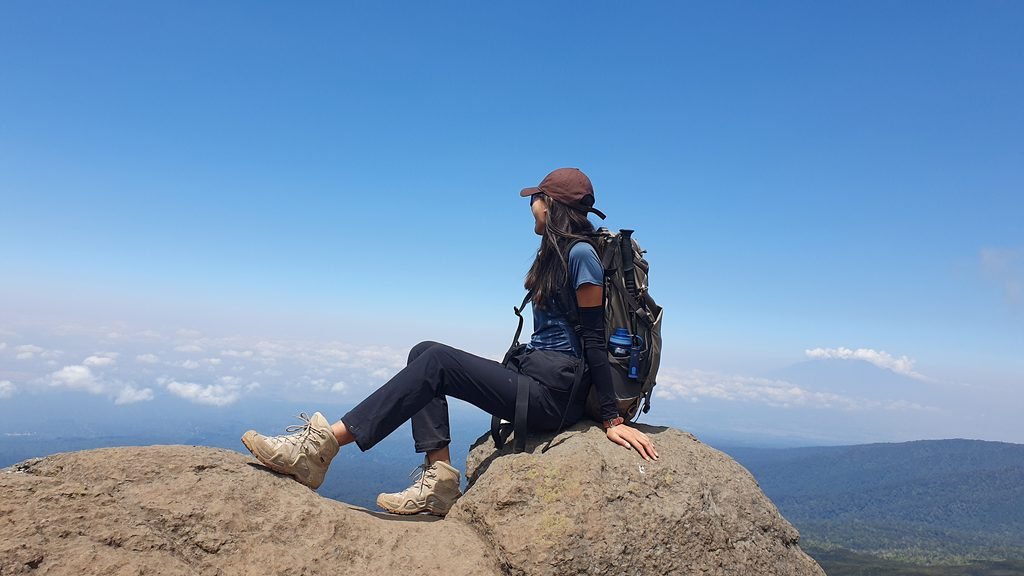
What to Pack for Lemosho Route Kilimanjaro Climbing
Packing the correct equipment makes a significant difference to your comfort on Mount Kilimanjaro. Climbers experience several climate zones during the expedition, ranging from warm and humid rainforest conditions to freezing temperatures near the summit. Your clothing should therefore consist of several layers that can easily be added or removed as conditions change.
Recommended climbing equipment includes:
- Waterproof hiking boots
- Thermal base layers
- Warm fleece and insulated jackets
- Waterproof trousers and rain jacket
- Warm gloves and thermal socks
- Sun hat and warm winter hat
- High-altitude sleeping bag
- Trekking poles
- Headlamp with spare batteries
- Reusable water bottles
- Sunglasses and sunscreen
- Daypack and mountain duffel bag
- Personal medication and toiletries
- Personal travel and medical insurance documents
Additional advice about mountain equipment and climbing preparation is available through Kilimanjaro Climb Specialist Tanzania.
Package Inclusions
- Kilimanjaro National Park entrance fees
- Conservation and camping fees
- Applicable mountain rescue fees
- Professional mountain guides
- Experienced porters and mountain cook
- Mountain crew salaries and park fees
- Transportation from Moshi to the mountain and back
- Mountain accommodation in quality sleeping tents
- Sleeping mattresses
- Dining tents with tables and chairs
- Meals during the mountain expedition
- Clean and purified drinking water
- Emergency oxygen cylinder
- Kilimanjaro climbing certificate for eligible climbers
- Applicable government taxes and VAT
Package Exclusions
- International and domestic flights
- Tanzania visa fees
- Travel and high-altitude trekking insurance
- Airport transfers unless included in the quotation
- Hotel accommodation before and after climbing
- Personal trekking equipment
- Sleeping bag and equipment rental
- Tips for mountain guides, porters and cooks
- Alcoholic drinks and bottled beverages
- Personal expenses and laundry services
- Meals outside the mountain itinerary
- Optional wildlife safaris and Zanzibar holidays
- Applicable payment processing charges
Combine Kilimanjaro Climbing with a Tanzania Safari
After completing your Lemosho Route expedition, you can extend your holiday with a wildlife safari through northern Tanzania. Popular destinations include Serengeti National Park, Ngorongoro Crater, Tarangire National Park and Lake Manyara National Park, where travellers can observe elephants, lions, giraffes, zebras and many other wildlife species. A safari provides a pleasant change of scenery after spending several days hiking and camping on Kilimanjaro.
Travellers looking for a more relaxing holiday can also continue to Zanzibar, where white sandy beaches, warm ocean waters, spice farms and the historical streets of Stone Town provide a comfortable setting for recovery. Eddy Tours & Safaris Tanzania can assist with arranging a complete holiday combining mountain climbing, wildlife safaris and beach experiences according to your available travel dates.
Frequently Asked Questions About Lemosho Route Kilimanjaro Climbing 2027/2028
Is the Lemosho Route suitable for beginners?
Yes, the Lemosho Route can be suitable for beginners who have prepared physically and selected an appropriate trekking duration. The eight-day itinerary is generally preferred because it provides additional acclimatization opportunities compared with shorter routes. However, beginners should understand that Kilimanjaro remains a demanding high-altitude mountain and reaching the summit is not guaranteed.
Which is better, the seven-day or eight-day Lemosho Route?
The eight-day Lemosho Route is generally preferable for travellers who have sufficient time because it provides an additional day for acclimatization and a less compressed trekking schedule. The seven-day itinerary may suit well-prepared hikers with limited travel time, but the decision should consider previous hiking experience, physical condition and tolerance of altitude.
Can I climb Kilimanjaro alone in 2027 or 2028?
Solo travellers can arrange a private expedition or join an existing climbing group. Independent climbing without the required licensed guide is not permitted on Mount Kilimanjaro. Our team can help solo travellers choose suitable climbing dates and arrangements based on their budget and travel preferences.
Where do climbers sleep on the Lemosho Route?
Climbers sleep in mountain tents at designated campsites throughout the expedition. The mountain crew carries and prepares the camping equipment, while meals are served in a separate dining tent. Unlike the Marangu Route, the Lemosho Route does not provide permanent mountain hut accommodation.
How early should I book my Kilimanjaro climb for 2027/2028?
Booking several months in advance is recommended, particularly for travellers planning to climb during July, August, September or the Christmas and New Year holidays. Early booking allows sufficient time to organize flights, prepare physically, purchase suitable equipment and confirm the required mountain services.
Is reaching Uhuru Peak guaranteed?
No. Reaching Uhuru Peak depends on several factors, including acclimatization, physical condition, weather and the development of altitude-related symptoms. Professional guides assess climbing conditions throughout the expedition, and the safety of each participant must always take priority over reaching the summit.
Book Your Amazing Lemosho Route Kilimanjaro Climb in 2027/2028
The Lemosho Route offers an excellent opportunity to experience Mount Kilimanjaro through its western rainforest, extensive volcanic landscapes, mountain valleys and spectacular upper slopes. Choosing an eight-day climbing itinerary allows you to enjoy the journey while giving your body more time to adjust to the changing altitude. Whether you are planning your first mountain expedition or returning to Tanzania for another adventure, careful preparation and professional mountain support are essential.
At Eddy Tours & Safaris, we welcome travellers planning private and group-joining Kilimanjaro expeditions in 2027 and 2028. Contact our team to discuss your preferred climbing dates, request a detailed quotation and arrange your mountain expedition. You can also explore additional trekking programmes through our 8 Days Lemosho Route Group Joining Guide and Kilimanjaro Climb Specialist.
Contact Eddy Tours & Safaris
Location: Arusha, Tanzania
Email: sales@eddytours-safaris.com
Website: EDDY TOURS AND SAFARIS