
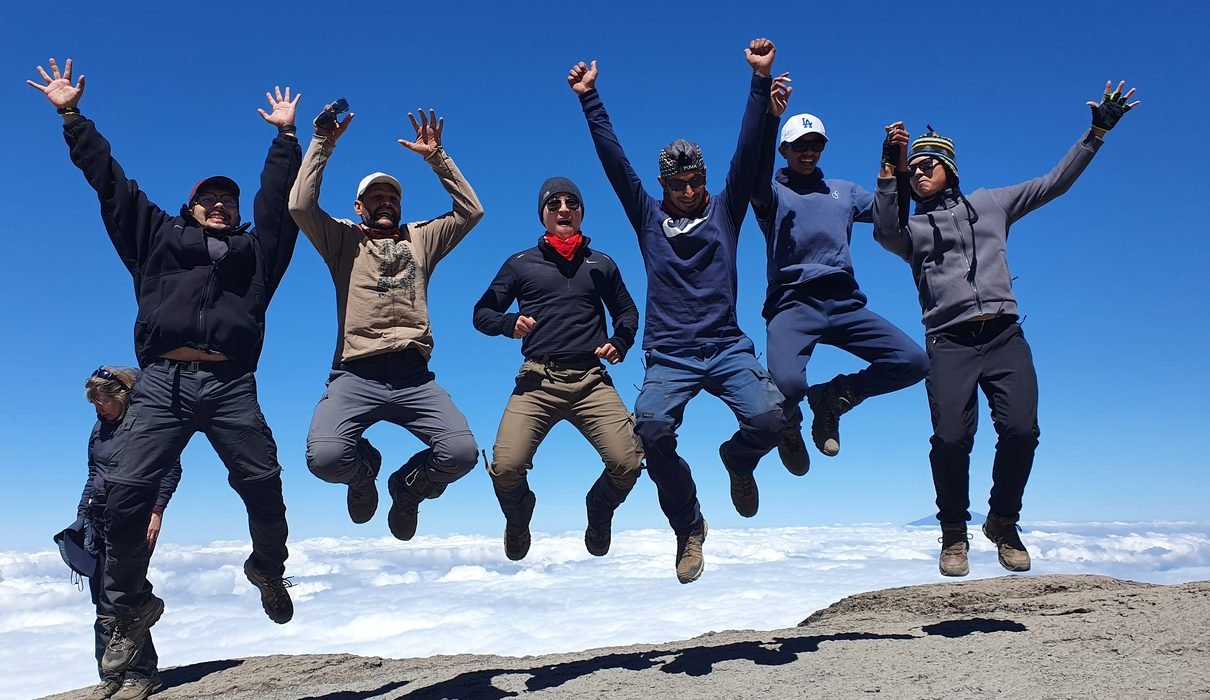
Mount Kilimanjaro is the highest mountain in Africa, standing at 5,895 metres above sea level. Every year, climbers from different countries travel to Tanzania to attempt the journey to Uhuru Peak, the mountain’s highest point. Among the available trekking routes, the 8 Days Lemosho Route Kilimanjaro Group Joining Climb is a popular option for travellers who want good scenery, more time to adjust to the altitude and an opportunity to share the experience with other climbers.
The Lemosho Route begins on the western side of Mount Kilimanjaro and crosses several different landscapes before joining the southern circuit towards the summit. During the eight-day climb, trekkers pass through mountain rainforest, open moorland, the Shira Plateau, alpine desert and the cold volcanic terrain near the summit. The route also includes well-known landmarks such as Lava Tower, Barranco Wall, Karanga Camp and Stella Point. Each section brings different walking conditions, and the gradual changes in altitude make preparation an important part of the expedition.
For travellers planning to join a Kilimanjaro climbing group in 2027 or 2028, the eight-day Lemosho itinerary offers a practical balance between trekking duration and acclimatization. Joining a group can reduce some of the costs associated with a private expedition because participants share certain operational expenses. It also allows solo travellers and couples to climb alongside people who have similar travel interests, while the mountain guides and support crew manage the expedition.
At Eddy Tours & Safaris, we arrange Kilimanjaro climbing trips from Arusha and Moshi, Tanzania. Travellers interested in our 8 Days Lemosho Route Group Joining Climb can contact our team for proposed departure dates, group arrangements, package inclusions and a quotation for 2027 or 2028.
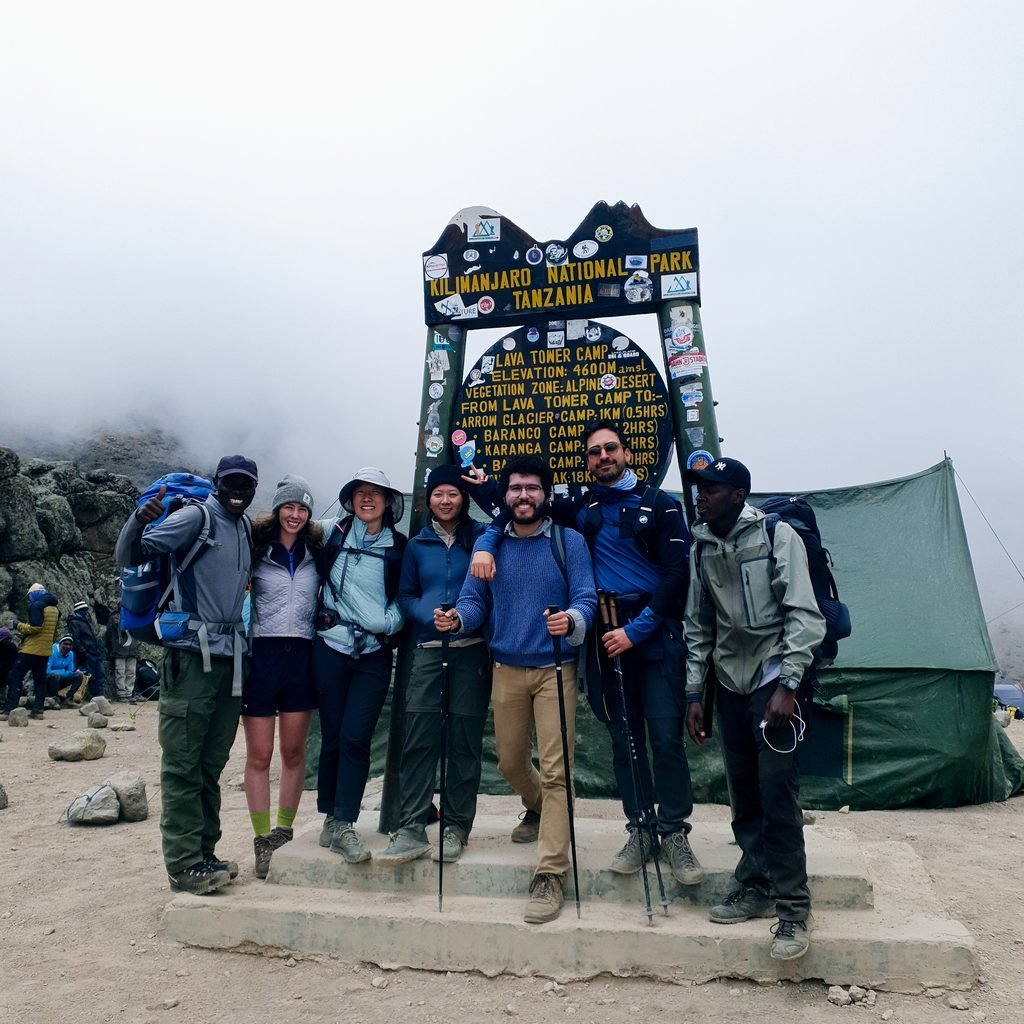
8 Days Lemosho Route Group Joining Climb Overview
| Tour information | Details |
|---|---|
| Package | 8 Days Kilimanjaro Lemosho Route Group Join |
| Destination | Mount Kilimanjaro, Tanzania |
| Travel years | 2027 and 2028 |
| Duration | 8 trekking days, 7 mountain nights |
| Starting point | Lemosho Trailhead via Londorossi Gate |
| Finishing point | Mweka Gate |
| Highest point | Uhuru Peak, 5,895 metres |
| Accommodation | Mountain camping in tents |
| Trekking difficulty | Challenging |
| Tour type | Guided group joining climb |
| Main landmarks | Shira Plateau, Lava Tower, Barranco Wall, Stella Point |
| Summit approach | Barafu Camp |
| Starting town | Moshi or Arusha |
| Group departures | Dates subject to confirmation |
| Package price | Quotation based on confirmed departure and inclusions |
The eight days refer to the trekking period on Mount Kilimanjaro. Travellers should normally allow additional time for arrival, the pre-climb briefing, equipment inspection and departure arrangements. Arriving at least one day before the climb is advisable, particularly for international visitors who need time to recover from their journey and prepare their equipment.
Why Choose the 8 Days Lemosho Route for Kilimanjaro in 2027/2028?
The Lemosho Route is widely chosen because of its scenery, gradual approach and opportunities for acclimatization. Unlike routes that begin at higher elevations and gain altitude quickly, Lemosho starts in the western rainforest before gradually climbing towards the Shira Plateau. The eight-day itinerary allows trekkers to spend several nights at intermediate elevations before attempting the summit, which can help the body adjust to the lower oxygen levels found at high altitude.
Another advantage is the variety of landscapes along the route. The first section passes through dense forest, where climbers may encounter birds and other wildlife. Higher up, the trail opens onto the Shira Plateau, offering wide views across the mountain. The journey then continues through rocky volcanic terrain, the Barranco Valley and the southern slopes before reaching Barafu Camp. This makes the route attractive to travellers who want to experience more than simply reaching the summit.
The eight-day Lemosho Route is also suitable for group joining arrangements because it follows an established camping itinerary with designated overnight locations. Climbers travel with professional mountain guides, cooks and porters who help manage the daily trekking schedule, meals, equipment and camp arrangements. Although the group shares the journey, each participant must still walk at a pace appropriate to their health and ability, and guides should monitor individual responses to altitude.
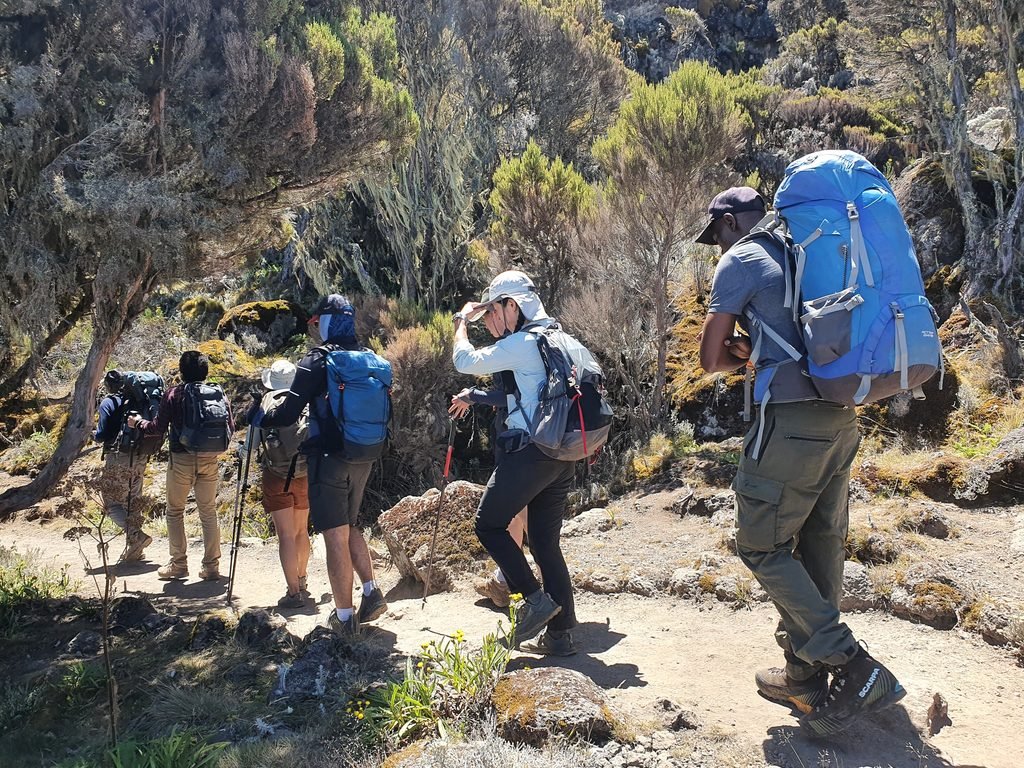
Complete 8 Days Kilimanjaro Lemosho Route Group Joining Itinerary
The following itinerary follows a commonly used eight-day Lemosho schedule. Walking distances, elevations and trekking times are approximate because campsite arrangements, trail conditions, weather and the group’s pace may vary. Your guide will confirm the daily programme before and during the climb.
Day 1: Moshi or Arusha – Londorossi Gate – Lemosho Trailhead – Mti Mkubwa Camp
Starting elevation: Approximately 2,100–2,400 metres
Overnight elevation: Approximately 2,650–2,895 metres
Hiking distance: Approximately 6–8 km
Walking time: 3–4 hours
Habitat: Montane rainforest
Your Kilimanjaro group joining expedition begins with breakfast at your hotel in Moshi or Arusha, followed by a transfer towards Londorossi Gate on the western side of Mount Kilimanjaro. The drive passes through local communities and agricultural areas before reaching the national park entrance. At the gate, the mountain team completes registration and other entry procedures while the guides check the group’s equipment and prepare for the first trekking section.
After the registration process, the group continues to the Lemosho trailhead, where the walk begins through the rainforest. The trail passes beneath tall trees and dense vegetation, with the possibility of seeing birds and monkeys along the way. The forest can be wet and muddy, particularly after rainfall, so waterproof boots and a rain jacket should be easily accessible. Your guide will encourage a comfortable walking pace, allowing the group to settle into the routine of mountain trekking without unnecessary rushing.
By the afternoon, you will arrive at Mti Mkubwa Camp, also known as Big Tree Camp, where the support crew will have prepared the campsite. After changing into warmer clothing, you can rest, enjoy dinner and receive a briefing about the following day’s walk. The first night introduces you to camping on Kilimanjaro and provides an opportunity to become familiar with the mountain environment.
Day 2: Mti Mkubwa Camp to Shira 1 Camp
Starting elevation: Approximately 2,650–2,895 metres
Overnight elevation: Approximately 3,500 metres
Hiking distance: Approximately 7–8 km
Walking time: 5–7 hours
Habitat: Rainforest transitioning to moorland
After breakfast, the group leaves Mti Mkubwa Camp and continues climbing through the upper forest. As the trail gains elevation, the vegetation gradually becomes shorter and more open. The dense trees give way to shrubs, grasses and heathland, while the surrounding views begin to expand across the western slopes of Kilimanjaro.
The walk includes several uphill sections, and climbers may begin to notice the effects of increasing altitude. Your mountain guide will maintain a steady pace and encourage regular hydration and rest breaks. This is an important stage because the group is moving above 3,000 metres, where some people may begin experiencing symptoms associated with altitude.
Later in the day, you will reach Shira 1 Camp on the western part of the Shira Plateau. The campsite provides views of the surrounding mountain landscape, and on clear days, parts of Kibo may be visible in the distance. After arriving, you will have time to rest before dinner. The evening briefing will focus on the next day’s journey across the plateau and the importance of monitoring your health as the altitude increases.
Day 3: Shira 1 Camp to Shira 2 Camp
Starting elevation: Approximately 3,500 metres
Overnight elevation: Approximately 3,850 metres
Hiking distance: Approximately 8–10 km
Walking time: 4–6 hours
Habitat: Moorland and alpine heath
The third day takes the group across the Shira Plateau, one of the most scenic sections of the Lemosho Route. Compared with the previous day’s climb, the trail generally involves a more moderate elevation gain, although the walking distance and high altitude still require steady effort. The open landscape provides views of the mountain’s volcanic formations and the wide plateau extending across the western slopes.
During the walk, you will pass through areas of low vegetation, rocky ground and exposed terrain. The weather can change quickly because the plateau offers little shelter from wind, rain or strong sunshine. Your guide will continue monitoring the group’s pace and may include suitable rest stops to allow everyone to walk comfortably.
By the afternoon, the group reaches Shira 2 Camp, located at approximately 3,850 metres. This is an important overnight stop before the following day’s climb towards Lava Tower. You will spend the evening resting, eating and preparing for a more demanding day. Good sleep and adequate hydration are helpful, although climbers should remember that altitude sickness can occur even when they are physically fit and well prepared.
Day 4: Shira 2 Camp – Lava Tower – Barranco Camp
Starting elevation: Approximately 3,850 metres
Highest point: Lava Tower, approximately 4,630 metres
Overnight elevation: Approximately 3,950 metres
Hiking distance: Approximately 10 km
Walking time: 6–8 hours
Habitat: Alpine desert
Day four is an important part of the Lemosho acclimatization schedule. After breakfast, the group leaves Shira 2 Camp and climbs towards Lava Tower, a prominent volcanic formation standing at approximately 4,630 metres. The trail passes through increasingly rocky terrain, with fewer plants and more exposed sections as the altitude rises.
The ascent to Lava Tower provides an opportunity to experience a higher elevation before descending to sleep at Barranco Camp. This approach is often described as climbing high and sleeping lower, and it is commonly used in mountain itineraries to support acclimatization. However, reaching a higher point during the day does not guarantee that someone will adjust successfully, and guides must pay attention to symptoms such as headache, nausea, dizziness and unusual fatigue.
After spending time near Lava Tower, the group descends towards Barranco Valley. The landscape changes as you approach the valley, where giant groundsels and other high-altitude plants may be seen. Barranco Camp is located beneath the impressive Barranco Wall, which the group will climb the following morning. After dinner, your guide will explain the wall section and discuss the group’s condition before continuing higher.
Day 5: Barranco Camp – Barranco Wall – Karanga Camp
Starting elevation: Approximately 3,950 metres
Overnight elevation: Approximately 3,995 metres
Hiking distance: Approximately 5–6 km
Walking time: 4–5 hours
Habitat: Alpine desert
After an early breakfast, the group begins climbing the Barranco Wall, one of the best-known sections of the Lemosho Route. Although the wall may appear steep when viewed from the campsite, the established trail follows a series of rocky steps and ledges that allow trekkers to climb without technical mountaineering equipment under normal conditions. Some sections require using your hands for balance, and your guide will help you move safely through the more exposed areas.
The climb requires concentration, patience and a steady pace. There may be sections where groups move slowly because the trail is narrow, so it is important to follow instructions and avoid rushing. Once you reach the upper part of the wall, you can enjoy views across the southern slopes of Kilimanjaro and the surrounding valleys.
The route then continues across rocky terrain before descending into Karanga Valley and climbing again towards Karanga Camp. Although the total elevation gain between Barranco and Karanga is relatively small, the repeated ascents and descents make the day physically demanding. The shorter walking schedule allows additional time to rest before the next day’s approach to Barafu Camp, where preparations for the summit attempt will begin.
Day 6: Karanga Camp to Barafu Camp
Starting elevation: Approximately 3,995 metres
Overnight elevation: Approximately 4,640–4,670 metres
Hiking distance: Approximately 4–5 km
Walking time: 3–5 hours
Habitat: Alpine desert
The sixth day takes the group from Karanga Camp to Barafu Camp, the main base for the summit attempt on this itinerary. The trail climbs steadily through a rocky and increasingly barren landscape, with very little vegetation at this altitude. Although the walking distance is shorter than on previous days, the thinner air can make each uphill section feel more demanding.
Your guide will maintain a slow pace and continue checking how each climber is responding to the altitude. By the time you reach Barafu Camp, you will be above 4,600 metres, where cold temperatures, wind and reduced oxygen levels can affect comfort and physical performance. After arrival, the group will have lunch, rest and prepare clothing and equipment for the summit attempt.
During the afternoon or early evening, your guide will provide a detailed briefing about the summit route, expected walking conditions and safety procedures. You should prepare your headlamp, warm layers, gloves, water and snacks before resting. The summit attempt commonly begins late at night or shortly after midnight, depending on the guide’s assessment of the group and mountain conditions. Climbers should report any symptoms of altitude illness immediately rather than trying to hide them in order to continue.
Day 7: Barafu Camp – Stella Point – Uhuru Peak – Mweka Camp
Starting elevation: Approximately 4,640–4,670 metres
Highest point: Uhuru Peak, 5,895 metres
Overnight elevation: Approximately 3,080–3,100 metres
Hiking distance: Approximately 15–17 km
Walking time: 12–16 hours
Habitat: Arctic summit zone and alpine terrain
Summit day is normally the most demanding part of the eight-day Lemosho Route. The group begins climbing in darkness, wearing warm clothing and using headlamps to follow the trail. The route ascends through steep volcanic scree and rocky sections towards Stella Point on the crater rim. At this altitude, the air contains much less oxygen than at sea level, and even slow walking can require considerable effort.
Your mountain guides will manage the pace and monitor the condition of each climber throughout the ascent. Reaching Stella Point, at approximately 5,756 metres, is an important milestone, but Uhuru Peak remains farther along the crater rim. Those who are fit to continue will follow the trail towards the summit, where the famous Uhuru Peak sign marks the highest point in Africa. Weather conditions may include freezing temperatures, strong winds and limited visibility, and the guides must make safety decisions according to the actual conditions rather than the group’s expectations.
After reaching the highest safe point of the climb, the group begins descending towards Barafu Camp. The descent can be tiring because of the loose terrain and the physical effort already spent during the ascent. After a short rest and suitable refreshments at Barafu, trekkers continue downhill towards Mweka Camp, where the support crew will prepare dinner and overnight accommodation. This is a long day, and reaching the summit should never take priority over a climber’s health or the guide’s decision to descend.
Day 8: Mweka Camp – Mweka Gate – Return to Moshi or Arusha
Starting elevation: Approximately 3,080–3,100 metres
Finishing elevation: Approximately 1,640 metres
Hiking distance: Approximately 9–10 km
Walking time: 3–5 hours
Habitat: Montane rainforest
After breakfast at Mweka Camp, the group begins the final descent through Kilimanjaro’s rainforest. The trail leads downhill through dense vegetation, with tall trees and warmer, more humid conditions replacing the rocky mountain terrain experienced during the previous days. Depending on the weather, some sections may be muddy or slippery, so careful walking remains important even though the summit attempt is complete.
The final trekking stage provides time to appreciate the changing landscapes and the work of the mountain crew throughout the expedition. Your guide will continue managing the group’s pace until everyone reaches Mweka Gate. At the gate, the team completes the necessary exit procedures, and eligible climbers may receive the appropriate summit certificates according to the park’s requirements.
Your driver will then transfer you back to Moshi or Arusha, depending on the confirmed arrangements. After several days on the mountain, you can enjoy a shower, rest and prepare for your onward journey. Travellers with additional time may continue their holiday with a Tanzania wildlife safari or a Zanzibar beach extension arranged through Eddy Tours & Safaris.
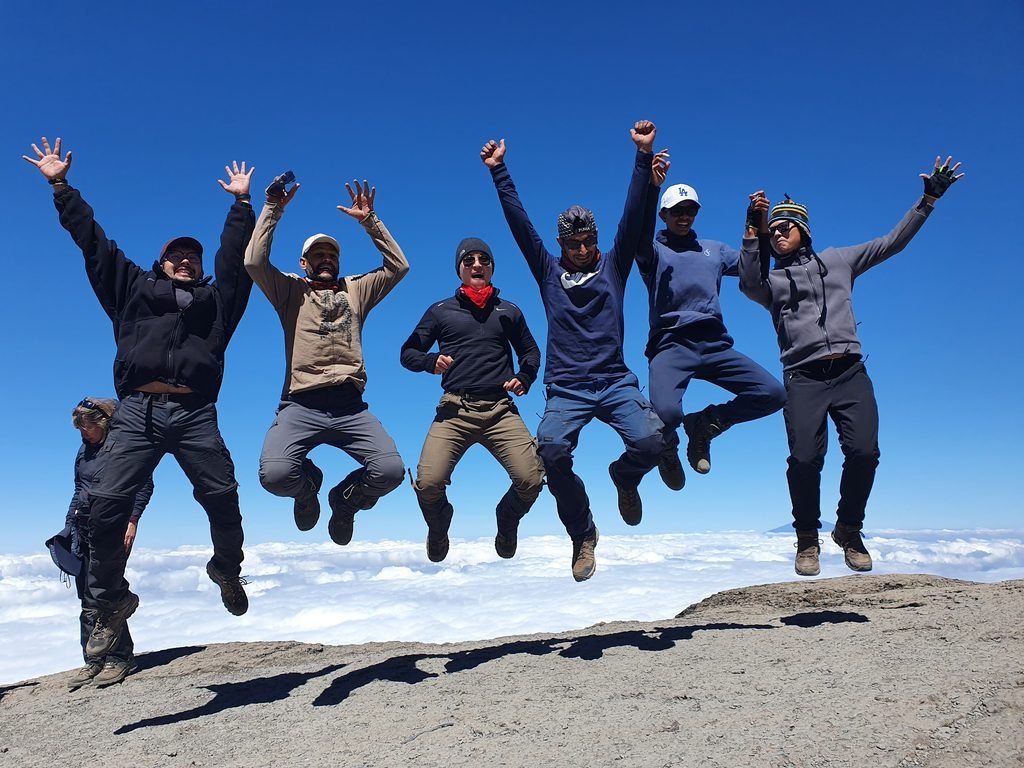
8 Days Lemosho Route Itinerary Summary
| Day | Trekking route | Approximate overnight elevation |
|---|---|---|
| 1 | Lemosho Trailhead to Mti Mkubwa | 2,650–2,895 m |
| 2 | Mti Mkubwa to Shira 1 | 3,500 m |
| 3 | Shira 1 to Shira 2 | 3,850 m |
| 4 | Shira 2 via Lava Tower to Barranco | 3,950 m |
| 5 | Barranco via Barranco Wall to Karanga | 3,995 m |
| 6 | Karanga to Barafu | 4,640–4,670 m |
| 7 | Barafu to Uhuru Peak, then Mweka | 3,080–3,100 m |
| 8 | Mweka Camp to Mweka Gate | End of climb |
How Does Kilimanjaro Group Joining Work?
A Kilimanjaro group joining climb allows individual travellers to book places on a scheduled expedition alongside other climbers. Instead of arranging a private mountain crew and climbing schedule, participants join a group following the same route and itinerary. This arrangement is particularly useful for solo travellers, couples and small groups who want to share some of the costs associated with transport, mountain crew services and camp operations.
The group is supported by professional mountain guides, cooks and porters who manage different aspects of the expedition. The guides are responsible for leading the climb, monitoring conditions and making safety decisions, while the support crew transports camp equipment and prepares meals and overnight arrangements. Climbers carry their personal daypacks containing water, snacks, clothing and other essentials needed during each day’s walk.
Group joining does not mean that every participant will have exactly the same fitness level or response to altitude. Some climbers may walk more comfortably than others, and the guides must manage these differences carefully. Before booking, ask about the maximum group size, guide-to-climber arrangements, available departure dates and procedures for assisting a participant who becomes unwell or needs to descend.
Is the 8 Days Lemosho Route Suitable for Beginners?
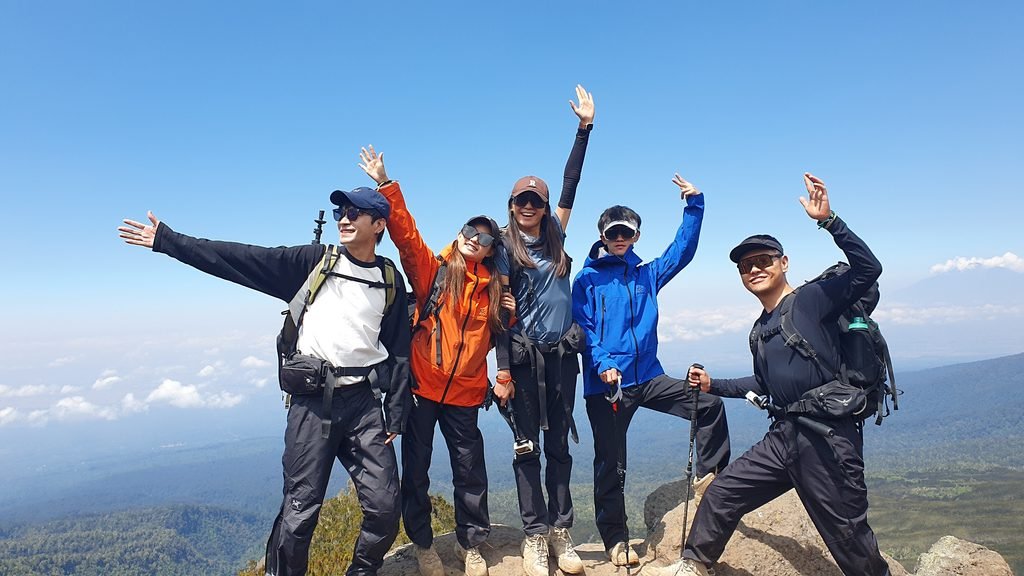
The eight-day Lemosho Route can be suitable for beginners who are physically prepared and understand the demands of high-altitude trekking. Technical climbing experience is not normally required under suitable conditions, but the route involves several consecutive days of walking, steep sections, rocky ground and a demanding summit attempt. Previous hiking experience is helpful because it allows travellers to become familiar with walking for several hours while carrying a daypack.
Physical preparation should begin well before departure. Regular walking, hill hiking, stair climbing and cardiovascular exercise can help improve endurance, while strength training may help prepare the legs for long ascents and descents. Practising with the boots and daypack you intend to use on Kilimanjaro can also reduce discomfort during the expedition.
However, physical fitness does not prevent altitude sickness. Even experienced athletes can develop altitude-related illness, and climbers should never assume that being fit means they can safely ignore symptoms. Anyone with relevant medical concerns should seek advice from a qualified healthcare professional before travelling.
Kilimanjaro Altitude Sickness and Acclimatization
Altitude sickness is one of the most important health considerations when climbing Mount Kilimanjaro. As climbers ascend, the amount of oxygen available with each breath decreases, and the body needs time to adjust. Symptoms of acute mountain sickness may include headache, nausea, dizziness, fatigue and loss of appetite. More serious altitude-related illness can become life-threatening and requires prompt action.
The eight-day Lemosho itinerary provides more time for acclimatization than some shorter routes, particularly through its gradual progression across the Shira Plateau and the ascent to Lava Tower before descending to Barranco Camp. Nevertheless, the additional days do not remove the risk of altitude illness. Climbers must report symptoms promptly, follow their guides’ instructions and accept descent when medically necessary.
Before booking, travellers should ask about the operator’s altitude monitoring procedures, emergency communication arrangements, oxygen and first-aid equipment, and evacuation plan. Appropriate travel insurance covering high-altitude trekking and emergency evacuation is strongly recommended. The official Kilimanjaro National Park Visitor Guide also explains the importance of acclimatization, suitable equipment and following authorised guides.
Best Time to Join an 8 Days Lemosho Kilimanjaro Group in 2027/2028
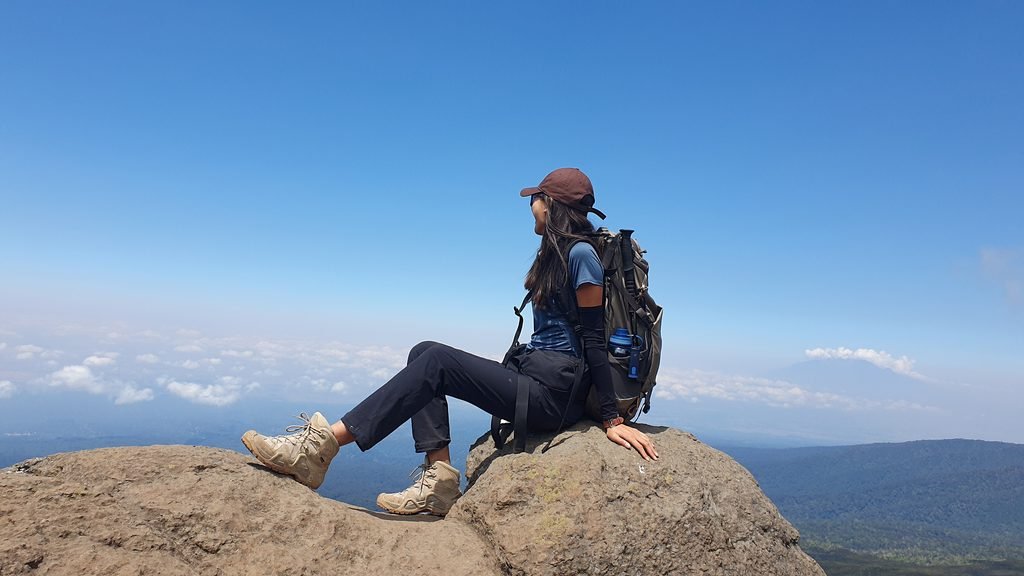
Mount Kilimanjaro can be climbed throughout the year, but the weather changes considerably between seasons. January to March and June to October are commonly preferred because conditions are often relatively dry. However, mountain weather is unpredictable, and rain, strong winds, freezing temperatures and poor visibility can occur during any month.
January and February may provide suitable climbing conditions, although temperatures near the summit remain extremely cold. June to October is another popular period, particularly among travellers combining Kilimanjaro with a Tanzania wildlife safari. April and May are generally associated with heavier rainfall, while November and December may experience seasonal rain. Wet conditions can make rainforest trails muddy and increase discomfort during the expedition.
For 2027 and 2028, travellers should select their preferred period before enquiring about group joining departures. Exact dates, availability and prices need to be confirmed by the operator. Booking early can be useful when you have fixed international flights or want to travel during a popular climbing period.
How Much Does an 8 Days Lemosho Group Joining Climb Cost in 2027/2028?
The cost of an eight-day Lemosho group joining climb depends on national park fees, mountain crew arrangements, equipment, meals, transport, group size and other services included in the package. Joining a group may reduce the cost per person compared with a private expedition because certain expenses are shared, but the total price still needs to cover the necessary mountain operations and safety arrangements.
When comparing quotations, travellers should pay attention to more than the advertised price. Some packages include hotel accommodation before and after the climb, airport transfers and certain equipment, while others charge separately for these services. The quotation should also explain the mountain crew arrangements, meals, drinking water, camping equipment and any additional expenses that may apply.
For departures in 2027 or 2028, Eddy Tours & Safaris can provide a quotation based on confirmed arrangements. Future prices should not be treated as fixed until the relevant park fees, departure dates, group arrangements and package inclusions have been established. Travellers can contact Eddy Tours & Safaris to request a written quotation.
What Is Included in the 8 Days Lemosho Group Joining Package?
A standard guided Lemosho camping expedition normally involves mountain guiding services, a support crew, camping arrangements, meals during the trek, transport to and from the mountain gates and applicable park-related charges. However, the exact services included in a particular group joining package depend on the operator’s written quotation and should be confirmed before payment.
Travellers should also check whether the package includes airport transfers, hotel accommodation before and after the climb, drinking water, personal equipment rental, emergency arrangements and other services. International flights, visa fees, personal clothing, travel insurance, gratuities and optional activities are commonly excluded unless specifically stated.
It is particularly important to understand how the mountain crew is supported. Responsible climbing arrangements should provide appropriate working conditions, equipment and fair treatment for guides and porters. Travellers should avoid choosing a package solely because it has the lowest advertised price without understanding what is included.
What Should You Pack for the Lemosho Route?
Packing properly is essential because the Lemosho Route passes through several different climate zones. Climbers may experience warm and humid rainforest conditions during the first day, strong sunshine and wind on the Shira Plateau, and freezing temperatures during the summit attempt. Clothing should therefore be suitable for layering so that you can adjust to changing conditions throughout the day.
Waterproof hiking boots that have already been worn during training are particularly important. Climbers should also carry thermal base layers, warm fleece or insulated clothing, a suitable down or synthetic jacket, waterproof outerwear, gloves, warm socks and a hat. A headlamp with spare batteries is essential for the summit attempt, while sunglasses and sunscreen help protect against strong sunlight at altitude.
Other useful items include a comfortable daypack, refillable water containers, trekking poles, personal medication, toiletries and snacks. Your operator should provide a complete packing list and explain which equipment is supplied, which items must be brought from home and what may be available for rental in Moshi or Arusha.
How to Prepare for the 8 Days Lemosho Route
Preparing for Kilimanjaro involves more than buying hiking equipment. Travellers should develop a realistic fitness programme, understand the route, arrange suitable travel insurance and allow enough time for international travel. Beginning physical preparation several months before departure can help improve endurance, particularly for people who do not regularly hike or exercise.
Training should include longer walks, uphill hiking and exercises that strengthen the legs and improve cardiovascular fitness. Whenever possible, practise walking on uneven ground while carrying a daypack. This can help you become familiar with the physical demands of mountain trekking and identify any problems with your boots or equipment before travelling.
Before departure, confirm your flight arrangements, passport validity, Tanzania entry requirements and the details of your climbing package. Travellers who require a visa can check the official Tanzania Immigration eVisa Portal. Entry requirements depend on nationality and may change, so they should be checked again before travelling in 2027 or 2028.
Why Climb Kilimanjaro with a Local Tanzania Tour Operator?
Booking with a Tanzania-based tour operator can make planning easier because the operator understands local transport arrangements, mountain logistics, accommodation options and the practical requirements of organising a Kilimanjaro expedition. Travellers can discuss their preferred route, climbing experience, group size and travel dates directly with the team responsible for coordinating the trip.
A reliable operator should provide a clear itinerary, explain the services included in the price and answer questions about safety, altitude monitoring and emergency procedures. Travellers should also confirm that their climb will be conducted through the appropriate licensed arrangements required by Tanzania National Parks Authority.
Eddy Tours & Safaris is based in Arusha, Tanzania, and arranges guided mountain climbing and wildlife safari experiences. Visitors can learn more about the company’s travel services through the Eddy Tours & Safaris official website or enquire about the 8 Days Lemosho Route Group Joining Climb.
Combine Your Kilimanjaro Group Climb with a Tanzania Safari
Many travellers choose to combine a Kilimanjaro climb with a wildlife safari because northern Tanzania is home to several of Africa’s most famous national parks. After completing the mountain expedition, visitors can travel from Moshi or Arusha towards Tarangire National Park, Ngorongoro Crater or Serengeti National Park, depending on their available time and budget.
Tarangire is known for elephants, baobab trees and seasonal wildlife concentrations, while Ngorongoro Crater provides opportunities to observe a variety of animals within its distinctive volcanic landscape. Serengeti National Park is particularly famous for its extensive grasslands, predator populations and the Great Wildebeest Migration. A safari extension can be arranged according to the number of days available, but travellers should allow sufficient time to recover from the physical demands of Kilimanjaro before beginning another busy itinerary.
Those who prefer a more relaxed holiday can also consider Zanzibar, where beaches and coastal accommodation provide an alternative to wildlife viewing. Safari and Zanzibar extensions are normally arranged separately from the climbing package unless specifically included in the quotation.
Frequently Asked Questions About the 8 Days Lemosho Group Joining Climb
Is the 8 Days Lemosho Route Good for Beginners?
Yes, the eight-day Lemosho Route can be suitable for physically prepared beginners who have some hiking experience and understand the challenges of high-altitude trekking. The route does not normally require technical mountaineering skills, but the long walking days, steep sections and summit attempt require good preparation. Beginners should also understand that altitude sickness can affect anyone, regardless of fitness.
How Difficult Is the 8 Days Lemosho Route?
The route is considered challenging because it involves eight consecutive trekking days, high altitude and a demanding summit attempt. The Barranco Wall includes sections where climbers use their hands for balance, while summit night involves walking in cold conditions over steep volcanic terrain. The longer itinerary provides additional acclimatization time but does not make the mountain an easy climb.
What Is the Summit Success Rate of the 8 Days Lemosho Route?
The eight-day Lemosho itinerary is often recommended because it allows more time for acclimatization than shorter routes. However, there is no single independently verified success percentage that applies to every operator or departure. Travellers should ask operators for actual expedition records rather than relying on unsupported claims, and remember that reaching Uhuru Peak cannot be guaranteed.
Can Solo Travellers Join a Kilimanjaro Group?
Yes. Group joining climbs are particularly suitable for solo travellers who want to join an organised expedition rather than arrange a private climb. Availability depends on confirmed departure dates and the number of participants. Before booking, solo travellers should ask about group size, room or tent sharing arrangements and any additional charges.
How Many People Are in a Lemosho Group Joining Climb?
Group sizes vary according to the operator and departure. Some expeditions have relatively small groups, while others accommodate more climbers. The maximum group size should be confirmed before booking because it can influence the climbing experience, guiding arrangements and campsite logistics.
What Is the Best Month to Climb Kilimanjaro in 2027 or 2028?
January to March and June to October are commonly popular climbing periods because they often experience relatively drier weather. However, Kilimanjaro weather can change quickly, and suitable conditions cannot be guaranteed. Travellers should select their dates according to their availability, preferred conditions and confirmed group departures.
Do I Need Travel Insurance for Kilimanjaro?
Appropriate travel insurance is strongly recommended. The policy should specifically cover trekking at Kilimanjaro’s altitude and include suitable emergency evacuation and medical provisions. Travellers should check the policy wording carefully because some standard travel insurance products exclude high-altitude activities.
Can I Join a Lemosho Climb Without Previous Mountain Experience?
Previous technical mountaineering experience is not normally required, but experience with long hikes is useful. Travellers who have never completed multi-day trekking should prepare through regular exercise and practice hikes. It is also important to understand the effects of altitude and follow the mountain guides’ safety instructions.
Does the Group Joining Package Include Airport Transfers?
Airport transfers may be included or offered separately, depending on the confirmed package. Travellers should request a written list of inclusions before booking and confirm whether transport from Kilimanjaro International Airport to their hotel in Moshi or Arusha is provided.
Can I Book the 8 Days Lemosho Route for 2027 or 2028?
Travellers can enquire about group joining arrangements for both years. However, departure dates, prices, group sizes and availability must be confirmed before booking. Contacting the operator early is useful when planning international flights or travelling during popular climbing periods.
Book Your 2027/2028 Kilimanjaro Group Join – 8 Days Lemosho Route
The eight-day Lemosho Route offers a varied climbing experience through Mount Kilimanjaro’s western rainforest, the Shira Plateau, Lava Tower, Barranco Wall and the upper slopes leading towards Uhuru Peak. Its longer itinerary provides additional time for acclimatization, while group joining arrangements allow travellers to share the journey and some of the costs associated with an organised mountain expedition.
For anyone planning to climb Kilimanjaro in 2027 or 2028, the most important considerations are choosing a suitable itinerary, preparing physically, understanding the risks of altitude and confirming reliable guiding and support arrangements. Reaching the summit is an important goal for many climbers, but safety and responsible mountain management should remain the priority throughout the expedition.
Eddy Tours & Safaris is a local tour company in Arusha, Tanzania, arranging guided Kilimanjaro climbing trips, Tanzania wildlife safaris and private holidays. Our team can help you enquire about group joining departures, climbing preparation, accommodation arrangements and package prices for the eight-day Lemosho Route.
To discuss your climb, visit our 8 Days Lemosho Route Group Joining package or contact Eddy Tours & Safaris with your preferred dates, number of climbers and any questions about the expedition.
Eddy Tours & Safaris
Arusha, Tanzania
Email: sales@eddytours-safaris.com
Website: Eddy Tours and Safaris
Contact: Eddy Tours and Safaris Contact