
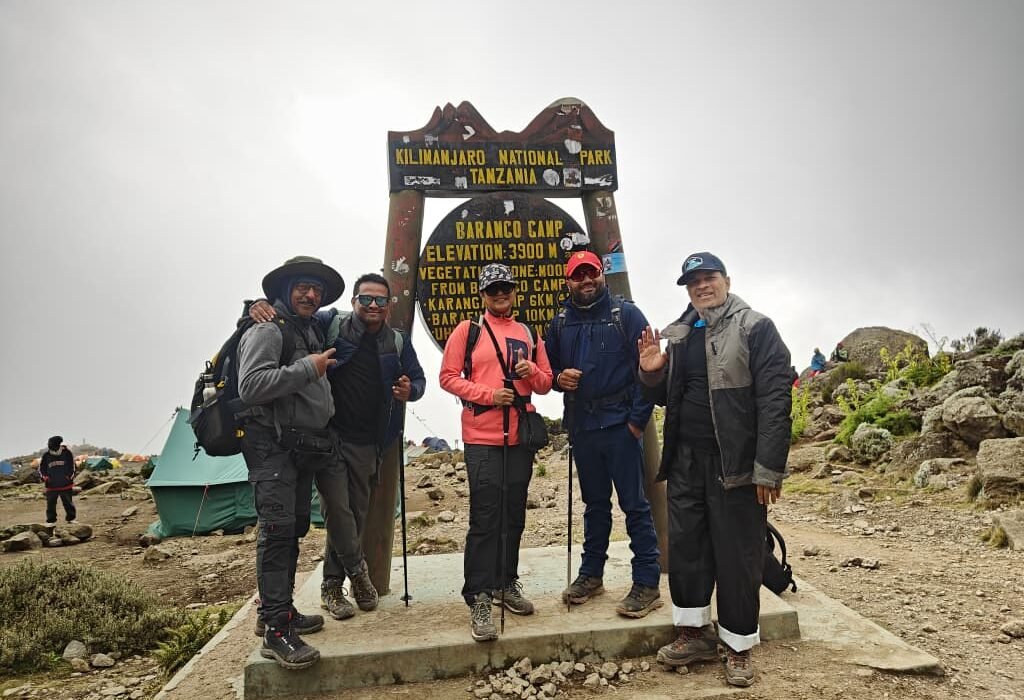
Kilimanjaro for First-Time Trekkers is more than just a climbing guide—it’s a complete blueprint for turning a dream into reality. Standing at 5,895 meters, Mount Kilimanjaro is Africa’s highest peak and one of the most accessible high-altitude mountains in the world. Yet, for beginners, the challenge is real. Without proper planning, even strong hikers can struggle. This carefully designed 7-day smart climb plan helps you prepare, pace yourself, and reach the summit safely while enjoying every step of the journey.
Whether you are planning your climb for 2026, 2027, or 2028, this guide gives you clear direction, practical advice, and expert-backed strategies. From choosing the right route to understanding altitude, every detail matters when stepping onto this iconic mountain.
Why Kilimanjaro for First-Time Trekkers Is a Unique Challenge
Kilimanjaro is often called a “walkable mountain,” but that description can be misleading. While no technical climbing skills are required, the altitude and changing climate zones make it demanding. You move from tropical rainforest to arctic summit in just a few days, and your body must adapt quickly.
Many first-time trekkers underestimate the effects of altitude sickness. According to research from World Health Organization, rapid ascent without proper acclimatization is one of the leading causes of high-altitude illness. This is why a 7-day plan is considered the minimum safe duration.
Preparation is not just physical. Mental endurance plays a huge role. The final summit push often starts at midnight, and trekkers walk for hours in freezing conditions. However, with the right mindset and structured plan, success becomes achievable.
Choosing the Best Route for Beginners
Machame Route – The Smart Choice
The Machame Route is widely recommended for first-time climbers. It offers excellent acclimatization and scenic diversity. Many experts from Kilimanjaro Climb Specialist consider it one of the most balanced routes.
Lemosho Route – More Scenic, Less Crowded
The Lemosho Route is longer and quieter. It gives trekkers more time to adapt, increasing summit success rates. Studies referenced by National Geographic highlight that slower ascents improve success rates significantly.
Marangu Route – The Simplest but Riskier
While Marangu offers hut accommodation, it has a lower success rate due to shorter acclimatization time. Beginners should approach it cautiously.
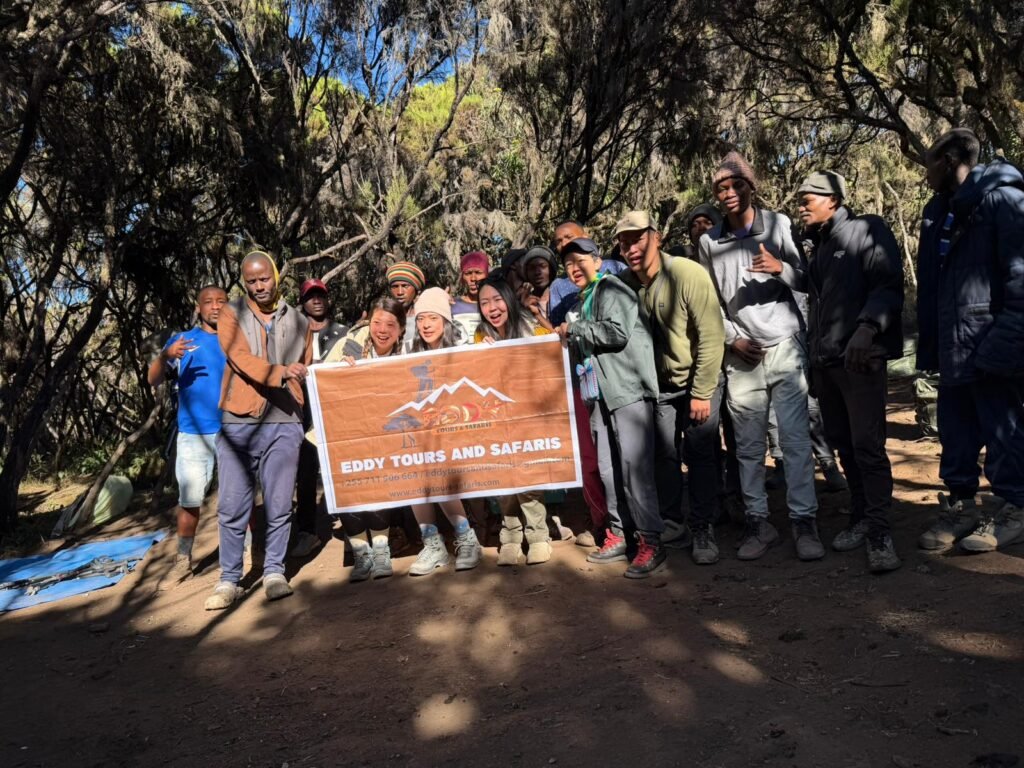
For booking guidance and expert support, explore trusted operators at Eddy Tours & Safaris.
Kilimanjaro for First-Time Trekkers 7 Days Itinerary
Day 1: Arrival and Preparation
You arrive in Tanzania and transfer to your hotel in Moshi or Arusha. This day is used for gear checks, briefing, and rest. Hydration begins immediately, as recommended by Centers for Disease Control and Prevention.
Day 2: Trek Through Rainforest
The journey begins through dense rainforest filled with wildlife and lush vegetation. According to International Union for Conservation of Nature, this ecosystem is one of the richest biodiversity zones in East Africa.
Day 3: Moorland Zone
Vegetation becomes sparse, and temperatures drop. You begin to feel altitude changes. Experts from NASA explain that oxygen levels decrease significantly at higher elevations, affecting performance.
Day 4: Acclimatization Day
This is a crucial day. You climb higher and sleep lower, allowing your body to adjust. Scientific studies from National Institutes of Health confirm this method improves acclimatization.
Day 5: Alpine Desert
The landscape becomes dry and rocky. Temperatures fluctuate drastically. Hydration and pacing are critical.
Day 6: Summit Night
You start the climb at midnight. This is the most challenging part, both physically and mentally. Reaching Uhuru Peak at sunrise is an unforgettable reward.
Day 7: Descent
You descend back to base camp and celebrate your achievement. Proper recovery is important after high-altitude exertion.
Plan your climb with professionals at Eddy Tours Kilimanjaro Packages for a smooth experience.
Physical Preparation for Beginners
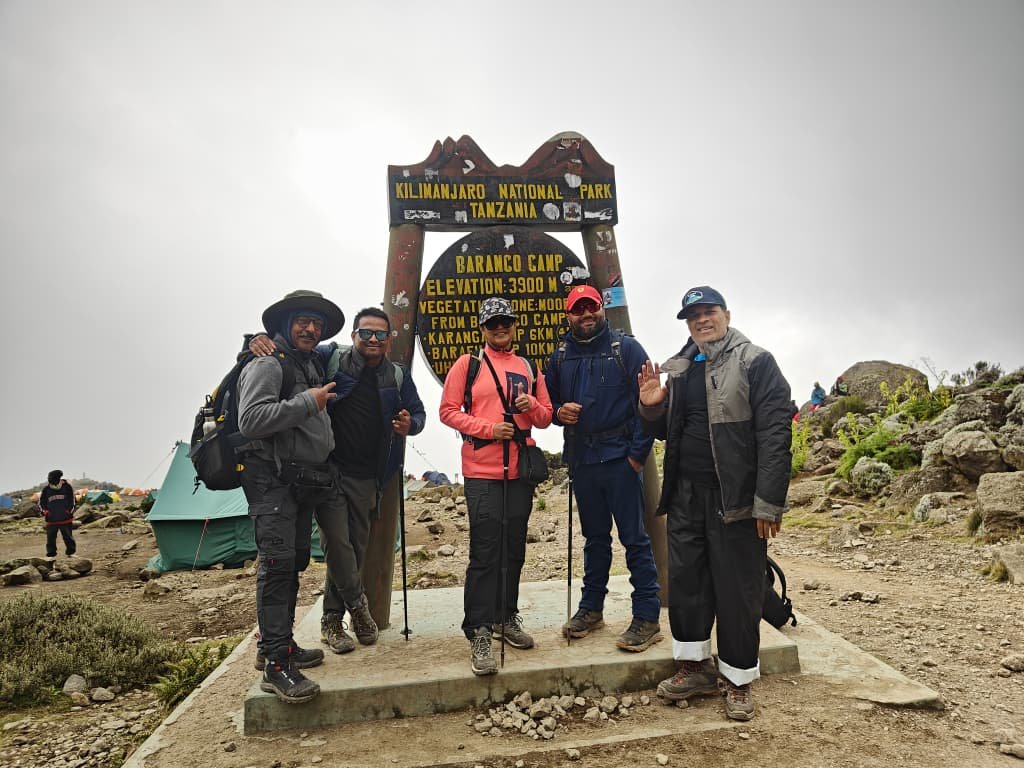
Training should begin at least 8–12 weeks before your trek. Focus on endurance, strength, and consistency. Activities like hiking, jogging, and stair climbing help simulate mountain conditions.
According to Mayo Clinic, cardiovascular fitness improves oxygen efficiency, which is crucial at high altitude. Strength training supports joints and reduces injury risk.
Consistency matters more than intensity. Gradual improvement builds stamina without causing burnout.
Essential Gear Checklist
Proper gear can make or break your experience. Temperatures range from hot and humid to freezing cold.
- Layered clothing system
- High-quality hiking boots
- Thermal wear and gloves
- Sleeping bag rated for sub-zero temperatures
- Headlamp and trekking poles
For expert packing advice, visit Eddy Tours Travel Tips.
Understanding Altitude Sickness
Altitude sickness is the biggest challenge for first-time trekkers. Symptoms include headaches, nausea, and fatigue.
Organizations like Altitude.org emphasize slow ascent and hydration as key prevention methods. Drinking 3–4 liters of water daily is recommended.
Listening to your body is essential. Ignoring symptoms can lead to serious complications.
Best Time to Climb Kilimanjaro
The best seasons are January–March and June–October. These periods offer clearer skies and stable weather conditions.
Climate data from UK Met Office shows that these months have lower rainfall, making trekking safer and more enjoyable.
Why Choose a Guided Climb
Climbing with experienced guides significantly increases your chances of success. Guides monitor your health, manage logistics, and provide motivation.
Book reliable tours through Eddy Tours & Safaris for expert-led climbs tailored to beginners.
Environmental Responsibility on Kilimanjaro
Protecting the mountain is everyone’s responsibility. Follow Leave No Trace principles and respect local ecosystems.
Organizations like World Wildlife Fund stress the importance of sustainable tourism to preserve natural environments.
FAQs About Kilimanjaro for First-Time Trekkers
1. Is Kilimanjaro safe for beginners?
Yes, with proper preparation and guidance, it is safe for first-time trekkers.
2. How difficult is the climb?
It is physically demanding but achievable with training and acclimatization.
3. Do I need technical climbing skills?
No technical skills are required, only basic hiking ability.
4. What is the success rate?
Success rates vary but can exceed 85% with a 7-day plan.
5. How cold does it get?
Temperatures can drop to -20°C at the summit.
6. Can I climb solo?
No, Tanzanian regulations require climbers to have a licensed guide.
Conclusion
Kilimanjaro for First-Time Trekkers is a journey of determination, preparation, and discovery. With the right 7-day smart climb plan, even beginners can reach the summit and experience one of the most rewarding adventures on Earth. Careful planning, proper training, and choosing the right support team make all the difference.
If you are ready to take the next step, explore trusted climbing options at Eddy Tours & Safaris and start your journey today.