
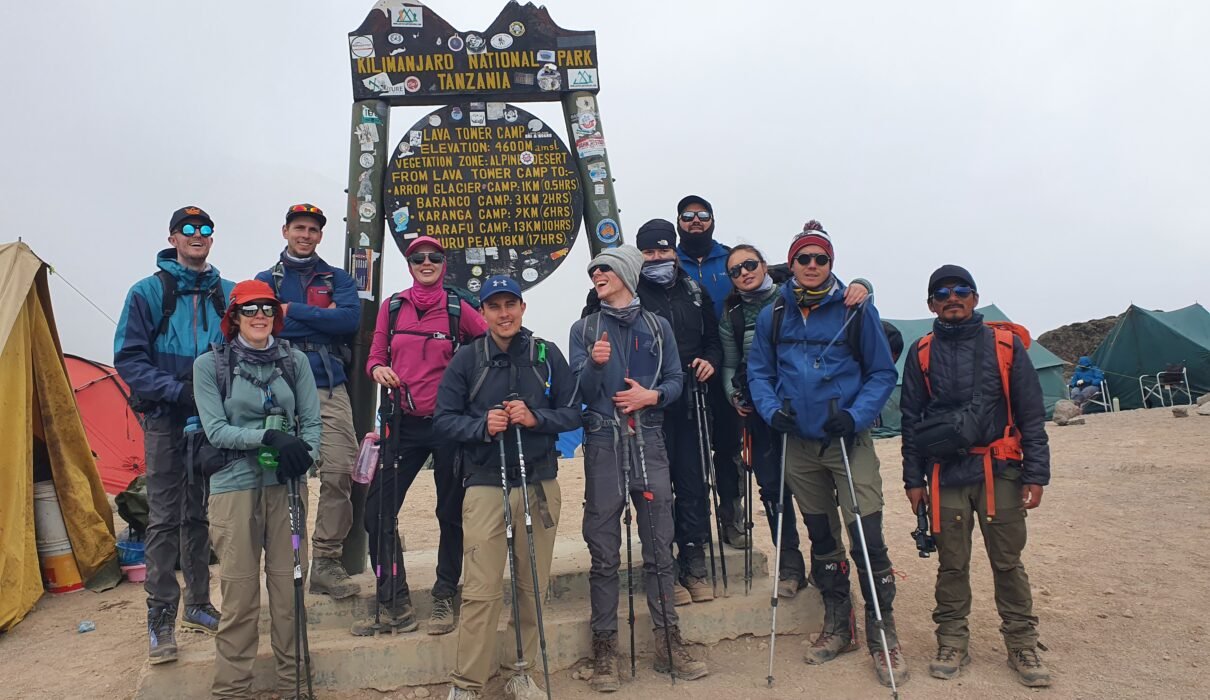
Climbing Mount Kilimanjaro is a major personal goal, but it does not have to mean arranging a private expedition alone. Eddy Tours & Safaris offers scheduled Kilimanjaro group climb packages for 2026 and 2027 for travellers who want a professionally supported trek, a clear departure plan and the shared energy of climbing with other people.
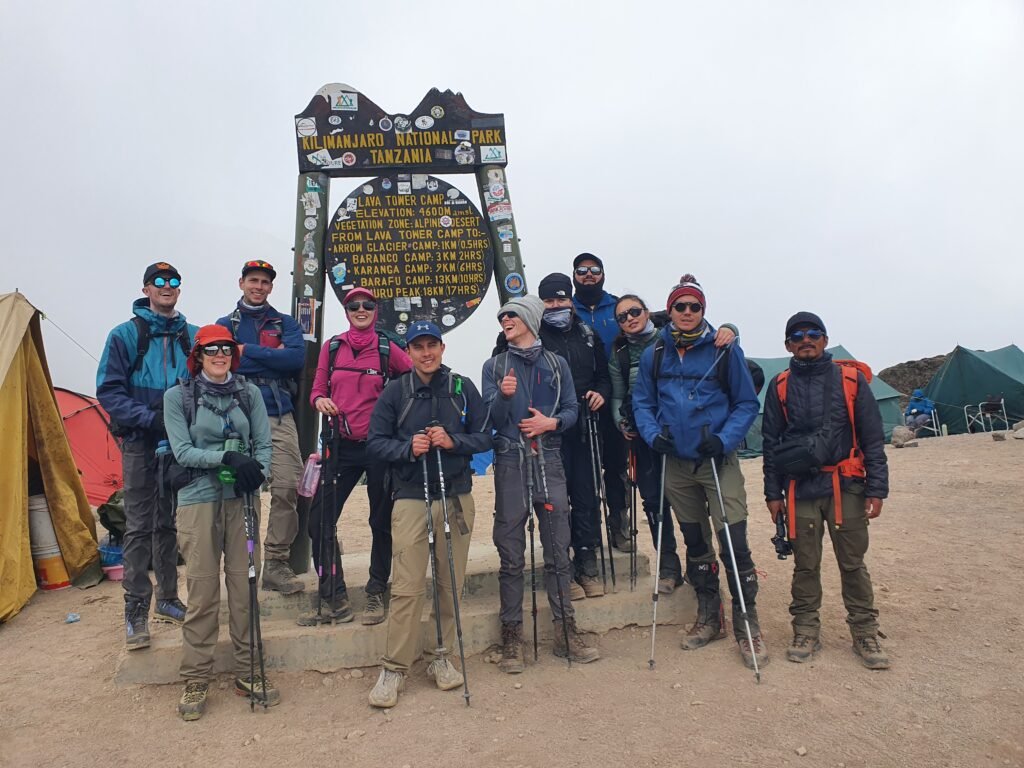
Our group departures bring together solo travellers, friends, couples and small groups from different parts of the world. You travel as one climbing team, supported by trained mountain guides, cooks and porters. Every climber still receives personal attention on the trail, while the shared logistics help make a Kilimanjaro climb more accessible than a fully private departure.
Kilimanjaro stands 5,895 metres above sea level and reaching Uhuru Peak requires more than determination. Good route selection, enough acclimatisation days, experienced mountain support, sensible pacing and careful preparation are all important. This page explains how our Kilimanjaro group climb packages work, which routes suit different climbers, available 2026 and 2027 departure dates, and how to reserve your place.
Why Join a Kilimanjaro Group Climb?
Kilimanjaro Group Climb Packages for 2026 and 2027 : Share the journey and the logistics
A scheduled group climb is a practical choice for travellers who want to join a confirmed departure instead of building a private expedition from the beginning. Transport to the gate, park procedures, mountain crew, meals and camp arrangements are organised together. This allows the group to share operational costs while maintaining the essential support needed for a safe mountain trek.
For many solo travellers, the social side is equally valuable. The early starts, changing landscapes and final summit push are demanding moments; encouragement from fellow climbers often makes a real difference. You can meet your group before the trek, share meals at camp and celebrate each stage of the route together.
Kilimanjaro Group Climb Packages for 2026 and 2027 : Professional mountain support
Every Eddy Tours & Safaris group climb is led by experienced Kilimanjaro guides. The team monitors the group’s pace and wellbeing, provides daily briefings and helps climbers understand what to expect at each altitude. Porters carry the group equipment and your duffel bag within the permitted weight limit, while the cook prepares meals designed to support energy and hydration on the mountain.
No guide can guarantee a summit, because altitude affects every person differently. However, a responsible team, a realistic schedule and open communication give you the best possible foundation. Guides will encourage you to report headaches, nausea, unusual fatigue or any other symptoms early. Your safety always comes before the summit.
Kilimanjaro Group Climb Packages for 2026 and 2027 : A choice of routes and dates
Our scheduled departures are designed around the most requested Kilimanjaro routes. You can choose a route that matches your available time, camping preference, scenery and previous hiking experience. If the listed dates do not match your travel plan, contact us; we can advise whether a private climb or an alternative group departure is possible.
Choose the Right Kilimanjaro Route
Marangu Route: 5 or 6 days
The Marangu Route is the only standard Kilimanjaro route that uses mountain huts rather than tents. It is often chosen by travellers who prefer fixed sleeping accommodation and a more direct route. The path climbs through rainforest, moorland and alpine desert before reaching the summit area.
The five-day version is shorter, but the six-day itinerary includes an acclimatisation day at Horombo Hut and is usually the better option. Extra time on the mountain can improve comfort and gives your body more time to adapt to altitude.
- Accommodation: mountain huts
- Typical duration: 5 or 6 days
- Difficulty: moderate, but still physically demanding at altitude
- Best for: hikers who prefer hut accommodation and have limited time
Machame Route: 6 or 7 days
The Machame Route is a well-known camping route with varied scenery and a strong sense of progression. It passes through rainforest, heath, moorland and high alpine terrain. Climbers approach the summit from the south and descend by the Mweka Route.
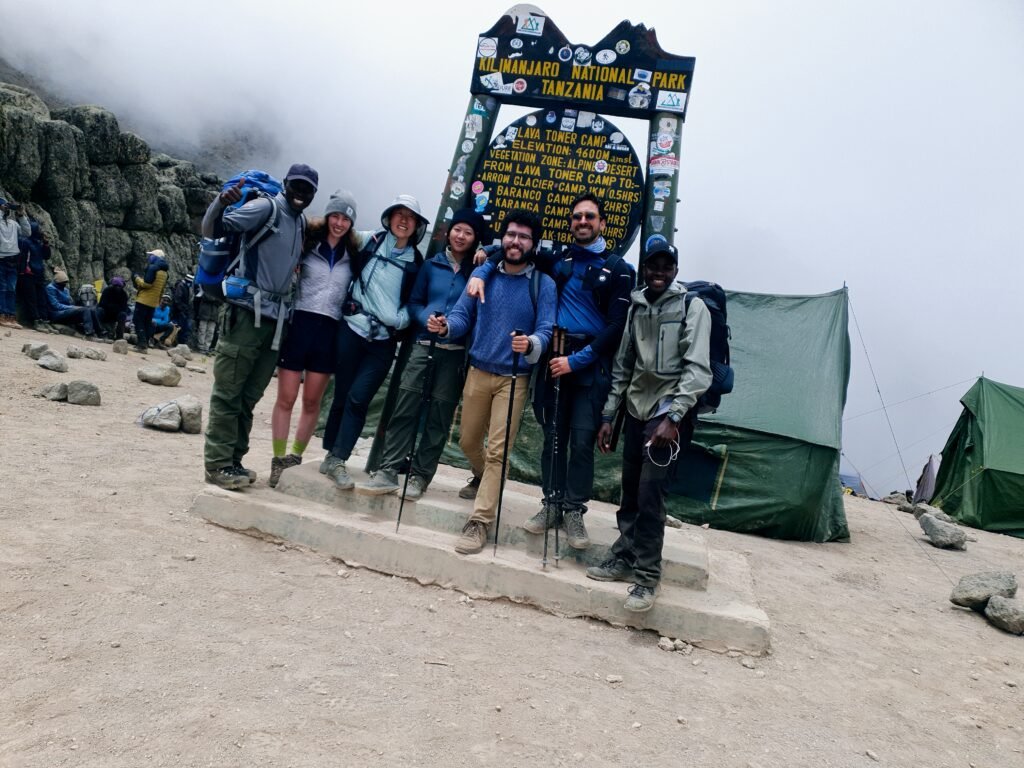
The route follows the “climb high, sleep low” principle on several days, including the section around Lava Tower and Barranco Camp. The seven-day Machame Route gives a more comfortable acclimatisation schedule than the six-day option and is usually recommended when your holiday allows it.
- Accommodation: tents
- Typical duration: 6 or 7 days
- Difficulty: moderate to challenging
- Best for: fit hikers who want varied scenery and a classic camping climb
Lemosho Route: 7 or 8 days
The Lemosho Route begins on the quieter western side of Kilimanjaro. It offers forest walking, broad views across the Shira Plateau and a gradual approach toward the southern circuit. It later joins the Machame route near Lava Tower before continuing through Barranco, Karanga and Barafu.
Because it generally allows more time for acclimatisation, Lemosho is one of the strongest choices for climbers who want to prioritise a steady pace and scenic variety. The eight-day version is particularly suitable for people without recent high-altitude trekking experience.
- Accommodation: tents
- Typical duration: 7 or 8 days
- Difficulty: moderate to challenging
- Best for: climbers who value acclimatisation, scenery and a less rushed programme
For additional route-planning information, you may also visit Kilimanjaro Climb Specialist.
Scheduled Group Departure Dates
The dates below are planned Saturday group departures. Availability can change as groups fill, park arrangements are confirmed or an itinerary is adjusted. Please contact Eddy Tours & Safaris before booking flights or making final travel arrangements so we can confirm your preferred route, date and current availability.
2026 Kilimanjaro Group Departures
| Month | Planned departure dates |
|---|---|
| January | 3, 10, 17, 24, 31 January |
| February | 7, 14, 21, 28 February |
| March | 7, 14, 21, 28 March |
| April | 4, 11, 18, 25 April |
| May | 2, 9, 16, 23, 30 May |
| June | 6, 13, 20, 27 June |
| July | 4, 11, 18, 25 July |
| August | 1, 8, 15, 22, 29 August |
| September | 5, 12, 19, 26 September |
| October | 3, 10, 17, 24, 31 October |
| November | 7, 14, 21, 28 November |
| December | 5, 12, 19, 26 December |
2027 Kilimanjaro Group Departures
| Month | Planned departure dates |
|---|---|
| January | 2, 9, 16, 23, 30 January |
| February | 6, 13, 20, 27 February |
| March | 6, 13, 20, 27 March |
| April | 3, 10, 17, 24 April |
| May | 1, 8, 15, 22, 29 May |
| June | 5, 12, 19, 26 June |
| July | 3, 10, 17, 24, 31 July |
| August | 7, 14, 21, 28 August |
| September | 4, 11, 18, 25 September |
| October | 2, 9, 16, 23, 30 October |
| November | 6, 13, 20, 27 November |
| December | 4, 11, 18, 25 December |
What Is Normally Included?
Exact inclusions depend on your selected route and quotation, but a Kilimanjaro group climb package normally includes the essential mountain arrangements: transfers between Moshi and the park gate, park entry and camping or hut fees, professional mountain guides, porters, cooks, meals during the climb, group camping equipment for camping routes, drinking water on the mountain and emergency oxygen where required by the operating procedures.
Your quotation will clearly state what is included and excluded before you book. International flights, Tanzanian visa costs, travel insurance, personal climbing gear, tips for the mountain crew, accommodation before and after the climb, and personal expenses are commonly excluded unless specifically added. Ask for the full inclusion list rather than assuming an item is covered.
Best Time to Join a Kilimanjaro Group Departure
Kilimanjaro can be climbed throughout the year, although weather conditions influence trail comfort and visibility. January to early March is usually a popular period, with generally drier conditions and fewer crowds than the middle of the year. June to October is another main climbing season, with cooler, drier weather and a greater number of visitors on the mountain.
April, May and November may experience more rain. These months can still work for prepared climbers, especially on routes that handle wet conditions well, but you should expect muddier trails and pack reliable waterproof clothing. The best date is not simply the busiest date; it is the one that gives you enough preparation time, fits your preferred route and allows a sensible acclimatisation schedule.
Kilimanjaro Group Climb Packages for 2026 and 2027 : How to Prepare for Your Group Climb
Kilimanjaro Group Climb Packages for 2026 and 2027 : Build hiking endurance
Start training at least eight to twelve weeks before departure, or earlier if you are new to long-distance walking. Focus on consistent aerobic exercise such as brisk hiking, running, cycling, stair climbing or swimming. Gradually increase the length of your walks, and include hills or stairs where possible. The aim is not speed; it is the ability to move steadily for several hours on consecutive days.
Add strength work for your legs, hips, core and back. Squats, lunges, step-ups and loaded walks are useful because they resemble the movement patterns used on the trail. If you can, train with the boots and daypack you plan to use on Kilimanjaro. This helps identify blisters, rubbing straps or footwear problems before you arrive in Tanzania.
Pack for changing conditions
Kilimanjaro can feel warm in the forest and extremely cold near the summit. A layering system is far more useful than one heavy garment. Bring moisture-wicking base layers, insulating mid-layers, a waterproof outer shell, warm gloves, a beanie, sun protection and a high-quality sleeping bag suitable for below-freezing temperatures on camping routes.
Your boots should already be broken in, waterproof or highly water-resistant, and provide good ankle support. Do not bring brand-new boots for the first time on the mountain. Trekking poles are strongly recommended because they reduce strain on knees, particularly on the long descent.
Respect the altitude
Being fit is important, but fitness does not make a person immune to altitude illness. Move slowly, drink regularly, eat as well as you can and follow your guide’s advice. Kilimanjaro is climbed best with patience. The summit night is long and cold, and the group will move at a deliberately slow pace to protect energy and help acclimatisation.
Before travelling, speak with a qualified medical professional about your individual health, medicines and fitness to undertake a high-altitude trek. Comprehensive travel insurance that covers high-altitude hiking and emergency evacuation is essential.
Booking Your 2026 or 2027 Kilimanjaro Group Climb
To request a place, send us your preferred month, route, number of climbers, nationality and any relevant dietary requirements or health considerations. We will confirm the available group date, recommended itinerary length, current price and the booking steps. It is wise to book early for the main dry seasons, especially June to October and the year-end holiday period.
Email eddytoursandsafaris@gmail.com or sales@eddytours-safaris.com, or call/WhatsApp 0711906664. We will help you choose the route that suits your timeframe and make sure you understand the preparation needed before arrival.
Frequently Asked Questions
Can I join alone?
Yes. Many people join our Kilimanjaro group climb packages as solo travellers. You will meet the rest of the group before the trek begins and share the mountain programme with them.
Are group climbs cheaper than private climbs?
They are often more affordable because key logistics and mountain crew arrangements are shared. The final price depends on the route, trip length, group size, season and services included.
Which route has the best acclimatisation profile?
Longer itineraries generally allow more time to acclimatise. The seven- or eight-day Lemosho Route and seven-day Machame Route are commonly good options for climbers who can allow more days on the mountain.
Do I need technical climbing experience?
No technical mountaineering skills are required for the standard Kilimanjaro routes. You do need good fitness, mental resilience, suitable clothing and the willingness to walk for several days at high altitude.
Will I carry all my luggage?
You carry a small daypack containing water, rain gear, extra layers, snacks and personal essentials. Porters carry the main duffel bag within the weight allowance communicated before departure.
Is a summit guaranteed?
No responsible operator can promise a summit. Your wellbeing is the priority. Choosing enough days, preparing properly and listening to the guide all improve the likelihood of a successful and safe climb.
How far in advance should I book?
For peak-season dates, booking several months ahead is recommended. Contact us before purchasing international flights, as your selected departure must be confirmed first.
Start Your Kilimanjaro Climb with Eddy Tours & Safaris
A Kilimanjaro group departure gives you a structured way to take on Africa’s highest mountain with the support of a team around you. Whether you prefer the hut-based Marangu Route, the classic Machame Route or the spacious scenery of Lemosho, we will help you select a route and date that make sense for your goals.
Contact Eddy Tours & Safaris today to check availability for a 2026 or 2027 group climb, receive a detailed quotation and begin preparing for your Kilimanjaro summit attempt.
1 Comment
Comments are closed.