
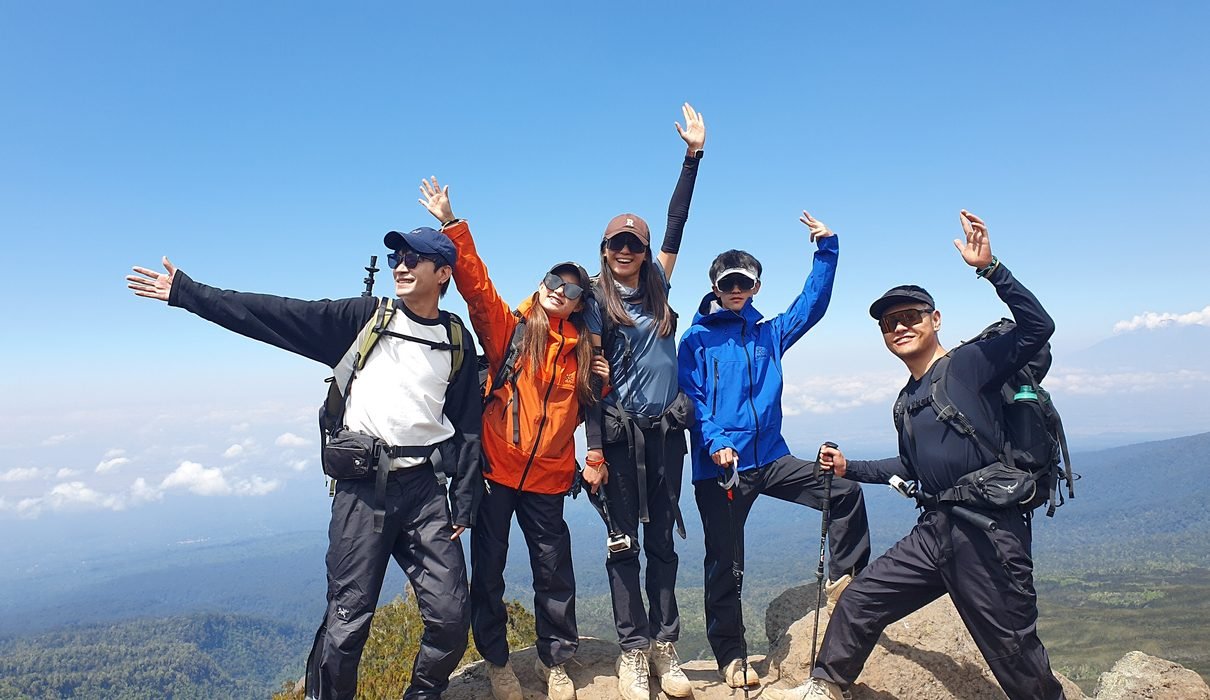
Tanzania offers travellers the opportunity to experience two very different adventures during one holiday: climbing Mount Kilimanjaro and exploring the country’s famous wildlife national parks. A Kilimanjaro safari in 2027 combines the challenge of trekking towards Africa’s highest summit with the excitement of watching lions, elephants, giraffes, zebras, and other wild animals in their natural habitats. For travellers who enjoy outdoor activities, photography, mountain scenery, and wildlife, this combination provides an excellent way to explore northern Tanzania.
Mount Kilimanjaro rises to 5,895 metres above sea level, making it the highest mountain in Africa. Located near Moshi in northern Tanzania, the mountain is internationally recognised for its distinctive volcanic peaks, changing vegetation zones, and high-altitude trekking routes. Although the summit is the main goal for many visitors, the surrounding region also provides access to important wildlife destinations, including Tarangire National Park, Serengeti National Park, Ngorongoro Crater, Lake Manyara National Park, and Arusha National Park.
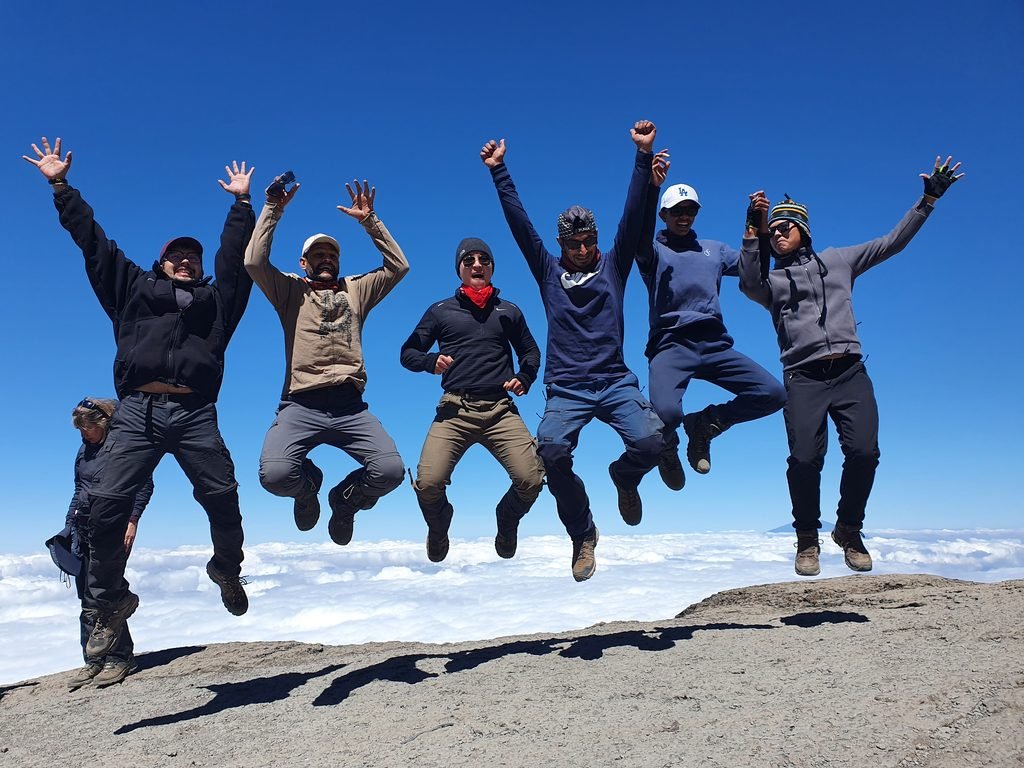
At Eddy Tours & Safaris, we arrange Kilimanjaro climbing expeditions and wildlife safari holidays for travellers visiting Tanzania. Our itineraries can combine several days of mountain trekking with professionally guided game drives, comfortable accommodation, and transport between destinations. Whether you are travelling alone, with friends, as a couple, or in a private group, a combined Kilimanjaro and safari holiday can be planned according to your available time, physical fitness, accommodation preferences, and travel budget.
This updated 2027 guide explains how Kilimanjaro climbing and Tanzania wildlife safaris work, the best routes and national parks to consider, suitable travel periods, accommodation options, estimated costs, and a detailed suggested itinerary for travellers interested in combining both experiences.
What Is a Kilimanjaro Safari in Tanzania?
A Kilimanjaro safari generally refers to a holiday that combines climbing or visiting Mount Kilimanjaro with wildlife viewing in Tanzania’s national parks. Unlike a traditional safari, where most activities take place inside a four-wheel-drive vehicle, a Kilimanjaro climbing expedition involves walking for several consecutive days through mountain forests, moorland, alpine desert, and high-altitude terrain.
The wildlife safari portion usually takes place after the mountain climb, allowing travellers to explore national parks while resting from the physical demands of trekking. Some visitors prefer to complete their safari first, particularly if they want additional time to adjust to Tanzania’s climate and travel schedule before beginning the mountain expedition. Both arrangements are possible, although adequate preparation and rest should be considered when planning the itinerary.
A combined trip normally begins in Arusha or Moshi, the two main towns used by visitors travelling to northern Tanzania. Moshi is particularly convenient for Kilimanjaro climbing departures, while Arusha is a major starting point for safaris to Tarangire, Serengeti, Lake Manyara, and Ngorongoro.
Travellers can explore the Kilimanjaro Group Climb Packages for 2027 to compare trekking arrangements before selecting a suitable wildlife safari extension.
Why Combine Mount Kilimanjaro Climbing With a Wildlife Safari in 2027?
Combining Kilimanjaro climbing with a Tanzania wildlife safari allows travellers to experience two different environments without organising separate international holidays. The mountain section involves physical activity, changing altitude, and the challenge of reaching Uhuru Peak, while the safari offers a slower pace and opportunities to observe wildlife from a comfortable vehicle.
Northern Tanzania is particularly suitable for this combination because the main Kilimanjaro climbing gates and several important national parks are accessible from Moshi and Arusha. After completing the mountain expedition, travellers can continue towards Tarangire, Ngorongoro, or Serengeti without returning to another country or making complicated travel arrangements.
The combination also provides greater variety in scenery. Kilimanjaro’s lower slopes contain montane forests, while the higher elevations feature open moorland, volcanic rock, and alpine conditions. In contrast, Serengeti is famous for its extensive grasslands, Tarangire for its baobab trees and elephants, and Ngorongoro for its volcanic crater and concentrated wildlife populations.
For travellers planning a longer holiday, this arrangement can be extended to include Zanzibar, where several days of beach accommodation provide time to relax before returning home.
Best Kilimanjaro Climbing Routes for 2027
Choosing a suitable climbing route is one of the most important decisions when planning a Kilimanjaro safari. The routes differ in duration, scenery, accommodation, physical demands, and opportunities for acclimatisation. Although standard trekking routes do not normally require technical mountaineering skills, climbing Kilimanjaro is physically demanding, and altitude sickness remains a serious concern.
Machame Route – A Popular Scenic Kilimanjaro Trek
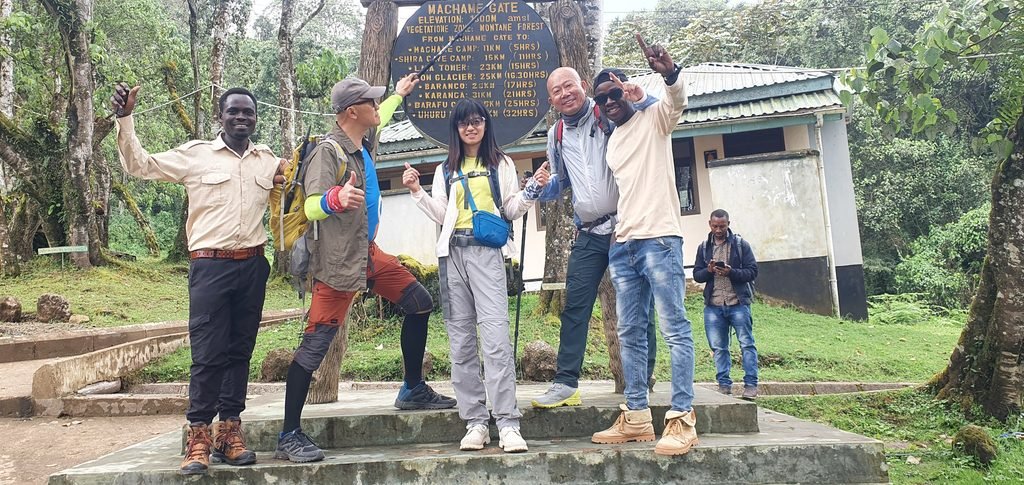
The Machame Route is among Kilimanjaro’s best-known trekking routes, offering varied scenery and a challenging approach to the summit. The route begins in the mountain’s rainforest zone before continuing through moorland, rocky landscapes, and high-altitude terrain. Climbers normally spend six or seven days completing the trek, although the seven-day option allows more time for acclimatisation.
One of the main attractions of Machame is the changing landscape encountered during the ascent. The trail passes through Shira Plateau, the Lava Tower area, Barranco Valley, and the Barranco Wall before continuing towards the upper camps and summit approach. These sections provide impressive mountain scenery but also require good physical preparation and careful pacing.
Travellers planning their 2027 adventure can explore the 7-Day Machame Route Kilimanjaro Climb or compare it with the 6-Day Machame Route itinerary. The longer option is generally preferable when sufficient travel time is available because it provides additional acclimatisation opportunities.
Lemosho Route – Best for Scenic Landscapes and Gradual Acclimatisation
The Lemosho Route approaches Kilimanjaro from the western side and is particularly attractive to travellers who want a scenic trek with more time to adjust to altitude. It normally takes seven or eight days, depending on the selected itinerary, and passes through forest, the Shira Plateau, and the mountain’s southern trekking circuit before reaching the summit approach.
Lemosho is often recommended to climbers who can dedicate additional days to the mountain. The longer itinerary provides more opportunities for gradual altitude adjustment, although it does not eliminate the risk of altitude sickness. Climbers still need to maintain a sensible pace, drink sufficient fluids, follow their guide’s instructions, and report symptoms promptly.
Visitors interested in this route can read the Lemosho Route Kilimanjaro Climbing Guide for more information about the route’s scenery and trekking stages.
Marangu Route – Kilimanjaro’s Hut Accommodation Route
The Marangu Route is distinctive because it uses mountain huts rather than the tented camping arrangements found on most other Kilimanjaro routes. It approaches the mountain from the southeastern side and generally takes five or six days, depending on the itinerary.
The route passes through rainforest, moorland, and higher mountain terrain before reaching the summit approach from Kibo Hut. Although Marangu is sometimes described as an easier route because of its established trail and hut accommodation, the high altitude and relatively short itineraries can make acclimatisation challenging.
A six-day Marangu climb is generally preferable to the shorter five-day option for travellers who want an additional acclimatisation day. However, route suitability should be considered individually, especially for people who have not previously trekked at high altitude.
Rongai Route – A Quieter Approach From Northern Kilimanjaro
The Rongai Route approaches Kilimanjaro from the northern side, close to the Kenyan border. It is often chosen by travellers who prefer a different approach to the mountain and a route that can be quieter than some of the more frequently used southern trails.
Rongai passes through woodland and increasingly open landscapes before reaching the higher mountain camps. Depending on the itinerary, climbers usually spend six or seven days on the mountain. The route offers views of Mawenzi Peak and other distinctive volcanic features.
As with other Kilimanjaro routes, the choice should depend on the available climbing days, personal fitness, acclimatisation profile, and advice from experienced mountain guides.
Best National Parks to Visit After Climbing Kilimanjaro
Serengeti National Park – Tanzania’s Famous Wildlife Destination
Serengeti National Park is one of Tanzania’s most recognised wildlife destinations and a major attraction for travellers combining Kilimanjaro climbing with a safari. The park contains extensive grasslands, river valleys, woodland, and rocky outcrops that support a wide variety of animals.
Visitors may encounter lions, leopards, cheetahs, elephants, giraffes, buffaloes, zebras, wildebeest, and numerous antelope species. The central Serengeti, particularly the Seronera area, provides opportunities for resident wildlife viewing throughout the year, while other regions become important during different stages of the Great Wildebeest Migration.
The migration is influenced by rainfall and grazing conditions, and the main herds move through different parts of the ecosystem over the course of the year. Travellers visiting in 2027 should select their safari dates and destinations according to the type of wildlife experience they are hoping to have rather than assuming that river crossings or large migrating herds will be visible everywhere.
For travellers interested in a combined mountain and Serengeti holiday, our 10-Day Kilimanjaro Climb and Serengeti Safari Package provides a useful starting point for planning.
Ngorongoro Crater – Excellent Wildlife Viewing in a Volcanic Landscape
Ngorongoro Crater is another important destination for visitors travelling through northern Tanzania. The crater is part of the Ngorongoro Conservation Area and contains grasslands, woodland, wetlands, and open areas that support a substantial population of resident wildlife.
A typical Ngorongoro visit involves descending into the crater in a four-wheel-drive safari vehicle and following designated game-drive tracks. Visitors may encounter lions, elephants, buffaloes, zebras, wildebeest, hippos, spotted hyenas, and several species of antelope. The crater also supports endangered black rhinoceroses, although these animals can be difficult to locate.
Ngorongoro is particularly suitable for travellers who have limited safari time after climbing Kilimanjaro because a well-planned visit can provide rewarding wildlife viewing within one day. However, the journey from Moshi or Arusha and the applicable park procedures must be considered when arranging the schedule.
Tarangire National Park – Elephants, Baobab Trees and Seasonal Wildlife
Tarangire National Park is located southwest of Arusha and is especially well known for its elephants, large baobab trees, and seasonal wildlife movements. The park’s landscapes include woodland, grassland, riverine habitats, and open areas where animals gather during different periods of the year.
During the dry season, particularly from approximately June to October, elephants and other wildlife often concentrate around the Tarangire River and remaining water sources. Visitors may also encounter giraffes, zebras, buffaloes, lions, and numerous bird species.
Tarangire is a practical destination for travellers who want to begin their wildlife safari after completing Kilimanjaro because it can be reached from Arusha without requiring an immediate long transfer to Serengeti.
Lake Manyara National Park – Forest Wildlife and Rift Valley Scenery
Lake Manyara National Park lies beneath the Great Rift Valley escarpment and offers a different wildlife environment from the open plains of Serengeti. The park contains groundwater forest, woodland, grassland, and lake-edge habitats, making it particularly interesting for visitors who enjoy varied landscapes and birdwatching.
Elephants, baboons, giraffes, buffaloes, and different antelope species may be observed during game drives. The park is also associated with tree-climbing lions, although sightings are not guaranteed.
Lake Manyara can be included in a longer northern circuit safari or visited as part of a shorter itinerary combining Tarangire and Ngorongoro.
Arusha National Park – A Convenient Wildlife Destination Near Kilimanjaro
Arusha National Park is another suitable option for travellers who have limited time before or after climbing Kilimanjaro. Located near Arusha, the park includes forested areas, the Momella Lakes, and Mount Meru, Tanzania’s second-highest mountain.
Wildlife found in the park includes giraffes, buffaloes, zebras, colobus monkeys, and numerous bird species. Unlike Serengeti, Arusha National Park is not primarily known for large predator sightings, but its scenery and variety of habitats make it a worthwhile destination.
Visitors may be able to arrange authorised walking safaris with appropriate park guides, offering a different perspective from vehicle-based wildlife viewing.
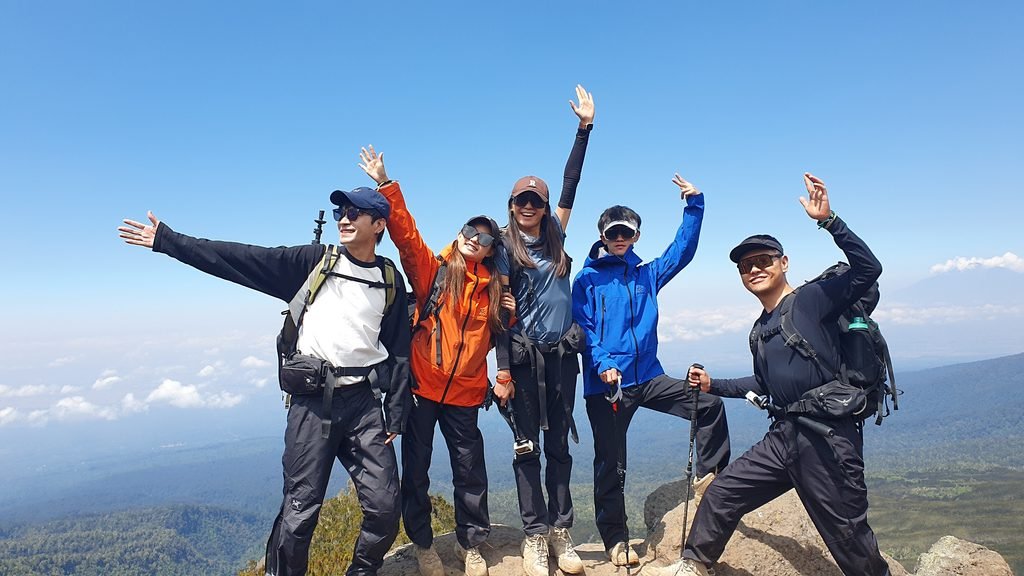
Suggested 12-Day Kilimanjaro Climbing and Tanzania Safari Itinerary for 2027
The following itinerary combines a seven-day Machame Route trek with a four-day wildlife safari and one recovery day. It is a suggested twelve-day activity programme beginning in Moshi and ending in Arusha. International arrival and departure days, and any additional hotel nights, should be arranged separately.
Day 1: Machame Gate to Machame Camp – Beginning the Kilimanjaro Climb
Your adventure begins with collection from your hotel in Moshi or Arusha and a transfer to Machame Gate, where the mountain team completes registration and prepares the equipment. After meeting your guides, cooks, and porters, you begin walking through Kilimanjaro’s rainforest zone.
The lower mountain is often humid, and the trail can be muddy, particularly following rainfall. The forest contains tall trees, dense vegetation, and various bird species. Colobus monkeys and other wildlife may occasionally be observed, although sightings are not guaranteed.
The walk to Machame Camp normally takes several hours, depending on trail conditions and the pace of the group. Upon arrival, the mountain crew prepares dinner and camping arrangements while your guide explains the following day’s route.
Accommodation: Machame Camp
Meals: Lunch and dinner
Activity: Mountain trekking
Day 2: Machame Camp to Shira Camp – Entering the Moorland Zone
After breakfast, you continue uphill through changing vegetation as the rainforest gradually gives way to moorland and more open mountain scenery. The trail becomes steeper in sections, with rocky paths and views across the lower slopes when weather conditions are clear.
As you gain altitude, the walking pace becomes increasingly important. Your guide will encourage steady movement and regular rest breaks to help the group manage the physical demands of the climb.
The day’s destination is Shira Camp, located in an exposed mountain environment where temperatures can become considerably colder after sunset. Dinner is prepared at camp, followed by rest before the next trekking stage.
Accommodation: Shira Camp
Meals: Breakfast, lunch, and dinner
Activity: Mountain trekking and acclimatisation
Day 3: Shira Camp to Barranco Camp via Lava Tower
The third day is an important stage of the Machame Route because it involves trekking towards the Lava Tower area before descending to Barranco Camp. This pattern of reaching a higher elevation during the day and sleeping lower can support acclimatisation, although it does not remove the risk of altitude illness.
The landscape becomes increasingly rocky, with less vegetation and more exposed terrain. Climbers may experience the effects of altitude, including fatigue, headaches, or reduced appetite, and should report symptoms to their guide rather than ignoring them.
After reaching the Lava Tower area, the route descends towards Barranco Valley, where the surrounding cliffs and unusual high-altitude vegetation create a distinctive landscape. The group spends the evening at Barranco Camp.
Accommodation: Barranco Camp
Meals: Breakfast, lunch, and dinner
Activity: High-altitude trekking and acclimatisation
Day 4: Barranco Camp to Karanga Camp – Crossing the Barranco Wall
The day begins with the ascent of the Barranco Wall, one of the most recognisable sections of the Machame Route. Although this section normally does not require technical climbing equipment, some parts involve scrambling over rocky terrain using hands for balance.
Your mountain guides will assist the group through the more demanding sections and maintain a suitable pace. After crossing the wall, the trail continues through valleys and rocky slopes towards Karanga Camp.
The shorter trekking distance on this day allows additional time for rest and acclimatisation before moving towards the higher camps. Travellers should continue drinking sufficient fluids, eating properly, and following the guidance of the mountain team.
Accommodation: Karanga Camp
Meals: Breakfast, lunch, and dinner
Activity: Mountain trekking
Day 5: Karanga Camp to Barafu Camp – Preparing for Summit Night
After breakfast, the group continues towards Barafu Camp, one of the main high-altitude camps used before the final summit attempt. The terrain becomes more exposed, with rocky paths and limited vegetation.
Upon reaching camp, the mountain team prepares meals and sleeping arrangements while the guide conducts a briefing about the summit attempt. Climbers are advised to organise their warm clothing, headlamps, drinking water, snacks, and other essential equipment before resting.
The summit ascent usually begins late at night or shortly after midnight, depending on the group’s condition and the guide’s assessment of the weather.
Accommodation: Barafu Camp
Meals: Breakfast, lunch, and dinner
Activity: Trekking and summit preparation
Day 6: Barafu Camp to Uhuru Peak and Mweka Camp – Kilimanjaro Summit Attempt
Summit day is normally the most physically demanding part of the Kilimanjaro climb. The group begins ascending in darkness, moving slowly over steep, loose volcanic terrain towards Stella Point and, if conditions allow, Uhuru Peak.
At 5,895 metres above sea level, Uhuru Peak is the highest point on Mount Kilimanjaro and the African continent. Reaching the summit depends on weather, physical condition, acclimatisation, and the guide’s safety assessment. The summit is never guaranteed, and turning back may be necessary if a climber develops concerning altitude-related symptoms.
After the summit attempt, the group descends towards Barafu Camp before continuing to Mweka Camp at a lower elevation. The descent can be tiring, particularly after many hours of walking, so climbers should maintain a careful pace.
Accommodation: Mweka Camp
Meals: Breakfast, lunch, and dinner
Activity: Summit attempt and descent
Day 7: Mweka Camp to Mweka Gate – Completing the Mountain Expedition
After breakfast, you continue descending through the mountain’s forest zone towards Mweka Gate. The lower trail may be wet or muddy, depending on recent rainfall, and trekking poles can be helpful.
At the gate, the mountain team completes the departure procedures, and eligible climbers receive certificates according to the highest recognised point reached. You then travel by vehicle to your hotel in Moshi or Arusha.
The remainder of the day is available for rest, showering, and recovering from the physical demands of the climb.
Accommodation: Hotel in Moshi or Arusha
Meals: Breakfast and lunch during the trek
Activity: Final descent and transfer
Day 8: Rest and Recovery in Moshi or Arusha
After completing Kilimanjaro, a recovery day provides time to rest before beginning the wildlife safari. Climbing involves several consecutive days of walking, and travellers may experience muscle soreness, tiredness, and disrupted sleep after returning from the mountain.
The day can be spent relaxing at the hotel, organising personal belongings, and preparing for the safari. Travellers who feel well may choose to explore the town or enjoy a short optional excursion, although rest should remain the priority.
Your safari guide or representative can also provide a briefing about the national parks, accommodation arrangements, and departure schedule for the following morning.
Accommodation: Hotel in Moshi or Arusha
Meals: According to the confirmed hotel arrangement
Activity: Rest and safari preparation
Day 9: Arusha to Tarangire National Park – First Wildlife Game Drive
Your wildlife safari begins with a drive from Arusha towards Tarangire National Park. The journey normally takes approximately two to three hours, depending on traffic, road conditions, and your starting location.
After completing the park entry procedures, you begin exploring Tarangire’s woodland, grassland, and river habitats. The park is particularly well known for elephants, and visitors may encounter herds moving between feeding areas and water sources.
Other animals commonly found in the park include giraffes, zebras, buffaloes, wildebeest, and several antelope species. Lions and leopards also occur in Tarangire, although sightings depend on their movements and the conditions during the visit.
After the afternoon game drive, you continue to your accommodation near Tarangire, Mto wa Mbu, or Karatu.
Accommodation: Budget or mid-range safari lodge or campsite
Meals: Breakfast, lunch, and dinner
Activity: Tarangire game drive
Day 10: Tarangire Area to Serengeti National Park – Journey to the Open Plains
After breakfast, you travel towards Serengeti National Park through the Ngorongoro highlands. The journey involves several hours of driving, but the changing landscapes provide views of rural communities, highland scenery, and open plains.
As you approach Serengeti, the environment becomes increasingly open, with grasslands and scattered rocky outcrops providing habitat for different wildlife species.
Your guide begins searching for animals as you enter the park and continue towards the central Serengeti. Depending on the season, you may encounter wildebeest, zebras, giraffes, elephants, lions, hyenas, and other wildlife.
In the late afternoon, you proceed to your selected campsite or lodge for dinner and overnight accommodation.
Accommodation: Serengeti campsite or safari lodge
Meals: Breakfast, lunch, and dinner
Activity: Transfer and afternoon game drive
Day 11: Serengeti National Park to Ngorongoro Highlands – Morning Wildlife Viewing
The day begins with an early game drive in Serengeti National Park, allowing another opportunity to search for predators and grazing mammals. Early morning conditions can be favourable for wildlife observation because temperatures are generally cooler.
Your guide may explore areas around the Seronera Valley or other suitable habitats before beginning the journey towards Ngorongoro.
The afternoon transfer takes you through the conservation area and towards the highlands, where the landscape becomes greener and temperatures may be cooler.
You arrive at your selected accommodation near the crater rim or in Karatu, where dinner is served and you prepare for the final day’s wildlife excursion.
Accommodation: Ngorongoro or Karatu lodge or campsite
Meals: Breakfast, lunch, and dinner
Activity: Serengeti game drive and transfer
Day 12: Ngorongoro Crater Game Drive and Return to Arusha
The final day begins with breakfast and a transfer to the Ngorongoro Crater descent road. After completing the necessary procedures, you descend into the caldera for a wildlife game drive.
The crater contains grasslands, wetlands, woodland, and open areas that support lions, elephants, buffaloes, zebras, wildebeest, hippos, and numerous bird species. Black rhinoceroses also occur in the crater, although sightings are never guaranteed.
After enjoying a picnic lunch at an authorised location, you continue your game drive within the permitted visit period before ascending to the crater rim.
The journey then continues to Arusha, where your combined Kilimanjaro climbing and Tanzania safari adventure comes to an end.
Accommodation: Not included after the safari
Meals: Breakfast and lunch
Activity: Ngorongoro Crater game drive and return transfer
What Is Included in the 2027 Kilimanjaro Climbing and Safari Package?
The proposed combined package can include the following services, subject to confirmation in the final quotation:
- Professional Kilimanjaro mountain guides.
- Mountain porters, cooks, and required support crew.
- Kilimanjaro National Park entrance and applicable camping fees.
- Mountain camping equipment, including tents and sleeping mattresses.
- Meals during the mountain expedition.
- Drinking water arrangements during the climb.
- Transport to the mountain starting gate and return transfer after the trek.
- Mountain safety briefings and guide-led health monitoring.
- Accommodation for the scheduled recovery day.
- Professional English-speaking safari driver-guide.
- Transport in a 4×4 safari vehicle with a pop-up roof.
- Scheduled wildlife game drives in Tarangire, Serengeti, and Ngorongoro.
- National park and applicable Ngorongoro Conservation Area fees.
- Safari accommodation as specified in the itinerary.
- Meals during the safari as indicated in the daily programme.
- Drinking water during scheduled game drives.
- Transfers between Moshi, Arusha, and the included safari destinations.
- Applicable government taxes on the confirmed services.
What Is Excluded From the 2027 Kilimanjaro Climbing and Safari Package?
Unless specifically included in the confirmed quotation, the following expenses are normally excluded:
- International and domestic flights.
- Tanzania visa fees.
- Travel insurance, medical insurance, and emergency evacuation insurance.
- Personal mountain clothing, trekking boots, and hiking equipment.
- Sleeping bags and personal equipment rental.
- Tips for mountain guides, porters, cooks, and safari guides.
- Alcoholic beverages and additional drinks.
- Personal expenses, including laundry, shopping, and telephone calls.
- Optional cultural visits and additional excursions.
- Serengeti hot-air balloon safaris.
- Additional hotel accommodation outside the confirmed itinerary.
- Airport transfers not specifically included in the quotation.
- Services or activities not listed in the confirmed package.
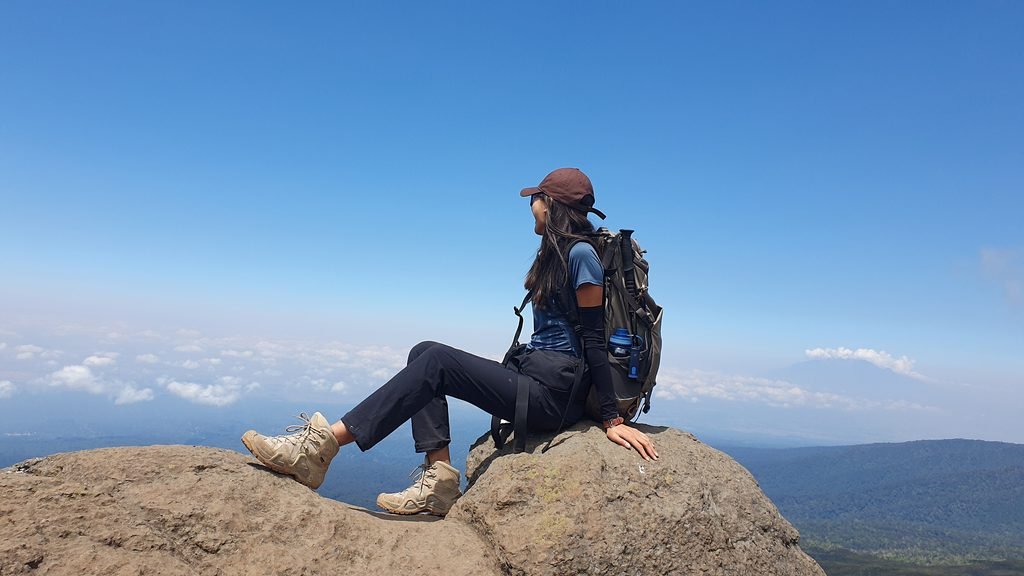
How Much Does a Kilimanjaro Climbing and Safari Package Cost in 2027?
The cost of a Kilimanjaro climbing and wildlife safari holiday depends on the climbing route, number of mountain days, group size, safari duration, accommodation category, and travel season.
A combined holiday involves several major expenses, including mountain park fees, support crew wages, food, camping equipment, safari transport, accommodation, and national park entrance fees. Private arrangements generally cost more per person than group departures because some operating expenses are shared among fewer travellers.
For preliminary budgeting, a combined twelve-day climbing and safari programme may require approximately USD 3,000–5,500 or more per person, depending on the services and accommodation selected. This is an illustrative planning estimate, not a confirmed Eddy Tours & Safaris price for 2027.
Travellers should request a written quotation that identifies all included services, the number of accommodation nights, park fees, transfers, and any optional activities before making payment.
Best Time for Kilimanjaro Climbing and Wildlife Safaris in 2027
The best time to combine Kilimanjaro climbing and wildlife viewing depends on mountain weather, safari conditions, and personal travel preferences.
January to March can provide suitable trekking conditions on Kilimanjaro, although weather varies and rainfall is possible. During this period, the southern Serengeti ecosystem is also important for the wildebeest calving season, making it attractive to travellers interested in both climbing and wildlife.
June to October is another popular period for Kilimanjaro trekking because conditions are often relatively dry. These months also coincide with favourable wildlife viewing in several northern Tanzania parks, particularly Tarangire, where animals may gather around remaining water sources.
April and May are generally associated with heavier rainfall on Kilimanjaro and in parts of northern Tanzania. Trekking trails can become slippery, and some safari roads may be more difficult to use. November can also bring seasonal rainfall, although conditions vary from year to year.
Travellers planning their 2027 trip should allow some flexibility and avoid assuming that particular weather conditions or wildlife sightings will occur on fixed dates.
How Difficult Is Mount Kilimanjaro Climbing?
Mount Kilimanjaro does not normally require technical climbing skills on the standard trekking routes, but reaching the summit is physically demanding. Climbers spend several days walking at increasing altitude, often on steep, rocky, or uneven terrain.
Altitude is one of the main challenges. As elevation increases, the available oxygen decreases, and some climbers develop symptoms of acute mountain sickness. These may include headaches, nausea, dizziness, fatigue, and difficulty sleeping. More serious altitude illnesses can develop and require immediate descent and medical attention.
Choosing a longer route, maintaining a sensible pace, preparing physically, and following the mountain guide’s instructions are important parts of planning. However, good fitness does not guarantee protection from altitude sickness, and no climbing company should promise a successful summit.
Travellers can read additional preparation information through Kilimanjaro Climb Specialist before selecting a climbing itinerary.
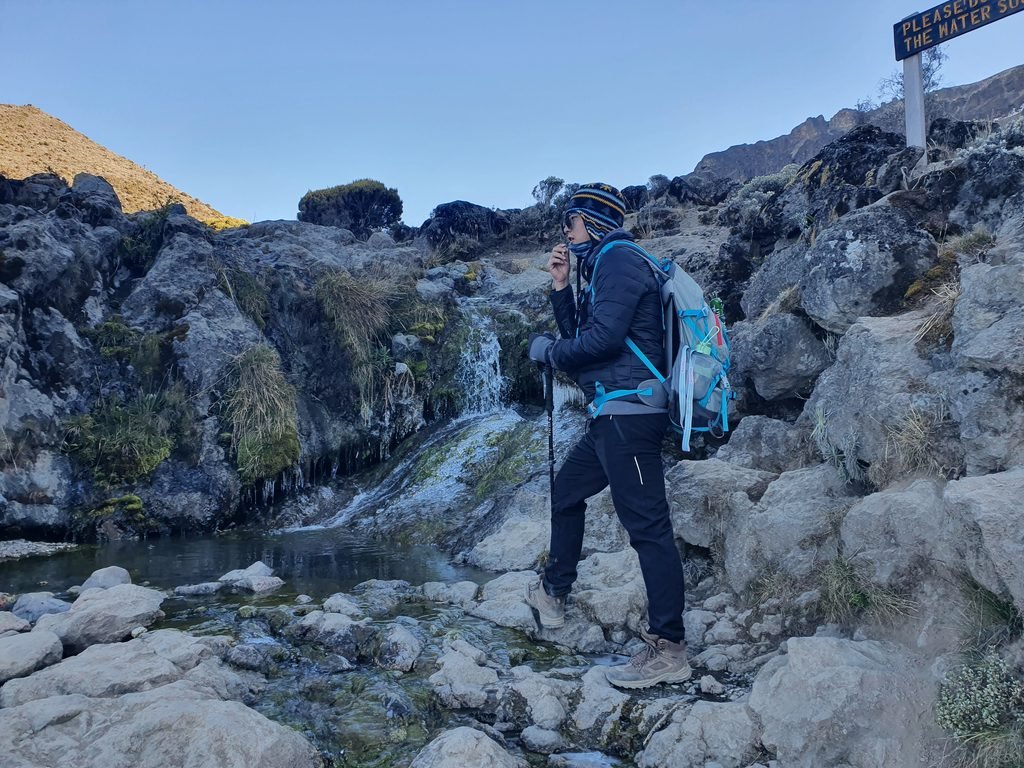
What Should You Pack for a Kilimanjaro Safari in 2027?
Packing for a combined mountain and wildlife holiday requires preparation for very different conditions. Kilimanjaro can be cold, wet, and windy at higher elevations, while safari destinations such as Tarangire and Serengeti may be warm during the day.
For the mountain expedition, travellers should bring suitable trekking boots, thermal clothing, waterproof outer layers, warm gloves, a hat, trekking socks, a headlamp, and an appropriate sleeping bag. A comfortable daypack is also important for carrying drinking water, snacks, rain protection, and personal essentials.
For the safari, lightweight clothing, comfortable shoes, sunscreen, insect repellent, binoculars, and a camera are useful. Neutral-coloured clothing is practical for game drives, although specialised safari clothing is not essential.
Personal medication, travel documents, and insurance details should be kept accessible throughout the journey. Climbers should also discuss altitude-related health concerns with a qualified medical professional before departure.
Can Beginners Combine Kilimanjaro Climbing With a Safari?
Yes, beginners can plan a Kilimanjaro climbing and safari holiday, provided they understand the physical demands of the mountain and prepare appropriately. Previous technical mountaineering experience is not generally required for standard trekking routes, but regular walking, hiking, and cardiovascular training can help improve physical readiness.
Beginners should consider longer routes that provide more acclimatisation time, such as a seven-day Machame itinerary or an eight-day Lemosho itinerary. A shorter climb may reduce the overall holiday duration but can also provide fewer opportunities to adjust to altitude.
The wildlife safari portion is generally less physically demanding because most wildlife viewing takes place inside a vehicle. This makes it a suitable activity after the mountain expedition, although an additional recovery day may be beneficial.
Why Book Your 2027 Kilimanjaro Safari With Eddy Tours & Safaris?
Eddy Tours & Safaris is a local tour company based in Arusha, Tanzania, arranging Kilimanjaro climbing trips, wildlife safaris, and other travel experiences. Our team assists visitors with selecting suitable routes, planning travel schedules, arranging accommodation, and coordinating transport between destinations.
We understand that a Kilimanjaro climbing holiday requires different preparations from a traditional wildlife safari. Mountain trekking involves physical fitness, altitude considerations, appropriate equipment, and experienced support, while safari planning focuses on travel distances, national park conditions, wildlife interests, and accommodation preferences.
By combining these activities into one itinerary, travellers can organise their holiday through a single travel plan while selecting the climbing route and safari destinations that best match their interests.
Our 10-Day Kilimanjaro Climb and Serengeti Safari Package is another option for travellers with limited time, while longer itineraries can include additional acclimatisation, recovery days, and wildlife destinations.
Frequently Asked Questions About Kilimanjaro Safari 2027
Can I Climb Kilimanjaro and Visit Serengeti in the Same Holiday?
Yes, Mount Kilimanjaro and Serengeti National Park can be combined in one holiday. Most travellers begin the mountain expedition from Moshi or Arusha before continuing to Serengeti by road or domestic flight. A combined itinerary normally requires at least ten to fourteen days, depending on the climbing route, safari duration, and additional rest days.
Is Kilimanjaro Located Inside Serengeti National Park?
No. Mount Kilimanjaro is located in northeastern Tanzania near Moshi, while Serengeti National Park lies farther west in northern Tanzania. They are separate protected areas, and travelling between them requires road transport or suitable flight connections.
Can I See Wildlife While Climbing Mount Kilimanjaro?
Kilimanjaro National Park supports wildlife, particularly in its lower forest zones. Monkeys, birds, and other animals may occasionally be observed during trekking, but Kilimanjaro climbing is primarily a mountain experience rather than a traditional game-viewing safari. Travellers interested in lions, elephants, giraffes, and large herds should include national parks such as Serengeti, Tarangire, or Ngorongoro in their itinerary.
Which Kilimanjaro Route Is Best for Beginners in 2027?
Seven-day Machame and eight-day Lemosho itineraries are commonly considered suitable options for well-prepared beginners because they provide more time for acclimatisation than shorter climbs. However, route selection should take account of fitness, previous hiking experience, available time, and medical considerations.
Can I Visit Zanzibar After My Kilimanjaro Safari?
Yes, Zanzibar can be added after the mountain and wildlife portions of the holiday. Travellers can arrange domestic flights to Zanzibar and spend several days relaxing at the beach, visiting Stone Town, or participating in optional coastal excursions. The additional accommodation, flights, and transfers should be included in a separate quotation.
Is a Kilimanjaro Summit Guaranteed?
No. Reaching Uhuru Peak depends on several factors, including altitude acclimatisation, physical condition, weather, and the guide’s safety assessment. The mountain team’s priority should always be climber safety, and descent may be necessary if altitude-related symptoms or other concerns develop.
How Early Should I Book My Kilimanjaro Safari for 2027?
Booking several months in advance is advisable, particularly for popular climbing periods and busy safari seasons. Advance planning allows more time to select suitable accommodation, prepare equipment, arrange flights, and complete physical training. Travellers should confirm their departure dates and package availability before purchasing non-refundable international tickets.
Plan Your Kilimanjaro Climbing and Tanzania Safari Adventure for 2027
A Kilimanjaro safari combines two of Tanzania’s most interesting travel experiences: trekking through the mountain’s changing landscapes and exploring national parks where wildlife continues to live and move naturally. The journey can include the challenge of climbing towards Uhuru Peak, the open plains of Serengeti, elephant viewing in Tarangire, and a game drive inside Ngorongoro Crater.
Whether you are interested in a shorter climbing and safari combination or a longer holiday with additional acclimatisation and wildlife viewing days, the itinerary can be arranged according to your available time and travel preferences.
Contact Eddy Tours & Safaris
Location: Arusha, Tanzania
Website: https://eddytours-safaris.com/
Email: sales@eddytours-safaris.com
Alternative email: eddytoursandsafaris@gmail.com
Contact our team to request a detailed 2027 Kilimanjaro climbing and Tanzania safari itinerary, including accommodation options, transport arrangements, mountain support services, wildlife destinations, and an updated quotation.