
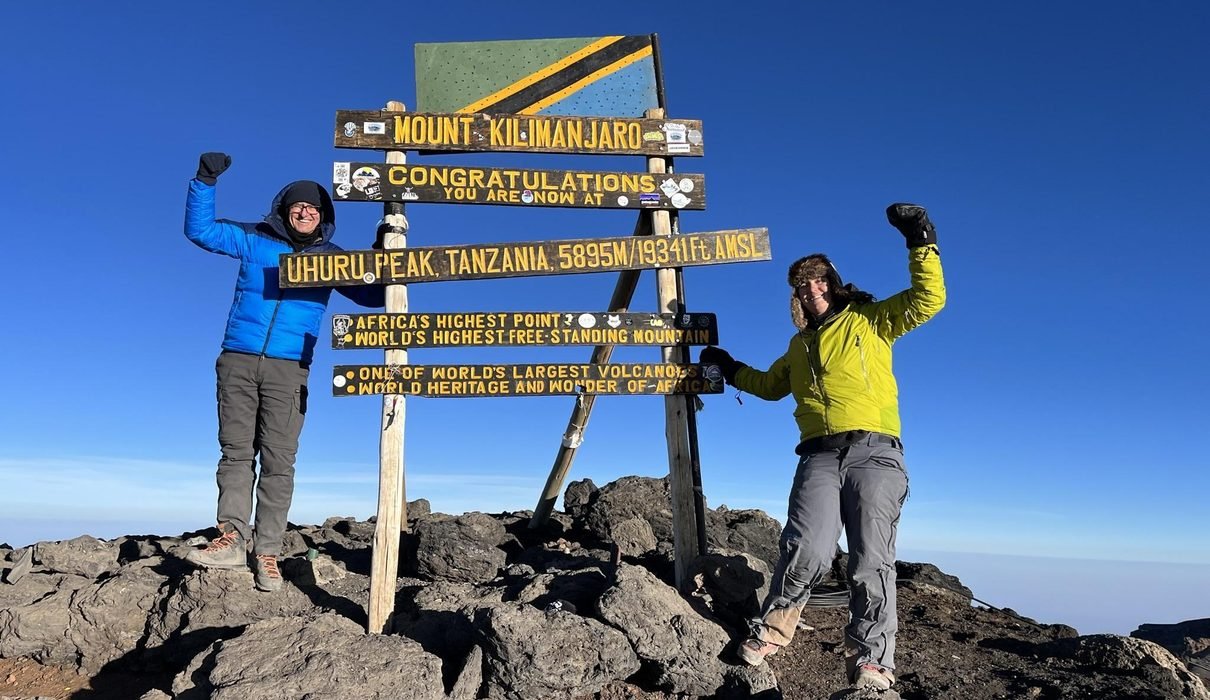
Are you planning to climb Mount Kilimanjaro in 2027 or 2028? The 6-Day Machame Route Kilimanjaro Group Trek is a popular option for travellers who want to reach Africa’s highest mountain while sharing the experience with other climbers. This route offers beautiful scenery, professional mountain support, and an opportunity to stand at Uhuru Peak, 5,895 metres above sea level. Known as the Whiskey Route, Machame takes climbers through tropical rainforest, open moorland, rocky alpine desert, and the cold summit zone. It is one of Kilimanjaro’s most scenic climbing routes and is suitable for physically prepared hikers who understand the challenges of trekking at high altitude.
At Eddy Tours & Safaris, a local tour company in Arusha, Tanzania, we help travellers organize Kilimanjaro climbing trips, including group and private trekking arrangements. Whether you are travelling alone, with friends, or as a couple, our team can help you plan your climb and choose a suitable departure. This updated 2027/2028 guide covers the complete six-day Machame itinerary, climbing difficulty, estimated costs, accommodation, equipment, weather, altitude safety, and how to arrange your Kilimanjaro group trek.
Why Choose the 6-Day Machame Route for Kilimanjaro?
The Machame Route approaches Mount Kilimanjaro from the southwest and follows a scenic trail through several different vegetation zones. Climbers ascend through the Machame trail and descend through the Mweka Route, providing a different experience on the return journey. The six-day itinerary is particularly attractive to travellers who have limited holiday time but still want to experience Kilimanjaro’s famous landscapes.
One of the main advantages of the route is its scenery. During the climb, you will cross the Shira Plateau, walk near Lava Tower, climb the Barranco Wall, and enjoy views of Kibo before attempting the summit. However, the six-day Machame Route is more demanding than the seven-day option because it allows less time for acclimatization. The shorter schedule combines the walk from Barranco to Karanga and Barafu into one day. For travellers with additional time, the seven-day Machame Route is generally a better choice for altitude adjustment.
6-Day Kilimanjaro Machame Group Trek Overview
| Trek information | Details |
|---|---|
| Destination | Mount Kilimanjaro, Tanzania |
| Route | Machame Route |
| Duration | 6 days, 5 nights |
| Maximum elevation | 5,895 metres |
| Summit | Uhuru Peak |
| Starting point | Machame Gate |
| Finishing point | Mweka Gate |
| Accommodation | Camping in mountain tents |
| Difficulty | Challenging |
| Approximate trekking distance | 60–65 kilometres |
| Recommended experience | Good fitness and hiking preparation |
| Travel years | 2027 and 2028 |
| Tour arrangement | Group joining or private climbing |
The Tanzania National Parks Authority confirms that Mount Kilimanjaro reaches 5,895 metres and that summit climbs normally take several days, depending on the route selected.
Complete 6-Day Machame Route Kilimanjaro Itinerary 2027/2028
Day 1: Machame Gate to Machame Camp
Starting altitude: Approximately 1,800 metres
Finishing altitude: Approximately 2,835–3,000 metres
Hiking distance: 11 kilometres
Walking time: 5–7 hours
Accommodation: Machame Camp
Your Kilimanjaro adventure begins with a morning transfer from your accommodation in Moshi or Arusha to Machame Gate. After arriving at the entrance, your mountain guide completes registration while the porters organize camping equipment, food, and other supplies. Once everything is ready, you begin walking through Kilimanjaro’s tropical rainforest. The trail is surrounded by tall trees, ferns, and dense vegetation. You may occasionally see monkeys or different bird species along the way.
The forest section can be wet and muddy, especially after rainfall. Waterproof hiking boots and trekking poles are useful. Your guide will encourage the group to maintain a slow and comfortable walking pace. Walking slowly is important throughout the climb because your body needs time to adjust as you gain altitude. By late afternoon, you arrive at Machame Camp, where dinner is prepared and you spend your first night in mountain tents.
Day 2: Machame Camp to Shira Camp
Starting altitude: Approximately 2,835–3,000 metres
Finishing altitude: Approximately 3,750–3,840 metres
Hiking distance: 5 kilometres
Walking time: 4–6 hours
Accommodation: Shira Camp
After breakfast, you leave Machame Camp and continue climbing toward the Shira Plateau. The trail gradually changes from rainforest to moorland, with fewer trees and more open views of the surrounding mountains. Although the distance is shorter than the first day, some sections are steep and rocky. You will need to walk carefully while maintaining a steady pace.
As you climb higher, the scenery becomes more impressive. On clear days, you can see Mount Meru in the distance and the upper slopes of Kilimanjaro. You eventually reach Shira Camp, where the crew prepares your tents and evening meal. This is an important night because you will be sleeping at a considerably higher altitude than the previous evening.
Day 3: Shira Camp to Lava Tower and Barranco Camp
Starting altitude: Approximately 3,750–3,840 metres
Highest point: Lava Tower, approximately 4,630 metres
Sleeping altitude: Approximately 3,900–3,960 metres
Hiking distance: 10 kilometres
Walking time: 6–8 hours
Accommodation: Barranco Camp
Day three is one of the most important acclimatization days of the Machame Route. After breakfast, you begin walking across the rocky landscape toward Lava Tower, a volcanic formation situated at approximately 4,630 metres. The route becomes more exposed, with limited vegetation and cooler temperatures. You may notice that walking requires more effort as the air becomes thinner. After reaching the Lava Tower area, you descend toward Barranco Camp. This section follows the principle of climbing high and sleeping lower, which can help the body adapt to altitude.
Along the descent, you pass unusual mountain vegetation, including giant groundsels that grow in Kilimanjaro’s high-altitude environment. Barranco Camp sits below the famous Barranco Wall and offers impressive views of the surrounding valleys. You will have dinner and rest in preparation for the following day’s demanding walk.
Day 4: Barranco Camp to Barafu Camp via Karanga
Starting altitude: Approximately 3,900 metres
Finishing altitude: Approximately 4,673 metres
Hiking distance: 9 kilometres
Walking time: 7–10 hours
Accommodation: Barafu Camp
The fourth day is particularly demanding because the six-day Machame itinerary combines two sections normally separated on the seven-day route. After breakfast, you begin climbing the Barranco Wall. Although the wall appears steep, it is generally manageable with the assistance of experienced mountain guides. Some sections require using your hands for balance while moving over rocks. After reaching the top, you continue across ridges and valleys toward Karanga. You will normally stop for lunch or a short rest before continuing uphill toward Barafu Camp. The landscape becomes increasingly dry and rocky as you approach the summit base camp.
Once you arrive at Barafu, the mountain crew prepares your evening meal while your guide explains the summit plan. You should organize your warm clothing, headlamp, gloves, drinking water, and snacks before resting.The summit attempt usually begins late at night, leaving only a few hours for sleep.
Day 5: Barafu Camp to Uhuru Peak and Mweka Camp
Starting altitude: Approximately 4,673 metres
Summit altitude: 5,895 metres
Finishing altitude: Approximately 3,100 metres
Hiking distance: Approximately 17 kilometres
Walking time: 12–16 hours or longer
Accommodation: Mweka Camp
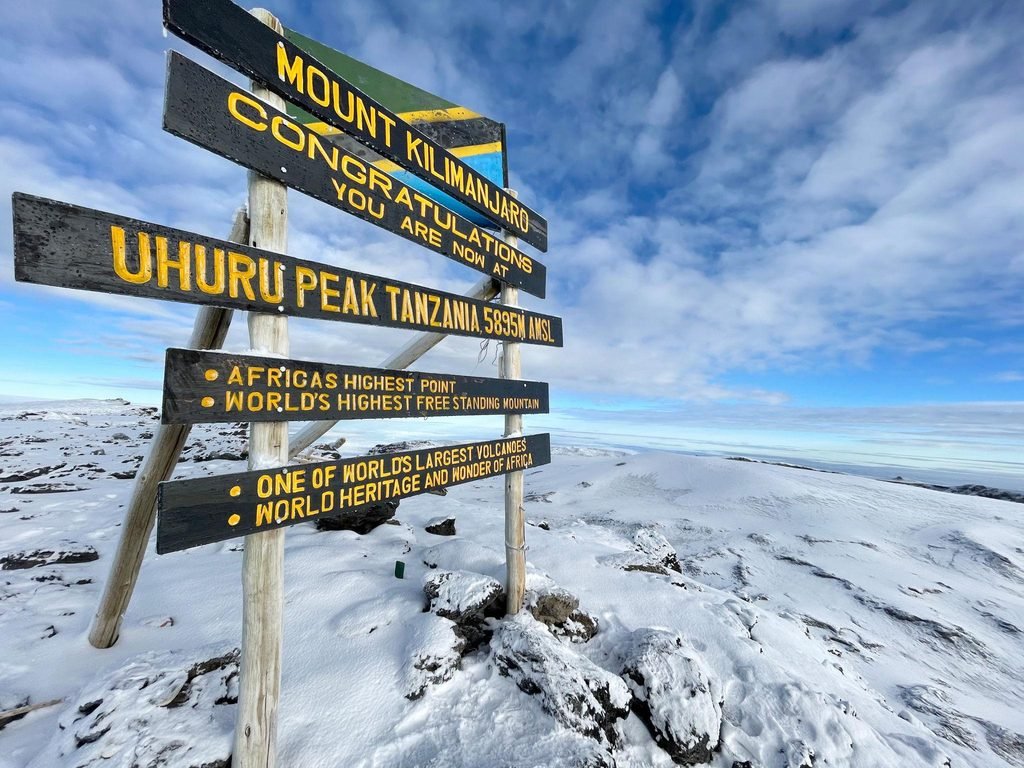
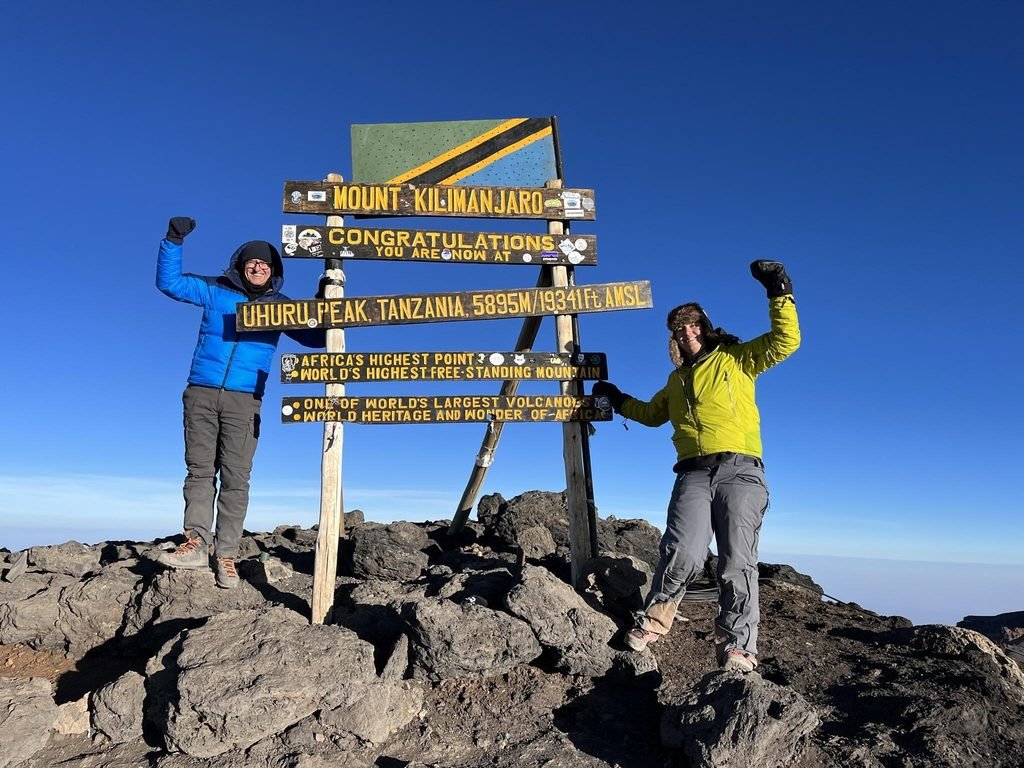
This is the most challenging day of your Kilimanjaro climb. The summit attempt usually begins around midnight, depending on the group’s condition and the mountain guide’s assessment. You will walk slowly through the darkness, following a steep trail toward Stella Point. Temperatures can fall well below freezing, and strong winds may make conditions more difficult. The thin air at this altitude means that even simple movements require more effort. After several hours of climbing, you reach Stella Point on the crater rim at approximately 5,756 metres. From there, the route continues toward Uhuru Peak. At 5,895 metres, Uhuru Peak is the highest point in Africa and the main destination of your six-day Machame adventure. If weather and your physical condition allow, you will have a short opportunity to take photographs before beginning the descent. You return toward Barafu Camp for a rest and then continue down to Mweka Camp. The descent is long and tiring, particularly after the overnight summit climb. At Mweka Camp, you enjoy dinner and spend your final night on Kilimanjaro.
Day 6: Mweka Camp to Mweka Gate
Starting altitude: Approximately 3,100 metres
Finishing altitude: Approximately 1,640 metres
Hiking distance: 10 kilometres
Walking time: 3–4 hours
After breakfast, you begin your final descent through the rainforest. The trail becomes greener as you lose altitude, and the temperature gradually becomes warmer. Although the walking is easier than the summit climb, some sections can be slippery, particularly during rainy weather. Upon reaching Mweka Gate, you complete the park exit procedures and receive any applicable climbing certificate based on the summit point reached. Your driver then transfers you to your accommodation in Moshi or Arusha. This marks the completion of your six-day Machame Route Kilimanjaro group trek.

What Makes the Machame Route Special?
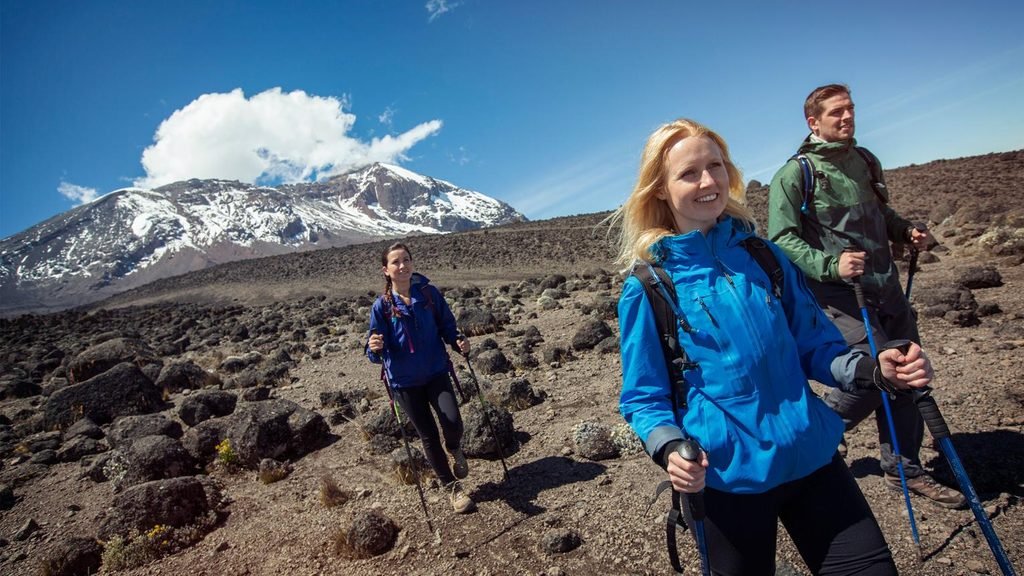
The Machame Route is well known for its varied scenery and changing landscapes. Unlike routes that follow similar terrain for much of the climb, Machame passes through several distinct environments. The lower slopes are covered by rainforest, where temperatures are relatively warm and vegetation is dense. Higher up, the forest gives way to moorland and the open Shira Plateau. As you approach Lava Tower and Barafu Camp, the landscape becomes rocky and dry, with increasingly limited vegetation.
Finally, the summit section introduces freezing temperatures, volcanic scree, and views of Kilimanjaro’s remaining ice formations.The Barranco Wall is another memorable feature. While it requires careful scrambling, it is not normally considered a technical climbing section.These changing landscapes make the Machame Route an attractive choice for travellers who enjoy photography and mountain scenery.
Is the 6-Day Machame Route Difficult?
Yes. The six-day Machame Route is physically demanding, particularly for travellers who have never experienced high-altitude trekking.The difficulty comes from several factors, including long walking days, steep sections, cold temperatures, and reduced oxygen availability.Day four is demanding because you walk from Barranco to Barafu in one day.Day five is even more challenging because the summit attempt begins after limited rest and involves many hours of walking.Although you do not normally need technical mountaineering skills, you should prepare physically before travelling.Regular hiking, stair climbing, cycling, and other endurance activities can help improve your fitness.However, physical fitness alone does not protect against altitude sickness.
6-Day vs 7-Day Machame Route: Which Should You Choose?
Both itineraries follow the same general trail, but the seven-day option includes an additional night at Karanga Camp.
| Feature | 6-Day Machame | 7-Day Machame |
|---|---|---|
| Trekking days | 6 | 7 |
| Mountain nights | 5 | 6 |
| Accommodation | Camping | Camping |
| Karanga Camp | Usually lunch stop | Overnight stop |
| Acclimatization | Less time | More time |
| Physical demands | More compressed | Better distributed |
| Cost | Usually lower | Usually higher |
| Recommended for | Fit climbers with limited time | Climbers seeking more acclimatization time |
For first-time Kilimanjaro climbers, the seven-day itinerary is generally preferable when the additional time and cost are manageable.
The six-day route remains an option for physically prepared travellers, particularly those with previous high-altitude experience.
Best Months for Kilimanjaro Group Trekking in 2027 and 2028
Mount Kilimanjaro can be climbed throughout the year, but some months generally provide more favourable weather conditions.
January to March: These months can offer good climbing opportunities, particularly during January and February. Summit conditions remain cold, and snow is possible.
April to May: Tanzania commonly experiences its long rainy season. Mountain trails can become muddy, and cloud cover may reduce visibility.
June to October: This is one of the most popular climbing periods. Conditions are often comparatively dry, making these months attractive for international travellers.
November to December: November is commonly associated with short rains, while conditions can vary during December.
Weather conditions are never guaranteed, and the best departure month depends on your schedule and personal preferences.
If you plan to climb during July, August, or September in 2027 or 2028, arranging your trip well in advance is advisable.
How Much Does a 6-Day Machame Route Group Trek Cost in 2027/2028?
The cost of a six-day Machame Route group climb depends on the number of participants, departure date, park fees, mountain crew, camping equipment, and additional services.
As a general planning estimate, travellers may encounter group climbing packages in the region of USD 1,500–2,200 per person, although actual quotations can fall outside this range.
This is an indicative budget, not a confirmed Eddy Tours & Safaris price or a guaranteed rate for 2027 or 2028.
Before booking, make sure the quotation clearly explains what is included.
A cheaper package may not necessarily provide the same level of mountain support, food, safety equipment, or crew arrangements.
For an accurate quotation, contact Eddy Tours & Safaris with your preferred travel dates and number of climbers.
What Is Included in a Kilimanjaro Group Trek?
A standard organized climbing package may include:
- Kilimanjaro National Park entry fees
- Camping and applicable rescue fees
- Professional mountain guides
- Porters and mountain cooking crew
- Mountain tents and sleeping mattresses
- Meals during the climb
- Drinking water preparation
- Transportation to and from the mountain gates
- Basic first-aid arrangements
Some packages also include accommodation before and after the climb, airport transfers, or equipment rental.
International flights, travel insurance, personal trekking equipment, tips, and additional hotel nights are commonly excluded unless specifically stated.
Always confirm the exact inclusions before making payment.
What Should You Pack for the 6-Day Machame Route?
Proper equipment is essential because temperatures and weather conditions change considerably during the climb.
You should prepare for rain in the forest, cool evenings at the campsites, and freezing conditions during the summit attempt.
Recommended items include:
- Waterproof hiking boots
- Warm thermal clothing
- Waterproof jacket and trousers
- Fleece or insulated layers
- Heavy summit jacket
- Warm gloves and hat
- Hiking trousers and shirts
- Sleeping bag suitable for cold conditions
- Headlamp and spare batteries
- Trekking poles
- Sunglasses and sunscreen
- Reusable water bottles
- Small daypack
- Personal medication and toiletries
Some equipment may be available for rental in Moshi or Arusha.
Check the equipment list provided by your operator before travelling.
Altitude Sickness and Safety on Kilimanjaro
Altitude sickness is one of the most serious concerns when climbing Kilimanjaro.As you ascend, the reduced atmospheric pressure means less oxygen is available with each breath.Common symptoms of acute mountain sickness include headache, nausea, dizziness, fatigue, and difficulty sleeping.More serious altitude illnesses can affect the brain or lungs and require urgent medical attention.During your trek, your guide should monitor your condition and encourage you to report symptoms immediately.Walk slowly, eat regularly, and maintain appropriate hydration. Do not ignore worsening symptoms or continue ascending when it is medically unsafe.Travellers should consult a healthcare professional before climbing, particularly if they have existing medical conditions. The CDC’s high-altitude travel guidance provides further information about altitude illness, prevention, and treatment.
Can Solo Travellers Join a Kilimanjaro Group Trek?
Yes. Group climbing arrangements are particularly popular among solo travellers.Joining a group allows you to share the journey with other people while benefiting from an organized mountain expedition.You may meet climbers from different countries who have varying levels of hiking experience.However, group sizes, confirmed departures, and availability vary between operators.Before booking, ask whether your preferred departure already has confirmed participants and whether there is a minimum group size. A group trek should also be organized so that individual health and safety decisions are not compromised by the pace or expectations of other climbers.
How to Prepare for Your Kilimanjaro Climb
Preparing several months before your departure can make the experience more manageable.
Start with regular walking and gradually increase the distance and elevation of your hikes.
If possible, practise walking on uneven terrain while carrying a small backpack.
Include cardiovascular exercises such as cycling, jogging, or swimming to improve endurance.
Strength training for your legs and core can also help, particularly during steep descents.
You should also become familiar with your hiking boots and clothing before arriving in Tanzania.
Do not wait until the first day of the climb to test new equipment.
Finally, make sure your travel insurance covers high-altitude trekking and emergency evacuation to the relevant elevation.
Combine Your Kilimanjaro Trek with a Tanzania Safari
Many travellers visiting Tanzania choose to combine a Kilimanjaro climb with a wildlife safari.
After completing the mountain trek, you can explore some of the country’s famous national parks.
Popular destinations include Serengeti National Park, Ngorongoro Crater, Tarangire National Park, and Lake Manyara National Park.
A short safari can be arranged for two or three days, while longer itineraries allow additional time in the Serengeti.
For travellers interested in the Great Migration, the best safari destination depends on the season and the movement of the wildebeest herds.
You can discuss combined climbing and safari arrangements through the Eddy Tours & Safaris website.
Frequently Asked Questions About the 6-Day Machame Route
Is the 6-day Machame Route suitable for beginners?
It can be suitable for physically prepared beginners, but the shorter acclimatization period makes it more demanding. A seven-day itinerary is generally a better choice for travellers who want additional time to adjust to altitude.
How many kilometres is the 6-day Machame Route?
The complete route is approximately 60–65 kilometres, depending on the trail measurements and campsite locations used.
Do climbers sleep in tents?
Yes. The Machame Route uses mountain campsites rather than permanent sleeping huts.
Can I climb Kilimanjaro without a guide?
No. Kilimanjaro climbing arrangements require an authorized guiding operation under national park regulations.
What is the highest point on Kilimanjaro?
Uhuru Peak reaches 5,895 metres above sea level.
Is the Barranco Wall dangerous?
The Barranco Wall is steep and requires careful scrambling, but it is normally climbed without technical mountaineering equipment on the standard route. Guides assist climbers through the more difficult sections.
Are Kilimanjaro group departures available in 2027 and 2028?
Group departures may be arranged during both years, but exact dates, available spaces, and confirmed group sizes must be checked with the operator.
Can I add a Zanzibar holiday after Kilimanjaro?
Yes. Many travellers combine Kilimanjaro climbing with a Zanzibar beach holiday or a wildlife safari before returning home.
Book Your Latest Kilimanjaro Group Trek: 6-Day Machame Route 2027/2028
Climbing Mount Kilimanjaro is a major achievement, and choosing the right route and expedition arrangements is an important part of the experience.
The six-day Machame Route offers scenic trails, varied landscapes, and the opportunity to reach Africa’s highest summit within a relatively short trekking schedule.
If you are planning to climb in 2027 or 2028, Eddy Tours & Safaris can help you explore group trekking arrangements, suitable departure dates, and the services included in your climbing package.
Contact our team with your preferred month, number of travellers, and whether you would like to join a group or arrange a private climb.
Eddy Tours & Safaris – Arusha, Tanzania
Website: Eddy Tours and Safaris
Email: sales@eddytours-safaris.com
WhatsApp: +255 711 906 664
Contact page: Eddy Tours and Safaris Contact
Plan your Kilimanjaro climb with a local Tanzania tour company and receive assistance in preparing your 2027 or 2028 mountain adventure.