
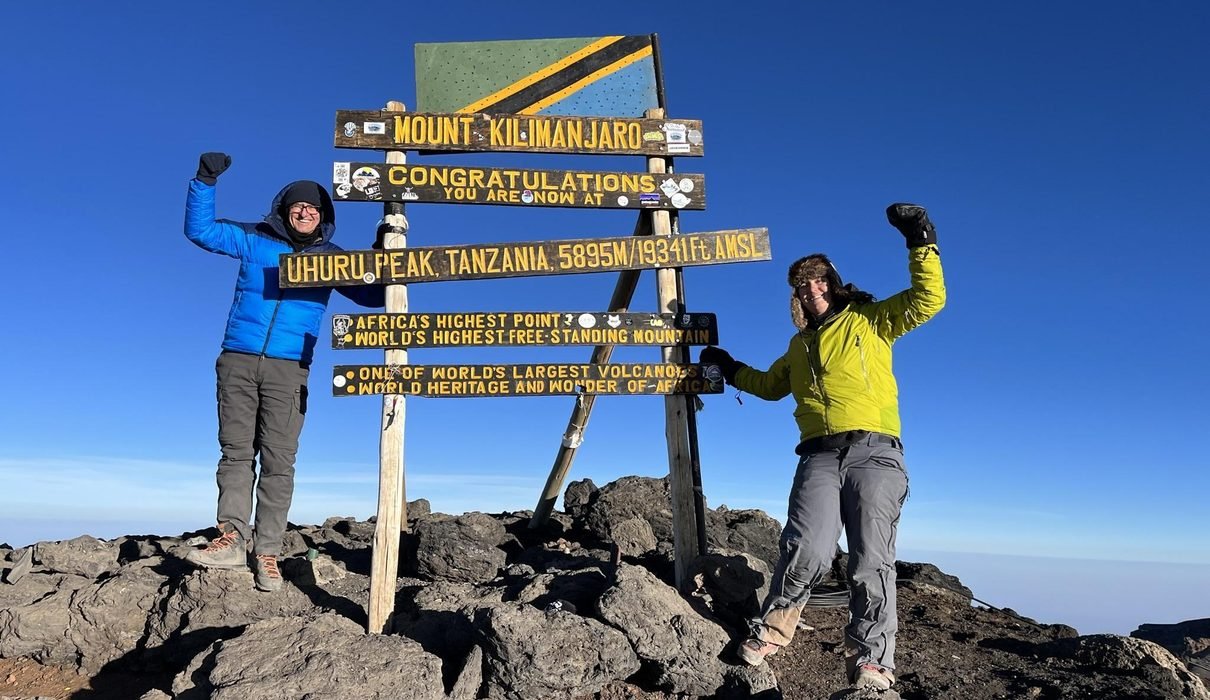
Climbing Mount Kilimanjaro is one of the most exciting adventures in Tanzania, but understanding the mountain’s temperature is an important part of preparing for a successful trek. Many travellers imagine Africa as a warm destination throughout the year, so they are often surprised to discover that temperatures on Kilimanjaro can drop well below freezing. During a single climb, you may walk through a warm tropical rainforest, experience cold evenings at mountain camps, and eventually face snow, ice, and strong winds near the summit.
At 5,895 metres above sea level, Mount Kilimanjaro is the highest mountain in Africa. Its considerable elevation creates different climate zones, each with its own weather conditions. Temperatures change as you climb higher, and the difference between daytime and nighttime conditions can be substantial. Even during Tanzania’s warmer months, the summit remains extremely cold, particularly during the early morning hours when most climbers attempt to reach Uhuru Peak.
If you are planning a Kilimanjaro climb in 2027 or 2028, knowing what temperatures to expect will help you choose suitable clothing, understand the best climbing seasons, and prepare for the physical demands of the mountain. This guide from Eddy Tours & Safaris, a local tour company based in Arusha, Tanzania, explains Kilimanjaro’s temperature zones, monthly weather patterns, summit conditions, and practical ways to stay comfortable during your trek.
What Is the Average Temperature on Mount Kilimanjaro?
The temperature on Mount Kilimanjaro varies significantly depending on altitude, time of day, season, cloud cover, and wind conditions. At the lower elevations, temperatures can be pleasantly warm, particularly during the afternoon. As you climb higher, the air becomes colder, and nighttime temperatures frequently fall below freezing.
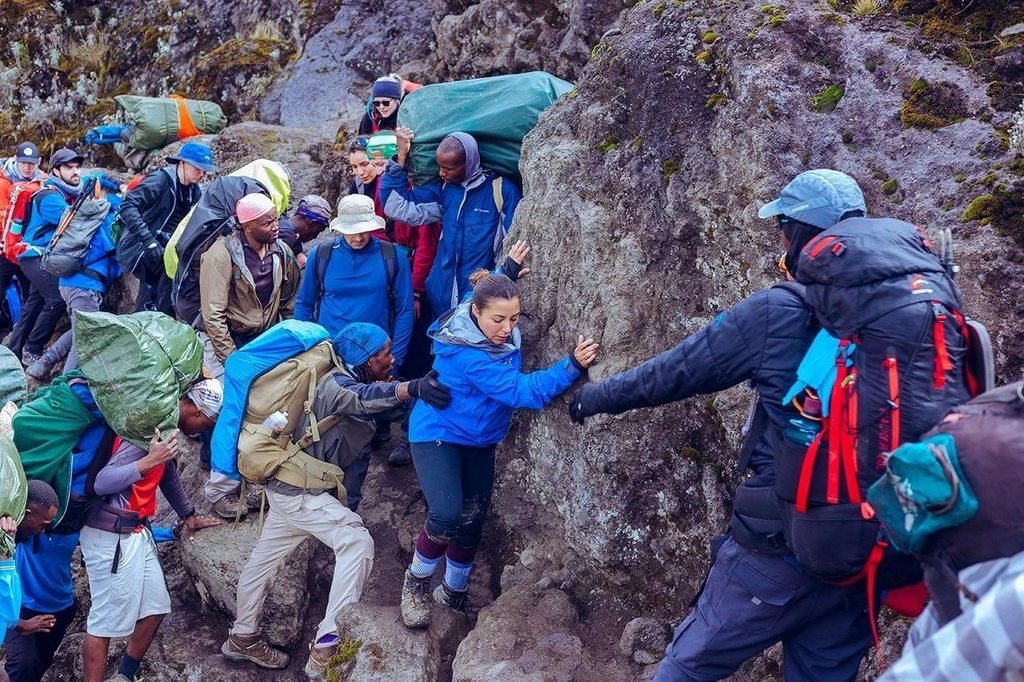
Near the mountain’s base, daytime temperatures commonly range between 20°C and 30°C, depending on the location and season. Around the middle camps, daytime conditions may range from approximately 5°C to 15°C, while nights can approach or fall below freezing. At higher camps such as Barafu, temperatures can be considerably colder, especially after sunset.
At Uhuru Peak, temperatures are often below freezing. During summit attempts, climbers may experience air temperatures around -5°C to -20°C, with colder conditions possible. Strong winds can make the temperature feel substantially lower.
These figures are general planning estimates rather than fixed temperature ranges. Kilimanjaro’s mountain weather can change quickly, and conditions on a particular day may fall outside these ranges.
Kilimanjaro Temperature by Altitude
| Altitude and zone | Approximate daytime temperature | Possible nighttime temperature |
|---|---|---|
| Lower slopes, below 1,800 m | 20°C to 30°C | 10°C to 20°C |
| Rainforest, 1,800–2,800 m | 15°C to 25°C | 5°C to 15°C |
| Moorland, 2,800–4,000 m | 5°C to 20°C | -5°C to 5°C |
| Alpine desert, 4,000–5,000 m | -5°C to 10°C | -15°C to 0°C |
| Summit zone, above 5,000 m | Often below 0°C | -20°C or colder is possible |
The temperatures shown are broad estimates for planning purposes. Sun exposure, wind, precipitation, and the time of day can produce substantial differences.
Why Does Kilimanjaro Get So Cold?
One of the most common questions from travellers is why Mount Kilimanjaro is so cold when Tanzania is located close to the equator. The answer is altitude. As elevation increases, atmospheric pressure decreases, and the surrounding air generally becomes colder.
In the lower atmosphere, environmental temperature often decreases by approximately 6.5°C for every 1,000 metres of elevation gained, although the actual rate varies with weather conditions. This helps explain why the climate near the base of Kilimanjaro is completely different from the climate at its summit.
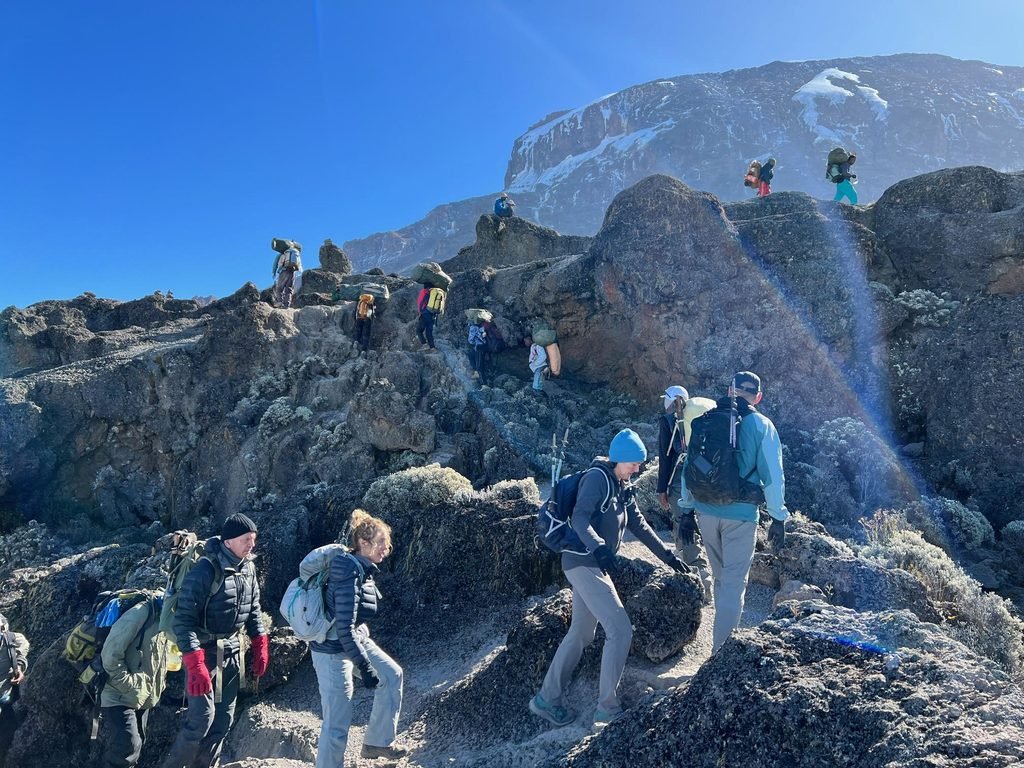
Kilimanjaro rises from relatively warm lowlands to almost 6,000 metres above sea level. As climbers ascend, they pass through several ecological zones, each with distinct vegetation, humidity, and temperature patterns. The upper slopes are exposed to cold air, strong winds, and occasional snowfall.
Another factor is the difference between daytime and nighttime temperatures. At high elevations, the atmosphere is thinner and often drier, allowing surfaces to warm quickly in direct sunlight and cool rapidly after sunset. This is why climbers may feel comfortable walking in the sunshine but need several warm layers as soon as they stop moving.
Understanding Kilimanjaro’s Five Climate Zones
One of the most interesting aspects of climbing Kilimanjaro is experiencing several different environments during the same expedition. The mountain is commonly divided into five ecological zones, beginning with the cultivated lower slopes and ending with the arctic conditions near the summit.
1. Cultivation Zone: Warm Temperatures at the Mountain’s Base
Altitude: Approximately 800–1,800 metres
The cultivation zone surrounds Kilimanjaro’s lower slopes, where local communities grow crops such as bananas, coffee, and vegetables. Temperatures here are generally warm, with daytime conditions often ranging from 20°C to 30°C.
Most Kilimanjaro climbing routes begin above much of this zone, although travellers pass through the surrounding agricultural landscapes while travelling to the park gates. The weather is usually much warmer than what climbers experience higher on the mountain.
If you are staying in Moshi before your trek, you may find the daytime weather warm enough for lightweight clothing. However, the pleasant conditions in town should not influence how you pack for the summit, where temperatures will be dramatically different.
2. Rainforest Zone: Warm, Humid, and Sometimes Wet
Altitude: Approximately 1,800–2,800 metres
The rainforest is the first major ecological zone encountered on many Kilimanjaro routes, including Machame, Marangu, and Lemosho. This section is characterized by dense vegetation, tall trees, moss-covered branches, and frequent moisture.
Daytime temperatures are often around 15°C to 25°C, although the forest can feel cooler during rainfall or when clouds cover the mountain. The humidity is generally higher than in the upper zones, and trails can become muddy.
Many climbers begin their first trekking day wearing lightweight hiking trousers and breathable shirts. A waterproof jacket should remain easily accessible because rain showers can occur even during relatively dry periods.
At night, temperatures become cooler, particularly at camps located near the upper edge of the rainforest. A warm sleeping bag and suitable evening clothing are important from the beginning of the expedition.
3. Moorland Zone: Cooler Weather and Open Landscapes
Altitude: Approximately 2,800–4,000 metres
As you leave the rainforest, the vegetation changes to open moorland with grasses, shrubs, giant groundsels, and unusual mountain plants. The landscape becomes more exposed, allowing climbers to experience stronger sunlight and wind.
Daytime temperatures can range from approximately 5°C to 20°C, depending on the weather and elevation. When the sun is shining, walking conditions may feel comfortable, but temperatures can fall rapidly when clouds arrive.
Nighttime temperatures can approach or drop below freezing, especially at higher camps. This is usually the stage when climbers begin using thermal clothing, fleece jackets, warm hats, and insulated layers more regularly.
The moorland zone also introduces more noticeable altitude-related challenges. As oxygen availability decreases, some climbers begin to experience headaches, fatigue, or difficulty sleeping. These symptoms should be discussed with your mountain guide rather than dismissed as normal discomfort.
4. Alpine Desert Zone: Cold Nights and Strong Sunlight
Altitude: Approximately 4,000–5,000 metres
The alpine desert is one of Kilimanjaro’s most demanding environments. Vegetation becomes sparse, the landscape is dominated by rocks and volcanic terrain, and the air is generally much drier.
During sunny periods, temperatures may rise above freezing and can occasionally feel surprisingly warm. However, shaded areas and windy conditions can remain extremely cold. Once the sun disappears, temperatures may fall to -10°C or lower.
Important camps and landmarks within or near this zone include Lava Tower, Karanga Camp, Barafu Camp, and Kibo Hut. Climbers staying at these locations should expect cold evenings and potentially freezing overnight conditions.
At this elevation, protecting your hands, feet, and head becomes increasingly important. You should also keep your drinking water insulated where possible because bottles and hydration tubes can begin freezing in very cold conditions.
5. Arctic Zone: Freezing Conditions Near Uhuru Peak
Altitude: Approximately 5,000–5,895 metres
The final climate zone is the coldest and most physically demanding part of Kilimanjaro. This area includes the upper summit slopes, Stella Point, Gilman’s Point, and Uhuru Peak.
Temperatures are frequently below freezing, and strong winds can make the conditions feel much colder. During a typical nighttime summit attempt, climbers may experience air temperatures between approximately -5°C and -20°C, although more extreme conditions are possible.
The combination of low temperatures, thin air, steep terrain, and physical fatigue makes this section particularly challenging. Proper insulated clothing, gloves, warm boots, and careful pacing are essential.
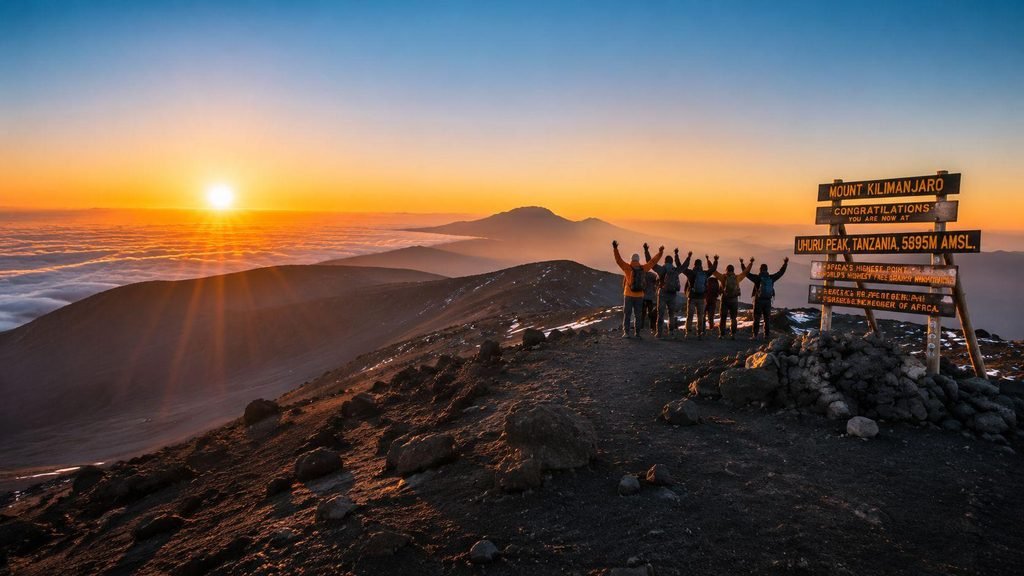
Despite the difficult conditions, reaching the summit offers remarkable views of the crater, surrounding landscape, and remaining glaciers. However, climbers should always follow their guide’s instructions and prioritize safety over reaching the summit.
Kilimanjaro Temperature by Month in 2027 and 2028
The temperature on Kilimanjaro changes throughout the year, although altitude has a greater effect on the conditions experienced during a climb than the calendar month alone. Tanzania generally has two main rainy periods, with relatively drier conditions during other parts of the year.
The following table provides a broad seasonal guide. It is not a forecast for specific dates in 2027 or 2028.
| Month | General weather conditions | What climbers should expect |
|---|---|---|
| January | Often relatively dry | Cold summit, potentially good visibility |
| February | Often relatively dry | Clear periods and freezing summit conditions |
| March | Increasing rainfall possible | More cloud and wet trails later in the month |
| April | Long rainy season | Wet, muddy trails and limited visibility |
| May | Long rainy season | Frequent moisture and cold upper elevations |
| June | Transition to drier conditions | Cold mornings and generally improving trail conditions |
| July | Often dry | Cold nights, possible strong winds |
| August | Often dry | Popular trekking conditions and freezing summit temperatures |
| September | Often dry | Relatively favourable trekking conditions |
| October | Variable, often relatively dry early | Changing conditions toward the short rains |
| November | Short rains often occur | Rainfall and increased cloud cover |
| December | Variable conditions | Rain possible, with some clearer periods |
January and February: Popular Months for Kilimanjaro Climbing
January and February are often considered favourable months for climbing Kilimanjaro because they can provide relatively dry conditions and good visibility. The lower slopes may be warm during the day, while the summit remains freezing.
Climbers should not assume that the mountain will be warm simply because these months fall within Tanzania’s warmer season. Summit temperatures can still fall well below zero, and snowfall remains possible.
These months are suitable for travellers who want to combine Kilimanjaro climbing with a Tanzania safari, particularly in the southern Serengeti and Ndutu region during the wildebeest calving season.
March, April, and May: The Long Rainy Season
March often marks the transition toward Tanzania’s long rainy season, while April and May are generally wetter months. Rainfall can make the lower trails slippery, and cloud cover may reduce visibility.
At higher elevations, precipitation may fall as snow or ice rather than rain. Wet clothing and strong winds can also increase the risk of becoming dangerously cold.
Climbing Kilimanjaro during the rainy season is possible, but it requires careful preparation and realistic expectations. Travellers should carry reliable waterproof clothing and ensure their sleeping bags and spare clothes remain dry.
June, July, August, and September: Cooler, Often Drier Conditions
June through September is one of the most popular periods for Kilimanjaro climbing. Rainfall is often lower, and climbers may experience relatively clear skies, particularly during parts of July, August, and September.
However, the dry season does not mean warm temperatures. High camps and summit areas can be extremely cold, especially during nighttime summit attempts.
July and August may bring particularly cold mornings, and wind exposure can make the conditions feel more severe. Travellers planning a climb during these months should prioritize high-quality insulated clothing rather than relying on the generally dry weather.
October, November, and December: Changing Mountain Weather
October can provide good climbing conditions, although the weather becomes more variable as the short rainy season approaches. November often experiences increased rainfall, particularly on the lower and middle slopes.
December conditions can vary considerably. Some days may be relatively clear, while others bring cloud cover and precipitation.
Travellers climbing during this period should prepare for both wet and cold conditions. Waterproof equipment and warm sleeping arrangements are especially important.
How Cold Is Kilimanjaro at Night?
Nighttime temperatures on Kilimanjaro can be significantly colder than daytime temperatures, particularly above 3,000 metres. Once the sun sets, exposed campsites can cool rapidly, and the temperature may fall below freezing.
At camps such as Shira, Barranco, Karanga, and Barafu, climbers should expect cold evenings and mornings. The exact temperature depends on altitude, season, wind, and cloud cover.
Barafu Camp, located at approximately 4,670 metres, is particularly cold because of its high elevation and exposed position. Climbers preparing for the summit attempt may find that their tents, equipment, and water bottles become very cold during the night.
A suitable sleeping bag is essential. For most Kilimanjaro expeditions, a sleeping bag with a comfort rating appropriate for sub-zero conditions is recommended. Your tour operator should advise you on the rating needed for your particular route and departure period.
It is also helpful to wear dry thermal clothing while sleeping and keep tomorrow’s essential items organized before going to bed.
What Is the Temperature at Uhuru Peak?
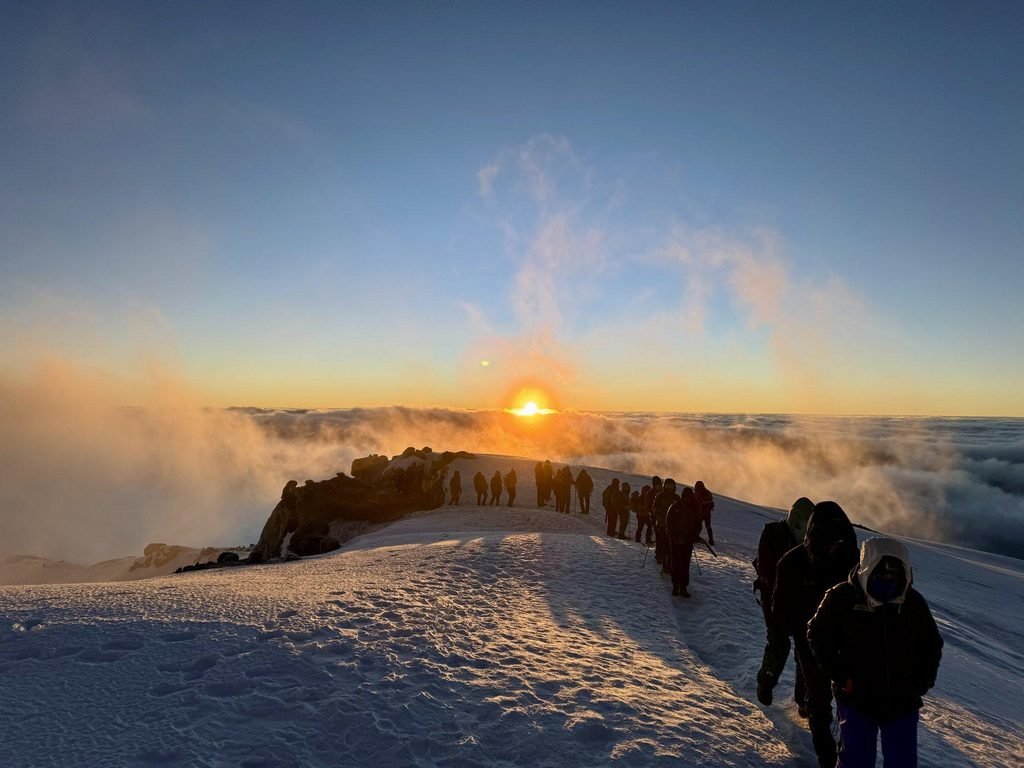
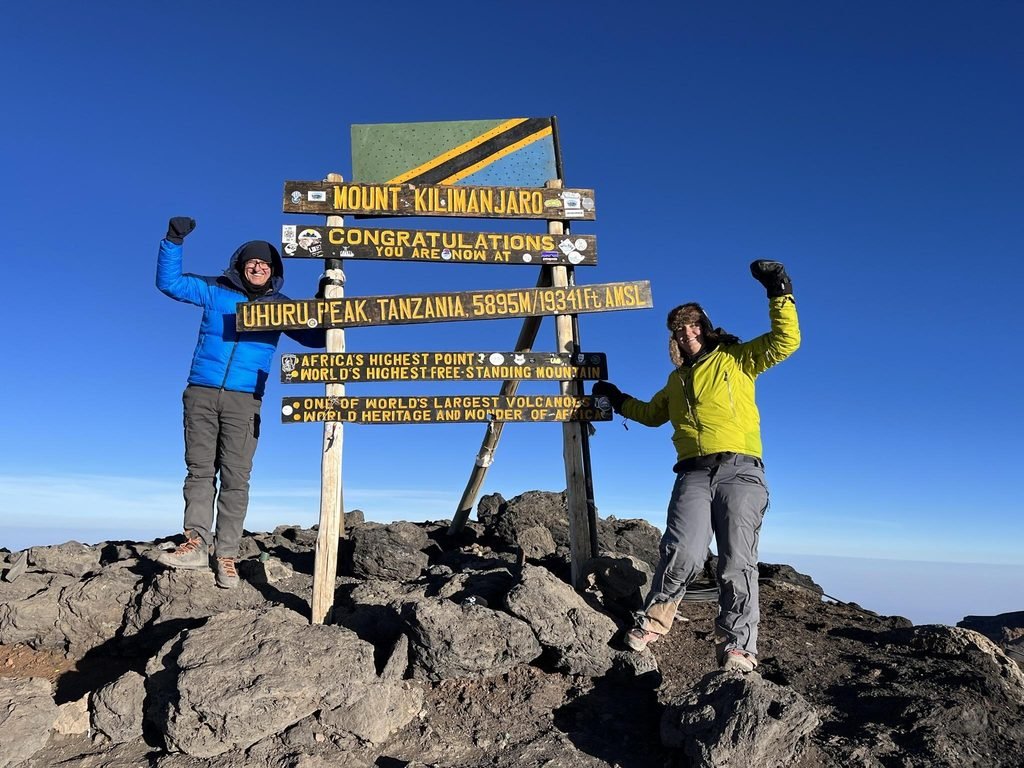
Uhuru Peak stands at 5,895 metres above sea level and is the highest point in Africa. Temperatures here are frequently below freezing, particularly during the early morning hours.
Most climbers begin their summit attempt late at night or shortly after midnight. This schedule often allows them to reach the crater rim around sunrise, depending on their route, walking speed, and weather conditions.
During the ascent, air temperatures may range from approximately -5°C to -20°C, with colder conditions possible. Wind chill can make exposed skin feel considerably colder.
The temperature may improve after sunrise, but the summit can remain freezing throughout the day. Climbers should therefore prepare for severe cold regardless of the departure month.
Spending too long at the summit is generally not advisable because of the altitude, cold exposure, and physical demands of the descent. Your guide will determine how much time is appropriate based on the group’s condition and the weather.
How Does Wind Affect Kilimanjaro Temperature?
Wind is one of the main reasons Kilimanjaro can feel colder than the temperature shown on a thermometer. When cold air moves across exposed skin, it increases heat loss and creates a lower wind-chill temperature.
For example, an air temperature of -10°C combined with a wind speed of approximately 30 km/h produces a wind-chill temperature near -20°C. This means exposed skin can lose heat much faster than it would in calm conditions.
Wind exposure is particularly important near Barafu Camp, Stella Point, and Uhuru Peak, where there is little natural shelter.
A windproof outer jacket, insulated gloves, warm headwear, and suitable face protection can make a substantial difference during the summit attempt. Climbers should avoid leaving exposed skin uncovered for extended periods in severe conditions.
Does It Snow on Mount Kilimanjaro?
Yes, snow can fall on Mount Kilimanjaro, particularly at higher elevations where temperatures are low enough for precipitation to freeze. Snowfall is possible at different times of the year, although the amount and duration of snow cover vary.
Kilimanjaro is also known for its remaining glaciers near the summit. These ice formations are separate from temporary snowfall and have been shrinking over many decades.
The presence of snow does not necessarily mean that climbers will need technical snow-climbing equipment on the standard trekking routes. However, icy or snowy trail conditions can affect footing, and guides may recommend additional traction equipment when necessary.
Travellers interested in the mountain’s environmental importance can learn more through the UNESCO World Heritage Centre’s Kilimanjaro National Park information.
What Clothes Should You Wear for Kilimanjaro’s Changing Temperatures?
Choosing the right clothing is one of the most important parts of preparing for Kilimanjaro. Because temperatures change throughout the climb, wearing several adjustable layers is more practical than relying on one heavy jacket.
A good layering system allows you to remove clothing during warmer hiking periods and add insulation when the temperature drops.
Base Layer
Your base layer should help manage moisture and keep your skin relatively dry. Thermal shirts and leggings made from merino wool or suitable synthetic materials are commonly used.
Avoid cotton clothing for cold mountain conditions because it retains moisture and can become uncomfortable when wet.
Mid-Layer
A fleece jacket or other insulating mid-layer helps retain body warmth. This layer is useful during cool mornings, rest breaks, and evenings at camp.
Insulated Jacket
A warm down or synthetic insulated jacket is essential for high camps and the summit attempt. The insulation should be suitable for freezing temperatures and should fit comfortably over your other layers.
Waterproof and Windproof Outer Layer
A waterproof jacket and trousers protect you from rainfall, snow, and wind. This layer is particularly important because wet clothing can increase heat loss.
Gloves, Hats, and Socks
Your hands, head, and feet need protection against cold exposure. Warm gloves or mittens, thermal socks, and an insulated hat are important, especially during the summit attempt.
A thin liner glove beneath an insulated outer glove can help when you need to adjust equipment without exposing your hands directly to the cold.
Essential Packing List for Kilimanjaro Temperatures
Preparing for Kilimanjaro requires equipment suitable for several different weather conditions.
| Equipment | Why it is important |
|---|---|
| Thermal base layers | Help retain warmth and manage moisture |
| Fleece jacket | Provides insulation during cooler periods |
| Insulated summit jacket | Protects against severe cold |
| Waterproof jacket | Protects against rain, snow, and wind |
| Waterproof trousers | Keep legs dry during wet conditions |
| Warm gloves or mittens | Protect hands during summit climbing |
| Thermal hat | Reduces heat loss from exposed skin |
| Hiking boots | Provide support and protection on mountain trails |
| Warm hiking socks | Help keep feet comfortable |
| Cold-weather sleeping bag | Provides warmth during mountain camping |
| Trekking poles | Improve balance on steep and uneven trails |
| Headlamp | Essential for nighttime summit attempts |
| Insulated water storage | Helps reduce freezing during cold conditions |
Before travelling, ask your climbing operator which items are included in your package and which equipment can be rented locally.
Kilimanjaro Temperature on Different Climbing Routes
Although all standard Kilimanjaro routes lead toward the same high-altitude summit environment, the temperature experienced during the first days can vary depending on the starting elevation and the route’s location on the mountain.
Machame Route Temperature
The Machame Route begins through rainforest before ascending toward Shira Camp, Barranco Camp, and Barafu Camp. Climbers experience warm and humid conditions during the first day, followed by increasingly cold nights as they gain altitude.
The six-day and seven-day Machame itineraries follow similar terrain, but the seven-day version includes additional time for acclimatization.
Marangu Route Temperature
The Marangu Route approaches Kilimanjaro from the southeast and uses mountain huts rather than tents. Climbers still experience cold conditions at higher elevations, particularly around Kibo Hut and during the summit attempt.
Although sleeping in huts offers a different accommodation experience, the buildings are not a substitute for suitable cold-weather sleeping equipment.
Lemosho Route Temperature
The Lemosho Route begins on the western side of Kilimanjaro and crosses the Shira Plateau before joining the southern circuit. Climbers experience rainforest, moorland, and alpine desert conditions before reaching the summit.
Longer Lemosho itineraries provide additional acclimatization time, but climbers must still prepare for freezing temperatures.
Rongai Route Temperature
The Rongai Route approaches Kilimanjaro from the northern side, near the Kenyan border. This side of the mountain is often comparatively dry, although conditions vary throughout the year.
Despite differences in rainfall and vegetation, the summit remains extremely cold, just as it does on the other routes.
Northern Circuit Route Temperature
The Northern Circuit is one of Kilimanjaro’s longer trekking routes. It crosses the northern slopes and generally provides more time for acclimatization.
Because the route includes several nights at high elevations, climbers should prepare for repeated cold evenings and freezing conditions near the summit.
How to Stay Warm While Climbing Kilimanjaro
Staying warm on Kilimanjaro requires more than simply carrying a heavy jacket. Climbers need to manage their clothing, food, hydration, and rest throughout the expedition.
During the day, avoid wearing too many layers while walking because excessive sweating can leave clothing damp. Wet clothing becomes uncomfortable when temperatures drop, particularly during rest breaks.
Change into dry clothes after reaching camp whenever possible. Keep your sleeping bag protected from moisture, and store spare clothing in waterproof bags.
Eating regularly is also important because your body needs energy to maintain physical activity and produce heat. Hot meals and warm drinks can be particularly welcome during cold evenings.
During the summit attempt, wear appropriate insulation from the beginning and follow your guide’s instructions about adjusting layers. Protect your hands and face from wind exposure, and report unusual numbness, severe shivering, confusion, or other concerning symptoms immediately.
Can Kilimanjaro’s Cold Weather Cause Health Problems?
Cold temperatures can contribute to several health risks during a Kilimanjaro climb, including hypothermia, frostbite, and cold-related exhaustion.
Hypothermia occurs when the body’s core temperature falls dangerously low. It can develop in freezing conditions, but it can also occur in wet and windy weather above freezing if a person loses heat faster than the body can replace it.
Frostbite affects exposed or poorly protected body tissues, particularly fingers, toes, ears, and the nose. The risk increases in severe cold and strong wind.
Climbers should also understand that altitude sickness is a separate concern. Symptoms such as headaches, nausea, dizziness, and unusual fatigue may be related to altitude rather than temperature.
Serious altitude illness can become life-threatening and requires prompt medical assessment and descent. Physical fitness does not prevent altitude sickness, and cold-weather equipment cannot replace proper acclimatization.
For more information about high-altitude health risks, consult the CDC’s high-altitude travel guidance.
Is Kilimanjaro Warmer During the Day?
Yes, daytime temperatures on Kilimanjaro are often considerably warmer than nighttime temperatures, particularly when the sun is shining.
At lower and middle elevations, climbers may feel comfortable wearing lightweight hiking clothing during sunny periods. However, the temperature can fall quickly when clouds cover the mountain or when the group stops walking.
At higher elevations, strong sunlight can make the air feel warmer than expected, but cold winds may still create uncomfortable conditions.
Sun protection is also important. Ultraviolet radiation increases with altitude, and climbers can experience sunburn even when the surrounding air feels cold.
Use suitable sunscreen, sunglasses, and protective clothing throughout the trek.
How Does Rainfall Affect Kilimanjaro Temperature?
Rainfall can make Kilimanjaro feel colder because wet clothing loses insulating effectiveness and increases heat loss.
This is particularly important in the rainforest and moorland zones, where rain showers and mist are relatively common.
During the rainy seasons, trails may remain wet for extended periods, making hiking more difficult. At higher elevations, precipitation may fall as snow or freezing rain.
Waterproof clothing, dry spare layers, and suitable footwear help reduce discomfort and cold exposure.
When planning your 2027 or 2028 climb, consider both temperature and rainfall rather than selecting your departure month based on warmth alone.
What Is the Best Month to Climb Kilimanjaro for Comfortable Temperatures?
There is no month when the entire mountain remains comfortably warm. Every Kilimanjaro climb involves significant temperature changes, and the summit can be freezing throughout the year.
For many travellers, January, February, July, August, and September are attractive months because they often provide relatively favourable trekking conditions.
However, the best month depends on more than temperature. Rainfall, wind, visibility, route availability, personal travel plans, and preferred group size should all be considered.
If you are particularly sensitive to cold, choosing a warmer month will not eliminate the need for suitable summit clothing. Good preparation is more reliable than expecting mild temperatures at high altitude.
Planning Your Kilimanjaro Climb in 2027 or 2028
Planning your Kilimanjaro climb early gives you more time to choose a suitable route, prepare physically, and arrange the correct equipment.
Travellers should first decide how many days they can spend on the mountain. Although shorter itineraries may cost less, longer routes often provide better opportunities for acclimatization.
Next, consider the time of year. If you prefer relatively dry conditions, January to February or June to October may be suitable periods to investigate. Remember that these are general seasonal patterns rather than guaranteed forecasts for 2027 or 2028.
You should also review the services included in your climbing package, particularly camping equipment, sleeping arrangements, mountain guides, emergency procedures, and equipment rental options.
At Eddy Tours & Safaris, we assist travellers planning Kilimanjaro climbing holidays from Arusha, Tanzania. You can discuss different trekking routes, preferred departure months, group climbing options, and additional travel arrangements.
Frequently Asked Questions About Kilimanjaro Temperature
How cold is Mount Kilimanjaro at the summit?
Temperatures near Uhuru Peak are frequently below freezing. During nighttime summit attempts, climbers may experience temperatures around -5°C to -20°C, with colder conditions possible. Wind chill can make the weather feel significantly colder.
Is Kilimanjaro cold throughout the year?
The summit is cold throughout the year, but lower elevations can be warm during the day. Climbers experience several climate zones as they ascend.
What is the coldest month on Kilimanjaro?
There is no single month that is always the coldest. Summit conditions depend on weather systems, wind, cloud cover, and other factors. July and August can be particularly cold, but freezing temperatures occur in every season.
Does Kilimanjaro have snow in January?
Yes, snowfall is possible in January and other months when conditions allow. However, snow cover varies, and it is not guaranteed during any particular climb.
How warm is Kilimanjaro in February?
February often provides relatively favourable trekking conditions, particularly at lower elevations. However, temperatures still decrease significantly with altitude, and the summit remains very cold.
Can I climb Kilimanjaro without a winter jacket?
A suitable insulated jacket is strongly recommended for the summit attempt. The cold, wind, and nighttime climbing conditions make adequate protection essential.
Do I need a sleeping bag for Kilimanjaro?
Yes, a suitable sleeping bag is normally necessary for Kilimanjaro trekking. Even routes with mountain huts require proper sleeping equipment because nighttime temperatures can be very cold.
Is Kilimanjaro colder than Mount Meru?
Kilimanjaro reaches a considerably higher elevation than Mount Meru, so its upper slopes and summit generally experience colder conditions. Both mountains can have freezing temperatures at higher elevations.
Can beginners handle Kilimanjaro’s temperatures?
Beginners can prepare for Kilimanjaro’s temperatures with suitable clothing, equipment, and guidance. However, cold exposure and altitude present serious risks, and climbers should choose a route and itinerary appropriate for their experience and health.
Will Kilimanjaro be warmer in 2027 or 2028?
It is not possible to predict whether Kilimanjaro will be warmer in one of these years at the time of an individual climb. Long-term climate trends do not provide reliable forecasts for specific trekking dates. Climbers should prepare for the mountain’s full range of possible conditions.
Book Your Kilimanjaro Climb for 2027/2028 with Eddy Tours & Safaris
Understanding Kilimanjaro’s temperature is an important part of preparing for your mountain adventure. From the warm rainforest at the beginning of your trek to the freezing conditions near Uhuru Peak, each stage requires suitable clothing, physical preparation, and awareness of changing weather.
The mountain can be climbed throughout the year, but no season guarantees perfect weather. Choosing an appropriate route, allowing enough time for acclimatization, and carrying reliable cold-weather equipment will help you prepare for the challenges ahead.
Eddy Tours & Safaris is a local tour company based in Arusha, Tanzania, offering assistance with Kilimanjaro climbing arrangements, group treks, private expeditions, and Tanzania safari holidays. Whether you are considering the Machame, Marangu, Lemosho, Rongai, or Northern Circuit Route, we can help you discuss the options for your 2027 or 2028 trip.
Contact Eddy Tours & Safaris
Website: Eddy Tours and Safaris
Email: sales@eddytours-safaris.com
WhatsApp: +255 711 906 664
Contact Page: Eddy Tours and Safaris Contact
Send us your preferred travel month, number of climbers, and the Kilimanjaro route you are interested in. We will help you review suitable climbing arrangements and prepare for your Tanzania mountain adventure.