

Kilimanjaro Region offers much more than a climb to Africa’s highest summit. You can walk through mountain forest, visit waterfalls, learn how coffee is prepared, explore Chagga heritage, or spend a quiet afternoon beside a crater lake.
For many travelers, Moshi is the most convenient starting point. From here, you can arrange excursions into the foothills or plan a longer journey towards the Pare Mountains and Mkomazi National Park.
The best things to do in Kilimanjaro Region depend on your interests and available time. A summit expedition requires substantial preparation, while a town walk or coffee experience can fit into a shorter stay.
These ten activities cover a mixture of adventure, culture, wildlife, and relaxed sightseeing. They are recommendations for different travel styles rather than a ranking based on visitor scores.
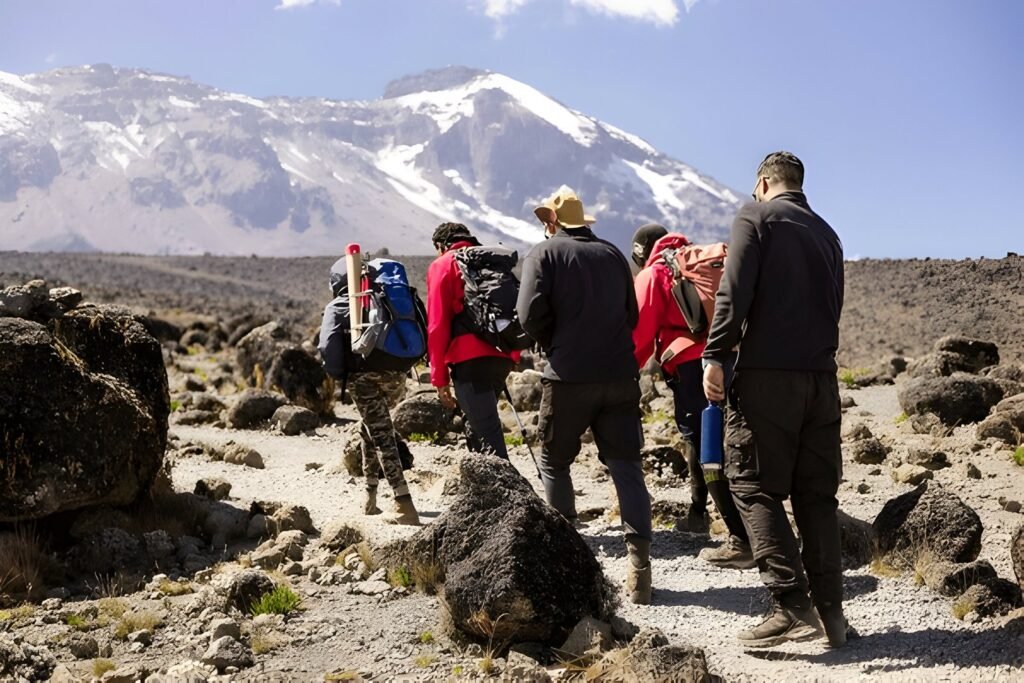
1. Climb Mount Kilimanjaro
For travelers seeking a major mountain challenge, climbing Kilimanjaro is the region’s defining adventure.
A summit expedition takes you through changing landscapes towards Uhuru Peak, at 5,895 metres. The experience involves several days of walking, overnight stays on the mountain, and a demanding final ascent.
Choose your itinerary carefully. Route names alone do not explain the walking effort, sleeping elevations, or time allowed for acclimatization.
Accommodation also differs. TANAPA’s visitor guide explains that the Marangu Route uses mountain huts, while other standard trekking itineraries use camping arrangements.
Before booking, request a complete daily itinerary and ask about equipment, guiding, emergency arrangements, and porter welfare. Confirm current route access with your operator.
A climb should allow you to make responsible decisions throughout the expedition. Reaching the summit cannot be guaranteed.
Best for: Travelers interested in a multiday mountain expedition.
Planning tip: Count actual trekking days separately from hotel nights and transfers.
2. Take a Kilimanjaro Day Hike
You can experience Kilimanjaro without committing to a summit climb.
A guided day hike introduces you to the mountain’s lower slopes and forest environment. TANAPA lists guided day hikes among the park’s visitor activities.
The Marangu approach is a familiar option. Depending on the agreed itinerary, your guide may plan a walk towards Mandara Hut before returning to the gate.
Ask for the intended turnaround point and expected walking time. Reaching a particular destination should depend on your pace, conditions, and the time available for a comfortable descent.
A forest hike offers a different experience from viewing the mountain from Moshi. You are walking within the landscape rather than simply looking towards the summit.
However, do not expect a clear summit view throughout the day. Trees, clouds, and your position on the mountain affect what you can see.
Best for: Active visitors with one free day.
Planning tip: Confirm park charges, guiding, lunch, transfers, and the proposed hiking distance in your quotation.
3. Walk to Materuni Waterfall
Materuni is one of the most appealing excursions from Moshi for travelers who enjoy walking and green foothill scenery.
The village sits below Mount Kilimanjaro, and its waterfall is a recognized attraction on Tanzania’s tourism website.
A visit usually combines a guided walk with time near the waterfall. The journey itself is part of the experience: paths lead through the village landscape rather than directly from a parking area to a viewing platform.
Wear footwear with a reliable grip. Rain can make sections muddy, and the return walk still requires effort.
Ask your guide about the route’s current condition and whether it suits everyone in your group. A waterfall excursion may sound gentle, but it is not necessarily suitable for someone with limited mobility.
Photography is particularly rewarding when you take time to include the surrounding vegetation and rock face. Protect your camera or phone from spray.
Best for: Nature lovers, walkers, and photographers.
Planning tip: Allow time for the walk in both directions instead of scheduling only a brief waterfall stop.
4. Join a Coffee Experience in the Kilimanjaro Foothills
A coffee experience gives you a closer look at one of the region’s important agricultural traditions.
Materuni hosts offer activities that introduce visitors to coffee production alongside village visits and local meals.
Depending on the host and season, the experience may include seeing coffee plants, discussing how beans are processed, or participating in roasting and grinding before tasting the finished drink.
Ask what the visit includes. A short demonstration and a longer farm visit offer different levels of detail, and harvesting activities depend on the season.
The most interesting conversations often begin with practical questions:
- How is coffee grown here?
- What work happens at different times of year?
- How are the beans prepared for sale?
- Which stages will we see during our visit?
You can combine coffee and Materuni Waterfall in one day, but leave enough time to enjoy both.
Best for: Coffee enthusiasts and travelers interested in farming.
Planning tip: Choose a clearly described experience with local hosts and agreed inclusions.
5. Spend Time at Chemka Hot Springs
Chemka, also known as Kikuletwa or Rundugai Hot Springs, is a popular excursion in the lowland landscape between Moshi and Arusha.
Tanzania’s tourism website lists the springs as an attraction, while Rundugai’s community tourism organization offers visits in the surrounding area.
Many visitors come to swim, sit beneath the trees, and enjoy a slower day outdoors.
Despite the name, plan this as a spring-pool excursion rather than assuming it will resemble a heated spa. Ask about current conditions, facilities, and the assistance available for swimmers.
Be realistic about your swimming ability. Clear water can make depth difficult to judge, and you should follow local instructions about entering the pool.
If swimming does not appeal to you, ask whether the site provides suitable seating and shade for your visit.
Best for: Travelers seeking a relaxed outing and confident swimmers.
Planning tip: Bring swimwear, a towel, footwear for walking around the site, and a dry bag for valuables.

6. Visit Lake Chala
Lake Chala offers a striking contrast to Kilimanjaro’s forested foothills.
This crater lake lies along the Tanzania–Kenya border and is promoted as a walking and nature destination by Tanzania’s tourism website.
A visit can focus on the crater views, photography, or a guided walk. Check the exact route before booking, particularly if it involves descending towards the water.
The walk back up deserves as much consideration as the descent. Ask about slope, footing, shade, and the time required.
Allow yourself time to observe the landscape. Changes in light can alter the appearance of the water and crater walls, making a patient visit more rewarding than a quick photograph.
Do not assume swimming, kayaking, or other water activities are available. Confirm what is currently permitted and operated at the site.
Best for: Landscape photographers and travelers who enjoy quieter nature excursions.
Planning tip: Request a plan that matches your walking ability and includes enough drinking water.
7. Explore Chagga Heritage in Marangu
Marangu is a good place to explore the region’s cultural history with a local guide.
Visitor experiences include historic underground passages, traditional house visits, coffee demonstrations, and local meals. A Marangu cultural site describes these activities as part of its guided programme.
Choose a visit that gives you time to listen and ask questions. Understanding how people built homes, cultivated the slopes, and organized daily life adds context to the landscape.
If your itinerary includes caves, ask about access before entering. Narrow passages, low ceilings, or enclosed spaces may be uncomfortable for some visitors.
Tell your guide if you would prefer an experience centered on houses, food, and outdoor walking.
Ask permission before photographing people or entering private spaces. Cultural visits work best when hosts decide what they wish to share.
Best for: Travelers interested in history and community experiences.
Planning tip: Confirm which sites are included and whether any part involves confined spaces or uneven steps.
8. Discover Moshi’s Markets, Food, and Coffee Shops
Moshi deserves time beyond an airport transfer or a pre-climb equipment check.
A town walk gives you an opportunity to explore market activity, find a café, and enjoy a local meal. Tanzania’s visitor information describes Moshi’s longstanding connection with coffee production.
A guide can help explain ingredients, introduce familiar dishes, and make conversations easier when you do not share a language.
Keep the pace relaxed. Buy something small if you want to support a vendor, ask before taking close photographs, and avoid blocking busy stalls.
Food preferences should be discussed in advance. Tell your guide about allergies, dietary restrictions, and whether you prefer a seated restaurant or a more informal stop.
Moshi can also provide mountain views when the weather is clear, but these should be treated as a possibility rather than a guaranteed feature of the walk.
Best for: Visitors with a few spare hours and travelers interested in everyday life.
Planning tip: Arrange your walk around your interests—markets, food, coffee, or shopping—rather than trying to cover everything.
9. Hike in the Pare Mountains
The Pare Mountains are a worthwhile choice for travelers looking beyond the better-known excursions around Moshi.
Tanzania’s tourism website identifies the mountains as a walking destination. It also describes Chome Nature Reserve and Shengena Peak in the southern range.
The area offers opportunities to combine mountain scenery with village landscapes and forest walks.
Choose the location carefully. The northern and southern parts of the range are different destinations, and an itinerary should specify the trail, starting point, accommodation, and transport.
A trip into the Pare Mountains is better planned as a dedicated excursion than squeezed between several unrelated day trips.
Discuss your preferred effort level with the guide. A village walk, a forest hike, and a longer mountain outing should not be presented as interchangeable activities.
Best for: Walkers seeking a less familiar part of Kilimanjaro Region.
Planning tip: Consider an overnight stay so the journey does not dominate your time outdoors.
10. Go on Safari in Mkomazi National Park
Mkomazi provides a wildlife option for travelers exploring the eastern side of Kilimanjaro Region.
The park extends across Kilimanjaro and Tanga regions and can be approached through Same. TANAPA identifies game drives, birdwatching, and other nature activities among its visitor experiences.
Mkomazi is also associated with conservation work involving black rhinos and African wild dogs. Their presence should not be interpreted as a promise of seeing them during an ordinary game drive.
If rhino viewing is your priority, ask specifically about the visitor programme, its booking requirements, and whether it is included in your quotation. TANAPA lists rhino viewing separately among its tourism activities.
Mkomazi deserves sufficient time. For a trip starting in Moshi, compare a long day excursion with an overnight itinerary before choosing.
Best for: Wildlife enthusiasts, birdwatchers, and travelers heading towards Same or Tanga.
Planning tip: Confirm which activities are available and included; wildlife sightings remain uncertain.
Which Kilimanjaro Activities Suit Your Trip?
| Your priority | Activities to consider |
|---|---|
| A major physical challenge | Kilimanjaro summit expedition |
| One active day | Guided Kilimanjaro day hike |
| Walking and waterfalls | Materuni |
| Farming and local flavors | Coffee experience |
| A relaxed outdoor excursion | Chemka |
| Landscape photography | Lake Chala |
| Cultural history | Marangu |
| A short introduction to the region | Moshi town walk |
| A longer walking escape | Pare Mountains |
| Wildlife viewing | Mkomazi National Park |
Materuni Waterfall and a coffee experience are listed separately because they offer different activities, although they often share the same day-trip itinerary.
How Many Days Should You Spend in Kilimanjaro Region?
One day
Choose one main excursion. Materuni with coffee, Marangu, Chemka, Lake Chala, or a mountain day hike can each form the focus of your day.
Two or three days
Combine contrasting experiences. For example, enjoy Materuni and coffee on one day, Lake Chala on another, and a shorter Moshi walk when your schedule allows.
Avoid combining several distant attractions simply to increase the number of stops.
Four days or longer
Allow time for the Pare Mountains or an overnight Mkomazi visit. These suit travelers who want to explore beyond Moshi’s immediate surroundings.
A summit climb needs its own itinerary, with arrival arrangements and time for preparation. Avoid filling every pre-climb hour with tiring excursions.
Practical Tips for Planning Your Visit
Start from your actual accommodation. Transfer time differs depending on whether you stay in Moshi, near the airport, or elsewhere in the region.
Match the activity to your ability. Waterfall paths, crater slopes, and forest trails have different demands.
Check what the price includes. Transport, guides, entry charges, lunch, and optional activities should be clearly itemized.
Leave room for weather. Cloud cover can hide Kilimanjaro, and rain can affect paths and access roads.
Respect local hosts. Ask permission for photographs, follow site instructions, and agree on arrangements before the visit.
Keep post-climb plans flexible. After a mountain expedition, decide how much walking you feel comfortable doing before committing to another demanding outing.
Frequently Asked Questions
Can I enjoy Kilimanjaro Region without climbing the mountain?
Yes. Waterfalls, coffee experiences, Marangu, Moshi, Chemka, and Lake Chala provide plenty of options for visitors who do not want a summit expedition.
What is a good first excursion from Moshi?
Materuni Waterfall with a coffee experience offers a useful combination of walking, scenery, and local hospitality. Choose another option if its walking demands do not suit your group.
Are these attractions all close together?
No. The region covers a wide area. The Pare Mountains and Mkomazi require different transport planning from outings around Moshi.
Can I visit several attractions in one day?
Some nearby experiences combine well, particularly Materuni and coffee. Ask for realistic transfer and activity times before agreeing to a busy schedule.
Will I definitely see Kilimanjaro?
No. Mountain visibility depends on weather and your location. Plan activities you will enjoy even when the summit is hidden.
Plan Your Visit With Eddy Tours & Safaris
Contact Eddy Tours & Safaris to arrange Kilimanjaro Region excursions around your interests, available time, and accommodation.
Explain whether you prefer hiking, culture, wildlife, photography, or a relaxed day outdoors. Request a written itinerary showing transfers, activities, inclusions, and the walking involved.
Enquiries: Contact Eddy Tours & Safaris
Email: sales@eddytours-safaris.com
WhatsApp: +255 711 906 664
For additional destination information, explore Tanzania’s Kilimanjaro tourism listings and TANAPA’s Kilimanjaro visitor guide.