
Kilimanjaro Summit Photos: 9 Smart Tips for Instagram-Worthy Shots 2026/2027/2028
Kilimanjaro Summit Photos are one of the most powerful memories you will ever capture in your life, and getting that perfect Instagram-worthy shot at the top of Africa is something every climber dreams about. Standing at Uhuru Peak with glaciers behind you, golden sunrise light, and clouds below your feet creates a moment that feels unreal, and if you prepare well, your photos can truly reflect that experience.
Many climbers reach the summit but miss the chance to take high-quality photos because of cold, fatigue, or poor planning. This guide is designed to help you avoid that mistake by giving you simple, real tips that work even in extreme conditions. Whether you are using a smartphone or a professional camera, these strategies will help you capture something meaningful, natural, and beautiful.
If you are planning your climb, you can explore detailed routes and packages on Eddy Tours & Safaris, where experienced guides will also support you in reaching the summit safely and comfortably.
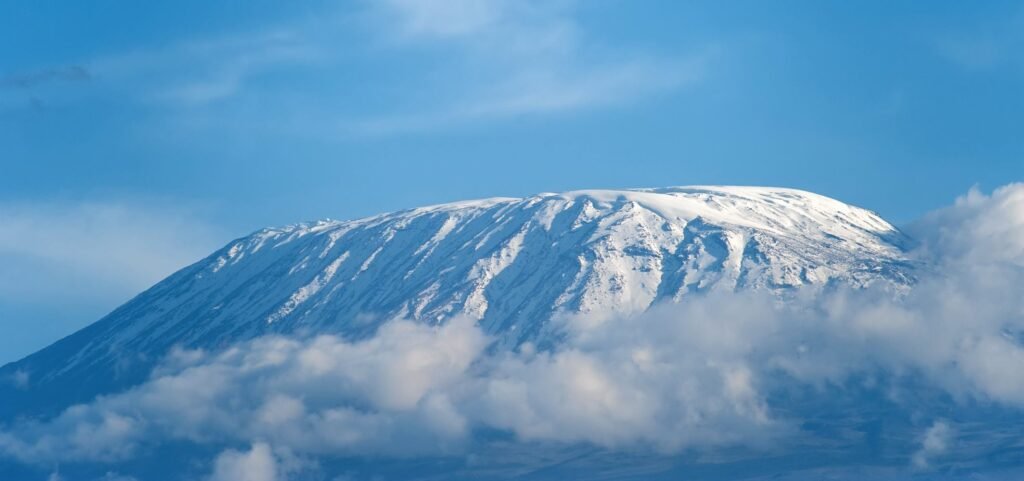
Why Kilimanjaro Summit Photos Matter So Much
Climbing Mount Kilimanjaro is not just a physical achievement; it is an emotional journey that stays with you forever. The moment you reach the summit after days of trekking, altitude changes, and cold nights becomes deeply personal. Photos help you keep that feeling alive and share it with others.
Unlike normal travel pictures, summit photos represent effort, patience, and determination. That is why they tend to stand out on platforms like Instagram. According to research shared on Google, visual storytelling is one of the most engaging forms of content online, and authentic experiences perform better than staged ones.
Organizations like National Geographic and World Wildlife Fund also highlight the importance of documenting natural landscapes responsibly, making your photos not just personal memories but also part of global storytelling.
Best Time to Take Kilimanjaro Summit Photos
Timing is everything when it comes to capturing the perfect shot at the summit. Most climbers reach Uhuru Peak at sunrise, and this is the best time for photography. The light is soft, golden, and spreads across the glaciers and clouds, creating a magical atmosphere that is difficult to recreate later in the day.
Midday light is usually too harsh and can make your photos look flat or overexposed. Sunrise, on the other hand, adds depth, contrast, and warmth to your images. According to NOAA, early morning light contains less atmospheric distortion, which is why landscapes appear clearer and more vibrant.
When booking your trek through Kilimanjaro climbing packages, make sure your itinerary allows you to reach the summit at sunrise for the best photography conditions.
Choose the Right Gear for Kilimanjaro Summit Photos
Your gear can make a big difference, but it does not have to be complicated. A good smartphone is often enough if you know how to use it well. However, if you prefer a camera, choose something lightweight because carrying heavy equipment at high altitude can be exhausting.
Cold temperatures at the summit can drain batteries quickly. According to NASA, lithium batteries lose efficiency in low temperatures, so keep your batteries warm inside your jacket. Bring at least two or three backups.
Tripods can help stabilize your shots, but they are optional. Many climbers prefer handheld shots due to time pressure and strong winds. You can find more preparation tips from Kilimanjaro Climb Specialist, which also provides gear recommendations.
Dress Smart for Better Photos
Your outfit plays a big role in how your photos look. Bright colors like red, yellow, or blue stand out beautifully against the white glaciers and dark volcanic rocks. Neutral colors can sometimes blend too much into the background.
Layering is important, but try to keep your outer layer visually appealing. Avoid bulky combinations that hide your shape completely. According to UNEP, choosing appropriate gear for extreme environments improves both safety and performance.
Many climbers book through Tanzania safari packages after their climb, and having good photos from the summit helps complete the full travel story.
Simple Poses That Always Work
You do not need complicated poses to get great shots. In fact, simple and natural poses often look better. Standing with your arms open, holding the summit sign, or looking toward the horizon can create powerful images.
Avoid forcing expressions. Just relax and let the moment guide you. According to Conservation International, authentic moments are more impactful in visual storytelling.
You can also take walking shots or silhouette photos during sunrise. These styles add variety to your collection and make your Instagram feed more engaging.
Use the Environment Creatively
The summit of Kilimanjaro offers unique elements like glaciers, rocks, clouds, and endless sky. Use these features to frame your shots. Position yourself slightly off-center to create a balanced composition.
Leading lines, such as trails or ridges, can guide the viewer’s eye toward your subject. According to IUCN, natural landscapes provide powerful visual structures that enhance storytelling.
Try different angles, including low angles for dramatic effects or wide shots to capture the full environment. Avoid staying in one position; move around and explore.
Keep It Quick and Efficient
At the summit, time is limited due to extreme cold and altitude. Most climbers spend only 10 to 20 minutes at the top. That means you must be ready to take your photos quickly.
Prepare your camera settings before reaching the summit. Practice using your device with gloves if possible. According to World Health Organization, exposure to extreme cold can affect coordination, so preparation is key.
Your guide from Eddy Tours & Safaris team can also help you take photos quickly and safely.
Edit Your Kilimanjaro Summit Photos Naturally
Editing is important, but keep it simple. Adjust brightness, contrast, and warmth to enhance your image without making it look unrealistic. Over-editing can remove the natural beauty of the scene.
Apps like Lightroom or Snapseed are easy to use and effective. According to The Nature Conservancy, preserving natural colors in landscape photography helps maintain authenticity.
Aim for a clean, balanced look that reflects what you actually experienced at the summit.
Respect Nature While Taking Photos
While taking photos, always respect the environment. Avoid stepping on fragile areas or leaving any waste behind. Mount Kilimanjaro is a protected area, and conservation is important.
Organizations like UNESCO and FAO emphasize responsible tourism practices to protect natural heritage sites.
Being mindful not only protects the environment but also ensures future climbers can enjoy the same experience.
Plan Your Full Experience for Better Content
Your summit photos are just one part of your journey. Document your entire climb, including camps, landscapes, and interactions with your team. This creates a complete story that is more engaging for your audience.
You can also combine your climb with a safari or Zanzibar trip. Check options on Zanzibar beach holidays to extend your adventure.
According to World Bank, tourism experiences that combine multiple activities create higher satisfaction and stronger memories.
Final Thoughts on Kilimanjaro Summit Photos
Kilimanjaro Summit Photos are more than just pictures; they are proof of your effort, determination, and success. With the right preparation, timing, and simple techniques, you can capture images that truly reflect your journey.
Do not overthink it. Focus on enjoying the moment, staying safe, and being present. The best photos often come naturally when you are fully immersed in the experience.
If you are ready to plan your climb and capture your own unforgettable summit photos, visit contact Eddy Tours & Safaris and start your journey today.