
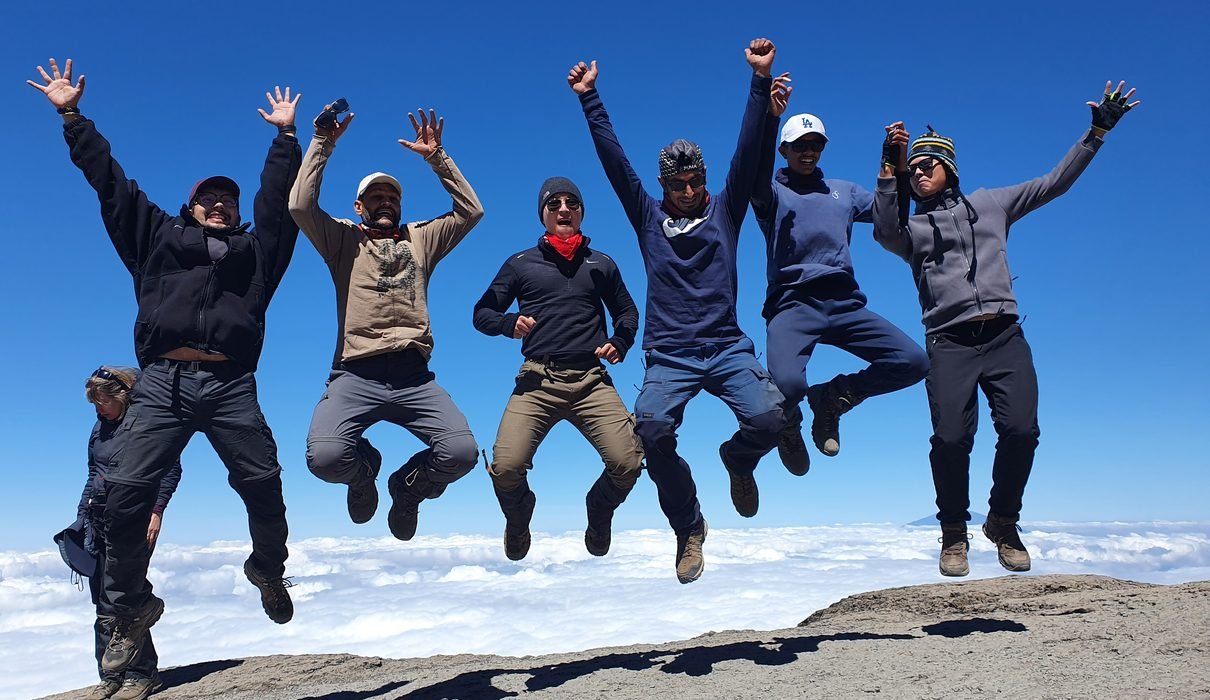
Climbing Mount Kilimanjaro in Tanzania and trekking to Everest Base Camp in Nepal are two of the most popular mountain adventures in the world. Both attract travelers who love hiking, beautiful scenery, and the challenge of reaching high altitude. However, the two journeys are quite different. Kilimanjaro takes you to the summit of Africa’s highest mountain, while the Everest Base Camp trek takes you through the Himalayas to the base of Mount Everest, the world’s highest mountain.
If you are planning a mountain adventure in 2027 or 2028, you might be wondering which destination is more difficult, which costs more, and how much time you need. You may also want to know whether Kilimanjaro or Everest Base Camp is better for beginners. These are important questions because both trips require physical preparation, suitable equipment, and enough time to adjust to high altitude.
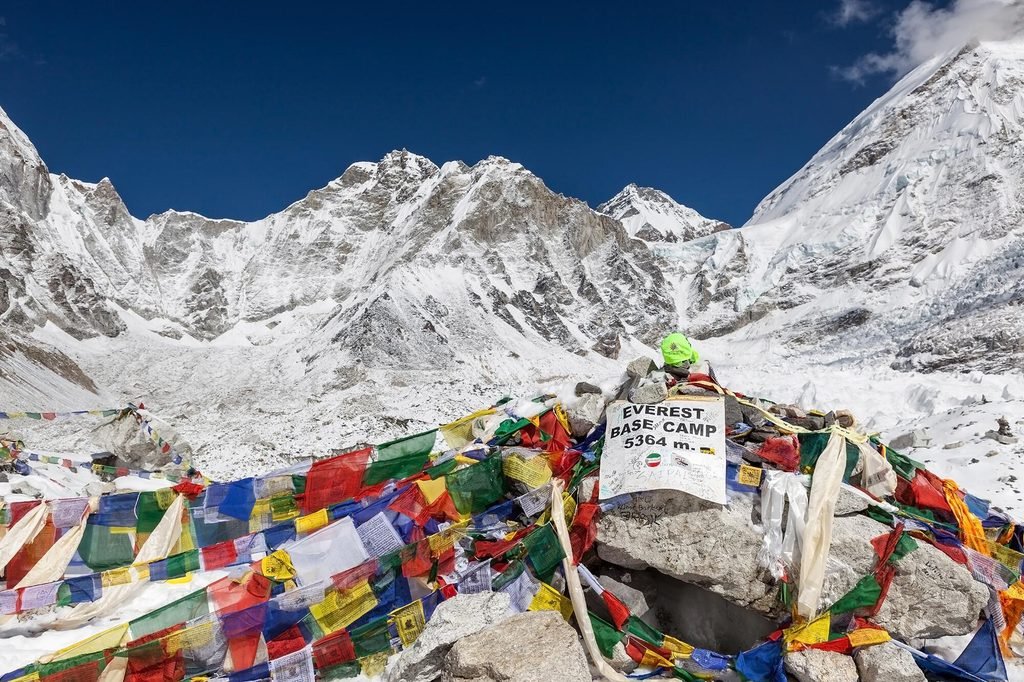
Mount Kilimanjaro stands at 5,895 metres (19,341 feet) above sea level, while Everest Base Camp on the Nepal side is approximately 5,364 metres (17,598 feet). Although Kilimanjaro is higher, the standard Everest Base Camp trek is generally longer and involves more days of walking. Kilimanjaro also has a demanding summit night, when climbers make their final ascent in freezing conditions before descending a considerable distance.
At Eddy Tours & Safaris, we help travelers plan Kilimanjaro climbing adventures in Tanzania. In this guide, we compare Kilimanjaro and Everest Base Camp in simple terms, looking at difficulty, altitude, trekking days, accommodation, costs, weather, and preparation. By the end, you should have a clearer idea of which adventure suits your travel plans for 2027 or 2028.
Kilimanjaro vs Everest Base Camp: Quick Comparison
| Feature | Mount Kilimanjaro | Everest Base Camp |
|---|---|---|
| Country | Tanzania, East Africa | Nepal, South Asia |
| Main destination | Uhuru Peak | Everest Base Camp |
| Elevation | 5,895 metres | Approximately 5,364 metres |
| Typical trekking duration | 6–9 days | 12–14 days |
| Main experience | Climbing to a mountain summit | Trekking through Himalayan valleys to base camp |
| Technical climbing | Not normally required on standard routes | Not normally required on standard trekking route |
| Accommodation | Tents or huts, depending on route | Tea houses and lodges |
| Main challenge | High altitude and demanding summit night | Long trekking duration and high altitude |
| Popular travel periods | January–March, June–October | March–May, September–November |
| Cultural experience | Tanzanian mountain communities and guides | Sherpa communities, monasteries and Himalayan villages |
| Optional extensions | Tanzania safari and Zanzibar | Kathmandu sightseeing and other Nepal treks |
Both adventures require suitable preparation. The best choice depends on whether you want to stand on a major mountain summit or spend more time trekking through a famous mountain region.
1. Mount Kilimanjaro: Climbing to the Roof of Africa
Mount Kilimanjaro is located in northern Tanzania, close to the towns of Moshi and Arusha. It is Africa’s highest mountain and one of the world’s best-known trekking destinations. Unlike many major mountain summits, Kilimanjaro can be reached by established trekking routes without technical rock climbing under normal conditions. However, its height makes the journey physically demanding, particularly during the final ascent to Uhuru Peak.
One of Kilimanjaro’s biggest attractions is the variety of landscapes along the mountain. Climbers begin in rainforest or other lower mountain environments before passing through heath, moorland, alpine desert, and the cold summit zone. During a single expedition, you can experience tropical vegetation, volcanic rock formations, wide mountain valleys, and views across the surrounding Tanzanian plains.
There are several established Kilimanjaro routes, including Machame, Lemosho, Marangu, Rongai, Northern Circuit, Umbwe, and Shira. Each has its own itinerary, scenery, and acclimatization considerations. For travelers who want more time to adjust to altitude, longer routes such as eight-day Lemosho and nine-day Northern Circuit are worth considering.
If you are interested in the Machame approach, read our Machame Route Kilimanjaro itinerary for more information about the trail, camps, and summit preparation.
2. Everest Base Camp: Trekking Through the Himalayas
Everest Base Camp is located in Nepal’s Khumbu region, within the Himalayan mountain range. The standard trek usually begins after a flight to Lukla, followed by several days of walking through mountain villages, valleys, suspension bridges, and high-altitude landscapes. The journey passes places such as Namche Bazaar, Tengboche, Dingboche, Lobuche, and Gorak Shep before reaching Everest Base Camp.
Unlike Kilimanjaro, the standard Everest Base Camp trek does not take you to the summit of Mount Everest. Reaching Everest’s summit requires a separate technical mountaineering expedition, specialist equipment, extensive experience, and a much larger budget. The regular base camp trek is instead a high-altitude hiking adventure that brings travelers close to the mountain and its surrounding Himalayan peaks.
A major attraction of Everest Base Camp is the opportunity to experience local mountain communities along the route. Trekkers pass through Sherpa villages, visit Buddhist monasteries, and stay in mountain tea houses. The journey combines hiking with cultural experiences, making it attractive to travelers who enjoy spending time in remote mountain settlements.
The trek is usually longer than a Kilimanjaro expedition. Most travelers allow approximately twelve to fourteen trekking days, including acclimatization stops, although complete travel packages may require additional days for Kathmandu, flights, and possible weather delays.
3. Which Is Harder: Kilimanjaro or Everest Base Camp?
There is no single answer because the two adventures are difficult in different ways. Kilimanjaro is generally more demanding in terms of the maximum elevation reached and the intensity of summit night. Everest Base Camp is often more demanding in terms of the total number of trekking days and the amount of time spent walking through mountainous terrain.
On Kilimanjaro, climbers may begin the final summit ascent around midnight. The journey toward Uhuru Peak involves steep volcanic slopes, freezing temperatures, and reduced oxygen availability. After reaching the summit, climbers normally descend a long distance to a lower campsite on the same day. This combination of climbing and descending makes summit day one of the hardest stages of the expedition.
Everest Base Camp involves a different kind of challenge. Trekkers walk for many consecutive days, often over rocky trails and steep sections, while gradually gaining elevation. The route includes acclimatization stops, but travelers still spend considerable time at high altitude. Although the standard trek does not include a summit climb, the long duration can place significant demands on endurance and recovery.
For someone who enjoys a shorter but more intense summit challenge, Kilimanjaro may be more appealing. For someone who prefers a longer mountain journey with village accommodation and cultural experiences, Everest Base Camp may be the better choice.
4. Altitude Comparison: Kilimanjaro vs Everest Base Camp
Altitude is one of the most important considerations for both adventures. As you climb higher, atmospheric pressure decreases and your body receives less oxygen with each breath. This can cause headaches, nausea, dizziness, fatigue, and other symptoms of altitude illness, even in travelers who are physically fit.
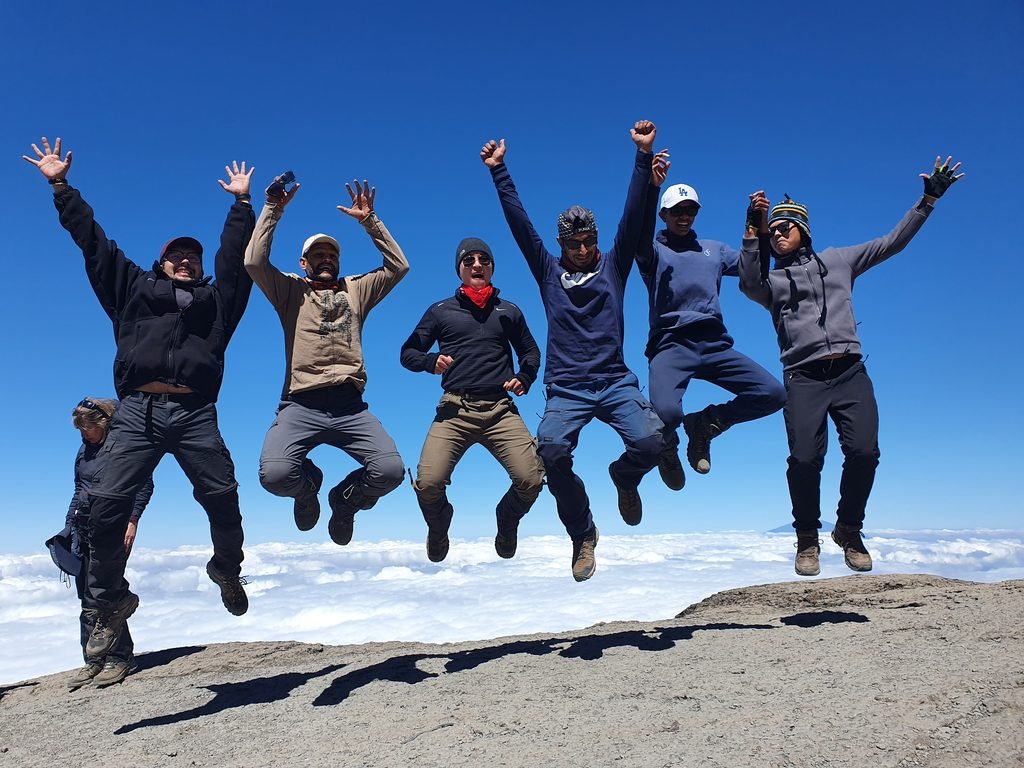
Kilimanjaro’s summit is approximately 531 metres higher than Everest Base Camp. However, altitude risk is not determined by the highest point alone. The speed of ascent, sleeping elevations, acclimatization days, and personal response to altitude are all important.
On Kilimanjaro, some shorter itineraries gain elevation quickly, making careful route selection essential. On Everest Base Camp, trekkers often spend more nights at high altitude, which creates different acclimatization challenges. Both destinations can cause serious altitude illness if symptoms are ignored or the ascent is too rapid.
For travelers considering Kilimanjaro, choosing a longer route can provide additional time for acclimatization. You can also read our guide to the best Machame Route on Kilimanjaro to understand the importance of itinerary duration.
Before either trip, consult a qualified healthcare professional familiar with high-altitude travel. Physical fitness helps with walking endurance but does not prevent altitude sickness.
5. How Many Days Do You Need for Each Adventure?
Kilimanjaro expeditions commonly take between six and nine trekking days, depending on the route. Some shorter itineraries exist, but they may provide limited acclimatization time. Travelers planning their first climb should consider a route that allows enough time for gradual altitude adjustment rather than choosing the shortest possible schedule.
The seven-day Machame Route is a popular option because it includes an overnight stay at Karanga Camp before the ascent toward Barafu. Eight-day Lemosho and nine-day Northern Circuit provide longer trekking schedules, while seven- or eight-day Rongai itineraries offer an approach from Kilimanjaro’s northern side.
Everest Base Camp generally requires twelve to fourteen trekking days, including acclimatization stops. The journey usually follows a route through Namche Bazaar, Tengboche, Dingboche, Lobuche, and Gorak Shep before reaching base camp. Travelers should also allow additional time for international travel and possible flight disruptions in Nepal.
If you have only ten or eleven days available for your entire holiday, Kilimanjaro may be easier to fit into your schedule, depending on flights and the route selected. If you can dedicate two to three weeks to the adventure, Everest Base Camp becomes more practical.
6. Kilimanjaro vs Everest Base Camp: Cost Comparison for 2027 and 2028
The cost of either adventure depends on the length of the trip, the operator, accommodation arrangements, group size, transport, and services included. Exact prices for 2027 and 2028 should be confirmed through current quotations rather than relying on estimates published several years earlier.
Kilimanjaro climbing packages commonly include national park fees, mountain guides, porters, meals during the expedition, camping or hut arrangements, and transfers between the departure town and park gates. Costs may vary considerably between a shorter group climb and a longer private expedition. Additional expenses can include international flights, visa fees, travel insurance, personal equipment, tips, and hotel accommodation.
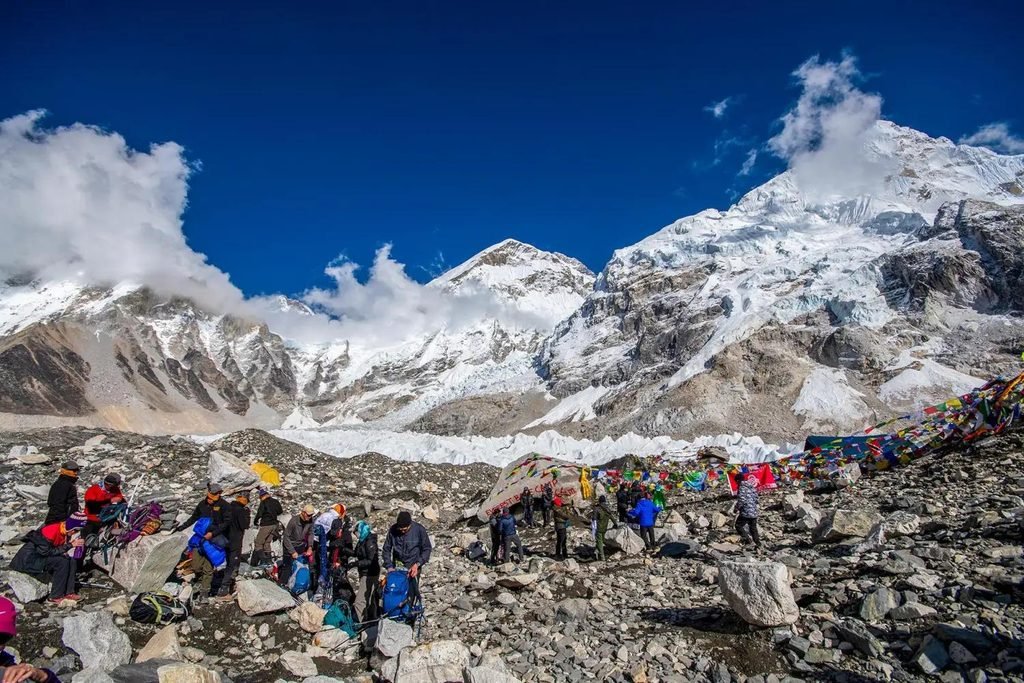
Everest Base Camp trekking costs depend on the selected itinerary, guide and porter arrangements, domestic flights, tea house accommodation, meals, permits, and optional services. Travelers should also consider the possibility of flight delays around Lukla, which may affect accommodation and onward travel arrangements.
Neither destination is automatically cheaper in every situation. Kilimanjaro has substantial park and expedition costs, while Everest Base Camp generally involves a longer trip with more days of accommodation and meals. Comparing complete written quotations is the best way to understand the actual cost.
Main Expenses to Consider
| Expense | Kilimanjaro | Everest Base Camp |
|---|---|---|
| Park and access fees | Significant part of expedition cost | Trekking and conservation permit costs |
| Guides | Required authorized mountain guiding | Local guide arrangements subject to applicable rules |
| Porters | Commonly included in organized climbs | Often optional or included in guided packages |
| Accommodation | Mountain tents or huts | Tea houses and lodges |
| Meals | Commonly included during climbing package | Included or paid separately depending on package |
| Domestic transport | Road transfers to mountain gates | Flights and transfers to trekking start |
| Travel insurance | High-altitude trekking and evacuation cover | High-altitude trekking and evacuation cover |
| Equipment | Cold-weather climbing and camping equipment | High-altitude trekking clothing and equipment |
When comparing quotations, check exactly what is included and whether emergency arrangements are clearly explained.
7. Accommodation: Mountain Camps vs Himalayan Tea Houses
Accommodation is one of the clearest differences between Kilimanjaro and Everest Base Camp. Most Kilimanjaro routes use designated mountain camps where climbers sleep in tents. The mountain crew generally transports the main camping equipment, prepares meals, and helps organize the expedition. The Marangu Route is an exception because it uses established mountain huts.
Camping on Kilimanjaro allows travelers to spend their nights surrounded by the mountain’s changing landscapes. However, facilities are basic compared with ordinary hotels, and temperatures can become very cold at higher camps. Climbers should be comfortable sleeping in tents and using shared mountain facilities.
On Everest Base Camp, trekkers generally stay in tea houses and lodges located along the route. These establishments provide rooms and meals, although comfort and facilities vary with elevation and location. Lower villages may offer more amenities, while accommodation becomes simpler higher in the mountains.
If you enjoy camping and want a guided expedition with a mountain support crew, Kilimanjaro may suit you well. If you prefer sleeping in lodges and meeting other trekkers in mountain villages, Everest Base Camp offers a different experience.
8. Scenery: African Landscapes vs Himalayan Mountains
Both destinations offer remarkable scenery, but the landscapes are very different. Kilimanjaro is a free-standing volcanic mountain rising above the plains of northern Tanzania. Its lower slopes contain rainforest, while higher elevations feature moorland, volcanic valleys, rocky desert, and the remaining summit icefields.
The Machame and Lemosho routes are particularly known for their changing scenery. Travelers can walk through dense forest during the first days, cross the open Shira Plateau, and later pass dramatic landmarks such as Lava Tower and Barranco Wall. Near the summit, the landscape becomes increasingly exposed and dominated by volcanic rock and ice.
Everest Base Camp offers the dramatic scenery of the Himalayas, with enormous snow-covered peaks, deep valleys, glaciers, and traditional mountain villages. Trekkers encounter views of mountains such as Ama Dablam, Lhotse, Nuptse, and Everest from different points along the route.
The best scenery depends on personal preference. Kilimanjaro offers a striking journey through different ecological zones, while Everest Base Camp provides continuous views of the Himalayan mountain range.
9. Best Time to Visit Kilimanjaro and Everest Base Camp in 2027–2028
The best climbing periods are not exactly the same for both destinations. Kilimanjaro is commonly climbed during January to March and June to October, when conditions are often relatively drier. However, weather can change quickly at higher elevations, and freezing temperatures are possible throughout the year.
Everest Base Camp is commonly trekked during the spring months of March to May and the autumn months of September to November. These periods often provide favorable trekking conditions and mountain visibility, although weather disruptions can still occur.
| Travel period | Kilimanjaro | Everest Base Camp |
|---|---|---|
| January–February | Popular climbing period | Cold winter trekking conditions |
| March | Often suitable early in month; rain may increase | Popular spring trekking period begins |
| April–May | Generally wetter | Popular spring trekking period |
| June–August | Popular drier-season climbing period | Monsoon conditions often affect trekking |
| September–October | Popular climbing period | Popular autumn trekking period |
| November | Seasonal rain possible | Popular autumn period, becoming colder |
| December | Variable conditions | Cold winter conditions |
For 2027 and 2028, travelers should confirm weather expectations and local arrangements before booking. No particular month guarantees good conditions or successful completion.
10. Which Adventure Is Better for Beginners?
Both Kilimanjaro and Everest Base Camp can be suitable for physically prepared beginners, provided they choose an appropriate itinerary and understand the risks of high-altitude trekking. Neither adventure should be approached without preparation.
Kilimanjaro may appeal to beginners who want to reach a major mountain summit without technical climbing. Longer itineraries such as eight-day Lemosho or nine-day Northern Circuit provide more time for acclimatization than shorter routes, making them worth considering for travelers with limited previous altitude experience.
Everest Base Camp may appeal to beginners who enjoy long-distance trekking and want to experience the Himalayan villages along the way. However, the trek requires many consecutive days of walking, and travelers must be prepared for high altitude, basic accommodation, and possible transport disruptions.
The better choice depends on your available time, fitness, interest in camping or lodges, and personal travel goals.
11. Training for Kilimanjaro and Everest Base Camp
Physical training for both adventures should focus on hiking endurance, leg strength, and the ability to walk comfortably for several consecutive days. Regular hill walking is particularly useful because both routes involve long uphill and downhill sections.
For many travelers, beginning structured preparation three to six months before departure is a practical approach. Training can include longer weekend hikes, stair climbing, cardiovascular exercise, and strength work for the legs and core. Practicing with a daypack is also helpful because you will need to carry water, warm clothing, snacks, and personal essentials during the trek.
Kilimanjaro climbers should prepare specifically for a demanding summit day, which may involve walking through the night in freezing temperatures. Everest Base Camp trekkers should focus on endurance over a longer period because the route involves more consecutive days of hiking.
Regardless of your destination, physical fitness does not prevent altitude illness. Proper acclimatization, honest reporting of symptoms, and following your guide’s safety advice are essential.
12. Essential Packing List for Both Adventures
Packing suitable equipment is important because weather conditions can change quickly at high altitude. Both Kilimanjaro and Everest Base Camp require warm clothing, waterproof protection, comfortable hiking boots, and equipment suitable for long trekking days.
A layered clothing system is generally recommended. Moisture-wicking base layers help manage perspiration, insulated mid-layers provide warmth, and waterproof outer clothing protects against wind and rain. Warm gloves, a hat, sunglasses, sunscreen, and a reliable headlamp are also important.
| Equipment | Kilimanjaro | Everest Base Camp |
|---|---|---|
| Comfortable hiking boots | Essential | Essential |
| Thermal base layers | Essential | Essential |
| Insulated jacket | Essential | Essential |
| Waterproof jacket | Essential | Essential |
| Trekking poles | Recommended | Recommended |
| Headlamp | Essential for summit night | Recommended |
| Cold-weather sleeping bag | Important for mountain camping | Depends on lodge and season |
| Daypack | Essential | Essential |
| Sunglasses and sunscreen | Essential | Essential |
| Personal medication | Essential where prescribed | Essential where prescribed |
Test your equipment before departure, especially your hiking boots. Wearing new boots for the first time during a high-altitude expedition can cause unnecessary discomfort.
13. Can You Combine Kilimanjaro with a Tanzania Safari?
One major advantage of choosing Kilimanjaro is the opportunity to combine your mountain expedition with a wildlife safari in northern Tanzania. After completing the climb, you can visit famous destinations such as Serengeti National Park, Ngorongoro Crater, Tarangire National Park, and Lake Manyara National Park.
A three- to five-day safari can be a good option for travelers who want to experience wildlife after their mountain adventure. Longer safaris provide more time to explore different parks and enjoy the landscapes at a relaxed pace. Depending on the season and itinerary, you may have opportunities to see elephants, giraffes, lions, zebras, wildebeest, and many other animals.
Some travelers also choose to continue to Zanzibar for a beach holiday after their Kilimanjaro climb and safari. This creates an opportunity to combine mountain trekking, wildlife viewing, and coastal relaxation during one trip to Tanzania.
At Eddy Tours & Safaris, we can discuss Kilimanjaro climbing packages and suitable safari extensions based on your travel dates and available time.
14. Kilimanjaro vs Everest Base Camp: Which Offers Better Value?
Value is about more than the total price. Kilimanjaro offers the opportunity to reach the highest point in Africa, experience several ecological zones, and complete a major summit challenge within a relatively short expedition. It is especially attractive for travelers who want a clear summit objective and the option of combining the climb with a Tanzania safari.
Everest Base Camp offers a longer trekking experience through the Himalayas, with mountain villages, monasteries, glaciers, and views of some of the world’s highest peaks. Travelers who enjoy cultural experiences and extended hiking may find the longer itinerary particularly rewarding.
Neither trip is automatically better value for everyone. A traveler with limited holiday time may prefer Kilimanjaro, while someone who wants two weeks of Himalayan trekking may choose Everest Base Camp. The best decision is the one that matches your interests, budget, fitness, and travel schedule.
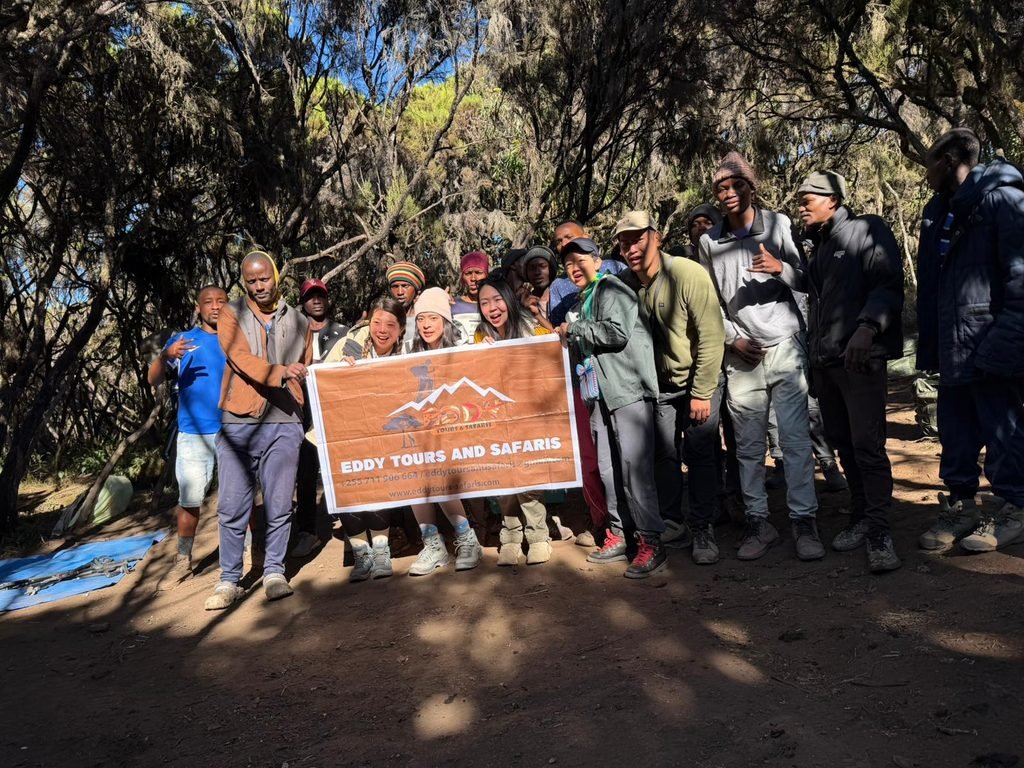
15. Our Recommendation: Kilimanjaro or Everest Base Camp in 2027–2028?
If your dream is to stand on the summit of one of the world’s most famous mountains, Kilimanjaro is the better choice. Reaching Uhuru Peak is a major personal achievement, and the journey offers a unique combination of volcanic scenery, mountain camping, and changing landscapes. For many first-time climbers, a longer route with suitable acclimatization opportunities is preferable to a compressed itinerary.
If your dream is to walk through the Himalayas, experience Sherpa culture, and spend more time exploring mountain villages, Everest Base Camp may be more appealing. The trek is longer and requires considerable endurance, but it offers a different style of adventure from a summit climb.
For travelers planning their first African mountain expedition, Kilimanjaro is a particularly attractive destination because it can also be combined with wildlife safaris and Zanzibar holidays. However, both adventures require careful planning and respect for the challenges of high altitude.
Frequently Asked Questions About Kilimanjaro vs Everest Base Camp
1. Is Kilimanjaro harder than Everest Base Camp?
Kilimanjaro is often more demanding on summit day because of its higher elevation and steep nighttime ascent. Everest Base Camp generally involves more trekking days.
2. Which is higher, Kilimanjaro or Everest Base Camp?
Kilimanjaro’s Uhuru Peak is 5,895 metres, while Everest Base Camp is approximately 5,364 metres.
3. Can beginners climb Kilimanjaro?
Yes. Physically prepared beginners can attempt Kilimanjaro on suitable guided routes, although altitude risks remain important.
4. Can beginners trek to Everest Base Camp?
Yes. Well-prepared beginners can complete the standard trek with suitable acclimatization and guidance.
5. How long does Kilimanjaro take?
Many established itineraries take six to nine trekking days, depending on the route.
6. How long does Everest Base Camp take?
The trek commonly takes twelve to fourteen days, excluding some international travel arrangements.
7. Is Kilimanjaro a technical climb?
Standard Kilimanjaro trekking routes do not normally require technical mountaineering skills under suitable conditions.
8. Do you climb Mount Everest on the Everest Base Camp trek?
No. The standard trek finishes at base camp, not the summit of Mount Everest.
9. Which destination has a more difficult summit day?
Kilimanjaro has a demanding summit day. The standard Everest Base Camp trek does not include a mountain summit attempt.
10. Which is better for altitude acclimatization?
Both can provide suitable acclimatization opportunities when itineraries are planned carefully. The daily sleeping elevations and ascent schedule matter more than the destination name.
11. Is altitude sickness common on both treks?
Altitude illness is a significant risk on both adventures, particularly when ascending too quickly.
12. Does physical fitness prevent altitude sickness?
No. Physical fitness helps with endurance but does not prevent altitude illness.
13. Which trek is more expensive?
Costs vary according to itinerary, operator, group size, and included services. Complete quotations should be compared.
14. Which trek has better accommodation?
Everest Base Camp generally offers tea houses and lodges, while most Kilimanjaro routes use mountain tents.
15. Can I sleep in huts on Kilimanjaro?
Yes. The Marangu Route uses established mountain huts.
16. Which destination has better scenery?
Kilimanjaro offers changing ecological zones and volcanic landscapes, while Everest Base Camp features Himalayan peaks, glaciers, and mountain valleys.
17. What is the best time to climb Kilimanjaro?
January to March and June to October are commonly popular periods.
18. What is the best time for Everest Base Camp?
March to May and September to November are commonly popular trekking periods.
19. Do I need a guide for Kilimanjaro?
Yes. Kilimanjaro climbs require authorized mountain guiding arrangements.
20. Do I need travel insurance for both adventures?
Appropriate high-altitude trekking insurance with emergency assistance and evacuation cover is strongly recommended.
21. How should I train for Kilimanjaro?
Focus on hiking endurance, hill walking, leg strength, and preparation for long trekking days.
22. How should I train for Everest Base Camp?
Focus on endurance for consecutive hiking days, uphill walking, and carrying a comfortable daypack.
23. Can I combine Kilimanjaro with Serengeti?
Yes. Many travelers add a Serengeti safari after completing Kilimanjaro.
24. Can I book Kilimanjaro for 2027?
You can request a quotation and discuss suitable travel dates for 2027, subject to confirmation.
25. Can I book Kilimanjaro for 2028?
Yes. Future climbing arrangements can be discussed, although prices and departure availability must be confirmed.
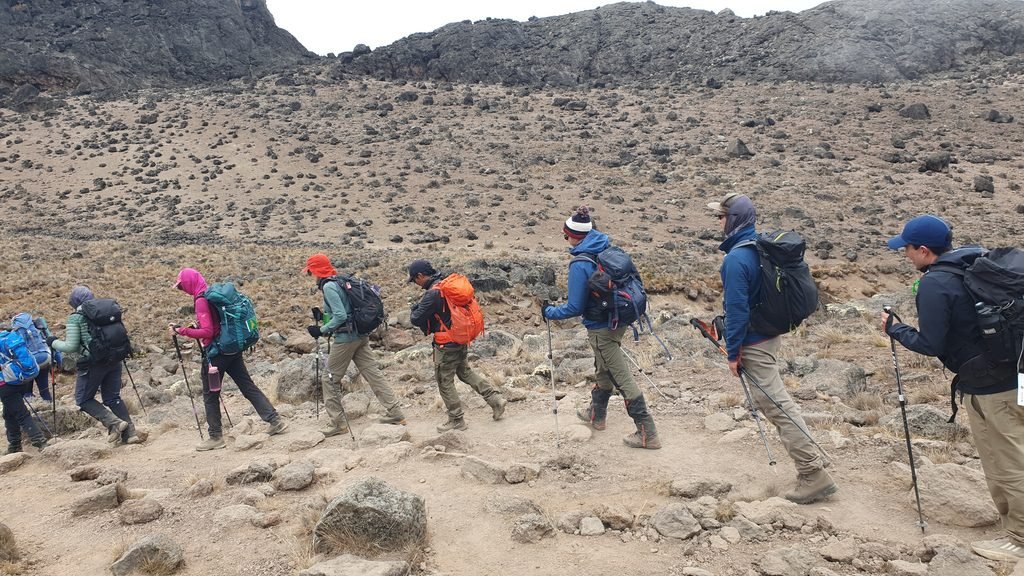
Plan Your Kilimanjaro Climb for 2027 and 2028 with Eddy Tours & Safaris
Kilimanjaro and Everest Base Camp are both outstanding high-altitude adventures, but they offer different experiences. Kilimanjaro takes you to the highest point in Africa, while Everest Base Camp offers an extended trek through the Himalayan mountains. The right choice depends on your travel goals, available time, budget, and interest in summit climbing or long-distance trekking.
For travelers who want to climb a famous mountain summit, Kilimanjaro offers an excellent opportunity to experience high-altitude trekking in Tanzania. Routes such as Machame, Lemosho, Rongai, Marangu, and Northern Circuit provide different itineraries and landscapes, allowing travelers to choose a journey that suits their preparation and schedule.
At Eddy Tours & Safaris, we help travelers organize guided Kilimanjaro expeditions for 2027 and 2028. Our team can discuss suitable routes, mountain accommodation, preparation requirements, and travel arrangements before providing a detailed quotation. We can also help you explore Tanzania safari extensions if you want to experience the country’s wildlife after your climb.
Request Your Kilimanjaro Climbing Quotation
Chat with Eddy Tours & Safaris on WhatsApp
Email: sales@eddytours-safaris.com
Contact our team to plan your Kilimanjaro expedition with suitable preparation, realistic expectations, and mountain safety as the priority.