
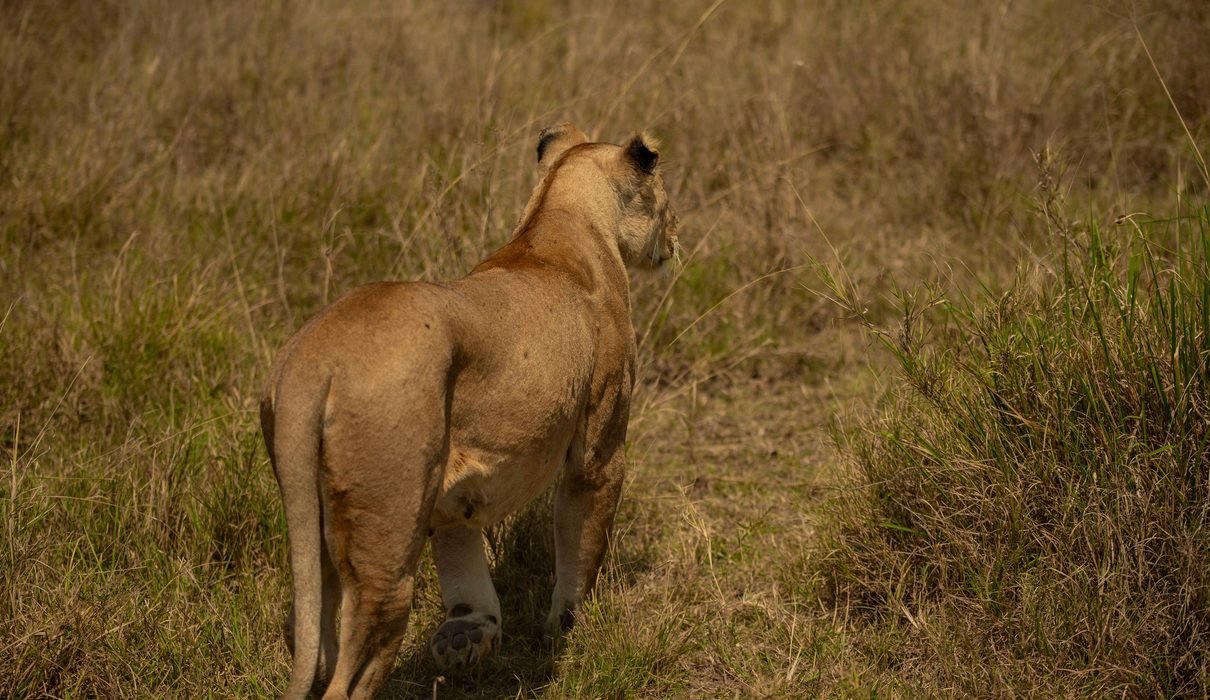
Tanzania is one of the best countries in Africa for a wildlife safari, and there are plenty of good reasons to visit in 2027 or 2028. From the endless plains of the Serengeti to the wildlife-filled Ngorongoro Crater and the elephant herds of Tarangire, Tanzania offers the chance to see wild animals living freely in their natural surroundings. Whether you are planning your first African safari, a family holiday, a honeymoon, or a trip with friends, Tanzania has something for almost every type of traveler.
One of the things that makes Tanzania special is the variety of places you can visit in a single holiday. You can spend your morning watching lions resting in the grass, see elephants walking beneath giant baobab trees in the afternoon, and enjoy dinner at a safari lodge surrounded by the sounds of nature. You can also combine your wildlife safari with a visit to local communities, a Mount Kilimanjaro climbing adventure, or a relaxing beach holiday in Zanzibar.
If you are thinking about visiting Tanzania in 2027 or 2028, this guide will help you understand why the country deserves a place on your travel list. We will look at five reasons to choose Tanzania, the best places to visit, when to travel, how long to stay, and how to plan a safari that suits your budget.
At Eddy Tours & Safaris, we help travelers organize private and customized Tanzania safaris, from short wildlife trips to longer adventures covering several national parks. Our goal is to help you choose the right destinations, travel dates, and accommodation for the kind of safari you want.
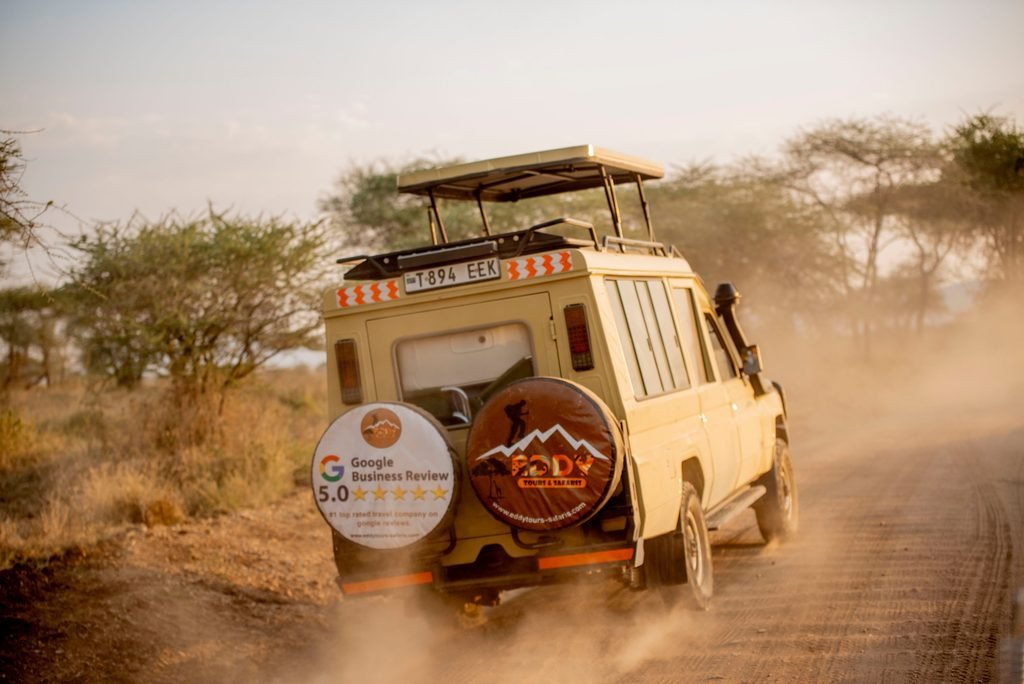
1. Witness the Great Wildebeest Migration in the Serengeti
One of the biggest reasons to visit Tanzania is the chance to experience the Great Wildebeest Migration in the Serengeti ecosystem. Every year, huge herds of wildebeest, zebras, and gazelles move across the grasslands in search of fresh grazing and water. Their journey follows seasonal rainfall and takes them through different parts of the Serengeti and, at certain times, into Kenya’s Maasai Mara.
The migration is not a single event that happens on one particular day. It is a year-round movement, and the experience changes depending on when and where you visit. During the early months of the year, large herds are often found in the southern Serengeti and Ndutu area, where many wildebeest give birth. Later, the herds generally move toward the central and western parts of the ecosystem before reaching the northern Serengeti, where river crossings may occur.
For travelers visiting between July and October, the northern Serengeti is often an attractive destination because of the possibility of seeing wildebeest crossing the Mara River. These crossings can be dramatic, with animals gathering near the riverbanks before entering the water. However, river crossings are unpredictable, and no safari company can guarantee that one will happen during a particular game drive.
Travelers visiting between January and March may prefer the southern Serengeti and Ndutu area, particularly during the calving season. Thousands of young wildebeest are born during this period, attracting predators such as lions, cheetahs, and hyenas. This can be a rewarding time for wildlife photography because the plains are often green and the animal activity is varied.
If witnessing the migration is your main reason for visiting Tanzania in 2027 or 2028, it is important to plan your itinerary around the likely location of the herds rather than simply booking any Serengeti safari. Spending several nights in the appropriate region gives you more time to explore, although wildlife movements will always depend on nature.
For additional planning advice, read our Tanzania Safari Routes Explained guide, which discusses how to choose the right safari destinations for different travel interests.
Best Months for the Serengeti Migration
| Travel period | Typical migration area | What travelers may experience |
|---|---|---|
| January–March | Southern Serengeti and Ndutu | Calving season, large herds and predator activity |
| April–May | Southern and central areas | Herd movement and green landscapes |
| June–July | Western and central Serengeti | Moving herds and possible Grumeti-area crossings |
| July–October | Northern Serengeti | Potential Mara River crossings |
| November–December | Eastern and southern movements | Herds returning toward seasonal grazing areas |
These periods are general patterns, not fixed schedules. Rainfall can cause the migration to arrive earlier or later than expected.
2. See Africa’s Famous Wildlife in Its Natural Habitat
Another reason to choose Tanzania is the chance to see a wide variety of wild animals during your safari. The country is home to lions, elephants, giraffes, zebras, buffaloes, hippos, cheetahs, leopards, wildebeest, antelopes, and many other species. Depending on the parks you visit, you may also have the opportunity to look for the Big Five: lion, leopard, elephant, buffalo, and rhinoceros.
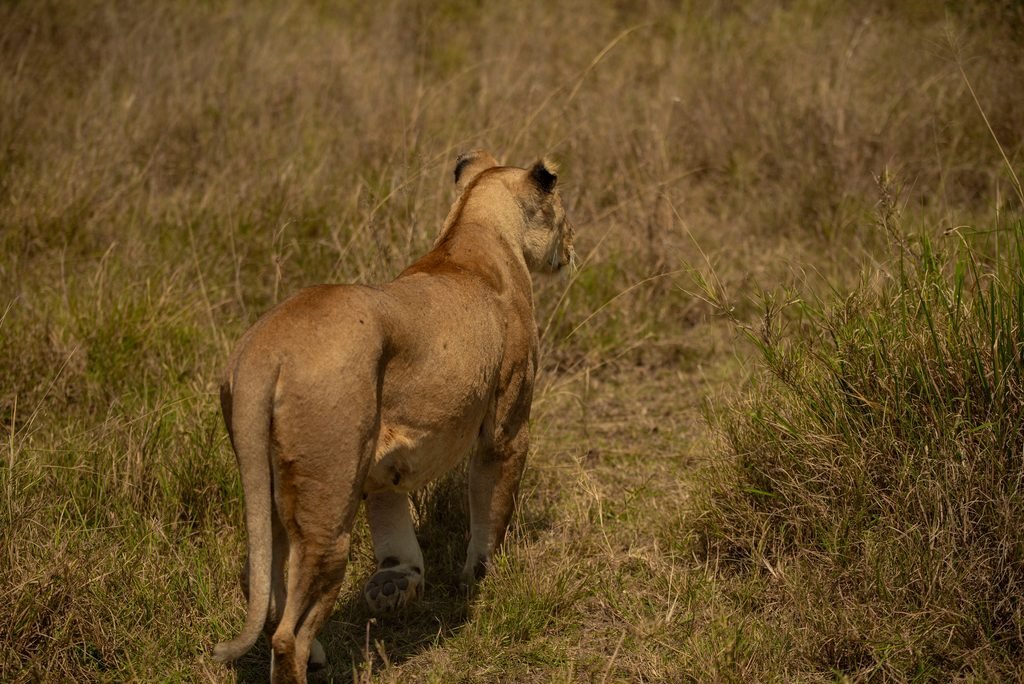
The Serengeti is particularly famous for its predators. Lions can sometimes be seen resting on rocky outcrops, hunting on the open plains, or moving through the grasslands. Cheetahs are often associated with open country, where they can scan the surroundings for prey, while leopards may spend time resting in trees or moving through woodland areas. Seeing these animals depends on their movements and the conditions during your visit, so patience is an important part of the experience.
Ngorongoro Crater is another excellent destination for wildlife viewing. The crater floor contains grasslands, woodland, wetlands, and freshwater areas that support many different animals. During a game drive, you may encounter buffaloes, zebras, wildebeest, elephants, hippos, and lions. The crater is also one of the places where visitors may have an opportunity to see black rhinoceroses, although sightings are not guaranteed.
For travelers who love elephants, Tarangire National Park deserves special attention. The park is known for its elephant herds and large baobab trees, which create a beautiful setting for wildlife photography. During the dry season, animals often gather around the Tarangire River and other remaining water sources, providing opportunities to observe different species in the same area.
Birdwatchers also have plenty to enjoy. Tanzania’s national parks support a wide variety of birds, including eagles, vultures, hornbills, storks, kingfishers, and flamingos in suitable wetland areas. Even travelers who do not normally focus on birds often find themselves interested in the different species encountered during game drives.
If you have limited time, our 4-Day Serengeti and Ngorongoro Safari is an example of how two major wildlife destinations can be combined in a shorter holiday.
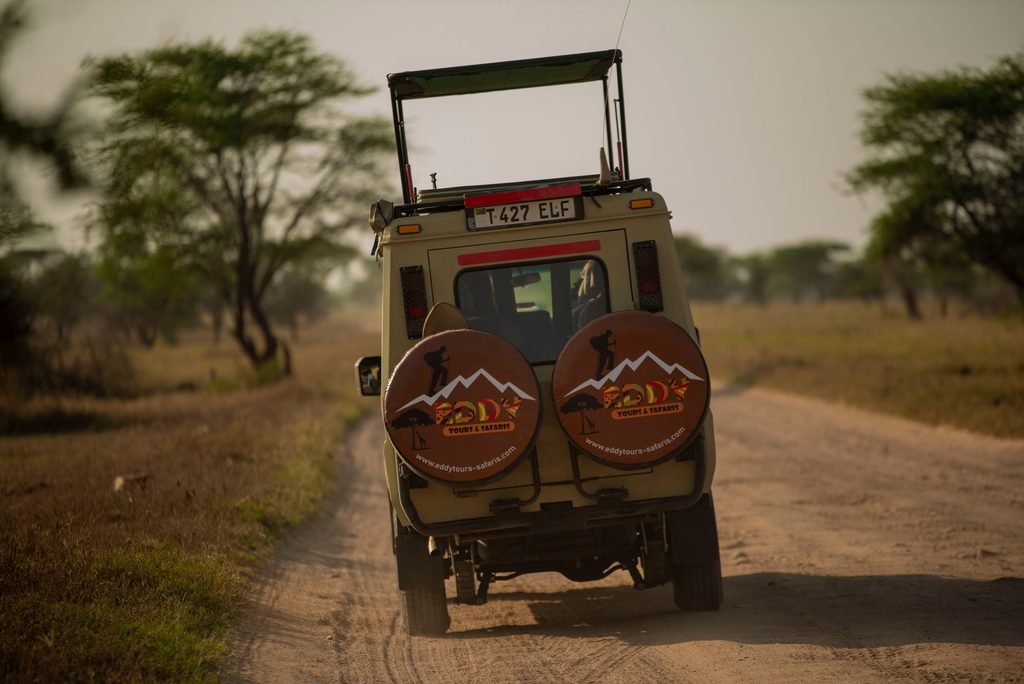
3. Explore Some of Africa’s Most Beautiful National Parks
Tanzania offers much more than one famous national park. Each safari destination has its own landscape, wildlife, and atmosphere, which means you can experience several different environments during the same holiday. This variety is one of the reasons many travelers choose to spend a week or longer exploring the country.
Serengeti National Park
Serengeti National Park is famous for its wide plains, resident predators, and the Great Wildebeest Migration. Its landscapes include open grasslands, woodland, rivers, and rocky outcrops known as kopjes. The park is large enough that different regions can offer very different experiences, making it worthwhile to spend several days exploring rather than rushing through on a single game drive.
Ngorongoro Crater
Ngorongoro Crater is one of Tanzania’s most recognizable natural attractions. The large volcanic caldera contains grasslands, woodland, wetlands, and a soda lake, supporting a rich variety of wildlife. A game drive on the crater floor offers the chance to see several animal species in a relatively concentrated area, while the crater rim provides impressive views across the landscape.
Tarangire National Park
Tarangire is known for elephants, baobab trees, and its beautiful river landscapes. During the dry season, the Tarangire River becomes an important water source for wildlife, attracting animals from surrounding areas. The park is particularly rewarding for visitors who enjoy watching elephant behavior, photographing unusual landscapes, and spending time in an environment that feels different from the open Serengeti plains.
Lake Manyara National Park
Lake Manyara is located beneath the dramatic escarpment of the Great Rift Valley. The park includes groundwater forest, open areas, and lake environments that attract different wildlife species. Visitors may encounter elephants, monkeys, giraffes, buffaloes, and a variety of birds. The park is also associated with tree-climbing lions, although these animals are not always easy to find.
Ruaha and Nyerere National Parks
Travelers interested in exploring beyond Tanzania’s popular northern safari circuit can consider Ruaha and Nyerere National Parks. These destinations offer different landscapes and can appeal to visitors who want longer game drives, varied wildlife experiences, and a less conventional safari itinerary. Depending on the location and current regulations, activities may include game drives, guided walking experiences, and boat-based wildlife viewing.
Choosing the right combination of parks depends on your available time and interests. A traveler visiting Tanzania for four days may prefer Serengeti and Ngorongoro, while someone staying for eight or ten days can include Tarangire, Lake Manyara, and additional nights in the Serengeti.
For a more detailed comparison, see our guide to Tanzania safari routes and national parks.
4. Enjoy a Safari That Matches Your Budget and Travel Style
A Tanzania safari does not have to follow the same plan for every traveler. Some visitors prefer a simple camping adventure, while others want comfortable lodges, private vehicles, or luxury tented camps. The ability to choose different accommodation standards and safari durations makes Tanzania suitable for a wide range of travel styles.
Budget-friendly safaris generally focus on practical accommodation, shared facilities where appropriate, and carefully planned itineraries that reduce unnecessary travel costs. These trips can be a good option for travelers who want to prioritize wildlife viewing without spending heavily on luxury accommodation. However, the total price still depends on park fees, transport, group size, travel season, and the number of nights spent inside protected areas.
Mid-range safaris usually include comfortable lodges or tented camps with private rooms, meals, and convenient access to the national parks. This option is popular with couples, families, and first-time safari travelers who want a balance between comfort and cost. Depending on the itinerary, accommodation may be located inside the park or in nearby towns such as Karatu.
Luxury safaris offer a different experience, with carefully selected lodges or camps, spacious accommodation, attentive service, and sometimes more exclusive locations. Travelers may also choose fly-in safari arrangements to reduce long road transfers between destinations. However, luxury accommodation does not guarantee better wildlife sightings because animals move freely and cannot be controlled.
Private safaris provide additional flexibility because the vehicle and itinerary are arranged for your group. This can be useful for families with children, photographers, honeymooners, and travelers who want to spend more time watching particular animals. Joining a shared safari may reduce some transport costs, but it generally offers less flexibility over the daily schedule.
Tanzania Safari Styles Compared
| Safari style | Accommodation | Best suited for |
|---|---|---|
| Budget camping safari | Campsites and simple facilities | Cost-conscious travelers and adventurous groups |
| Mid-range lodge safari | Comfortable lodges and tented camps | Couples, families and first-time visitors |
| Luxury safari | Premium lodges and luxury tented camps | Honeymoons and comfort-focused travelers |
| Private safari | Choice of accommodation with private vehicle | Families, photographers and customized trips |
| Group joining safari | Shared vehicle and planned accommodation | Solo travelers and travelers seeking shared costs |
When comparing safari quotations for 2027 or 2028, check what is included. Park fees, accommodation, meals, transport, guiding services, domestic flights, and optional activities can affect the final cost. Request a clear written quotation rather than relying on a headline price alone.
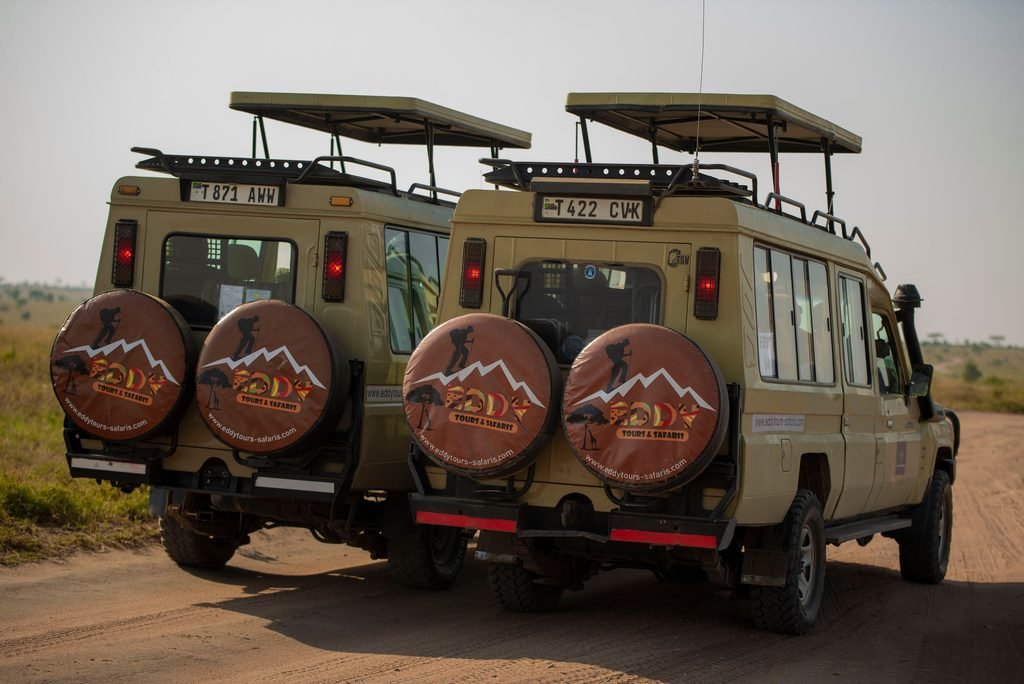
5. Combine Your Tanzania Safari with Kilimanjaro, Zanzibar and Local Experiences
One of the best things about visiting Tanzania is that your holiday does not have to end after the wildlife safari. The country offers several different travel experiences, making it possible to combine national parks, mountain trekking, beaches, and cultural activities within one itinerary.
Mount Kilimanjaro is a popular addition for travelers who enjoy hiking and outdoor adventures. Standing at 5,895 metres above sea level, it is Africa’s highest mountain and attracts climbers from around the world. Established routes include Machame, Lemosho, Marangu, Rongai, Northern Circuit, and Umbwe, each with different durations and acclimatization considerations. Travelers planning to climb should allow enough time for preparation, the expedition itself, and recovery before continuing with other activities.
A wildlife safari after Kilimanjaro can be an enjoyable way to explore Tanzania once the mountain expedition is complete. However, climbers should avoid scheduling an overly demanding itinerary immediately after descending, especially if they experienced significant fatigue, injury, or altitude-related symptoms. A comfortable safari lodge and a relaxed game drive may be more suitable than rushing between destinations.
Zanzibar is another popular addition to a Tanzania holiday. After several days of early morning game drives and dusty safari roads, travelers can relax beside the Indian Ocean, explore Stone Town, visit spice farms, or enjoy the beaches around Nungwi, Kendwa, Paje, and other coastal areas. The island offers a different side of Tanzania and is particularly attractive for honeymooners and families.
Travelers interested in local culture can also include community visits and activities around Arusha, Moshi, or other destinations, depending on the itinerary. These experiences may provide opportunities to learn about local traditions, food, crafts, and daily life. Activities should be arranged respectfully with appropriate local hosts rather than treating communities as attractions.
At Eddy Tours & Safaris, travelers can enquire about combining wildlife safaris with Kilimanjaro climbing or Zanzibar extensions through our contact page.
Best Time to Visit Tanzania for a Safari in 2027 and 2028
The best time to visit Tanzania depends on the kind of wildlife experience you want. June to October is generally considered a popular safari period because it is often relatively dry, vegetation may be thinner, and animals frequently gather around available water sources. These conditions can make wildlife viewing easier in several national parks, although the busiest destinations may also receive more visitors.
January to March is another attractive period, particularly for travelers interested in the southern Serengeti calving season. During these months, the landscape is often greener, and the presence of young wildebeest can create opportunities to observe predator activity. Birdwatching can also be rewarding during the wetter months, when migratory species are present in suitable habitats.
April and May are generally associated with heavier rainfall in northern Tanzania. Although safaris remain possible in some areas, wet roads, muddy conditions, and seasonal lodge closures can affect travel arrangements. November and December may bring shorter rains, but conditions vary from year to year.
Tanzania Safari Seasons at a Glance
| Months | General conditions | Suitable experiences |
|---|---|---|
| January–March | Often green, with seasonal rain | Southern Serengeti calving, birdwatching |
| April–May | Generally wetter | Green scenery, subject to road and lodge conditions |
| June–July | Usually drier | General game viewing and moving migration herds |
| August–October | Generally dry | Wildlife around water sources, northern Serengeti |
| November–December | Variable short rains | Green landscapes, birdwatching and general safaris |
For 2027 and 2028, the best approach is to choose your dates according to the wildlife you want to see and then build your itinerary around the most suitable parks and regions. Migration movements and weather conditions cannot be guaranteed in advance.
How Many Days Should You Spend on a Tanzania Safari?
The ideal safari duration depends on how many parks you want to visit and how much time you are willing to spend traveling between them. A two- or three-day safari can provide an introduction to Tanzania’s wildlife, particularly when focusing on destinations such as Tarangire and Ngorongoro. However, shorter itineraries may involve substantial driving, and travelers should avoid trying to include too many distant parks in a limited period.
A four- or five-day safari allows more time for destinations such as Serengeti and Ngorongoro. This can be a practical choice for visitors who want to experience Tanzania’s famous wildlife areas without committing to a longer holiday. A six- to eight-day itinerary offers more flexibility and may include Tarangire, Serengeti, Ngorongoro, and Lake Manyara, depending on the preferred route.
Travelers who have ten days or longer can spend additional nights in the Serengeti, explore less-visited regions, or combine their safari with Zanzibar. Spending more time in one park can sometimes be more rewarding than visiting several destinations quickly because wildlife sightings depend on patience, timing, and animal movement.
| Safari duration | Suggested destinations |
|---|---|
| 2–3 days | Tarangire and Ngorongoro, or another focused short itinerary |
| 4–5 days | Serengeti and Ngorongoro |
| 6–7 days | Tarangire, Serengeti and Ngorongoro |
| 8–10 days | Tarangire, Lake Manyara, Serengeti and Ngorongoro |
| 10+ days | Extended wildlife safari with Zanzibar or other additions |
For a practical example of a shorter itinerary, explore our 4-Day Tanzania Safari to Serengeti and Ngorongoro.
Essential Tips for Planning Your Tanzania Safari in 2027 and 2028
Planning your safari early gives you time to compare accommodation, understand travel distances, and choose the right national parks. This is particularly useful if you want to visit the northern Serengeti during the popular migration period or stay at a particular lodge. However, early planning does not mean that every future rate or booking is already confirmed, so always request current written details before making payment.
Pack lightweight, comfortable clothing in neutral colors, along with a warm layer for early morning game drives. A hat, sunglasses, sunscreen, insect repellent, and comfortable closed shoes are also useful. If you enjoy wildlife photography, bring a camera with a suitable zoom lens and enough storage or batteries for several days away from major towns.
Travelers should check passport, visa, vaccination, and travel insurance requirements well before departure. These depend on nationality, travel history, and personal circumstances, so official sources and qualified healthcare professionals should be consulted where appropriate. It is also important to follow your safari guide’s instructions and remain inside the vehicle in areas where getting out is not permitted.
Finally, keep your expectations realistic. Tanzania has excellent wildlife viewing opportunities, but no safari company can guarantee that you will see a particular animal or witness a specific event such as a river crossing. A good safari is about enjoying the natural environment and allowing time for unexpected sightings.
Frequently Asked Questions About Tanzania Safaris in 2027 and 2028
1. Is Tanzania a good destination for a safari in 2027?
Yes. Tanzania offers established national parks, varied wildlife, and different safari styles. Specific prices and availability should be confirmed before booking.
2. Can I book a Tanzania safari for 2028?
You can begin planning a 2028 safari and request information about suitable itineraries. Final rates and availability will depend on the confirmed arrangements.
3. What is the best national park in Tanzania?
Serengeti is particularly famous for the Great Migration and predators, while Ngorongoro and Tarangire offer different wildlife experiences.
4. When is the best time to see the Great Migration?
The migration occurs throughout the year, but the best region to visit depends on the season and actual herd movements.
5. Can I see the Big Five in Tanzania?
Tanzania offers opportunities to see the Big Five, although sightings of individual species, particularly rhinoceroses and leopards, are not guaranteed.
6. Is Ngorongoro Crater worth visiting?
Yes. It offers a distinctive landscape and excellent opportunities for wildlife viewing.
7. What is Tarangire National Park famous for?
Tarangire is known for its elephants, baobab trees, and wildlife activity around water sources during the dry season.
8. How many days are enough for a Tanzania safari?
Four to seven days is a useful range for many first-time visitors, while longer trips allow more time in the parks.
9. Is Tanzania suitable for a family safari?
Yes. Many safari itineraries can be adapted for families, taking into account children’s ages, travel distances, and accommodation preferences.
10. Can I go on a budget safari in Tanzania?
Yes. Budget camping and group joining arrangements may help reduce costs compared with private luxury trips.
11. Are private safaris better than group safaris?
Private safaris offer greater flexibility, while group safaris can reduce some shared expenses. The best choice depends on your preferences.
12. Can I see lions in the Serengeti?
Yes, lions live in the Serengeti, but individual sightings cannot be guaranteed.
13. Is Tanzania safe for safari tourists?
Many visitors travel successfully with established operators. Travelers should follow current travel advice, take normal precautions, and follow their guide’s instructions.
14. What should I wear on a Tanzania safari?
Comfortable, lightweight clothing, a warm layer, closed shoes, sun protection, and neutral colors are practical choices.
15. Can I visit Tanzania during the rainy season?
Yes, although rain may affect roads, activities, and accommodation availability in some areas.
16. Is Zanzibar part of Tanzania?
Yes. Zanzibar is a semi-autonomous part of the United Republic of Tanzania.
17. Can I combine a safari with Zanzibar?
Yes. Many travelers combine several days of wildlife viewing with a beach holiday in Zanzibar.
18. Can I combine a safari with Mount Kilimanjaro?
Yes. A Kilimanjaro climb can be arranged before or after a safari, with appropriate time for rest and recovery.
19. Do I need a visa to visit Tanzania?
Visa requirements depend on your nationality and circumstances. Check the Tanzania Immigration Department’s official guidance.
20. How much does a Tanzania safari cost?
Prices depend on the number of days, accommodation standard, group size, travel season, park fees, and transport arrangements.
21. Are Serengeti river crossings guaranteed?
No. River crossings are natural events, and their timing cannot be guaranteed.
22. Is the Serengeti worth visiting outside migration season?
Yes. The Serengeti supports resident wildlife throughout the year, including lions, giraffes, elephants, and many other species.
23. Is Tanzania good for wildlife photography?
Yes. Its varied landscapes and wildlife provide excellent photography opportunities, although sightings depend on conditions.
24. How early should I book my 2027 or 2028 safari?
Planning several months ahead is useful, especially for popular travel periods and specific accommodation preferences.
25. How can I arrange a Tanzania safari with Eddy Tours & Safaris?
Contact our team with your preferred travel dates, number of travelers, budget, and destinations so we can discuss suitable itinerary options and prepare a quotation.
Plan Your Tanzania Safari for 2027 and 2028 with Eddy Tours & Safaris
Tanzania offers an excellent combination of wildlife, beautiful landscapes, comfortable safari accommodation, and opportunities to explore different parts of the country. Whether you want to see the Great Wildebeest Migration, search for lions and elephants, visit Ngorongoro Crater, or enjoy a family safari, there are many ways to plan a trip that matches your interests.
The five reasons covered in this guide show why Tanzania remains a strong choice for travelers planning an African safari in 2027 or 2028. The Serengeti provides opportunities to witness one of nature’s great wildlife movements, while Tarangire, Ngorongoro, and other national parks offer different environments and wildlife encounters. The availability of budget, mid-range, and luxury safari arrangements also means that travelers can choose an experience that suits their preferred level of comfort.
At Eddy Tours & Safaris, we help travelers plan private and customized Tanzania wildlife safaris for 2027 and 2028. Our team can discuss national park combinations, travel seasons, accommodation options, safari duration, and optional Kilimanjaro or Zanzibar extensions before providing a detailed quotation.
Request Your Tanzania Safari Quotation
Chat with Eddy Tours & Safaris on WhatsApp
Email: sales@eddytours-safaris.com
Contact our team to start planning your Tanzania safari with an itinerary that matches your travel dates, interests, and budget.