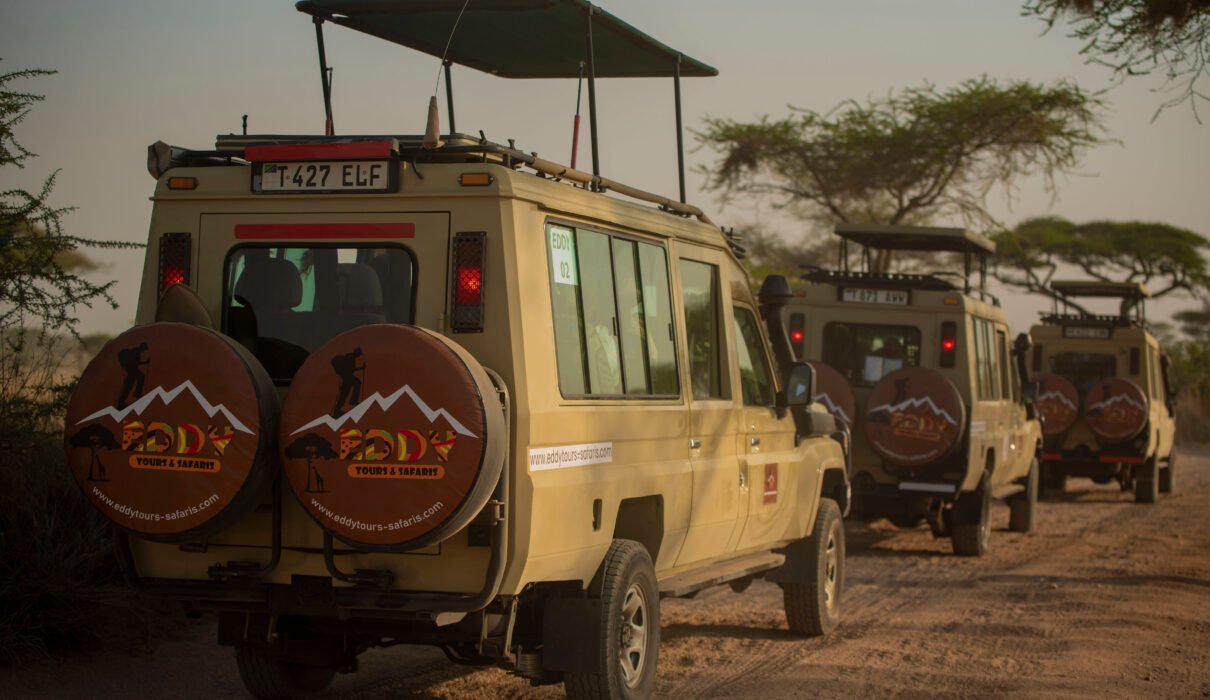
Kilimanjaro vs Safari Cost – 6 Honest Travel Budget Comparisons is one of the most searched topics by travelers planning a life-changing trip to Tanzania. Many visitors struggle to decide whether climbing Africa’s tallest mountain or exploring the wild savannah fits their budget better. Both experiences are unforgettable, but their pricing structures differ in surprising ways. In this detailed guide, we break down every cost factor in clear and practical terms so you can confidently choose the adventure that matches your expectations and spending plan.
Kilimanjaro vs Safari Cost – 6 Honest Travel Budget Comparisons Explained in Detail
When comparing mountain trekking and wildlife safaris, it is important to understand how each experience is structured. A Kilimanjaro climb involves park fees, guides, porters, camping equipment, rescue services, and safety regulations governed by authorities working alongside organizations such as UNEP and conservation bodies like IUCN. Safari adventures, on the other hand, include park entry fees, vehicle hire, fuel, driver-guides, and accommodation inside or near protected ecosystems supported by groups such as WWF and African Wildlife Foundation.
Understanding these core differences helps travelers avoid unrealistic expectations. Reliable data from institutions like the World Bank and IMF shows that logistics, conservation fees, and labor costs directly affect tourism pricing across Africa. This means both climbing and safari budgets are shaped by environmental protection standards, safety regulations, and community employment policies.
1. Park Fees and Conservation Charges Comparison
The first major factor in Kilimanjaro vs Safari Cost – 6 Honest Travel Budget Comparisons is conservation fees. Climbing Mount Kilimanjaro requires multi-day park permits charged per person per day, plus rescue and camping fees. These charges support ecosystem research often linked to global institutions such as NASA and NOAA, which monitor climate patterns affecting high-altitude environments.
Safari park fees vary by destination, such as Serengeti or Ngorongoro, and are typically charged daily as well. These funds help wildlife protection efforts guided by organizations like TRAFFIC and INTERPOL to combat wildlife crime. In most cases, total conservation costs for a week-long climb are slightly higher than a short safari, but longer safari itineraries can quickly balance or exceed mountain permit expenses.
2. Accommodation and Camping Costs
Accommodation creates a visible difference in Kilimanjaro vs Safari Cost – 6 Honest Travel Budget Comparisons. During a climb, trekkers sleep in mountain tents or huts arranged by licensed operators. You are essentially paying for full logistical support, including porters and cooks. Safety standards are influenced by international health bodies such as WHO and research institutions like NIH, especially concerning altitude health protocols.
On safari, accommodation ranges from budget camps to luxury lodges. Some lodges partner with conservation programs supported by Conservation International and The Nature Conservancy. Budget travelers can reduce safari costs significantly by choosing mid-range camps, whereas Kilimanjaro climbs offer fewer accommodation price variations because park rules standardize overnight stays.
3. Guide and Crew Expenses
Another critical area in Kilimanjaro vs Safari Cost – 6 Honest Travel Budget Comparisons is staffing. A mountain climb requires a large team including certified guides, assistant guides, cooks, and porters. Ethical employment practices align with labor protections recognized by United Nations agencies and sustainable development policies promoted by FAO. Because climbs demand intensive manpower, labor costs form a large portion of the overall price.
Safari trips typically require only a professional driver-guide. While highly skilled, the staffing ratio is lower, which may reduce total expenses. Choosing a reputable company like Eddy Tours & Safaris ensures fair wages and professional service in both cases.
4. Equipment and Gear Requirements
In Kilimanjaro vs Safari Cost – 6 Honest Travel Budget Comparisons, gear plays a bigger role for climbers. Trekking requires insulated clothing, sleeping bags, hiking boots, and altitude equipment. Many climbers consult educational platforms like Britannica or scientific publications such as National Geographic to prepare adequately. Rental gear adds to total expenses if you do not own proper equipment.
Safari travelers, however, need minimal specialized gear. Comfortable clothing, binoculars, and a camera are usually sufficient. This makes safari preparation generally less expensive compared to a full mountain expedition.
5. Duration and Daily Cost Structure
Duration significantly affects Kilimanjaro vs Safari Cost – 6 Honest Travel Budget Comparisons. Most Kilimanjaro routes last six to eight days, with fixed daily park fees. Shorter routes exist but are not always recommended for acclimatization safety supported by studies from institutions like CDC.
Safari trips are flexible, ranging from two to seven days or more. A short safari may appear cheaper at first glance, but extending the trip increases vehicle, fuel, and accommodation expenses. Comparing equal durations often reveals that a week-long safari and a week-long climb may cost nearly the same, depending on comfort level.
6. Overall Experience Value
The final comparison in Kilimanjaro vs Safari Cost – 6 Honest Travel Budget Comparisons focuses on experience value rather than just numbers. Climbing Kilimanjaro delivers a personal achievement that few people accomplish. Safari adventures provide close encounters with wildlife ecosystems protected under UNESCO heritage guidelines found at UNESCO. Both experiences contribute to conservation efforts and local community development.
For those who want a tailored safari itinerary after their climb, trusted planners such as Eddy Tours & Safaris can combine both adventures into one seamless package, ensuring balanced budgeting and expert guidance.
Which Option Is More Affordable for You?
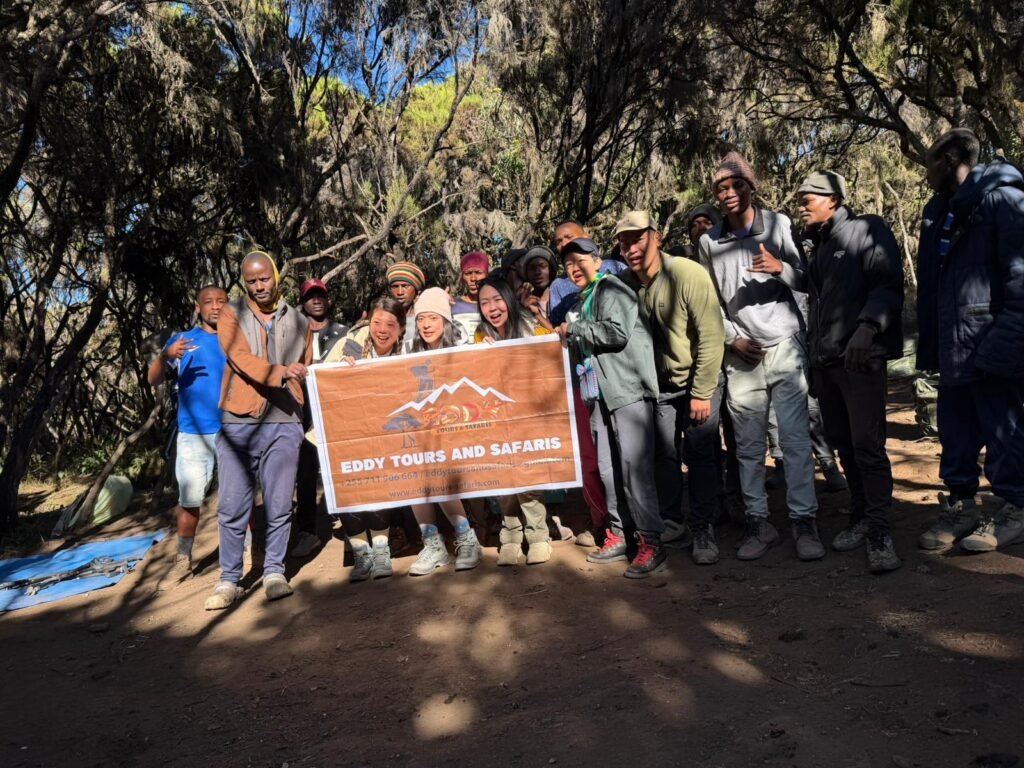
Choosing between trekking and safari depends on your priorities. If you prefer structured pricing with fewer accommodation variations, climbing may feel straightforward. If you enjoy flexible lodging and itinerary options, safari offers broader price control. Reviewing detailed itineraries from experts at Eddy Tours & Safaris helps clarify realistic expectations and hidden costs.
Travelers seeking specialized climbing expertise often compare local operators with international platforms such as Kilimanjaro Climb Specialist to understand service differences. Conducting research through trusted sources like Google and reading conservation insights from Smithsonian Magazine can further improve decision-making confidence.
Why Booking with the Right Operator Matters
No matter your choice in Kilimanjaro vs Safari Cost – 6 Honest Travel Budget Comparisons, selecting a reliable tour company directly affects your investment value. Experienced operators ensure safety compliance, transparent pricing, and ethical employment standards. Companies like Eddy Tours & Safaris provide detailed cost breakdowns, so travelers understand exactly what they are paying for without hidden surprises.
Responsible tourism also supports environmental sustainability. Many safari regions cooperate with global wildlife monitoring projects backed by Global Wildlife Conservation and environmental policies aligned with EPA standards. Your travel investment contributes to preserving Tanzania’s natural heritage for future generations.
Final Thoughts on Kilimanjaro vs Safari Cost – 6 Honest Travel Budget Comparisons
After reviewing all six areas of Kilimanjaro vs Safari Cost – 6 Honest Travel Budget Comparisons, it becomes clear that neither option is universally cheaper. The true difference lies in how costs are structured and what type of adventure you value most. A mountain climb emphasizes endurance, teamwork, and structured park fees, while safari experiences prioritize wildlife viewing, flexible lodging, and vehicle-based exploration.
If you want expert guidance to balance your travel dreams with a realistic budget, explore personalized programs at Eddy Tours & Safaris. With the right planning, both Kilimanjaro and safari adventures can deliver unforgettable memories while staying within your financial comfort zone.