
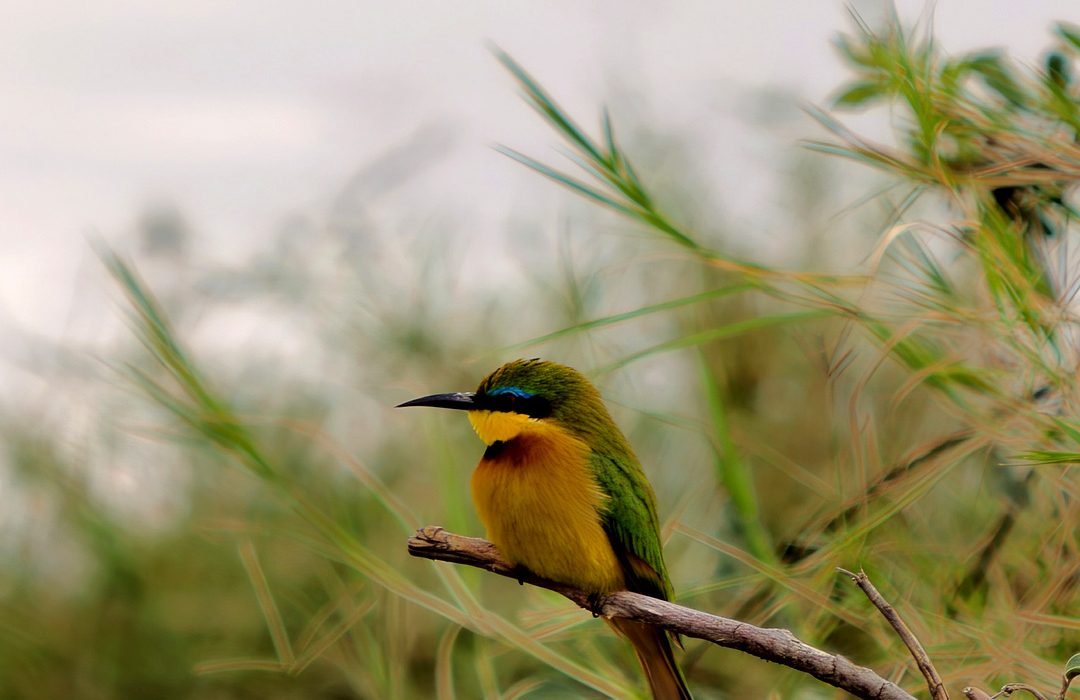
Tanzania is one of the best countries in Africa for wildlife photography. Its national parks contain open grasslands, rivers, forests, volcanic landscapes, and large populations of wild animals. Whether you want to photograph lions resting on rocks, elephants walking beneath baobab trees, or thousands of wildebeest moving across the Serengeti, Tanzania offers plenty of opportunities to capture wildlife in its natural environment. The variety of landscapes also means that photographers can return to the same park at different times of the year and find completely different scenes.
For travellers planning a Tanzania photography safari in 2027, 2028, or 2029, choosing the right destinations is just as important as selecting a good camera. Some parks are particularly suitable for photographing large mammals, while others are better for birds, landscapes, or animal behaviour. The Serengeti is famous for predators and the Great Wildebeest Migration, Ngorongoro Crater provides opportunities to photograph several wildlife species within a relatively small area, and Tarangire is well known for its elephants and baobab trees. Other destinations, including Lake Manyara, Ruaha, Nyerere, and Katavi, offer different habitats and photographic opportunities.
A successful photography safari requires more than visiting famous national parks. The time of day, season, weather, distance from the animals, and position of the safari vehicle can all influence the quality of your photographs. Travelling with an experienced guide who understands wildlife behaviour and photography requirements can help you spend more time in suitable locations without disturbing the animals.
This guide covers the most photogenic Tanzania safari locations for 2027, 2028, and 2029, including the wildlife you can photograph, the best seasons to visit, recommended equipment, and practical advice for planning a safari focused on photography.
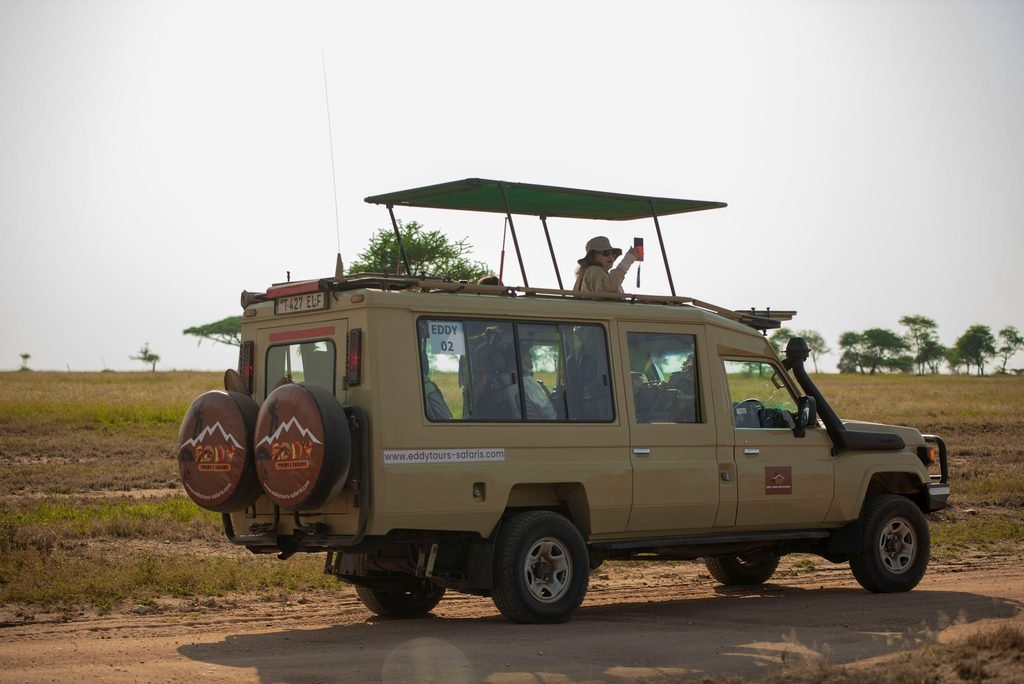
1. Serengeti National Park – Best for Wildlife Photography in Tanzania
Serengeti National Park is one of Tanzania’s most important wildlife photography destinations. Its extensive grasslands, scattered acacia trees, rocky outcrops, and large animal populations provide opportunities for both close wildlife portraits and wider landscape photographs. The park covers approximately 14,763 square kilometres, meaning that photographers can explore different habitats rather than spending their entire safari in one type of landscape.
The Serengeti is particularly well known for lions, leopards, cheetahs, elephants, giraffes, buffaloes, zebras, and wildebeest. Its open plains often provide clear views of animals, making it easier to photograph wildlife against natural backgrounds. During early morning game drives, photographers may encounter lions resting on rocks, cheetahs scanning the grasslands, or giraffes feeding beneath acacia trees. Later in the afternoon, softer sunlight can provide suitable conditions for photographing animals and landscapes.
The park is also internationally recognised for its ecological importance. According to UNESCO’s Serengeti National Park World Heritage information, the Serengeti supports one of the world’s largest remaining animal migrations and contains important populations of threatened wildlife species. This combination of resident animals and seasonal migration movements makes it particularly attractive to photographers interested in different aspects of wildlife behaviour.
Travellers interested in exploring the Serengeti can review the Tanzania safari packages offered by Eddy Tours & Safaris. Spending at least three nights in the Serengeti is generally more suitable for photography than attempting a brief visit, as it provides additional opportunities to observe animals under different lighting conditions.
Best Photography Locations in the Serengeti
The central Serengeti, particularly the Seronera Valley, is an excellent starting point for wildlife photography. The area supports resident predators and herbivores throughout the year, allowing photographers to search for lions, leopards, cheetahs, elephants, and other animals even when the main migration herds are elsewhere. The mixture of open plains, woodland, and rocky formations provides different backgrounds for wildlife photographs.
The northern Serengeti is particularly attractive during periods when wildebeest herds move through the region. Photographers may encounter large groups of animals near the Mara River, although crossings are unpredictable and cannot be guaranteed. The southern Serengeti and Ndutu region are especially interesting during the calving season, when large numbers of wildebeest gather on the short-grass plains and predators follow the herds.
Best months: June to October for generally dry conditions, January to March for southern Serengeti calving photography, and July to October for possible northern migration crossings.
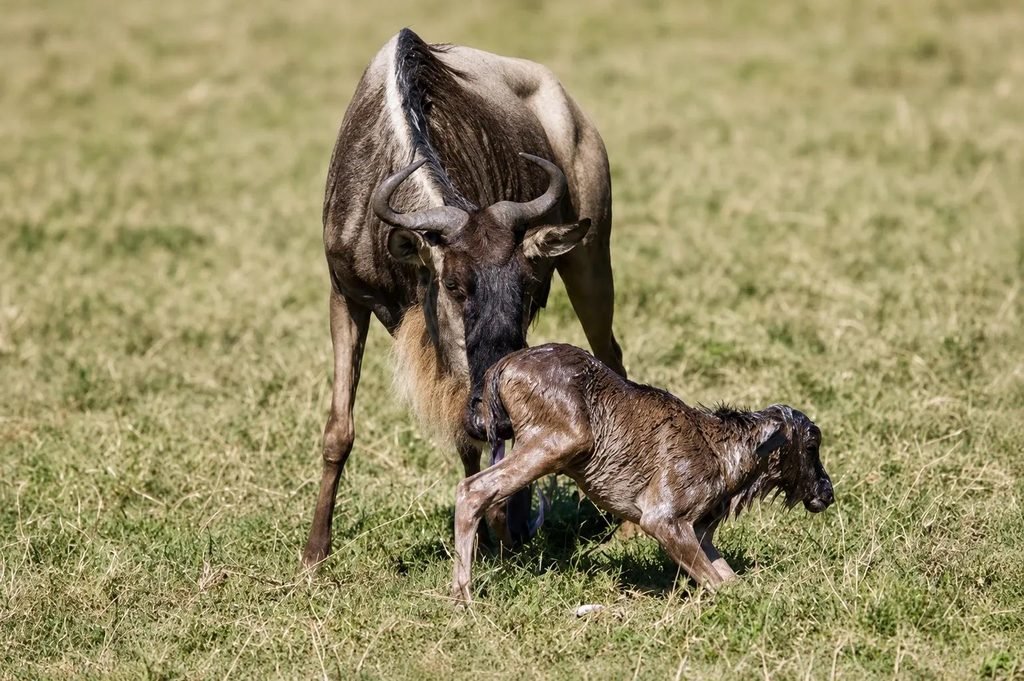
2. Ngorongoro Crater – Best for Wildlife and Landscape Photography
Ngorongoro Crater is one of Tanzania’s most recognisable natural attractions and a rewarding destination for wildlife photographers. The crater is part of the Ngorongoro Conservation Area, which contains volcanic highlands, grasslands, woodland, and important wildlife habitats. Its enclosed landscape provides opportunities to photograph animals against the surrounding crater walls, creating images that are different from those taken on the open Serengeti plains.
The crater floor supports lions, elephants, buffaloes, zebras, wildebeest, hippos, and numerous bird species. It is also one of the places in Tanzania where visitors may have an opportunity to photograph the endangered black rhinoceros, although sightings are not guaranteed. The mixture of animals and habitats makes Ngorongoro particularly suitable for photographers who want to capture several different species during a relatively short visit.
One of the main advantages of Ngorongoro is the variety of scenery within the crater. Open grasslands provide opportunities to photograph grazing animals, while wetlands attract birds and other wildlife. The surrounding highlands can also create interesting backgrounds, particularly when clouds move across the crater walls. Photographers should remember that weather conditions can change quickly, and mist or rain may affect visibility.
The conservation area’s importance is recognised by UNESCO’s Ngorongoro Conservation Area listing, which describes its significant wildlife populations, varied habitats, and geological features. Ngorongoro is therefore valuable not only for wildlife photography but also for landscape and conservation-related photography.
Travellers planning a shorter wildlife holiday can consider a four-day Serengeti and Ngorongoro safari, which combines two of northern Tanzania’s most popular photography destinations.
Best months: June to October for generally drier conditions, although wildlife photography is possible throughout the year.
3. Tarangire National Park – Best for Elephant and Baobab Photography
Tarangire National Park is one of the most attractive destinations in Tanzania for photographing elephants. The park is famous for its large baobab trees, seasonal wildlife concentrations, and the Tarangire River, which provides an important source of water for animals during dry periods. Its landscapes are different from those of the Serengeti, making it a valuable addition to a photography-focused safari.
Elephants are among Tarangire’s main attractions, and photographers may encounter family groups moving through woodland, feeding near the river, or resting beneath large trees. The combination of elephants and baobabs provides opportunities for wide-angle photographs that show the animals within their natural environment. Instead of focusing only on close portraits, photographers can use the surrounding landscape to show the scale of the trees and the movement of elephant herds.
Tarangire also supports giraffes, buffaloes, zebras, antelopes, lions, leopards, and numerous bird species. During the dry season, animals often gather around available water sources, creating opportunities to photograph several species within the same area. The park’s woodland habitats can also provide interesting backgrounds, particularly during the early morning and late afternoon.
The official Tarangire National Park attractions guide identifies elephant herds, baobab landscapes, the Silale Swamp, river habitats, and birdlife among the park’s main attractions. These features make Tarangire suitable for both wildlife portraits and wider photographs showing animals within their surroundings.
Tarangire is also relatively accessible from Arusha, making it suitable for shorter safaris or as the first destination on a longer northern Tanzania itinerary. Travellers can explore suitable combinations through Eddy Tours & Safaris’ northern Tanzania safari options.
Best months: June to October, when wildlife often gathers near permanent water sources.
4. Lake Manyara National Park – Best for Bird Photography and Forest Wildlife
Lake Manyara National Park offers a different photography experience from the open grasslands of the Serengeti and Tarangire. Located beneath the Great Rift Valley escarpment, the park contains groundwater forest, woodland, wetlands, and lake habitats. This variety of environments makes it particularly suitable for photographers interested in birds, monkeys, elephants, and landscapes.
The forest near the park entrance provides opportunities to photograph blue monkeys, baboons, and different bird species. Because the forest canopy can reduce the amount of available light, photographers may need to adjust their camera settings to avoid blurred images. A camera that performs well in lower light can be particularly useful when photographing animals beneath trees.
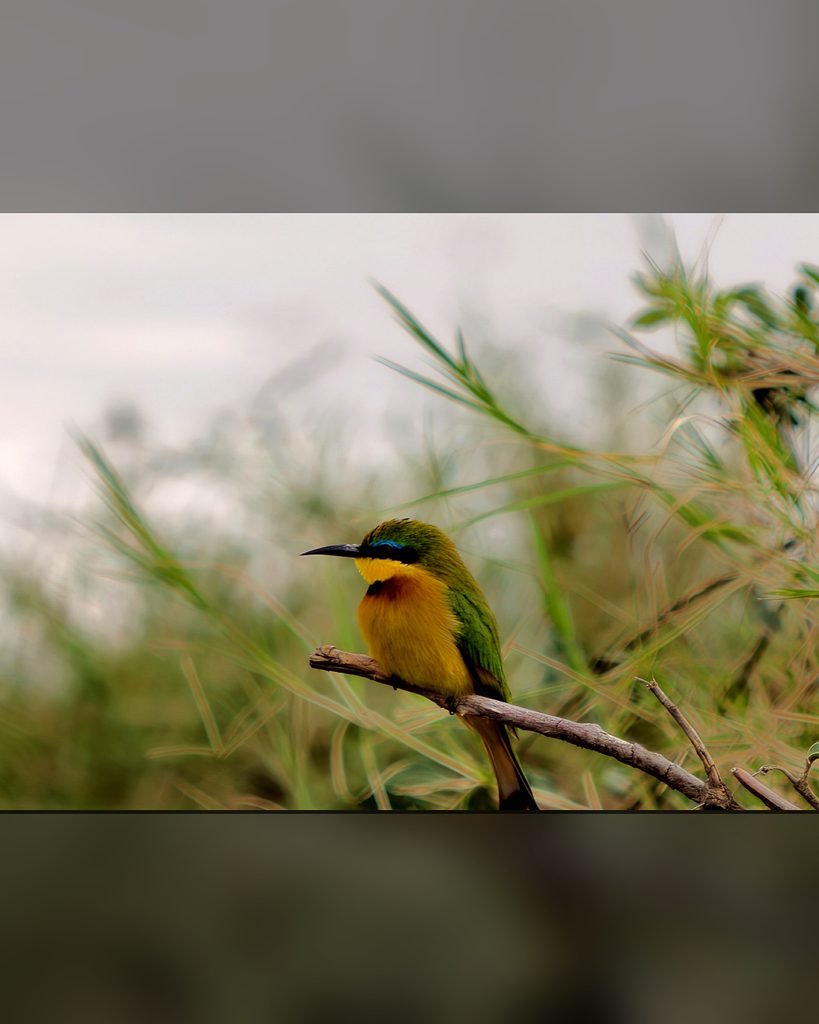
Lake Manyara is also known for its birdlife, including flamingos, pelicans, storks, herons, and other water-associated species. The number and location of birds vary according to seasonal conditions and water levels, so photographers should not expect the same scenes throughout the year. The lake and surrounding escarpment can also provide attractive backgrounds for landscape photographs.
The Tanzania National Parks Authority’s Lake Manyara attractions page highlights the groundwater forest, lake habitats, Rift Valley scenery, wetlands, and birdlife as important features of the park. These different environments make Lake Manyara a useful destination for photographers who want more variety in their Tanzania safari photographs.
Best months: June to October for generally drier conditions, while wetter periods can provide green landscapes and rewarding bird photography.
5. Ndutu and the Southern Serengeti – Best for Calving Season Photography
Ndutu and the southern Serengeti plains are particularly important for photographers interested in the Great Wildebeest Migration. During the early months of the year, large wildebeest herds often gather on the short-grass plains to give birth. The calving season provides opportunities to photograph newborn animals, interactions between mothers and calves, and predator activity.
The open landscape is one of the main advantages of photographing wildlife in this region. Large herds can be seen moving across the grasslands, while the relatively short vegetation may provide clear views of animals. Photographers can capture wide scenes showing hundreds or thousands of wildebeest, as well as closer photographs of individual animals and their behaviour.
Predators are another important part of the Ndutu experience. Lions, cheetahs, hyenas, and other carnivores may be active around the herds, creating opportunities to observe hunting behaviour and interactions between predators and prey. However, wildlife behaviour is unpredictable, and photographers should avoid expecting a particular event during every game drive.
The southern plains can become green after seasonal rainfall, providing attractive backgrounds for photographs. Clouds, changing light, and open grasslands can also create interesting landscape scenes. Photographers should consider spending several nights in the region because wildlife movements and weather conditions can change from one day to another.
Ndutu lies within the wider Serengeti ecosystem, with important areas extending into the Ngorongoro Conservation Area. Accommodation location and applicable conservation fees should therefore be considered when planning a safari.
Best months: January to March, with February commonly associated with the main wildebeest calving period.
6. Northern Serengeti and Mara River – Best for Migration Action Photography
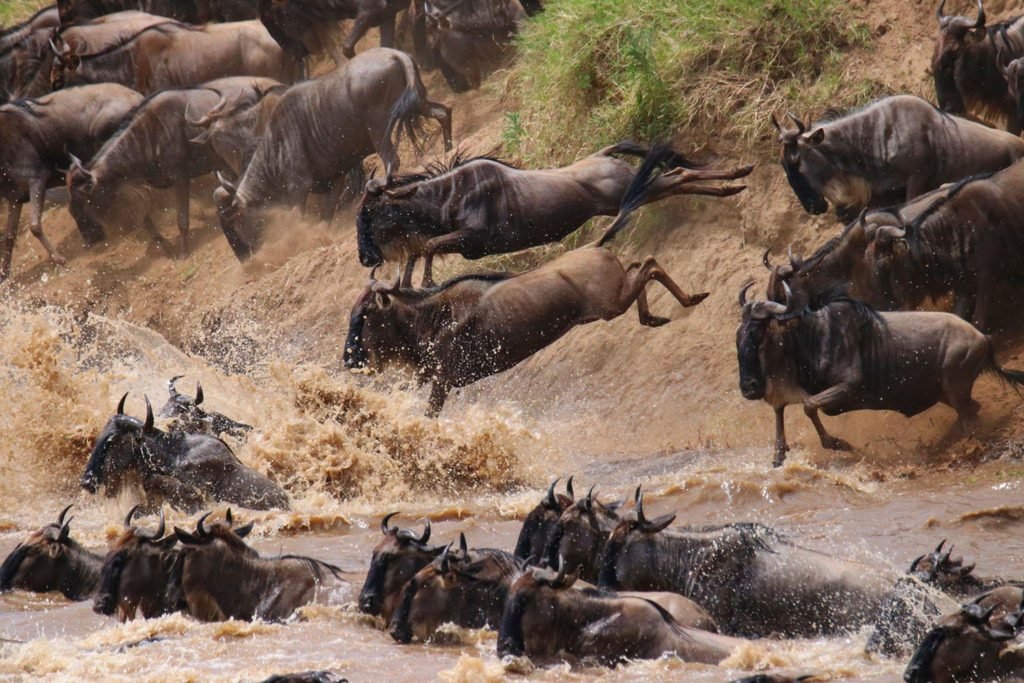
The northern Serengeti is one of Tanzania’s most sought-after photography destinations during the seasonal movement of wildebeest towards the Mara River. This region contains grasslands, woodland, and river habitats that support large herbivores and predators. During suitable periods, migrating herds may gather near the river before attempting to cross.
Photographing a river crossing requires patience because animals may approach the water, remain near the riverbank, and then move away without crossing. Some crossings occur suddenly, while others take place after long periods of waiting. Photographers should therefore avoid planning their entire safari around the expectation of witnessing one specific crossing.
A camera with continuous autofocus and a fast shutter speed can be useful when photographing moving animals. However, the position of the safari vehicle, available light, and distance from the crossing are equally important. Visitors must follow park regulations and remain within authorised viewing areas to avoid interfering with animal movements.
Because the northern Serengeti is far from central Serengeti and Arusha, travellers should consider spending at least three nights in the region or arranging suitable domestic flights. A longer stay provides more opportunities to observe wildlife, although it does not guarantee a river crossing.
For travellers planning a migration-focused trip, Eddy Tours & Safaris’ Tanzania safari collection provides a starting point for exploring different safari durations and arrangements.
Best months: July to October, depending on rainfall and the movement of migrating herds.
7. Ruaha National Park – Best for Remote Wildlife Photography
Ruaha National Park is an excellent destination for photographers who want to explore a different part of Tanzania. Located in the country’s southern safari region, Ruaha contains extensive savannah landscapes, rocky hills, woodland, and river habitats. The park is known for its elephants, predators, antelopes, and varied birdlife.
One of Ruaha’s main attractions is the opportunity to photograph wildlife in landscapes that differ from those of northern Tanzania. The Great Ruaha River and its surrounding habitats attract animals, particularly during dry periods when water becomes less widely available. Photographers may encounter elephants moving through dry riverbeds, lions resting near woodland, or giraffes feeding among trees.
Ruaha is particularly suitable for travellers interested in spending several days in one national park rather than moving between multiple destinations. The park’s size and varied habitats provide opportunities to explore different wildlife areas, while its location makes it attractive to visitors who want an alternative to the more frequently visited northern circuit.
However, Ruaha is not usually a practical addition to a short Arusha-based safari. Travellers should consider suitable flights or a separate southern Tanzania itinerary when planning a visit.
Best months: June to October for generally dry conditions and wildlife concentrations near water sources.
8. Nyerere National Park – Best for River and Water-Based Wildlife Photography
Nyerere National Park, located in southern Tanzania, offers a different photography experience because of its extensive river systems, lakes, woodland, and floodplain habitats. The Rufiji River system is an important feature of the wider landscape and supports hippos, crocodiles, birds, and other wildlife.
Photographers visiting Nyerere can explore different environments, from open areas suitable for photographing large mammals to river habitats where waterbirds and aquatic animals may be observed. Where authorised and available, guided boat safaris can provide opportunities to photograph wildlife from the water rather than from a traditional safari vehicle.
Water-based photography requires careful planning because boats may move while photographers are trying to focus. Suitable camera settings, stable positioning, and protection against water and dust are important. Visitors should also maintain safe distances from hippos and crocodiles, which can be dangerous when approached too closely.
Nyerere is particularly attractive for travellers who want to combine wildlife photography with river landscapes and birdwatching. Its location in southern Tanzania means that it is usually better planned as part of a separate southern circuit safari rather than added to a short Serengeti itinerary.
Best months: June to October for generally dry-season wildlife viewing, although birdlife and landscapes vary throughout the year.
9. Katavi National Park – Best for Wildlife Photography Away from Busy Safari Routes
Katavi National Park is located in western Tanzania and is one of the country’s more remote safari destinations. Its landscapes include floodplains, woodland, seasonal wetlands, and river systems that support large mammals and birdlife. For photographers who have already visited the Serengeti or Ngorongoro, Katavi provides an opportunity to explore a different wildlife environment.
During the dry season, water becomes concentrated in certain areas, attracting animals such as buffaloes, elephants, hippos, and other species. Large gatherings of wildlife can provide opportunities for photographs showing animal behaviour and interactions around water sources. The park also supports lions, leopards, and other predators, although sightings depend on their movements.
The open floodplains are particularly attractive for landscape photography because they provide wide views of wildlife and surrounding habitats. Photographers can use longer lenses for individual animals or wider compositions to show herds within the landscape.
According to the official Katavi National Park attractions guide, the park’s important features include the Katuma River, Lake Chada plains, seasonal wetlands, hippo pools, and extensive wildlife habitats. These environments make Katavi suitable for photographers interested in remote landscapes and dry-season wildlife behaviour.
Katavi requires more travel planning than the northern safari parks. Domestic flight schedules, accommodation availability, and seasonal access should be confirmed before booking.
Best months: July to October for dry-season wildlife concentrations.
10. Arusha National Park – Best for Giraffes, Forests and Mount Meru Scenery
Arusha National Park is one of the most accessible wildlife destinations for travellers staying in Arusha. Although it is smaller than the Serengeti or Ruaha, the park contains a variety of habitats, including forest, grassland, lakes, and the slopes of Mount Meru. This combination makes it particularly attractive for photographers interested in landscapes and wildlife rather than only large predators.
The park supports giraffes, buffaloes, zebras, warthogs, monkeys, and numerous bird species. The Momella Lakes provide opportunities for bird photography, while forested areas support species that are less commonly encountered on the open plains. Mount Meru can also provide an impressive background when weather conditions are clear.
Arusha National Park is particularly suitable for travellers who want to practise wildlife photography before beginning a longer safari. Its proximity to Arusha makes it possible to arrange a day trip, although visitors should still allow enough time to explore the different habitats.
Best months: June to October for generally drier conditions, although the park offers photography opportunities throughout the year.
11. Mkomazi National Park – Best for Dry Savannah Landscapes and Conservation Photography
Mkomazi National Park is located in northeastern Tanzania and contains dry savannah, woodland, and landscapes influenced by the nearby Pare and Usambara mountain ranges. The park is less frequently included in standard northern Tanzania safari itineraries, making it an interesting destination for travellers who want to explore a different environment.
Mkomazi supports giraffes, zebras, antelopes, elephants, and various bird species. The park is also associated with important conservation programmes involving threatened wildlife, including black rhinoceroses and African wild dogs. Access to particular conservation facilities or activities may be restricted, so visitors should confirm what is available before travelling.
The park’s open landscapes can provide attractive opportunities for photographing animals against hills and dry grassland. Photographers interested in conservation, habitats, and wildlife behaviour may find Mkomazi particularly rewarding.
Mkomazi can be included in a longer northern or northeastern Tanzania itinerary, but it is not generally combined with Serengeti and Ngorongoro on short safaris because of the additional travel involved.
Best months: June to October for generally dry conditions.
Best Tanzania Safari Locations for Different Types of Photography
Different national parks are suitable for different photography interests. Travellers who want to photograph large predators may prefer the Serengeti, while those interested in elephants and landscapes may enjoy Tarangire. Bird photographers may find Lake Manyara and Nyerere particularly attractive, while visitors interested in seasonal migration behaviour should focus on the appropriate Serengeti region.
| Photography Interest | Recommended Destination | Main Subjects |
|---|---|---|
| Lions and big cats | Central Serengeti | Lions, leopards, cheetahs |
| Great Migration | Northern Serengeti | Wildebeest herds and possible river crossings |
| Calving season | Ndutu and southern Serengeti | Wildebeest calves and predators |
| Elephants | Tarangire | Elephant families and baobab landscapes |
| Rhinoceroses | Ngorongoro Crater | Black rhinoceroses, when sighted |
| Bird photography | Lake Manyara | Waterbirds, forest birds and flamingos |
| River wildlife | Nyerere | Hippos, crocodiles and waterbirds |
| Remote wildlife | Katavi | Buffaloes, hippos, elephants and predators |
| Savannah landscapes | Ruaha | Elephants, predators and river habitats |
| Mountain scenery | Arusha National Park | Giraffes, lakes and Mount Meru |
The best choice depends on the photographs you want to take, your travel dates, and the amount of time available. Travellers with limited time should concentrate on a few suitable destinations rather than trying to visit every national park.
Best Time for Wildlife Photography in Tanzania in 2027, 2028 and 2029
Tanzania offers wildlife photography opportunities throughout the year, but seasonal conditions influence animal movements, vegetation, lighting, and accessibility. The dry season, generally from June to October in many safari areas, is popular because wildlife often gathers near available water sources and vegetation may be less dense. This can make animals easier to locate and photograph, particularly in parks such as Tarangire, Ruaha, and Katavi.
The wetter months provide different opportunities. Green landscapes, dramatic cloud formations, and seasonal bird activity can create attractive photographs, while the southern Serengeti becomes particularly important during the wildebeest calving season. However, rainfall can affect road conditions, and some remote accommodation properties may operate seasonally.
Tanzania Wildlife Photography Calendar
| Travel Period | Recommended Destinations | Photography Opportunities |
|---|---|---|
| January–February | Ndutu, southern Serengeti, Ngorongoro | Calving season, predators and green landscapes |
| March–May | Serengeti, Lake Manyara, selected accessible parks | Birdlife, green vegetation and cloud formations |
| June–July | Tarangire, Serengeti, Ruaha | Dry-season wildlife and seasonal herd movements |
| August–September | Northern Serengeti, Tarangire, Katavi | Possible river crossings, elephants and dry-season wildlife |
| October | Serengeti, Tarangire, Ruaha | Wildlife around water sources and late dry-season scenes |
| November–December | Central and southern Serengeti, Lake Manyara | Green-season landscapes and changing animal movements |
These periods are general guides rather than guaranteed wildlife schedules. Rainfall patterns may vary between 2027, 2028, and 2029, so the most suitable photography locations should be selected according to the expected seasonal conditions.
How to Choose the Right Camera Equipment for a Tanzania Safari
You do not need the most expensive camera to take good wildlife photographs in Tanzania. Modern cameras and suitable lenses can produce excellent results when used correctly. However, wildlife photography often involves photographing animals at a distance, so a zoom lens is particularly useful.
A telephoto lens covering approximately 100–400mm or 200–600mm can be helpful for photographing birds, predators, and other animals that may be far from the safari vehicle. Photographers using crop-sensor cameras may obtain additional effective reach, while full-frame cameras can provide advantages in certain low-light conditions. The most suitable equipment depends on your camera system, experience, and preferred subjects.
A shorter zoom lens, such as a 24–70mm or 24–105mm, is useful for photographing landscapes, large elephant herds, and animals that approach the vehicle. Carrying two camera bodies can also be practical because it reduces the need to change lenses in dusty conditions, although this is not essential for every traveller.
Spare batteries, memory cards, a cleaning cloth, and a suitable camera bag are important. Dust is common on safari roads, particularly during the dry season, so equipment should be protected when not in use. Photographers should also avoid using flash when it could disturb animals or other visitors.
Practical Wildlife Photography Tips for Tanzania Safaris
Use the Early Morning and Late Afternoon Light
Early morning and late afternoon often provide softer light than the middle of the day. This can help photographers capture details in an animal’s fur, reduce harsh shadows, and create attractive backgrounds. However, animals do not follow a photographer’s schedule, so visitors should remain prepared throughout the game drive. Some of the most interesting wildlife behaviour may occur when lighting conditions are less than ideal.
Focus on Animal Behaviour Rather Than Only Close Portraits
A photograph of a lion looking directly at the camera can be attractive, but wildlife photography becomes more interesting when it shows natural behaviour. Elephants interacting with their calves, giraffes feeding, birds hunting, and predators moving through their habitats can provide photographs that tell a clearer story. Spending time observing an animal before taking photographs may help you anticipate its movements.
Include the Landscape in Your Photographs
Not every wildlife photograph needs to fill the frame with an animal. Wide photographs showing elephants beneath baobab trees, giraffes against Mount Meru, or wildebeest moving across the Serengeti can provide a stronger sense of place. Tanzania’s varied landscapes are an important part of the safari experience, and including them can make your photography collection more interesting.
Use a Suitable Shutter Speed
Moving animals often require faster shutter speeds to avoid motion blur. A shutter speed of approximately 1/1000 second or faster can be useful for running animals, while slower speeds may be suitable for stationary subjects. The correct setting depends on the available light, lens, camera stability, and movement of the subject. Photographers should practise changing settings quickly because wildlife encounters can develop without warning.
Respect Wildlife and National Park Regulations
Good wildlife photography should never require disturbing animals. Visitors should remain inside their safari vehicles where required, follow their guide’s instructions, and avoid encouraging animals to approach. Drivers should not block animal movement or leave authorised roads simply to obtain a better photograph. Responsible photography protects wildlife and helps maintain the natural environment for future visitors.
How Many Days Do You Need for a Tanzania Photography Safari?
The ideal safari duration depends on your photography interests and the destinations you want to visit. A three- or four-day safari can provide opportunities to photograph wildlife in Tarangire and Ngorongoro, while a five- or six-day itinerary may include the Serengeti. However, travellers who want to spend time observing animal behaviour and waiting for suitable lighting conditions will generally benefit from a longer safari.
A seven- or eight-day itinerary provides more flexibility for photographers exploring northern Tanzania. Spending several nights in the Serengeti allows visitors to photograph wildlife at different times of day and reduces the need to move between accommodation properties too frequently. Travellers interested in the northern Serengeti migration may require additional time because of the distance involved.
For a longer northern Tanzania holiday, consider reviewing the seven-day Northern Circuit and other Tanzania safari itineraries available through Eddy Tours & Safaris. The itinerary can be adjusted according to your preferred wildlife subjects, accommodation category, and travel dates.
Suggested 8-Day Tanzania Wildlife Photography Safari Itinerary
An eight-day safari is a practical option for travellers who want to photograph different wildlife species and landscapes without changing destinations every day. The following itinerary focuses on northern Tanzania and combines Tarangire, Serengeti, and Ngorongoro Crater.
Day 1: Arrival in Arusha
Upon arrival at Kilimanjaro International Airport, your driver will meet you and transfer you to your accommodation in Arusha. Depending on your arrival time, you can rest after your international journey, prepare your camera equipment, and discuss your photography interests with your guide. This is also a suitable opportunity to confirm your preferred wildlife subjects and any particular equipment requirements before the safari begins.
Day 2: Arusha to Tarangire National Park
After breakfast, travel to Tarangire National Park for your first wildlife photography game drive. The park is particularly suitable for photographing elephants, giraffes, baobab trees, and dry savannah landscapes. Your guide will explore suitable wildlife areas while allowing time for photography. In the late afternoon, continue to your accommodation near Tarangire or Karatu.
Day 3: Tarangire to Serengeti National Park
After breakfast, travel through the Ngorongoro highlands towards Serengeti National Park. The journey takes several hours, but the changing landscapes provide opportunities for scenic photography at authorised stops. After entering the Serengeti, enjoy a game drive while travelling towards your accommodation in the central region.
Day 4: Full-Day Central Serengeti Photography Safari
Spend the day exploring the central Serengeti, particularly suitable habitats around the Seronera Valley. The region supports lions, leopards, cheetahs, elephants, giraffes, and numerous other animals. Your guide will select suitable areas according to wildlife movements and road conditions, allowing time to observe animals and photograph their behaviour.
Day 5: Another Full Day in the Serengeti
A second full day provides additional opportunities to photograph wildlife under different conditions. You may revisit suitable locations, search for animals that were not encountered previously, or spend more time observing particular species. Photographers interested in landscapes can also use this day to capture wider views of the Serengeti plains, rocky outcrops, and acacia woodland.
Day 6: Serengeti Photography and Transfer to Ngorongoro
Enjoy a morning game drive in the Serengeti before beginning the journey towards Ngorongoro Conservation Area. Depending on your accommodation arrangements, you may stay near the crater rim or in Karatu. The journey provides opportunities to observe changing landscapes, although photography stops must follow park regulations and the available travel schedule.
Day 7: Ngorongoro Crater Photography Safari
After an early breakfast, descend into Ngorongoro Crater for a game drive. The crater supports lions, elephants, buffaloes, zebras, wildebeest, hippos, and numerous bird species. You may also have an opportunity to observe black rhinoceroses, although sightings are not guaranteed. After the game drive, return to your accommodation near Karatu.
Day 8: Return to Arusha
After breakfast, begin the journey back to Arusha. Depending on your departure schedule, you may have time for a short stop along the route before continuing to your hotel or airport. Travellers with late international flights should allow sufficient time for the transfer and airport procedures.
This itinerary is most suitable for general wildlife photography in the central Serengeti. Travellers interested specifically in Ndutu calving photography or northern Serengeti river crossings should adjust the route and accommodation locations according to the season.
Private Safari or Group Safari: Which Is Better for Photography?
A private safari is generally more suitable for travellers who want to concentrate on wildlife photography. Having a dedicated vehicle and guide allows greater flexibility when deciding where to spend time and how long to remain at a sighting. Photographers may also prefer fewer passengers in the vehicle because this provides more space for camera equipment and easier access to different viewing positions.
Joining-group safaris can be more affordable because travellers share transport and guiding expenses. They are suitable for visitors who enjoy photography but do not need a specialised itinerary. However, group participants may have different interests, and it may not always be possible to spend extended periods photographing one animal.
For serious photographers, the most important consideration is not simply whether the safari is private or shared. Vehicle design, available space, guide experience, and accommodation location can all influence the photography experience. Travellers should explain their requirements before booking so the operator can recommend suitable arrangements.
How Much Does a Tanzania Wildlife Photography Safari Cost in 2027, 2028 and 2029?
The cost of a Tanzania photography safari depends on the number of days, accommodation category, group size, destinations, and transport arrangements. A short safari visiting Tarangire and Ngorongoro will generally cost less than a longer itinerary that includes several nights in the Serengeti. Private vehicles, specialist guiding, premium accommodation, and domestic flights can also increase the overall price.
Budget photography safaris may use shared vehicles and simpler accommodation, while mid-range safaris usually provide more comfortable lodges or tented camps. Luxury photography safaris may include premium accommodation, private guides, and additional services. However, the most expensive package is not automatically the best option for every photographer.
For travel in 2027, 2028, or 2029, it is advisable to request an updated quotation based on your preferred dates and number of travellers. National park fees, accommodation rates, and operating costs may change before your travel dates. You can review available options through Eddy Tours & Safaris’ Tanzania safari packages or request a personalised itinerary through the company’s contact page.
Frequently Asked Questions About Tanzania Wildlife Photography Safaris
Which Is the Best National Park in Tanzania for Wildlife Photography?
Serengeti National Park is one of the best choices for general wildlife photography because it supports large populations of predators and herbivores across different habitats. However, Tarangire is particularly attractive for elephant photography, while Ngorongoro Crater provides opportunities to photograph several species within a relatively compact area.
What Is the Best Month for Wildlife Photography in Tanzania?
June to October is popular for wildlife photography because conditions are generally drier in many national parks. However, January to March is particularly suitable for photographing the southern Serengeti calving season, while wetter months can provide green landscapes and interesting birdlife.
Is Tanzania Good for Bird Photography?
Yes. Tanzania supports a wide variety of bird species across its forests, wetlands, lakes, grasslands, and woodland habitats. Lake Manyara, Tarangire, Nyerere, and Arusha National Park are among the destinations that can provide rewarding bird photography opportunities.
Can I Photograph the Great Migration in Tanzania?
Yes. The Great Wildebeest Migration takes place across different parts of the Serengeti ecosystem throughout the year. The best location depends on the season, rainfall, and movement of the herds. River crossings and particular wildlife events cannot be guaranteed.
Do I Need a Professional Camera for a Tanzania Safari?
No. Many modern cameras can produce good wildlife photographs, especially when used with a suitable zoom lens. However, photographers interested in distant animals, birds, or fast-moving subjects may benefit from equipment designed for wildlife photography.
Is a Private Safari Better for Wildlife Photography?
A private safari generally provides more flexibility because you can spend additional time observing particular animals and selecting suitable photography locations. However, joining-group safaris can still provide rewarding photography experiences.
How Many Days Should I Spend on a Tanzania Photography Safari?
Seven to eight days is a practical duration for exploring several northern Tanzania destinations. Photographers interested in a particular species, migration event, or remote national park may benefit from a longer itinerary.
Can I Combine Wildlife Photography with a Zanzibar Holiday?
Yes. Travellers can combine a Tanzania wildlife safari with a Zanzibar beach holiday. Zanzibar provides opportunities for coastal photography, historic architecture, fishing villages, and Indian Ocean landscapes. Additional days should be allowed for flights and transfers.
Plan Your Tanzania Wildlife Photography Safari for 2027, 2028 or 2029
Tanzania offers excellent opportunities for wildlife photography because of its varied landscapes, large animal populations, and extensive protected areas. From the open plains of the Serengeti to the elephant habitats of Tarangire, the volcanic scenery of Ngorongoro, and the remote landscapes of Ruaha and Katavi, each destination provides different subjects and photography conditions. Choosing the right locations depends on the animals you want to photograph, your travel dates, and the amount of time you have available.
A successful photography safari should provide enough time to observe wildlife rather than moving quickly between destinations. Spending several nights in suitable locations, travelling during the appropriate season, and working with a guide who understands animal behaviour can help you make better use of your time. Whether you are a beginner using your first camera or an experienced photographer looking for particular wildlife subjects, a carefully planned itinerary can provide rewarding opportunities.
Eddy Tours & Safaris is a local tour company in Arusha, Tanzania, arranging professionally guided wildlife safaris, Kilimanjaro climbing trips, and private holidays. Our team can help you plan a Tanzania wildlife photography safari for 2027, 2028, or 2029 according to your preferred destinations, travel dates, accommodation category, and budget.
Explore our Tanzania safari packages or contact Eddy Tours & Safaris to request a personalised photography safari itinerary.
Contact Information
Company: Eddy Tours & Safaris
Location: Arusha, Tanzania
Email: sales@eddytours-safaris.com
Phone/WhatsApp: +255 711 906 664
Website: Eddy Tours & Safaris