
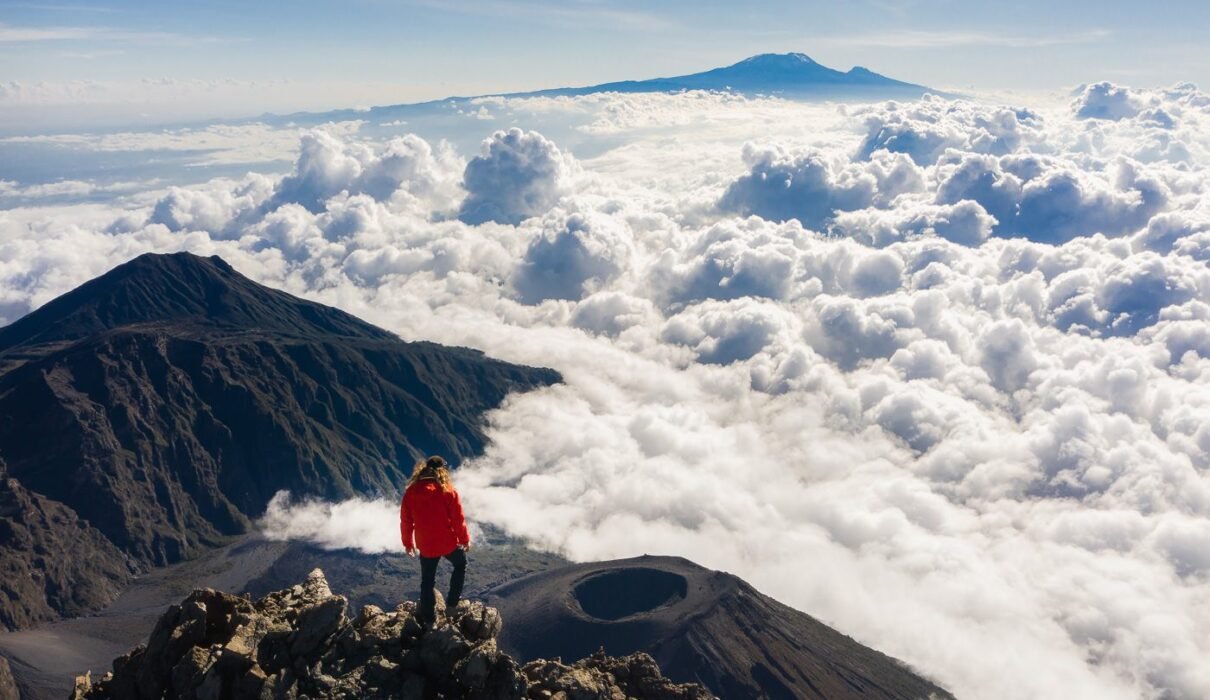
Mount Meru Packing List essentials include comfortable hiking boots, waterproof clothing, warm layers, a suitable sleeping bag and a reliable headlamp. Preparing these items before travelling helps you manage changing conditions, organise your luggage and stay comfortable during the climb.
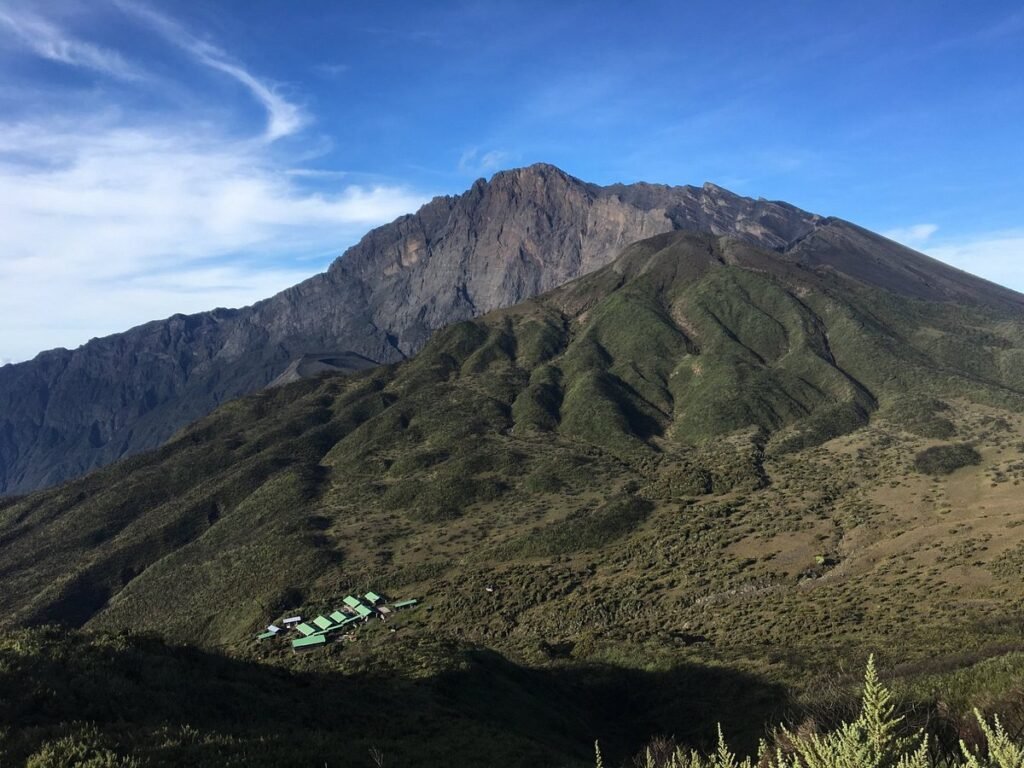
Mount Meru stands within Arusha National Park in northern Tanzania. Its standard trekking itinerary uses Miriakamba and Saddle huts, but hut accommodation does not remove the need for proper mountain equipment. TANAPA describes three- and four-day climbs and recommends four days to provide more time for acclimatization.
You need to prepare for daytime walking, cool evenings, possible rain and a cold summit stage. This guide explains what to bring, how to divide your equipment and what to confirm with your operator.
Contact Eddy Tours & Safaris to discuss your Mount Meru itinerary and request the equipment checklist for your departure.
Mount Meru Packing List at a Glance
Use this table as a starting checklist. The quantities are suggestions for a typical short climb; adjust them to your itinerary and personal needs.
| Category | Essential items |
|---|---|
| Footwear | Tested hiking boots, hiking socks, optional hut footwear |
| Walking clothing | Trekking trousers, quick-drying tops, underwear |
| Warm clothing | Thermal layers, fleece, insulated jacket |
| Weather protection | Waterproof jacket and trousers |
| Head and hands | Sun hat, warm hat, gloves, neck covering |
| Sleeping equipment | Suitable sleeping bag, optional liner |
| Lighting | Headlamp and spare batteries |
| Luggage | Daypack, porter bag if applicable, reusable dry bags |
| Drinking equipment | Reusable bottles or a hydration system |
| Personal care | Sunscreen, lip protection, toiletries |
| Personal health items | Prescribed medication and basic personal supplies |
| Documents | Required identification, insurance and booking details |
Before buying equipment, check what the operator supplies and which items can be rented.
1. Hiking Boots: Start with Fit and Comfort
Your boots deserve attention before almost anything else on your packing list. You will spend several days walking, including a substantial descent after the summit attempt.
Choose boots that fit securely without squeezing your toes. Check the fit with the socks you plan to wear, and test them on both uphill and downhill walks.
Look for:
- Reliable grip on uneven ground.
- Enough room for your toes during descents.
- A secure heel fit.
- Comfortable support for your feet.
- Appropriate protection from wet conditions.
Avoid travelling with boots you have never worn. A few short walks around home may not reveal problems that appear after several hours on a trail.
If you already own comfortable boots in good condition, you may not need to replace them. Inspect the soles, stitching and laces before departure.
Socks and spare footwear
Pack several pairs of hiking socks so you can change out of damp ones. Keep one pair dry for sleeping or evening use.
Lightweight footwear can be useful around the huts. Choose something easy to carry and suitable for moving between sleeping areas and facilities.
Optional gaiters may help keep mud and debris out of your boots. Ask whether they are useful for the expected trail conditions.
2. Walking Clothing for the Lower Slopes
Pack clothing that lets you move comfortably and dries reasonably quickly.
Trekking trousers and lightweight tops are practical for daytime walking. Avoid relying on heavy clothing that becomes uncomfortable when wet and takes a long time to dry.
For a typical three- or four-day itinerary, consider:
- Two walking tops.
- One or two pairs of trekking trousers.
- Sufficient underwear for your needs.
- Several pairs of hiking socks.
- A separate dry layer for the evening.
You do not need a completely new outfit for every day. Reusing suitable clothing keeps your luggage manageable.
Choose trousers with a comfortable waistband and enough freedom of movement for higher steps. Test them while walking with your daypack.
3. Warm Layers for Evenings and the Summit Stage
Pack layers that you can add or remove as conditions change.
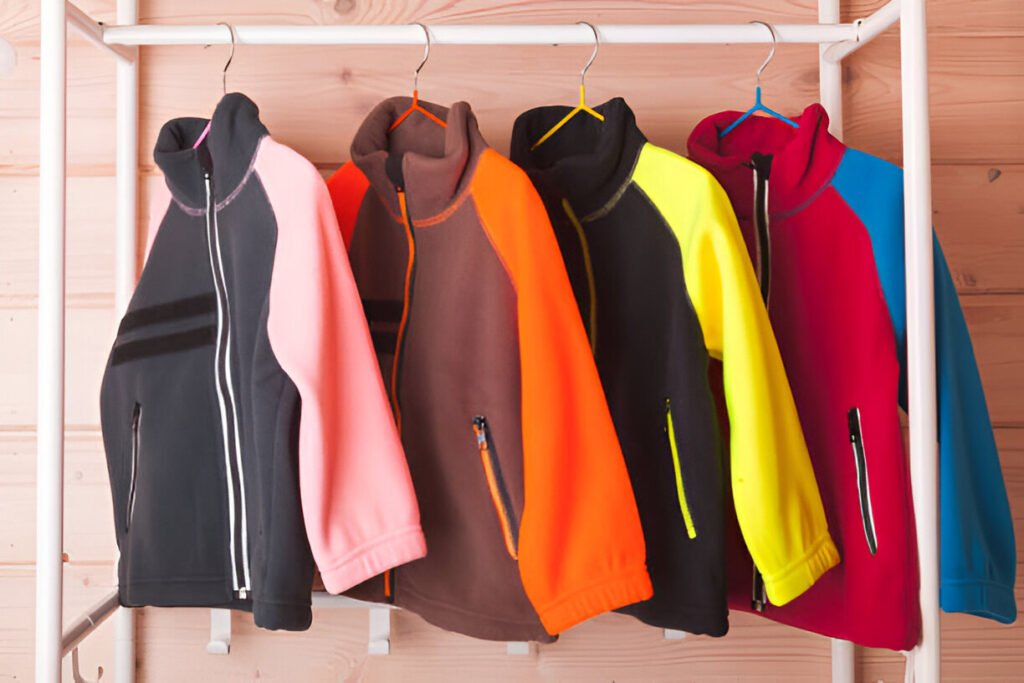
A practical system includes a base layer, a fleece or similar mid-layer, an insulated jacket and a weatherproof outer layer. Each serves a different purpose, so one thick jacket should not be your entire clothing plan.
Thermal base layers
Bring a long-sleeved thermal top and thermal leggings. These can be used during cold conditions and may also provide comfortable sleeping clothing.
Keep them dry until needed.
Fleece or mid-layer
A fleece is useful when a lightweight walking shirt is insufficient but a heavy jacket would feel too warm.
Choose a layer that fits comfortably under your outer clothing.
Insulated jacket
Bring an insulated jacket appropriate for your climb. Ask the operator about expected conditions and recommended warmth before choosing or renting one.
Check that you can move freely while wearing it over your other layers.
4. Waterproof Jacket and Trousers
Rain protection belongs on your Mount Meru packing list throughout the year.
Your waterproof jacket should have a usable hood and fit over your warm layers. Waterproof trousers should be easy to put on when conditions change.
Keep both accessible in your daypack. They are less useful if packed deep inside luggage carried separately.
Inspect older waterproof clothing before travelling. Check the seams, zips and fabric condition, and test whether the jacket still performs as expected.
A backpack rain cover offers additional protection, but use reusable dry bags inside your luggage for important clothing and sleeping equipment.
5. Headwear, Gloves and Sun Protection
Small items can make a substantial difference to comfort.
Bring a sun hat for exposed daytime walking and a warm hat for colder conditions. A neck covering can provide flexible protection around your neck and face.
For your hands, consider lightweight gloves and a warmer pair suitable for the summit stage. Confirm the recommended glove system with your operator.
Check that you can operate your headlamp and jacket zips while wearing them.
Also pack:
- Sunglasses with appropriate UV protection.
- Sunscreen.
- Lip protection.
- A secure place to store these items during walking.
Keep sun protection accessible rather than leaving it in your main bag.
6. Sleeping Bag and Hut Essentials
Mount Meru’s hut itinerary still requires you to confirm your sleeping arrangements carefully.
Bring or arrange a suitable sleeping bag unless your quotation explicitly includes one. Ask the operator for the recommended comfort rating, taking your itinerary and sensitivity to cold into account.
Do not choose a sleeping bag solely by its extreme temperature rating. That figure is not the same as a comfortable sleeping temperature.
Useful hut items include:
- A sleeping bag in a waterproof storage bag.
- An optional liner.
- Dry sleeping clothes.
- Earplugs for shared accommodation.
- A small bag for nighttime essentials.
Confirm what bedding and mattresses are available rather than assuming the hut provides everything.
You generally do not need to bring a personal tent for the standard hut-based itinerary. Check any equipment requirement that differs from the usual programme.
7. Headlamp and Spare Batteries
A reliable headlamp is essential for a climb that includes walking before daylight.
Choose one that fits comfortably and can be operated easily. Test its settings and battery compartment before leaving home.
Pack spare batteries or a compatible spare power source. If your headlamp is rechargeable, confirm how you will keep it powered without relying on electricity at the huts.
Keep the headlamp close to you overnight and accessible in your daypack during the summit stage.
A phone torch should not be your main trekking light. A headlamp keeps your hands free for balance and movement.
8. Daypack and Main Luggage
Your daypack should fit comfortably and hold everything needed between overnight stops.
A pack of roughly 25–35 litres may work for many climbers, but test whether your own equipment fits. Volume alone does not determine comfort.
Check the shoulder straps, waist belt and how the pack feels when loaded.
If porter services are included, ask about the permitted luggage weight and preferred bag type. A soft duffel is often more practical than a hard suitcase, but follow the operator’s instructions.
Leave travel clothing and unnecessary items at your accommodation where secure storage is available.
What should stay in your daypack?
Carry the items you may need before meeting your main luggage again:
- Drinking water.
- Waterproof clothing.
- A warm layer.
- Snacks agreed with the operator.
- Sun protection.
- Personal medication.
- Headlamp when required.
- Phone or camera.
- Essential personal documents.
Your warm clothing should remain accessible when the weather changes.
9. Drinking Equipment and Snacks
Bring reusable drinking bottles or a hydration system that you have tested.
Confirm how drinking water is supplied and prepared during the climb. Ask what carrying capacity the guide recommends for each stage.
Make sure you can reach your water without repeatedly unpacking the bag. If using a hydration bladder, check the hose, mouthpiece and seals for leaks.
Pack a few familiar snacks if you want additional food between meals. Choose items you enjoy and can eat easily while walking.
Tell the operator about allergies and dietary requirements before arrival. Confirm the planned meals rather than assuming personal snacks will replace them.
10. Personal Medication and Basic Supplies
Carry your prescribed medication in your daypack, with enough for your trip and reasonable travel delays.
Useful personal supplies may include blister dressings, tissues, hand sanitiser and any hygiene items you regularly use. Ask what first-aid equipment the team carries.
Speak with a qualified healthcare professional about high-altitude travel and medication questions before departure.
Equipment and fitness do not eliminate altitude illness risk. The CDC recommends gradual acclimatization and explains that physical fitness does not protect against altitude illness.
Report symptoms promptly to your guide. Do not ascend further with altitude illness symptoms; worsening symptoms require descent and appropriate care.
11. Toiletries and Personal Hygiene
Keep your wash kit compact.
Bring a toothbrush, toothpaste, small toiletries, a quick-drying towel and menstrual products where needed. Pack personal items in a bag that is easy to access at the huts.
Ask about bathroom and washing facilities before departure. Do not assume hot showers or hotel-style bathrooms.
Use the designated facilities and follow the guide’s instructions for handling waste. Carry a reusable rubbish bag for packaging and other items that must leave the mountain with you.
12. Documents, Insurance and Electronics
Confirm which identification documents you need to carry and which can remain securely stored.
Keep copies of your booking details, emergency contacts and insurance information available offline.
Check that your travel insurance covers your planned Mount Meru itinerary, including the relevant altitude and trekking activities. Read the evacuation and assistance provisions before travelling.
For electronics, consider:
- A phone or camera.
- Charging cables.
- A power bank.
- Waterproof protection.
- Spare camera batteries where needed.
Carry only equipment you are willing to manage throughout the trek. Check airline rules before flying with batteries and power banks.
Official park information is available through Tanzania National Parks.
Mount Meru Packing List for Summit Night
Prepare your summit equipment before resting at Saddle Hut.
Your guide should explain what to wear at departure and what to carry. Organise your layers so you can adjust them without emptying the entire bag.
Check the following:
| Item | Final check |
|---|---|
| Boots and socks | Comfortable, dry where possible, properly fitted |
| Thermal clothing | Ready to wear |
| Warm layers | Accessible and suitable for the conditions |
| Waterproof layers | Packed within reach |
| Hat and gloves | Both available |
| Headlamp | Tested, with spare power |
| Water | Prepared according to the guide’s instructions |
| Snacks | Easy to access |
| Medication | In your daypack |
| Daypack | Adjusted and comfortable |
Follow your guide’s instructions about trekking poles. They may be useful on some sections but need securing where you require your hands for balance.
What Can You Rent?
Ask about rental availability before arriving in Tanzania.
Possible rental items may include sleeping bags, insulated jackets and trekking poles, but availability, sizing and condition need confirmation.
Inspect every rental item during the equipment check. Test zips, examine the sleeping bag and make sure clothing fits over your other layers.
Boots are particularly personal. Bringing footwear you have already tested is preferable where possible.
For further mountain preparation information, explore Kilimanjaro Climb Specialist and ask Eddy Tours & Safaris for a Meru-specific checklist.
Common Packing Mistakes to Avoid
Carrying too many clothes
Bring a functional layering system and enough dry clothing. Excess luggage makes organisation harder without necessarily improving comfort.
Leaving essentials in the porter bag
Your rain jacket, medication and other daytime necessities belong in your daypack.
Using untested equipment
Try your boots, headlamp, backpack and waterproof clothing before travelling.
Assuming huts provide complete bedding
Confirm sleeping equipment in writing and arrange your sleeping bag accordingly.
Packing only for warm daytime conditions
Prepare for cold evenings and the summit stage as well as the lower slopes.
Combining Mount Meru with Kilimanjaro or a Safari
If Meru forms part of a longer mountain holiday, compare the equipment requirements for both climbs. Gear that suits Meru may need supplementing for a longer Kilimanjaro itinerary.
Explore Kilimanjaro climbing packages, including the seven-day Machame programme and eight-day Lemosho itinerary.
For a wildlife extension, consider a Tanzania safari, a four-day safari or a private safari.
Keep safari clothing separate from mountain equipment, and confirm luggage storage and transfers between activities.
Frequently Asked Questions
Do I need a tent for Mount Meru?
The standard itinerary uses mountain huts. Confirm your accommodation and any equipment requirements with the operator.
Do I still need a sleeping bag?
Bring or rent one unless it is explicitly supplied. Confirm the recommended comfort rating and available bedding.
Are trekking poles essential?
They can be useful, particularly during descents. Practise with them before travelling and follow the guide’s instructions on where to use or secure them.
Can I use the same packing list for Kilimanjaro?
There is considerable overlap, but Kilimanjaro may require additional clothing and different sleeping-equipment specifications. Obtain a checklist for each itinerary.
Should I buy everything new?
No. Comfortable, reliable equipment in good condition is often suitable. Fit, function and familiarity matter more than buying new items.
Prepare for Your Mount Meru Climb
Start with your boots, warm layers, rain protection, sleeping bag and headlamp. Then organise the smaller items around your daily walking and hut routine.
Send your travel dates, group size and trekking experience to Eddy Tours & Safaris. Ask for the proposed itinerary, confirmed inclusions, rental options and a final equipment check before departure.
Request help planning your Mount Meru climb.
Email: sales@eddytours-safaris.com
Alternative email: eddytoursandsafaris@gmail.com
WhatsApp: +255 711 906 664