
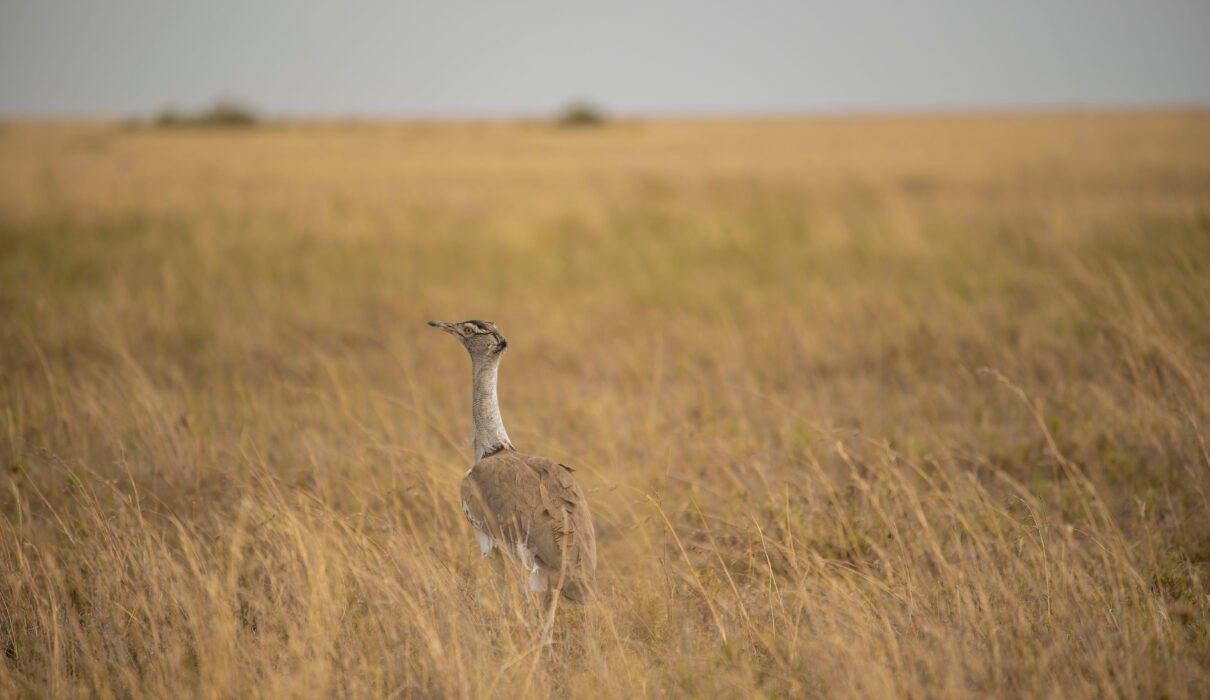
Northern Tanzania offers more than a single birdwatching landscape. Within one carefully planned journey, you can explore highland forest, open grassland, woodland and alkaline lakes. Each environment asks you to observe differently—and offers a reason to slow down.
A bird crossing the road may introduce you to a grassland species. A quiet stop beneath trees can reveal movement that was invisible from a travelling vehicle. At a lake, binoculars can turn a distant line of birds into an absorbing scene of feeding and interaction.
The best northern Tanzania birdwatching hotspots are therefore not simply the places with the longest species lists. They are destinations that suit your interests, travel dates and available time.
This guide from Eddy Tours & Safaris introduces nine places to consider. It covers the familiar northern safari circuit and Mkomazi in northeastern Tanzania, which usually requires a separate extension. These locations are planning options, rather than nine stops to squeeze into one short holiday.
1. Arusha National Park and the Momella Lakes
Arusha National Park provides an appealing introduction to a birdwatching trip, particularly if you want to begin with varied habitats rather than a long transfer.
The Momella Lakes add waterbird observation to the park’s wider landscape. TANAPA’s Arusha material identifies Small Momella and Longil lakes as places where waterbirds and other birds can be observed.
For beginners, the combination offers opportunities to practise different techniques. At water, scan slowly through visible birds. In vegetation, watch for movement and listen before searching for its source.
Do not assume every lake will have the same birds or that a photographed flock will still be present during your visit. Ask what is being seen locally and remain flexible.
If walking is part of your interests, confirm the authorised activity, guiding arrangements and expected distance beforehand.
Best suited to: Travellers wanting an introductory birding day with both lake and vegetation-associated observation.
Planning advice: Allow time to settle after arrival. A dedicated park visit is more useful than treating birdwatching as something to fit around an airport transfer.
2. Tarangire National Park
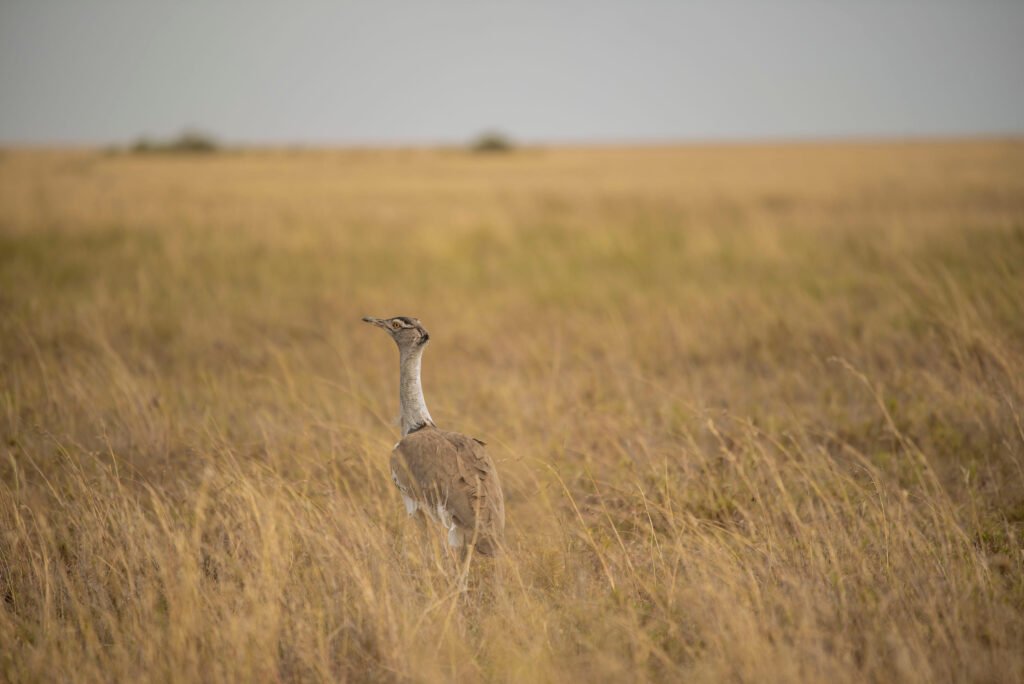
Tarangire deserves consideration even when your main interest is birds rather than elephants.
TANAPA’s Tarangire attractions guide highlights kori bustards, ostriches, lovebirds, bee-eaters and raptors among its birdwatching attractions.
The experience benefits from patient scanning. Check open ground, trees and the sky rather than concentrating on one level of the landscape.
A birding drive may include fewer kilometres than a general wildlife drive because useful observations require stops. Explain that preference before departure so your guide understands the pace you want.
Season and water availability influence the distribution of wildlife. Avoid assuming that conditions described for one period apply throughout the year.
Best suited to: Birders who enjoy woodland and open-country observation alongside mammal viewing.
Planning advice: Give Tarangire meaningful time. A brief drive between transfers may introduce the park, but it leaves limited opportunity to revisit productive areas or wait for clearer views.
3. Lake Manyara National Park
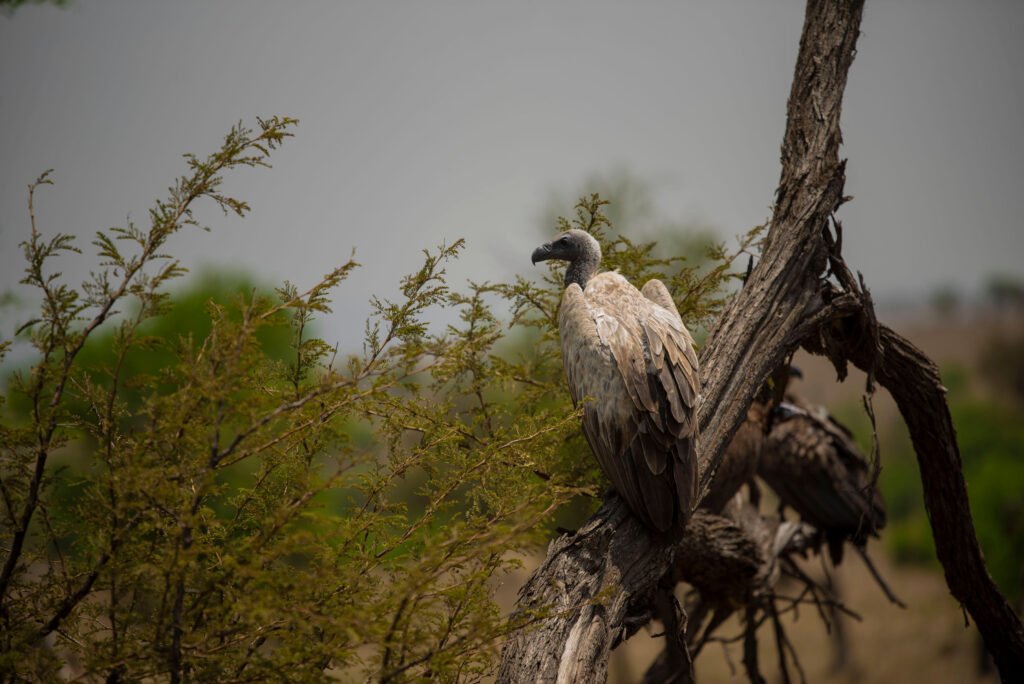
Lake Manyara adds a combination of woodland and waterbird opportunities to a northern itinerary.
TANAPA describes seasonal gatherings of greater and lesser flamingos, pelicans and other waterbirds at the alkaline lake. Its Lake Manyara wildlife page provides official habitat information.
The word “seasonal” matters. A lake famous for flamingos does not guarantee a large, close flock on every visit.
Keep your attention on the wider experience. Vegetation, wetland margins and open viewing areas may offer different observations, even when the most conspicuous waterbirds are distant.
Ask about current water levels and accessible areas. Your guide should adapt the visit to what can be reached and observed responsibly.
Best suited to: Travellers wanting a varied birding day that includes lake-associated species.
Planning advice: Bring binoculars rather than relying entirely on a camera. For distant birds, a spotting scope can help if one is available and practical to use.
4. Ngorongoro Crater
Ngorongoro Crater combines open country with lakes and marshes, making it a useful destination for birdwatching within a broader wildlife safari.
The Conservation Area Authority identifies ostriches, kori bustards and crowned cranes among its grassland birds. It also describes wetland birds including stilts, ibis and ducks. Read its Ngorongoro birdwatching information for background.
A successful visit involves changing your approach between habitats. Scan the plains for larger ground birds, then take more time around pools and marshes.
Do not mistake a species list for the whole conservation area for a guaranteed crater-floor checklist. The crater is one part of a much larger destination.
Mixed-interest groups can enjoy birdwatching and mammals during the same drive, provided both interests receive time.
Best suited to: Birders who want grassland and wetland observations alongside classic safari wildlife.
Planning advice: Tell your guide that birds are a priority. Otherwise, stops may naturally concentrate on the larger mammals attracting attention that day.
5. Empakaai Crater and the Ngorongoro Highlands
Empakaai offers a different experience from a crater-floor vehicle safari.
The Ngorongoro Lengai Geopark’s caldera route information identifies Empakaai’s lake and flamingos among its features.
For birders, the interest includes the change in setting and the opportunity to explore through an appropriately arranged walk. It should not be presented as an effortless addition to every Ngorongoro day.
Discuss the trail, duration, return ascent and required guiding before booking. Walking to a viewpoint or lake is a different physical commitment from remaining in a safari vehicle.
Weather can affect visibility and comfort. Pack suitable layers and footwear, and follow the guide’s instructions about the route.
Best suited to: Travellers who enjoy walking and want a highland experience beyond the main crater drive.
Planning advice: Reserve a separate activity period. Avoid combining a substantial walk with an already demanding transfer simply to add another destination name.
6. Serengeti National Park
Serengeti offers the chance to explore birdlife across a large and varied wildlife landscape.
TANAPA’s Serengeti habitat overview describes grasslands, woodland, riverine forest, wetlands and kopjes.
That variety makes regional planning important. “Serengeti” is too broad a description to explain precisely where you will spend your birding time.
Ask which areas fit your dates and interests. A migration-focused itinerary may prioritise herd locations, while a birding itinerary may allocate more time to selected habitats.
Spend time listening and observing around accommodation where it is safe and permitted. Not every useful birding moment requires another long drive.
Best suited to: Travellers wanting several days of habitat exploration with extensive mammal-viewing opportunities.
Planning advice: Use a suitable base and avoid unnecessary camp changes. More time observing can be more valuable than repeatedly packing and travelling between distant regions.
7. Lake Natron
Lake Natron is particularly important for birders interested in flamingos and wetland conservation.
The Ramsar Convention identifies the basin as East Africa’s only regular breeding area for lesser flamingos. Its Lake Natron designation overview explains the site’s international importance.
This significance does not mean breeding activity is visible to visitors at all times. Viewing conditions, bird movements and suitable access determine the experience.
Ask for recent observations, but treat them as information rather than a promise. A flock can move between the report and your arrival.
Use local guiding arrangements and respect sensitive areas. Never approach feeding or nesting birds to create a flight photograph.
Best suited to: Travellers with a strong interest in flamingos and the ecology of an alkaline lake.
Planning advice: Allow dedicated time for Natron. Confirm transfer distances, walking conditions, accommodation and the arrangements for reaching suitable viewing areas.
8. Lake Eyasi
Lake Eyasi is an additional option when you want to broaden a northern lakes itinerary.
Its suitability for your dates should be assessed through current conditions and local advice. Do not assume that every visit provides a broad accessible shoreline, shallow water or nearby birds.
Ask what the proposed birdwatching activity involves: where you go, whether you walk, how long it lasts and who guides it.
Eyasi is also associated with cultural visits. Those activities are separate from birdwatching and should be discussed on their own merits. A cultural excursion should not quietly replace the observation time you expected.
Best suited to: Travellers with enough time to explore an additional lakeside setting.
Planning advice: Keep expectations specific and realistic. Include Eyasi when the conditions and activity fit your interests, rather than treating it as compulsory on every northern safari.
9. Mkomazi National Park
Mkomazi broadens the geographical scope of this guide into northeastern Tanzania.
It is a separate planning choice from the familiar sequence of Tarangire, Manyara, Ngorongoro and Serengeti. Confirm how it fits your arrival point, departure plans and available days.
TANAPA identifies Mkomazi as a birdwatching destination in its official park publications. For an introduction to locally recorded species, the Mkomazi bird information page provides a useful reference.
Avoid using the park’s total species count as a predicted trip list. Records accumulated across a destination do not describe what one visitor will observe over a few days.
Best suited to: Birders wanting a northeastern extension and a broader selection of destinations.
Planning advice: Request a realistic routing proposal. It may be more sensible to organise Mkomazi as a focused extension than to attach it to an already crowded itinerary.
Comparing the Nine Birdwatching Hotspots
| Hotspot | Main reason to consider it | Planning priority |
|---|---|---|
| Arusha National Park | Lakes and varied park habitats | Allocate a dedicated introductory day |
| Tarangire | Woodland and open-country birding | Leave time for patient stops |
| Lake Manyara | Woodland and seasonal waterbirds | Check access and water conditions |
| Ngorongoro Crater | Grassland and wetland observations | Agree on birding time during the drive |
| Empakaai and highlands | Walking and a contrasting setting | Confirm fitness and guiding needs |
| Serengeti | Extensive habitat variety | Choose regions and bases carefully |
| Lake Natron | Flamingos and conservation context | Respect sensitive areas |
| Lake Eyasi | An additional lakeside experience | Assess current suitability |
| Mkomazi | A northeastern birding extension | Plan the extra travel realistically |
When Should You Go?
There is no single season that guarantees the best experience at every northern Tanzania birdwatching hotspot.
TANAPA’s trip-planning guidance associates green seasons with migratory birds. Ngorongoro’s birdwatching page also notes the arrival of Eurasian migrants during wet months.
Use this as a starting point. Your target species, preferred habitats and practical travel needs should shape the final dates.
Rain can affect roads, walking conditions and visibility. Dry conditions can influence where birds gather around water. These effects vary between destinations.
If you have a particular bird in mind, ask about suitable habitat and seasonal occurrence rather than requesting a broad “best month” answer.
Building a Route Without Rushing
For a shorter trip, choose a focused combination. Arusha, Tarangire and Manyara can form one planning conversation; Serengeti and Ngorongoro can form another.
A longer itinerary may add Empakaai, Natron or Eyasi. Mkomazi requires its own assessment of geography and travel time.
These are possible combinations, not confirmed packages. Ask for an itinerary that distinguishes substantial birding days from transfer days.
Avoid counting roadside stops as equivalent to dedicated observation time. Transfers can produce interesting sightings, but they also have a destination and schedule to meet.
Accommodation matters too. A suitable location can reduce driving and make the start of the day more comfortable.
Choosing a Guide and Preparing a Target List
Ask whether a guide with appropriate bird identification experience can be arranged.
Explain your level of interest. Beginners may appreciate clear introductions to common birds, while experienced birders may want help with calls, unfamiliar species or particular habitats.
A target list is useful when it communicates priorities. It becomes less useful when treated as a set of guaranteed sightings.
Record uncertain identifications honestly. Notes about size, bill shape, colours, behaviour and habitat can help resolve them later.
For mixed-interest groups, agree on the balance between birding, photography and mammal viewing before departure.
Equipment and Responsible Observation
Bring comfortable binoculars and practise focusing before travelling. A field guide or offline app covering East African birds can support identification.
A spotting scope may help with distant waterbirds. Confirm availability rather than assuming it is part of the vehicle equipment.
Pack sun protection, rain protection, practical footwear and layers suited to your destinations. Ask about walking surfaces and distances if mobility is a concern.
Keep noise low, follow authorised routes and never chase birds for photographs. Use restraint around nests and roosts, including with call playback. Discuss any specialist techniques with your guide beforehand.
Respect people living near the places you visit. Access and photography permission should be agreed rather than assumed.
Frequently Asked Questions
Do I need to visit all nine places?
No. Choose a combination that suits your time and interests. Fewer destinations explored well often provide a better experience.
Are flamingos guaranteed?
No. Their numbers, distribution and visibility vary. A destination’s reputation does not guarantee a particular sighting.
Is this suitable for beginners?
Yes, with suitable guiding and a manageable pace. Enjoying behaviour and habitat is as valid as building a species list.
Can birdwatching be combined with a wildlife safari?
Yes. Make birds an explicit priority so the itinerary allows observation time.
Is Mkomazi part of the usual northern circuit?
It is a northeastern destination requiring additional routing consideration, rather than a stop automatically included in the classic circuit.
Plan Your Birdwatching Safari With Eddy Tours & Safaris
Northern Tanzania birdwatching hotspots offer different experiences, so the strongest itinerary begins with your interests and realistic travel arrangements.
To discuss a route, contact Eddy Tours & Safaris. Share your dates, group size, birding experience, accommodation preferences and any target species or photography priorities.
Website: eddytours-safaris.com
Email: eddytoursandsafaris@gmail.com
Sales enquiries: sales@eddytours-safaris.com
Phone and WhatsApp: +255 711 906 664