
Mount Kilimanjaro has attracted climbers from around the world for generations, including people who once believed they were too old to attempt such a demanding journey. Standing at 5,895 metres above sea level in northern Tanzania, Africa’s highest mountain presents a serious physical challenge, but it is not reserved for young athletes or professional mountaineers. Many older travellers have successfully climbed Kilimanjaro through careful preparation, sensible pacing, experienced mountain guidance and a strong understanding of the risks associated with high altitude. Some have even reached the summit in their late eighties and nineties, changing the way people think about adventure travel later in life.
For seniors considering a Mount Kilimanjaro climbing adventure, these achievements offer encouragement, although every person’s health and physical abilities are different. Reaching Uhuru Peak requires much more than determination. Climbers must prepare for several days of walking, changing temperatures, difficult terrain and reduced oxygen availability as they gain altitude. Understanding the stories of older climbers, choosing a suitable route and allowing enough time for acclimatization can help senior travellers make informed decisions about whether this mountain is right for them.
Who Is the Oldest Person to Climb Mount Kilimanjaro?
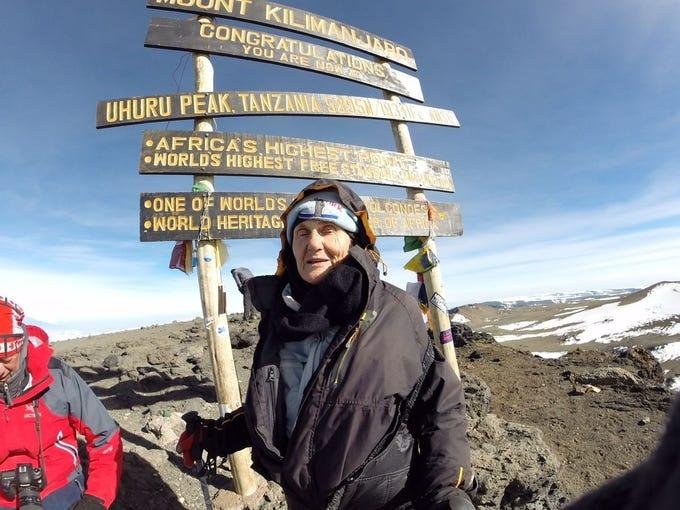
In July 2026, American retired physician Dr. Arthur “Art” Ulene reached the summit of Mount Kilimanjaro on his 90th birthday, becoming the oldest person publicly reported to have completed the climb. He arrived at the summit on 13 July 2026 after a demanding expedition and celebrated with his mountain team. His achievement received international attention because he had successfully climbed Africa’s highest mountain at an age when many people would consider such an expedition beyond their physical abilities.
According to reporting by The Washington Post, Ulene’s climb was also recognised in records maintained by the Tanzania National Parks Authority, while an application for official recognition from Guinness World Records was being pursued. As of the Guinness record listing consulted for this article, the organisation still names American climber Anne Lorimor as its officially recognised oldest person to summit Kilimanjaro. This distinction is important because a newly reported achievement and a formally verified world record are not necessarily updated at the same time.
Anne Lorimor reached Uhuru Peak on 18 July 2019 at the age of 89 years and 37 days. She completed her expedition without supplementary oxygen or physical assistance, travelling up the Rongai Route and descending through the Marangu Route. Her achievement remains one of the most remarkable documented climbs in Kilimanjaro’s history, particularly because she had already climbed the mountain when she was 85 years old.
Visitors interested in the mountain’s climbing history can read the official Guinness World Records account of Anne Lorimor and the more recent reporting on Arthur Ulene’s 90th-birthday summit.
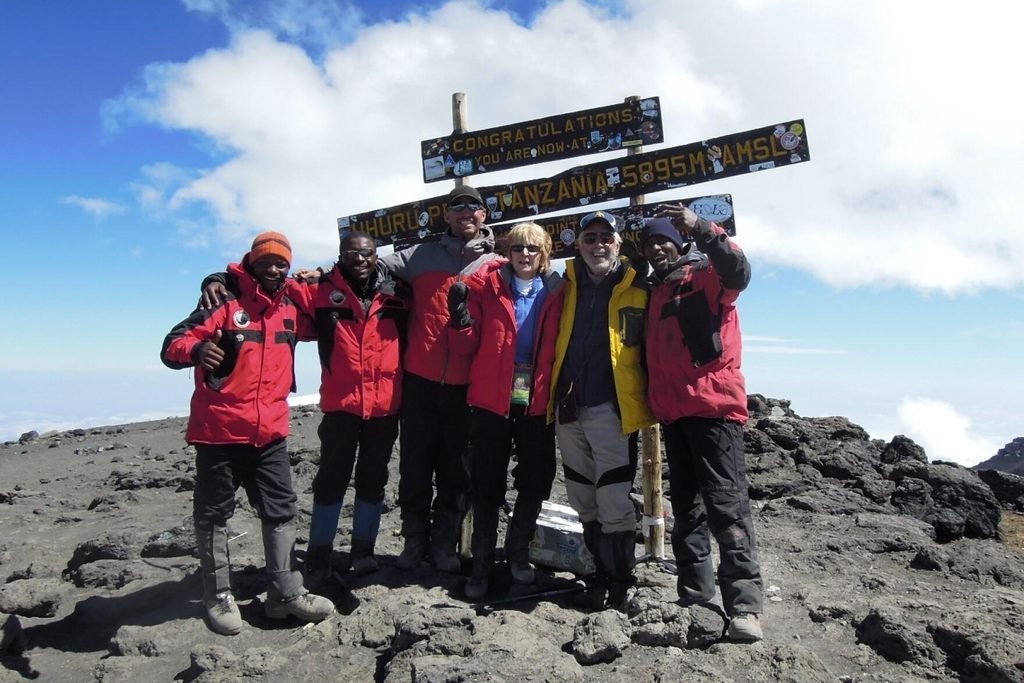
The Inspiring Story of Anne Lorimor: Reaching Kilimanjaro at 89
Anne Lorimor’s story is particularly meaningful because her interest in mountain climbing developed alongside her commitment to helping disadvantaged children. Born in 1930 in the United States, she experienced a difficult childhood but later pursued education and professional opportunities. She established a charitable organisation called Creating Exciting Futures, which supports young people who need educational and personal development opportunities. Her Kilimanjaro expeditions became a way to raise awareness of this work while pursuing something she genuinely enjoyed.
By the time she attempted Kilimanjaro again in 2019, Lorimor already understood the demands of mountain hiking. Rather than relying entirely on her previous experience, she prepared through regular walking and strength training. According to Guinness World Records, she spent months working on her physical condition, including exercises designed to strengthen her core muscles. This preparation was especially important because the mountain requires climbers to walk for several consecutive days, often on uneven ground and at elevations where ordinary activities can become tiring.
Her journey was not without difficulties. Before the expedition, Lorimor suffered a rib injury that made breathing uncomfortable. Nevertheless, she went on to complete the climb and reached Uhuru Peak on 18 July 2019. Her achievement should not be interpreted as a reason to ignore injuries or medical concerns; instead, it shows the importance of preparation, personal experience and carefully evaluating one’s ability to continue. At high altitude, even a minor health problem can become more serious, and climbers must always be willing to abandon a summit attempt when their safety requires it.
Lorimor’s success also brought attention to the role of Tanzanian mountain guides and support teams. Her expedition was led by guide Elibahati Mamuya, and the journey took nine days from the starting point back to the mountain’s lower elevations. The time spent on the mountain, the organisation of the route and the assistance of an experienced team all formed part of the expedition. For older travellers planning a Kilimanjaro trekking holiday in Tanzania, her story offers a useful reminder that good planning matters just as much as enthusiasm.
Arthur Ulene’s Remarkable Kilimanjaro Climb at Age 90
Arthur Ulene’s 2026 climb added another chapter to the history of senior mountaineering. A retired American physician and former television medical correspondent, Ulene had considerable hiking experience and had previously attempted Kilimanjaro several times. His successful expedition in July 2026 was not a sudden decision to climb a mountain without preparation. It followed months of physical training and a long-standing interest in reaching the summit.
Ulene chose to make the climb part of his 90th-birthday celebration. After an expedition lasting approximately eleven days, he reached the summit on 13 July 2026, where members of his Tanzanian mountain team celebrated with him. The achievement attracted attention not simply because of his age, but because it demonstrated how some older adults can maintain the endurance, discipline and interest required for demanding outdoor activities.
However, Ulene’s experience should also be viewed realistically. His climb was physically painful and required considerable effort, despite his previous experience and preparation. The lesson for other senior travellers is not that everyone should attempt Kilimanjaro at 90, but that age alone does not provide a complete picture of someone’s physical capabilities. Medical history, cardiovascular fitness, mobility, altitude response and access to suitable support are all essential considerations.
Can Senior Travellers Really Climb Mount Kilimanjaro?
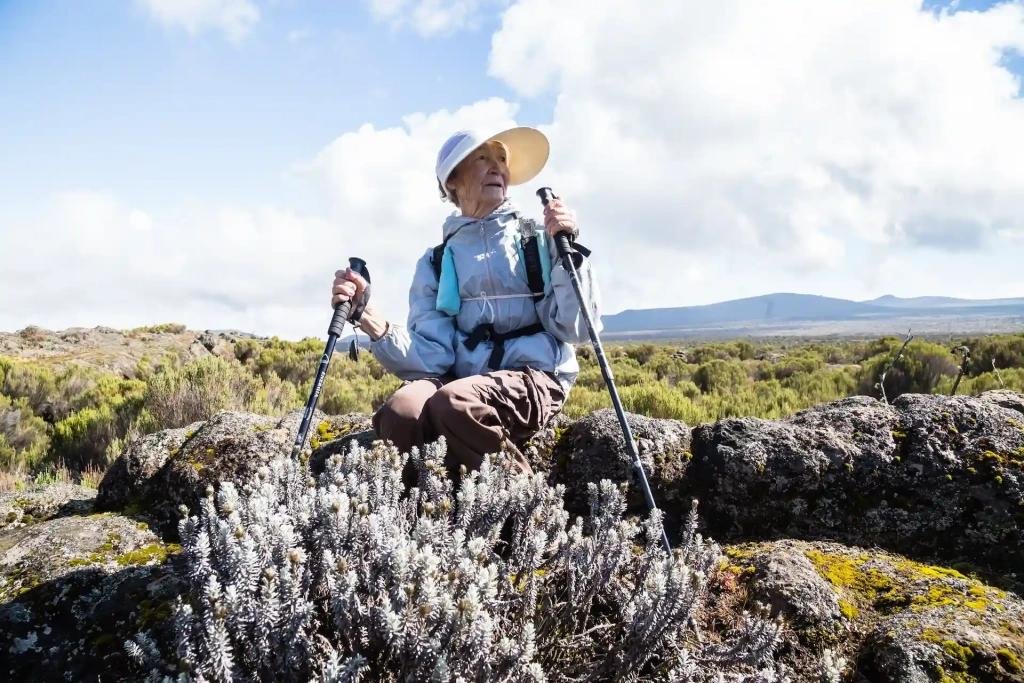
Yes, many healthy and well-prepared senior travellers can climb Mount Kilimanjaro, although success and safety cannot be guaranteed. There is no single age at which a person automatically becomes incapable of trekking at high altitude. A physically active traveller in their seventies may be better prepared than a much younger person who rarely exercises. Nevertheless, ageing can bring changes in muscle strength, balance, recovery time and the ability to manage existing medical conditions, making individual assessment especially important.
Kilimanjaro is commonly described as a non-technical trekking mountain because its standard routes generally do not require advanced rock-climbing skills. This does not mean the climb is easy. Participants may walk for five to eight hours on ordinary trekking days, with longer periods of exertion during the summit attempt. The mountain’s upper slopes are cold, exposed and physically demanding, while the reduced oxygen availability at higher elevations can affect even experienced hikers.
Senior travellers should arrange a medical assessment before booking, particularly if they have heart disease, respiratory conditions, diabetes, mobility limitations or other ongoing health concerns. A clinician familiar with high-altitude travel can help evaluate individual risks, review medication and discuss whether additional precautions are necessary. Anyone interested in planning a private Kilimanjaro climb should also discuss their walking experience, preferred route and physical limitations with the tour operator before confirming an itinerary.
Best Kilimanjaro Climbing Routes for Senior Travellers
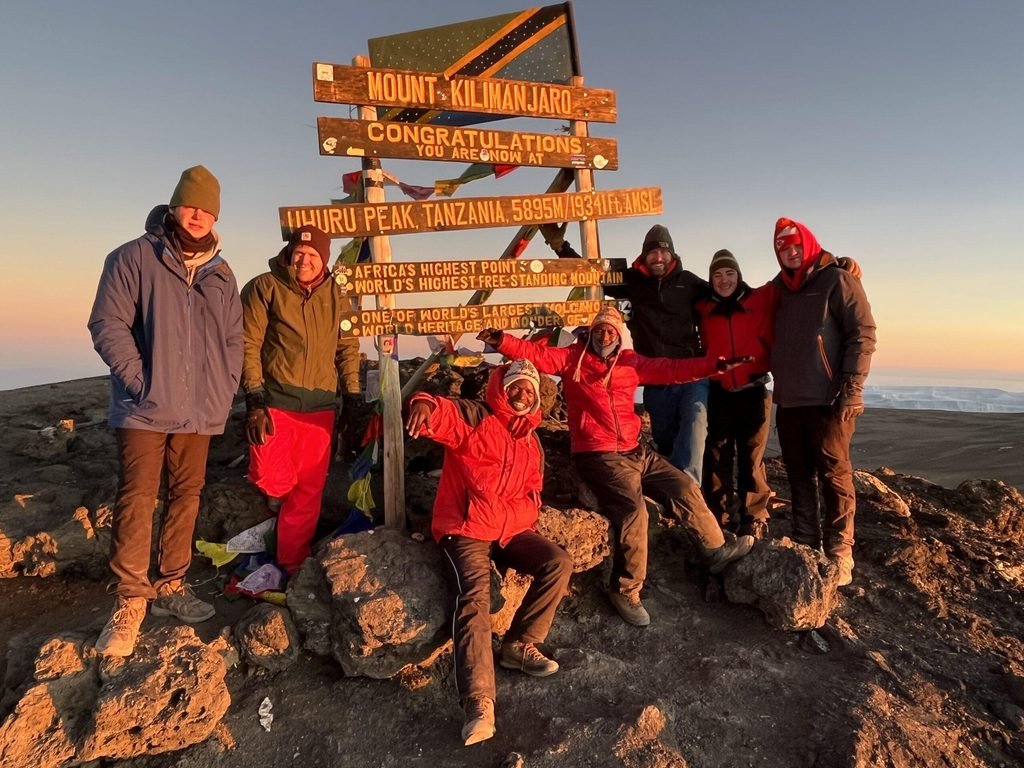
Choosing the right route is one of the most important decisions for older climbers. Kilimanjaro has several established trekking routes, and each differs in duration, terrain, accommodation and opportunities for acclimatization. For seniors, the shortest itinerary is not necessarily the most suitable. An additional day on the mountain may provide a more gradual ascent and more time to adjust, although it does not eliminate the possibility of altitude sickness.
Lemosho Route: A Good Choice for a Gradual Ascent
The Lemosho Route approaches Kilimanjaro from the western side and passes through forest, moorland and high-altitude landscapes before joining the southern circuit. It is often recommended for trekkers who want a longer itinerary with opportunities to adjust gradually to increasing altitude. An eight-day Lemosho climb can be a sensible option for medically cleared senior travellers who are comfortable with camping and several consecutive days of walking.
The route includes attractive scenery and a variety of terrain, although sections such as the Barranco Wall may be challenging for people with limited mobility or concerns about balance. Climbers considering an eight-day Kilimanjaro Lemosho Route trek should discuss these sections in advance and ensure that their physical preparation includes walking on uneven ground.
Rongai Route: A Quieter Northern Approach
The Rongai Route begins on Kilimanjaro’s northern side, near the Kenyan border, and is generally less crowded than some of the southern approaches. Its early sections offer a relatively gradual climb, and the route passes through landscapes that differ from those seen on the western and southern trails. Anne Lorimor used Rongai during her record-setting expedition, although her success should not be taken as proof that the route is automatically suitable for every older traveller.
A seven-day Rongai itinerary is generally preferable to a rushed ascent because it allows more time for acclimatization. Senior climbers may appreciate the quieter atmosphere and the opportunity to maintain a steady walking pace. Those interested in a Rongai Route Kilimanjaro climbing experience should still consider the difficulty of the summit night and the physical demands of the descent.
Northern Circuit: More Time for Acclimatization
The Northern Circuit is one of Kilimanjaro’s longest established trekking routes and is particularly attractive to travellers who prefer a gradual itinerary. It circles the quieter northern slopes of the mountain and usually takes eight or nine days, depending on the chosen programme. The longer duration offers additional opportunities for acclimatization and allows climbers to experience areas that receive fewer visitors.
For seniors who have the necessary fitness, a nine-day Northern Circuit itinerary may be worth considering because it avoids unnecessarily rushing the ascent. However, the additional days also mean spending more time camping and walking, so the route is best suited to travellers who can manage the overall duration comfortably. Before booking a Northern Circuit Kilimanjaro trek, climbers should compare the total walking distance, daily elevation gains and overnight camp elevations.
Marangu Route: Hut Accommodation Instead of Camping
The Marangu Route is sometimes called the Coca-Cola Route and is the only standard Kilimanjaro trekking route that offers mountain hut accommodation rather than tents. This can appeal to senior travellers who would prefer sleeping in established huts, although the facilities remain basic and are shared with other climbers. The route follows a relatively direct approach to the summit, with the descent generally using the same trail.
A six-day Marangu itinerary is usually a better option than the shorter five-day programme because it provides an additional acclimatization day. Even so, the relatively rapid elevation gain requires careful consideration, and the route should not be selected simply because it has huts. Travellers interested in a Marangu Route Kilimanjaro climbing holiday should compare its altitude profile with longer alternatives before making a decision.
How Senior Climbers Should Prepare for Mount Kilimanjaro
Physical preparation should begin several months before departure, allowing enough time to improve endurance without placing unnecessary strain on the body. For many older travellers, a preparation period of three to six months is reasonable, although the appropriate duration depends on existing fitness and medical advice. The objective is not to train like a competitive athlete, but to become comfortable walking for extended periods while carrying a small daypack.
Regular walking is one of the most useful forms of training. Start with manageable distances and gradually increase the duration, ideally including hills, stairs and uneven trails. As fitness improves, practise walking on consecutive days because Kilimanjaro requires sustained effort rather than a single difficult hike. Longer training walks should also include the boots, socks and daypack intended for the expedition so that equipment problems can be identified before travelling to Tanzania.
Strength and balance exercises are equally valuable. Leg strength supports uphill walking and controlled descents, while core stability helps maintain balance on rocky sections. Simple exercises such as step-ups, supported squats, resistance training and balance practice may be appropriate, depending on individual ability. Older travellers should seek professional guidance when necessary, especially if they have experienced falls, joint injuries or prolonged periods of inactivity.
Preparation also includes adequate rest, nutrition and realistic expectations. Increasing exercise too quickly can cause injuries that delay or prevent the expedition. A gradual programme that combines walking, strength work and recovery days is generally more sustainable. Travellers can also consult Kilimanjaro Climb Specialist for additional information about mountain trekking, route preparation and climbing considerations.
Understanding Altitude Sickness on Kilimanjaro
Altitude sickness is one of the most important safety concerns on Mount Kilimanjaro, regardless of a climber’s age or fitness level. As elevation increases, atmospheric pressure decreases, reducing the amount of oxygen available with each breath. The body needs time to adapt, and ascending too quickly can lead to acute mountain sickness, commonly known as AMS. Symptoms may include headache, nausea, dizziness, fatigue and loss of appetite.
More serious altitude illnesses include high-altitude pulmonary edema, which affects the lungs, and high-altitude cerebral edema, which affects the brain. These conditions can be life-threatening and require immediate action, including descent and medical treatment. Warning signs such as confusion, difficulty walking in a straight line, breathlessness at rest or rapidly worsening symptoms must never be dismissed as ordinary tiredness.
For senior travellers, choosing a longer itinerary and communicating openly with guides about symptoms is particularly important. Climbers should not continue ascending when they have symptoms of altitude sickness, and worsening symptoms require descent. Some travellers may be advised by a qualified medical professional to use preventive medication such as acetazolamide, but this should only be considered after reviewing personal health conditions, medication interactions and possible side effects.
Guidance from the CDC Yellow Book on high-altitude travel provides useful medical information for anyone preparing to visit high-elevation destinations. Senior climbers should review this information alongside advice from their own healthcare professional and the safety procedures of their chosen mountain operator.
Practical Trekking Tips for Seniors Climbing Kilimanjaro
Choose a Longer Itinerary Rather Than Rushing
A longer route can offer more opportunities to acclimatize and allows climbers to follow a steadier daily schedule. Seven-, eight- and nine-day programmes are often worth considering instead of the shortest available climb. However, route duration alone does not determine safety, and the daily elevation profile remains important. Senior travellers should ask their operator to explain how much altitude will be gained each day and what procedures are followed if a participant becomes unwell.
Walk at a Comfortable and Consistent Pace
On Kilimanjaro, walking slowly is part of the climbing strategy rather than a sign of weakness. Tanzanian mountain guides frequently encourage climbers with the Swahili expression pole pole, meaning slowly, slowly. Maintaining a manageable pace reduces unnecessary exertion and makes it easier to continue walking throughout the day. Older climbers should avoid feeling pressured to keep up with faster participants, particularly during steep sections or when approaching higher camps.
Carry Appropriate Clothing and Equipment
Temperatures on Kilimanjaro change considerably between the lower rainforest and the summit area. Climbers should bring suitable thermal layers, waterproof clothing, insulated jackets, gloves, warm headwear and properly fitted trekking boots. Trekking poles can also provide useful support, particularly during long descents, although travellers should practise using them before the expedition. Clothing and equipment should be tested during training rather than worn for the first time on the mountain.
Maintain Nutrition and Hydration
Regular meals and adequate hydration support physical performance during long trekking days. Older climbers should make an effort to eat even when appetite decreases at altitude, while avoiding excessive water consumption. Fluid needs vary according to temperature, activity and personal health conditions, and travellers with medical restrictions should follow professional advice. Any medication required during the climb should be kept accessible, with the mountain guide informed about relevant health concerns.
Book an Experienced and Responsible Mountain Team
The quality of the mountain support team can make a considerable difference to the overall trekking experience. A responsible operator should provide trained guides, appropriate emergency equipment, a clear evacuation plan and suitable arrangements for porters and other support staff. Senior travellers should ask about health monitoring, guide-to-climber ratios, communication equipment and the operator’s procedures for responding to altitude illness.
At Eddy Tours & Safaris, travellers can enquire about private Kilimanjaro trekking arrangements and discuss their preferred climbing duration, previous hiking experience and individual requirements. Private expeditions may provide greater flexibility in planning and group composition, although safety decisions must always remain the responsibility of qualified mountain professionals.
Is a Private Kilimanjaro Climb Better for Seniors?
A private Kilimanjaro climb can be particularly appealing to older travellers who prefer a more personal trekking experience. Unlike a larger group departure, a private expedition allows the itinerary to be organised around a specific party, with greater opportunity to discuss walking pace, rest requirements and personal preferences before departure. This can be useful for couples, families and groups of friends with different levels of mountain experience.
However, a private climb does not mean the mountain’s altitude or physical demands become less challenging. Camp locations, weather conditions, park regulations and safe acclimatization practices still determine what can reasonably be achieved each day. A responsible operator will not guarantee that every participant can reach Uhuru Peak, and experienced guides must be prepared to recommend descent when necessary.
Senior travellers may also wish to spend additional time in Tanzania before beginning their climb. Arriving in Moshi or Arusha a few days early provides an opportunity to recover from international travel, check equipment and meet the mountain team. Travellers planning a longer holiday can combine their Kilimanjaro climbing trip with a Tanzania safari, allowing time to explore the country’s national parks before returning home.
What Happens During Summit Night on Kilimanjaro?
Summit night is usually the most demanding stage of a Kilimanjaro expedition. On many routes, climbers begin walking late at night or shortly after midnight, travelling slowly towards the crater rim before continuing to Uhuru Peak. Temperatures may fall well below freezing, and the combination of darkness, steep terrain, loose volcanic material and high altitude makes progress physically exhausting.
For older climbers, the summit attempt requires careful energy management and close communication with guides. The final ascent may take several hours, followed by a substantial descent to a lower camp. Travellers should understand that reaching the summit is only part of the day’s work, and sufficient strength must remain for the return journey. The descent can be especially demanding on knees and leg muscles, making downhill training and trekking poles valuable parts of preparation.
Weather conditions, altitude symptoms and individual performance may require the guide to change the plan or end the summit attempt. Turning back is sometimes the safest and most responsible decision. A successful mountain experience should be measured not only by reaching the highest point, but also by completing the expedition without compromising health or safety.
Combining Kilimanjaro Climbing with a Tanzania Safari
Many senior travellers visiting Tanzania prefer to combine their mountain expedition with a wildlife safari, especially when travelling a long distance from Europe, North America, Asia or Australia. Northern Tanzania offers several well-known wildlife destinations within reach of Arusha, including Tarangire National Park, Lake Manyara National Park, the Ngorongoro Conservation Area and Serengeti National Park. These destinations provide an opportunity to experience Tanzania’s wildlife and landscapes after the physical demands of mountain trekking.
A safari can be arranged after the climb, with sufficient recovery time built into the itinerary. Travellers who have spent several days on Kilimanjaro may appreciate comfortable accommodation, shorter daily activities and a more relaxed travel schedule. A Tanzania safari with Eddy Tours & Safaris can be discussed alongside a Kilimanjaro itinerary, making it easier to coordinate transfers, accommodation and the overall length of the holiday.
Older visitors who do not wish to attempt the summit can still enjoy views of Mount Kilimanjaro, cultural activities around Moshi and shorter walks in the surrounding area. Climbing to Uhuru Peak is not the only way to appreciate the mountain. The best experience is one that matches the traveller’s interests, health and physical abilities.
Frequently Asked Questions About Seniors Climbing Kilimanjaro
Can a 70-Year-Old Climb Mount Kilimanjaro?
Yes, some people in their seventies successfully climb Mount Kilimanjaro, provided they have suitable fitness, medical clearance and sufficient preparation. Age alone does not determine whether someone can complete the trek. A longer route, experienced guides and an appropriate training programme can help support the expedition, but high-altitude illness remains a risk for everyone.
Can an 80-Year-Old Reach the Summit of Kilimanjaro?
Yes, successful climbs by people in their eighties have been documented, including Anne Lorimor’s earlier expedition at age 85 and her later record-setting ascent at 89. These achievements demonstrate what may be possible for exceptionally well-prepared older hikers, but they should not be treated as typical outcomes. Travellers in this age group should seek individual medical advice and carefully consider the physical demands of the climb.
What Is the Best Kilimanjaro Route for Older Climbers?
The eight-day Lemosho Route, seven-day Rongai Route and nine-day Northern Circuit are worth considering because they can provide more gradual itineraries than shorter alternatives. The most suitable route depends on the climber’s health, walking ability, experience and preference for camping or hut accommodation. No route can completely prevent altitude sickness.
Do Senior Climbers Need Supplementary Oxygen?
Supplementary oxygen is not routinely required for healthy climbers on standard Kilimanjaro trekking routes. However, emergency oxygen may be carried by mountain operators as part of their safety equipment. Oxygen should not be used to justify continuing an unsafe ascent, and serious altitude illness generally requires prompt descent and medical care. Travellers with existing respiratory or cardiovascular conditions should seek specialist advice before attempting the climb.
How Many Days Should Seniors Spend Climbing Kilimanjaro?
Many senior travellers may benefit from considering a seven- to nine-day itinerary rather than a five-day climb, because a longer schedule can provide more opportunities for acclimatization. The exact number of days should be determined by the route’s altitude profile, personal fitness and medical recommendations. Spending additional days on the mountain does not guarantee a successful summit or eliminate health risks.
How Can I Arrange a Kilimanjaro Climb as a Senior Traveller?
The first step is to discuss the proposed expedition with a healthcare professional and assess your ability to manage several consecutive days of hiking at altitude. You can then compare routes, discuss private trekking options and ask the mountain operator about safety procedures, guide experience and itinerary flexibility. Travellers can contact Eddy Tours & Safaris to enquire about Kilimanjaro climbing arrangements and discuss their travel plans.
Plan Your Kilimanjaro Adventure with Eddy Tours & Safaris
The stories of Anne Lorimor and Arthur Ulene have shown that remarkable mountain achievements are possible later in life. Their experiences also demonstrate that successful climbs are built on preparation, experience, patience and a willingness to work within the limits of the body. Kilimanjaro remains a demanding high-altitude mountain, and senior travellers should approach it with realistic expectations rather than assuming that determination alone will carry them to the summit.
For those who are medically fit and willing to prepare properly, climbing Mount Kilimanjaro can be a meaningful travel experience at almost any stage of adult life. Choosing a suitable route, allowing time for acclimatization and working with a responsible mountain team are essential parts of planning.
Eddy Tours & Safaris welcomes enquiries from travellers interested in exploring Kilimanjaro and northern Tanzania. Whether you are considering a private mountain expedition, a longer trekking itinerary or a combined safari and climbing holiday, you can get in touch with our team to discuss your preferred dates, travel arrangements and individual requirements.