
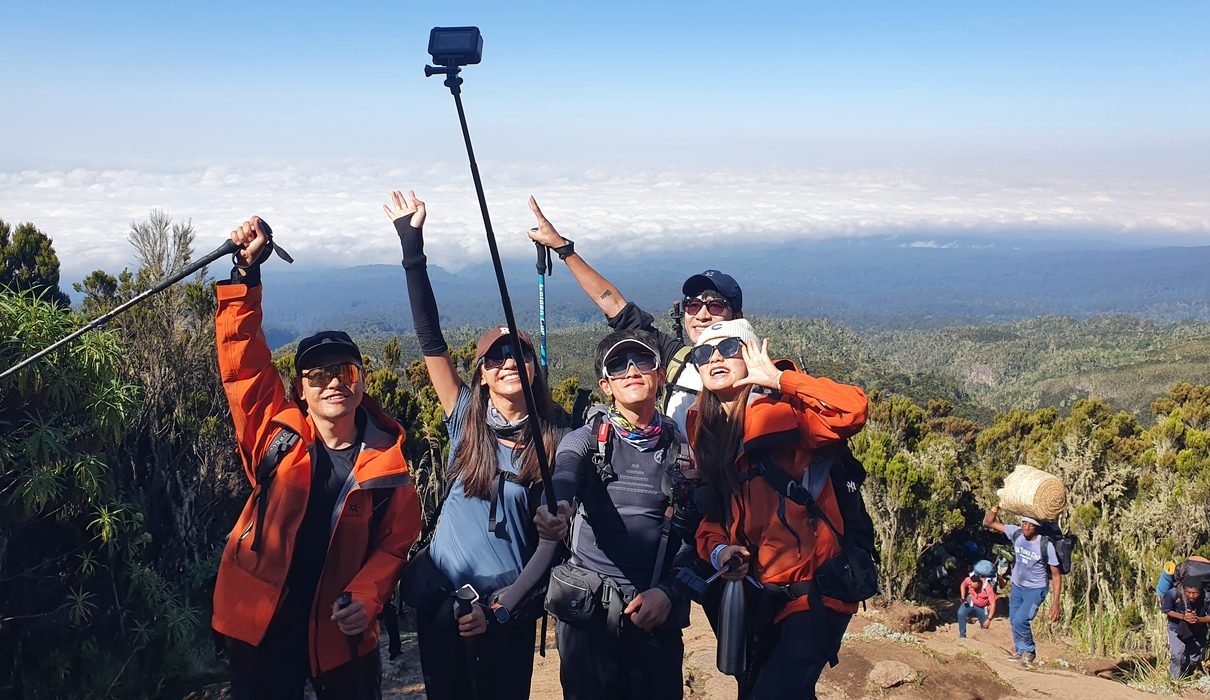
Climbing Mount Kilimanjaro is something many travellers dream about for years before finally deciding to make the journey to Tanzania. Standing at 5,895 metres above sea level, Kilimanjaro is the highest mountain in Africa and one of the most recognised trekking destinations in the world. Every year, people from different countries travel to Tanzania hoping to reach Uhuru Peak, take photographs beside the famous summit sign, and experience what it feels like to stand on the Roof of Africa. However, there is much more to climbing Kilimanjaro than simply booking a trekking package, buying hiking boots, and arriving ready to walk.
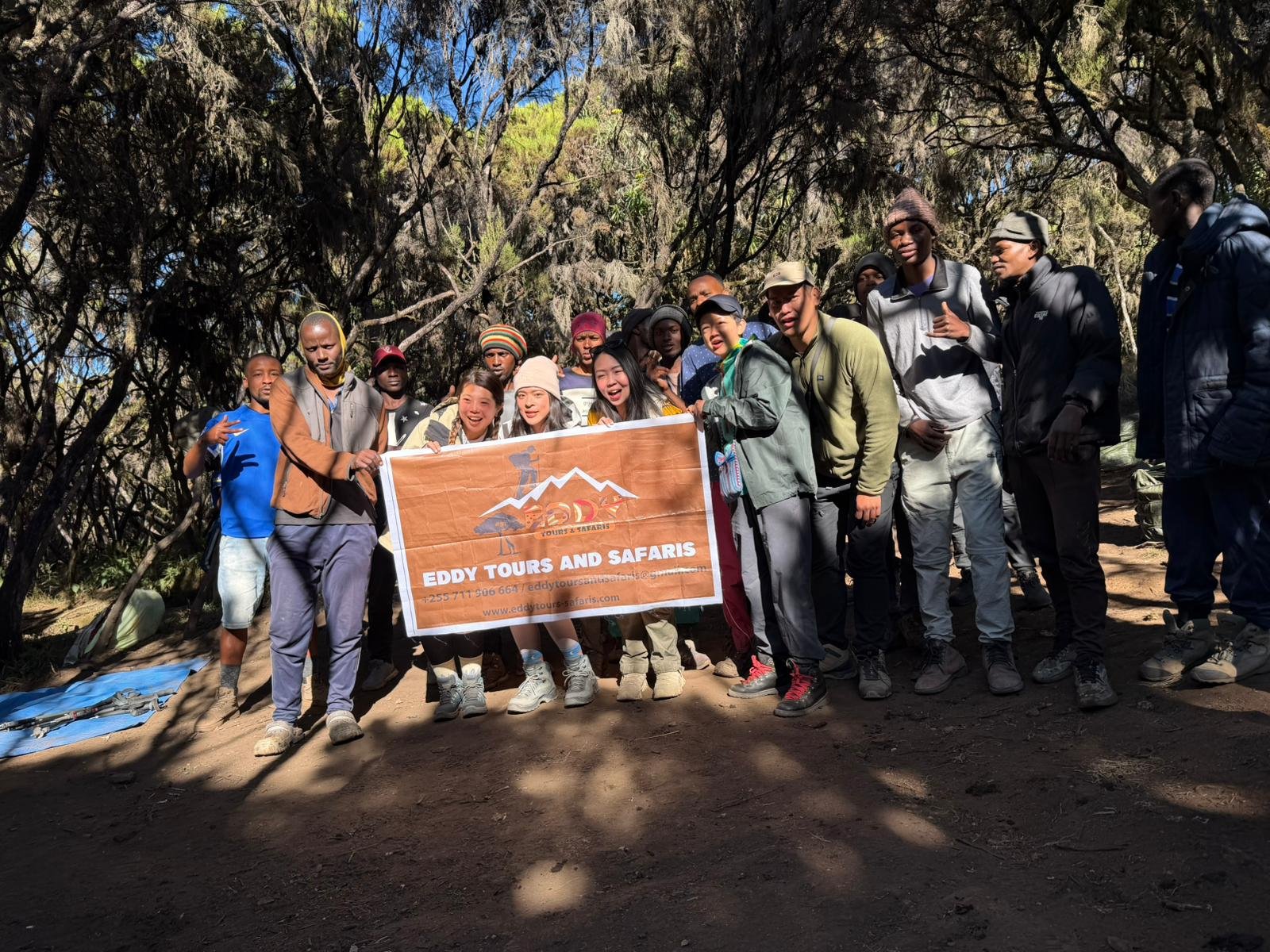
Many first-time climbers spend months researching the mountain but still discover things during their trek that they wish someone had explained beforehand. Some underestimate the effects of altitude, while others bring unnecessary equipment, choose routes that are too short, or arrive without enough physical preparation. Even experienced hikers can find Kilimanjaro more demanding than expected because walking at high altitude is very different from hiking at lower elevations. Understanding these challenges before travelling can make a considerable difference to your comfort, safety, and overall climbing experience.
At Eddy Tours & Safaris, we believe that preparing for Kilimanjaro should begin long before you reach the mountain gate. Whether you are considering the Machame Route, Lemosho Route, Marangu Route, or another trekking option, knowing what to expect will help you make better decisions. This guide covers the practical lessons that every climber should understand before attempting Mount Kilimanjaro, from choosing the right route and managing altitude to packing correctly, preparing for summit night, and working with your mountain crew.
1. Climbing Kilimanjaro Is More About Endurance Than Technical Mountaineering
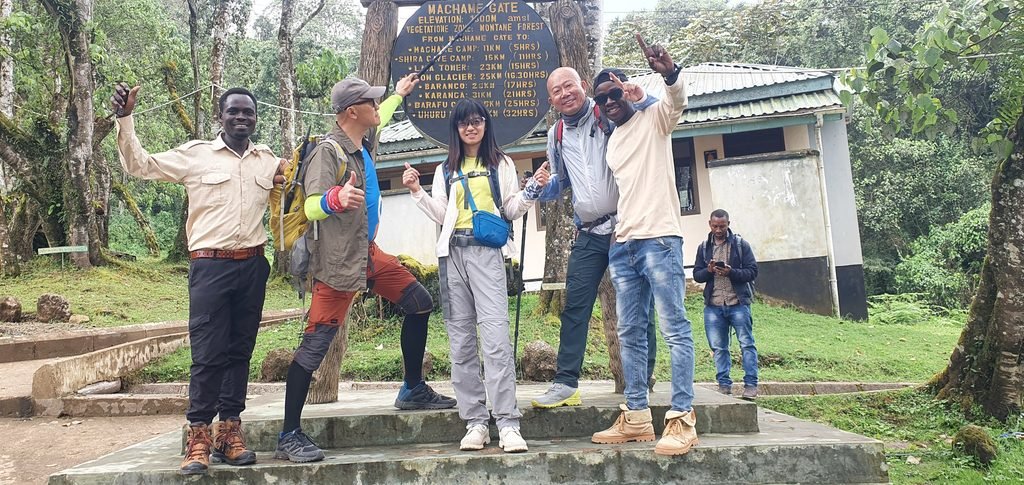
One of the first things worth understanding is that Kilimanjaro is generally considered a non-technical trekking mountain on its established routes. You do not normally need ropes, climbing harnesses, or specialist mountaineering experience to reach Uhuru Peak. However, this does not mean the climb is easy. You will spend several consecutive days walking uphill, sleeping in unfamiliar conditions, and dealing with changes in temperature and oxygen availability. The combination of these factors can make the mountain physically and mentally demanding, even for people who exercise regularly.
A common mistake is assuming that being able to run long distances or complete difficult gym workouts automatically means you are ready for Kilimanjaro. Fitness certainly helps, but mountain trekking requires a different kind of stamina. You need to be comfortable walking for several hours at a steady pace, sometimes over rocky paths, loose volcanic gravel, and steep sections. Your legs must also cope with long descents, which can place considerable strain on your knees. The best preparation involves regular hiking, preferably on uneven terrain, combined with exercises that improve leg strength, balance, and cardiovascular endurance.
If possible, begin preparing at least two or three months before your departure. Start with shorter walks and gradually increase the distance, elevation gain, and time spent carrying a daypack. Weekend hikes are particularly useful because they allow your body to become familiar with sustained physical activity. You do not need to train like a professional athlete, but arriving with good walking fitness will make the experience more manageable and allow you to enjoy the mountain rather than concentrating entirely on how tired you feel.
2. Choosing the Right Kilimanjaro Route Matters More Than You Think
Many travellers choose a Kilimanjaro route based mainly on price or the number of days available. While these are understandable considerations, the route you select can influence your acclimatisation, daily walking distances, scenery, accommodation, and overall experience. A shorter itinerary may initially appear attractive because it costs less and requires fewer holiday days, but it also means your body has less time to adjust to the increasing altitude.
The Machame Route is a popular choice for travellers who enjoy varied scenery and are comfortable with camping. It passes through rainforest, moorland, and alpine landscapes before approaching the summit. A seven-day Machame itinerary generally provides a more gradual schedule than the six-day version. The Lemosho Route is another excellent option, particularly for climbers who want a longer approach, beautiful landscapes, and additional time for acclimatisation. Many travellers choose seven- or eight-day Lemosho itineraries for these reasons.
The Marangu Route is sometimes called the Coca-Cola Route and is known for its mountain huts rather than tented accommodation. This makes it attractive to travellers who prefer sleeping in established shelters, although the route should not be mistaken for an easy climb. Rongai approaches Kilimanjaro from the northern side and can appeal to people looking for a different landscape and a relatively quieter approach. The Northern Circuit takes longer and offers extensive views around the mountain, making it suitable for travellers with enough time for a more gradual itinerary.
Before confirming your booking, compare the routes carefully and ask your tour operator about daily walking hours, sleeping elevations, summit-day arrangements, and acclimatisation opportunities. You can explore Kilimanjaro climbing information and trekking options with Eddy Tours & Safaris to help identify an itinerary that suits your fitness level, available time, and personal preferences.
3. Altitude Sickness Can Affect Anyone, Regardless of Fitness
Perhaps the most important lesson about Kilimanjaro is that altitude should never be underestimated. As you climb higher, atmospheric pressure decreases, meaning less oxygen is available with each breath. Your body needs time to adapt to these conditions, and some people adjust more comfortably than others. Being young, strong, or physically active does not guarantee protection against altitude sickness, which is why experienced mountain guides place considerable importance on walking slowly and monitoring climbers throughout the trek.
Mild altitude-related symptoms can include headaches, nausea, dizziness, tiredness, and reduced appetite. These symptoms should never be ignored or hidden from your guide. A worsening headache, repeated vomiting, difficulty walking normally, confusion, or breathlessness while resting may indicate a serious problem requiring immediate attention. Continuing uphill despite worsening symptoms can be dangerous. Your guide may recommend resting, stopping the ascent, or descending, depending on your condition. Severe altitude illness requires urgent descent and medical care.
The best approach is to choose a suitable acclimatisation schedule, maintain a comfortable walking pace, eat regularly, and communicate openly with your mountain crew. Drinking enough water is important, although excessive water consumption does not prevent altitude sickness and can create other health problems. Some climbers may benefit from preventive medication such as acetazolamide, but this should be discussed with a qualified healthcare professional before travelling.
For additional medical guidance, the CDC’s information on African climbing expeditions explains altitude-related health risks and preparation. You can also read the Kilimanjaro Climb Specialist preparation guide for further information about preparing for high-altitude trekking.
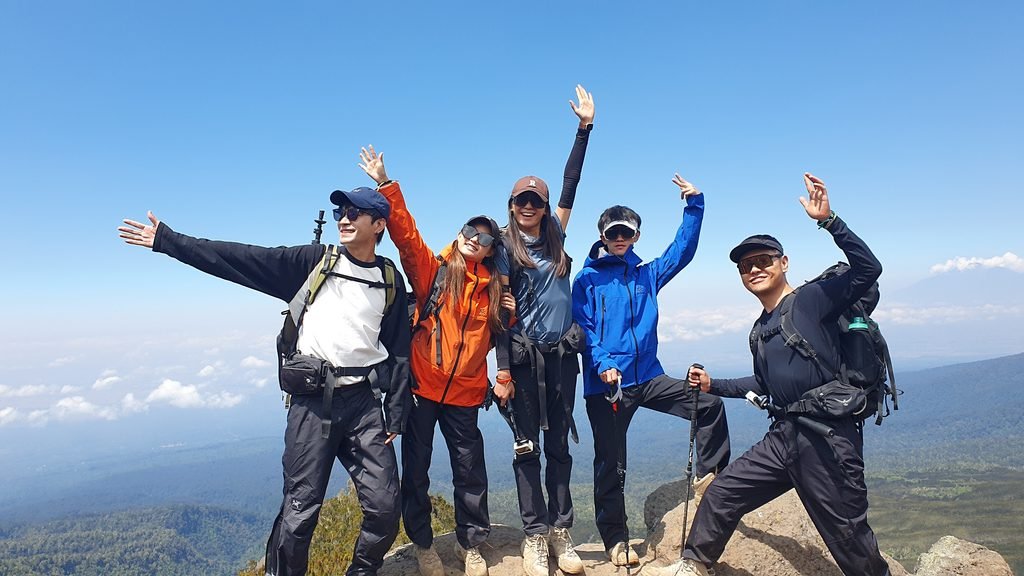
4. Walking Slowly Is One of the Most Valuable Lessons on Kilimanjaro
If you spend time with local mountain guides, you will frequently hear the Swahili expression pole pole, meaning slowly, slowly. This is not simply a friendly phrase used to encourage tired hikers. It reflects an important approach to walking at altitude, where maintaining a controlled pace helps reduce unnecessary physical strain and allows climbers to conserve energy during long trekking days.
Many people begin their climb feeling enthusiastic and full of energy. The forest trails may seem manageable, and it can be tempting to walk faster than the rest of the group. However, Kilimanjaro is not a race, and reaching camp first provides no meaningful advantage. Walking too quickly can leave you exhausted before the more demanding sections begin. A steady pace makes it easier to maintain comfortable breathing, manage fatigue, and remain consistent throughout the journey.
Your guide will normally set a pace appropriate for the terrain, altitude, and condition of the group. Follow that pace even when you feel capable of walking faster. Take short breaks when necessary, keep your breathing controlled, and avoid comparing your progress with other climbers. People respond differently to the mountain, and the most sensible approach is to concentrate on your own condition rather than trying to match someone else’s speed.
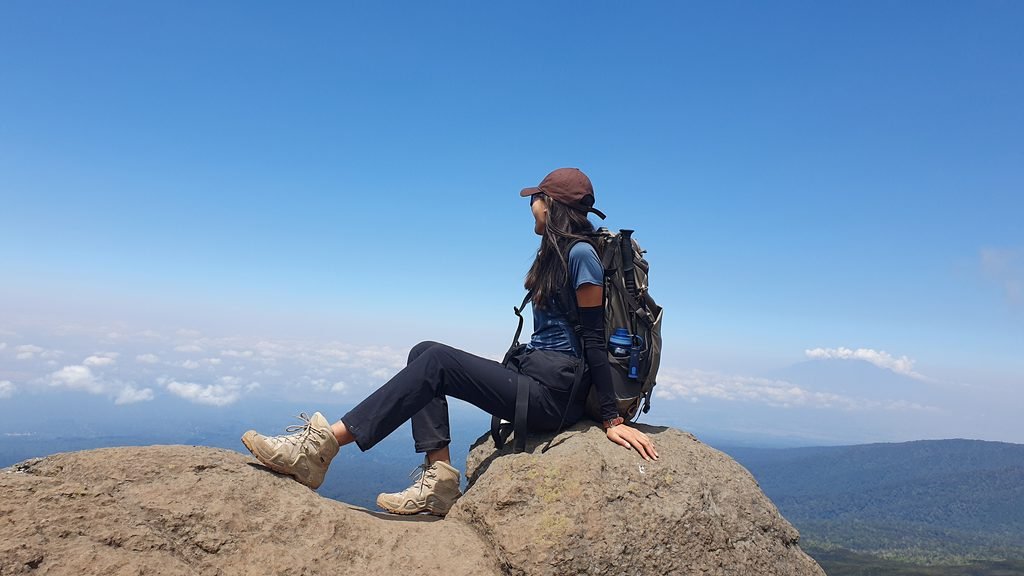
5. Kilimanjaro Weather Can Change Dramatically During the Same Trek
Another surprise for first-time climbers is the range of temperatures and weather conditions experienced on Kilimanjaro. You may begin the journey walking through warm, humid rainforest and later find yourself crossing exposed alpine terrain where strong winds and freezing temperatures are possible. The mountain passes through several distinct ecological zones, each with different vegetation, temperatures, and environmental conditions.
During the lower sections, lightweight trekking clothing may feel comfortable, particularly when the weather is sunny. As you gain elevation, mornings and evenings become colder, and temperatures can drop considerably after sunset. Rain, mist, and strong winds may occur even during periods generally regarded as favourable for climbing. Near the summit, freezing temperatures and wind chill make proper clothing essential.
Rather than relying on one heavy jacket, pack a suitable layering system. Moisture-wicking base layers help manage perspiration, fleece or insulated clothing provides warmth, and a waterproof outer shell protects against wind and rain. Warm gloves, thermal trousers, a hat, and a properly insulated jacket are particularly important for summit night. Avoid cotton clothing for cold and wet conditions because it retains moisture and can leave you uncomfortable.
The Tanzania National Parks Authority provides official visitor information, including safety advice and practical considerations for visiting Kilimanjaro National Park.
6. Your Hiking Boots Can Make or Break the Experience
One of the simplest ways to make Kilimanjaro unnecessarily uncomfortable is to arrive with brand-new hiking boots. Footwear that feels comfortable during a short walk around a shop may cause blisters, pressure points, or painful rubbing after several hours on uneven mountain trails. Since you will be walking for multiple consecutive days, even a small footwear problem can become increasingly difficult to manage.
Choose hiking boots that provide suitable support, reliable grip, and protection against wet conditions. The fit is more important than the brand or appearance. Your toes should have enough room when walking downhill, and your heel should remain reasonably secure without excessive movement. Wear the boots during training hikes before travelling to Tanzania so that you can identify potential problems early.
Good hiking socks are equally important. Moisture-managing trekking socks help reduce friction, while spare pairs allow you to change into dry socks after a wet day. Some climbers also find trekking poles helpful, especially when descending steep sections where the knees absorb repeated impacts. Remember that the descent from Kilimanjaro can be physically demanding, even after the excitement of reaching the summit.
7. Summit Night Is Usually the Hardest Part of the Climb
Many climbers spend most of their preparation thinking about the number of days required to reach the summit, without fully understanding what summit night involves. On many popular itineraries, the final ascent begins late at night or shortly after midnight. Climbers leave their high camp wearing warm clothing and headlamps, then slowly make their way uphill through darkness and freezing conditions.
The summit ascent can take several hours, depending on the route, weather, altitude response, and walking pace. The terrain often includes loose volcanic material and steep sections that require patience and careful footing. At this elevation, even simple movements can feel demanding, and taking a few steps may require more effort than expected. Cold hands, tired legs, and interrupted sleep from the previous evening can add to the challenge.
The most useful preparation is to understand that summit night requires patience rather than speed. Eat as well as you can before departure, keep essential items within easy reach, and make sure your headlamp has reliable batteries. Follow your guide’s instructions and communicate immediately if you feel unwell. Reaching Uhuru Peak is a wonderful achievement, but your health and safety must always come first.
It is also important to remember that reaching the summit is not the end of the day’s walking. Climbers must descend from the summit and often continue to a lower camp before resting properly. Saving enough energy for the descent is therefore just as important as preparing for the ascent.
8. Eating and Drinking Properly Is More Important Than You Expect
At high altitude, some climbers experience a reduced appetite even though their bodies still need energy. This can be frustrating because the mountain requires sustained physical effort over several days. Skipping meals or eating very little may leave you feeling weaker, particularly during long trekking days and the final summit attempt.
Mountain meals commonly include foods such as porridge, rice, potatoes, pasta, vegetables, soup, fruit, and other dishes designed to provide energy during the trek. Your mountain cook will usually prepare breakfast, lunch, and dinner, with meal arrangements depending on the itinerary and operator. Try to eat regularly, even when you are less hungry than usual, and carry a few familiar snacks for additional energy during the day.
Hydration is another important consideration. Carry sufficient drinking-water capacity and drink regularly according to your needs and the guidance of your mountain team. Remember that cold weather can make you feel less thirsty even when you are losing fluids through breathing and physical activity. If you have food allergies, dietary restrictions, or medical conditions that affect your meals, inform your tour operator before the climb so that suitable arrangements can be discussed.
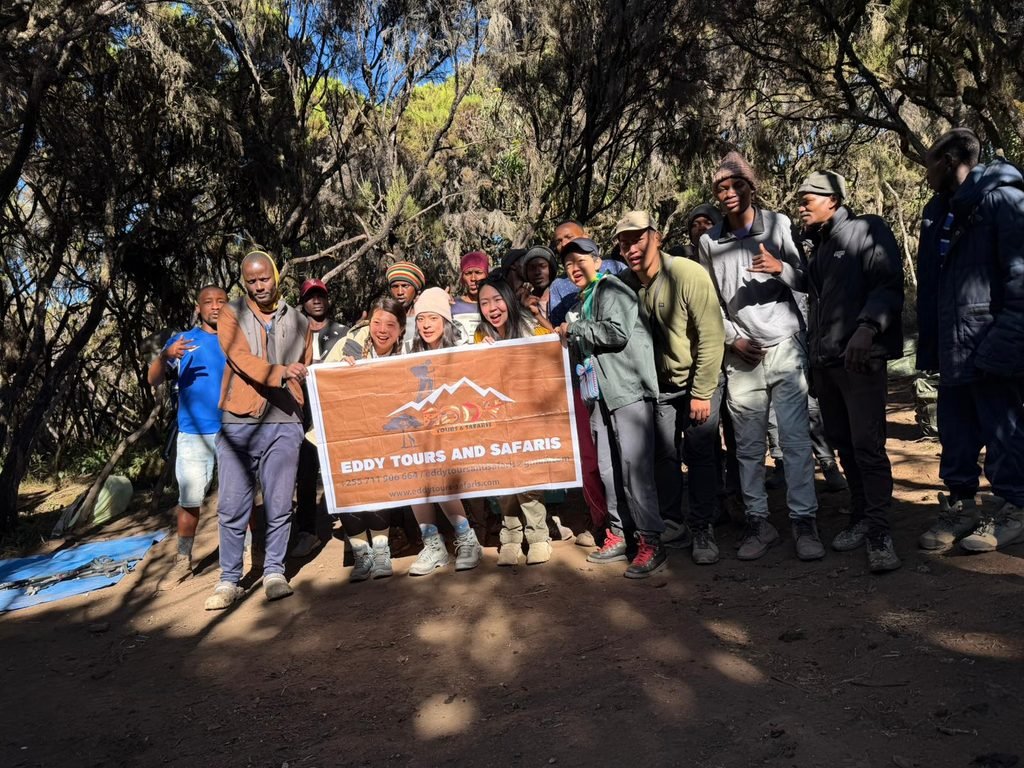
9. Your Mountain Guides and Porters Play an Essential Role
A successful Kilimanjaro trek depends on much more than the individual climber. Behind every organised mountain expedition is a team of guides, assistant guides, porters, and cooks who work together to support the journey. While climbers normally carry a small daypack, porters transport designated equipment and supplies between camps, subject to park regulations and safe carrying limits.
Mountain guides are responsible for leading the trek, explaining the route, monitoring climbers, assessing weather and trail conditions, and making important safety decisions. Cooks prepare meals in challenging mountain environments, while porters help transport tents, cooking equipment, and other supplies needed throughout the expedition. Their work allows climbers to concentrate on walking, resting, and adjusting to the altitude.
When choosing a trekking company, ask about guide experience, first-aid training, emergency procedures, porter welfare, equipment standards, and staff working conditions. A lower-priced package may seem attractive, but it is important to understand what is included and whether the mountain crew receives appropriate support. Tipping arrangements should also be explained before departure so that you can plan your budget without confusion.
At Eddy Tours & Safaris, travellers can enquire about Kilimanjaro trekking arrangements and discuss the services required for their chosen route.
10. Packing Too Much Can Be Just as Inconvenient as Packing Too Little
Packing for Kilimanjaro requires some thought because the conditions change considerably between the mountain gate and the summit. Bringing too little clothing can leave you exposed to cold and rain, while carrying unnecessary items creates additional weight and makes organising your equipment more difficult. The best approach is to pack practical items that serve a clear purpose during the trek.
Your personal equipment should include suitable hiking boots, trekking socks, thermal base layers, trekking trousers, waterproof clothing, warm insulation, gloves, a hat, sunglasses, sunscreen, a headlamp, and personal toiletries. A comfortable daypack is useful for carrying water, snacks, rain protection, medication, and clothing needed during the day’s walk. A suitable sleeping bag is also important on camping routes, where temperatures can fall well below freezing at higher camps.
Before departure, ask your operator for a detailed equipment checklist and confirm which items are provided. Some companies supply tents, sleeping mats, and communal camping equipment, while personal equipment such as sleeping bags, trekking poles, and insulated jackets may need to be brought or rented separately. It is better to clarify these arrangements before arriving in Tanzania rather than discovering missing equipment shortly before the climb.
11. The Best Time to Climb Kilimanjaro Depends on Your Priorities
Kilimanjaro can be climbed throughout the year, but seasonal weather patterns influence trail conditions, visibility, temperatures, and the number of people on the mountain. The months from January to early March and June to October are commonly preferred because they generally offer more favourable trekking conditions than the main rainy periods. However, mountain weather remains unpredictable, and clear skies cannot be guaranteed.
January and February can be appealing to climbers who prefer relatively warmer conditions, although temperatures near the summit remain cold. June through September is another popular period, often attracting travellers during the Northern Hemisphere summer holidays. These months can offer good trekking conditions but may also bring more climbers to popular routes and campsites.
April and May are generally associated with heavier rainfall, making trails wetter and camping conditions more challenging. November can also bring short rains, although conditions vary between years. Travellers seeking quieter trails may consider less popular periods, provided they are prepared for the possibility of more difficult weather.
When deciding on your travel dates, consider not only the weather but also your fitness preparation, available holiday time, and preferred route. You can contact Eddy Tours & Safaris for help discussing suitable Kilimanjaro travel dates and trekking arrangements.
12. Spending an Extra Day on the Mountain Can Be Worth the Cost
When comparing Kilimanjaro packages, the difference between a six-day and seven-day itinerary may initially seem small. However, an additional day can provide valuable time for acclimatisation, particularly on routes where the elevation increases quickly. Although longer itineraries generally cost more because of additional park fees, crew services, food, and accommodation, the benefits may justify the expense.
The important consideration is not simply the total number of days but how those days are distributed across the route. A well-planned itinerary should consider sleeping altitude, daily elevation gain, opportunities to walk higher before descending to camp, and sufficient time for recovery. A longer route cannot guarantee that you will reach the summit, but a sensible acclimatisation schedule can reduce the risks associated with ascending too quickly.
Before booking, ask for the full day-by-day itinerary rather than relying only on the package title. Check where you will sleep each night, how high you will climb during the day, and how much time is allocated for the summit attempt. Travellers with limited trekking experience may find that choosing a longer itinerary is one of the most useful decisions they make.
13. You Should Arrive in Tanzania Before Your Trek Begins
International travel can be tiring, particularly when your journey involves connecting flights, long airport transfers, and changes in time zones. Arriving in Tanzania and immediately beginning a demanding mountain expedition may leave you without enough time to rest, organise your equipment, or recover from travel fatigue.
Whenever possible, plan to arrive at least one full day before your climb. This gives you time to meet your guide, attend a pre-climb briefing, check your equipment, organise luggage, and purchase or rent anything you may have forgotten. It also provides an opportunity to discuss medical concerns, dietary requirements, and the daily schedule with your mountain team.
Most Kilimanjaro climbers arrive through Kilimanjaro International Airport and stay in Moshi or Arusha before the trek. Both towns provide access to the mountain, although travel times to the different gates vary. Travellers planning additional activities can also consider exploring northern Tanzania before or after the climb.
For those interested in combining mountain trekking with wildlife viewing, Eddy Tours & Safaris can help with enquiries about Tanzania safari arrangements, including visits to Serengeti National Park, Tarangire National Park, and the Ngorongoro Conservation Area.
14. Travel Insurance and Emergency Planning Should Never Be Overlooked
One of the less exciting parts of planning a Kilimanjaro trek is arranging suitable travel insurance, but it is also one of the most important. Standard travel insurance policies do not always cover trekking at high altitude, and some policies exclude activities above a specified elevation. Since Kilimanjaro reaches 5,895 metres, you should confirm that your policy covers trekking at this altitude and includes appropriate emergency medical assistance and evacuation arrangements.
Before purchasing insurance, carefully review the policy wording and ask the insurer to confirm coverage for guided trekking on Mount Kilimanjaro. Check whether emergency evacuation, hospital treatment, trip interruption, and repatriation are included. Keep a copy of your insurance details accessible during the climb and provide relevant information to your operator when requested.
It is equally important to understand your mountain operator’s emergency procedures. Ask whether guides carry appropriate first-aid equipment, how they assess altitude-related illness, and what arrangements are available if someone needs to descend early. Good preparation does not remove every risk, but it helps ensure that important decisions can be made quickly when necessary.
15. Mental Preparation Matters as Much as Physical Training
There will probably be moments during your Kilimanjaro trek when you feel tired, cold, uncomfortable, or uncertain about your progress. These experiences are normal during demanding outdoor activities, and understanding them beforehand can help you approach the mountain with realistic expectations. However, determination should never be confused with ignoring illness or pushing through dangerous symptoms.
Mental preparation begins with accepting that the trek will not always be comfortable. You may sleep poorly, walk in rain, wake up early, or spend hours moving slowly across difficult terrain. Instead of expecting every moment to feel exciting, focus on maintaining a steady routine, listening to your guide, and taking each day as it comes.
Many climbers find it helpful to concentrate on reaching the next rest stop or campsite rather than thinking constantly about the summit. Enjoy the changing landscapes, speak with your fellow trekkers, and appreciate the work of the mountain crew. The experience involves far more than reaching one particular point, and approaching it with patience can make the journey considerably more rewarding.
16. Reaching Uhuru Peak Is Not the Only Measure of a Successful Trek
For most travellers, reaching Uhuru Peak is the main objective of climbing Kilimanjaro. Standing beside the summit sign after several days of walking is a meaningful achievement, and it is understandable that climbers want to complete the journey they have spent so much time preparing for. Nevertheless, there are circumstances where continuing toward the summit is not the safest decision.
Altitude illness, extreme weather, injury, or exhaustion may require a climber to stop or descend. This does not mean that the journey was wasted. Spending several days on Kilimanjaro provides an opportunity to experience remarkable landscapes, learn about the mountain environment, meet local guides, and challenge yourself physically and mentally.
The most important outcome is returning safely. A responsible guide will prioritise your health over reaching the summit, and climbers should respect that decision. Mountains will always be there, but your safety must remain the priority throughout the expedition.
17. Combining Kilimanjaro with a Tanzania Safari Is Worth Considering
After spending several days trekking at high altitude, many travellers appreciate the opportunity to explore a different side of Tanzania. Northern Tanzania is home to some of Africa’s most famous wildlife destinations, and combining a Kilimanjaro climb with a safari allows visitors to experience both mountain landscapes and wildlife areas during the same holiday.
Serengeti National Park is known for its extensive plains and wildlife populations, while the Ngorongoro Crater offers opportunities to observe animals within a remarkable volcanic landscape. Tarangire National Park is particularly well known for its elephants and baobab trees, and Lake Manyara National Park provides another option for travellers interested in exploring different habitats.
A safari can be arranged before or after your Kilimanjaro climb, depending on your travel schedule and preferences. If you choose to travel after the mountain, allow enough time for rest and recovery, especially if you experienced significant fatigue during the trek. Travellers with additional holiday days may also consider a Zanzibar beach stay after completing their mountain and safari activities.
To discuss a combined itinerary, visit Eddy Tours & Safaris or send your travel dates and preferred activities through the contact page.
Frequently Asked Questions About Climbing Kilimanjaro
Can a Beginner Climb Mount Kilimanjaro?
Yes, beginners can attempt Mount Kilimanjaro because the established trekking routes generally do not require technical mountaineering skills. However, climbers should have suitable physical fitness, prepare through regular walking and hiking, and choose an itinerary that allows reasonable acclimatisation. Beginners should also understand the symptoms of altitude sickness and follow their mountain guide’s safety instructions throughout the trek.
How Many Days Are Best for Climbing Kilimanjaro?
Many travellers choose seven- or eight-day itineraries because they provide more time for acclimatisation than shorter options. The ideal duration depends on the route, sleeping elevations, individual health, and available travel time. Longer itineraries can improve acclimatisation opportunities, but no itinerary guarantees a successful summit. It is advisable to compare detailed route schedules before booking.
What Is the Hardest Day on Kilimanjaro?
For many climbers, summit day is the most demanding part of the journey. The ascent often begins during the night, involves walking at very high altitude, and may take place in freezing temperatures. After reaching the summit or the highest safe point, climbers must descend for several hours. The combination of altitude, cold weather, limited sleep, and extended walking makes this stage particularly challenging.
Do I Need Special Climbing Equipment?
Most established Kilimanjaro trekking routes do not require technical climbing equipment such as ropes or harnesses. However, suitable hiking boots, waterproof clothing, warm layers, gloves, trekking poles, a headlamp, and a cold-weather sleeping bag are important. Your operator should provide a detailed packing list and explain which camping items are included in your trekking arrangements.
Is It Safe to Climb Kilimanjaro?
Kilimanjaro can be climbed with appropriate preparation and professional guidance, but it is a high-altitude mountain with genuine risks. Altitude illness, changing weather, physical exhaustion, and injuries are important considerations. Choosing a licensed operator, following a sensible itinerary, obtaining appropriate insurance, and communicating openly with your guide can help reduce avoidable risks.
How Much Does It Cost to Climb Kilimanjaro?
The cost depends on the route, number of days, group size, accommodation arrangements, equipment, and services included. Longer itineraries generally cost more because they require additional park fees, food, staff, and camping or hut arrangements. When comparing quotations, check whether park fees, guides, porters, meals, transfers, accommodation, and taxes are included. Avoid selecting a package based on price alone without understanding the services and safety arrangements.
Plan Your Kilimanjaro Climb with Eddy Tours & Safaris
Climbing Mount Kilimanjaro requires careful planning, realistic expectations, and an understanding of what makes high-altitude trekking different from an ordinary hiking holiday. Choosing the right route, allowing enough time for acclimatisation, preparing physically, packing suitable equipment, and listening to your mountain guide are among the most important decisions you can make before departure.
At Eddy Tours & Safaris, we help travellers explore Kilimanjaro trekking options and plan their Tanzania holidays according to their available time, interests, and travel requirements. Whether you are interested in a seven-day Machame climb, an eight-day Lemosho trek, or a combined Kilimanjaro and wildlife safari, it is worth discussing the details before making your booking.
Ready to start planning your Kilimanjaro climb? Visit our contact page to enquire about routes, travel dates, trekking arrangements, and Tanzania safari extensions. Taking the time to prepare properly will help you arrive with greater confidence and a clearer understanding of the journey ahead.