
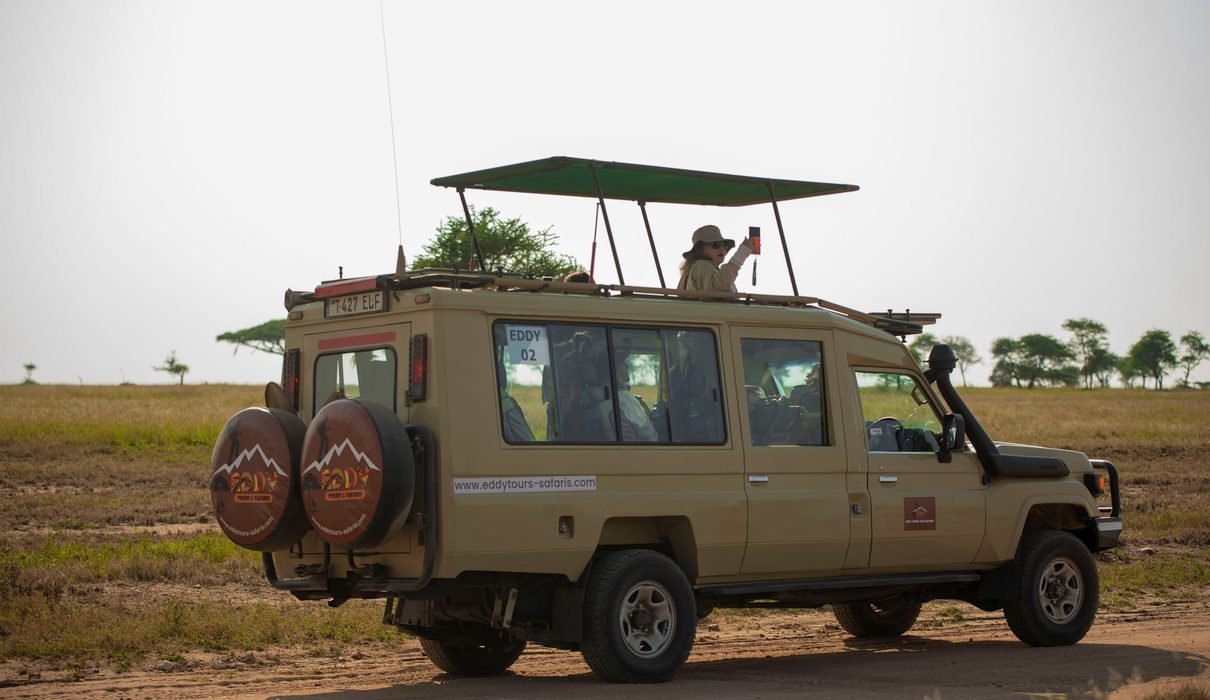
Tanzania is one of Africa’s most popular safari destinations, attracting travellers who want to see wildlife in its natural environment. From the endless plains of the Serengeti to the elephant-filled landscapes of Tarangire and the remarkable Ngorongoro Crater, the country offers some of the best wildlife experiences in East Africa. Whether you dream of watching lions resting beneath acacia trees, following the Great Wildebeest Migration, or photographing elephants walking across the savannah, a Tanzania safari provides opportunities to enjoy nature and discover the country’s diverse wildlife.
Planning a Tanzania safari tour in 2027 involves more than choosing a national park and booking accommodation. The time of year, number of travel days, safari budget, and type of experience you prefer can all influence your itinerary. Some travellers want a short wildlife holiday visiting two national parks, while others prefer longer safaris that include the Serengeti, Ngorongoro, Tarangire, and additional destinations. Understanding these options before booking can help you avoid unnecessary travel time and make better use of your holiday.
This guide explains how to plan your ultimate Tanzania safari in 2027, including the best national parks, wildlife experiences, recommended travel seasons, safari packages, accommodation options, and practical tips. Whether you’re visiting Tanzania for the first time or returning to explore new destinations, you’ll find useful information to help you organise a comfortable and rewarding safari.
Why Choose Tanzania for Your African Safari in 2027?
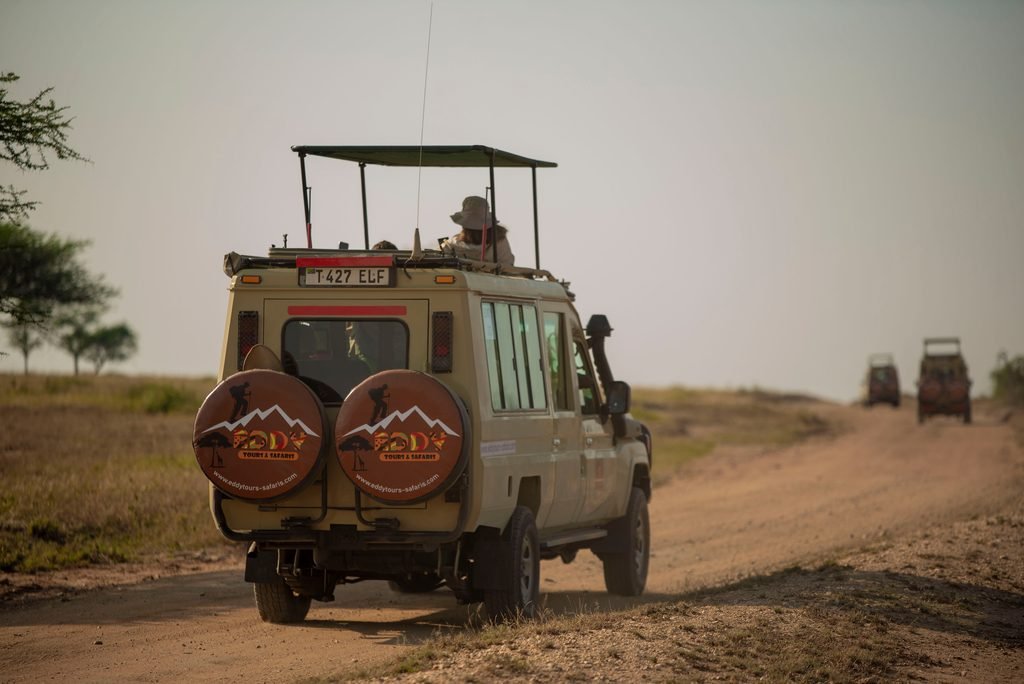
Tanzania offers an impressive combination of wildlife, landscapes, and protected natural areas. Its national parks and conservation areas support large populations of elephants, lions, giraffes, zebras, buffaloes, wildebeest, and many other animals. The country is also home to the Great Wildebeest Migration, a seasonal movement of enormous herds through the Serengeti ecosystem. This event attracts wildlife photographers and nature enthusiasts from around the world, particularly during the wildebeest calving season and the famous Mara River crossing period.
Another advantage of Tanzania is the variety of safari experiences available within the same country. Travellers can enjoy traditional game drives, guided walking safaris in authorised areas, birdwatching, photography, cultural visits, and hot air balloon flights. The northern safari circuit is particularly convenient because destinations such as Tarangire, Lake Manyara, Ngorongoro, and Serengeti can be combined within one itinerary. For visitors with more time, southern destinations such as Nyerere National Park and Ruaha National Park offer different landscapes and opportunities to explore less crowded wildlife areas.
Tanzania also provides accommodation for different travel budgets. Visitors can choose from budget camping safaris, comfortable mid-range lodges, tented camps, and luxury safari properties. With an experienced local guide and a well-planned route, travellers can explore several national parks while learning about animal behaviour, conservation, and the natural environments that support wildlife.
Best National Parks to Visit on a Tanzania Safari in 2027
Choosing the right national parks is one of the most important parts of planning a Tanzania safari. Each destination offers different landscapes and wildlife experiences, so the best combination depends on your interests and available travel days. Some parks are especially famous for predators, while others are known for elephants, birdlife, or scenic environments. Understanding what makes each destination special can help you create an itinerary that offers variety without spending too much time travelling between locations.
1. Serengeti National Park – Best for the Great Migration and Big Cats
Serengeti National Park is one of Tanzania’s most famous wildlife destinations and a major highlight of the northern safari circuit. The park is known for its extensive grasslands, large predator populations, and the Great Wildebeest Migration. Visitors may encounter lions, leopards, cheetahs, elephants, giraffes, buffaloes, zebras, and many other animals during game drives. The central Serengeti is particularly well known for year-round wildlife viewing, while the southern and northern regions attract visitors during different stages of the migration.
The Serengeti is enormous, so choosing the correct accommodation location is important. Travellers visiting between January and March may want to focus on the southern plains and Ndutu region, where wildebeest often gather during the calving season. Between approximately July and October, the northern Serengeti becomes popular for travellers hoping to witness Mara River crossings. However, the movement of the herds depends on rainfall and grazing conditions, so migration sightings cannot be guaranteed for specific dates.
For most travellers, spending at least two or three nights in the Serengeti provides a better experience than attempting to explore the park in a single day. Additional time allows visitors to enjoy early morning and afternoon game drives, visit different habitats, and observe wildlife without rushing between destinations.
2. Ngorongoro Crater – Best for Wildlife Viewing in a Small Area
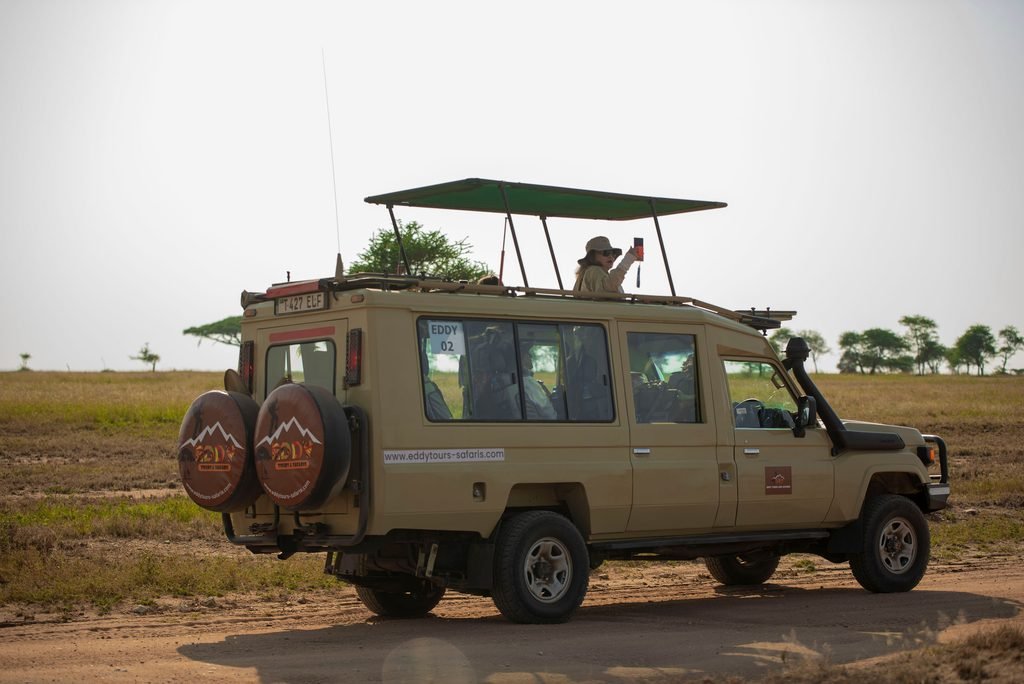
Ngorongoro Crater is one of Tanzania’s most remarkable natural attractions. Formed by the collapse of an ancient volcano, this enormous caldera contains grasslands, forests, wetlands, and a seasonal lake that support many wildlife species. During a game drive, visitors may encounter lions, buffaloes, elephants, hippos, zebras, and several antelope species. The crater is also one of the places in Tanzania where travellers have an opportunity to see the endangered black rhinoceros, although sightings are never guaranteed.
One of the main advantages of Ngorongoro is the concentration of wildlife within a relatively compact area. Unlike the Serengeti, where animals may be spread across large distances, many species can sometimes be observed during a single crater game drive. The surrounding highlands also provide beautiful views, particularly when looking down from the crater rim. Travellers should understand that crater visits are subject to conservation regulations, and the number of hours available for game drives may be limited by local rules.
Ngorongoro is commonly included in four- to seven-day Tanzania safari itineraries because it lies along the northern safari circuit. It combines particularly well with Serengeti National Park, allowing visitors to experience two very different wildlife environments during the same holiday.
3. Tarangire National Park – Best for Elephants and Baobab Trees
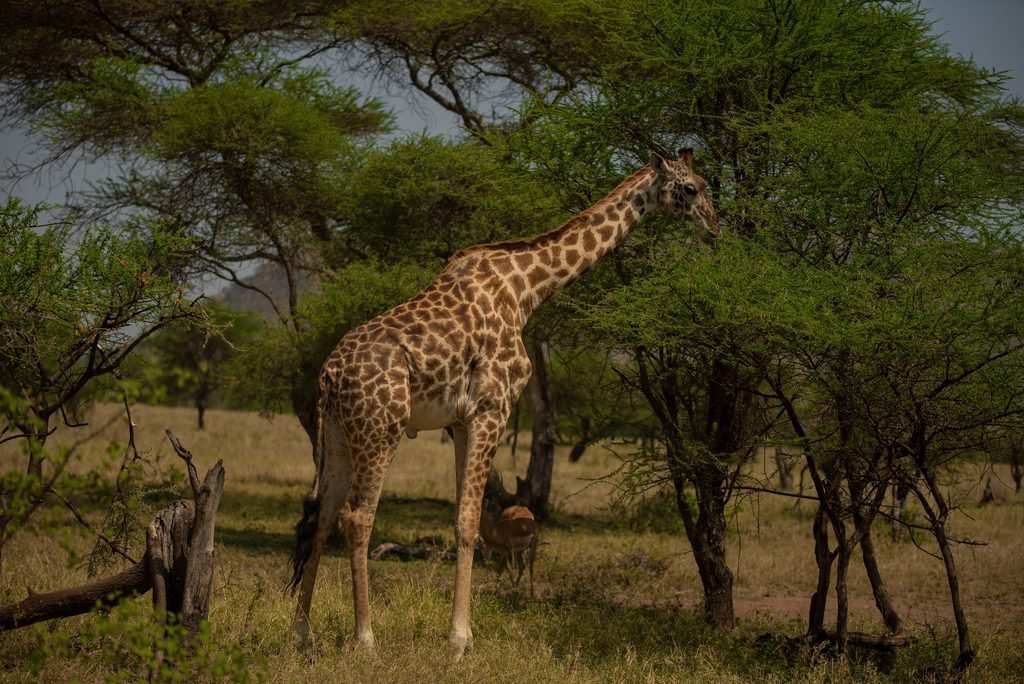
Tarangire National Park is famous for its large elephant herds, ancient baobab trees, and beautiful savannah landscapes. Located a few hours from Arusha, the park is often included at the beginning or end of a northern Tanzania safari. Visitors can observe elephants feeding, walking between water sources, and interacting within family groups. Tarangire also supports giraffes, zebras, wildebeest, buffaloes, lions, leopards, and many bird species.
The dry season, generally from June to October, is particularly interesting because wildlife often gathers near the Tarangire River and other available water sources. During this period, elephants and other herbivores may be easier to observe in certain areas. However, the park remains attractive during the wetter months, when vegetation becomes greener and birdwatching can be rewarding. Travellers interested in wildlife photography often appreciate Tarangire’s combination of animals, baobab trees, and open landscapes.
Tarangire is suitable for both short and long safaris. A full-day game drive provides a useful introduction to the park, while spending one or two nights allows visitors to explore different areas at a more relaxed pace. For families and first-time safari travellers, Tarangire is an excellent addition to a Serengeti and Ngorongoro itinerary.
4. Lake Manyara National Park – Best for Birdwatching and Scenic Landscapes
Lake Manyara National Park is a smaller but beautiful wildlife destination located along the Great Rift Valley escarpment. The park is known for its groundwater forests, open grasslands, lake environments, and varied birdlife. Visitors may encounter elephants, buffaloes, giraffes, zebras, hippos, monkeys, and numerous bird species. Flamingos may also be present depending on water conditions and seasonal movements.
The park is sometimes associated with tree-climbing lions, although these animals are not regularly seen by every visitor. Wildlife sightings depend on habitat conditions, animal movements, and the time available for game drives. Lake Manyara is particularly attractive to travellers who enjoy varied scenery because the landscape changes noticeably as visitors move between forested areas, open plains, and lakeside environments.
Lake Manyara can be included as a day trip from Arusha or as part of a longer northern Tanzania safari. Its location makes it convenient for travellers continuing towards Ngorongoro and the Serengeti. However, visitors with limited time may prefer to prioritise Serengeti, Ngorongoro, or Tarangire depending on their main wildlife interests.
5. Nyerere National Park – Best for Boat Safaris and Southern Tanzania Wildlife
Nyerere National Park is one of Tanzania’s major wildlife destinations in the southern part of the country. The park includes extensive woodland, grasslands, rivers, and wetland habitats that support elephants, buffaloes, lions, giraffes, hippos, crocodiles, and many other species. Its landscape differs considerably from the open plains of the Serengeti, providing a different type of safari experience for travellers who want to explore beyond the northern circuit.
One of the most attractive features of the wider Nyerere safari area is the opportunity to enjoy boat-based wildlife viewing on suitable sections of the Rufiji River system, where permitted and operated. Boat excursions provide a different perspective on the environment, allowing visitors to observe hippos, crocodiles, waterbirds, and animals approaching the riverbanks. Game drives and guided walking activities may also be available in authorised areas, depending on park regulations and operator arrangements.
Nyerere is particularly suitable for travellers who prefer quieter safari destinations and want to combine wildlife viewing with river landscapes. Because the park is located in southern Tanzania, it is generally planned as a separate itinerary rather than combined with the northern circuit during a short holiday.
6. Ruaha National Park – Best for Remote Wilderness and Predators
Ruaha National Park is another outstanding destination in southern Tanzania, known for its rugged landscapes, baobab trees, seasonal rivers, and large wildlife populations. The park supports elephants, lions, leopards, buffaloes, giraffes, and many antelope species. Its extensive wilderness areas provide opportunities to explore habitats that feel very different from the more frequently visited parks of northern Tanzania.
Ruaha is particularly interesting for travellers who enjoy predator sightings and wildlife photography. Lions are among the park’s major attractions, while leopards and other carnivores may be encountered in suitable habitats. The Great Ruaha River and surrounding areas are important wildlife locations, especially during the dry season when animals gather around available water sources. However, sightings remain unpredictable, and the park’s large size means that animals can sometimes be widely dispersed.
For travellers planning a longer Tanzania safari in 2027, Ruaha provides an excellent opportunity to explore southern Tanzania. It is often combined with Nyerere or other southern destinations, depending on transport arrangements and the number of days available.
What Wildlife Can You See on a Tanzania Safari?
One of the main reasons travellers choose Tanzania is the opportunity to observe a remarkable variety of animals in their natural habitats. The country is home to the Big Five: lions, leopards, elephants, buffaloes, and rhinoceroses. However, seeing all five during one safari is not guaranteed, particularly because black rhinos are rare and difficult to locate. Tanzania’s national parks also support giraffes, zebras, wildebeest, hippos, crocodiles, hyenas, cheetahs, antelopes, and numerous bird species. Each park has its own wildlife characteristics, making it worthwhile to explore more than one destination.
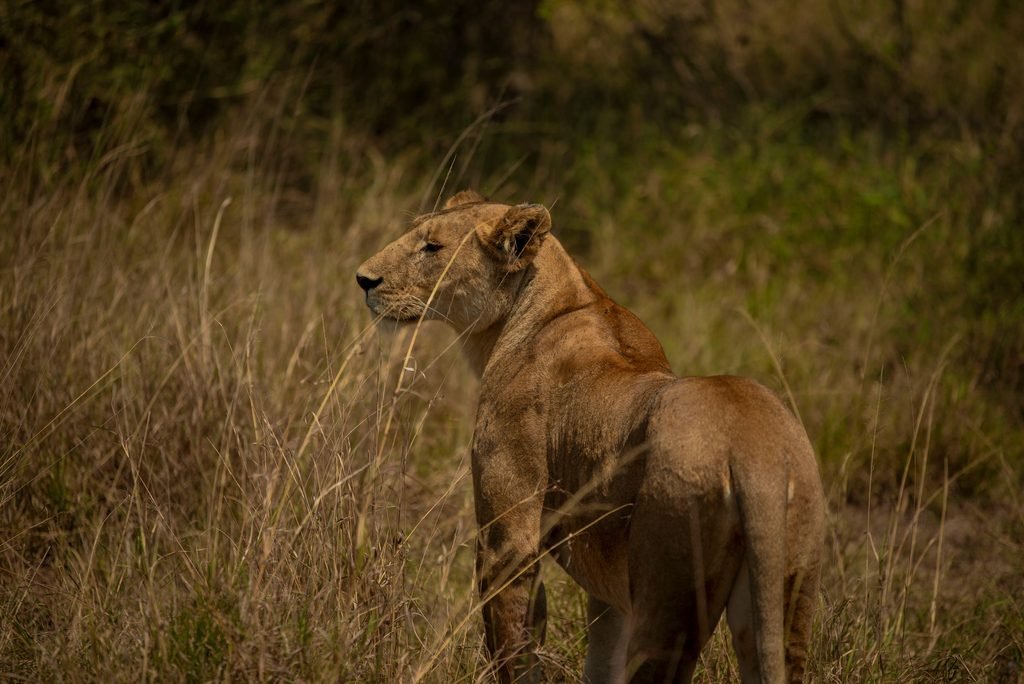
Predator sightings are particularly popular among safari visitors. Lions can often be observed resting, moving through grasslands, or interacting within their prides. Leopards are more secretive and may be found resting in trees or moving through woodland habitats. Cheetahs are usually associated with open areas where they can use their speed when hunting. Spotted hyenas are also common in some ecosystems and play an important role as both predators and scavengers. Watching these animals in the wild provides opportunities to understand their behaviour and relationships with other species.
Tanzania is also an excellent destination for birdwatching, with more than a thousand bird species recorded across the country. Depending on the location, visitors may see flamingos, fish eagles, vultures, hornbills, kingfishers, ostriches, and many other birds. Birdwatching can be particularly rewarding during the wetter months when migratory species are present and breeding activity increases in some areas. For travellers interested in photography or natural history, Tanzania offers far more than sightings of large mammals.
Best Time to Visit Tanzania for a Safari in 2027
Tanzania offers wildlife viewing throughout the year, but the best travel period depends on your preferred destinations and experiences. The dry season, generally from June to October, is one of the most popular times for safaris because vegetation is often less dense and animals may gather around rivers and water sources. These conditions can make wildlife easier to observe in certain parks, particularly Tarangire and parts of the Serengeti. However, this is also a busy travel period, so accommodation should be booked well in advance.
The months from January to March are particularly interesting for travellers who want to experience the wildebeest calving season in the southern Serengeti and Ndutu region. Large numbers of wildebeest gather on the short-grass plains, attracting predators and creating excellent opportunities for wildlife photography. April and May are generally wetter months in many parts of northern Tanzania, but they can offer beautiful green landscapes and fewer visitors. Some roads may become difficult to use after heavy rainfall, so travel arrangements should be planned carefully.
November and December can also be rewarding months for wildlife viewing, particularly when seasonal rains encourage fresh vegetation growth. The Serengeti remains attractive throughout the year because it supports resident wildlife even when the main migration herds are elsewhere. Rather than choosing travel dates based only on the weather, visitors should consider which animals and activities interest them most. A knowledgeable local safari operator can help recommend suitable destinations for the selected month.
Best Tanzania Safari Tour Packages for 2027
Tanzania safari packages vary in duration, destinations, accommodation standards, and activities. Shorter itineraries are suitable for travellers with limited time, while longer trips allow visitors to explore more national parks and spend additional time observing wildlife. Choosing the correct number of days is important because travelling between parks can take several hours, particularly when visiting the Serengeti. A well-planned safari should balance game-drive time with comfortable travel arrangements.
| Safari Package | Duration | Main Destinations |
|---|---|---|
| Short Tanzania Wildlife Safari | 3 days | Tarangire and Ngorongoro |
| Classic Northern Tanzania Safari | 4 days | Serengeti and Ngorongoro |
| Serengeti Wildlife Adventure | 5 days | Serengeti and Ngorongoro |
| Tanzania Big Five Safari | 6 days | Tarangire, Serengeti and Ngorongoro |
| Complete Northern Circuit Safari | 7 days | Tarangire, Serengeti, Ngorongoro and Lake Manyara |
| Extended Tanzania Wildlife Safari | 8 days | Multiple northern safari destinations |
| Luxury Tanzania Safari | 9 days | Serengeti, Ngorongoro and selected additional parks |
These are suggested itinerary combinations rather than fixed departures. Routes can be adjusted according to the season, accommodation availability, and individual travel requirements.
Short Tanzania Safaris: 3 to 4 Days
A three- or four-day Tanzania safari is suitable for travellers who want to experience wildlife but have limited holiday time. A three-day itinerary may include Tarangire and Ngorongoro, while a four-day trip can include Serengeti and Ngorongoro if the travelling distances are carefully considered. These packages are particularly popular among visitors who are combining a safari with a Kilimanjaro climb or Zanzibar beach holiday. Although shorter trips provide less time for wildlife viewing, they can still offer rewarding experiences when the itinerary focuses on a manageable number of destinations.
Classic Tanzania Safaris: 5 to 7 Days
A five- to seven-day safari is a popular choice for first-time visitors because it provides enough time to explore several major wildlife destinations without making the holiday unnecessarily long. Travellers can combine Serengeti National Park with Ngorongoro Crater and Tarangire, enjoying different landscapes and animal populations. Additional nights in the Serengeti allow more time for game drives, while visiting Ngorongoro provides an opportunity to observe wildlife within the famous volcanic caldera. This type of itinerary offers a good balance between wildlife viewing, accommodation, and travel time.
Extended and Luxury Tanzania Safaris: 8 to 10 Days
Travellers who prefer a relaxed holiday may consider an eight- to ten-day safari. Longer itineraries provide opportunities to explore different sections of the Serengeti, spend more time photographing wildlife, and visit additional destinations. Luxury safaris may include high-quality tented camps, private guiding arrangements, and domestic flights to reduce long road transfers. However, the quality of a safari depends on more than accommodation standards. Choosing suitable park locations, allowing enough time for wildlife viewing, and travelling with an experienced guide are equally important.
How Much Does a Tanzania Safari Cost in 2027?
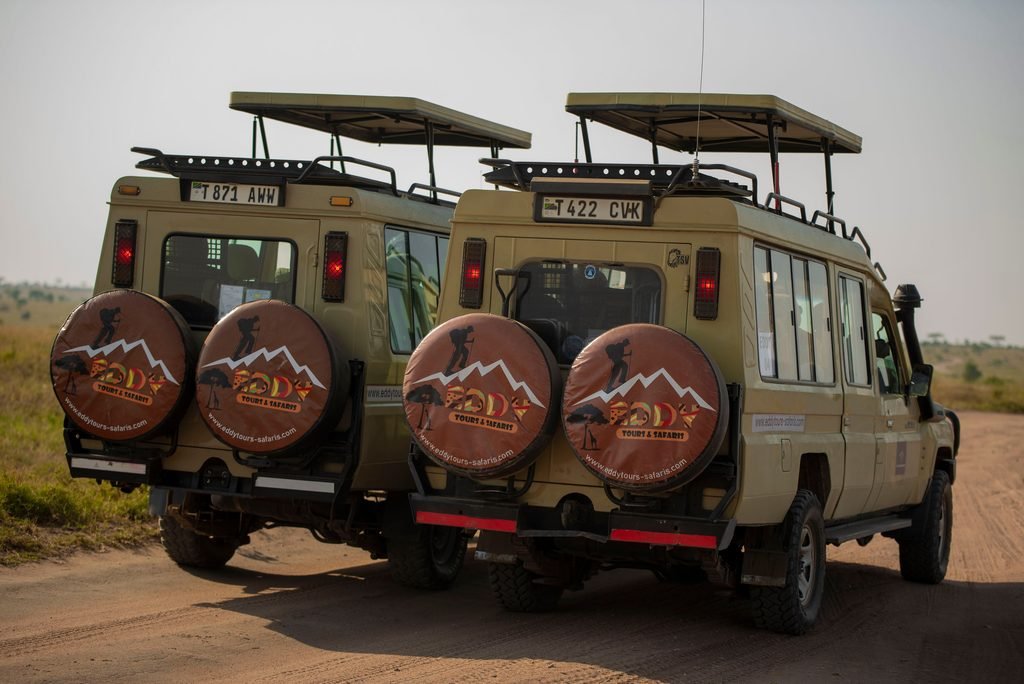
The cost of a Tanzania safari depends on several factors, including the number of travellers, duration, accommodation category, travel season, and transport arrangements. Budget camping safaris are generally less expensive than mid-range lodge packages, while luxury tented camps and fly-in safaris can cost considerably more. Private safaris for one or two people may also have a higher per-person cost because vehicle and guide expenses are shared among fewer travellers. During busy travel periods, accommodation prices can increase, particularly in popular Serengeti locations.
When comparing safari quotations, travellers should check what is included in the advertised price. Important expenses may include national park entrance fees, accommodation, meals, a professional guide, safari vehicle, airport transfers, and domestic flights where applicable. Some packages may also include additional activities such as cultural visits or hot air balloon safaris, while others charge separately for these experiences. For accurate 2027 pricing, it is best to request a personalised quotation based on your travel dates, group size, and preferred accommodation rather than relying on a general estimate.
Private Safari vs Group Safari: Which Is Better?
Private safaris are popular among couples, families, photographers, and travellers who prefer flexibility. With a private safari, the vehicle and guide are reserved for your group, allowing greater freedom when planning game drives and spending time at wildlife sightings. This can be particularly useful for photography because visitors may want to remain in one location while waiting for interesting animal behaviour. Private safaris can also be adjusted to accommodate specific travel interests, although all activities must follow national park regulations.
Group safaris are generally more affordable because transport and guiding expenses are shared among several travellers. They are suitable for visitors who enjoy meeting other people and do not mind following a shared schedule. However, group itineraries may provide less flexibility regarding departure times, accommodation choices, and time spent at individual wildlife sightings. The best option depends on your budget, travel style, and expectations. For travellers who want a personalised Tanzania safari experience, a private tour often provides greater control over the itinerary.
Essential Tanzania Safari Planning Tips for 2027
Planning your safari early can help you secure suitable accommodation, particularly during the popular dry season and Great Migration months. The Serengeti’s most convenient camps and lodges may fill up well in advance, especially in the northern region during the Mara River crossing season. Booking early also provides more time to compare itineraries, arrange flights, and prepare travel documents. However, it is important to remain flexible because wildlife movements and weather conditions cannot be predicted with complete accuracy.
Packing suitable clothing and equipment can make your safari more comfortable. Lightweight clothing in neutral colours is practical for game drives, while a warm jacket is useful during early mornings and evenings, especially around the Ngorongoro highlands. Sunscreen, sunglasses, a hat, insect repellent, binoculars, and a camera are also helpful. Travellers should carry any essential personal medication and check current health recommendations before departure. Comfortable shoes are useful for travelling between lodges and designated walking areas, although most traditional game drives involve spending considerable time inside a safari vehicle.
Visitors should also understand basic wildlife safety rules. Animals must never be approached, fed, or disturbed, and travellers should remain inside safari vehicles unless their guide confirms that leaving is permitted. Loud noises and unnecessary movements can disturb wildlife and affect the experience of other visitors. Following your guide’s instructions helps protect both visitors and animals. Responsible safari behaviour also includes respecting local communities, avoiding littering, and supporting conservation efforts through appropriate tourism practices.
Can You Combine a Tanzania Safari with Kilimanjaro or Zanzibar?
One of the advantages of visiting Tanzania is the opportunity to combine different travel experiences within the same holiday. Many travellers begin with a wildlife safari before continuing to Zanzibar for several days of beach relaxation. Zanzibar offers beautiful beaches, historical attractions in Stone Town, snorkelling opportunities, and cultural experiences. Domestic flights connect Zanzibar with mainland Tanzania, making it possible to combine safari and beach activities without spending too much time travelling.
Another popular option is combining a safari with a Mount Kilimanjaro climb. Kilimanjaro is Africa’s highest mountain, reaching 5,895 metres above sea level, and attracts climbers from around the world. Standard trekking routes usually take between five and nine days, depending on the chosen route. After completing the climb, travellers can visit Tarangire, Ngorongoro, or Serengeti National Park for wildlife viewing. This combination is particularly suitable for adventurous visitors who want to experience both Tanzania’s mountain landscapes and its wildlife.
Frequently Asked Questions About Tanzania Safari Tours in 2027
What Is the Best National Park for a Tanzania Safari?
Serengeti National Park is one of the most popular choices because of its large wildlife populations, extensive grasslands, and the Great Wildebeest Migration. However, Ngorongoro Crater is excellent for observing several animal species within a relatively compact area, while Tarangire is particularly attractive for elephant sightings. The best park depends on your interests, travel dates, and available time. Many first-time visitors combine two or three destinations to enjoy a wider range of wildlife experiences.
How Many Days Are Enough for a Tanzania Safari?
Five to seven days is a good starting point for many travellers because it allows enough time to visit several major national parks without rushing between destinations. A shorter three- or four-day safari can also be rewarding, particularly when focusing on Tarangire, Ngorongoro, or selected Serengeti areas. Travellers interested in the Great Migration, wildlife photography, or exploring different parts of the Serengeti may prefer seven to ten days. The ideal duration depends on your travel budget and the destinations you want to include.
Is Tanzania Safe for Safari Tourists?
Tanzania is a well-established safari destination, and many travellers enjoy organised wildlife holidays each year. However, visitors should follow normal travel precautions and the instructions of their safari guides. Wildlife areas require particular care because animals are unpredictable and should never be approached or disturbed. Travellers should also use reputable transport services, keep valuables secure, and check current travel and health advice before departure. A professionally organised safari can help visitors navigate transport arrangements and national park regulations.
Can I See the Big Five During a Tanzania Safari?
Tanzania is home to all five animals traditionally known as the Big Five: lions, leopards, elephants, buffaloes, and rhinoceroses. However, seeing every species during one safari is not guaranteed. Lions, elephants, and buffaloes may be encountered in several national parks, while leopards are often more difficult to locate because of their secretive behaviour. Black rhinos are rare and are most often sought by visitors exploring suitable protected areas such as Ngorongoro Crater. Wildlife sightings depend on location, season, and animal movements.
What Is the Best Month to Visit the Serengeti in 2027?
The Serengeti offers wildlife viewing throughout the year, but different months provide different experiences. January to March is particularly interesting for the wildebeest calving season in the southern Serengeti and Ndutu region. July to October is popular for travellers hoping to witness Mara River crossings in the northern Serengeti. However, the movement of the herds depends on rainfall, and no specific wildlife event can be guaranteed. Visitors interested in general wildlife viewing can enjoy the Serengeti during many other months as well.
Plan Your Tanzania Safari Tour in 2027 with Eddy Tours & Safaris
Tanzania offers some of Africa’s most rewarding wildlife experiences, from the Great Wildebeest Migration in the Serengeti to elephant herds in Tarangire and the remarkable wildlife of Ngorongoro Crater. Whether you prefer a short safari, a family holiday, a photography-focused trip, or a longer luxury adventure, choosing suitable destinations and allowing enough time for wildlife viewing can make a significant difference to your experience. A well-planned itinerary should match your travel interests, preferred accommodation, and budget while providing opportunities to enjoy Tanzania’s natural landscapes.
Eddy Tours & Safaris is a local tour company in Arusha, Tanzania, highly recommended by travellers. We arrange private Tanzania wildlife safaris, Great Migration tours, Kilimanjaro climbing trips, and Zanzibar holidays. Our local team can help you plan a personalised 2027 safari itinerary based on your travel dates, group size, accommodation preferences, and wildlife interests.
For more information, visit Eddy Tours & Safaris or send your travel details through our safari enquiry page. You can also contact us by email at sales@eddytours-safaris.com or through WhatsApp at +255 711 906 664.
Start planning your Tanzania safari tour for 2027 and explore the country’s remarkable national parks with an experienced local safari team.