

Planning an African safari is an exciting experience, but choosing the right month can make a considerable difference to the animals you see, the landscapes you explore, and the overall atmosphere of your holiday. Africa has many outstanding wildlife destinations, each with its own weather patterns, migration seasons, and natural attractions. While some countries offer excellent safaris throughout the year, others have particular months when wildlife viewing becomes easier because of dry weather and the movement of animals toward rivers and permanent water sources.
June is one of the best months to go on an African safari, especially for travelers interested in visiting Tanzania, Kenya, Botswana, Zambia, Zimbabwe, and South Africa. In many of these destinations, June marks the beginning or continuation of the dry season, when rainfall decreases and vegetation gradually becomes less dense. As seasonal water sources begin to dry, animals may gather around rivers, lakes, and other permanent sources of water, providing excellent opportunities for wildlife viewing and photography.
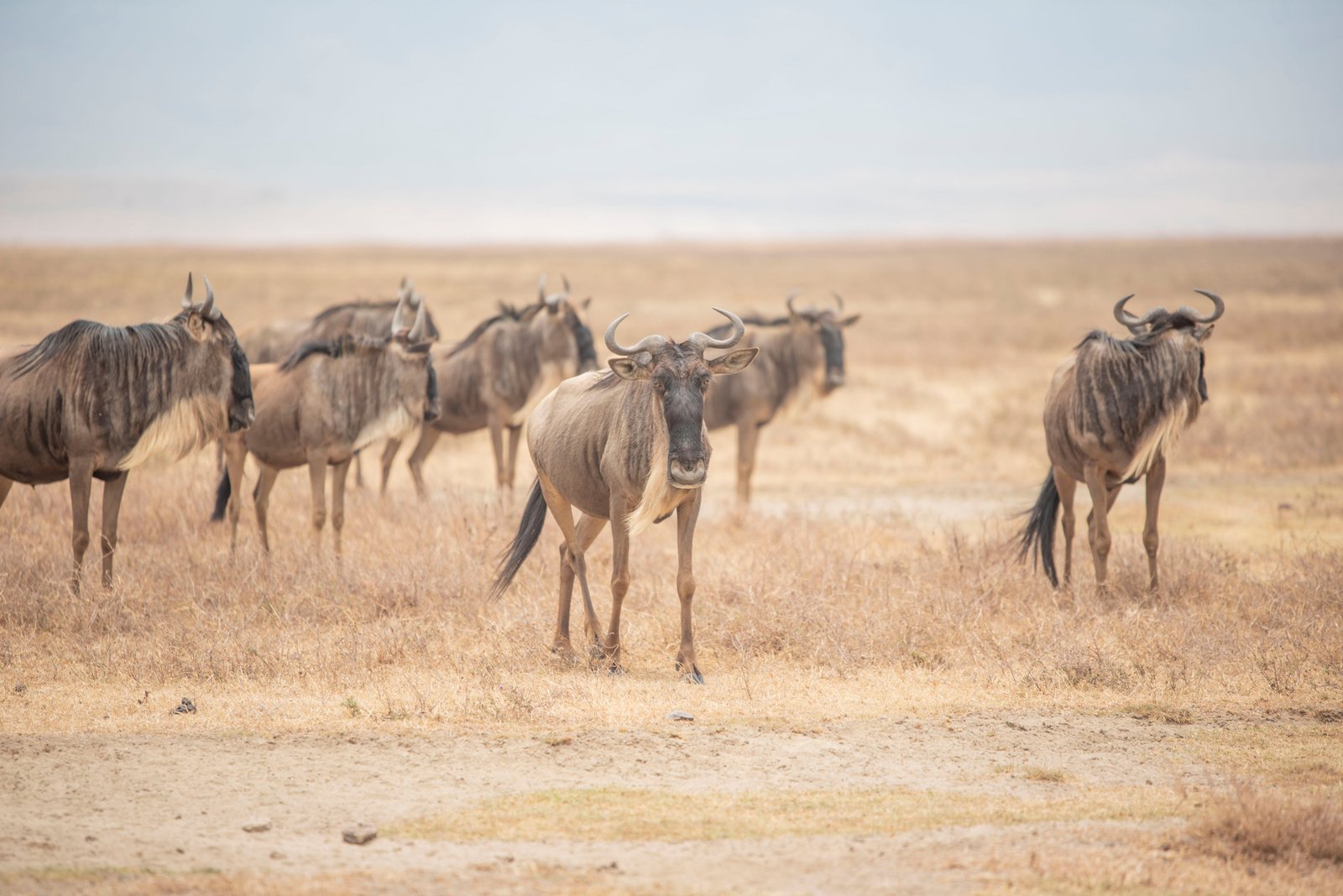
For travelers interested in the Great Wildebeest Migration, June is a particularly interesting month to visit Tanzania. During this period, large herds of wildebeest and zebras are often moving through the central and western parts of the Serengeti ecosystem. Depending on rainfall and grazing conditions, some herds may approach the Grumeti River, where river crossings occasionally take place. Although these events cannot be guaranteed, the movement of large numbers of animals across the Serengeti plains is one of the most memorable wildlife experiences available in East Africa.
June is also an attractive month for travelers who want to avoid the busiest part of the peak safari season. While visitor numbers begin increasing as the dry season approaches, some destinations may be less crowded during early June than during July, August, and September. This can make June a useful choice for families, couples, photographers, and travelers who want good wildlife-viewing conditions without necessarily traveling during the most popular holiday weeks.
At Eddy Tours and Safaris, we help visitors plan Tanzania wildlife safaris according to their preferred travel dates, interests, and budget. Whether you want to explore Serengeti National Park, visit Ngorongoro Crater, experience Tarangire’s elephant populations, or combine a safari with Mount Kilimanjaro and Zanzibar, June provides excellent opportunities for a varied Tanzania holiday.
This guide explains the best African safari destinations in June 2027 and 2028, the wildlife experiences available in different countries, expected weather conditions, estimated safari costs, and practical advice to help you choose where to travel.
Is June a Good Month for an African Safari?
Yes. June is generally an excellent month for an African safari because many of the continent’s major wildlife destinations experience relatively dry conditions. In East Africa, the long rains are usually coming to an end, while much of Southern Africa is entering its cooler winter dry season. These seasonal changes can make wildlife viewing more comfortable and, in some areas, improve the chances of seeing animals around permanent water sources.
In Tanzania, June is particularly attractive because the northern safari circuit offers a combination of migration activity, resident wildlife, and varied landscapes. Serengeti National Park remains one of the country’s most important destinations, while Ngorongoro Crater provides opportunities to see large mammals within a relatively compact area. Tarangire National Park also becomes increasingly interesting as the dry season develops and wildlife begins relying more heavily on the Tarangire River.
In Southern Africa, June is a good month for visiting destinations such as Botswana’s Okavango Delta, South Africa’s Kruger National Park, Zambia’s South Luangwa National Park, and Zimbabwe’s Hwange National Park. The cooler temperatures can make daytime game drives comfortable, although mornings and evenings may be cold.
However, not every African safari destination has identical conditions in June. Some areas may still receive rainfall, while others experience their best wildlife concentrations later in the dry season. The best destination depends on whether you are interested in the Great Migration, the Big Five, elephants, walking safaris, photography, or a combination of wildlife and other activities.
Best African Safari Destinations to Visit in June
| Safari destination | Country | Main June attraction | Overall experience |
|---|---|---|---|
| Serengeti National Park | Tanzania | Great Migration movement and predators | Excellent |
| Ngorongoro Crater | Tanzania | Big Five wildlife viewing opportunities | Excellent |
| Tarangire National Park | Tanzania | Elephants and emerging dry-season concentrations | Very good |
| Lake Manyara National Park | Tanzania | Diverse habitats and birdlife | Good |
| Maasai Mara National Reserve | Kenya | Resident wildlife and predators | Very good |
| Amboseli National Park | Kenya | Elephants and Mount Kilimanjaro views | Excellent |
| Okavango Delta | Botswana | Seasonal floodwaters and wildlife | Excellent |
| Chobe National Park | Botswana | Elephants and river wildlife | Very good |
| Kruger National Park | South Africa | Dry-season Big Five safari | Excellent |
| South Luangwa National Park | Zambia | Wildlife and walking safari opportunities | Very good |
| Hwange National Park | Zimbabwe | Elephants and dry-season wildlife | Very good |
| Etosha National Park | Namibia | Wildlife around waterholes | Excellent |
These recommendations describe typical seasonal conditions. Wildlife sightings, rainfall, and accessibility vary from year to year.
1. Serengeti National Park, Tanzania: Best for the Great Migration in June
Serengeti National Park is one of the best places to visit in Africa during June, particularly for travelers interested in the Great Wildebeest Migration. The park is famous for its enormous open plains, large predator populations, and seasonal movement of wildebeest, zebras, and gazelles. June often marks an important stage in the migration as herds move through the central and western Serengeti, responding to changing rainfall and grazing conditions.
During this period, large groups of wildebeest may be found moving toward the Western Corridor and the wider Grumeti River area. Some herds gather near the river, where crossings may occur, although the timing varies considerably. Travelers should understand that the migration does not follow an exact schedule and that the location of the animals depends on natural conditions rather than the calendar.
June is also an excellent month for general wildlife viewing in the Serengeti. The central Seronera area is particularly well known for its resident lion populations and opportunities to observe leopards, elephants, giraffes, buffaloes, and many other species. As the vegetation begins drying, animals may become easier to locate in some areas, although sightings always depend on wildlife behavior.
One of the advantages of visiting Serengeti in June is the opportunity to experience the beginning of the dry season before the busiest northern migration period. The landscape may still retain some green vegetation from the previous rains, while the generally improving road conditions make it easier to explore different parts of the park.
For travelers planning a June safari, spending at least three days in the Serengeti is recommended when possible. This allows enough time for game drives in the central region and, depending on the itinerary, exploration toward the western areas where migration herds may be present.
What Wildlife Can You See in Serengeti in June?
Visitors may encounter wildebeest, zebras, lions, leopards, cheetahs, elephants, giraffes, buffaloes, hyenas, gazelles, and many species of birds. The Great Migration is a major attraction, but the park’s resident wildlife makes Serengeti rewarding even when the larger herds are elsewhere.
For June 2027 or 2028, travelers should choose accommodation based on current information about the expected migration movement rather than assuming all herds will be in one location.
2. Ngorongoro Crater, Tanzania: Excellent Big Five Safari Opportunities
Ngorongoro Crater is another outstanding Tanzania safari destination in June. Located within the Ngorongoro Conservation Area, the crater is part of a vast volcanic landscape and contains a remarkable concentration of wildlife. Its grasslands, wetlands, forests, and permanent water sources support many large mammals throughout the year, making it one of the most reliable destinations for a varied safari experience.
June is a particularly pleasant time to visit because the main rainy season is generally ending, and the weather becomes cooler and drier. The crater rim can be cold during the early morning, so travelers should bring warm clothing before descending to the crater floor. As the day progresses, temperatures usually become more comfortable for game drives.
Wildlife commonly seen in the crater includes lions, buffaloes, zebras, wildebeest, hippos, hyenas, and different antelope species. Elephants may also be encountered, particularly in forested areas. Black rhinoceroses live within the conservation area, although sightings are uncommon and cannot be guaranteed.
One of the main advantages of visiting Ngorongoro Crater is that travelers can observe several different habitats during a single game drive. The crater floor is relatively compact compared with the Serengeti, so it is possible to encounter a variety of wildlife without spending the entire day traveling between distant areas.
For visitors with limited time in Tanzania, combining Ngorongoro Crater with Serengeti National Park provides an excellent introduction to the northern safari circuit. A three- or four-day itinerary can include both destinations, although longer trips allow more time for wildlife viewing.
3. Tarangire National Park, Tanzania: Elephants and Beautiful Baobab Landscapes
Tarangire National Park is particularly famous for its elephants, ancient baobab trees, and the Tarangire River, which becomes increasingly important to wildlife during the dry season. June is a good time to visit because rainfall generally decreases, and the park begins transitioning from its greener months toward the dry-season conditions that attract animals to permanent water sources.
During June, visitors may encounter elephant families moving through the woodland, giraffes feeding among acacia trees, buffaloes, zebras, wildebeest, and various antelope species. Lions and leopards also live in the park, although sightings depend on their natural movements and the areas explored during game drives.
The landscape of Tarangire is different from the wide plains of the Serengeti. Large baobab trees dominate parts of the park, while seasonal wetlands, woodland, and open grassland provide habitats for many animals. This variety makes Tarangire especially attractive to photographers and travelers who want to experience a different environment during their Tanzania safari.
Although the largest dry-season wildlife concentrations often develop later in the season, June can still provide rewarding sightings and relatively comfortable game-drive conditions. The park is also convenient to reach from Arusha, making it suitable for a day trip or as the first stop on a longer northern Tanzania safari.
For travelers planning a June safari, Tarangire combines particularly well with Ngorongoro Crater and Serengeti National Park.
4. Lake Manyara National Park, Tanzania: Forests, Birds and Scenic Landscapes
Lake Manyara National Park is a smaller but diverse safari destination located along the Great Rift Valley escarpment in northern Tanzania. The park is known for its groundwater forest, open areas, wetlands, and wildlife habitats surrounding Lake Manyara. June is a good month to explore the park because the weather is generally becoming drier, although conditions vary according to rainfall and lake levels.
Visitors may encounter elephants, buffaloes, giraffes, monkeys, hippos, and different bird species. The forest areas provide opportunities to observe primates and birds, while the more open sections of the park can offer views toward the lake and surrounding landscapes.
Lake Manyara is sometimes associated with tree-climbing lions, but these animals are not commonly seen on every game drive. Travelers should avoid planning their visit around a guaranteed sighting and instead enjoy the park’s variety of habitats and wildlife.
For travelers with a shorter Tanzania safari itinerary, Lake Manyara can be included between Tarangire and Ngorongoro. It is also suitable for visitors interested in scenic landscapes and birdwatching rather than focusing only on large mammals.
5. Maasai Mara National Reserve, Kenya: Excellent Resident Wildlife
Kenya’s Maasai Mara National Reserve is one of Africa’s most famous wildlife destinations, known for its grassland landscapes and large populations of predators. June can be an excellent month for general wildlife viewing because the weather is often becoming drier, and the open plains provide good opportunities to observe lions, elephants, giraffes, buffaloes, and other animals.
However, travelers should understand that June is not usually the main period for the large wildebeest migration herds to arrive from Tanzania. The famous Mara River crossings associated with the northern migration more commonly occur from approximately July through October, although the timing varies according to rainfall and grazing conditions.
This does not make June a poor month for visiting the Maasai Mara. Resident wildlife remains throughout the year, and visitors can enjoy rewarding game drives without necessarily following the migration. The reserve is particularly attractive for travelers interested in lions, cheetahs, and the open landscapes that characterize East African safaris.
June may also offer a quieter experience than the busiest migration months, although visitor numbers depend on accommodation and travel dates.
6. Amboseli National Park, Kenya: Elephants Beneath Mount Kilimanjaro
Amboseli National Park is one of Kenya’s best-known wildlife destinations, particularly for travelers who want to photograph elephants with Mount Kilimanjaro in the background. The park lies close to the Tanzania–Kenya border and offers a combination of open plains, wetlands, and views of Africa’s highest mountain.
June is generally a good month to visit because the weather becomes relatively dry, and the cooler conditions can make game drives comfortable. Elephants are among the park’s main attractions, with large family groups frequently using the wetlands and surrounding habitats.
Mount Kilimanjaro can provide a spectacular backdrop when the weather is clear, particularly during early morning hours. However, clouds often cover the mountain, so visitors should not expect uninterrupted views throughout the day.
Amboseli is a good choice for travelers interested in elephant photography and shorter Kenya safari itineraries. It can also be combined with other parks for a longer East African holiday.
7. Okavango Delta, Botswana: Water-Based Safari Experiences in June
Botswana’s Okavango Delta is one of Africa’s most unusual wildlife destinations because its seasonal floodwaters create an extensive network of channels, islands, and wetlands in an otherwise relatively dry region. June is an attractive month to visit because the floodwaters often begin reaching important areas of the delta, although water levels vary according to rainfall farther upstream.
The changing water conditions create opportunities for boat-based activities, including traditional mokoro excursions in suitable areas. These experiences allow visitors to explore the waterways while observing birds, aquatic habitats, and wildlife along the banks. Game drives and walking activities may also be available, depending on the camp and location.
June is generally part of Botswana’s cooler dry season, making it comfortable for many outdoor activities. However, early mornings and evenings can be cold, and travelers should bring suitable warm clothing.
Accommodation in the Okavango Delta often includes remote safari camps and luxury lodges, some of which are accessible primarily by light aircraft. Prices can therefore be considerably higher than those of many road-based safaris in East Africa.
8. Chobe National Park, Botswana: Elephants and River Wildlife
Chobe National Park is particularly famous for its elephant populations and the Chobe River, which attracts many animals during the dry season. June is a good time to visit because rainfall has generally decreased, and wildlife begins relying more heavily on permanent water sources.
Visitors may see elephants, buffaloes, hippos, crocodiles, and various antelope species, particularly around the riverfront. Boat safaris are among the park’s most popular activities because they provide a different perspective from traditional game drives.
The largest elephant concentrations around the Chobe River often develop later in the dry season, but June can still offer excellent wildlife viewing. It is also a suitable period for combining Chobe with Victoria Falls, depending on the travel arrangements.
9. Kruger National Park, South Africa: A Classic Dry-Season Big Five Safari
Kruger National Park is one of South Africa’s most important wildlife destinations and is particularly popular among travelers interested in the Big Five. June falls within the southern African winter, when rainfall is generally low and vegetation becomes less dense in many areas.
These conditions can make wildlife easier to observe, particularly around waterholes, rivers, and other permanent water sources. Lions, leopards, elephants, buffaloes, and rhinoceroses are among the animals visitors hope to see, although no particular species can be guaranteed.
June is also attractive because daytime temperatures are often comfortable for game drives. However, early mornings and evenings can be cold, especially in open safari vehicles.
Kruger offers a wide range of accommodation, from relatively affordable rest camps to private luxury lodges in surrounding reserves. This makes it suitable for different budgets and travel styles.
10. South Luangwa National Park, Zambia: A Great Destination for Wildlife and Walking Safaris
South Luangwa National Park is one of Zambia’s most respected wildlife destinations, known for its riverine habitats, predators, elephants, and walking safari traditions. June marks the beginning of the main dry-season safari period, when many camps are operating and wildlife viewing conditions are improving.
The Luangwa River is an important feature of the ecosystem, attracting hippos, crocodiles, and many other animals. Visitors may encounter elephants, buffaloes, lions, leopards, giraffes, and different antelope species during game drives.
Walking safaris are one of the experiences associated with South Luangwa, although availability depends on the camp, guide qualifications, park rules, and conditions. These activities should always be conducted with authorized professionals who understand the risks of walking in wildlife areas.
June can be a good choice for travelers who want to explore a less familiar African safari destination while enjoying relatively comfortable weather.
11. Hwange National Park, Zimbabwe: Elephants and Open Woodland
Hwange National Park is Zimbabwe’s largest national park and is well known for its elephants, predators, and extensive woodland and grassland habitats. June is part of the cooler dry season, when rainfall is limited and wildlife viewing conditions gradually improve.
Visitors may encounter elephants, buffaloes, lions, giraffes, zebras, and various antelope species. As the dry season progresses, waterholes become increasingly important, attracting animals from surrounding areas.
June can be particularly attractive to travelers who prefer cooler daytime temperatures and want to combine a wildlife safari with a visit to Victoria Falls. The falls often carry substantial water during this part of the year, although visibility and spray conditions depend on river levels.
12. Etosha National Park, Namibia: Wildlife Around Waterholes
Etosha National Park is one of Namibia’s best-known safari destinations, particularly because of its open landscapes and waterholes. June falls within the dry season, when rainfall is generally limited and animals increasingly rely on available water.
The park supports elephants, lions, giraffes, zebras, springboks, and many other species. Black rhinoceroses also occur in Etosha, although sightings are unpredictable and should not be guaranteed.
One of the distinctive features of an Etosha safari is the opportunity to observe wildlife around waterholes. During suitable conditions, several species may visit the same water source, creating interesting opportunities for photography and wildlife observation.
June is also a good time for travelers who want to combine Etosha with Namibia’s desert landscapes, although the distances between destinations can be considerable.
Where Is the Best Place to Go on Safari in June?
The best destination depends on your preferred wildlife experience and travel budget. For travelers interested in the Great Migration, Serengeti National Park in Tanzania is one of the strongest choices. For visitors who want water-based safari activities, Botswana’s Okavango Delta is particularly attractive. Those interested in a classic Big Five safari may prefer Ngorongoro Crater, Kruger National Park, or a combination of different parks.
For first-time visitors to Africa, Tanzania offers an excellent combination of wildlife destinations within one region. A safari beginning in Arusha can include Tarangire National Park, Ngorongoro Crater, and Serengeti National Park without requiring international flights between countries.
June is also suitable for travelers who want to combine a wildlife safari with Mount Kilimanjaro or Zanzibar. The beginning of the dry season generally provides favorable conditions for many outdoor activities in northern Tanzania, although mountain and coastal weather can still vary.
The Great Migration in June: What Should You Expect?
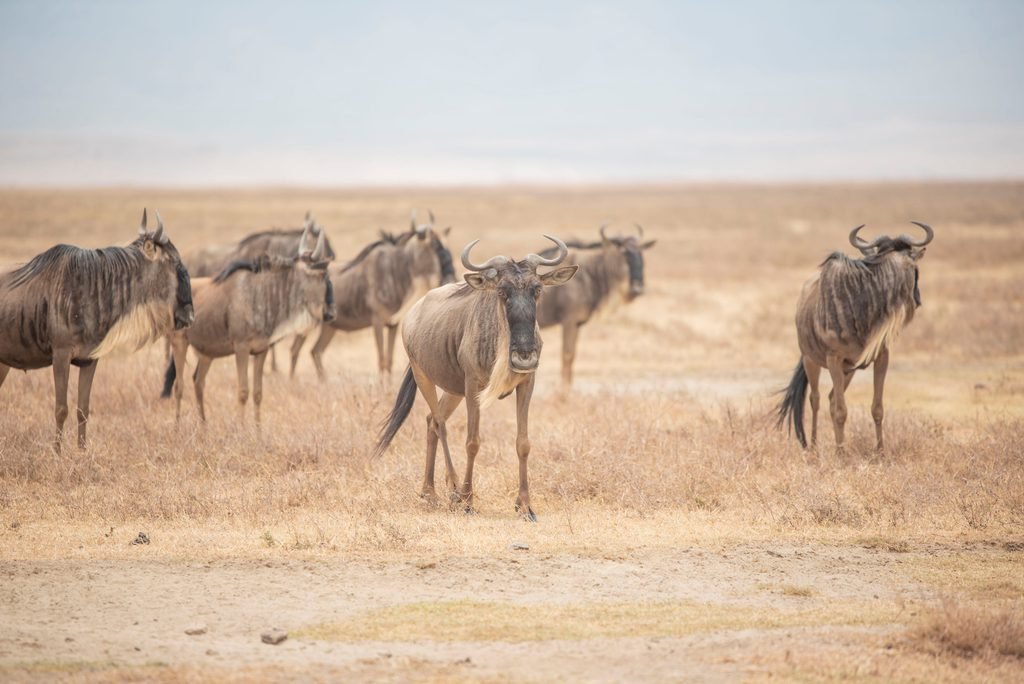
The Great Wildebeest Migration is one of the most famous wildlife events in Africa, involving the continuous movement of enormous numbers of wildebeest, zebras, and gazelles through the Serengeti–Mara ecosystem. The animals move according to rainfall, fresh grass, and water availability rather than following a fixed annual timetable.
During June, the migration herds are often moving through the western and central Serengeti, with some groups approaching the Grumeti River. This period can provide opportunities to observe large numbers of animals traveling together, grazing, and crossing open landscapes.
The Grumeti River is sometimes associated with dramatic river crossings, but travelers should understand that these events are unpredictable. Some herds cross at different points, while others may move through the region without creating the dramatic scenes often shown in wildlife documentaries.
The famous Mara River crossings in the northern Serengeti generally become a greater focus later in the season, particularly from July through September or October. Therefore, travelers planning a June migration safari should usually focus on the western and central Serengeti rather than assuming the largest herds will already be near the Mara River.
For the best experience, allow enough time to explore the relevant areas and work with an experienced guide who understands seasonal wildlife movements.
African Safari Weather in June
June is generally a comfortable month for safari travel in many parts of East and Southern Africa. In Tanzania and Kenya, rainfall often decreases as the main dry season begins, while temperatures remain pleasant during the day. In Southern Africa, June is part of winter, bringing cooler conditions and cold mornings in some destinations.
| Destination | Typical daytime conditions | What to expect |
|---|---|---|
| Northern Tanzania | Mild to warm | Drying landscapes and cool mornings |
| Southern Kenya | Mild to warm | Generally favorable game-drive weather |
| Botswana | Pleasant days, cold mornings | Dry-season conditions |
| South Africa’s Kruger region | Mild days, cold mornings | Relatively dry weather |
| Zambia | Pleasant days, cool nights | Dry-season wildlife viewing |
| Zimbabwe | Mild to warm days | Cooler mornings and dry conditions |
| Namibia | Sunny days, cold nights | Dry weather and large temperature changes |
These are general seasonal descriptions rather than forecasts for specific dates in 2027 or 2028. Travelers should check the weather closer to departure and prepare for changes in temperature.
Is June Better Than July or August for an African Safari?
June, July, and August are all popular months for African safaris, but they offer slightly different experiences. June often marks the beginning of the dry season, when landscapes may still retain some green vegetation and wildlife concentrations are developing. July and August generally bring drier conditions in many destinations, making animals easier to locate around permanent water sources.
In Tanzania, June is particularly interesting for the Great Migration in the western Serengeti, while July and August are more commonly associated with movement toward the northern Serengeti and possible Mara River crossings. Travelers who want to see the large herds without necessarily focusing on river crossings may find June particularly rewarding.
June can also be less crowded than July and August in some destinations, although this depends on the specific park, accommodation, and travel dates. Prices may be more favorable at certain properties in early June, but this should not be assumed without checking actual rates.
For travelers who want good wildlife viewing, comfortable conditions, and a chance to experience the beginning of the dry season, June is an excellent choice.
How Many Days Do You Need for a June Safari in Tanzania?
The ideal safari duration depends on the parks you want to visit and the wildlife experiences you hope to enjoy. A short two- or three-day safari can provide an introduction to Tanzania’s wildlife, particularly when visiting destinations such as Tarangire and Ngorongoro Crater. However, travelers who want to explore Serengeti National Park should allow more time because of the long distances involved.
A four- or five-day safari can include Serengeti and Ngorongoro, with opportunities for several game drives. A six- or seven-day itinerary provides more flexibility and allows travelers to explore additional areas such as Tarangire or the western Serengeti.
For visitors specifically interested in the Great Migration during June, spending at least three nights in the Serengeti can be particularly useful. This allows more time to explore the central and western regions according to the location of the herds.
Travelers with additional holiday time may also combine their safari with Mount Kilimanjaro, cultural experiences, or a Zanzibar beach holiday.
Recommended Tanzania Safari Itinerary for June 2027/2028
For travelers who want to experience the best of northern Tanzania during June, a seven-day safari combining Tarangire, Serengeti, and Ngorongoro Crater provides a good balance of wildlife viewing and travel time.
| Day | Destination | Main experience |
|---|---|---|
| Day 1 | Arrival in Arusha | Airport pickup and safari preparation |
| Day 2 | Tarangire National Park | Elephants, baobab trees and game drives |
| Day 3 | Central Serengeti | Scenic drive and afternoon wildlife viewing |
| Day 4 | Serengeti | Full-day game drives |
| Day 5 | Serengeti | Migration-focused wildlife viewing where practical |
| Day 6 | Ngorongoro Conservation Area | Travel from Serengeti and overnight near the crater |
| Day 7 | Ngorongoro Crater | Crater game drive and return to Arusha |
This is an example itinerary rather than a confirmed departure. Travelers who want to focus on the Western Corridor during June may need additional time or different accommodation arrangements because distances within the Serengeti are considerable.
How Much Does an African Safari Cost in June 2027/2028?
Safari costs vary considerably between countries and accommodation categories. Tanzania offers a wide range of options, including budget camping safaris, mid-range lodge packages, and luxury private safaris. Botswana often has higher costs for remote camps and fly-in experiences, while South Africa provides a broad selection of self-drive and guided safari options.
For travelers planning a June safari in 2027 or 2028, the following figures can be used as broad planning estimates. They are not confirmed Eddy Tours and Safaris prices, and actual rates depend on accommodation, park fees, group size, and services included.
| Safari category | Estimated cost per person per day |
|---|---|
| Budget guided camping safari | $200–$350 |
| Mid-range lodge safari | $350–$650 |
| Luxury safari | $650–$1,200+ |
| Premium fly-in safari | $1,000–$2,000+ |
These figures are broad illustrative ranges, not country-specific quotes. In particular, remote Botswana camps and some private conservancy experiences may cost considerably more than standard road-based safaris.
When comparing safari packages, travelers should check whether park fees, accommodation, meals, transport, professional guiding, and domestic flights are included. A package with a lower advertised price may exclude services that are essential to the overall trip.
For a confirmed Tanzania safari quotation, contact Eddy Tours and Safaris with your preferred dates, number of travelers, and accommodation preferences.
What Should You Pack for an African Safari in June?
Packing for a June safari requires some preparation because temperatures can change considerably between early morning and midday. In northern Tanzania, mornings can be cool, particularly around Ngorongoro Crater and other highland areas, while afternoons may become warm. In Southern Africa, June is winter, and temperatures can be particularly cold during early morning game drives.
A warm jacket or fleece is useful, together with lightweight clothing for daytime activities. Neutral-colored shirts and trousers are practical for safari travel, while comfortable shoes, sunglasses, sunscreen, and a sun hat help protect against the sun.
Binoculars are especially valuable because many animals are best observed from a distance. Travelers interested in photography may also want to bring a camera with a suitable zoom lens and additional memory cards.
Other useful items include insect repellent, personal medication, a reusable water bottle, and a small daypack. If you are traveling on domestic flights with smaller aircraft, check baggage restrictions before departure.
Can You Combine a June Safari with Mount Kilimanjaro?
Yes. June is a popular time to climb Mount Kilimanjaro because it marks the beginning of the main dry-season climbing period. Although the mountain can still experience rain, snow, strong winds, and cold temperatures, the weather is generally becoming more favorable than during the long rainy season.
Combining Kilimanjaro with a wildlife safari allows travelers to experience two very different sides of Tanzania. A typical holiday may begin with a six- to nine-day Kilimanjaro expedition, followed by a short period of rest in Moshi and several days exploring Serengeti, Ngorongoro, or Tarangire.
Travelers should allow sufficient recovery time after climbing because summit day can be physically demanding. The overall itinerary should also consider travel distances, accommodation, and flight schedules.
Can You Combine a June Safari with Zanzibar?
Yes. June is generally a good month to visit Zanzibar because the island is moving into a relatively dry period with comfortable conditions for beach relaxation and sightseeing. Visitors can enjoy Stone Town, spice farms, snorkeling, and the beaches of Nungwi, Kendwa, Paje, and Jambiani.
Combining a safari with Zanzibar is particularly attractive for couples, honeymooners, and families who want a mixture of wildlife experiences and relaxation. After several days of early morning game drives, spending time beside the Indian Ocean provides a welcome change of pace.
Travelers can arrange domestic flights from Arusha or suitable safari airstrips to Zanzibar, depending on the itinerary and airline schedules. A beach stay of four to seven days can be a comfortable addition to a longer Tanzania holiday.
Is June a Good Month for a Honeymoon Safari?
June can be an excellent month for a honeymoon safari because of the generally favorable wildlife-viewing conditions in many destinations. Couples can enjoy private game drives, comfortable safari lodges, scenic landscapes, and opportunities to observe wildlife together.
In Tanzania, a honeymoon itinerary may include Serengeti National Park, Ngorongoro Crater, and a Zanzibar beach holiday. The combination provides opportunities for wildlife photography, romantic accommodation, and time to relax beside the ocean.
The most suitable itinerary depends on the couple’s interests and budget. Some travelers prefer luxury lodges with private facilities, while others enjoy smaller tented camps that provide a closer connection to the surrounding landscape.
Frequently Asked Questions About Going on Safari in June
Is June a good month for a safari in Africa?
Yes. June is generally an excellent month for safaris in Tanzania, Kenya, Botswana, South Africa, Zambia, Zimbabwe, and Namibia because many destinations experience relatively dry conditions and improving wildlife-viewing opportunities.
Which African country is best for a safari in June?
Tanzania is one of the strongest choices for travelers interested in the Great Migration and a combination of Serengeti, Ngorongoro, and Tarangire. Botswana and South Africa are also excellent options, depending on the preferred safari experience.
Is June a good month to visit Serengeti?
Yes. June is a particularly interesting month because the Great Migration herds may be moving through the central and western Serengeti. General wildlife viewing is also rewarding as the dry season begins.
Can you see the Great Migration in June?
Yes. The Great Migration takes place throughout the year, and June often brings large herds to the western and central Serengeti. However, their exact location depends on rainfall and grazing conditions.
Are Mara River crossings common in June?
June is generally earlier than the main Mara River crossing period. The famous northern crossings are more commonly associated with July through October, although the timing varies from year to year.
Is June better than August for a safari?
June can be excellent for travelers who want the beginning of the dry season and migration movement in western Serengeti. August may be better for travelers hoping to witness Mara River crossings in the northern Serengeti. Neither month guarantees a particular wildlife event.
Is June cold in Africa?
Temperatures vary considerably by country and region. June can bring cold mornings and evenings in Southern Africa and the highlands of East Africa, while daytime temperatures are often comfortable.
Is June a rainy month in Tanzania?
June generally marks the beginning of the main dry season in northern Tanzania. However, occasional rainfall remains possible, and weather conditions vary between regions and years.
Can I see the Big Five in June?
Yes. June can provide opportunities to see the Big Five in destinations such as Ngorongoro Crater, Serengeti, Kruger National Park, and other suitable reserves. However, sightings of individual species, particularly rhinoceroses and leopards, cannot be guaranteed.
Is June a good time for a family safari?
Yes. June can be suitable for families because the weather is often comfortable for game drives and wildlife viewing is rewarding. Families should choose accommodation and daily schedules appropriate for the ages of their children.
How many days should I spend on a Tanzania safari in June?
Five to seven days is a good starting point for travelers who want to explore Serengeti, Ngorongoro, and Tarangire. Longer itineraries provide more time to follow migration movements and explore additional areas.
Can I visit Zanzibar after a June safari?
Yes. June is generally a good period for combining a Tanzania wildlife safari with a Zanzibar beach holiday.
Final Thoughts: Is June the Best Time to Go on Safari in Africa?
June is one of the most rewarding months to visit Africa for a wildlife safari, particularly for travelers who want to experience the beginning of the dry season. In Tanzania, Serengeti National Park offers opportunities to observe the Great Migration moving through the western and central ecosystem, while Ngorongoro Crater and Tarangire National Park provide excellent opportunities for general wildlife viewing.
Other African destinations also become particularly attractive during June. Botswana’s Okavango Delta offers distinctive water-based safari experiences, South Africa’s Kruger National Park provides classic Big Five wildlife viewing, and countries such as Zambia, Zimbabwe, and Namibia offer rewarding dry-season adventures.
The best destination ultimately depends on the animals you want to see, the type of accommodation you prefer, and the amount of time available. For first-time safari travelers, Tanzania is an excellent choice because several outstanding wildlife destinations can be combined within one itinerary.
Whether you are planning a short safari, a family holiday, a honeymoon, or a longer African adventure in 2027 or 2028, June provides excellent opportunities to experience wildlife and landscapes across the continent.
Plan Your June Tanzania Safari with Eddy Tours and Safaris
Are you planning an African safari in June 2027 or June 2028? Eddy Tours and Safaris can help you plan a Tanzania wildlife safari according to your preferred travel dates, interests, and budget.
Our team can help you discuss private and group safari options to Serengeti National Park, Ngorongoro Crater, Tarangire National Park, and other destinations in northern Tanzania. We can also help you plan combinations with Mount Kilimanjaro and Zanzibar.
Website: www.eddytours-safaris.com
Contact page: Plan Your June Tanzania Safari
Email: sales@eddytours-safaris.com
WhatsApp: +255 711 906 664