
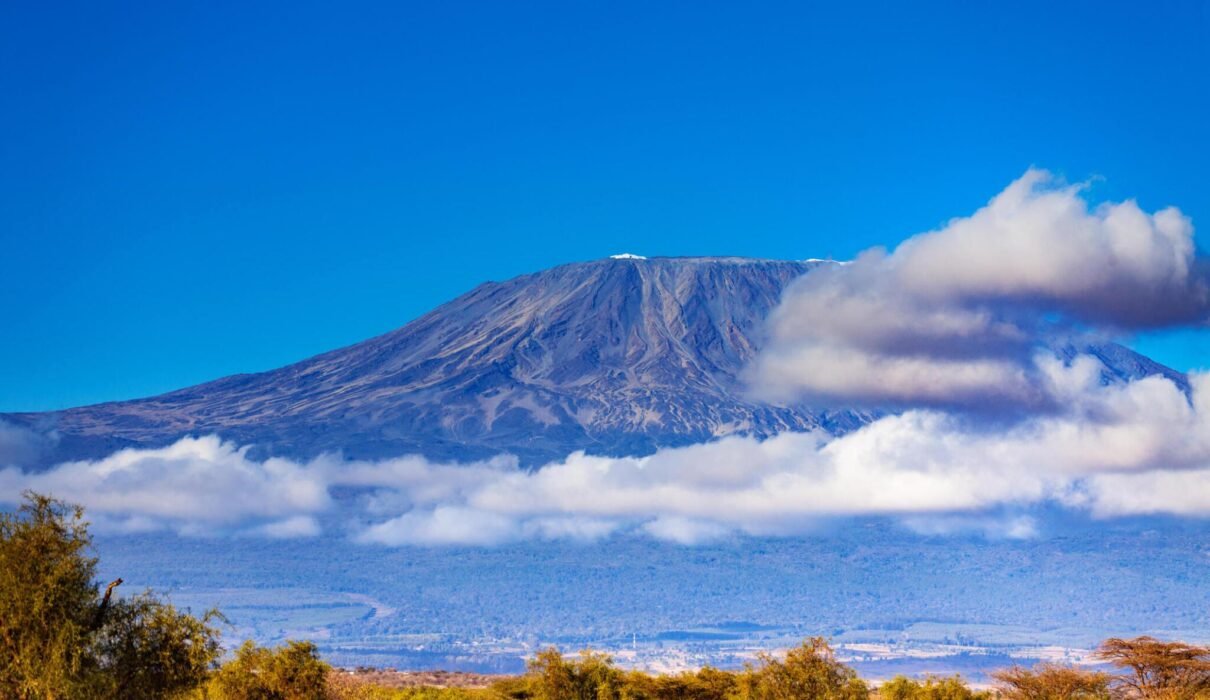
Least Crowded Route to Kilimanjaro on Climbing Mount Kilimanjaro is a dream for many travelers visiting Tanzania, but not everyone wants to share the experience with hundreds of other climbers. Some people enjoy meeting fellow hikers and spending evenings at busy mountain camps, while others prefer quiet trails, peaceful surroundings, and the opportunity to appreciate Kilimanjaro’s landscapes without constant movement around them. If you are planning to climb Africa’s highest mountain in 2027 or 2028, choosing the right route can make a considerable difference to the atmosphere of your expedition.
One of the questions travelers frequently ask is, what is the least crowded route to Kilimanjaro? The Northern Circuit Route is generally considered the quietest of Kilimanjaro’s main established trekking routes. It follows a longer trail around the mountain’s northern slopes, where relatively few climbing groups travel compared with the popular southern routes. The Rongai Route is another good choice for climbers seeking a peaceful experience, particularly during the first several days of the ascent.
However, choosing a quiet route involves more than simply looking at the number of people using a particular trail. Some routes are less crowded because they require additional days on the mountain, while others attract fewer climbers because they are steep, physically demanding, or less convenient to reach. A route may also begin quietly before joining a much busier trail near the summit. Understanding these differences is important when deciding which option is suitable for your fitness, experience, budget, and available travel time.
At Eddy Tours and Safaris, we help travelers plan Kilimanjaro climbing expeditions according to their interests and preferred schedules. For visitors who want a quieter mountain experience, we can discuss routes such as the Northern Circuit, Rongai, and Lemosho, while also considering acclimatization, weather, and the overall demands of the climb.
This guide explains which Kilimanjaro routes are least crowded, how they compare with the popular Machame and Marangu routes, the best time to climb with fewer people, and what travelers should consider before choosing a quieter trail in 2027 or 2028.
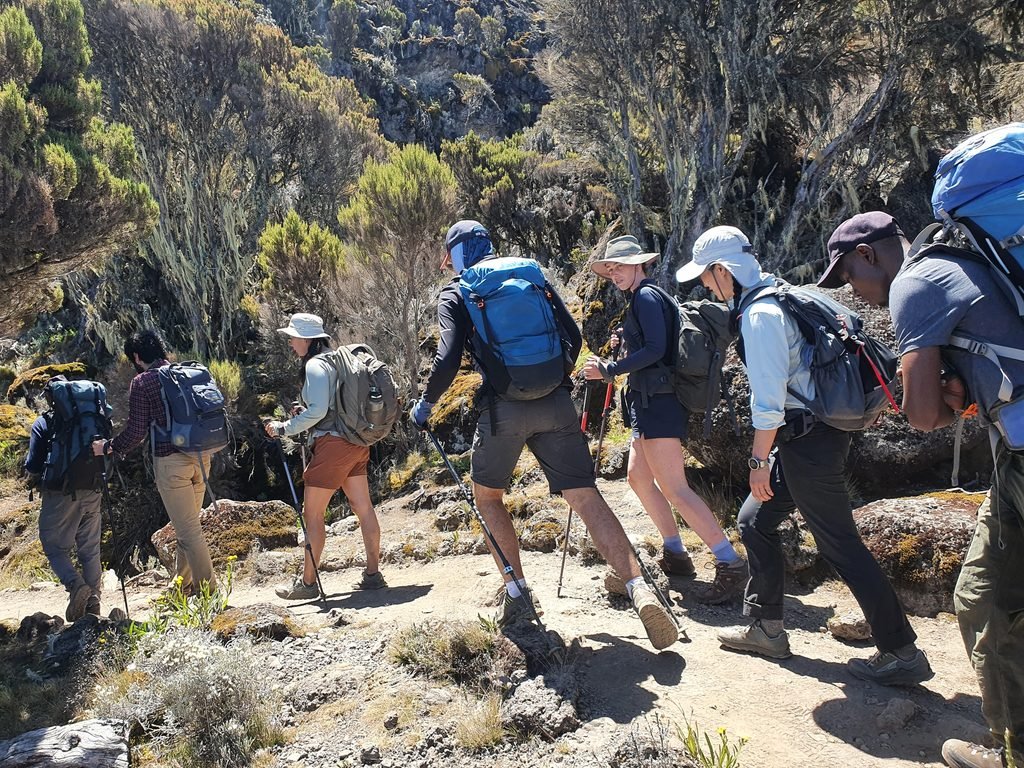
Which Kilimanjaro Route Is the Least Crowded?
The Northern Circuit Route is generally the least crowded choice among Kilimanjaro’s main established climbing routes. Its longer itinerary and remote northern traverse mean that fewer groups use it compared with routes such as Machame, Marangu, and Lemosho. Most Northern Circuit expeditions take approximately eight to nine days, although longer arrangements are also possible, giving climbers more time to explore the mountain while adjusting gradually to higher elevations.
The Rongai Route is another strong option for travelers who want to avoid busy trails. It begins on the northern side of Kilimanjaro near the Kenya–Tanzania border and approaches the mountain through relatively quiet forest, moorland, and alpine landscapes. Rongai typically takes six or seven days, making it suitable for travelers who cannot spend nine days on the Northern Circuit.
The Umbwe Route is also relatively little used, but it is not usually recommended simply as a way to escape crowds. Its steep ascent and demanding acclimatization profile make it better suited to experienced trekkers who understand the challenges of climbing quickly to high altitude. For most visitors, Northern Circuit or Rongai provides a more practical balance between solitude, scenery, and climbing conditions.
Kilimanjaro Routes Compared by Crowd Levels
| Kilimanjaro route | Typical duration | Relative crowd level | Main consideration |
|---|---|---|---|
| Northern Circuit | 8–9 days | Very low | Quiet northern traverse and more acclimatization time |
| Rongai | 6–7 days | Low | Peaceful northern approach |
| Umbwe | 6–7 days | Very low initially | Steep ascent and demanding altitude profile |
| Lemosho | 7–8 days | Low initially, busier later | Quiet western start with varied scenery |
| Shira | 7–8 days | Low initially, busier later | Starts at relatively high altitude |
| Machame | 6–7 days | High | Popular scenic route with busy shared camps |
| Marangu | 5–6 days | Moderate to high | Shared mountain huts and two-way trail traffic |
These crowd levels are general comparisons rather than official daily climber counts. Actual numbers vary according to the month, departure date, and number of groups using each campsite.
1. Northern Circuit Route: The Best Choice for a Quiet Kilimanjaro Climb
The Northern Circuit Route is one of the most interesting options for travelers who want to experience Kilimanjaro away from its busiest trails. The climb usually begins on the western side of the mountain through the Lemosho approach, passing through forest and onto the Shira Plateau. After reaching the higher western slopes, the trail turns north rather than continuing along the popular southern circuit used by many Machame and Lemosho groups.
This change in direction is what makes the Northern Circuit special. While many climbers continue toward Barranco Camp and the southern approach to the summit, Northern Circuit groups travel across the quieter northern slopes, passing through remote camps and open mountain landscapes. The views are often wide and uninterrupted, with opportunities to look toward the plains of northern Tanzania and Kenya when visibility is good.
The route commonly includes overnight stops around Shira, Moir Hut, Buffalo Camp, Third Cave, and School Hut, depending on the itinerary selected. The exact camping schedule varies between operators, but the northern traverse is the main feature that distinguishes this route from the more popular approaches. Climbers often spend several days in areas where they encounter relatively few other groups.
Another important advantage is the longer acclimatization schedule. Spending eight or nine days on Kilimanjaro provides more time for the body to adjust than shorter itineraries, although altitude sickness remains possible. The route still includes demanding walking days and a challenging summit attempt, so good preparation and careful altitude monitoring are essential.
For travelers who have enough time and want a combination of quiet trails, varied scenery, and a gradual climbing schedule, the nine-day Northern Circuit is generally the option we would recommend considering first.
Who Should Choose the Northern Circuit?
The Northern Circuit is particularly suitable for travelers who enjoy long-distance trekking and want to spend more time experiencing the mountain. It can be attractive to photographers, couples, private groups, and hikers who prefer a quieter environment. It is also worth considering for first-time high-altitude climbers who are physically prepared and want an itinerary with additional acclimatization time.
The main disadvantage is the longer duration, which generally increases the cost because of additional park fees, meals, guide services, and porter support. Travelers with limited holiday time may therefore find Rongai or another shorter route more practical.
2. Rongai Route: The Best Quiet Kilimanjaro Route for a Seven-Day Climb
The Rongai Route approaches Mount Kilimanjaro from the north, close to the Kenya–Tanzania border. It is different from most of the other established climbing routes because it begins in a relatively remote area and follows the northern slopes toward Mawenzi and Kibo. The trail is generally less busy than Machame and Marangu, particularly during the first several days.
One of the reasons Rongai attracts fewer climbers is its location. Reaching the trailhead usually requires a longer road transfer from Moshi than the more accessible southern gates. The route also receives less attention than Machame and Lemosho, even though it offers attractive mountain landscapes and an interesting approach to the summit.
During the climb, travelers pass through forest and open moorland before reaching the higher slopes around Mawenzi. The landscape gradually becomes more rugged, with views of Kilimanjaro’s volcanic formations and the broad Saddle between Mawenzi and Kibo. The Mawenzi Tarn area is particularly memorable because of the dramatic rocky peaks surrounding the campsite.
The seven-day Rongai itinerary normally includes an additional acclimatization day at Mawenzi Tarn, making it preferable to the shorter six-day version for many climbers. This extra day allows the group to spend more time at altitude before continuing toward Kibo and beginning the final ascent.
Rongai eventually joins the Marangu-side summit and descent corridor, so climbers should not expect complete solitude throughout the expedition. Nevertheless, the northern approach can provide a noticeably quieter experience than the busier southern trails.
Who Should Choose the Rongai Route?
Rongai is a good option for travelers who want a relatively quiet climb but cannot spend eight or nine days on the mountain. It is also suitable for people who prefer a route with a comparatively gradual early approach and want to experience the northern side of Kilimanjaro.
The route is often considered during wetter periods because the northern slopes tend to receive less rainfall than the southern side. However, rain, snow, wind, and difficult conditions are still possible, and the weather should never be assumed to be safe simply because the route is on the northern side.
3. Lemosho Route: A Quiet Beginning with Beautiful Scenery
The Lemosho Route is one of Kilimanjaro’s most scenic climbing routes and is particularly attractive to travelers who want to experience a wide variety of landscapes. It begins on the western side of the mountain, passing through forest before reaching the Shira Plateau. During the early stages, the trail can feel relatively peaceful because fewer groups begin from this side compared with the busy Machame approach.
As the climb continues, however, Lemosho joins the southern circuit used by Machame climbers. This means that camps such as Barranco, Karanga, and Barafu can become busy, particularly during the main climbing seasons. Travelers choosing Lemosho should therefore understand that its quieter beginning does not necessarily continue throughout the expedition.
Despite this, Lemosho remains an excellent route for climbers who value scenery and a well-paced itinerary. The eight-day version provides more time for acclimatization than shorter alternatives and includes memorable locations such as the Shira Plateau, Lava Tower, and Barranco Wall.
For travelers who want complete solitude, Northern Circuit is generally the better choice. However, if scenery is equally important and you do not mind sharing some camps with other groups, the eight-day Lemosho Route is well worth considering.
4. Umbwe Route: Quiet but Not Suitable for Everyone
The Umbwe Route is among Kilimanjaro’s least-used established trails, particularly during its early stages. It begins on the southern side of the mountain and follows a steep, direct ascent through forest and increasingly rugged terrain. Because the route gains altitude quickly and requires considerable physical effort, fewer climbing groups choose it compared with Machame or Marangu.
The quiet atmosphere may sound attractive, but Umbwe should not be selected only because it has fewer people. Its steep ascent provides less opportunity for gradual acclimatization during the early days, which can increase the difficulty of managing altitude. The route also joins the southern circuit near Barranco, where climbers encounter groups arriving from other routes.
Umbwe is generally more appropriate for experienced trekkers who have previous high-altitude experience and understand the demands of a steep mountain ascent. Even experienced climbers should discuss the itinerary carefully with a qualified guide and allow enough time for acclimatization.
For most first-time Kilimanjaro climbers seeking a peaceful experience, Northern Circuit or seven-day Rongai is a more sensible choice.
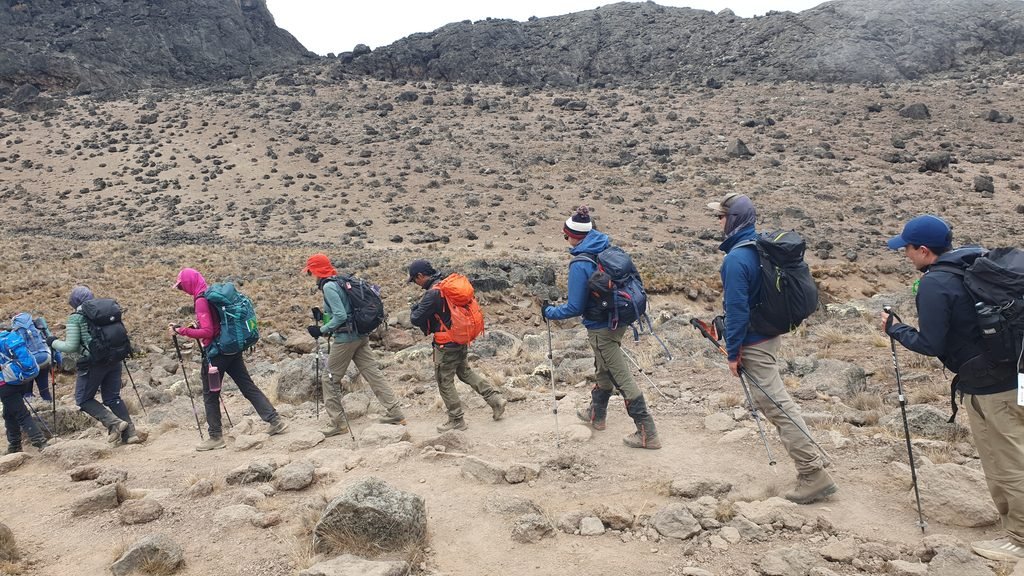
Why Are Machame and Marangu More Crowded?
Machame and Marangu are two of Kilimanjaro’s best-known climbing routes, and both attract travelers for different reasons. Machame is popular because of its varied scenery, established trekking itinerary, and famous locations such as the Barranco Wall. Marangu attracts visitors because it is the only main Kilimanjaro route offering permanent mountain huts rather than camping tents.
Their popularity means that climbers are more likely to encounter other groups on the trail and at overnight stops. On Machame, the busiest areas may include the Barranco Wall, shared southern circuit camps, and the summit approach from Barafu. During popular climbing months, several groups may arrive at the same locations within a relatively short period.
Marangu has a different type of crowding because climbers share mountain huts and communal facilities. The route also uses much of the same trail for ascent and descent, so hikers may encounter people traveling in both directions. While some travelers enjoy the social atmosphere, others may prefer the quieter environment of camping routes.
Neither Machame nor Marangu is a poor choice simply because it is popular. Both provide established ways to climb Kilimanjaro, but they may be less suitable for travelers whose main priority is avoiding crowds.
Does Choosing a Quiet Route Improve Your Chances of Reaching Uhuru Peak?
A quieter route can make the mountain experience more enjoyable for travelers who prefer peaceful surroundings, but fewer people on the trail do not automatically improve summit success. Reaching Uhuru Peak depends on several factors, including acclimatization, health, physical preparation, weather, and the decisions made by the mountain guide.
The Northern Circuit is often associated with favorable acclimatization because it usually takes more days to reach the summit. However, the benefit comes mainly from the additional time and the altitude profile rather than the absence of other climbers. A short, steep route can remain difficult even when there are very few people using it.
This distinction is important when comparing Northern Circuit with Umbwe. Both can be quiet, but their acclimatization schedules are very different. A traveler choosing Umbwe simply to avoid other groups may be accepting unnecessary altitude-related risks.
For most climbers, it is better to prioritize a suitable acclimatization schedule and experienced guiding team, then consider crowd levels when choosing between routes that meet those requirements.
Best Time to Climb Kilimanjaro Without Crowds
Choosing a quiet route is one of the most effective ways to avoid large groups, but the month of travel also matters. Kilimanjaro generally attracts more climbers during periods with favorable weather, particularly January through March and June through October. The busiest periods often include July, August, September, and major holiday dates, although exact numbers vary from year to year.
Travelers who want fewer people may consider shoulder-season departures around early March, late May, early June, or November. However, these periods can bring less predictable weather, and some coincide with Tanzania’s rainy seasons. Choosing a quieter month should therefore involve considering both trail conditions and personal comfort.
January to March
January and February are popular climbing months because weather conditions are often relatively favorable, with opportunities for clear mountain views. March can become wetter as the long rainy season approaches, particularly later in the month. Travelers looking for a quieter experience during this period may prefer Rongai or Northern Circuit rather than the busiest southern routes.
April and May
April and May are generally associated with the long rainy season, when rainfall can make trails muddy and camping conditions uncomfortable. Fewer climbers may be on the mountain, but the reduced crowd levels come with significant weather disadvantages. These months are not usually the best recommendation for travelers who are new to high-altitude trekking or who want relatively predictable conditions.
June to October
June through October is one of the most popular climbing periods because of generally drier weather. July, August, and September can be particularly busy, especially on Machame and Marangu. Travelers who want to climb during these months without encountering the largest crowds should consider the Northern Circuit or Rongai Route.
November and December
November often brings shorter rains, which can reduce the number of climbers on some routes. December conditions vary, and the holiday period may attract additional visitors. Climbers who want a quieter experience during these months should discuss weather conditions and route suitability with their operator before confirming a departure.
Which Month Offers the Best Balance Between Weather and Fewer Climbers?
For travelers who want a quieter Kilimanjaro climb without deliberately choosing the wettest months, late January, February, early June, and October may be worth considering, depending on the year’s weather and booking patterns. These periods can provide a reasonable balance, although they are not guaranteed to be uncrowded.
The most reliable strategy is to choose a route that naturally receives fewer climbers rather than relying entirely on the season. For example, the Northern Circuit can remain relatively peaceful even when other routes are busy during the dry season.
Is the Northern Circuit Better Than Rongai for Avoiding Crowds?
Both routes are good choices, but they suit different travelers. Northern Circuit generally provides the most extended quiet-trail experience because it follows a longer path around the northern side of Kilimanjaro. Rongai also offers a peaceful northern approach but reaches the shared Marangu-side summit corridor sooner.
| Feature | Northern Circuit | Rongai |
|---|---|---|
| Typical duration | 8–9 days | 6–7 days |
| Starting side | Western Kilimanjaro | Northern Kilimanjaro |
| Quiet-trail experience | Excellent on northern traverse | Excellent on early northern approach |
| Acclimatization | Generally more gradual with longer itinerary | Better on seven-day version than six-day version |
| Scenery | Shira Plateau and remote northern slopes | Northern forest, moorland and Mawenzi |
| Accommodation | Camping | Camping, with hut accommodation on descent |
| Overall cost | Usually higher | Usually lower |
| Best for | Travelers prioritizing solitude and more days | Travelers seeking a quiet seven-day climb |
For a traveler with nine days available, Northern Circuit is generally the stronger choice for solitude and additional acclimatization time. For someone with only seven days, Rongai can provide an attractive alternative.
How Much Does a Quiet Kilimanjaro Climb Cost in 2027/2028?
The cost of climbing Kilimanjaro depends on the route duration, number of climbers, park fees, mountain crew, camping equipment, accommodation, and transport arrangements. Longer routes such as the Northern Circuit generally cost more because climbers spend additional days on the mountain, requiring more meals, guide services, porter support, and park fees.
For travelers planning a climb in 2027 or 2028, the following figures provide broad market estimates. They are not confirmed Eddy Tours and Safaris prices, and actual quotations will depend on the travel dates, group size, and services included.
| Quiet climbing route | Illustrative price per person |
|---|---|
| 7-Day Rongai Route | $1,800–$2,800 |
| 8-Day Lemosho Route | $2,100–$3,400 |
| 8-Day Northern Circuit | $2,500–$3,800 |
| 9-Day Northern Circuit | $2,700–$4,300 |
| Umbwe Route | Request a route-specific quotation |
These ranges are for planning and may not reflect every operator’s package. Travelers should compare quotations carefully because lower prices may exclude accommodation, airport transfers, equipment rental, or other services.
A responsible climbing package should also account for the welfare of guides, porters, and cooks. Appropriate staff treatment, equipment, food, and working conditions are important considerations when choosing an operator, regardless of the route.
Can You Climb Kilimanjaro Without Seeing Other Climbers?
It is possible to spend long stretches of a Kilimanjaro climb without encountering many other groups, particularly on the northern sections of the Northern Circuit. However, no established trekking route can guarantee complete solitude. All climbers use designated trails and camps, and groups eventually converge on the upper mountain during summit attempts.
Even when the ascent is quiet, you may encounter other climbers near Gilman’s Point, Stella Point, or Uhuru Peak. The number of people present depends on the day, weather, departure schedules, and the routes used by different groups.
For travelers who value privacy, booking a private climb can help create a more personal experience within the group. However, private climbing arrangements do not give exclusive use of the mountain or its campsites.
Is a Private Kilimanjaro Climb Less Crowded Than a Group Joining Climb?
A private climb allows you to travel with your own companions and an assigned mountain crew rather than joining a larger group of unrelated travelers. This can provide more flexibility in the daily schedule, walking pace, and rest breaks. It can also be attractive for couples, families, photographers, and friends who want a more personal experience.
However, private climbs still use the same designated routes and campsites as other expeditions. Choosing a private Machame climb does not necessarily mean you will encounter fewer people on the trail than someone joining a Rongai group. The route and travel season remain important factors.
Group joining climbs can be more affordable because certain costs are shared among participants. Travelers considering a joining group should ask about the maximum group size, guide-to-climber arrangements, and whether the itinerary allows sufficient time for acclimatization.
What Should You Consider Before Choosing a Quiet Kilimanjaro Route?
The first consideration should be the number of days available for the climb. If you have nine days, the Northern Circuit provides an attractive opportunity to experience Kilimanjaro’s remote northern landscapes while allowing more time for acclimatization. If your schedule is limited to seven days, Rongai may be more practical.
Your previous hiking experience is also important. Travelers who have completed multi-day treks may be comfortable with long walking days and camping in remote locations, while beginners should pay particular attention to the itinerary’s altitude profile. Being physically fit is helpful, but fitness alone does not prevent altitude sickness.
Weather is another important factor. A route that is quiet because it is being climbed during heavy rainfall may not provide the enjoyable experience you expected. Choosing a relatively dry travel period and a naturally quieter route is often preferable to deliberately climbing during the wettest months.
Finally, consider the experience and safety arrangements of the climbing operator. A qualified mountain guide should monitor climbers for altitude illness, explain the daily schedule, and make decisions based on health and weather conditions. The quality of the guiding team is more important than having an almost empty trail.
What About Altitude Sickness on Quiet Kilimanjaro Routes?
Altitude sickness can affect climbers on every Kilimanjaro route, regardless of how crowded or peaceful the trail is. As you climb higher, the reduced air pressure means less oxygen is available to your body. Symptoms may include headaches, nausea, dizziness, fatigue, and difficulty sleeping. These symptoms should be reported promptly to your mountain guide.
More serious altitude illness can cause confusion, difficulty walking normally, or breathlessness at rest. These warning signs require immediate assessment and may require urgent descent. Climbers should never continue ascending with worsening symptoms simply because they want to reach the summit.
Longer routes may provide more time for acclimatization, but no itinerary eliminates altitude-related risks. Before traveling, discuss relevant medical concerns with a qualified healthcare professional, and make sure your insurance covers high-altitude trekking and emergency evacuation.
Frequently Asked Questions About the Least Crowded Kilimanjaro Routes
What is the least crowded route to Kilimanjaro?
The Northern Circuit is generally considered the least crowded of Kilimanjaro’s main established climbing routes. It follows a longer path around the remote northern slopes and usually takes eight to nine days.
Is Rongai quieter than Machame?
Yes. Rongai generally receives fewer climbers than Machame, particularly during the early stages of the ascent. It approaches Kilimanjaro from the northern side and later joins the Marangu-side summit and descent corridor.
Is the Northern Circuit better than Lemosho?
For travelers whose main priority is avoiding crowds, Northern Circuit is generally the better choice. Lemosho begins quietly but later joins the busier southern circuit, while Northern Circuit continues around the remote northern slopes.
Which Kilimanjaro route is best for beginners who want fewer crowds?
The nine-day Northern Circuit can be a good option for physically prepared beginners because it provides additional acclimatization time and relatively quiet trails. The seven-day Rongai Route is another option, although its altitude profile should be considered carefully.
Is Umbwe the quietest Kilimanjaro route?
Umbwe is one of the least-used routes during its early stages, but it is steep and demanding. It is not usually recommended for beginners or travelers choosing a route solely to avoid crowds.
Which month is Kilimanjaro least crowded?
April, May, and November can be quieter because they coincide with wetter periods. However, poor weather may make climbing less comfortable, so choosing a quiet route during a drier month is often preferable.
Is Kilimanjaro crowded in August?
August is a popular climbing month, and routes such as Machame and Marangu can be busy. Northern Circuit and Rongai generally provide quieter alternatives.
Can I avoid crowds on the summit of Kilimanjaro?
You can reduce the likelihood of encountering large groups by choosing a quieter route and travel period, but summit areas are shared by climbers from several routes. Complete solitude cannot be guaranteed.
How many days should I spend on the Northern Circuit?
Nine days is a popular choice because it provides time to explore the northern slopes and follow a more gradual acclimatization schedule. Some operators also offer eight-day or longer versions.
Is Rongai a good route during the rainy season?
Rongai approaches Kilimanjaro from the relatively drier northern side, making it worth considering during some wetter periods. However, rain, cold, and difficult trail conditions remain possible.
Are quiet Kilimanjaro routes more expensive?
Not necessarily. Rongai may cost less than some longer routes, while Northern Circuit is usually more expensive because of the additional days on the mountain. Prices depend on the operator and services included.
Can I book a private Northern Circuit climb?
Yes. Private Northern Circuit expeditions can be arranged through climbing operators, subject to availability and park requirements. A private climb provides a more personal group experience but does not guarantee exclusive use of the trail.
Final Thoughts: Which Is the Best Quiet Route to Kilimanjaro?
For travelers who want to experience Mount Kilimanjaro without the busiest trails and camps, the Northern Circuit is generally the best option. Its longer itinerary, remote northern traverse, and relatively low visitor traffic make it particularly attractive to people who enjoy peaceful mountain environments. The additional climbing days can also support acclimatization, although every climber must still take altitude safety seriously.
The Rongai Route is another excellent choice, especially for travelers who want a quieter seven-day expedition. Its northern approach offers different scenery from the popular southern routes, and the additional acclimatization day included in many seven-day itineraries makes it preferable to the shorter version.
Lemosho is worth considering for travelers who want beautiful scenery and a relatively quiet beginning, while Umbwe should be reserved for experienced trekkers who understand its steep and demanding nature. Ultimately, the best route is not simply the one with the fewest people. It is the one that provides a suitable balance between acclimatization, physical difficulty, travel time, weather, and the mountain experience you want.
Plan Your Quiet Kilimanjaro Climb with Eddy Tours and Safaris
Are you planning to climb Mount Kilimanjaro in 2027 or 2028 and want to avoid the busiest routes? Eddy Tours and Safaris can help you discuss suitable itineraries, including the nine-day Northern Circuit, seven-day Rongai, and eight-day Lemosho routes.
Whether you prefer a private climb or want information about joining a group, contact our team with your preferred travel dates, number of climbers, and previous hiking experience. We can also help you discuss combining your Kilimanjaro expedition with a Tanzania wildlife safari or Zanzibar beach holiday.
Website: Eddy Tours and Safaris
Contact page: Plan Your Kilimanjaro Climb
Email: sales@eddytours-safaris.com
WhatsApp: +255 711 906 664