
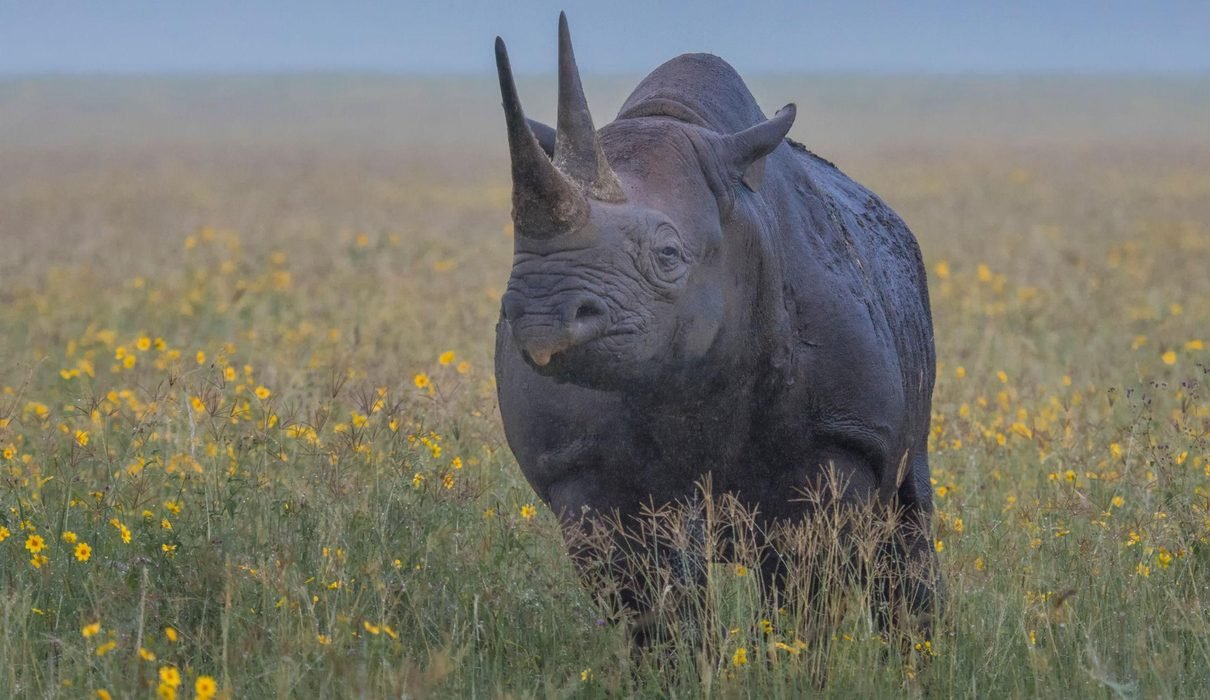
Can you see Africa’s famous Big Five in just one week? Tanzania is one of the best destinations to try, with its remarkable national parks, extensive wildlife populations, and landscapes that support some of Africa’s most impressive animals. A 7-day Tanzania Big Five safari in 2027, 2028, or 2029 gives travellers an opportunity to search for lions, leopards, elephants, buffaloes, and the endangered black rhinoceros while exploring some of the country’s most famous wildlife destinations.
The northern Tanzania safari circuit is particularly suitable for this experience because it includes Serengeti National Park, Ngorongoro Crater, and Tarangire National Park. Each destination provides different wildlife habitats and opportunities for animal sightings. The Serengeti is famous for its large predator populations and open plains, Ngorongoro Crater offers opportunities to observe several large mammals within a relatively compact area, and Tarangire is well known for its elephants and ancient baobab trees.
For travellers planning their African holiday in 2027, 2028, or 2029, spending seven days on safari provides a better opportunity to explore these destinations without the excessive rushing associated with shorter itineraries. Although seeing all five animals cannot be guaranteed, a carefully organised safari with an experienced local guide can provide rewarding wildlife encounters, beautiful scenery, and memorable moments throughout the journey.
What Are the Big Five Animals in Tanzania?
The term Big Five refers to five African animals: the lion, leopard, African elephant, African buffalo, and rhinoceros. The name originated during the era of big-game hunting, when these animals were considered particularly difficult and dangerous to hunt on foot. Today, the term is widely used in wildlife tourism to describe some of the most sought-after animals for safari viewing and photography.
Tanzania provides opportunities to observe all five species, although their distribution and visibility differ between national parks. Lions, elephants, and buffaloes are relatively widespread in suitable habitats, while leopards can be difficult to locate because of their secretive behaviour. Black rhinoceroses are particularly challenging to observe because their populations are limited and they are subject to strict conservation protection.
1. African Lion – The Famous Predator of the Serengeti
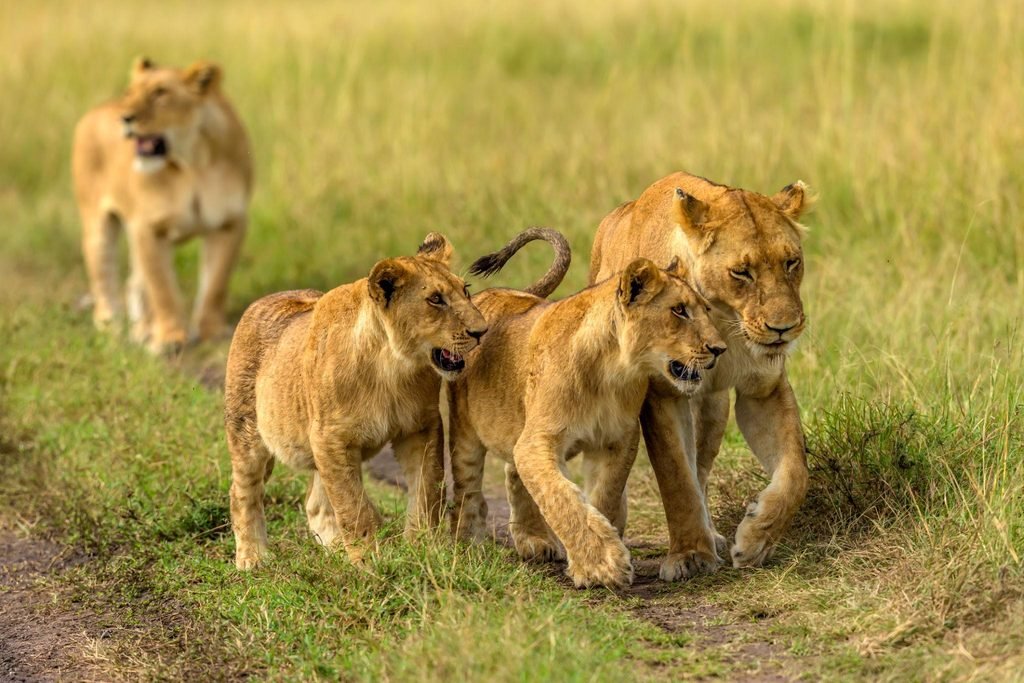
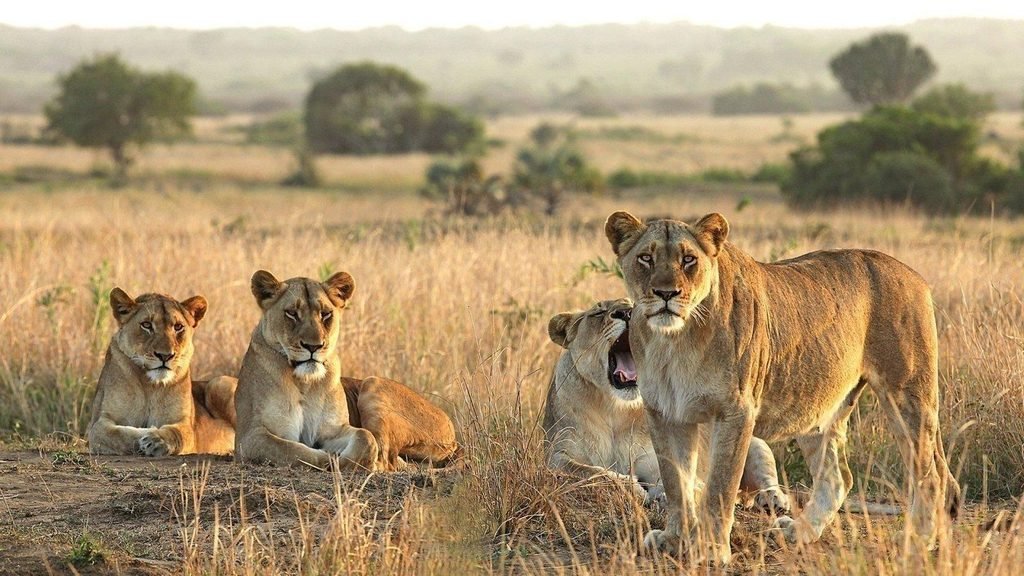
Lions are among the most recognised animals in Tanzania and are particularly associated with the Serengeti and Ngorongoro ecosystems. Unlike most other big cats, lions live in social groups called prides, which commonly include related females, their young, and one or more adult males. During a safari, you may encounter lions resting beneath trees, walking through grasslands, or observing nearby herds of grazing animals.
The Serengeti provides excellent lion habitat because of its extensive grasslands and abundant prey species. However, lions spend much of their time resting, particularly during warmer hours, so observing active hunting behaviour requires patience and favourable circumstances. Early morning and late afternoon game drives can provide interesting opportunities to observe predator activity, although no particular sighting can be guaranteed.
2. African Leopard – The Secretive Big Cat
Leopards are powerful, solitary predators known for their spotted coats, climbing ability, and secretive behaviour. They occur in several of Tanzania’s protected areas, including Serengeti National Park, where riverine woodland and trees provide suitable habitats. During a game drive, your guide may search for leopards resting in tree branches or moving through areas where vegetation offers cover.
Unlike lions, leopards generally avoid large social groups and can remain hidden even when they are relatively close to safari vehicles. Their camouflage makes them difficult to locate, particularly in woodland habitats. Finding a leopard is therefore often considered one of the most rewarding wildlife encounters during a Tanzania safari.
3. African Elephant – The Largest Land Animal
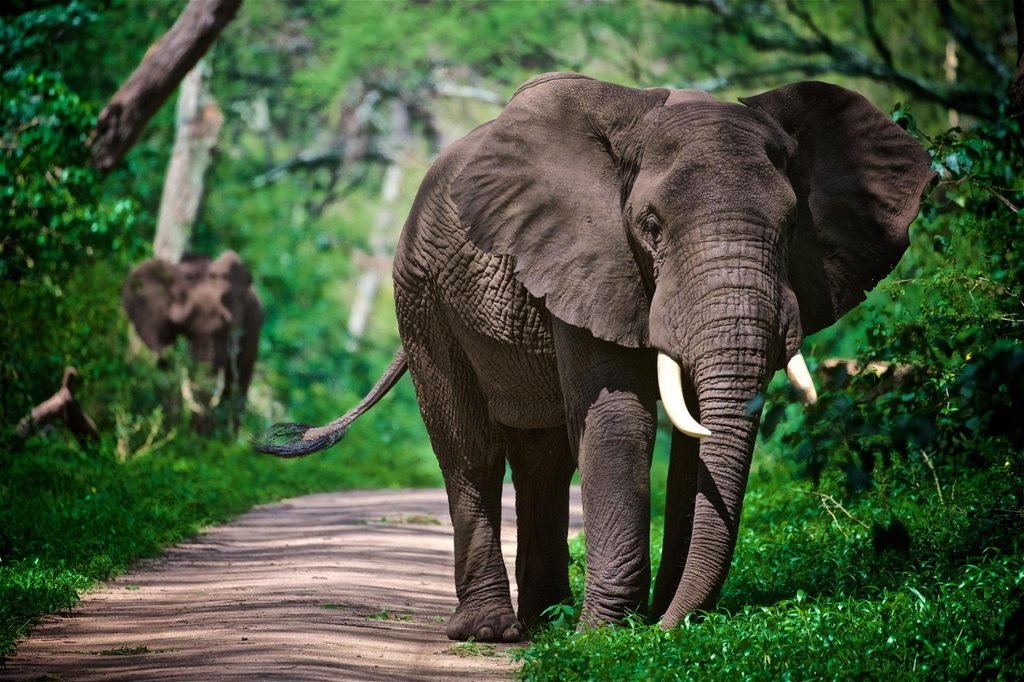
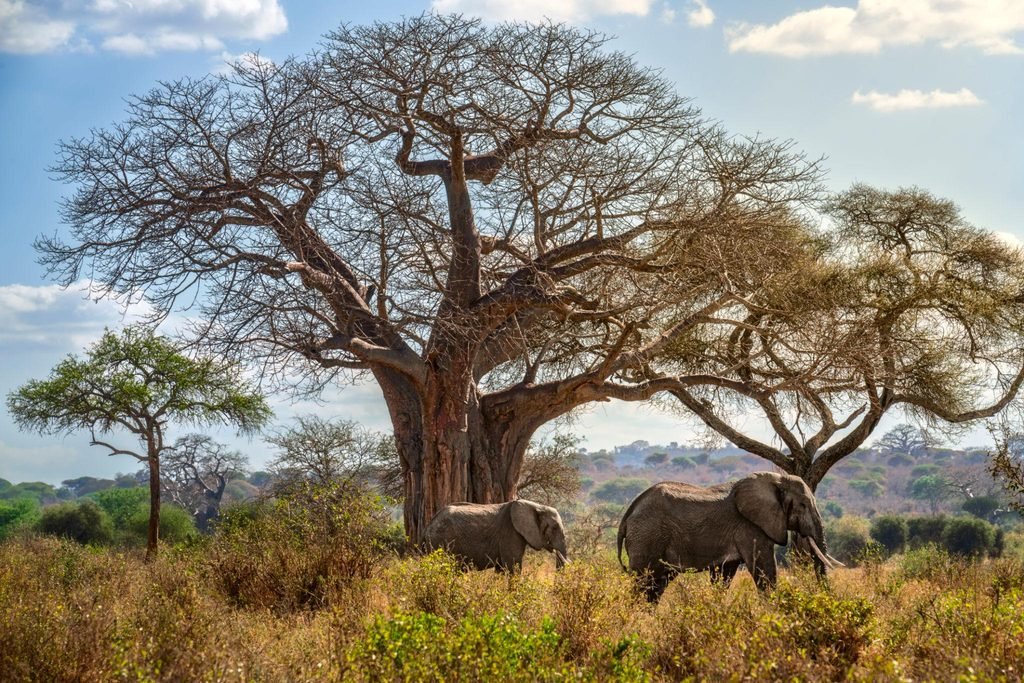
African elephants are the largest living land animals and are among the most impressive species to observe during a safari. Tanzania supports elephant populations in several protected areas, with Tarangire National Park being particularly well known for its elephant herds. Visitors may encounter family groups moving through woodland, feeding on vegetation, or gathering near water sources.
Elephants are highly social animals, and watching their interactions can be fascinating. Adult females commonly travel with younger family members, while mature males may spend time alone or in smaller groups. During the dry season, Tarangire’s river system attracts wildlife from surrounding areas, creating opportunities to observe elephants in different parts of the park.
4. African Buffalo – A Powerful Savannah Animal
African buffaloes are large, strong animals that occur in several of Tanzania’s national parks. They are commonly found in grasslands, woodland, and areas near water sources, where they may gather in large herds. Buffaloes can appear calm while grazing, but they are powerful wild animals that require considerable respect and distance.
During a safari, you may encounter buffaloes in Tarangire, Serengeti, or Ngorongoro Crater. Their large curved horns and muscular bodies make them easy to recognise, while their herd behaviour provides interesting opportunities for wildlife observation. Buffaloes are also important prey animals for lions in some ecosystems, making them a significant part of Tanzania’s natural food chains.
5. Black Rhinoceros – The Rarest Big Five Encounter
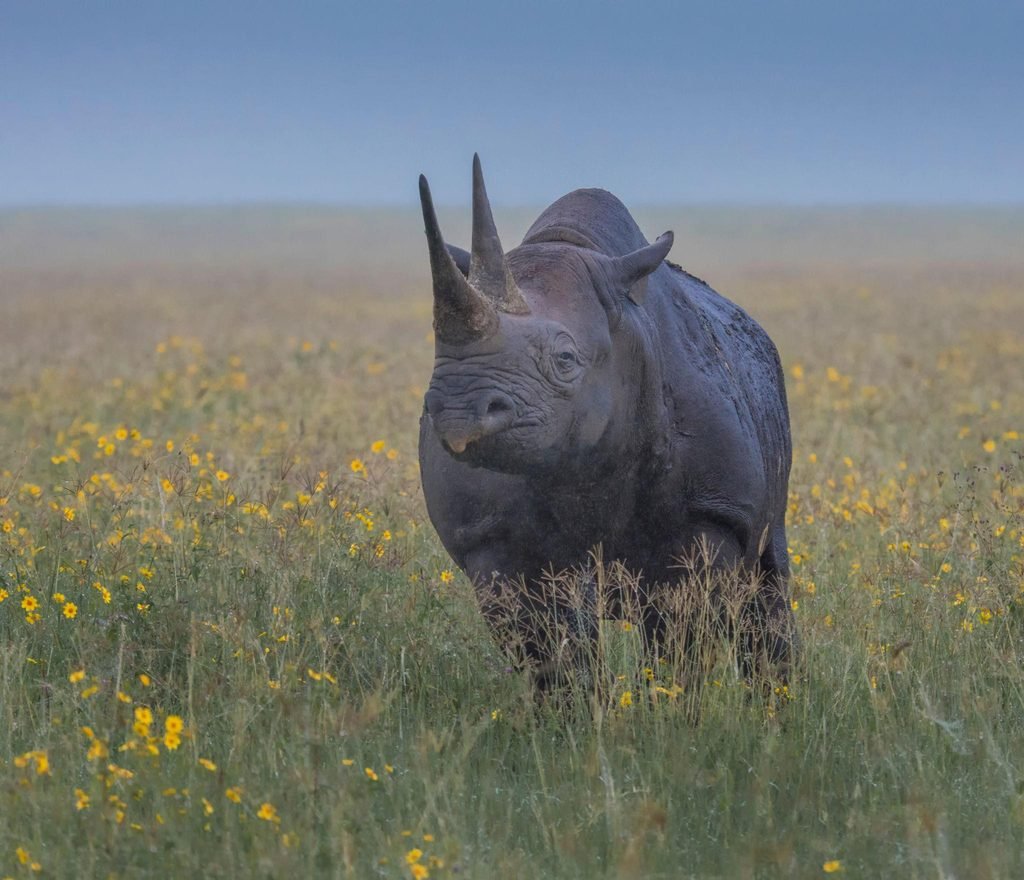
The black rhinoceros is one of the most difficult Big Five animals to observe in Tanzania. Its population has been severely affected by historical poaching and habitat pressures, making conservation efforts particularly important. Ngorongoro Crater is one of the places where visitors may have an opportunity to see black rhinoceroses, although sightings are never guaranteed.
Black rhinoceroses are generally solitary animals and may remain far from safari roads or in areas where they are difficult to observe. During a Ngorongoro game drive, your guide may search suitable habitats and use binoculars to look for distant animals. Seeing a black rhinoceros can be a special experience, but responsible safari tourism should always prioritise the animal’s welfare and the conservation rules protecting it.
Why Tanzania Is a Great Destination for a Big Five Safari
Tanzania is home to some of Africa’s largest protected wildlife landscapes, including extensive savannah ecosystems, volcanic highlands, woodland habitats, and seasonal wetlands. These environments support a wide range of mammals, birds, and other wildlife species, making the country attractive to travellers interested in nature and wildlife photography.
The northern safari circuit offers a particular advantage because several major wildlife destinations can be combined within one itinerary. Travellers can begin in Tarangire, continue towards the Serengeti, and finish with a game drive inside Ngorongoro Crater. Each destination provides different scenery and wildlife opportunities, reducing the need to travel to several countries to experience Africa’s famous animals.
Another advantage is the availability of professional local safari guides who understand animal behaviour, seasonal movements, and the different habitats within the parks. Their knowledge can help travellers identify wildlife and understand the ecological relationships between species. However, wildlife remains unpredictable, and even the most experienced guide cannot guarantee that every animal will be seen.
7-Day Tanzania Big Five Safari Overview
| Safari Information | Details |
|---|---|
| Safari duration | 7 days / 6 nights |
| Starting location | Arusha, Tanzania |
| Main destinations | Tarangire, Serengeti and Ngorongoro |
| Safari type | Private or joining-group safari |
| Main activity | Wildlife game drives |
| Accommodation | Budget, mid-range or luxury |
| Transport | 4×4 safari vehicle |
| Main wildlife | Lion, leopard, elephant, buffalo and black rhinoceros |
| Travel years | 2027, 2028 and 2029 |
| Ending location | Arusha |
This itinerary provides time to explore three important wildlife destinations while allowing several days in the Serengeti. Spending more than one night in the Serengeti is particularly useful because the park covers a large area and wildlife sightings vary between different habitats and seasons.
Day 1: Arrival in Tanzania – Welcome to Arusha
Your seven-day safari begins upon arrival at Kilimanjaro International Airport, where your driver will meet you and transfer you to your hotel in Arusha. Depending on your arrival time, you may have an opportunity to explore part of the town or relax after your international journey. Arusha is an important starting point for northern Tanzania safaris because it provides convenient access to Tarangire, Ngorongoro, and Serengeti.
During the evening, your safari guide will explain the upcoming itinerary, travel arrangements, and what to expect during the wildlife experience. You can discuss your interests, including any particular animals you hope to observe or photograph. After dinner, you will spend the night at your hotel in preparation for the following day’s journey.
Overnight: Hotel in Arusha
Day 2: Arusha to Tarangire National Park – Search for Elephants and Lions
After breakfast, your guide will collect you from your hotel and begin the drive towards Tarangire National Park. The journey generally takes around two to three hours, depending on road conditions and your departure location. Along the way, you will pass through towns, villages, and rural landscapes before arriving at the park entrance.
Tarangire is famous for its large elephant populations and impressive baobab trees, which create one of the most distinctive landscapes in northern Tanzania. During your game drive, you may encounter elephants feeding on vegetation, giraffes moving through woodland, zebras grazing in open areas, and buffaloes gathering near water sources. Lions and leopards also occur in the park, although their movements and behaviour make sightings less predictable.
The Tarangire River becomes particularly important during the dry season, when animals from surrounding areas may gather near available water. Your guide will explore suitable wildlife habitats while allowing time for photography and observation. After a picnic lunch and further game viewing, you will travel to your accommodation near Tarangire or in the Karatu area for dinner and an overnight stay.
Overnight: Lodge or tented camp near Tarangire or Karatu
Day 3: Tarangire or Karatu to Serengeti National Park – Into the Predator Country
After an early breakfast, you will begin the journey towards Serengeti National Park, travelling through the highlands of the Ngorongoro Conservation Area. The drive takes several hours, but the scenery changes considerably as you move from cultivated areas and highland landscapes towards the open plains of the Serengeti. Your guide will explain the surrounding environment and provide information about the wildlife habitats along the route.
Upon entering Serengeti National Park, you will begin your first game drive in one of Africa’s most famous wildlife destinations. The park supports large populations of herbivores, including wildebeest, zebras, gazelles, giraffes, and buffaloes, which provide food for predators such as lions, leopards, cheetahs, and hyenas. The central Serengeti, particularly the Seronera region, is known for its year-round wildlife, making it a popular area for safari visitors.
Depending on your arrival time, you may encounter lions resting beneath trees, elephants moving across the plains, or grazing animals gathering near water sources. Your guide will select suitable routes according to wildlife movements and park regulations. After enjoying the afternoon game drive, you will continue to your lodge or tented camp for dinner and an overnight stay.
Overnight: Lodge or tented camp in Serengeti National Park
Day 4: Full-Day Serengeti Safari – Lions, Leopards and Other Wildlife
Today is dedicated to exploring the Serengeti, providing more time to search for predators and other wildlife. You will leave your accommodation after breakfast or arrange an earlier departure with your guide, depending on the planned activities. The game drive may take you through open grasslands, riverine woodland, and rocky outcrops where different species are commonly found.
The Serengeti is particularly well known for its lion populations, and you may encounter prides resting, walking, or observing nearby prey animals. Leopards are more difficult to locate because of their secretive behaviour, but your guide may search suitable woodland habitats and trees where they sometimes rest during the day. Cheetahs may also be encountered in open areas, although they are not part of the traditional Big Five.
A full day in the park allows you to spend more time observing animal behaviour rather than simply travelling between destinations. You may witness elephants interacting, giraffes feeding, or herds of wildebeest moving across the plains. After enjoying a picnic lunch at a designated location, you will continue exploring before returning to your accommodation later in the afternoon.
Overnight: Lodge or tented camp in Serengeti National Park
Day 5: Another Serengeti Game Drive – Explore Different Wildlife Habitats
Spending another day in the Serengeti provides an opportunity to explore different areas of the park and improve your chances of observing wildlife that may have been difficult to locate during previous game drives. Animal movements change throughout the day, and the same area can provide completely different sightings depending on the weather, time, and availability of prey.
Your guide may focus on river systems, open grasslands, or woodland habitats according to the wildlife activity in the area. Buffaloes, elephants, lions, and leopards are among the Big Five species that occur within the Serengeti, although their distribution varies. The park is also home to numerous other animals, including hyenas, jackals, warthogs, hippos, and several antelope species.
If you are travelling during a period when the Great Wildebeest Migration passes through accessible areas of the park, you may encounter large herds moving across the plains. However, the migration follows seasonal rainfall and grazing conditions, so the animals cannot be expected in the same location throughout the year. After a full day of wildlife viewing, you will return to your accommodation for dinner and your final night in the Serengeti.
Overnight: Lodge or tented camp in Serengeti National Park
Day 6: Serengeti to Ngorongoro Conservation Area – Journey to the Highlands
After breakfast, you will enjoy a final game drive while travelling out of the Serengeti towards the Ngorongoro Conservation Area. The journey provides additional opportunities to observe wildlife along the route, although the main focus is travelling towards the crater area. As you leave the open Serengeti plains, the landscape gradually changes into rolling hills and cooler highland environments.
Depending on your accommodation arrangements, you may spend the night near the crater rim or in the Karatu area. Staying close to Ngorongoro provides convenient access for the following day’s early morning game drive, although accommodation availability and budget influence the final location.
The afternoon provides an opportunity to relax and prepare for the final wildlife experience. Your guide will explain the planned departure time, the regulations for visiting the crater, and the animals you may encounter. Ngorongoro is particularly important for travellers hoping to observe the black rhinoceros, although sightings remain unpredictable.
Overnight: Lodge or tented camp near Ngorongoro or Karatu
Day 7: Ngorongoro Crater Game Drive – Search for the Black Rhinoceros
Your final safari day begins early with a journey to Ngorongoro Crater, one of Tanzania’s most remarkable wildlife destinations. Formed following the collapse of a large volcano millions of years ago, the crater contains grasslands, woodland, wetlands, and water sources that support a remarkable variety of animals. Its surrounding walls create a distinctive landscape, making a game drive inside the crater different from exploring the open plains of the Serengeti.
After descending into the crater, your guide will explore suitable habitats in search of wildlife. Lions, elephants, buffaloes, zebras, wildebeest, and hippos occur within the crater, while the endangered black rhinoceros remains one of its most sought-after animals. Because rhinoceroses are relatively rare and may remain far from safari roads, sightings cannot be guaranteed, even with an experienced guide.
Your guide will allow time for wildlife observation and photography while following the conservation area’s regulations. After enjoying a picnic lunch at a designated location, you will ascend from the crater and begin the journey back to Arusha. Arrival is generally expected later in the afternoon or evening, depending on road conditions and the time spent inside the crater.
Safari ends: Arusha, Tanzania
Best Time to See the Big Five in Tanzania in 2027–2029
Tanzania offers wildlife viewing throughout the year, but the experience changes according to rainfall, vegetation, and animal movements. The dry season, generally from June to October in much of northern Tanzania, is popular because animals often gather near available water sources and vegetation may be less dense. Tarangire can be particularly rewarding during this period, while the Serengeti and Ngorongoro continue to support a wide variety of wildlife.
January and February are also attractive months, particularly for travellers interested in the southern Serengeti and Ndutu calving season. During this period, large wildebeest herds may gather on the short-grass plains, creating opportunities to observe newborn calves and predator activity. However, travellers specifically interested in this event should request an itinerary that includes the appropriate areas rather than assuming that a standard central Serengeti safari will reach the main herds.
The wetter months can bring greener landscapes, fewer visitors in some destinations, and rewarding birdwatching opportunities. Rainfall may affect road conditions and wildlife visibility, but it also creates beautiful scenery. For travel in 2027, 2028, or 2029, the best dates depend on your preferred wildlife experiences and the destinations included in your itinerary.
How Much Does a 7-Day Tanzania Big Five Safari Cost?
The cost of a seven-day Tanzania safari depends on the accommodation category, number of travellers, travel season, and whether the trip is private or shared with a joining group. Budget safaris generally use simpler accommodation, while mid-range packages offer comfortable lodges or tented camps. Luxury safaris may include premium accommodation, additional services, and more exclusive locations.
National park entry fees, Ngorongoro Crater charges, accommodation, meals, fuel, and safari vehicle expenses make up a significant part of the total cost. Travellers should compare packages carefully because a lower advertised price may reflect different accommodation standards, fewer park nights, or excluded services.
For travel in 2027, 2028, or 2029, it is best to request an updated quotation based on your preferred dates and group size. Future park fees, accommodation rates, and operating costs may change, so older published prices should not be treated as guaranteed.
Private Safari or Joining Group: Which Is Better?
A private safari provides greater flexibility because the vehicle and guide are dedicated to your group. You can discuss preferred departure times, wildlife interests, and photography opportunities with your guide while following park regulations. Private safaris are particularly suitable for families, couples, and travellers who want a personalised experience.
Joining-group safaris allow individual travellers to share transport and guiding costs with others following a similar itinerary. This can make them attractive to solo travellers and visitors working with a limited budget. However, group departures generally follow fixed schedules, and participants have less flexibility when deciding how long to remain at wildlife sightings.
For a seven-day Big Five safari, either option can provide a rewarding experience. The most suitable choice depends on your budget, preferred travel style, and the level of flexibility you want during the journey.
What Is Included in a Tanzania Big Five Safari Package?
A typical guided Tanzania safari package includes transport in a safari vehicle, professional driver-guide services, national park entry fees, accommodation, and meals during the safari. Many packages also include drinking water during game drives and the required Ngorongoro Crater vehicle charges. However, inclusions vary between operators, so travellers should always review the written quotation before making payment.
International flights, Tanzanian visas, travel insurance, optional activities, alcoholic beverages, and personal expenses are commonly excluded unless specifically stated. Airport transfers and accommodation before or after the safari may also be charged separately.
When comparing packages, pay attention to the number of nights spent inside the parks, accommodation locations, and the actual time available for game drives. These details can make a significant difference to your overall safari experience.
What Should You Pack for a 7-Day Tanzania Safari?
Packing for a seven-day safari is relatively straightforward, but it is important to prepare for changing temperatures and long periods inside a vehicle. Lightweight, comfortable clothing is suitable for most daytime activities, while a warm jacket or fleece is useful for early morning game drives and cooler highland areas such as Ngorongoro. Neutral-coloured clothing is practical, although special safari clothing is not required for ordinary vehicle-based game drives.
A camera with a suitable zoom lens can help capture wildlife photographs without disturbing animals, while binoculars are useful for observing distant species. Sunscreen, sunglasses, a hat, personal medication, and a reusable water bottle are also recommended.
Because the itinerary involves several hours of driving between destinations, it is sensible to travel with a small daypack containing items you may need during the day. Your safari operator can provide additional guidance based on the season and accommodation arrangements.
Frequently Asked Questions About Tanzania Big Five Safaris
Can You See All the Big Five in One Week?
It is possible to encounter all five animals during a seven-day Tanzania safari, but sightings are never guaranteed. Lions, elephants, and buffaloes may be easier to observe in suitable habitats, while leopards and black rhinoceroses are generally more difficult to locate.
Which National Park Is Best for Seeing the Big Five?
Serengeti National Park and Ngorongoro Crater are among the most important destinations for Big Five wildlife viewing in northern Tanzania. Tarangire is also an excellent destination for elephants and other large mammals. Combining these areas provides opportunities to observe different species across several habitats.
Is Ngorongoro Crater the Best Place to See Black Rhinoceroses?
Ngorongoro Crater is one of the places in Tanzania where visitors may have an opportunity to observe the endangered black rhinoceros. However, sightings are not guaranteed because the animals are relatively rare and may remain far from safari roads.
Is Seven Days Enough for a Tanzania Safari?
Seven days provides enough time to explore several northern Tanzania wildlife destinations, including Tarangire, Serengeti, and Ngorongoro. It also allows more time for game drives than shorter itineraries, although travellers interested in migration viewing or extensive wildlife photography may prefer a longer safari.
What Is the Best Month for a Big Five Safari?
June to October is popular because of generally dry conditions and rewarding wildlife viewing. However, Tanzania offers safari experiences throughout the year, and the best month depends on your preferred destinations and wildlife interests.
Can You Combine a Big Five Safari with Zanzibar?
Yes. Many travellers combine a Tanzania wildlife safari with a Zanzibar beach holiday. After completing the safari, you can travel to Zanzibar for several days of relaxation, cultural sightseeing, and Indian Ocean activities.
Book Your 7-Day Tanzania Big Five Safari for 2027, 2028 or 2029
A seven-day Tanzania Big Five safari provides an opportunity to explore some of Africa’s most remarkable wildlife destinations while searching for lions, leopards, elephants, buffaloes, and black rhinoceroses. From the elephant herds of Tarangire to the predator-rich plains of the Serengeti and the distinctive wildlife habitats of Ngorongoro Crater, each destination contributes something different to the overall experience.
Although seeing all five animals cannot be guaranteed, spending a full week on safari provides more time to explore different habitats and observe wildlife naturally. A carefully planned itinerary, comfortable accommodation, and experienced local guides can help make the journey enjoyable for first-time visitors and returning safari travellers alike.
Eddy Tours & Safaris is a local tour company in Arusha, Tanzania, arranging professionally guided wildlife safaris, Kilimanjaro climbing trips, and private holidays. Our team can help you plan a seven-day Big Five safari for 2027, 2028, or 2029 according to your preferred destinations, group size, accommodation category, and budget.
Contact Eddy Tours & Safaris
Location: Arusha, Tanzania
Email: sales@eddytours-safaris.com
Phone/WhatsApp: +255 711 906 664
Website: Eddy Tours & Safaris
Booking enquiries: Contact our safari team