
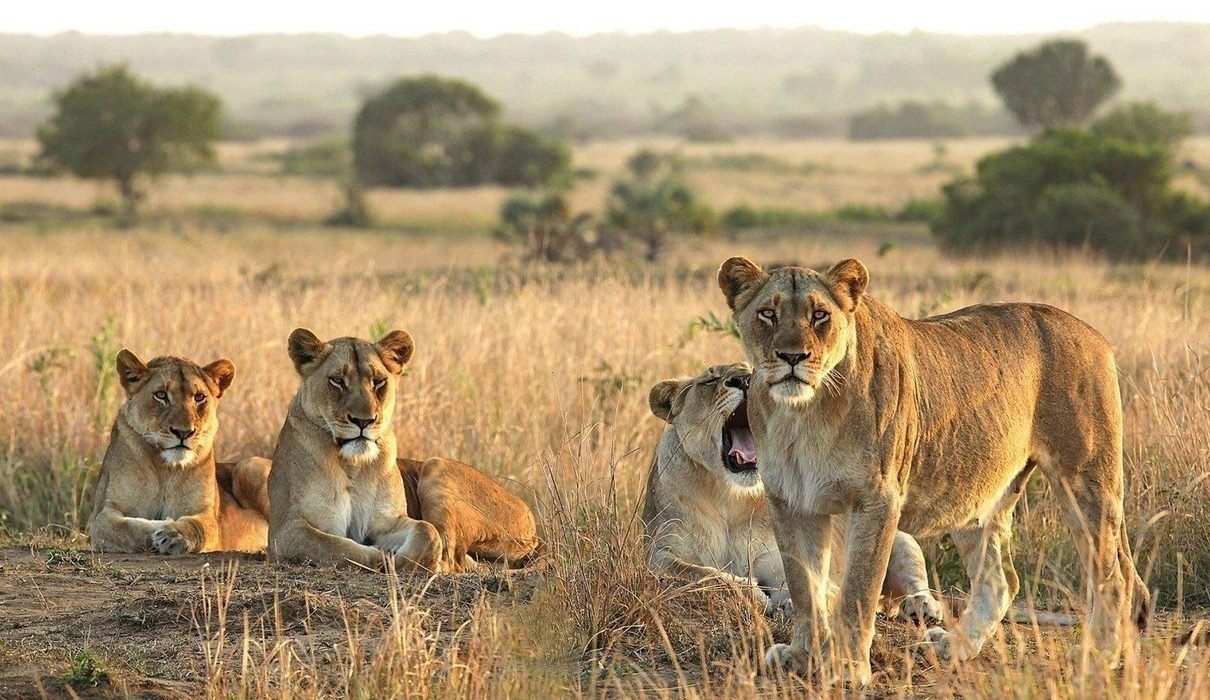
Imagine spending your morning watching elephants crossing the African savannah and a few days later relaxing on a white sandy beach overlooking the Indian Ocean. This is what makes a Tanzania safari and Zanzibar holiday one of the most rewarding travel combinations in Africa. You can experience the excitement of wildlife viewing in Tanzania’s famous national parks before travelling to Zanzibar, where warm tropical waters, beautiful beaches, and Swahili culture provide a completely different holiday experience.
For travellers planning their African holiday in 2027, 2028, or 2029, combining a wildlife safari with Zanzibar offers the opportunity to enjoy two sides of Tanzania in one journey. The northern safari circuit includes famous destinations such as Serengeti National Park, Ngorongoro Crater, Tarangire National Park, and Lake Manyara, while Zanzibar offers beautiful coastal destinations including Nungwi, Kendwa, Paje, Jambiani, and Stone Town.
The beauty of a bush-to-beach holiday is the balance between adventure and relaxation. During the safari, your days are spent exploring wildlife habitats, observing animals, and travelling through some of Africa’s most impressive landscapes. Once you arrive in Zanzibar, the pace changes completely. You can enjoy the beach, explore historic streets, visit spice farms, or take a boat trip across the turquoise waters of the Indian Ocean.
Whether you are planning a honeymoon, family holiday, romantic getaway, or private African adventure, a combined Tanzania safari and Zanzibar package can be arranged according to your travel dates, accommodation preferences, and budget.
Why Combine a Tanzania Safari with Zanzibar?
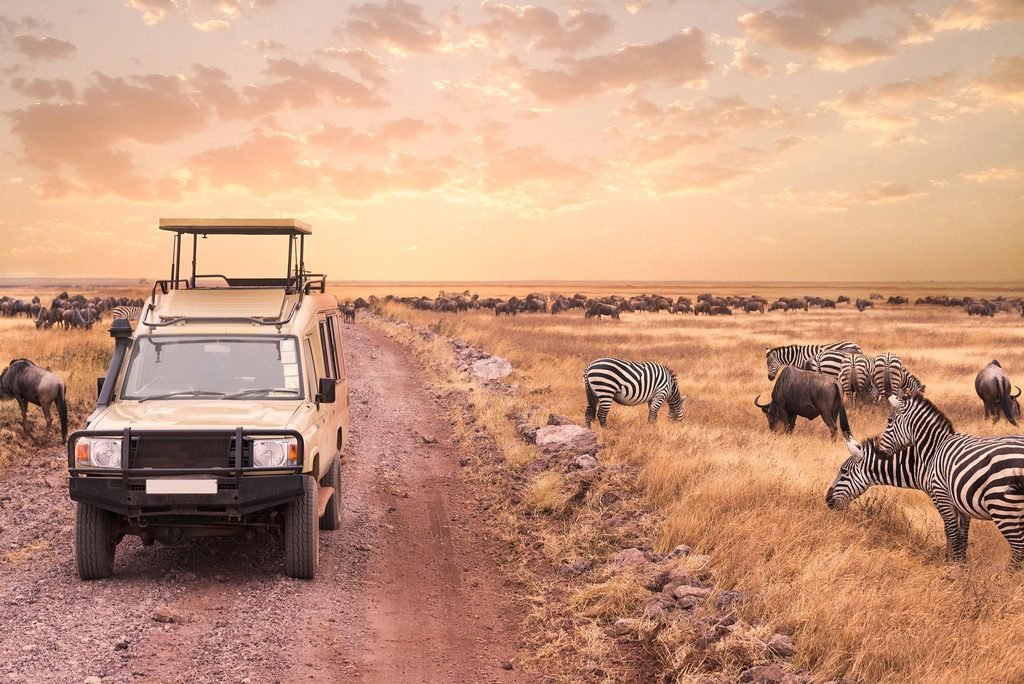
A Tanzania safari and Zanzibar holiday allows you to experience two completely different environments without travelling between countries. The safari introduces you to Africa’s wildlife, including lions, elephants, giraffes, zebras, wildebeest, and numerous bird species. Zanzibar, on the other hand, offers tropical beaches, coastal villages, historic architecture, and opportunities to explore the Indian Ocean.
Another advantage is the convenience of travelling between mainland Tanzania and Zanzibar. Domestic flights connect Zanzibar with several mainland airports, including Arusha, Kilimanjaro, and safari airstrips on selected routes. Depending on your itinerary and flight availability, you may be able to travel from the Serengeti directly to Zanzibar or return to Arusha before flying to the island. This makes it possible to organise a safari and beach holiday without spending several additional days travelling by road.
The combination is particularly attractive to couples and honeymooners who want a mixture of exciting activities and quiet time together. Families also enjoy this type of holiday because children can experience wildlife during the safari before spending several days swimming and relaxing by the beach. For travellers visiting Tanzania for the first time, a bush-to-beach itinerary provides a broad introduction to the country’s natural beauty and cultural diversity.
Discover Tanzania’s Best Safari Destinations
Tanzania is home to several world-famous wildlife destinations, each offering different landscapes and animal experiences. Choosing the right national parks is an important part of planning your safari because the location, season, and number of available days influence what you can realistically experience. Most visitors combining a safari with Zanzibar choose the northern Tanzania circuit because it provides access to several major parks from Arusha.
Serengeti National Park: Wildlife Across the Endless Plains
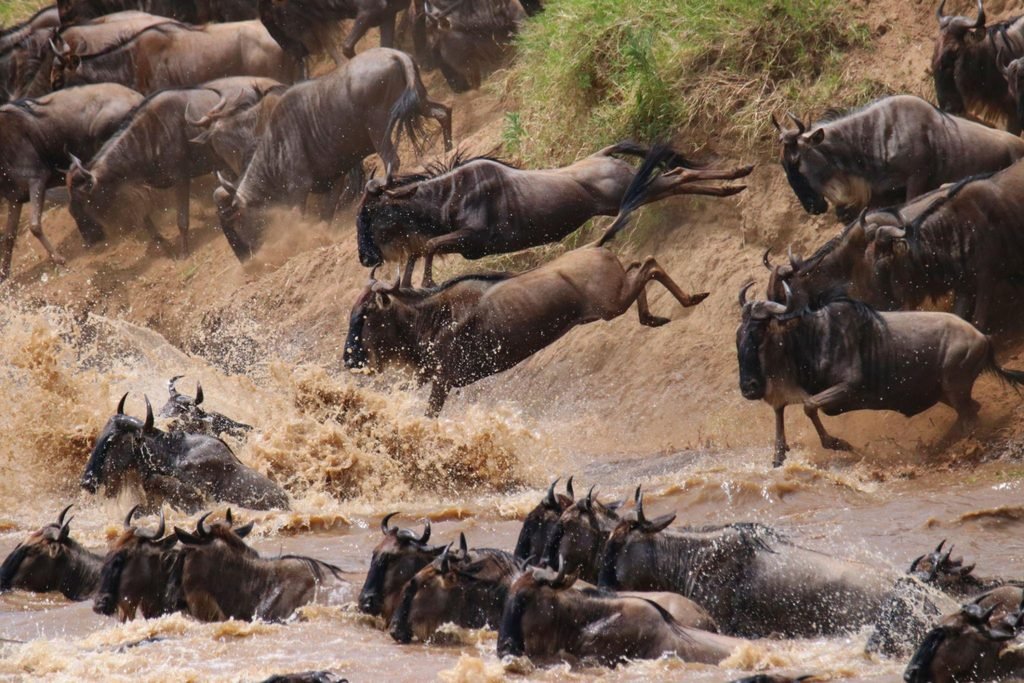
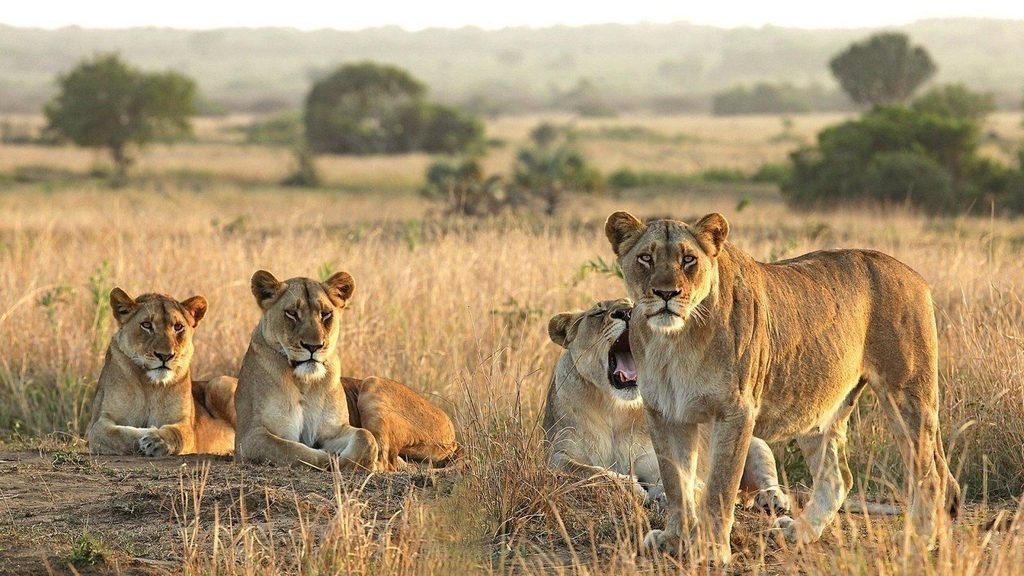
Serengeti National Park is one of Africa’s most famous wildlife destinations, known for its extensive grasslands, large predator populations, and the annual Great Wildebeest Migration. The park supports lions, leopards, cheetahs, elephants, giraffes, buffaloes, hyenas, and numerous antelope species. Its open landscapes provide excellent opportunities for wildlife photography, while the different habitats support animals throughout the year.
One of the main attractions of the Serengeti is the opportunity to observe wildlife behaving naturally. You may encounter lions resting beneath acacia trees, elephants moving across the plains, or cheetahs watching gazelles from a distance. The Great Wildebeest Migration adds another dimension to the experience, although the location of the herds changes according to rainfall and grazing conditions. Travellers interested in migration viewing should select their travel dates and safari locations carefully because the animals do not remain in one part of the Serengeti throughout the year.
For a combined safari and Zanzibar holiday, spending two or three nights in the Serengeti is often a good starting point. This allows more time for game drives and wildlife observation before continuing to the next destination. Travellers with additional days available may choose to stay longer, particularly if they are interested in photography or seasonal migration movements.
Ngorongoro Crater: A Remarkable Wildlife Experience
Ngorongoro Crater is another important destination on Tanzania’s northern safari circuit. Formed following the collapse of a large volcano millions of years ago, the crater contains grasslands, woodland, wetlands, and water sources that support a remarkable concentration of wildlife. Its surrounding walls create a distinctive landscape, making a game drive inside the crater very different from exploring the open plains of the Serengeti.
During a Ngorongoro Crater game drive, visitors may encounter lions, elephants, buffaloes, zebras, wildebeest, hippos, and several antelope species. The crater is also one of the places in Tanzania where travellers may have an opportunity to observe the endangered black rhinoceros, although sightings are never guaranteed. Its relatively compact size allows visitors to explore different wildlife habitats within a single day, making it particularly suitable for itineraries that combine several destinations.
Ngorongoro is commonly visited before or after the Serengeti because the two destinations are connected through the northern safari circuit. Travellers can stay near the crater rim or in the Karatu area, depending on their preferred accommodation category and budget. The highland climate can be cool, especially during the early morning, so warm clothing is useful even when travelling during Tanzania’s warmer months.
Tarangire National Park: Elephants and Ancient Baobab Trees
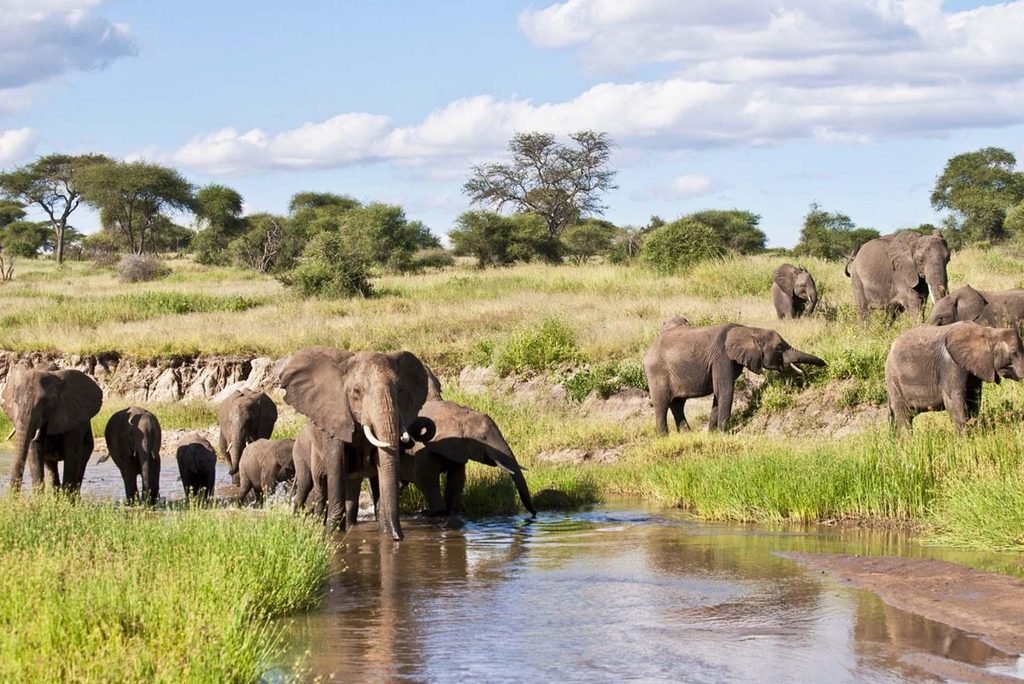
Tarangire National Park is particularly famous for its elephants, impressive baobab trees, and seasonal wildlife concentrations. The park contains a mixture of woodland, grassland, wetlands, and riverine habitats that support giraffes, zebras, buffaloes, antelopes, lions, and numerous bird species. Its distinctive landscape makes it a rewarding destination for travellers who want to experience a different environment from the Serengeti.
During the dry season, generally between June and October, the Tarangire River becomes an important water source for wildlife. Animals from surrounding areas may gather near the river, creating opportunities to observe elephants and other species. During wetter months, the park becomes greener, and wildlife distribution changes as water becomes available across a wider area.
Tarangire is conveniently located within driving distance of Arusha, making it a practical first stop on a northern Tanzania safari. Many bush-to-beach itineraries include one night near Tarangire before continuing towards Ngorongoro and the Serengeti.
Lake Manyara National Park: Forests, Birds and Beautiful Scenery
Lake Manyara National Park is a smaller national park known for its groundwater forest, lake environment, birdlife, and scenic landscapes. The park supports elephants, buffaloes, giraffes, monkeys, and numerous bird species. Its combination of forest, open areas, and wetlands provides a different wildlife experience from the more extensive plains of the Serengeti.
Lake Manyara can be included in shorter safari itineraries or added as an extra destination for travellers with more time. However, it is not necessary to visit every national park during one holiday. Choosing two or three suitable destinations often provides a better experience than rushing through several parks without enough time for wildlife viewing.
Zanzibar: The Perfect Beach Escape After Your Safari
After several days of early morning game drives and travelling through Tanzania’s national parks, Zanzibar provides an opportunity to relax and enjoy a different environment. The island is famous for its white sandy beaches, warm tropical climate, historic towns, and rich cultural heritage. Its coastline offers a variety of accommodation options, from small beachfront guesthouses to comfortable resorts and luxury private villas.
Zanzibar is not only a beach destination. Its history reflects centuries of trade and cultural exchange involving East Africa, Arabia, Persia, India, and other regions. This influence can be seen in Stone Town’s architecture, local cuisine, traditional markets, and cultural practices. Travellers who spend several days on the island can combine beach relaxation with sightseeing, boat excursions, and opportunities to learn about Zanzibar’s history.
The best area to stay depends on the type of holiday you want. Some beaches are known for swimming and lively resort areas, while others are quieter and more suitable for travellers who prefer peaceful surroundings. Tides also vary around the island, particularly along the eastern coast, so beach conditions should be considered when choosing accommodation.
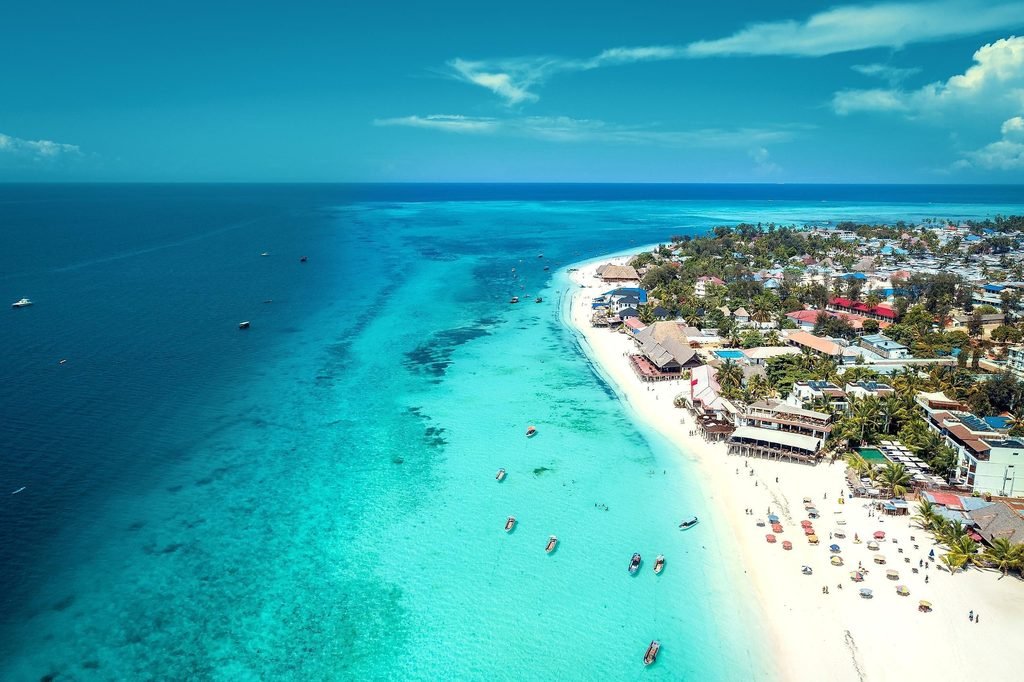
Nungwi Beach: Swimming, Sunsets and Beach Resorts
Nungwi is located on the northern coast of Zanzibar and is one of the island’s most popular beach destinations. The area is known for its attractive coastline, beachfront accommodation, restaurants, and opportunities for swimming and boat excursions. Compared with some beaches on the eastern coast, Nungwi often provides more convenient swimming conditions across different tidal stages, although sea conditions still vary.
Nungwi is particularly suitable for couples, families, and travellers who enjoy having restaurants and activities within easy reach. Visitors can spend their days relaxing by the beach, taking boat trips, or watching the sunset over the Indian Ocean. The area offers accommodation across several price categories, making it suitable for both mid-range and luxury Zanzibar holidays.
Kendwa Beach: A Relaxing Tropical Getaway
Kendwa is another beautiful destination on Zanzibar’s northwestern coast, known for its wide sandy beach and attractive sunset views. The area is popular with travellers who want a relaxed beach holiday with opportunities for swimming, sunbathing, and enjoying the coastal scenery. Its location makes it a convenient choice for visitors who prefer spending most of their time near the ocean.
Kendwa offers a mixture of resorts and smaller accommodation properties, allowing travellers to choose according to their budget and preferred level of comfort. For honeymooners, the beach can provide a peaceful setting after an active safari, while families may appreciate the opportunity to relax without following a busy daily schedule.
Paje Beach: Water Sports and Coastal Culture
Paje is located on Zanzibar’s southeastern coast and is particularly popular for kitesurfing and other water-based activities. The beach is known for its long stretch of white sand, shallow coastal waters, and relaxed atmosphere. During suitable wind conditions, colourful kites can often be seen above the ocean as visitors enjoy the area’s well-known kitesurfing environment.
Paje is suitable for travellers who want a more active beach holiday after their safari. In addition to water sports, visitors can explore local restaurants, relax at beachfront accommodation, and experience the surrounding coastal environment. However, the eastern coast experiences significant tidal changes, which can affect swimming conditions at different times of day.
Jambiani Beach: A Quieter Side of Zanzibar
Jambiani is a coastal village on Zanzibar’s southeastern shore, offering a quieter atmosphere than some of the island’s busier resort areas. Its long beach, traditional village environment, and small accommodation properties make it attractive to travellers who prefer a relaxed holiday. Visitors can enjoy walks along the beach, local dining experiences, and opportunities to learn about coastal life.
Jambiani is particularly suitable for couples and travellers interested in a peaceful beach stay. Like Paje, it experiences noticeable tidal changes, so swimming conditions vary throughout the day. The changing tides also reveal a different coastal landscape, with shallow water and exposed sand at low tide.
Explore Stone Town and Zanzibar’s Cultural Attractions
Stone Town is the historic centre of Zanzibar City and one of the island’s most important cultural attractions. Its narrow streets, carved wooden doors, historic buildings, and busy markets reflect the island’s long history as a trading centre. Stone Town is recognised as a UNESCO World Heritage Site, making it an interesting destination for travellers who want to understand Zanzibar beyond its beaches.
A guided walking tour can introduce visitors to important historic landmarks, traditional markets, and the architectural features that make Stone Town distinctive. Travellers can also explore local restaurants and sample dishes influenced by Zanzibar’s cultural heritage. Depending on their interests, visitors may include a spice farm tour, a visit to Prison Island, or a boat excursion during their stay.
Spice tours are particularly popular because Zanzibar has a long history of cultivating cloves and other spices. During a guided visit, travellers can learn about different plants, their traditional uses, and the role of spice production in the island’s history. Combining cultural activities with beach relaxation creates a more complete Zanzibar experience.
Suggested 10-Day Tanzania Safari and Zanzibar Holiday Itinerary
A ten-day itinerary provides a practical balance between wildlife viewing and beach relaxation. The following example includes Tarangire, Serengeti, Ngorongoro Crater, and Zanzibar, allowing travellers to experience several of Tanzania’s major attractions without attempting to visit too many destinations in a short period.
Day 1: Arrival in Tanzania – Transfer to Arusha
Your holiday begins upon arrival at Kilimanjaro International Airport, where your driver will meet you and transfer you to your hotel in Arusha. Depending on your arrival time, you may have an opportunity to explore part of the town or simply relax after your international journey. Arusha is the main starting point for northern Tanzania safaris, with convenient road connections to Tarangire, Ngorongoro, and Serengeti. Your safari guide will explain the upcoming itinerary, travel arrangements, and what to expect during your wildlife adventure.
Day 2: Arusha to Tarangire National Park
After breakfast, you will depart Arusha and travel towards Tarangire National Park. The drive generally takes around two to three hours, depending on traffic and road conditions. After entering the park, you will begin a game drive through woodland and open areas, searching for elephants, giraffes, zebras, antelopes, and other wildlife. Tarangire’s baobab trees provide an impressive background for photography, while the river and surrounding habitats support numerous animal species. After a picnic lunch and further game viewing, you will travel to your accommodation near Tarangire or Karatu for dinner and an overnight stay.
Day 3: Tarangire or Karatu to Serengeti National Park
Your journey continues towards Serengeti National Park, passing through the highlands of the Ngorongoro Conservation Area. The drive takes several hours, but the changing scenery makes it an interesting part of the safari. As you approach the Serengeti, the landscape opens into extensive grasslands where zebras, wildebeest, giraffes, and other animals may be encountered. After entering the park, you will enjoy a game drive while travelling towards your lodge or tented camp. Depending on the time available, your guide may explore suitable wildlife areas before arriving at your accommodation for dinner.
Day 4: Full-Day Serengeti Game Drive
Today is dedicated to exploring the Serengeti’s wildlife habitats. You will leave your accommodation after breakfast or arrange an earlier departure with your guide, depending on the planned activities. The day may include game drives through open plains, riverine woodland, and rocky areas where different wildlife species are found. Lions, cheetahs, leopards, elephants, and other animals occur within the park, although sightings depend on their movements and the conditions of the day. After a picnic lunch at a designated area, you will continue exploring before returning to your accommodation for the evening.
Day 5: Serengeti to Ngorongoro Conservation Area
After breakfast, you will enjoy a final game drive while travelling out of the Serengeti towards Ngorongoro. The journey takes you through changing landscapes, from open grasslands to the cooler highlands surrounding the crater. Depending on your accommodation arrangements, you may stay near the crater rim or in the Karatu area. The afternoon provides an opportunity to relax after the journey and prepare for the following day’s game drive. Your guide will explain the planned departure time and the arrangements for visiting the crater.
Day 6: Ngorongoro Crater Game Drive and Return to Arusha
Your day begins early with a descent into Ngorongoro Crater, where you will explore grasslands, woodland, and wetlands in search of wildlife. The crater supports lions, elephants, buffaloes, zebras, wildebeest, hippos, and numerous bird species. You may also have an opportunity to observe the endangered black rhinoceros, although sightings are never guaranteed. After enjoying a picnic lunch at a designated location, you will ascend from the crater and begin the drive back to Arusha. Arrival is generally later in the afternoon or evening, depending on road conditions and the time spent inside the crater.
Day 7: Fly from Arusha or Kilimanjaro to Zanzibar
After breakfast, you will transfer to the airport for your domestic flight to Zanzibar. Upon arrival, your driver will meet you and transfer you to your selected beach accommodation. The rest of the day is available for relaxation, allowing you to enjoy the ocean, swimming pool, or beachfront surroundings. Depending on your accommodation location and arrival time, you may have an opportunity to walk along the beach or enjoy dinner overlooking the Indian Ocean.
Day 8: Zanzibar Beach Relaxation
Today is dedicated to enjoying Zanzibar at your own pace. You may spend the day relaxing on the beach, swimming when conditions are suitable, or enjoying the facilities at your resort. Travellers interested in water activities can arrange snorkelling, diving, or boat excursions through suitable local operators. The activities available depend on your location, weather conditions, and personal interests. After several days of safari travel, this is an opportunity to enjoy a quieter day without a fixed schedule.
Day 9: Stone Town and Zanzibar Cultural Experience
After breakfast, you can explore Zanzibar’s cultural attractions through an optional guided excursion. A Stone Town walking tour provides an introduction to the island’s history, architecture, and traditional markets, while a spice farm visit offers an opportunity to learn about Zanzibar’s agricultural heritage. Depending on your interests and accommodation location, the day can be arranged as a full-day excursion or divided between sightseeing and beach relaxation. You will return to your accommodation later in the day for your final evening on the island.
Day 10: Departure from Zanzibar
Your final day will depend on your international flight schedule. After breakfast, you may have time to relax before your driver transfers you to Zanzibar International Airport for your departure. Travellers with additional days available can extend their beach stay or include more activities, such as diving, sailing, or exploring other parts of the island. This marks the end of your Tanzania safari and Zanzibar bush-to-beach holiday.
How Many Days Do You Need for a Tanzania Safari and Zanzibar Holiday?
The ideal duration depends on how much time you want to spend on safari and how many days you would like to relax by the ocean. A seven-day holiday can combine a short safari with a few nights in Zanzibar, although the schedule may feel busy if you include several national parks. Travellers with eight to ten days available can enjoy a more balanced experience, allowing enough time for wildlife viewing and beach relaxation without excessive rushing.
A twelve- to fourteen-day itinerary provides additional flexibility, particularly for travellers interested in the Great Wildebeest Migration, luxury accommodation, or extended Zanzibar activities. You may spend several nights in the Serengeti, explore Ngorongoro and Tarangire, and then enjoy five or six nights on the island. Longer itineraries are especially suitable for honeymooners and families who prefer a slower pace.
When planning your holiday, consider the time required for domestic flights, airport transfers, and international connections. A well-organised itinerary should provide enough time between activities rather than filling every day with long journeys.
Best Time for a Tanzania Safari and Zanzibar Holiday in 2027–2029
The period from June to October is popular for combining a Tanzania safari with Zanzibar because much of northern Tanzania experiences relatively dry conditions during these months. Wildlife viewing can be rewarding as animals gather around available water sources, while Zanzibar often enjoys pleasant beach weather. However, this is also a popular travel period, so accommodation availability and prices may be affected by demand.
January and February are another attractive option, particularly for travellers interested in the southern Serengeti and Ndutu calving season. During this period, large wildebeest herds may gather on the short-grass plains, creating opportunities to observe newborn calves and predator activity. Zanzibar is generally warm during these months, making it suitable for beach holidays, although occasional rainfall is still possible.
The longer rainy season generally affects parts of Tanzania between March and May, while shorter rains often occur around November and December. Weather patterns vary from year to year, so travellers planning for 2027, 2028, or 2029 should consider seasonal trends rather than assuming that conditions will be identical every year. Visiting during quieter months can provide advantages, including greener landscapes and fewer tourists in some areas, but rain may affect travel arrangements and outdoor activities.
How Much Does a Tanzania Safari and Zanzibar Package Cost?
The cost of a combined safari and Zanzibar holiday depends on the number of travel days, accommodation category, group size, transport arrangements, and season. A budget-friendly itinerary may include shared safari transport and simple accommodation, while a mid-range package generally offers comfortable lodges, tented camps, and beach hotels. Luxury holidays may feature premium safari camps, private transfers, exclusive villas, and additional services.
The safari portion often represents a significant part of the total cost because national park fees, accommodation, safari vehicles, fuel, and professional guiding services are included. Zanzibar costs vary according to the location and standard of accommodation, meal arrangements, and optional activities. Domestic flights between mainland Tanzania and Zanzibar also influence the final package price.
For travel in 2027, 2028, or 2029, it is best to request an updated quotation based on your preferred dates and group size. Accommodation rates, domestic flight prices, and park fees may change, so older published prices should not be treated as guaranteed. A reliable quotation should clearly explain the services included, the accommodation selected, and any additional costs.
Private Safari or Group Safari: Which Is Better?
A private safari provides flexibility because the vehicle and guide are dedicated to your group. You can discuss preferred departure times, wildlife interests, and photography opportunities with your guide while following national park regulations. Private arrangements are particularly suitable for couples, families, and honeymooners who want a more personalised experience. They also make it easier to coordinate the safari with a specific Zanzibar flight or accommodation booking.
Joining-group safaris allow travellers to share transport and guiding costs with other participants following a similar itinerary. This can make them attractive to solo travellers and visitors working with a limited budget. However, group departures generally follow fixed schedules, and participants have less flexibility when choosing accommodation or adjusting game-drive times.
For a combined safari and Zanzibar holiday, either option can work well. The most suitable choice depends on your budget, preferred travel style, and the level of flexibility you want during the safari.
What Is Included in a Tanzania Safari and Zanzibar Package?
A typical combined package may include safari transport, professional driver-guide services, national park fees, safari accommodation, meals during the safari, domestic flights to Zanzibar, airport transfers, and beach accommodation. However, the exact inclusions depend on the itinerary and operator. Some Zanzibar hotels provide breakfast only, while others offer half-board, full-board, or all-inclusive arrangements.
International flights, Tanzanian visas, travel insurance, optional excursions, alcoholic beverages, personal expenses, and tips may be excluded unless specifically listed in the quotation. Travellers should also check whether any applicable local accommodation taxes or mandatory insurance requirements are included in the package price.
Before confirming your booking, request a written itinerary showing the accommodation names, meal arrangements, transport services, flight details, and payment conditions. This helps avoid misunderstandings and makes it easier to compare different holiday packages.
What Should You Pack for a Bush-to-Beach Holiday?
Packing for a Tanzania safari and Zanzibar holiday requires clothing suitable for both wildlife viewing and tropical beach activities. During the safari, comfortable lightweight clothing is useful for daytime game drives, while a warm jacket or fleece is recommended for early mornings and cooler highland areas such as Ngorongoro. Neutral-coloured clothing is practical, although special safari clothing is not required for ordinary vehicle-based game drives.
For Zanzibar, pack lightweight beachwear, swimwear, sandals, sunscreen, sunglasses, and a hat. Travellers planning to explore Stone Town or local villages should also bring modest clothing suitable for visiting public areas and cultural sites. A camera, binoculars, personal medication, and a small daypack are useful throughout the holiday.
Because the safari and beach portions involve different activities, it is sensible to pack your luggage in an organised way. Travellers using small domestic aircraft should also check baggage weight and size restrictions before departure, as these can be more restrictive than those on international flights.
Frequently Asked Questions About Tanzania Safari and Zanzibar Holidays
Can You Combine a Tanzania Safari with Zanzibar in One Trip?
Yes. Tanzania’s northern safari circuit and Zanzibar can be combined within one holiday using domestic flights and organised transfers. Many travellers spend several days visiting Serengeti, Ngorongoro, or Tarangire before flying to Zanzibar for beach relaxation.
How Many Days Are Enough for a Safari and Zanzibar?
Eight to ten days can provide a balanced combination of wildlife viewing and beach relaxation. Travellers with more time may prefer twelve to fourteen days, allowing additional game drives and a longer stay in Zanzibar.
Is It Better to Visit Zanzibar Before or After a Safari?
Both arrangements are possible, but many travellers prefer visiting Zanzibar after their safari because it provides an opportunity to relax following several days of game drives and travelling. The best order depends on your international flight schedule and preferred activities.
Can You Fly Directly from Serengeti to Zanzibar?
Flights between selected Serengeti airstrips and Zanzibar may be available depending on the airline, season, and schedule. Travellers should confirm current flight availability before finalising their itinerary.
What Is the Best Month for a Tanzania Safari and Zanzibar Holiday?
June to October is popular because of generally favourable safari and beach conditions. January and February are also attractive, particularly for travellers interested in seasonal wildlife activity in the southern Serengeti. However, Tanzania offers rewarding travel experiences throughout the year.
Is Zanzibar Suitable for Honeymooners?
Yes. Zanzibar is a popular honeymoon destination because of its beaches, ocean views, romantic accommodation, and opportunities for private excursions. Combining Zanzibar with a Tanzania safari creates a holiday that includes both adventure and relaxation.
Do You Need Separate Visas for Tanzania and Zanzibar?
No. Zanzibar is part of the United Republic of Tanzania, so eligible international visitors generally use the same Tanzanian immigration permission for travel between mainland Tanzania and Zanzibar. Entry requirements depend on nationality, and travellers should check the latest official immigration guidance before departure.
Can Families Enjoy a Tanzania Safari and Zanzibar Holiday?
Yes. Families can combine wildlife viewing with beach relaxation, although the itinerary should consider children’s ages, driving distances, and accommodation requirements. Private safaris can provide greater flexibility for families travelling with younger children.
Book Your Tanzania Safari and Zanzibar Escape for 2027, 2028 or 2029
A Tanzania safari and Zanzibar holiday offers a wonderful combination of wildlife adventure and tropical relaxation. From watching elephants in Tarangire and exploring the open plains of the Serengeti to discovering the wildlife of Ngorongoro Crater, the safari introduces you to some of Africa’s most remarkable natural environments. Zanzibar then provides a completely different experience, with beautiful beaches, warm ocean waters, historic towns, and opportunities to enjoy the island’s rich cultural heritage.
Whether you are planning a romantic honeymoon, a family holiday, or a private African adventure, the most rewarding experience begins with an itinerary that matches your interests and available time. Spending enough days in the national parks improves your opportunities for wildlife observation, while allowing several nights in Zanzibar gives you time to relax and explore the island without rushing.
Eddy Tours & Safaris is a local tour company in Arusha, Tanzania, arranging professionally guided Tanzania wildlife safaris, Kilimanjaro climbing trips, and personalised holidays. Our team can help you plan a safari and Zanzibar package for 2027, 2028, or 2029 according to your preferred destinations, accommodation category, group size, and budget.
Contact Eddy Tours & Safaris
Location: Arusha, Tanzania
Email: sales@eddytours-safaris.com
Phone/WhatsApp: +255 711 906 664
Website: Eddy Tours & Safaris
Booking enquiries: Plan your Tanzania safari and Zanzibar holiday