
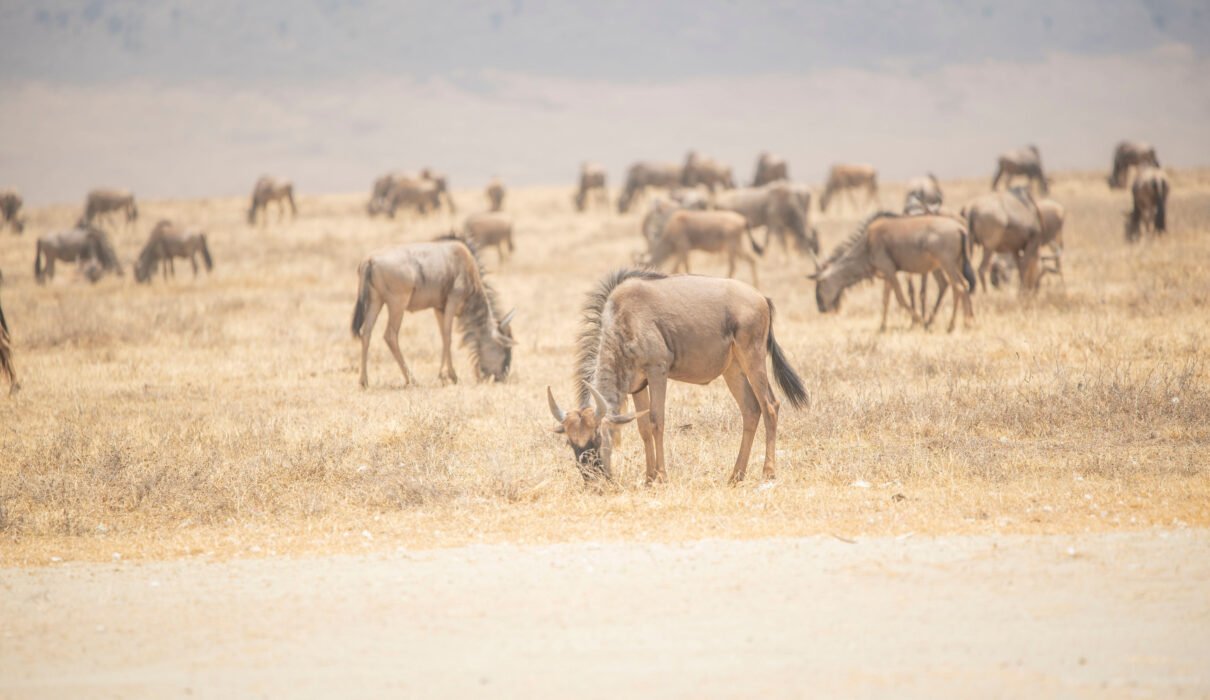
Serengeti Seasonal Movement Report 2026/2027/2028 offers a rare and deeply informed look into one of nature’s most extraordinary spectacles—the Great Migration across Tanzania’s vast plains. This report combines expert observations, climate data, and years of on-the-ground safari experience to help travelers, researchers, and wildlife enthusiasts understand what to expect over the next three years.
The Serengeti ecosystem remains one of the most dynamic wildlife environments on Earth. Each year, over 1.5 million wildebeest, accompanied by zebras and gazelles, move in search of fresh grazing. However, subtle changes in rainfall, vegetation cycles, and predator behavior are shaping new movement patterns that are essential to understand before planning your safari.
If you are considering an unforgettable safari experience, this guide will also help you make informed decisions. For tailored safari planning, explore expert Serengeti safari tours that align with migration timing.
Understanding the Serengeti Ecosystem and Migration Drivers
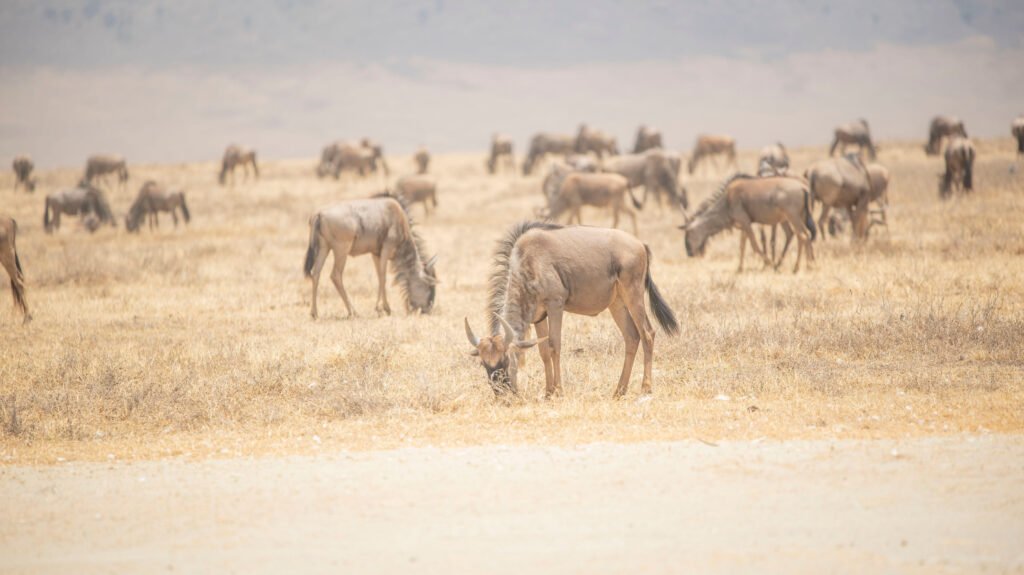
The Serengeti ecosystem is driven primarily by seasonal rainfall. Grass growth depends heavily on precipitation patterns, which in turn dictate where herbivores move. Wildebeest are especially sensitive to nutrient-rich grasses that grow after rains.
According to research from Nature Journal and ScienceDirect, the migration is not random but follows a predictable ecological rhythm influenced by soil nutrients, water availability, and predation pressure.
Organizations like World Wildlife Fund and IUCN emphasize that climate variability is beginning to affect these cycles, making expert tracking more important than ever.
Key Migration Drivers
- Rainfall distribution and timing
- Grass nutrient density
- Water sources availability
- Predator presence and pressure
- Human and conservation influences
To explore curated safari routes based on these factors, visit custom Serengeti itineraries.
Serengeti Seasonal Movement Report 2026/2027/2028: Year-by-Year Predictions
The Serengeti Seasonal Movement Report 2026/2027/2028 highlights subtle but important variations expected across these years. While the overall migration loop remains intact, shifts in timing and intensity are becoming more noticeable.
2026 Migration Outlook
Experts anticipate slightly earlier rains in the southern Serengeti plains. This could lead to earlier calving seasons around January to February. Calving attracts predators, making this one of the most dramatic wildlife viewing periods.
Data from NASA Climate suggests increased variability in rainfall onset, which supports this prediction.
2027 Migration Outlook
In 2027, a delayed northern movement is expected due to prolonged grazing conditions in central Serengeti. This could extend prime viewing opportunities in Seronera.
Research from UNEP indicates that extended green periods may slow herd movement, offering longer viewing windows.
2028 Migration Outlook
By 2028, models suggest stronger river crossing activity in the northern Serengeti due to concentrated herd movement. This will likely create dramatic crossings along the Mara River.
For those planning a northern Serengeti experience, consider booking through northern migration safari packages.
Monthly Breakdown of Migration Patterns
January to March: Calving Season
The southern plains near Ndutu become the center of activity. Thousands of calves are born daily, attracting predators like lions and cheetahs.
Scientific insights from National Geographic confirm that synchronized calving increases survival rates.
April to June: Movement to Central Serengeti
As rains diminish, herds begin moving northwest. This is a transitional period with fewer crowds and excellent photographic opportunities.
July to September: River Crossings
This is the most iconic phase of the migration. Herds cross the Mara River, facing strong currents and crocodile attacks.
Studies from Britannica highlight this as one of the most dangerous migration stages.
October to December: Return South
Short rains trigger the return journey to the southern plains. This completes the annual cycle.
For a full migration experience, explore year-round Serengeti safari options.
Impact of Climate Change on Migration Patterns
Climate change is increasingly influencing the Serengeti ecosystem. Shifts in rainfall timing and intensity are altering traditional migration routes.
According to IPCC reports, East Africa is experiencing more unpredictable weather patterns.
Research from NOAA and NASA Earth Observatory shows that vegetation cycles are becoming less predictable.
This means travelers should rely more on expert-guided safaris rather than fixed calendar expectations.
Wildlife Behavior Changes Observed by Experts
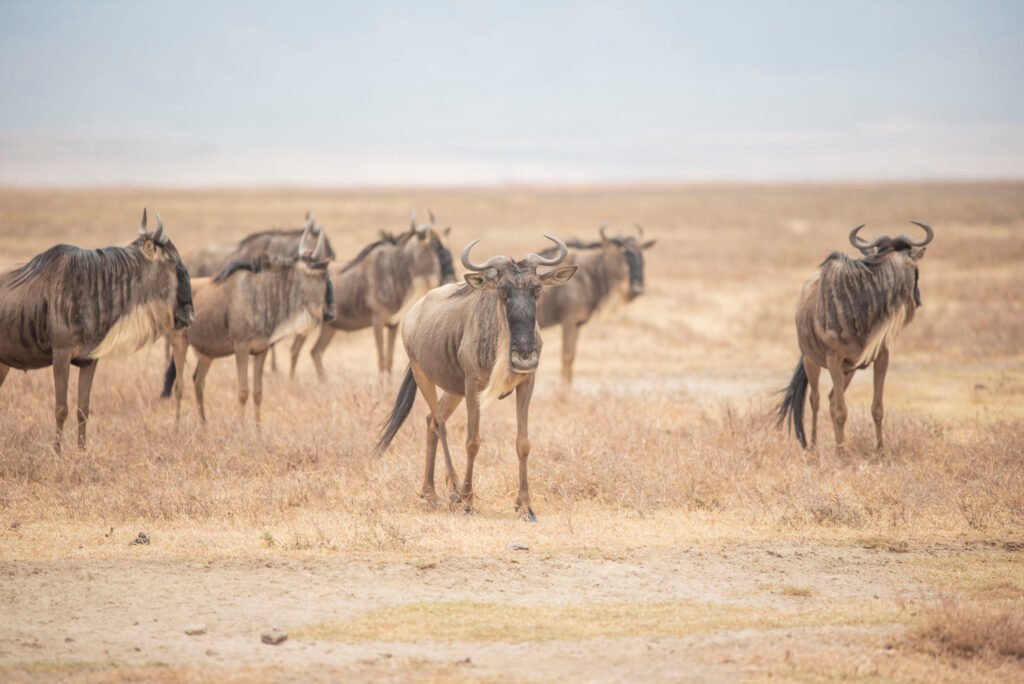
Beyond migration timing, experts have noticed behavioral shifts among wildlife. Predators are adapting to new herd patterns, while herbivores are adjusting grazing routes.
Studies from Zoological Society of London and Smithsonian Institution indicate increased adaptability among species.
Notable Observations
- Wildebeest forming smaller sub-groups
- Predators expanding hunting territories
- Increased nocturnal movement
Best Time to Visit Based on Serengeti Seasonal Movement Report 2026/2027/2028
Choosing the right time to visit depends on what you want to experience.
- Calving Season: January – March
- River Crossings: July – September
- Low Crowds: April – June
For personalized recommendations, visit tailor-made Serengeti safari plans.
Conservation Efforts Supporting the Migration
The Serengeti migration survives thanks to strong conservation initiatives. Organizations like African Wildlife Foundation and Conservation International play vital roles.
Efforts include anti-poaching programs, habitat preservation, and community engagement.
Academic contributions from University of Cambridge and Harvard University also support ecological research.
Why This Report Matters for Safari Planning
The Serengeti Seasonal Movement Report 2026/2027/2028 is not just a scientific document. It is a practical guide for travelers seeking unforgettable safari experiences.
Understanding migration timing helps you avoid disappointment and maximize wildlife sightings.
For a seamless experience, consider working with trusted safari planners through professional Serengeti tour services.
Frequently Asked Questions (FAQs)
1. What is the Serengeti Seasonal Movement Report 2026/2027/2028?
It is a detailed analysis of wildlife migration patterns in the Serengeti over three years, based on expert observations and scientific data.
2. When is the best time to see the Great Migration?
July to September is ideal for river crossings, while January to March is best for calving season.
3. Does climate change affect the migration?
Yes, changing rainfall patterns are influencing migration timing and routes.
4. Are migration patterns predictable?
They follow general cycles but can vary due to environmental factors.
5. How can I plan a safari around the migration?
Consulting experts and using updated reports ensures better timing and location choices.
6. Is the Serengeti safe for tourists?
Yes, with proper guidance and reputable tour operators, it is a safe and rewarding destination.
Conclusion
The Serengeti Seasonal Movement Report 2026/2027/2028 provides invaluable insights into one of the world’s greatest natural events. As environmental conditions evolve, staying informed becomes essential for both conservation and travel planning.
Whether you are a first-time visitor or a seasoned safari enthusiast, understanding these patterns will enrich your experience. With expert guidance and careful planning, you can witness the Serengeti in all its breathtaking glory.