
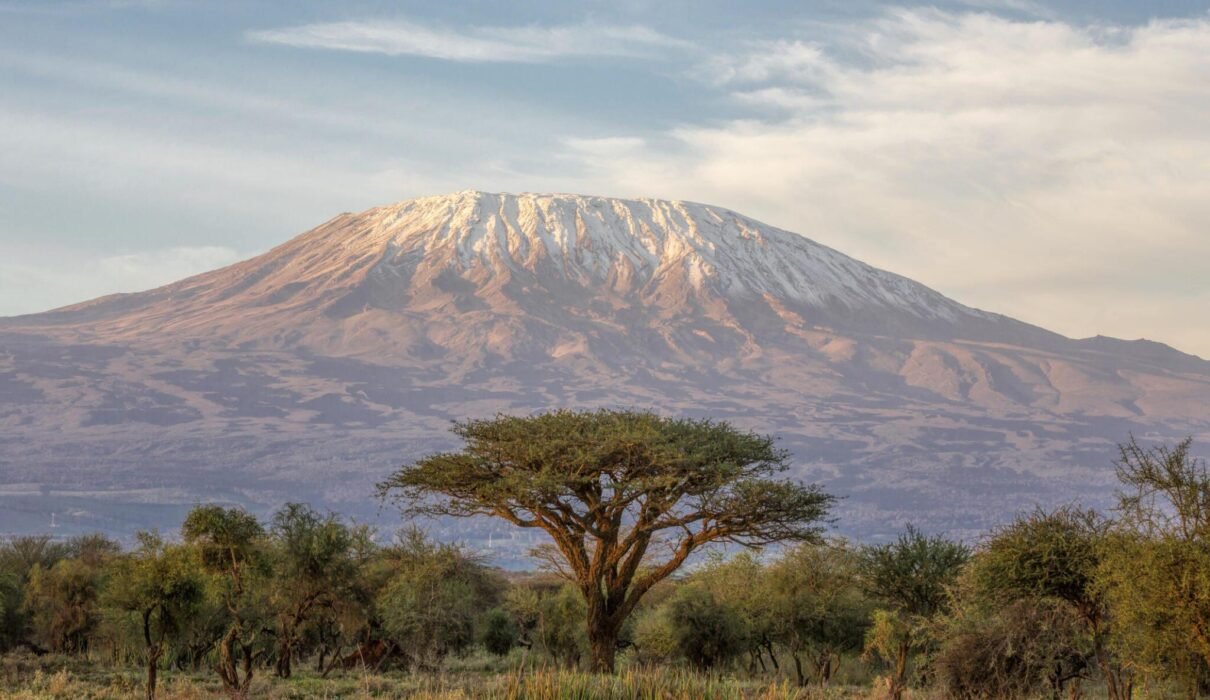
Choosing between the seven Kilimanjaro routes is one of the most important decisions in planning your climb. Each route offers a different approach to the mountain, with variations in trekking duration, accommodation, terrain and ascent profile.
For many first-time climbers, an eight-day Lemosho, nine-day Northern Circuit or seven-day Machame itinerary is a useful starting point for comparison. Rongai deserves consideration if you prefer a northern approach, while Marangu is the option to examine if mountain huts are your priority.
These are planning recommendations, not a guarantee that a particular route suits everyone. Your health, hiking experience, available time and the actual daily itinerary must guide the decision.
This guide compares the seven Kilimanjaro routes for 2027/2028 and explains what to check before booking with Eddy Tours & Safaris.
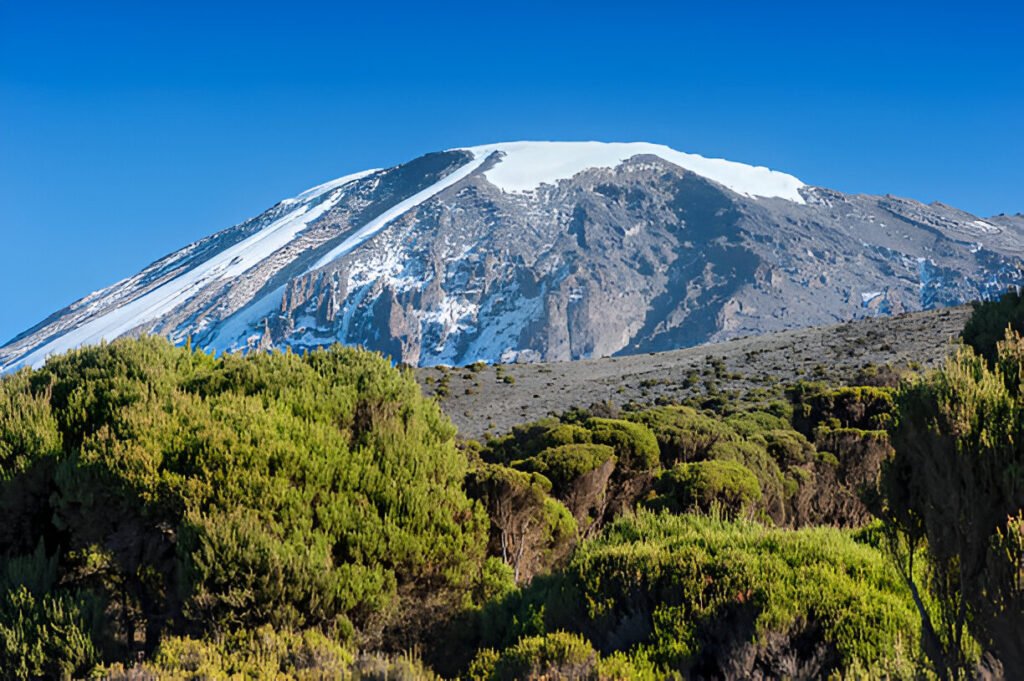
Important Access Update for Future Climbs
On 29 September 2026, TANAPA published a notice announcing the suspension of use of the Lemosho and Londorossi routes. This guide does not establish a reopening date.
For 2027/2028 bookings, confirm current access before committing to a western approach. This is relevant to proposed Lemosho, Northern Circuit and Shira itineraries using the affected access arrangements.
Route descriptions below explain their usual characteristics. Your confirmed expedition must follow the permissions and conditions applicable on your departure date.
The Seven Kilimanjaro Routes at a Glance
The seven commonly recognised summit routes are Marangu, Machame, Lemosho, Rongai, Northern Circuit, Shira and Umbwe.
| Route | Common trekking duration* | Accommodation | Main consideration |
|---|---|---|---|
| Lemosho | 7–8 days | Camping | Western approach and varied scenery |
| Machame | 6–7 days | Camping | Demanding walking with a widely used southern circuit |
| Marangu | 5–6 days | Shared huts | Hut accommodation and the same main ascent/descent trail |
| Rongai | 6–7 days | Camping | Northern approach and Marangu descent |
| Northern Circuit | 8–10 days | Camping | Longer journey around the northern slopes |
| Shira | 7–8 days | Camping | High starting elevation in many versions |
| Umbwe | 6–7 days | Camping | Steep initial ascent and demanding profile |
*Durations vary between operators and itinerary versions. These are trekking days, excluding arrival and departure hotel nights. The route sections below explain the differences.
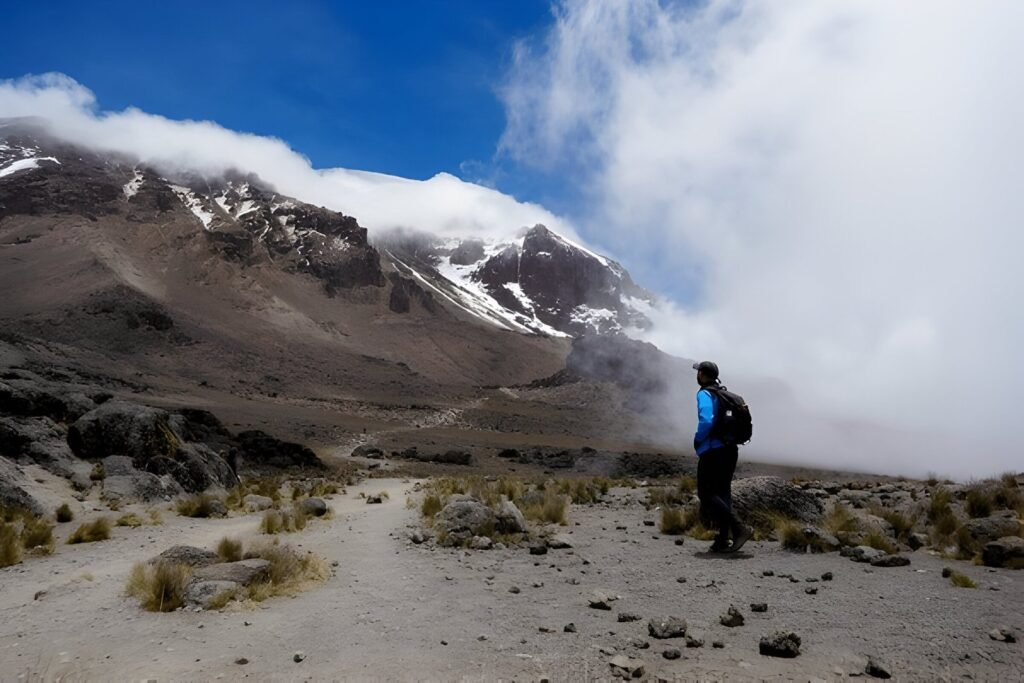
1. Lemosho Route
A Strong Option for Scenery and a Longer Approach
Lemosho usually approaches Kilimanjaro from the west, beginning through forest before reaching the Shira Plateau. Standard southern-circuit versions later continue towards Barranco, Karanga and Barafu, with descent through Mweka.
Seven- and eight-day versions are common. The exact camp sequence matters: a shorter version may combine stages that a longer itinerary separates.
For your initial comparison, ask for an eight-day itinerary. Examine what the additional day contributes to walking demands and overnight elevations.
Lemosho can appeal to travellers who want varied landscapes and have enough time for a longer expedition. However, it still involves sustained walking, camping and a demanding summit stage.
Before choosing it, discuss your comfort with the proposed terrain and daily schedule. Ask how the team manages different walking speeds and what happens if a climber needs to descend.
Consider Lemosho if: You want a scenic camping route and can allow sufficient mountain days.
Check before booking: Current western access, the exact starting point and the complete camp sequence.
2. Machame Route
A Practical Choice for a Seven-Day Camping Expedition
Machame begins from the southern side of the mountain. A common itinerary travels through Machame Camp, Shira, Lava Tower and Barranco before continuing through Karanga to Barafu. The descent generally uses Mweka.
The six-day version commonly combines the Barranco-to-Karanga-to-Barafu stages into one day, while seven days allow an overnight at Karanga.
That difference deserves attention when comparing quotations. Two packages labelled “Machame” may create noticeably different daily demands.
For many travellers, the seven-day version is the more useful starting point for discussion. Ask the operator to explain its ascent profile and preparation requirements.
Machame also involves the Barranco Wall section. Discuss the terrain if you are uncomfortable with exposure or using your hands for balance. Do not judge your suitability only from photographs.
Consider Machame if: You want a camping expedition and are prepared for demanding trekking days.
Check before booking: Whether the itinerary includes a Karanga overnight and how much time you need before and after the climb.
3. Marangu Route
The Route to Consider for Mountain Huts
Marangu’s distinctive feature is accommodation in shared mountain huts. Its usual itinerary uses Mandara, Horombo and Kibo, with ascent and descent following the same main route.
Five- and six-day versions are offered. The six-day itinerary commonly adds an acclimatisation day based at Horombo.
Huts should not be confused with private hotel rooms. Confirm shared sleeping arrangements, bedding requirements and facilities before booking.
Marangu may appeal if sleeping in a tent is your main concern, but choosing huts does not remove the mountain’s physical or altitude demands.
Request the six-day version for comparison and ask how the extra Horombo day is used. Make sure it appears in the mountain schedule rather than being counted as a hotel night.
Consider Marangu if: You prefer shared hut accommodation.
Check before booking: Actual trekking days, the Horombo acclimatisation programme and what sleeping equipment you must bring.
4. Rongai Route
An Alternative Northern Approach
Rongai approaches Kilimanjaro from the north. Common longer itineraries include the Mawenzi Tarn area before reaching Kibo for the summit attempt, followed by descent on Marangu.
Six- and seven-day versions are common, with differences in overnight stops and acclimatisation arrangements.
Rongai deserves consideration if you want a different approach from the western and southern routes. Its route character may also appeal to travellers comparing alternatives to the Barranco Wall itineraries.
However, a less intimidating section of trail does not establish a low-risk ascent profile. Review the entire journey, especially the overnight elevations and summit stage.
Ask for the proposed daily distances, walking times and camp sequence. Seven days should describe an actual seven-day mountain itinerary.
Consider Rongai if: A northern approach appeals to you and you are comfortable camping.
Check before booking: How the itinerary uses any additional day and the transfer arrangements to the starting point.
5. Northern Circuit Route
A Longer Journey for Travellers with More Time
The Northern Circuit usually begins through the western Lemosho approach before traversing the northern side of Kilimanjaro.
It is commonly offered over eight to ten days, with nine-day itineraries providing a useful reference for comparison.
Its appeal is the longer mountain journey and opportunity to experience another side of the mountain. However, additional days also mean more nights camping and a greater overall time commitment.
Do not choose it solely because a website advertises a high summit-success percentage. Ask how the schedule supports acclimatisation and whether the daily walking demands suit you.
The Northern Circuit may be a good option when you can prioritise mountain time over a shorter total holiday.
Consider the Northern Circuit if: You want a longer expedition and can comfortably allow the additional days.
Check before booking: Current western access, the precise itinerary variation and the total holiday length including hotel nights.
6. Shira Route
A High-Start Option Requiring Careful Review
Shira is related to the Lemosho approach, but many versions use vehicle access to begin trekking at a substantially higher elevation.
A commonly described version starts around the Shira Ridge area, bypassing the lower forest walk before crossing the plateau and joining the southern circuit. Seven- and eight-day versions are offered.
The high start is the central issue to examine.
A shorter first walking day does not necessarily mean an easier adjustment to altitude. Ask for the elevation where you leave the vehicle and the elevation of your first overnight camp.
For an unacclimatised first-time climber, it is sensible to compare Shira carefully with a lower-start Lemosho itinerary rather than choosing it because it appears to save effort.
Consider Shira if: You have a specific reason for choosing the high-start approach and have reviewed its suitability.
Check before booking: Starting and sleeping elevations, current access and any prior acclimatisation arrangements.
7. Umbwe Route
A Demanding Choice for Experienced Trekkers
Umbwe is known for a steep initial approach and rapid elevation gain before joining the southern circuit around Barranco.
It is commonly presented as a challenging route, with limited acclimatisation opportunity in shorter versions.
This makes it a route to assess carefully rather than a default recommendation for a first high-altitude expedition.
Strong fitness alone is not a sufficient reason to choose Umbwe. Explain your previous trekking and altitude experience, then ask why the operator considers the proposed schedule appropriate.
Also distinguish a standard Umbwe itinerary continuing towards Barafu from any proposal involving the Western Breach. Do not accept the same route label as evidence that the itineraries have equivalent demands.
Consider Umbwe if: You have relevant experience and a clear reason for selecting a demanding approach.
Check before booking: The complete ascent profile, onward route and emergency arrangements.
Which Kilimanjaro Route Is Best for Beginners?
For an initial shortlist, compare:
- Eight-day Lemosho: For a longer western approach, subject to access.
- Nine-day Northern Circuit: For a longer expedition, subject to access.
- Seven-day Machame: For a demanding camping route with an overnight at Karanga.
- Seven-day Rongai: For a northern approach.
- Six-day Marangu: For shared huts with an additional Horombo day.
These are starting points for discussion. Being a beginner does not automatically exclude you, but it makes preparation and a clear explanation of the itinerary especially valuable.
Ask why the proposed route suits your experience rather than accepting a general statement that it is “perfect for everyone.”
Route Difficulty and Altitude Are Different Questions
Physical preparation helps with walking, carrying a daypack and recovering between trekking days.
It does not protect against altitude illness. The CDC identifies ascent rate and individual susceptibility as important factors and states that physical fitness does not affect altitude-illness risk.
For that reason, compare the daily sleeping elevations separately from the route’s reputation for difficult terrain.
A longer itinerary can provide more opportunity for acclimatisation, but it does not guarantee a safe climb or a summit. The CDC’s Africa expedition guidance suggests allowing additional days on Kilimanjaro to support acclimatisation.
Discuss relevant medical conditions or previous altitude illness with a clinician familiar with high-altitude travel.
How Much Time Should You Allow?
Count mountain days and total holiday days separately.
A seven-day trek normally requires additional time for arrival, briefing and the arrangements after descent. Ask your operator to show these days clearly.
Avoid scheduling your international departure immediately after the final descent without discussing the practical timing.
If combining the climb with a safari or Zanzibar, build the complete holiday around realistic transfers and your preferred pace.
Your available leave should help shape the itinerary, but it should not force an unsuitable ascent schedule.
How to Compare Kilimanjaro Route Prices
Request quotations for the same trekking duration and similar services.
Check:
- Park charges and mountain accommodation.
- Guides, porters and meal arrangements.
- Camping equipment or hut arrangements.
- Hotel nights.
- Airport and mountain transfers.
- Equipment rentals.
- Emergency procedures.
- Tips and other excluded costs.
- Cancellation and early-descent terms.
A cheaper six-day package and a longer eight-day package are different products. Compare the complete arrangements before deciding which offers better value.
For 2027/2028, request prices for your exact dates instead of relying on an older advertised rate.
Frequently Asked Questions
Which route guarantees the summit?
None. Your altitude response, health, weather and expedition conditions remain uncertain.
Which route has huts?
Marangu is the route to consider for shared mountain huts. The other routes discussed here generally use camping arrangements.
Is the shortest route the easiest?
No. Fewer days can create a more compressed ascent. Review the daily profile.
Is Mweka one of the seven ascent routes?
Mweka is principally used for descent on several standard itineraries. It is not included in this seven-route comparison as a normal ascent choice.
Can I book a Christmas or New Year summit?
You can request a proposed schedule, but the summit date remains subject to health, weather, permissions and operational decisions.
Are western routes confirmed open for 2027/2028?
This guide does not confirm future reopening or access. Check the latest TANAPA position and obtain written itinerary confirmation.
Choose Your Route with Eddy Tours & Safaris
Start with your available dates, trekking experience and accommodation preference.
Contact Eddy Tours & Safaris to request a route comparison showing the daily camps, overnight elevations, complete price and guiding arrangements.
Ask for the reason behind the recommendation so you understand how the proposed expedition fits your needs.
Website: eddytours-safaris.com
Sales enquiries: sales@eddytours-safaris.com
Alternative email: eddytoursandsafaris@gmail.com
Phone and WhatsApp: +255 711 906 664