
Snakes in Tanzania: Identification and Safety is one of the most important topics for travelers, safari enthusiasts, researchers, and residents who explore Tanzania’s rich wilderness. Tanzania is home to diverse ecosystems ranging from savannah plains and coastal forests to mountain slopes and wetlands, and each of these habitats supports different snake species. Understanding how to identify these reptiles and knowing the correct safety measures can transform fear into confidence while exploring nature.
Tanzania’s wildlife is globally admired, especially in protected areas such as the Serengeti and Ngorongoro, which you can explore through trusted safari experts at Eddy Tours & Safaris. While large mammals capture most attention, reptiles play a crucial ecological role in maintaining balance within the ecosystem.
Understanding Snakes in Tanzania: Identification and Safety Basics
When discussing Snakes in Tanzania: Identification and Safety, it is important to recognize that not all snakes are dangerous. Tanzania hosts both venomous and non-venomous species. Many snakes avoid human contact and will only strike if provoked. According to research from IUCN, reptiles are essential for ecosystem stability. Similarly, conservation efforts supported by WWF and Conservation International emphasize the importance of coexistence between humans and wildlife.
Most snake encounters happen in rural areas, farms, or during walking safaris. Organizations like WHO and CDC stress that proper awareness significantly reduces snakebite risks. If you plan bush walks or camping experiences arranged by professional safari planners, safety briefings are always part of the itinerary.
Common Venomous Snakes in Tanzania
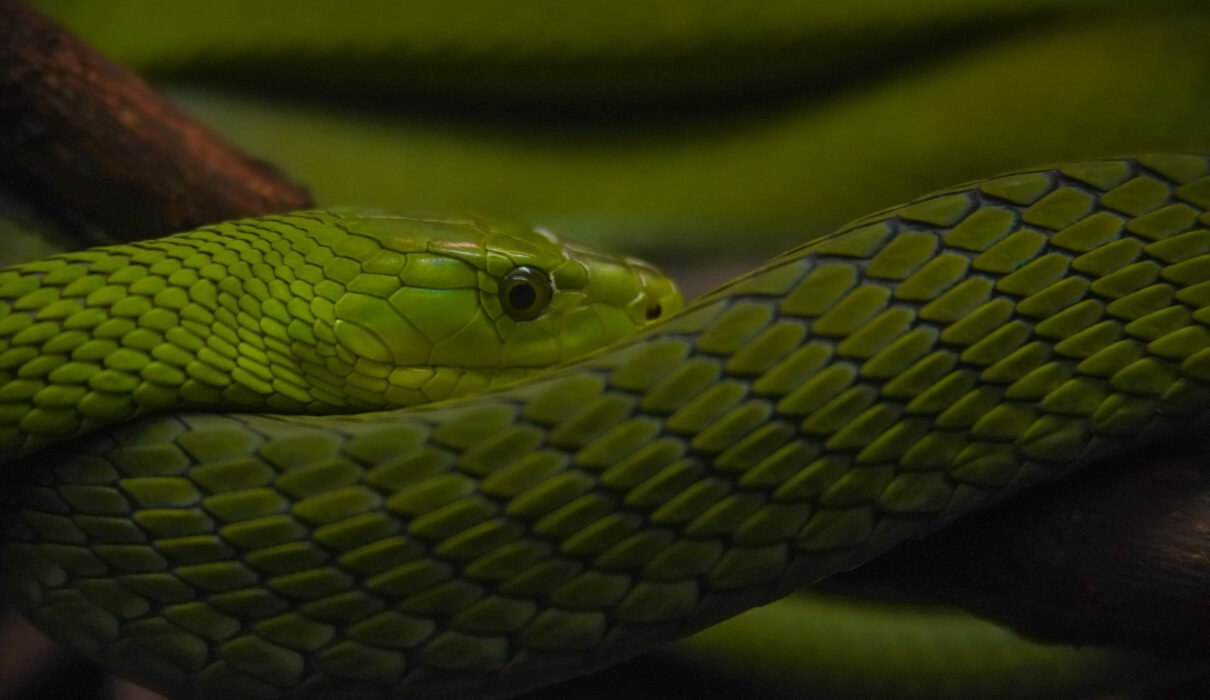
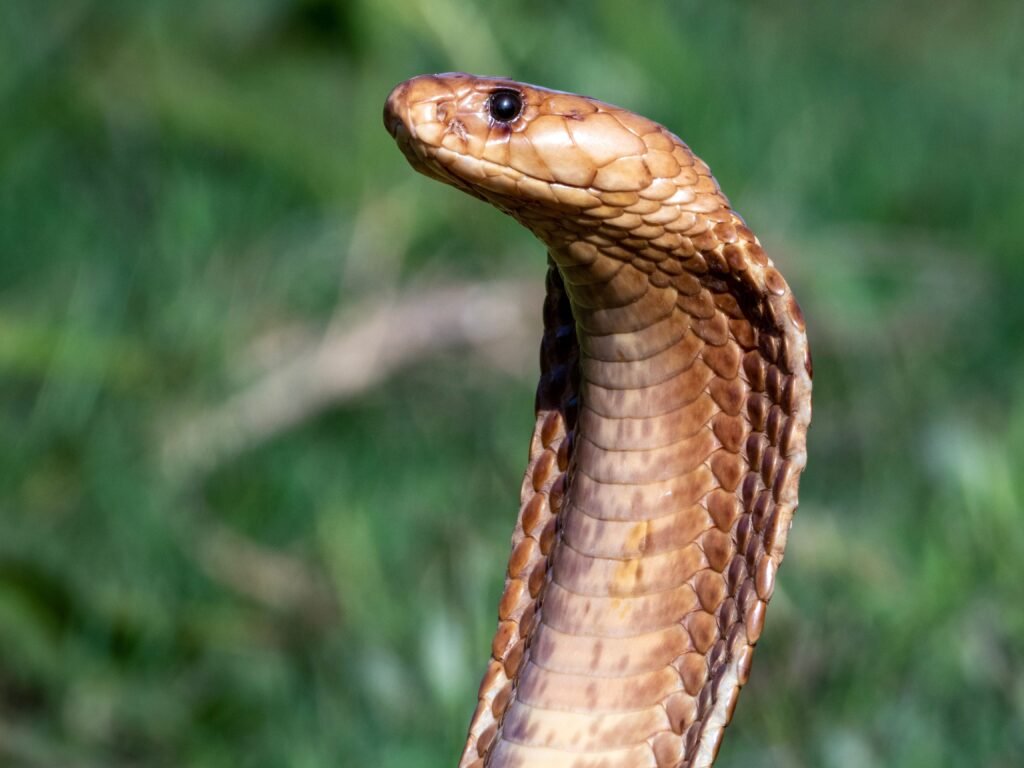
Among the most notable venomous species are the Black Mamba, Puff Adder, Green Mamba, and Egyptian Cobra. Scientific data from institutions such as National Geographic and Encyclopaedia Britannica provide detailed identification features. The Black Mamba is long and fast with a coffin-shaped head, while the Puff Adder is thick-bodied with bold chevron patterns.
The African Snakebite Institute at African Snakebite Institute explains that Puff Adders are responsible for many bites due to their camouflage and tendency to remain still when approached. Educational material from Natural History Museum and Smithsonian Institution further describes how venom types vary between neurotoxic and cytotoxic species.
Non-Venomous Snakes You Might Encounter
Not all snakes pose danger. Species such as the African Rock Python and house snakes are generally non-venomous. Research supported by National Geographic Society and University of Oxford shows that pythons help control rodent populations, benefiting farmers and communities.
During cultural tours or village visits organized through local Tanzanian tour experts, guides often explain how communities distinguish harmless species from dangerous ones using physical characteristics such as head shape, pupil form, and body thickness.
Habitats Where Snakes in Tanzania Are Commonly Found
Snakes thrive in Tanzania’s varied landscapes. The Serengeti plains, coastal mangroves, agricultural land, and mountain forests each support different species. Environmental data from UNEP and World Bank Environment highlight how habitat preservation supports reptile diversity. National parks such as those promoted by custom safari packages maintain balanced ecosystems where snakes serve as both predators and prey.
In dry grasslands, Puff Adders rely on camouflage. In forested zones near Mount Kilimanjaro, climbers booking through Kilimanjaro Climb Specialist may encounter forest cobras at lower elevations. Scientific climate studies from NASA and NOAA indicate that temperature patterns influence snake movement and breeding cycles.
Safety Guidelines for Snakes in Tanzania: Identification and Safety Tips
Snakes in Tanzania: Identification and Safety guidelines begin with prevention. Always wear closed shoes and long trousers during bush walks. Avoid tall grass when visibility is limited. The Red Cross and FAO recommend keeping campsites clean to discourage rodents that attract snakes.
If you encounter a snake, remain calm and slowly move away. Never attempt to kill or capture it. According to guidance from Mayo Clinic and Harvard Health, most bites occur when people try to handle snakes. Professional guides provided through experienced safari operators are trained in risk awareness and first response.
What To Do In Case of a Snakebite
Immediate medical attention is critical. Keep the affected limb immobilized and seek professional care quickly. The World Health Organization snakebite program outlines correct first aid practices. Do not cut the wound or attempt to suck out venom. Transport the victim safely to a medical facility.
Research institutions like Johns Hopkins School of Public Health and London School of Hygiene & Tropical Medicine stress that timely antivenom administration dramatically improves survival rates.
Why Awareness of Snakes in Tanzania: Identification and Safety Matters for Travelers
Travelers often focus on lions and elephants, but understanding reptiles adds depth to a safari experience. Conservation research from Zoological Society of London and American Museum of Natural History demonstrates that reptiles are indicators of environmental health. Learning about them enriches your appreciation of Tanzania’s biodiversity.
Educational preparation also builds confidence. Before traveling, many visitors research general wildlife information on Google or academic resources from University of Cambridge. Pairing this knowledge with professional guidance ensures both safety and enjoyment.
Conservation Efforts Protecting Tanzania’s Snakes
Global partnerships between Tanzanian authorities and organizations such as Reptile Conservation Foundation support habitat preservation and community education. Sustainable tourism initiatives encouraged by conservation groups promote responsible travel that minimizes human-wildlife conflict.
When you book ethical safari experiences through reputable local operators, part of your journey contributes indirectly to wildlife conservation and community awareness programs that protect reptile populations.
Final Thoughts on Snakes in Tanzania: Identification and Safety
Snakes in Tanzania: Identification and Safety is not about fear; it is about knowledge, respect, and preparation. Tanzania’s ecosystems are balanced and vibrant, and snakes play a vital role in controlling pests and maintaining biodiversity. With proper identification skills, awareness of habitats, and adherence to safety guidelines, travelers and residents can confidently explore the wilderness.
Whether you are planning a Serengeti safari, a cultural village tour, or a Kilimanjaro climb, understanding reptiles enhances your overall experience. Education replaces anxiety with appreciation, and responsible tourism ensures that Tanzania’s remarkable wildlife continues to thrive for generations to come.