
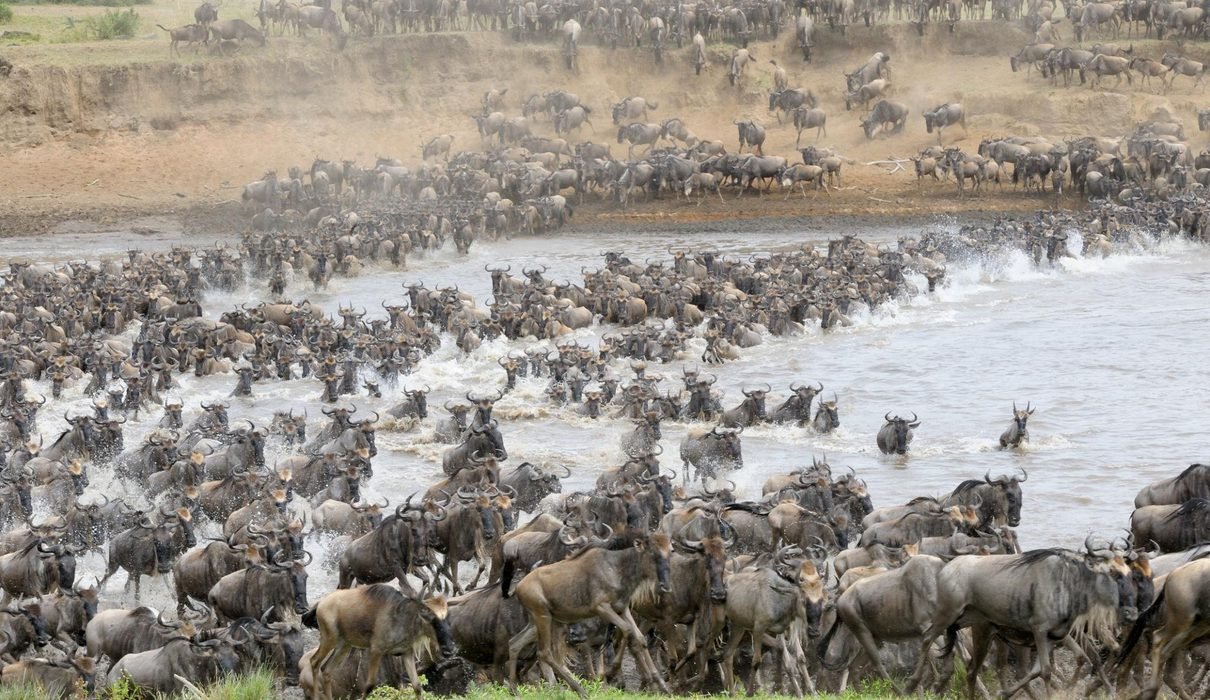
A wildebeest migration safari in Tanzania is one of the most rewarding wildlife experiences for travellers visiting East Africa. Every year, enormous herds of wildebeest, accompanied by zebras and gazelles, move across the Serengeti ecosystem in search of fresh grazing areas and water. Along the way, visitors may witness thousands of animals crossing open grasslands, predators following the herds, and the dramatic river crossings that make the Great Migration famous. For travellers planning a safari in 2027 or 2028, packing the right items is an important part of preparing for a comfortable and enjoyable journey.
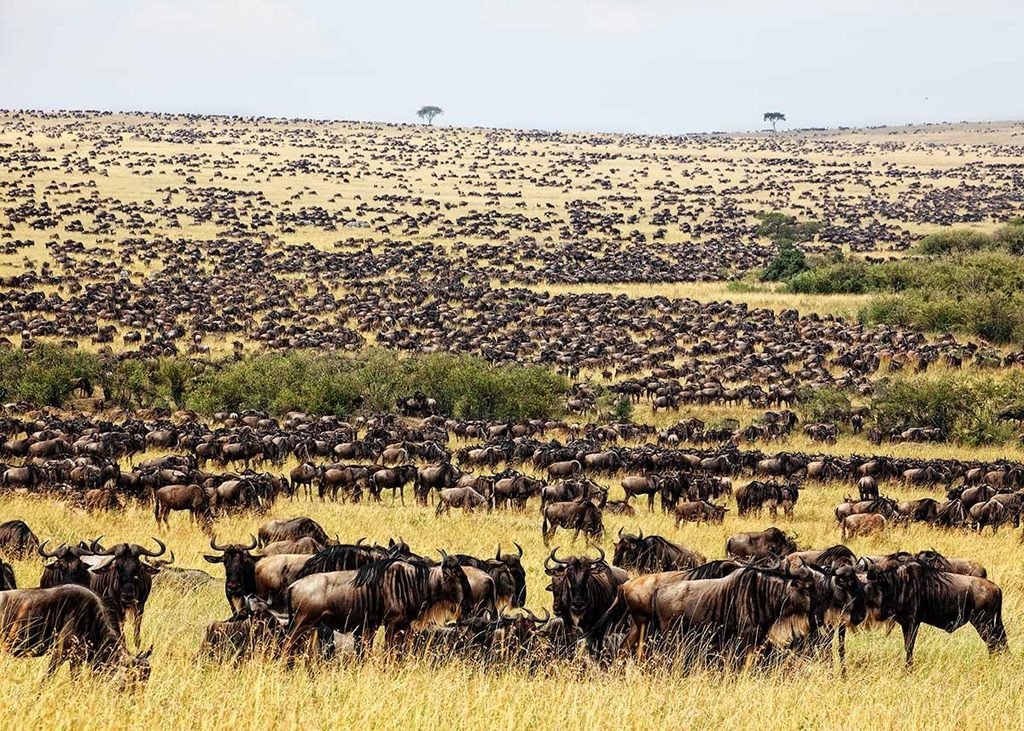
The Serengeti National Park covers a vast landscape with changing weather conditions, dusty roads, open grasslands and areas where temperatures can vary considerably between morning and afternoon. Travellers may spend several hours inside a safari vehicle, particularly when searching for migrating herds in the northern or southern Serengeti. Bringing suitable clothing, personal equipment and a few practical accessories can make a noticeable difference during these long game drives.
At Eddy Tours & Safaris, we encourage visitors to prepare their luggage according to the season, length of their safari and areas they intend to visit. Whether you are travelling to witness the Mara River crossings or exploring the southern Serengeti during the calving season, the following eight items deserve a place in your safari bag.
1. Comfortable, Lightweight Safari Clothing
The first essential item for a wildebeest migration safari is suitable clothing. Tanzania’s safari destinations generally experience warm daytime temperatures, but early mornings and evenings can be considerably cooler, especially during the dry season. Lightweight cotton shirts, breathable trousers and comfortable long-sleeved tops are practical choices because they allow you to remain comfortable while travelling through different weather conditions.
Neutral colours such as khaki, beige, olive green, brown and light grey are particularly suitable for safari activities. These colours are practical in dusty environments and are less likely to show dirt after several hours of travelling along the Serengeti’s unpaved roads. Bright colours are not generally prohibited during vehicle safaris, but neutral clothing is often preferred for its practicality. Dark blue and black clothing may also attract biting flies in some areas, making lighter shades a sensible option.
Travellers should pack enough clothing for their safari without carrying unnecessary luggage. Three or four comfortable shirts, two pairs of trousers, a few pairs of socks and suitable undergarments may be sufficient for a shorter safari, depending on laundry arrangements. A lightweight rain jacket is also useful, particularly for those travelling during Tanzania’s wetter months.
For travellers combining the migration with other destinations, clothing requirements may change. A visit to the Ngorongoro Conservation Area may involve cooler conditions around the crater highlands, while a longer Tanzania safari holiday may require additional clothing for several days of travelling.
2. A Warm Jacket or Fleece for Early Morning Game Drives
Many first-time safari visitors expect Tanzania to remain hot throughout the day and night. However, early morning game drives in the Serengeti can be surprisingly cold, particularly between June and August. Safari vehicles often depart before sunrise or shortly after daylight, when temperatures are still low and the wind can make the journey feel colder.
A warm fleece, lightweight insulated jacket or comfortable sweater is therefore an important item to pack. Layered clothing works particularly well because travellers can remove their jackets as temperatures rise later in the morning. A lightweight scarf can also provide additional warmth and help protect the face from dust when driving along dry safari roads.
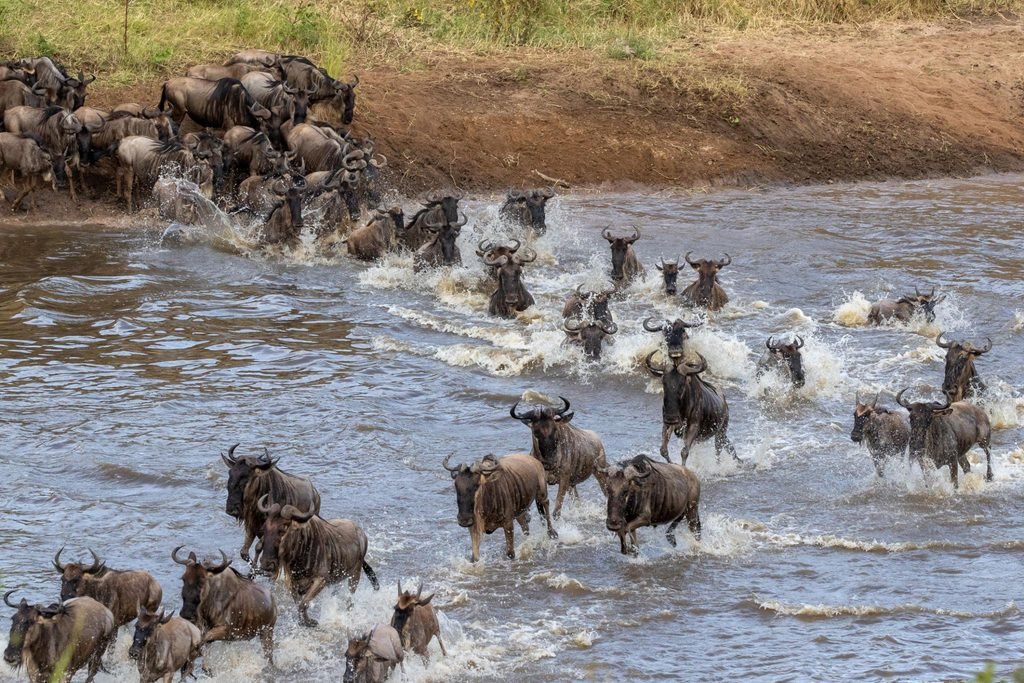
This becomes especially useful when travelling to the northern Serengeti for the Mara River crossings. Visitors may spend several hours waiting near recognised viewing areas while guides monitor the movement of wildebeest gathering along the riverbanks. Having a warm layer makes the experience more comfortable, particularly when the vehicle remains stationary for extended periods.
Travellers considering a 5-day Serengeti wildebeest migration safari should prepare for temperature changes between different destinations. A safari that includes Ngorongoro may require warmer clothing than a journey limited to the lower plains of the Serengeti.
3. A Good Pair of Binoculars for Wildlife Viewing
Binoculars are among the most useful items to carry on a wildebeest migration safari. Although many animals can be seen clearly from safari vehicles, wildlife is not always close to the road. Lions may rest beneath distant acacia trees, cheetahs may be spotted across open grasslands, and migrating wildebeest may gather hundreds of metres away from the vehicle.
A good pair of binoculars allows travellers to observe these animals without requiring the guide to approach them unnecessarily. They are particularly valuable for watching wildebeest gathering near river crossing points, where vehicles must respect park regulations and maintain appropriate viewing distances.
For general wildlife viewing, binoculars with specifications such as 8×42 or 10×42 are practical choices. The first number indicates magnification, while the second represents the diameter of the objective lenses in millimetres. An 8×42 pair is often easier to hold steady, while 10×42 binoculars provide slightly greater magnification for observing distant wildlife.
Binoculars are equally useful for travellers interested in birdwatching. The Serengeti supports a wide variety of birds, including eagles, vultures, ostriches, secretary birds and colourful smaller species. Having your own binoculars means you can enjoy wildlife sightings whenever an opportunity appears, rather than waiting to share equipment with other passengers.
If you are planning an extended safari, consider the 8-day Serengeti wildebeest migration itinerary, which allows more time for exploring different wildlife areas and observing the migration.
4. A Camera with a Zoom Lens and Spare Batteries
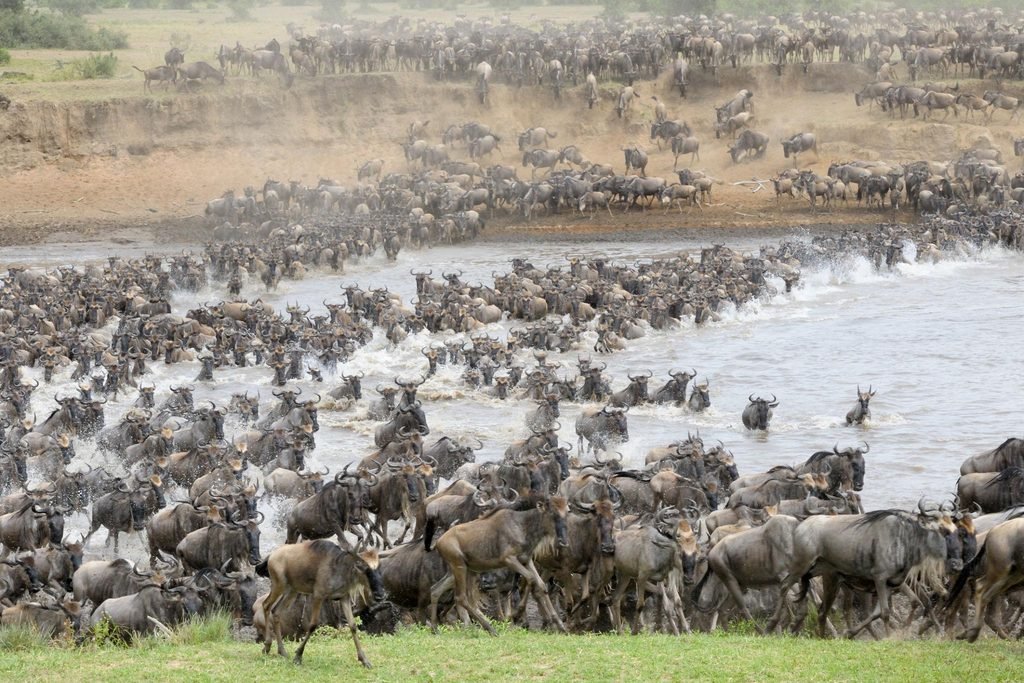
The Great Wildebeest Migration provides excellent opportunities for wildlife photography. Large herds moving across the plains, lions watching their surroundings, zebras travelling alongside wildebeest and animals gathering at riverbanks can all create memorable photographs. A suitable camera helps visitors capture these moments while maintaining a respectful distance from wildlife.
Travellers who enjoy photography should consider carrying a camera with a zoom lens. A lens covering approximately 100–400 mm can be useful for photographing animals at different distances, although the best choice depends on the camera system and personal preferences. A smartphone can also produce excellent photographs, particularly for landscapes and animals close to the vehicle, but a dedicated zoom lens offers more flexibility when wildlife is farther away.
Spare batteries, memory cards and a protective camera bag are equally important. Dust is common on many Serengeti roads, particularly during the dry season, and camera equipment should be protected when not in use. A small cleaning cloth and suitable lens-cleaning equipment can help maintain clear photographs throughout the safari.
Photographers hoping to capture Mara River crossings should also understand that animal movements are unpredictable. Wildebeest may gather near a river for several hours before crossing, and sometimes they turn away without entering the water. Patience and careful positioning at authorised viewing areas are essential.
The official Tanzania National Parks Authority provides guidelines for responsible wildlife viewing, including regulations for vehicles observing river crossings. Respecting these rules helps protect wildlife and ensures that other visitors can enjoy the experience.
5. Sun Protection: Hat, Sunglasses and Sunscreen
Sun protection is essential when travelling through Tanzania’s national parks. The Serengeti is located close to the equator, where sunlight can be strong throughout much of the year. Even when temperatures feel comfortable, spending several hours inside an open-roof safari vehicle can expose travellers to considerable sunlight.
A wide-brimmed hat provides useful protection for the face, ears and neck. Sunglasses with proper ultraviolet protection help reduce glare, particularly when travelling across open grasslands during the middle of the day. Broad-spectrum sunscreen with SPF 30 or higher is also recommended, with regular reapplication according to the product instructions.
Lip balm with sun protection is another practical addition, particularly during dry and windy conditions. Travellers with sensitive skin may also prefer lightweight, long-sleeved shirts that provide additional protection without causing discomfort in warm weather.
During a 6-day Serengeti wildebeest migration safari, visitors may spend many hours enjoying game drives across different parts of the park. Carrying sun protection inside a small day bag makes it easier to reapply sunscreen or put on a hat whenever necessary.
6. Comfortable Closed Shoes and Practical Footwear
Suitable footwear is another important part of preparing for a migration safari. Although most wildlife viewing takes place inside a safari vehicle, travellers still need comfortable shoes for moving around lodges, campsites, designated picnic areas and other permitted locations.
Lightweight trainers, comfortable walking shoes or closed safari shoes are generally suitable for standard game drives. Footwear should fit properly and provide enough support for walking on uneven or dusty ground. Heavy hiking boots are not normally necessary for a vehicle-based Serengeti safari unless your itinerary includes specific walking or trekking activities.
A second pair of lightweight sandals or comfortable shoes may be useful when relaxing at your lodge after a long day. Travellers staying in tented camps should also consider footwear that is easy to put on when moving between their accommodation and communal facilities.
Those planning to combine their wildlife safari with a mountain adventure will need different equipment. For example, climbing Mount Kilimanjaro requires proper trekking boots, thermal clothing and additional mountain gear. Travellers interested in combining these activities can explore Kilimanjaro Climb Specialist for information about climbing routes and mountain preparation.
For a shorter wildlife-focused holiday, the 4-day Serengeti Great Wildebeest Migration safari provides another option for visitors who want to concentrate on wildlife viewing without adding demanding trekking activities.
7. Personal Medication, Insect Repellent and a Small First-Aid Kit
Personal health supplies should always be included when packing for a Tanzania safari. The Serengeti is a remote wildlife destination, and although safari operators make arrangements for emergencies, travellers should carry essential personal medication and basic health supplies throughout their journey.
Prescription medication should be packed in sufficient quantities for the entire trip, preferably with a little extra in case of unexpected travel delays. Keep important medication in its original packaging and carry any required prescriptions or supporting medical documents. Travellers should also consult a qualified healthcare professional before departure for advice on recommended vaccinations, malaria prevention and other travel-related health considerations.
Insect repellent is particularly useful during evenings and in areas where mosquitoes or other biting insects may be present. Products containing recognised active ingredients such as DEET or picaridin can provide protection when used according to the manufacturer’s instructions. Wearing long sleeves and trousers during the evening may also help reduce insect bites.
A compact first-aid kit can include adhesive bandages, antiseptic wipes, blister plasters, oral rehydration salts and any suitable over-the-counter medication recommended by a healthcare professional. Travellers should also carry details of their travel insurance provider and emergency assistance contacts.
When booking through Eddy Tours & Safaris, visitors can discuss the areas included in their itinerary and ask practical questions about travel preparations before arriving in Tanzania.
8. A Small Daypack with Travel Documents, Water and Charging Accessories
A small, comfortable daypack is one of the most practical items to bring on a wildebeest migration safari. During game drives, travellers often need quick access to personal belongings without opening their main luggage. A compact backpack provides enough space for essential items while keeping the safari vehicle organised.
Your daypack should contain your passport or required identification when necessary, travel insurance details, accommodation information, personal medication, a reusable water bottle and small personal items. A waterproof pouch or protective folder can help keep important documents safe from dust and moisture.
A power bank, charging cable and suitable travel adapter are also useful additions. Tanzania generally uses Type G electrical sockets, although facilities may vary between lodges and camps. Some remote safari accommodations rely on solar power or generators, meaning charging opportunities may be limited to particular times of day.
A reusable water bottle is useful for staying hydrated during long game drives, provided it is filled with safe drinking water. Travellers should confirm whether their safari package includes drinking water and whether refilling facilities are available at their accommodation.
If your safari includes a domestic flight to or from the Serengeti, check the airline’s baggage allowance before packing. Some smaller safari aircraft have strict luggage weight limits and may require soft-sided bags rather than large rigid suitcases.
For travellers considering longer journeys, the Serengeti migration safari packages for 2027–2028 provide useful information about different itinerary lengths, accommodation arrangements and seasonal travel options.
When Is the Best Time to See the Wildebeest Migration in 2027 and 2028?
The Great Migration takes place throughout the year, but the location of the herds changes according to rainfall, grazing conditions and the availability of water. Travellers should therefore choose their safari dates based on the type of migration experience they hope to witness rather than assuming the animals remain in one location.
Between approximately January and March, large numbers of wildebeest are commonly found around the southern Serengeti and Ndutu plains, where the calving season takes place. This period is particularly interesting for visitors who want to observe newborn wildebeest and predator activity. During April and May, the herds generally begin moving towards the central and western parts of the ecosystem, although the exact timing varies each year.
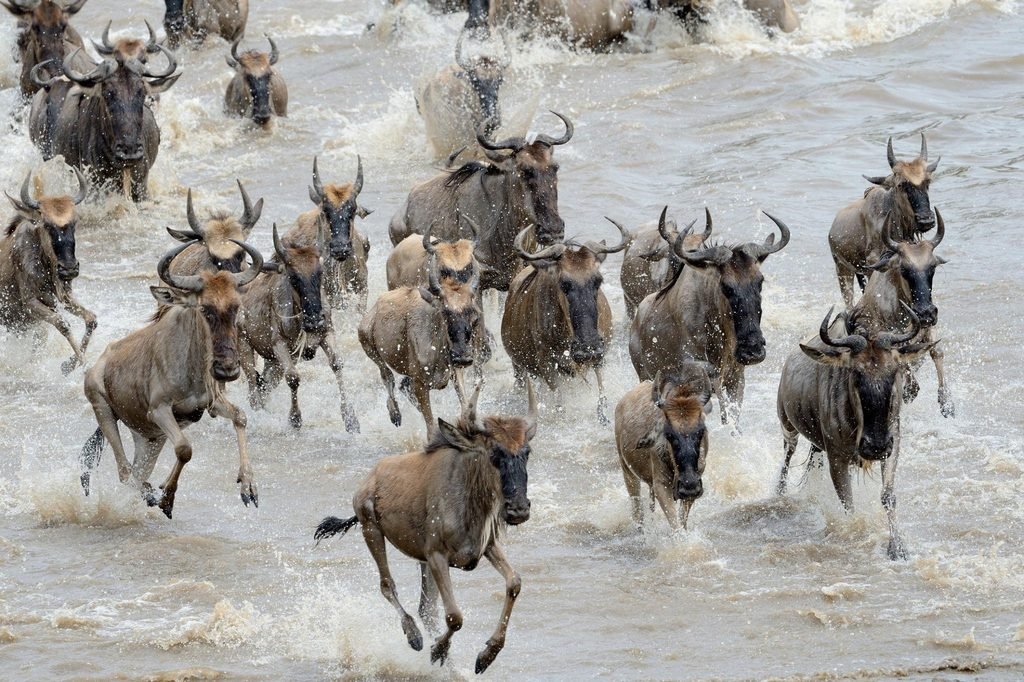
From around June into July, migration activity may be concentrated in the Western Corridor and other areas as the herds continue moving north. Between July and October, the northern Serengeti becomes an important destination for visitors hoping to witness crossings of the Mara River. These crossings are among the most dramatic events associated with the migration, but they cannot be guaranteed on any particular day.
During November and December, many herds begin moving back towards the eastern and southern plains as seasonal rainfall encourages fresh grass growth. The migration is a continuous natural cycle, and its timing may differ between 2027 and 2028.
Travellers can learn more about seasonal herd movements in our complete guide to how the wildebeest migration works and the Great Migration safari guide for 2027–2028.
Additional Packing Advice for a Comfortable Serengeti Safari
Packing for the Serengeti does not require expensive specialist equipment. Most travellers can prepare successfully using comfortable clothing and practical items they already own. The important consideration is choosing belongings that are suitable for the weather, the duration of the trip and the activities included in the itinerary.
Avoid carrying excessive luggage, especially when travelling between several national parks or using domestic flights. Soft-sided travel bags are often more convenient for safari vehicles, while a separate daypack helps keep frequently used belongings within reach. Travellers should also avoid leaving valuable equipment exposed to dust or direct sunlight for long periods.
If you are travelling with children, additional preparation may be necessary. Families should consider suitable clothing, child-appropriate sun protection, personal medication and a few quiet activities for longer drives. It is also worth discussing the daily driving distances with your safari operator before confirming the itinerary.
Travellers planning to visit the Serengeti National Park should remember that responsible tourism is part of a successful wildlife experience. Following your guide’s instructions, remaining inside the vehicle where required, avoiding littering and respecting wildlife viewing distances all contribute to protecting the ecosystem.
Plan Your 2027–2028 Wildebeest Migration Safari with Eddy Tours & Safaris
A well-prepared safari allows travellers to spend more time enjoying Tanzania’s wildlife and less time worrying about forgotten equipment. Comfortable clothing, a warm jacket, binoculars, a camera, sun protection, suitable footwear, personal health supplies and a practical daypack cover the main essentials for most wildebeest migration safaris.
At Eddy Tours & Safaris, we arrange Tanzania wildlife safaris for travellers interested in experiencing the Great Migration, exploring the Serengeti and visiting other destinations across the northern safari circuit. Our safari itineraries can be planned around different travel dates, accommodation preferences and available budgets.
Whether you are interested in the southern Serengeti calving season, the northern Serengeti river crossings or a longer safari combining several national parks, choosing the right itinerary is just as important as packing the right equipment.
Planning a wildebeest migration safari in 2027 or 2028? Contact Eddy Tours & Safaris to discuss your preferred travel dates, number of travellers and safari expectations. We can help you select an itinerary suited to the migration season and prepare for your visit to Tanzania.