
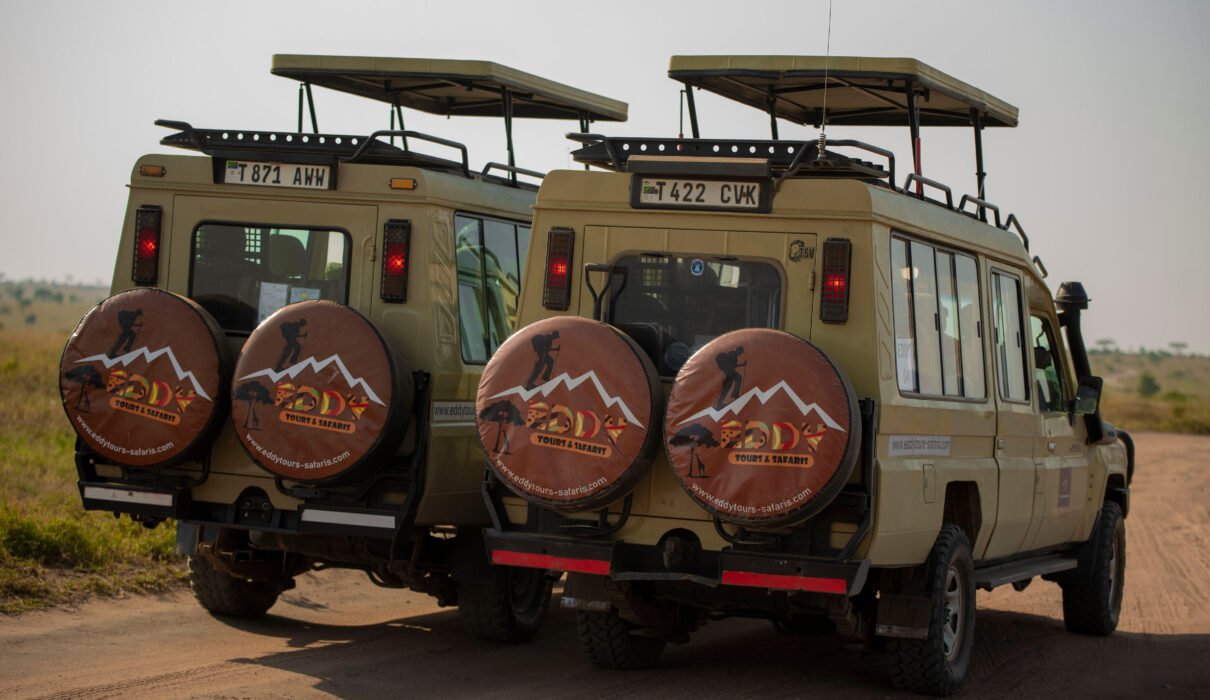
Tanzania Safari Booking Trends 2026 are shifting rapidly as global travelers adjust their planning strategies for wildlife adventures, conservation experiences, and bucket-list journeys. Across Serengeti ecosystems, Ngorongoro conservation areas, and Kilimanjaro trekking routes, operators report a measurable rise in early reservations compared to previous years. The shift reflects growing awareness of seasonal wildlife cycles, limited lodge capacity, permit restrictions, and changing traveler behavior influenced by digital planning tools and sustainability concerns.
Industry analysts monitoring tourism data alongside reports from institutions such as UN Tourism (UNWTO) and conservation groups like IUCN highlight how demand patterns are becoming more structured and predictable. As a result, safari planners increasingly advise booking months earlier than before, particularly for high-demand periods like the Great Migration season.
Tanzania Safari Booking Trends 2026: Data Showing Earlier Reservations
The most notable aspect of Tanzania Safari Booking Trends 2026 is the steady rise in long-lead bookings. Tourism data suggests travelers now confirm safari arrangements six to ten months ahead, compared to four to six months in earlier cycles. Research from Statista shows global adventure tourism demand rising sharply since 2023, influencing forward planning patterns across Africa.
In Tanzania, protected areas managed by the Tanzania National Parks Authority face seasonal demand peaks driven by wildlife migrations and climate patterns documented by the UK Met Office. These factors contribute to travelers securing accommodation and park logistics earlier than before.
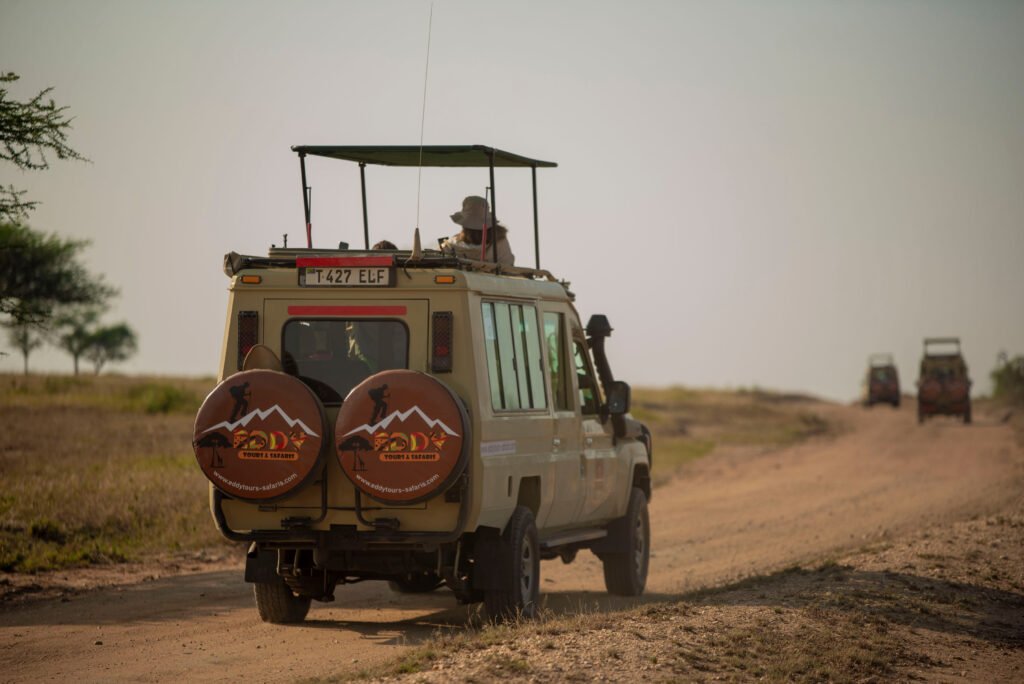
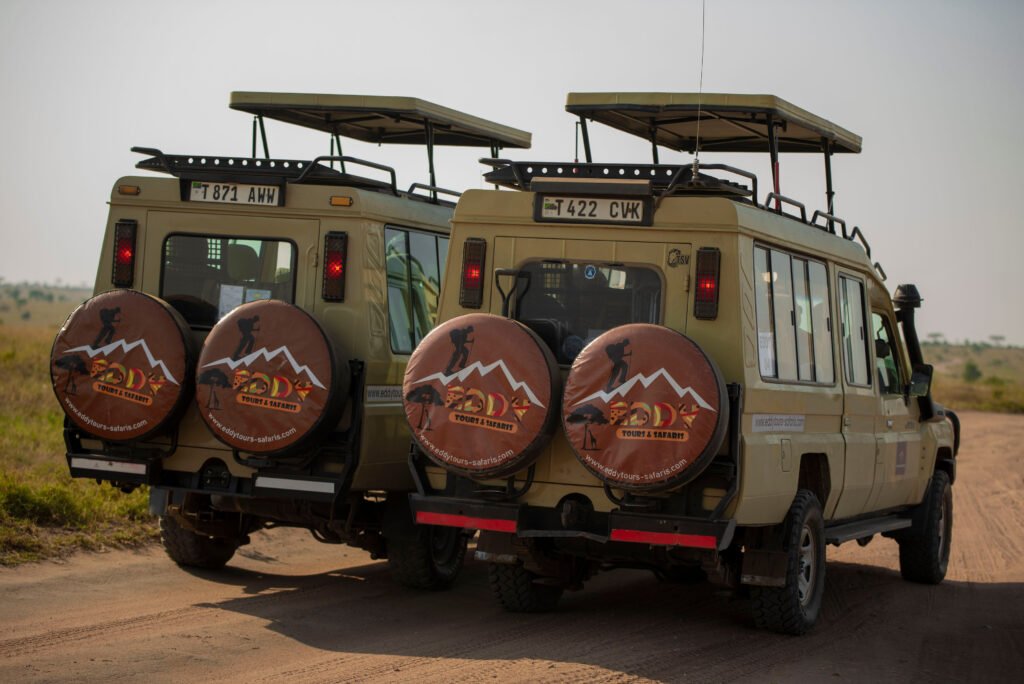
Tour operators such as Eddy Tours & Safaris increasingly observe that clients researching itineraries like the 7 Days Serengeti Migration Safari or Ngorongoro Crater Safari confirm travel dates much earlier than in previous years.
Why Tanzania Safari Booking Trends 2026 Show Early Planning Behavior
1. Limited Accommodation Availability
A major driver behind Tanzania Safari Booking Trends 2026 is the limited capacity of eco-lodges and tented camps operating inside protected areas. Many properties prioritize low-impact tourism, aligning with sustainability frameworks promoted by organizations such as the World Wildlife Fund. This approach naturally restricts room inventory and encourages early reservations.
2. Increased Awareness of Wildlife Seasons
Wildlife migration patterns documented by research platforms like National Geographic influence booking timelines. Travelers now track calving seasons, river crossings, and predator movements when planning itineraries.
Travelers researching routes through Serengeti National Park increasingly align bookings with ecological calendars supported by scientific studies from institutions like Smithsonian Institution.
3. Growth of Digital Planning Platforms
Technology has reshaped Tanzania Safari Booking Trends 2026. Online research tools, reviews, and conservation updates now inform traveler decisions earlier in the planning cycle. Data insights published through platforms like Google Travel demonstrate how travelers compare options months before departure.
4. Permit and Conservation Regulations
Protected area regulations influenced by research from the United Nations Environment Programme also affect booking timelines. Visitor limits for sensitive ecosystems such as Ngorongoro and Mount Kilimanjaro encourage travelers to confirm logistics early.
Trekkers planning climbs through Kilimanjaro climbing packages often secure permits well in advance to avoid seasonal shortages documented by studies from ScienceDirect.
Tanzania Safari Booking Trends 2026 and Changing Traveler Preferences
Another defining feature of Tanzania Safari Booking Trends 2026 is evolving traveler priorities. Modern safari visitors increasingly seek educational and conservation-focused experiences rather than purely recreational travel.
Studies conducted by organizations like Conservation International show travelers prefer operators committed to environmental stewardship. This aligns with growing interest in cultural experiences, community engagement, and biodiversity learning.
Travelers researching destinations such as Tarangire National Park frequently prioritize low-impact travel options supported by conservation science from institutions like Nature Research.
Tanzania Safari Booking Trends 2026: Regional Demand Patterns
North America and Europe
Demand from North American and European markets continues to dominate Tanzania Safari Booking Trends 2026. Tourism research by OECD Tourism indicates travelers from these regions plan earlier due to work schedules and long-haul flight coordination.
Asia and Emerging Markets
Emerging markets across Asia increasingly influence early booking patterns. Studies by the World Bank highlight growing middle-class travel demand across Asia, shaping global safari reservation timelines.
Tanzania Safari Booking Trends 2026 and Climate Awareness
Climate awareness plays a growing role in Tanzania Safari Booking Trends 2026. Travelers increasingly consult climate research from institutions such as IPCC and regional meteorological reports to select ideal safari windows.
Rainfall variability and seasonal shifts documented by NASA Climate influence travel timing decisions. As a result, safari planners encourage flexible scheduling aligned with evolving climate conditions.
How Tour Operators Are Adapting to Tanzania Safari Booking Trends 2026
Tour operators adapt operational strategies to match Tanzania Safari Booking Trends 2026. Many expand digital consultation services, offering itinerary planning tools aligned with traveler research behavior.
Operators like Eddy Tours & Safaris increasingly promote early-booking campaigns for popular programs such as the 6 Days Tanzania Safari, reflecting rising demand patterns.
Industry collaboration also increases through knowledge sharing supported by platforms like World Economic Forum, which tracks travel industry transformation trends.
Tanzania Safari Booking Trends 2026: Economic and Social Impact
Economic benefits associated with Tanzania Safari Booking Trends 2026 extend beyond tourism revenue. Conservation funding linked to park fees supports biodiversity protection documented by organizations like African Wildlife Foundation.
Community development programs supported by NGOs such as CARE International also benefit from structured tourism demand, contributing to education and infrastructure improvements across rural areas.
Tanzania Safari Booking Trends 2026 and Media Influence
Media coverage contributes significantly to Tanzania Safari Booking Trends 2026. Wildlife documentaries produced with support from organizations like BBC Earth inspire early planning by showcasing seasonal ecosystems.
Digital storytelling platforms supported by institutions such as Pew Research Center also influence how travelers engage with safari destinations.
Expert Advice for Travelers Following Tanzania Safari Booking Trends 2026
Plan at Least 6–9 Months Ahead
Experts recommend aligning travel timelines with Tanzania Safari Booking Trends 2026 by booking accommodations early. Research insights from Lonely Planet highlight how peak safari seasons often sell out months in advance.
Monitor Wildlife Reports
Travelers increasingly follow ecological updates published by conservation research groups like Zoological Society of London to optimize safari timing.
Choose Responsible Operators
Industry standards supported by the Global Sustainable Tourism Council encourage travelers to select environmentally responsible operators aligned with conservation best practices.
Tanzania Safari Booking Trends 2026: Future Outlook
Looking ahead, Tanzania Safari Booking Trends 2026 suggest continued growth in early reservations driven by sustainability awareness, technological access, and global interest in nature-based travel. Reports from McKinsey & Company forecast steady expansion of experiential tourism through 2030.
As digital research tools evolve and conservation education expands, Tanzania’s safari industry is likely to see further transformation in traveler behavior.
Conclusion
Tanzania Safari Booking Trends 2026 reveal a clear shift toward proactive planning, informed decision-making, and sustainability-focused travel. From wildlife enthusiasts tracking migration cycles to climbers preparing months in advance for Kilimanjaro expeditions, the trend reflects broader global changes in travel behavior.
For travelers considering a safari, aligning plans with evolving booking patterns ensures access to the best seasonal experiences while supporting conservation and community development initiatives across Tanzania.