
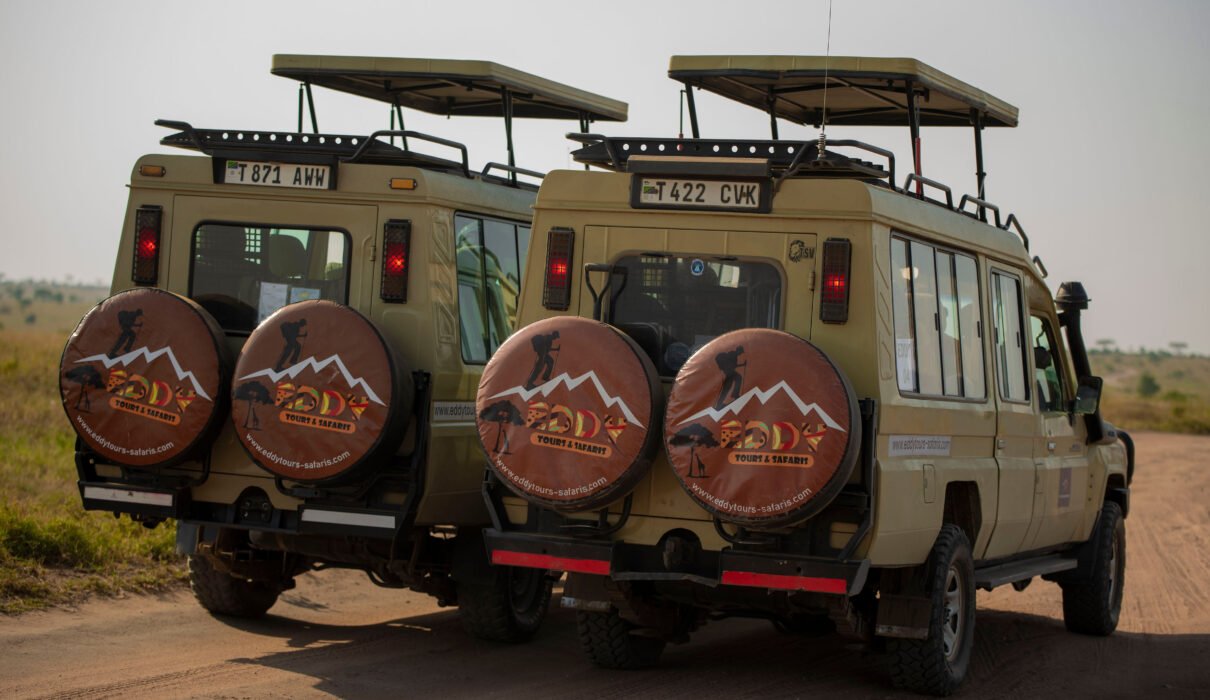
Tanzania Safari Optimized for Comfort, Timing, and Wildlife 2026/2027/2028 is not just another trip—it is a carefully designed experience that blends luxury, perfect seasonal timing, and the richest wildlife encounters in East Africa. Travelers today are looking for more than just game drives; they want smooth logistics, well-paced itineraries, and meaningful moments in nature without sacrificing comfort. This guide will help you understand exactly how to plan such a safari and why Tanzania remains one of the most rewarding destinations for 2026, 2027, and 2028.
Tanzania offers unmatched diversity, from the endless plains of Serengeti to the dramatic Ngorongoro Crater. With proper planning and expert guidance, your safari becomes seamless and deeply fulfilling. You can explore more curated journeys through Tanzania safari experiences designed for comfort and efficiency.
Tanzania Safari Optimized for Comfort, Timing, and Wildlife 2026/2027/2028: What Makes It Unique
This safari approach focuses on three essential pillars: comfort, timing, and wildlife density. Instead of rushing between parks, itineraries are structured to minimize travel fatigue while maximizing sightings. Lodges are carefully selected for their location and quality, ensuring that guests enjoy both proximity to wildlife and premium relaxation after each game drive.
Timing is equally important. Wildlife movements in Tanzania follow seasonal patterns, especially the Great Migration. Aligning your travel dates with these natural cycles dramatically increases your chances of witnessing iconic moments such as river crossings and predator hunts.
Scientific organizations such as World Wildlife Fund and National Geographic consistently highlight Tanzania as one of the most biodiverse safari destinations on Earth. Their research underscores the importance of conservation-focused tourism, which is integrated into modern safari planning.
The Role of Comfort in Modern Safaris
Comfort no longer means isolation from nature. Today’s safari lodges are designed to immerse you in the environment while offering high-end amenities. Think spacious tents with en-suite bathrooms, fine dining, and panoramic views of wildlife corridors.
Travelers can explore luxury accommodations through custom safari lodge options that balance authenticity with modern convenience.
Why Timing Determines Your Experience
The difference between a good safari and an unforgettable one often comes down to timing. The dry season (June to October) offers excellent wildlife visibility, while the green season (November to March) brings fewer crowds and lush landscapes.
Data from IUCN and UN Environment Programme shows how seasonal changes influence animal behavior, migration routes, and breeding cycles.
Best Destinations for Wildlife Encounters
Tanzania is home to some of the most iconic safari destinations in Africa, each offering unique ecosystems and wildlife concentrations.
Serengeti National Park
The Serengeti is famous for the Great Migration, where millions of wildebeest and zebras move across the plains. This natural event is widely studied by institutions like Smithsonian Institution and Encyclopaedia Britannica, emphasizing its global ecological importance.
Ngorongoro Crater
This UNESCO World Heritage Site is a natural enclosure teeming with wildlife. Lions, elephants, and rhinos thrive in this unique ecosystem, making it one of the best places for guaranteed sightings.
Tarangire National Park
Known for its large elephant herds and baobab trees, Tarangire offers a quieter yet equally rewarding safari experience.
Lake Manyara National Park
Famous for tree-climbing lions and diverse birdlife, this park provides a compact but rich safari experience.
Sample Itinerary for Maximum Comfort and Wildlife
A well-balanced itinerary ensures you experience the best of Tanzania without feeling rushed.
Day 1–2: Arrival and Arusha Relaxation
Arrive in Arusha and unwind in a comfortable lodge. Prepare for the journey ahead with a relaxed start.
Day 3–4: Tarangire Exploration
Enjoy game drives focusing on elephants and predators.
Day 5–6: Ngorongoro Crater Safari
Descend into the crater for a full-day wildlife experience.
Day 7–10: Serengeti Adventure
Witness the Great Migration and predator activity.
For tailored itineraries, visit expert safari planning services.
Wildlife You Can Expect to See
Tanzania hosts the “Big Five” along with countless other species. Research from The Nature Conservancy and Wildlife Conservation Society highlights the region’s ecological richness.
- Lions and leopards
- Elephants and buffalo
- Rhinos
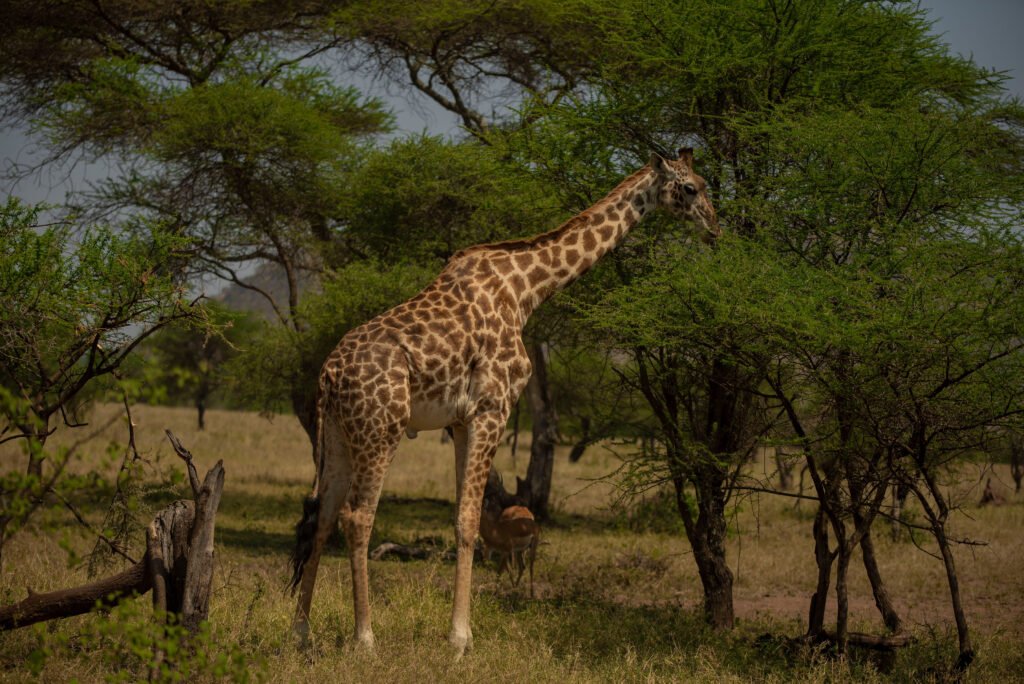
- Giraffes and zebras
- Hundreds of bird species
Best Time to Book for 2026/2027/2028
Planning ahead ensures availability of top lodges and expert guides. Peak migration months require early booking, sometimes up to a year in advance.
Climate data from NASA Climate and NOAA supports the importance of seasonal planning for optimal travel conditions.
Why Choose a Professionally Optimized Safari
Choosing a professionally designed safari eliminates guesswork. Every detail—from transfers to accommodation—is handled efficiently.
Explore curated packages at trusted safari experts who specialize in seamless travel experiences.
Sustainability and Conservation
Modern safaris emphasize responsible tourism. Organizations like Africa Geographic and Conservation International advocate for eco-friendly travel practices that protect wildlife habitats.
Visitors contribute directly to conservation efforts through park fees and community initiatives.
Travel Tips for First-Time Visitors
- Pack light, breathable clothing
- Carry binoculars and a camera
- Follow guide instructions strictly
- Stay hydrated and protected from the sun
Health guidelines from World Health Organization and CDC should also be reviewed before travel.
Combining Safari with Kilimanjaro Adventures
Many travelers combine their safari with a mountain experience. You can explore trekking options at Kilimanjaro Climb Specialist, which complements your wildlife journey perfectly.
FAQs
What is the best time for a Tanzania safari?
The dry season from June to October is ideal for wildlife viewing, while January to March is excellent for calving season.
How long should a safari last?
7–10 days is ideal for a balanced experience covering multiple parks.
Is Tanzania safe for tourists?
Yes, with proper planning and guided tours, Tanzania is considered safe for travelers.
What should I pack?
Light clothing, sunscreen, insect repellent, and comfortable shoes.
Can I see the Big Five?
Yes, Tanzania is one of the best places to see all members of the Big Five.
Do I need vaccinations?
Consult your doctor and check guidelines from WHO before traveling.
Conclusion
Tanzania Safari Optimized for Comfort, Timing, and Wildlife 2026/2027/2028 offers a rare chance to experience Africa at its finest. With thoughtful planning, expert guidance, and a focus on quality, your safari becomes more than a trip—it becomes a lifelong memory. From the Serengeti’s vast plains to the Ngorongoro Crater’s unique ecosystem, every moment is designed to inspire and amaze.
Start planning today with professional safari planners who understand how to turn your dream into reality.