
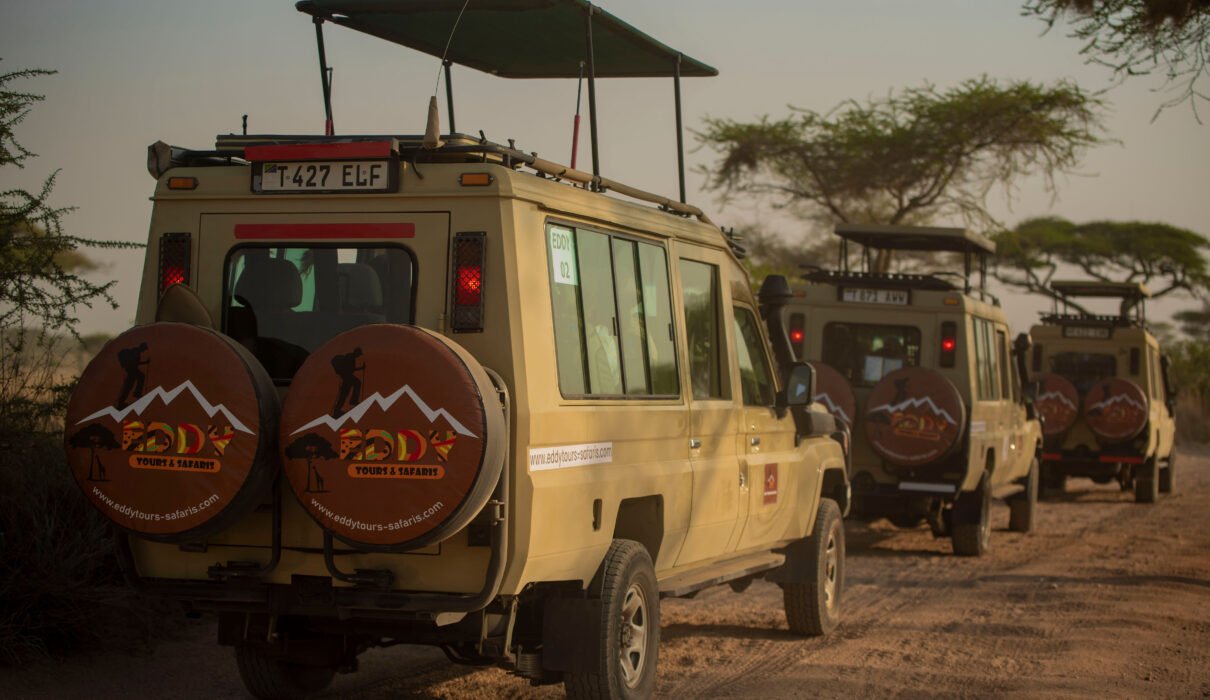
Tanzania Safari Planning Trends 2026/2027/2028: What Has Changed is becoming one of the most searched travel topics as global travelers rethink how they plan African adventures. Over the last few years, safari expectations, booking behavior, sustainability awareness, and technology use have evolved quickly, shaping how visitors experience Tanzania’s iconic landscapes and wildlife. Travelers today are more informed, intentional, and experience-driven than ever before, choosing customized journeys with trusted experts like Eddy Tours & Safaris who understand the country deeply. As we approach 2026 through 2028, planning a safari now means understanding new trends, conservation priorities, seasonal shifts, and smarter ways to explore Tanzania responsibly while maximizing comfort, safety, and unforgettable moments.
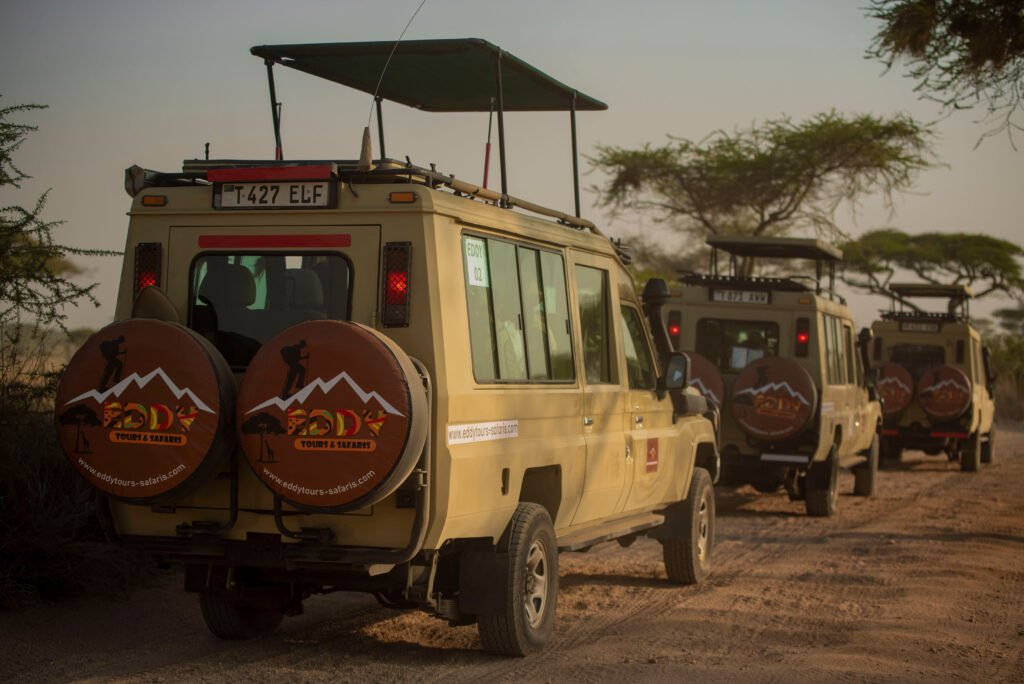
Tanzania Safari Planning Trends 2026/2027/2028: What Has Changed in Traveler Behavior
The modern safari traveler has shifted from traditional tour packages toward immersive, personalized experiences that prioritize authenticity, flexibility, and sustainability. Increasingly, travelers research through platforms like Google while comparing conservation efforts documented by organizations such as World Wildlife Fund, IUCN, and Wildlife Conservation Society. The influence of environmental awareness campaigns led by institutions like UNEP and National Geographic Society has encouraged visitors to seek ethical operators who prioritize community engagement and responsible wildlife viewing.
Another notable shift is longer trip planning timelines. Travelers now book six to twelve months in advance due to increased demand for premium lodges and carefully managed conservation areas like those supported by African Wildlife Foundation. This planning approach allows experts such as Eddy Tours & Safaris to craft detailed itineraries aligning migration patterns with seasonal experiences. Families, couples, and solo travelers alike are leaning toward curated journeys that mix adventure with relaxation, cultural exchange, and photography opportunities.
The Rise of Experience-Led Safari Design
Tanzania Safari Planning Trends 2026/2027/2028: What Has Changed also reflects the growing interest in storytelling-driven safaris, where guests engage deeply with guides, conservationists, and local communities. Institutions like Conservation International and Fauna & Flora emphasize experiential travel’s role in supporting wildlife protection, which resonates strongly with younger travelers and repeat safari visitors.
Technology’s Influence on Tanzania Safari Planning Trends 2026/2027/2028: What Has Changed
Technology now plays a central role in shaping how travelers research, book, and experience safaris. Artificial intelligence-powered trip planning tools and digital storytelling platforms supported by institutions like Smithsonian Institution provide rich context about ecosystems and species. Visitors frequently use wildlife data resources such as Global Biodiversity Information Facility and Movebank to understand migration movements before arriving.
In the field, travelers increasingly use lightweight cameras, drones within legal frameworks supported by research bodies like Smithsonian, and conservation apps linked with EarthRanger systems to track sightings. Tour planners such as Eddy Tours & Safaris incorporate these tools seamlessly into guest experiences, ensuring safety and minimal environmental disruption while enhancing wildlife encounters.
Digital Booking and Seamless Planning
Online booking platforms, dynamic pricing tools, and digital consultations are changing how safari logistics are handled. Global institutions like World Economic Forum highlight tourism technology as a major growth factor, and Tanzanian safari planners increasingly adopt virtual consultations, digital travel briefings, and real-time itinerary updates.
Sustainability and Conservation Awareness in Tanzania Safari Planning Trends 2026/2027/2028: What Has Changed
Sustainability is no longer optional; it is central to decision-making for safari travelers. Reports from IPCC and conservation organizations such as Panthera and ElephantVoices have shaped public understanding of wildlife conservation challenges. Travelers increasingly select operators who demonstrate transparency in carbon reduction, local employment, and wildlife protection practices.
Leading safari companies like Eddy Tours & Safaris work with community-led conservation programs and eco-certified lodges aligned with global sustainability guidelines. Guests increasingly prefer solar-powered accommodations, plastic-free experiences, and community visits coordinated responsibly with research support from organizations like Rainforest Alliance.
Community-Based Tourism Growth
Community-based tourism initiatives supported by UNESCO and CIFOR are expanding across Tanzania. Travelers are now more interested in meaningful cultural interactions rather than passive observation, which is reflected in itinerary design.
Seasonal Strategy Changes in Tanzania Safari Planning Trends 2026/2027/2028: What Has Changed
Climate variability documented by NOAA and NASA Climate is influencing how travelers choose travel windows. Visitors increasingly seek expert guidance to align travel dates with migration movements and weather patterns rather than traditional calendar seasons. Planners like Eddy Tours & Safaris analyze updated migration forecasts and park access conditions to recommend optimal timing.
Flexible travel planning is becoming essential, with many visitors opting for shoulder seasons when parks are quieter and wildlife sightings remain excellent. This approach allows guests to enjoy personalized experiences with fewer crowds while maintaining strong conservation benefits.
Luxury vs Adventure Balance in Tanzania Safari Planning Trends 2026/2027/2028: What Has Changed
Luxury travel continues to grow, but the definition of luxury is changing significantly. Instead of opulence alone, travelers now value privacy, meaningful experiences, and environmental harmony. Research by Harvard University and London School of Economics highlights how modern travelers prioritize emotional connection over material comfort.
Safari planners respond by offering experiences blending adventure with elegance, such as private game drives, walking safaris, and remote camps integrated with cultural visits. Travelers who want to combine mountain trekking with safari exploration often consult Kilimanjaro Climb Specialist alongside safari planners for seamless experiences.
Personalized Itineraries and Custom Planning
Customization defines Tanzania Safari Planning Trends 2026/2027/2028: What Has Changed more than any other factor. Travelers increasingly request tailor-made itineraries reflecting personal interests such as photography, birding, conservation volunteering, or family-focused safaris. Research from Stanford University indicates that personalized travel enhances satisfaction and long-term memory retention.
Professional planners like Eddy Tours & Safaris work closely with clients to refine every detail, including accommodation style, travel pace, and exclusive experiences.
Health, Safety, and Responsible Travel Considerations
Global health awareness influenced by agencies such as World Health Organization and CDC has changed traveler priorities. Guests now value private transfers, flexible policies, and reliable local support networks.
Professional safari operators continuously update safety protocols and collaborate with research institutions such as Johns Hopkins University to stay informed about global travel trends and public health insights.
Wildlife Photography and Storytelling Trends
Photography-driven travel continues to grow as technology improves and storytelling becomes more important. Conservation-driven storytelling supported by BirdLife International and WWF International inspires travelers to document experiences responsibly.
Guided photography safaris organized by specialists like Eddy Tours & Safaris focus on positioning, lighting, and ethical wildlife viewing practices.
Transportation and Accessibility Developments
Infrastructure improvements supported by institutions such as World Bank are improving access to remote parks. Domestic flight connectivity and upgraded roads allow travelers to explore multiple ecosystems within shorter timeframes.
This accessibility supports flexible itineraries while maintaining conservation protections guided by research from Conservation Evidence.
Cost Trends and Value Considerations
While safari costs are rising due to conservation investments and operational improvements, travelers increasingly recognize the long-term value of responsible tourism. Research from OECD shows growing willingness among travelers to invest in ethical travel experiences.
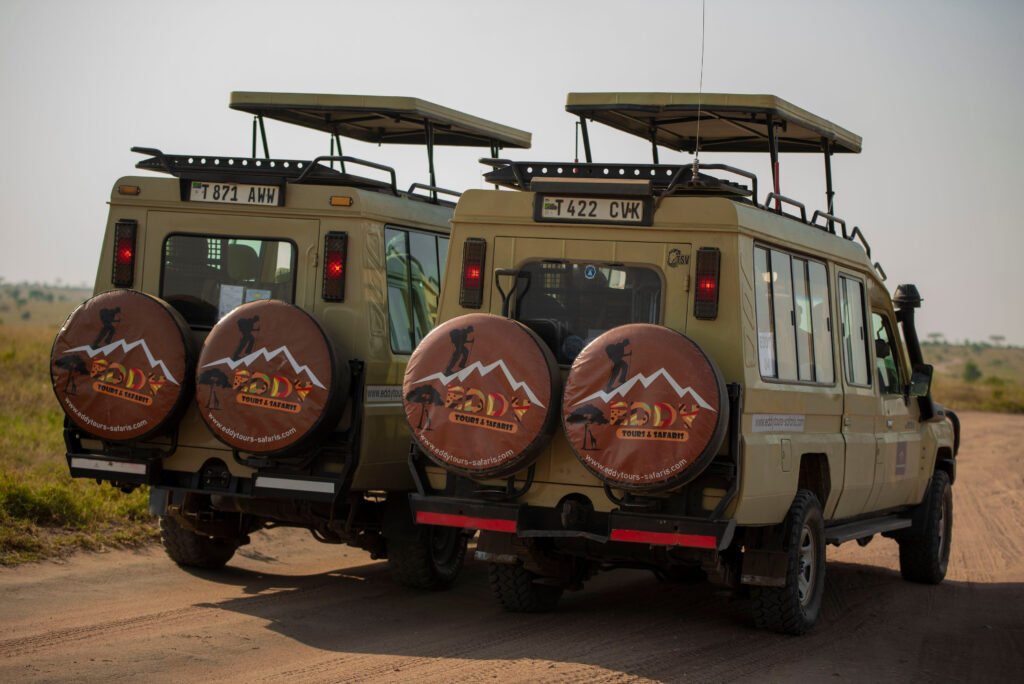
Future Outlook for Tanzania Safari Planning Trends 2026/2027/2028: What Has Changed
Looking ahead, Tanzania Safari Planning Trends 2026/2027/2028: What Has Changed will continue evolving through sustainability innovation, digital tools, and personalized travel models. Conservation research from University of Cambridge predicts increasing integration between tourism and wildlife protection efforts.
Travelers planning early with experienced operators such as Eddy Tours & Safaris will continue enjoying the most seamless and rewarding experiences.