
Tanzania Safari Routes Explained: Which National Parks Should You Visit on Your First Trip in 2026, 2027 & 2028;For many first-time visitors, Tanzania’s Northern Safari Circuit is the easiest place to begin. It brings together some of the country’s most famous wildlife destinations, including Serengeti National Park, Ngorongoro Conservation Area, Tarangire National Park and Lake Manyara National Park. Tanzania’s official tourism authority describes the Northern Circuit as the country’s most legendary safari route, with iconic landscapes and wildlife experiences ranging from the Great Migration to tree-climbing lions and volcanic scenery.But there is much more to Tanzania than the Northern Circuit.
If you have more time, want fewer tourists, or prefer a more remote safari experience, southern and western Tanzania can offer something completely different.At Eddy Tour and Safaris, safari itineraries can be tailored around the destinations, season, interests and travel style of individual visitors. Eddy’s current destination guidance highlights the Northern parks as particularly suitable for first-time visitors while also pointing travelers toward the more remote southern and western parks.
So, whether you are planning your first Tanzania safari in 2026, 2027 or 2028, this guide will help you understand the different routes and decide where your adventure should take you.
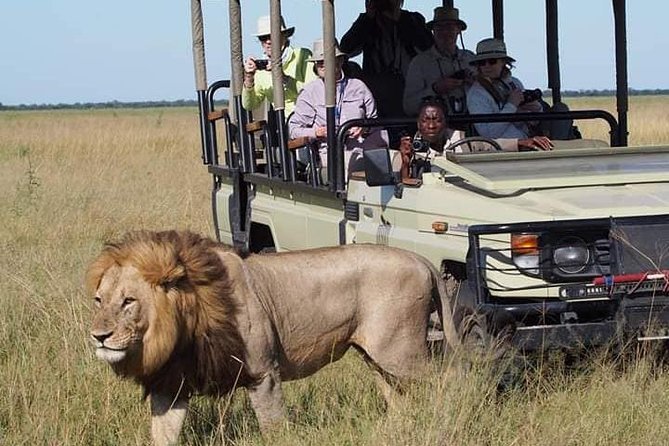
Why Tanzania Is Such a Good Choice for a First Safari :Tanzania Safari Routes Explained: Which National Parks Should You Visit on Your First Trip in 2026, 2027 & 2028
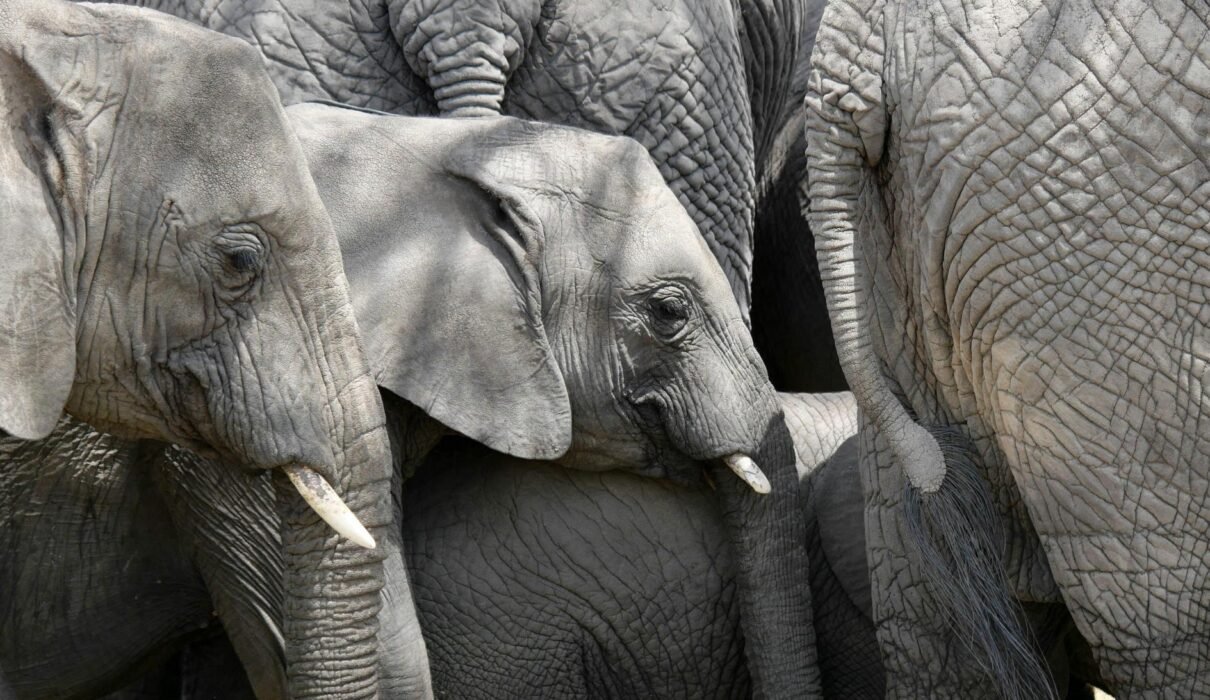
There are many African countries where you can experience incredible wildlife, but Tanzania has a special combination of landscapes and wildlife destinations.you can watch elephants beneath enormous baobab trees in Tarangire.
You can descend into the Ngorongoro Crater and search for lions, buffalo, elephants and other wildlife in a spectacular volcanic landscape.You can spend several days exploring the Serengeti, where the Great Migration takes place.You can finish your journey on the beaches of Zanzibar.You can even combine a safari with a climb of Mount Kilimanjaro.That variety is one of Tanzania’s greatest strengths.
The official Tanzania Tourism Board highlights safari, mountains, beaches, culture and nature as major experiences that can be combined into one trip.
For a first-time traveler, that means you don’t necessarily have to choose between a wildlife adventure and a relaxing holiday.You can have both.
The Main Tanzania Safari Routes Explained
Before choosing individual parks, it helps to understand the main safari regions.
1. Northern Tanzania Safari Circuit
This is the most popular choice for first-time visitors.
A classic northern itinerary can include:
- Tarangire National Park
- Lake Manyara National Park
- Ngorongoro Conservation Area
- Serengeti National Park
The biggest advantage is variety.
Within several days, you can experience elephants, big cats, large herbivore herds, volcanic landscapes, lakes, forests, open grasslands and dramatic scenery.
This is also the region where many travelers build their first Tanzania safari.
2. Southern Tanzania Safari Circuit
Southern Tanzania is ideal for travelers who want something quieter and more remote.
Key destinations include:
- Nyerere National Park
- Ruaha National Park
- Mikumi National Park
These areas generally feel less like the classic “first safari” itinerary and more like a deeper exploration of Tanzania’s wilderness.
Ruaha, for example, is Tanzania’s largest national park and is known for large lion and elephant populations. Nyerere offers a combination of wildlife and river-based experiences.
If you’ve already visited the Serengeti or simply prefer fewer vehicles and a more remote atmosphere, southern Tanzania deserves serious consideration.
3. Western Tanzania
Western Tanzania is a different world.
The major destinations include:
- Katavi National Park
- Mahale Mountains National Park
This region is especially interesting for travelers looking for remote wilderness and unusual experiences.
Mahale is famous for chimpanzee trekking and its beautiful setting beside Lake Tanganyika.
Katavi offers a raw, remote safari experience and is particularly appealing to experienced safari travelers who want to get away from the better-known routes.
For a first safari, however, western Tanzania may require more time and logistical planning.
Serengeti National Park: The Park Most First-Time Visitors Dream About:Tanzania Safari Routes Explained: Which National Parks Should You Visit on Your First Trip in 2026, 2027 & 2028
If someone says “Tanzania safari,” there is a good chance the Serengeti is the first place that comes to mind.
And for good reason.
The Serengeti is one of Africa’s most famous wildlife ecosystems.
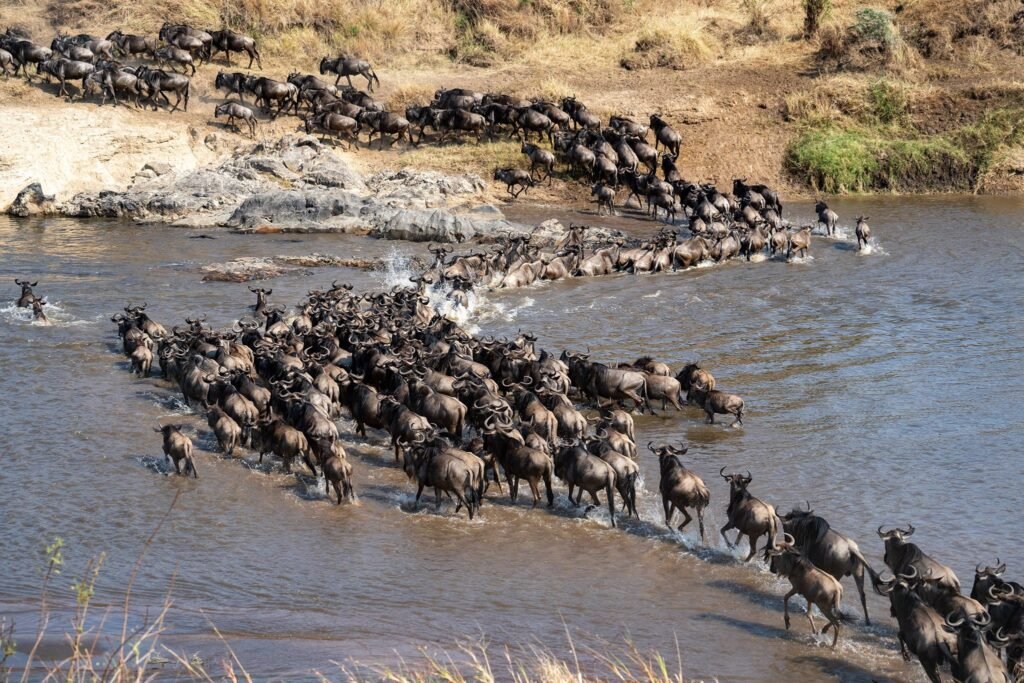
It is particularly associated with the Great Migration, when huge numbers of wildebeest and zebra move across the ecosystem in search of fresh grazing.
The Tanzania Tourism Board describes the Serengeti as a major destination for the annual migration and highlights its wildebeest, zebra, predators and distinctive landscapes.
But here’s something important for first-time visitors:
You should not visit the Serengeti only because you want to “see the migration.”
The Serengeti is spectacular even when you aren’t watching a dramatic river crossing.
You can encounter:
- Lions
- Leopards
- Cheetahs
- Elephants
- Giraffes
- Buffalo
- Hippos
- Hyenas
- Wildebeest
- Zebras
- Gazelles
- Many bird species
The park is enormous, so where you stay within the Serengeti can make a significant difference to your experience.
When Should You Visit the Serengeti?
This depends on what you want to experience.
The migration is constantly moving.
There isn’t one single day when the entire migration “happens.”
Different sections of the Serengeti and surrounding ecosystem can be more productive at different times of the year.
For that reason, travelers interested in the migration should discuss their specific travel dates and preferred region with a safari operator before booking.
Tanzania’s tourism authority describes April onward as part of the green-season experience in the Serengeti, with lush landscapes, dramatic skies and newborn wildlife offering a different type of safari experience.
This is one reason why an experienced local operator can be useful.
Instead of simply asking, “Is June good?”
Ask:
“Where should we be in June for the wildlife experience we want?”
That’s a much better safari-planning question.
Ngorongoro Crater: One of Tanzania’s Most Remarkable Landscapes:Tanzania Safari Routes Explained: Which National Parks Should You Visit on Your First Trip in 2026, 2027 & 2028
The Ngorongoro Conservation Area is another destination that belongs on many first-time safari itineraries.
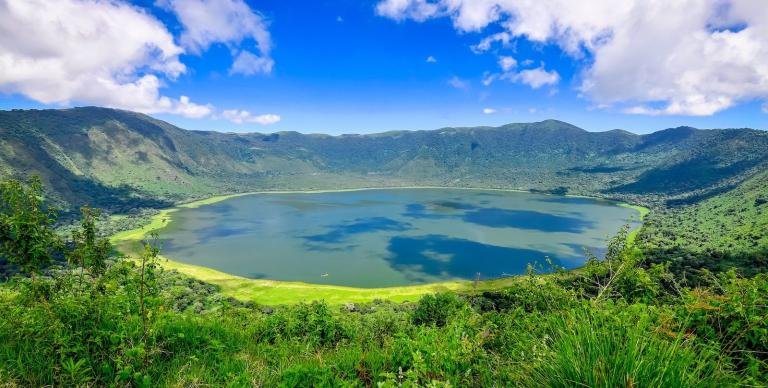
The star attraction is the Ngorongoro Crater, a huge volcanic caldera containing an extraordinary concentration of wildlife.
The landscape feels completely different from the open Serengeti.
Instead of endless plains, you have steep crater walls surrounding a wildlife-rich floor.
Tanzania’s official tourism website describes Ngorongoro as a UNESCO World Heritage Site and one of the places where visitors can experience the Big Five in a compact and dramatic setting.
For first-time travelers, Ngorongoro is attractive because you can experience an enormous amount of wildlife within a relatively concentrated area.
You may see:
- Lions
- Buffalo
- Zebras
- Wildebeest
- Hippos
- Hyenas
- Elephants
- Flamingos
- Various antelope
- Numerous bird species
And then there is the scenery.
Even before you see an animal, looking across the crater can be an unforgettable experience.
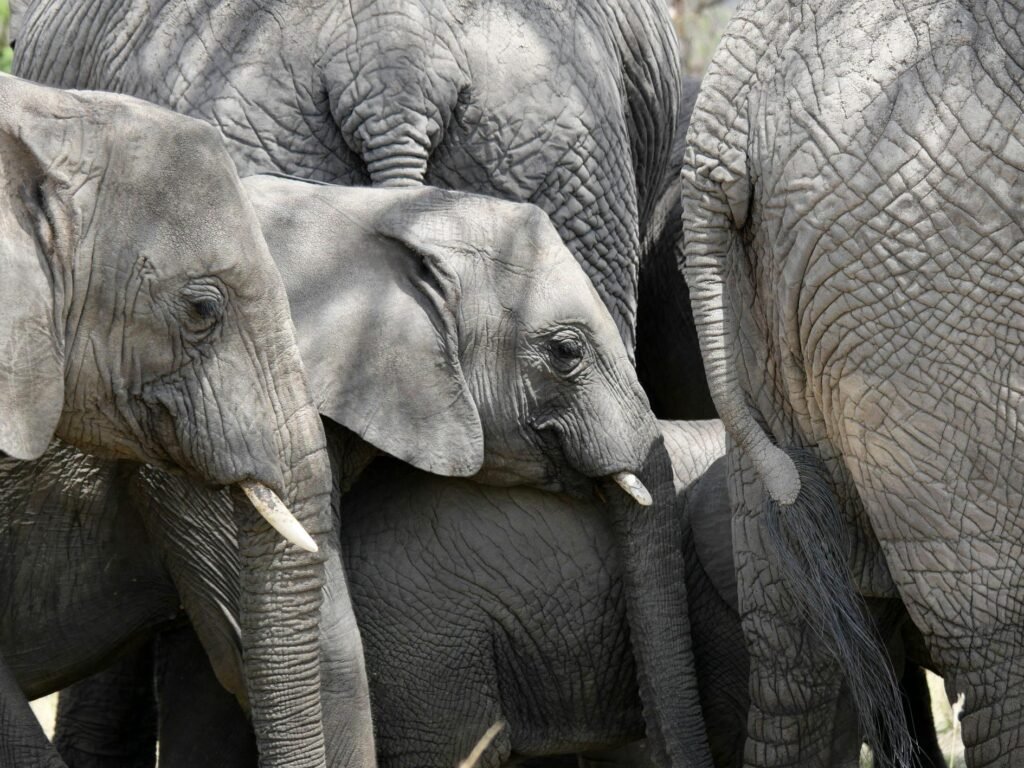
Tarangire National Park: The Elephant and Baobab Experience:Tanzania Safari Routes Explained: Which National Parks Should You Visit on Your First Trip in 2026, 2027 & 2028
Tarangire is sometimes overlooked by travelers who are focused entirely on Serengeti and Ngorongoro.
That’s a mistake.
For many visitors, Tarangire becomes one of the unexpected highlights of their trip.
The park is particularly famous for:
Elephants and baobabs.
Tanzania National Parks describes Tarangire as the “Paradise of Elephants” and highlights its large elephant populations, baobab landscapes, lions, wildebeest, zebra and buffalo.
The scenery is also beautiful.
Imagine a large elephant herd moving slowly beneath enormous baobab trees as the afternoon light turns golden.
That’s Tarangire.
It is also a very practical addition to a northern safari because it can fit naturally into itineraries beginning around Arusha.
Why Tarangire Is Excellent for First-Time Visitors
Tarangire gives you something different from the Serengeti.
The Serengeti is about vast open plains.
Tarangire has a more varied landscape, including:
- Baobab trees
- Savannah
- Woodlands
- Seasonal rivers
- Swamps
- Rocky areas
The Tarangire River is particularly important to wildlife during dry periods.
This makes the park a strong choice for travelers who want elephants and scenic photography.
It is also a good park for people who love landscapes as much as wildlife.
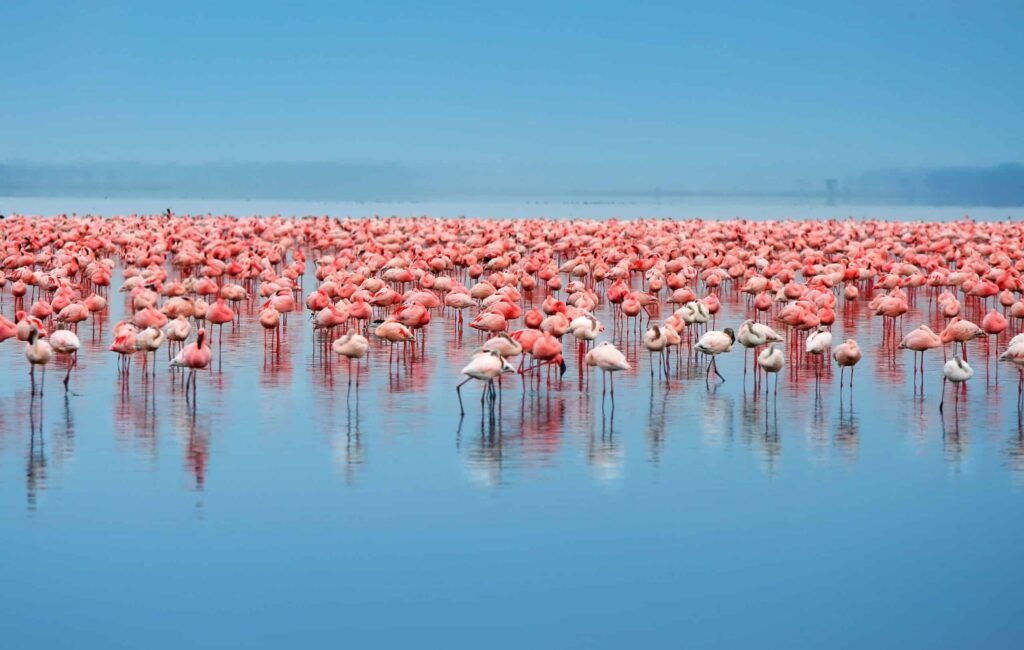
Lake Manyara National Park: Small Park, Big Variety:Tanzania Safari Routes Explained: Which National Parks Should You Visit on Your First Trip in 2026, 2027 & 2028
Lake Manyara is another excellent first-trip destination, particularly when combined with Tarangire and Ngorongoro.
It is located beneath the Great Rift Valley escarpment and contains a remarkable variety of habitats within a relatively compact area.
The park is known for:
- Tree-climbing lions
- Elephants
- Baboons
- Blue monkeys
- Giraffes
- Buffalo
- Hippos
- Flamingos and other waterbirds
- Groundwater forests
- Rift Valley scenery
TANAPA describes Lake Manyara as a compact park with groundwater forests, a soda lake, floodplains and the Rift Valley escarpment.
The park is also recognized for its birdlife, with TANAPA recording more than 400 bird species.
For bird lovers, photographers and travelers who appreciate varied landscapes, Manyara can be a rewarding stop.
Is Lake Manyara Worth Visiting?
This depends on your itinerary.
If you only have three days and must choose between several destinations, you may prioritize Serengeti and Ngorongoro.
But if you have more time, Manyara adds something different.
It can work particularly well as part of a northern circuit itinerary.
TANAPA notes that Manyara is commonly combined with Ngorongoro and Serengeti, and its location makes it accessible from the Arusha area.
So rather than thinking of Manyara as a competitor to Serengeti, think of it as part of a larger northern Tanzania journey.
Arusha National Park: The Underrated Option
Arusha National Park is often overshadowed by the famous Serengeti.
But it can be a very interesting addition, particularly if you have limited time or want a safari experience close to Arusha.
The park contains:
- Mount Meru
- Montane forests
- Crater landscapes
- Lakes
- Open grasslands
- Giraffes
- Buffalo
- Primates
- Numerous birds
Tanzania’s official tourism website describes Arusha National Park as a diverse destination surrounding Mount Meru, with forests, crater lakes and savannah.
It is not necessarily the park you choose instead of Serengeti on a classic first safari.
But it can be an excellent addition for travelers staying around Arusha or combining safari with a Mount Meru adventure
Ruaha National Park: For a More Remote Safari
Now let’s move away from the Northern Circuit.
Ruaha is a different kind of Tanzania safari.
It is large, wild and less associated with the high-volume first-time safari circuit.
TANAPA lists Ruaha as Tanzania’s largest national park and highlights its significant lion and elephant populations.
If you want:
- Fewer crowds
- Large landscapes
- Remote wilderness
- Elephants
- Lions
- A slower safari atmosphere
Ruaha is worth considering.
For a first safari, however, you need to balance that desire for remoteness against travel time and logistics.
If you have only four days in Tanzania, the Northern Circuit may make more sense.
If you have 8–12 days, southern Tanzania becomes much more realistic.
Nyerere National Park: Wildlife and Water
Nyerere National Park offers a different safari experience because of the importance of the Rufiji River and associated wetlands.
This opens up opportunities for experiences that feel different from a traditional Serengeti game drive.
Depending on the itinerary and current park regulations, visitors may experience:
- Game drives
- Boat-based wildlife viewing
- Birdwatching
- River landscapes
- Elephants
- Hippos
- Crocodiles
- Lions
- Giraffes
- Buffalo
Nyerere works particularly well for travelers who want to combine classic wildlife viewing with a more water-oriented experience.
Which Tanzania Safari Route Is Best for Your First Trip?
There is no single answer.
Instead, match the route to your interests.
If You Want the Classic Tanzania Safari
Choose:
Tarangire + Ngorongoro + Serengeti
This is one of the strongest combinations for a first-time visitor.
If You Love Elephants
Prioritize:
Tarangire
Then consider adding Serengeti and Ngorongoro.
If You Want the Great Migration
Prioritize:
Serengeti
But choose the region according to your travel dates.
If You Want Big Five Wildlife
Consider:
Serengeti + Ngorongoro
If You Love Birds
Consider:
Lake Manyara + Serengeti + Ngorongoro
If You Want Fewer Tourists
Consider:
Ruaha + Nyerere
If You Want a Remote Adventure
Consider:
Southern or Western Tanzania
If You Want Safari + Zanzibar
A Northern Circuit safari followed by Zanzibar is an excellent combination.
The Best 3-Day Tanzania Safari for a First-Time Visitor
If you only have three days, don’t try to see everything.
A realistic itinerary could focus on:
Day 1: Tarangire
Spend the day exploring Tarangire’s elephant-rich landscapes.
Day 2: Ngorongoro Crater
Descend into the crater for a full or substantial game drive, depending on the itinerary.
Day 3: Lake Manyara or another northern destination
Explore the park before returning toward Arusha.
Another option is to prioritize Serengeti if seeing the Serengeti is your biggest dream, but this requires more driving or flying depending on the itinerary.
The important lesson is:
Three days is not enough to do Tanzania’s entire Northern Circuit properly.
Choose quality over quantity.
The Best 5-Day Tanzania Safari
Five days gives you much more flexibility.
A classic route could be:
Day 1- Tarangire
Day 2 – Ngorongoro
Days 3–4 Serengeti
Day 5 – Serengeti or Ngorongoro/Arusha return
This itinerary gives you time in the major destinations without spending every day rushing from one park to another.
The Best 7-Day Tanzania Safari
If you have seven days, you can slow things down.
A possible itinerary is:
Day 1: Tarangire
Day 2: Tarangire/Manyara or transfer toward Ngorongoro
Day 3: Ngorongoro
Day 4: Central Serengeti
Day 5: Serengeti
Day 6: Serengeti
Day 7: Serengeti and return/flight
This is the kind of itinerary that allows the Serengeti to become more than a quick overnight stop.
And that’s important.
The Serengeti is enormous.
Give it time.
Should You Choose a Private or Group Safari?
For a first-time safari, both can work.
Group Safari
A group safari can be more affordable.
You share the vehicle with other travelers and follow a planned itinerary.
This is particularly attractive to solo travelers and budget-conscious visitors.
Private Safari
A private safari provides more flexibility.
You can often spend longer at an interesting wildlife sighting.
You can adjust the pace.
You can choose accommodations according to your preferences.
For families, couples, photographers and travelers with specific wildlife interests, private safaris can be particularly appealing.
Eddy Tour and Safaris’ current Tanzania safari guidance presents different safari styles, including budget, mid-range, luxury and private options, with final pricing depending on factors such as accommodation, group size, season, route and duration.
How Much Time Should You Spend on Safari?
If this is your first Tanzania safari, I’d recommend thinking in terms of experience rather than number of parks.
Three parks in five days can be better than five parks in five days.Why?Because constantly moving means:
- More time in the vehicle
- Less time observing wildlife
- Less time enjoying your accommodation
- More packing and unpacking
- Less flexibility
A good safari isn’t a race.
Sometimes the best moment happens when you sit quietly for 20 minutes watching a pride of lions.
You don’t need to rush away because another park is waiting.
What Is the Best Time to Visit Tanzania?
There isn’t one universally perfect month.
Different seasons provide different experiences.
Dry Season
The drier months are often popular because wildlife can be easier to spot around remaining water sources and vegetation may be less dense.
Green Season
The landscape becomes greener and more dramatic.
There can be excellent photography conditions, birdlife and fewer visitors in some areas.
Tanzania’s official tourism campaign specifically promotes the green season as a time of lush landscapes, dramatic skies and strong photography opportunities in destinations including Serengeti, Ngorongoro and Tarangire.
Migration Season
If your priority is the Great Migration, your itinerary should be built around the expected location of the herds rather than simply choosing a month and assuming they will be everywhere.
This is where local planning becomes especially valuable.
Why 2026, 2027 and 2028 Are Good Years to Plan Ahead
Safari planning should begin early, particularly if you want specific camps or lodges during popular periods.
Planning ahead allows you to consider:
- Your preferred travel dates
- Migration-focused regions
- Accommodation availability
- Private versus group travel
- Budget
- Domestic flights
- Safari duration
- Zanzibar extensions
- Kilimanjaro combinations
Tanzania’s official tourism website encourages travelers to plan around season, wildlife interests, destinations and travel style.
For 2026, travelers should confirm current park fees, accommodation availability and route logistics before booking.
For 2027, early planning can provide more flexibility with accommodation and customized itineraries.
For 2028, you have even more opportunity to design a completely personalized safari rather than simply selecting a standard package.
How Eddy Tour and Safaris Can Help Plan Your First Safari
One of the biggest advantages of working with a Tanzania-based safari operator is local knowledge.
You aren’t simply booking a vehicle.
You’re planning a route through an ecosystem that changes with seasons, rainfall and wildlife movements.
Eddy Tour and Safaris specializes in Tanzania travel experiences, including safaris, Kilimanjaro climbs, Zanzibar holidays and tailor-made itineraries.
Its current Tanzania destination guidance recommends northern destinations such as Serengeti, Ngorongoro and Tarangire for first-time visitors while also highlighting the southern and western parks for travelers seeking more remote experiences.
That makes it possible to build a safari around what you actually want.
For example:
First safari + Great Migration:
Serengeti + Ngorongoro + Tarangire
First safari + elephants:
Tarangire + Serengeti + Ngorongoro
First safari + birds and landscapes:
Lake Manyara + Ngorongoro + Serengeti
Safari + Zanzibar:
Northern Circuit + Zanzibar
Safari + Kilimanjaro:
Kilimanjaro + Serengeti + Ngorongoro
Remote Tanzania:
Ruaha + Nyerere
The point is not to copy somebody else’s itinerary.
The point is to build the Tanzania experience you have been imagining.
What Should You Ask Eddy Tour and Safaris Before Booking?
Before confirming your safari, ask specific questions.
1. Which parks are included?
Make sure you understand exactly where you’re going.
2. How many nights are spent in each park?
One night and three nights can produce very different experiences.
3. Is the safari private or shared?
This affects flexibility and price.
4. What type of vehicle is used?
Ask about the safari vehicle, seating arrangements and viewing features.
5. Which accommodations are included?
Understand whether you’re staying in camps, lodges or a combination.
6. What meals are included?
Ask whether meals are full board and what is provided during game drives.
7. Are park fees included?
TANAPA publishes official park tariff information, but your safari quotation should clearly explain which fees and taxes are included in your package.
8. How does the itinerary match the season?
This is especially important if you’re interested in migration or specific wildlife behavior.
Responsible Safari: Enjoy Wildlife Without Harming It
A great safari is not simply about getting close to animals.
It’s about observing them responsibly.
Always listen to your guide.
Stay inside the vehicle when required.
Never feed wildlife.
Don’t shout at animals.
Don’t pressure your driver to leave the road or get dangerously close to wildlife.
Don’t litter.
Avoid disturbing nesting birds or animals with young.
TANAPA’s visitor guidance emphasizes following wildlife-safety instructions and maintaining responsible behavior around animals and sensitive habitats.
The goal is to leave Tanzania’s wilderness as beautiful as you found it.
What Should You Pack for Your First Tanzania Safari?
You don’t need to bring your entire wardrobe.
A practical packing list can include:
- Lightweight neutral-colored clothing
- Long-sleeved shirts
- Comfortable trousers
- Warm layer for cool mornings
- Waterproof jacket
- Comfortable shoes
- Hat
- Sunglasses
- Sunscreen
- Insect repellent
- Binoculars
- Camera
- Extra batteries/power bank
- Personal medication
- Reusable water bottle
- Small daypack
A pair of binoculars can completely change the experience.
That tiny shape in the distance might turn out to be a leopard sitting in a tree.
Don’t Forget the Human Side of a Tanzania Safari
Your first safari isn’t only about wildlife.
It is also about people.
Your guide.
Your camp staff.
The communities living around protected areas.
The stories you hear.
The food you taste.
The Swahili words you learn.
The conversations around the campfire.
These experiences are part of what makes Tanzania special.
Learn a few simple Swahili phrases before you arrive.
Even something as simple as:
Jambo – Hello
Asante – Thank you
Karibu – Welcome
can make your interactions feel more personal.
First-Time Safari Mistakes to Avoid
Trying to Visit Too Many Parks
More parks do not automatically mean a better safari.
Choosing Only by Price
The cheapest itinerary may involve more driving and less time in prime wildlife areas.
Ignoring the Season
Wildlife movements and landscapes change throughout the year.
Booking Too Late
Popular accommodation can become limited during high-demand periods.
Forgetting Travel Time
Tanzania is a large country.
Look at the map before assuming two destinations are “close.”
Not Asking What’s Included
Always clarify park fees, accommodation, meals, transfers and activities.
Treating Wildlife Like a Zoo
Animals are wild.
Your safety and their welfare come first.
So, Which National Parks Should You Visit on Your First Tanzania Safari?
If you want the simplest answer:
For Most First-Time Visitors
Serengeti + Ngorongoro + Tarangire
This combination gives you an excellent introduction to Tanzania.
If You Have More Time
Add:
Lake Manyara
or spend additional nights in the Serengeti.
If You Want a Quieter, More Remote Experience
Look south toward:
Ruaha + Nyerere
If You’re a Serious Wildlife Traveler
Consider combining northern Tanzania with a longer southern or western itinerary.
If You Want a Safari and Beach Holiday
Combine a mainland safari with:
ZanzibaFinal Thoughts: Your First Tanzania Safari Should Feel Like a Journey, Not a Checklist
There is no perfect Tanzania safari itinerary.
There is only the itinerary that is right for you.
If this is your first trip, you don’t need to visit every national park.
You don’t need to chase every famous animal.
You don’t need to spend every day moving between destinations.
Instead, choose a few places and give yourself time to experience them.
If you’re dreaming about the classic Tanzania safari, start with Serengeti, Ngorongoro and Tarangire.
If elephants are your priority, don’t overlook Tarangire.
If dramatic landscapes and concentrated wildlife appeal to you, Ngorongoro deserves a place on your itinerary.
If you love birds and varied ecosystems, consider Lake Manyara.
If you’ve already experienced the famous northern parks or simply want a quieter wilderness experience, look toward Ruaha and Nyerere.
And if you have time to combine your safari with a beach holiday, Tanzania makes that remarkably easy.
For travelers planning 2026, 2027 or 2028, the smartest approach is to begin with one simple question:
“What do I want to remember most about my Tanzania trip?”
Is it watching lions at sunrise?
Seeing elephants beneath baobabs?
Watching the Serengeti stretch endlessly toward the horizon?
Experiencing the Great Migration?
Standing above Ngorongoro Crater?
Watching hippos from a boat?
Or ending your adventure with your feet in the white sand of Zanzibar?
Once you know the answer, choosing the route becomes much easier.
And that is where a local operator such as Eddy Tour and Safaris can make the planning process more personal.
Rather than simply giving you a list of parks, the goal should be to create an itinerary that matches your travel dates, interests, budget and pace.
Because your first Tanzania safari shouldn’t feel like ticking destinations off a map.
It should feel like entering a completely different world.
A world where the road disappears into the savannah.
Where elephants cross in front of your vehicle.
Where lions sleep beneath trees.
Where thousands of wildebeest move across the plains.
Where the landscape changes every few hours.
And where, after the sun goes down, you realize that the day you just experienced is something you will probably talk about for the rest of your life.
That is Tanzania.
And your safari begins with choosing the right route
Frequently Asked Questions About Tanzania Safari Routes
1. What is the best safari route in Tanzania for first-time visitors?
For many first-time travelers, the Northern Safari Circuit is the strongest starting point. A classic itinerary combines Tarangire, Ngorongoro and Serengeti, with Lake Manyara added when time allows. Tanzania’s tourism authority identifies the Northern Circuit as its most iconic safari region.
2. How many days do I need for a Tanzania safari?
Three days can provide a short introduction, but 5–7 days gives first-time visitors considerably more flexibility. If you want to combine several parks without rushing, a longer itinerary is preferable.
3. Is Serengeti worth visiting on a first safari?
Absolutely. Serengeti is one of Tanzania’s signature wildlife destinations and is famous for the Great Migration, predators and enormous open landscapes.
4. Is Tarangire worth visiting?
Yes. Tarangire is particularly famous for elephants and baobab landscapes and is an excellent addition to a Northern Circuit safari.
5. Should I visit Lake Manyara?
Lake Manyara can be an excellent choice for travelers interested in diverse landscapes, birds, elephants and the park’s famous tree-climbing lions. It also combines conveniently with Ngorongoro and Serengeti.
6. Is Ngorongoro Crater a national park?
No. It is part of the Ngorongoro Conservation Area, which is a separate protected area. The crater itself is one of Tanzania’s best-known wildlife destinations.
7. Which is better for a first safari: northern or southern Tanzania?
For most first-time visitors with limited time, northern Tanzania is more convenient because several iconic destinations can be combined. Southern Tanzania is attractive if you have more time and want a quieter, more remote experience.
8. When is the best time to visit Tanzania?
It depends on your goals. Dry periods are popular for general wildlife viewing, while green-season travel can provide lush scenery, dramatic skies and strong photography opportunities. Migration-focused trips should be planned according to the expected location of the herds rather than a simplistic “best month.”
9. Can I combine a Tanzania safari with Zanzibar?
Yes. A mainland safari followed by several days in Zanzibar is one of the most popular ways to combine wildlife and beach experiences.
10. Can I combine Kilimanjaro and safari?
Yes. Kilimanjaro can be combined with a northern Tanzania safari, creating a longer adventure that includes both mountain trekking and wildlife.
11. Is a private safari better than a group safari?
It depends on your priorities. Private safaris provide more flexibility, while group safaris can be more affordable and social. Your budget, group size and preferred travel style should determine the choice.
12. How far in advance should I book a 2026, 2027 or 2028 safari?
Planning early is especially useful if you have fixed dates, want specific camps or lodges, or are traveling during a popular season. It also gives your operator more flexibility to build the route around your interests.