
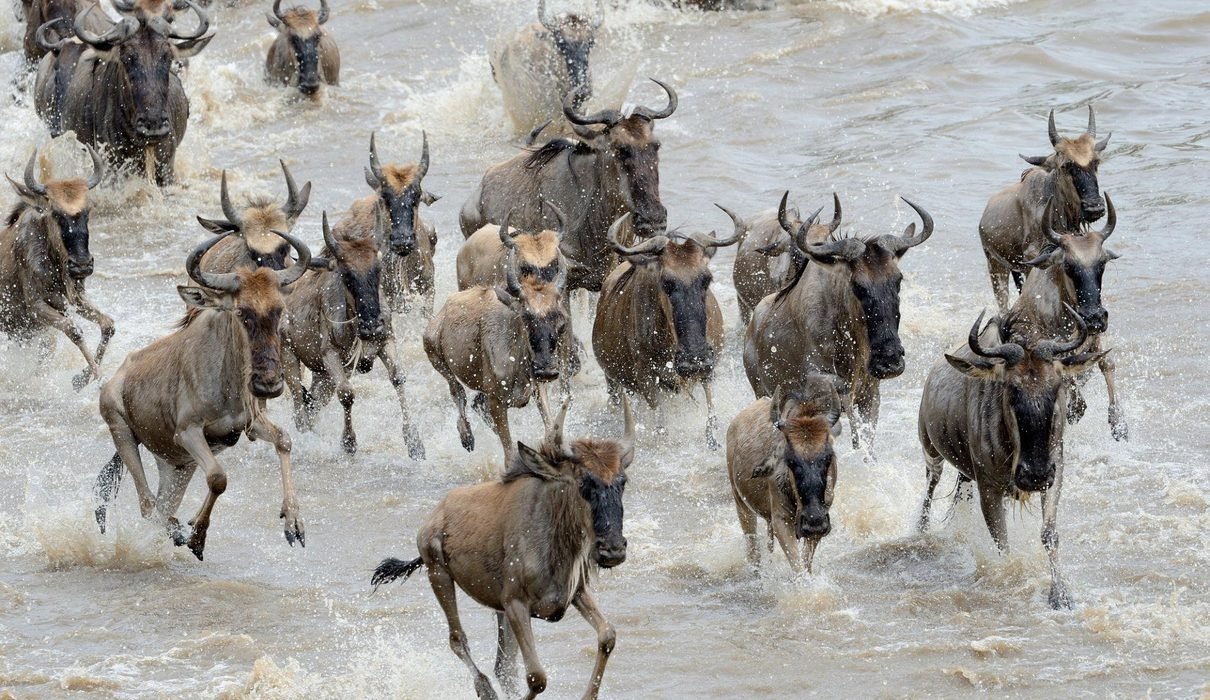
Planning an African safari in 2027 often begins with one important question: should you visit Tanzania or South Africa? Both countries are among Africa’s leading wildlife destinations, offering excellent opportunities to see lions, elephants, leopards, buffalo, rhinos, and many other animals in their natural surroundings. However, the safari experience in each country can be quite different. Tanzania is known for the wide-open plains of the Serengeti, the Great Wildebeest Migration, the Ngorongoro Crater, and traditional guided safaris through large wilderness areas. South Africa is famous for Kruger National Park, private wildlife reserves, comfortable safari lodges, and the opportunity to explore certain national parks in your own vehicle.
Choosing between these destinations depends on your budget, the time you have available, the animals you want to see, and the kind of holiday you enjoy. Some travelers want to spend several days following wildlife across the Serengeti, while others prefer a shorter safari combined with city sightseeing, coastal attractions, and comfortable accommodation. At Eddy Tours & Safaris, we help travelers explore Tanzania through private safaris, group-joining tours, Kilimanjaro climbing, and Zanzibar holidays. This guide compares Tanzania and South Africa to help you understand what each destination offers and decide where to spend your 2027 safari holiday.
1. Tanzania vs South Africa: Understanding the Safari Experience
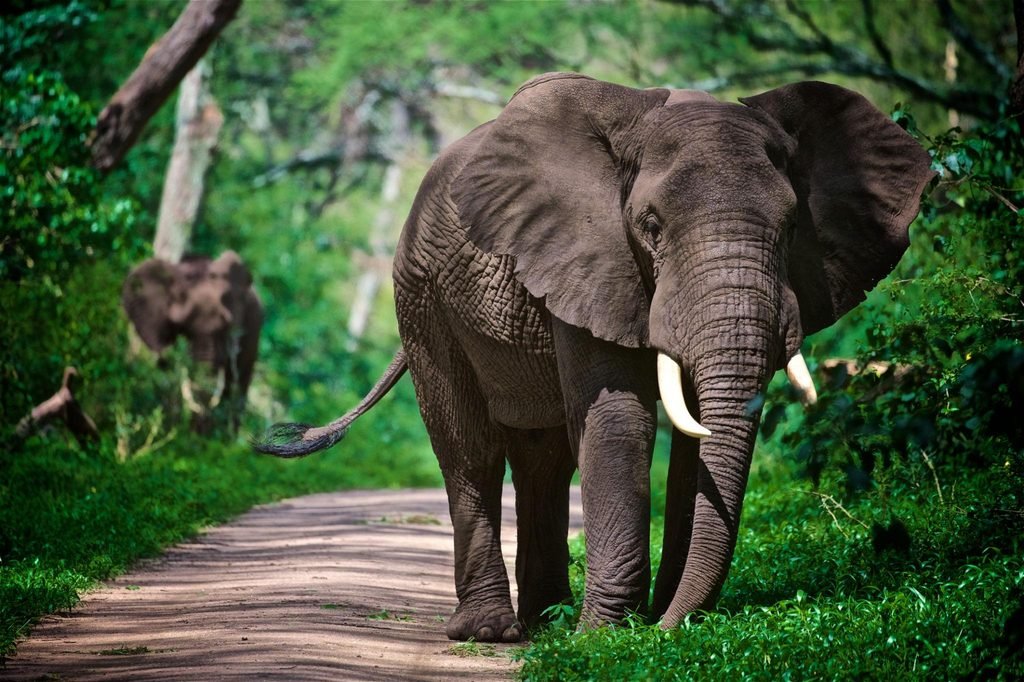
Tanzania and South Africa offer different approaches to wildlife tourism. Tanzania’s most famous safari destinations are concentrated in the northern safari circuit, which includes Serengeti National Park, Ngorongoro Crater, Tarangire National Park, and Lake Manyara National Park. Travelers normally begin their journey in Arusha before traveling between national parks with a professional safari guide. Most itineraries use specially equipped four-wheel-drive vehicles with pop-up roofs, allowing visitors to observe animals and take photographs during game drives. Accommodation ranges from public campsites and simple lodges to comfortable tented camps and luxury safari properties.
South Africa offers a wider mix of independent travel and organized safari holidays. Kruger National Park is one of the country’s best-known wildlife destinations, with an extensive road network, established rest camps, and opportunities for visitors to drive themselves along designated roads. The private reserves bordering Kruger offer another type of experience, usually involving guided game drives, lodge accommodation, and smaller safari vehicles. South Africa also allows visitors to combine wildlife viewing with Cape Town, the Garden Route, the Winelands, and other attractions without necessarily spending their entire holiday in national parks.
For travelers who want a traditional safari focused mainly on wildlife, Tanzania is particularly appealing. Those who prefer greater independence, varied activities, and the flexibility of self-driving may find South Africa more suitable. Neither country guarantees particular animal sightings, but both offer rewarding experiences when the trip is planned around the right season and destinations.
2. Wildlife Comparison: Which Country Has Better Animal Sightings?
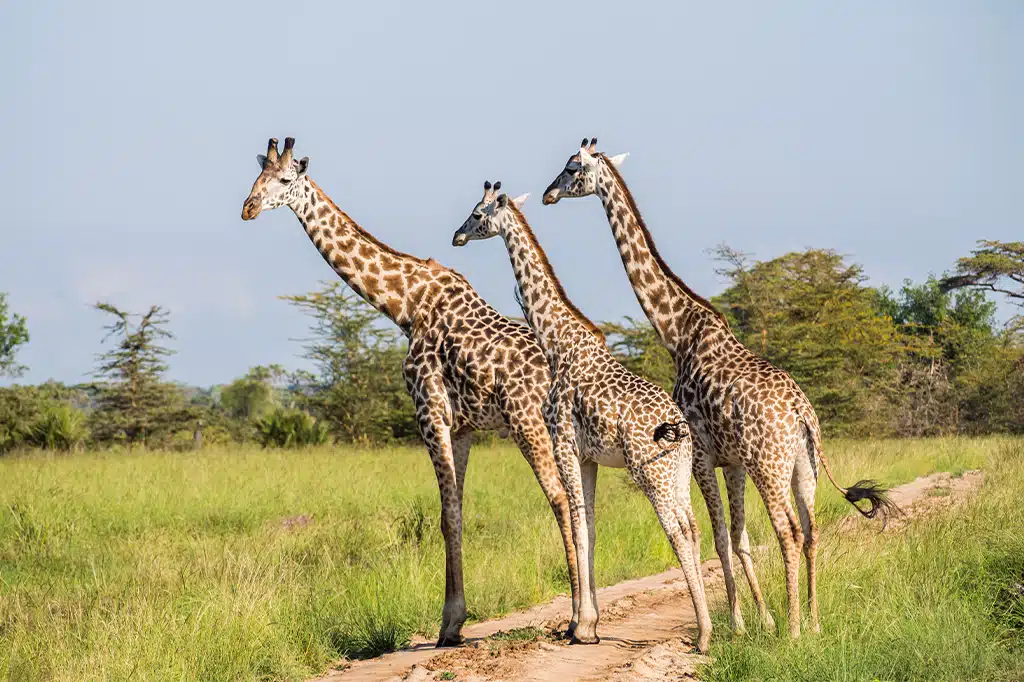
Wildlife is usually the main reason people travel to Africa, and both Tanzania and South Africa provide excellent opportunities to see many of the continent’s best-known species. The difference is often in the landscape, the number of days spent exploring, and how animals are distributed throughout the parks. Tanzania’s Serengeti is especially well known for large concentrations of wildebeest, zebras, gazelles, lions, cheetahs, and other wildlife across open grasslands. These landscapes can make animal observation particularly rewarding because visitors can sometimes see wildlife over considerable distances.
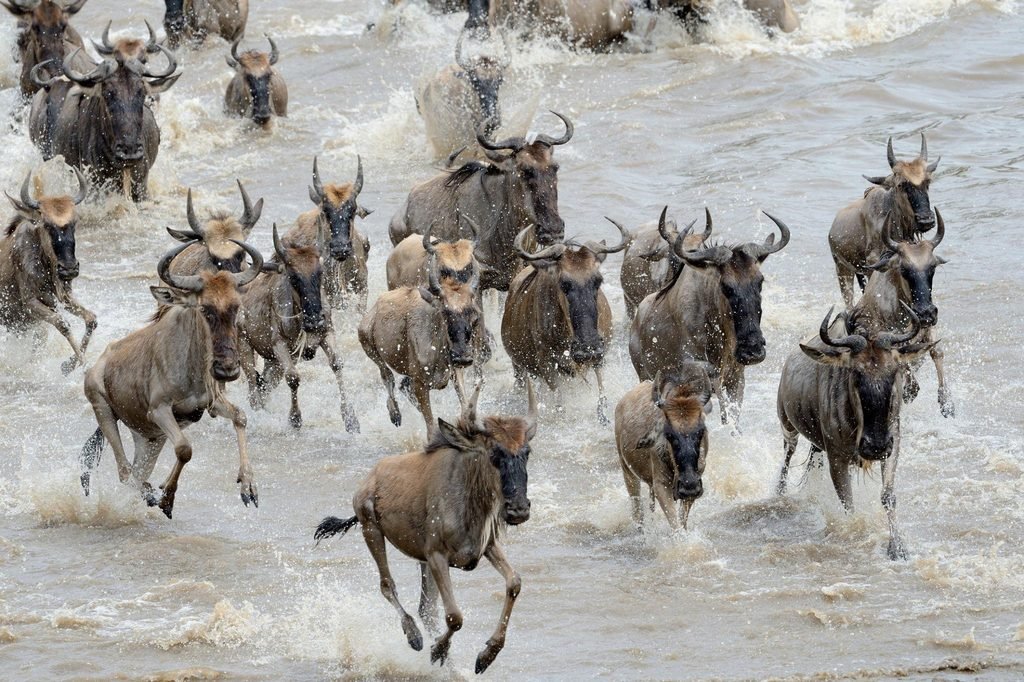
The Serengeti National Park is also part of the wider Serengeti-Mara ecosystem, where millions of grazing animals move seasonally in search of fresh grass and water. The Great Migration is one of the main reasons travelers choose Tanzania, although the exact movement of the herds depends on rainfall and changing grazing conditions. Visitors traveling at different times of the year may see large herds in the southern plains, central Serengeti, western corridor, or northern areas near the Mara River.
South Africa’s Kruger National Park offers excellent opportunities to see elephants, buffalo, giraffes, zebras, lions, leopards, and rhinos. Its woodland, savannah, and river habitats support a wide range of wildlife, and visitors can explore different sections of the park depending on their interests. Private reserves in the Greater Kruger area can be particularly attractive for travelers interested in predators, guided tracking, and smaller-group game drives. However, wildlife sightings remain dependent on the season, habitat, weather, and animal movements.
For travelers interested in the Great Migration and broad savannah landscapes, Tanzania has a clear advantage. For visitors who want Big Five wildlife viewing with the option of self-driving or staying in a private reserve, South Africa is an excellent alternative. You can explore our Tanzania safari tours to understand how different national parks can be combined into one itinerary.
3. Serengeti National Park vs Kruger National Park
The Serengeti and Kruger are two of Africa’s most famous national parks, but they offer noticeably different safari environments. Serengeti National Park covers approximately 14,750 square kilometers and is famous for its extensive grasslands, seasonal migration routes, predators, and dramatic wildlife encounters. Visitors generally explore the park with a safari guide, traveling between wildlife areas and staying in lodges or tented camps located inside or near the park. The experience often involves long game drives, picnic lunches, early morning departures, and evenings surrounded by the sounds of nature.
Kruger National Park covers nearly 20,000 square kilometers and offers a more developed network of public roads, rest camps, picnic areas, and visitor facilities. This makes it easier for independent travelers to plan their own routes and accommodation. Visitors can choose between public rest camps, guided activities, and nearby private reserves offering luxury accommodation and professionally guided wildlife experiences. The park’s extensive road system is particularly convenient for travelers who want more control over their daily schedule.
The Serengeti is generally the stronger choice for travelers who want to experience the Great Migration, observe large herds moving across open plains, and spend several days on a guided wildlife safari. Kruger may be better for visitors interested in self-drive travel, flexible accommodation arrangements, and combining a safari with other South African destinations. Both parks deserve several days of exploration, as spending only one day in either destination provides a limited understanding of its wildlife and landscapes.
4. Ngorongoro Crater vs South Africa’s Private Game Reserves
One of Tanzania’s most distinctive wildlife destinations is the Ngorongoro Crater, a large volcanic caldera within the Ngorongoro Conservation Area. The crater floor supports a remarkable concentration of wildlife, including lions, buffalo, zebras, wildebeest, hyenas, hippos, and black rhinos. Because the wildlife viewing area is relatively compact compared with the Serengeti, visitors can often observe several different species during a single game drive. The surrounding highlands also provide beautiful scenery, particularly when looking down into the crater from the rim.
South Africa’s private game reserves offer a different experience. Reserves such as those in the Sabi Sand area are known for guided wildlife viewing, comfortable lodges, and experienced trackers. Depending on reserve regulations and operating conditions, certain private reserves allow controlled off-road driving for wildlife observation, which is generally not permitted during ordinary game drives in Tanzania’s national parks. This can provide additional opportunities to observe predators, although animal sightings and close encounters are never guaranteed.
The choice depends on what you value most. Ngorongoro offers a remarkable combination of wildlife, scenery, and geological history, while South African private reserves may appeal to travelers seeking highly personalized guiding and luxury accommodation. For visitors planning a short Tanzania safari, combining the Serengeti with Ngorongoro is a practical way to experience two very different wildlife environments. Our 4-day Tanzania safari provides an example of how these destinations can fit into a shorter holiday.
5. Tanzania vs South Africa Safari Costs in 2027
Safari costs are an important consideration when choosing between Tanzania and South Africa. The total amount depends on the number of travelers, accommodation standard, season, park fees, transport arrangements, and whether you choose a private or shared safari. Tanzania’s guided safaris often include a four-wheel-drive vehicle, professional guide, park entrance fees, accommodation, and meals during the safari. Because the national parks are spread across considerable distances, transport and conservation fees make up an important part of the total cost.
South Africa can offer lower-cost options for travelers who are comfortable arranging their own transport and accommodation. Self-driving in Kruger allows visitors to choose public rest camps and manage some expenses independently. However, private reserves and luxury safari lodges can be expensive, especially when accommodation, meals, and guided activities are included. A luxury South African safari may cost considerably more than a mid-range Tanzania safari, so it is important to compare similar standards of accommodation and service rather than assuming one country is always cheaper.
The following figures are broad planning estimates in US dollars per person per day for 2027, not confirmed quotations. Actual prices depend on travel dates, occupancy, availability, and package inclusions.
| Safari category | Tanzania | South Africa |
|---|---|---|
| Budget safari | $180–$300 | $100–$250 |
| Mid-range safari | $300–$550 | $250–$500 |
| Luxury safari | $600–$1,200+ | $550–$1,500+ |
| Main transport style | Guided 4×4 safari | Self-drive or guided |
| Best-known safari areas | Serengeti, Ngorongoro, Tarangire | Kruger, Greater Kruger, private reserves |
These estimates are not directly comparable unless the same services are included. For example, a Tanzania quotation may include park fees, full-board accommodation, a private guide, and transport, while a South African self-drive estimate may exclude fuel, rental vehicles, meals, and guided activities. The Tanzania National Parks Authority publishes park tariff information, while South African National Parks publishes conservation fees for Kruger. Travelers should confirm the applicable 2027 fees before making final payments.
At Eddy Tours & Safaris, travelers can choose from different Tanzania safari packages depending on their budget and preferred accommodation. Sharing a safari vehicle with other travelers can reduce certain transport expenses, while a private safari provides more flexibility over the route, departure times, and activities.
6. Best Time to Visit Tanzania or South Africa in 2027
The best safari season depends on the animals you want to see and the regions you plan to visit. Tanzania’s northern safari circuit can be visited throughout the year, although rainfall and wildlife movements influence the experience. The period from June to October is generally associated with drier conditions, making it a popular time for game drives. Vegetation is often less dense, and animals may gather around permanent water sources. The Serengeti’s northern areas can also attract visitors hoping to see migration river crossings, particularly during parts of the dry season.
January to March can be particularly interesting for travelers visiting the southern Serengeti and neighboring Ndutu region, where the wildebeest calving season usually takes place. Large numbers of young animals attract predators, creating excellent opportunities for wildlife observation. April and May are generally wetter months in northern Tanzania, although the timing and intensity of rainfall vary. Some travelers appreciate the greener landscapes, fewer visitors, and seasonal accommodation offers during this period.
South Africa’s Kruger region is often particularly rewarding during the drier winter months from May to September. Cooler temperatures and reduced vegetation can make wildlife easier to locate, especially near water sources. Summer, from approximately November to March, brings warmer weather, greener landscapes, and good birdwatching opportunities, although thick vegetation may make some animals harder to spot. Cape Town follows a different seasonal pattern, with warm, dry summers that are particularly attractive for coastal sightseeing and outdoor activities.
For travelers planning a Tanzania safari in 2027, the best approach is to choose travel dates according to the wildlife experience they want rather than relying on one general safari season. If your priority is the Great Migration, your itinerary should account for the likely location of the herds during your chosen month, while recognizing that wildlife movements cannot be predicted with certainty.

7. Which Country Is Better for the Big Five Safari?
The Big Five refers to the lion, leopard, elephant, African buffalo, and rhinoceros. Both Tanzania and South Africa provide opportunities to see these animals, although their distribution differs between parks and reserves. In Tanzania, elephants are frequently seen in Tarangire National Park, while lions and other predators are common attractions in the Serengeti. Ngorongoro Crater is particularly important for visitors hoping to see black rhinos, although sightings are not guaranteed. Leopards are generally more difficult to find because of their secretive behavior and preference for resting in trees or dense vegetation.
South Africa’s Kruger region is also known for Big Five wildlife viewing, and some private reserves offer strong opportunities to observe leopards and lions with experienced guides. The chances of seeing particular species depend on the reserve, season, and time spent searching. Travelers should remember that the Big Five is only one part of an African safari. Cheetahs, giraffes, zebras, hippos, antelopes, hyenas, wild dogs, and hundreds of bird species can be equally interesting, particularly when observed in their natural surroundings.
If your main goal is to see a wide variety of animals across several different landscapes, a Tanzania itinerary combining Tarangire, Serengeti, and Ngorongoro is a strong choice. Travelers who want a shorter Big Five-focused holiday with luxury lodge accommodation may prefer South Africa’s private reserves. In either country, spending more time on game drives generally gives you more opportunities to observe different animals and their behavior.
8. Tanzania vs South Africa for Family Safaris
Both Tanzania and South Africa can be excellent destinations for family holidays, but planning becomes especially important when traveling with children. Tanzania offers private safaris where families can travel together in one vehicle, choose suitable accommodation, and adjust the daily program according to the children’s ages and interests. A private guide can explain animal behavior, answer questions, and help younger travelers understand the importance of wildlife conservation. However, driving distances between destinations such as Arusha, Serengeti, and Ngorongoro can be long, so families should avoid planning too many destinations within a short period.
South Africa can be particularly convenient for families who want a combination of wildlife viewing and other holiday activities. Self-drive routes, established rest camps, and a broad range of accommodation options provide flexibility, while attractions around Cape Town and the Garden Route offer activities beyond safari game drives. Some private reserves have minimum age requirements for certain game drives and walking activities, so families traveling with younger children should check the rules before booking.
For a family visiting Tanzania in 2027, a five- to seven-day safari can provide a comfortable balance between wildlife viewing and travel time. Families with younger children may prefer fewer destinations and additional nights in the same lodge, while teenagers may enjoy longer game drives and more adventurous activities. You can review our Tanzania safari route guide to understand which combinations are suitable for different travel interests.
9. Tanzania vs South Africa for Honeymoon and Luxury Safaris
A honeymoon safari is often about privacy, comfortable accommodation, beautiful scenery, and having enough time to enjoy the experience without rushing between destinations. Tanzania offers romantic tented camps in the Serengeti, lodges overlooking the Ngorongoro highlands, and private safari arrangements where couples can travel at their preferred pace. Many travelers also choose to finish their safari with several days on Zanzibar’s beaches, combining wildlife viewing with relaxation beside the Indian Ocean.
South Africa offers a different kind of luxury holiday, particularly in its private game reserves. Couples can stay in secluded safari suites, enjoy professionally guided game drives, and combine their safari with fine dining, wine estates, or coastal accommodation. Cape Town and the Winelands are especially popular additions for travelers interested in food, scenery, and city attractions. South Africa may therefore appeal to couples who want a wider variety of activities during the same holiday.
For couples who prefer a safari followed by a tropical beach holiday, Tanzania has a particularly attractive combination. A five- or six-day safari in the northern parks followed by four or five days in Zanzibar provides enough time for wildlife viewing and relaxation. Eddy Tours & Safaris can help organize a Tanzania safari and Zanzibar beach holiday according to your travel dates, accommodation preferences, and available budget.
10. Can You Combine a Safari with Mount Kilimanjaro?
One of Tanzania’s major advantages is the opportunity to combine a wildlife safari with climbing Mount Kilimanjaro, Africa’s highest mountain. Kilimanjaro rises to 5,895 meters above sea level and attracts climbers from around the world. Its established trekking routes allow visitors to experience different vegetation zones, from cultivated lower slopes and mountain forests to alpine landscapes and the high-altitude summit area. Climbing the mountain requires suitable preparation, professional guides, and enough time for acclimatization.
Travelers who want to climb Kilimanjaro and visit the Serengeti should normally allow at least two weeks for the complete holiday, depending on the trekking route and safari duration. A seven- or eight-day mountain itinerary followed by four or five days on safari can provide a rewarding combination of trekking and wildlife viewing. It is also important to allow time for rest, especially after completing a demanding summit attempt.
South Africa has excellent hiking destinations, including the Drakensberg Mountains and Table Mountain, but it does not offer an equivalent to Kilimanjaro’s high-altitude trekking experience. If reaching Africa’s highest summit is one of your travel goals, Tanzania is the clear choice. Travelers can explore trekking information through Kilimanjaro Climb Specialist and review the Kilimanjaro and safari combination for ideas on planning both activities within one holiday.

11. Tanzania vs South Africa: Culture and Local Experiences
An African holiday becomes more interesting when travelers have opportunities to learn about the people and communities living around the wildlife destinations. Tanzania is home to many different ethnic and cultural groups, each with its own traditions, languages, and ways of life. Around the northern safari circuit, travelers may have opportunities to visit local markets, learn about farming communities, explore villages, and participate in cultural activities arranged with local hosts. Such experiences can provide a better understanding of everyday life beyond the national parks.
South Africa also has a rich cultural history, with diverse communities, languages, music, food, and historical attractions. Visitors can explore Johannesburg’s historical sites, Cape Town’s neighborhoods, museums, and cultural landmarks, as well as community-based tourism experiences in different parts of the country. South Africa’s large cities provide more opportunities for urban sightseeing, restaurants, shopping, and entertainment alongside wildlife tourism.
The better destination depends on your interests. Tanzania is particularly suitable for travelers who want cultural experiences connected to rural landscapes and traditional safari routes, while South Africa offers a broader combination of city culture, historical attractions, and wildlife destinations. In both countries, choosing responsible local operators and community-led activities helps ensure that tourism provides meaningful benefits to local people.
12. Safety, Transport, and Travel Planning for 2027
Safety and transport arrangements are important when organizing any international holiday. Tanzania’s northern safari circuit is commonly explored through organized tours, with professional drivers who understand the routes, park regulations, and changing road conditions. Travelers should allow sufficient time between destinations, avoid unrealistic driving schedules, and follow their guide’s instructions during wildlife activities. Accommodation should be booked in advance during busy travel periods, particularly when visiting the Serengeti or Ngorongoro.
South Africa offers more opportunities for independent travel, especially along established tourist routes and inside Kruger National Park. However, visitors should still plan their journeys carefully, follow local security advice, and avoid unnecessary travel through unfamiliar areas after dark. Self-driving travelers should understand park opening and closing times, road restrictions, and wildlife safety rules before entering protected areas.
For both countries, visitors should arrange suitable travel insurance, check passport and visa requirements, and seek appropriate medical advice before departure. Entry requirements and health recommendations can change, so information should be confirmed through official government and health sources closer to the travel date. Travelers planning a Tanzania safari can contact Eddy Tours & Safaris for assistance with airport transfers, accommodation arrangements, and safari transport.
13. Suggested Tanzania Safari Itineraries for 2027
Travelers who decide to visit Tanzania can choose from several itineraries depending on the number of days available. A short safari may concentrate on two destinations, while a longer journey allows more time to explore the Serengeti and other national parks. It is generally better to spend sufficient time in a few destinations rather than trying to visit too many parks in one holiday.
3-Day Tanzania Safari: Tarangire, Ngorongoro, and Lake Manyara
A three-day safari is suitable for visitors who have limited time but still want to experience northern Tanzania’s wildlife. The journey can begin in Arusha with a game drive in Tarangire National Park, which is known for its elephants, baobab trees, and varied landscapes. The second day can be spent exploring Ngorongoro Crater, where visitors may encounter lions, buffalo, hippos, zebras, and other animals. On the final day, travelers can visit Lake Manyara National Park before returning to Arusha. This itinerary provides variety, although the daily driving schedule needs to be planned carefully.
5-Day Tanzania Safari: Tarangire, Serengeti, and Ngorongoro
A five-day safari is one of the most popular options for travelers visiting Tanzania for the first time. The itinerary usually begins with Tarangire National Park before continuing toward the Serengeti, where travelers spend time exploring the open plains and searching for wildlife. The journey then continues toward the Ngorongoro highlands, followed by a crater game drive before returning to Arusha. This route combines three important wildlife destinations and offers opportunities to see elephants, lions, giraffes, zebras, buffalo, and many other animals. Travelers can explore our 5-day northern Tanzania safari options when planning their holiday.
7-Day Tanzania Safari: A More Relaxed Northern Circuit
A seven-day safari provides additional time for wildlife viewing and reduces the pressure of moving between destinations too quickly. Travelers can begin with Tarangire before spending several nights in the Serengeti, allowing time for morning and afternoon game drives in different wildlife areas. The itinerary can also include Ngorongoro Crater and Lake Manyara, depending on the season and individual interests. This option is particularly suitable for wildlife photographers, families, and travelers who want more time observing animal behavior rather than spending most of the holiday on the road.
Typical Tanzania Safari Package Inclusions
The following services are commonly included in a fully arranged Tanzania safari, although the exact details depend on the selected package and written quotation.
- Professional English-speaking safari driver-guide
- Private or shared 4×4 safari vehicle, as booked
- National park entrance fees for the scheduled itinerary
- Ngorongoro Crater service fees when the crater visit is included
- Safari accommodation as specified in the itinerary
- Meals according to the booked accommodation plan
- Drinking water during scheduled game drives
- Scheduled wildlife game drives
- Applicable government taxes included in the quotation
- Airport transfers when specifically stated in the package
Typical Tanzania Safari Package Exclusions
- International flights to and from Tanzania
- Tanzania visa fees
- Travel and medical insurance
- Tips for safari guides and lodge staff
- Alcoholic beverages and personal purchases
- Optional activities not listed in the itinerary
- Additional accommodation before or after the safari unless specified
- Personal laundry and other hotel extras
- Changes to the itinerary requested after confirmation that result in additional costs
Before confirming a booking, travelers should request a complete written itinerary and review the inclusions, exclusions, accommodation names, payment conditions, and cancellation terms. This helps avoid misunderstandings and ensures that the safari matches the services expected.
14. Tanzania vs South Africa: Which Safari Is Better for Different Travelers?
Choosing between Tanzania and South Africa becomes easier when you consider the main purpose of your holiday. Travelers who want to see the Great Migration, spend several days exploring large wilderness areas, and combine wildlife viewing with Mount Kilimanjaro or Zanzibar will generally find Tanzania more suitable. The northern safari circuit offers a well-established route connecting several famous destinations, making it possible to experience different landscapes and wildlife habitats during one journey.
South Africa is especially attractive for visitors who want to combine a safari with major cities, coastal drives, restaurants, vineyards, and other activities. It is also a practical choice for independent travelers who prefer self-driving and arranging accommodation directly. Kruger National Park provides a well-developed visitor infrastructure, while private reserves offer comfortable accommodation and guided wildlife experiences.
| Travel interest | Recommended destination | Main reason |
|---|---|---|
| Great Wildebeest Migration | Tanzania | Serengeti migration routes |
| Classic guided wildlife safari | Tanzania | Northern safari circuit |
| Self-drive safari | South Africa | Kruger road network |
| Safari and beach holiday | Both | Zanzibar or South African coast |
| Safari and Kilimanjaro climbing | Tanzania | Access to Africa’s highest mountain |
| Safari and major city attractions | South Africa | Cape Town and Johannesburg |
| Wildlife photography | Both | Excellent wildlife habitats |
| Budget independent safari | South Africa | More self-drive options |
| Private guided family safari | Both | Flexible family arrangements |
| Luxury safari lodges | Both | High-quality accommodation options |
The most important consideration is not which country has the greatest number of attractions, but which destination offers the experience you personally want. A traveler interested in the Great Migration may find the Serengeti far more rewarding than a self-drive safari, while someone who enjoys independent travel and city sightseeing may prefer South Africa. Understanding these differences before booking will help you make better use of your time and budget.
15. Why Choose Eddy Tours & Safaris for Your Tanzania Safari in 2027?
Planning a safari involves more than selecting national parks and accommodation. Driving distances, seasonal wildlife movements, park regulations, arrival times, and the location of your lodges all affect the overall experience. Working with a local safari company can make these arrangements easier, particularly for first-time visitors who may not be familiar with northern Tanzania’s geography or the different accommodation options.
Eddy Tours & Safaris is a locally based tour company in Arusha, Tanzania, arranging wildlife safaris, Kilimanjaro climbing trips, Zanzibar holidays, and customized travel itineraries. Travelers can choose private safaris for greater flexibility or explore group-joining options when they prefer to share transport costs with other visitors. The company can also help guests plan longer holidays that combine different activities, such as a Serengeti safari followed by a Kilimanjaro trek or several days relaxing in Zanzibar.
When preparing a safari itinerary, it is important to consider your arrival and departure dates, preferred accommodation category, number of travelers, and the animals or destinations you most want to see. These details help determine a suitable route and realistic daily schedule. Visitors can browse our all-inclusive Tanzania safari packages or contact the team for a quotation based on their travel plans.
16. Frequently Asked Questions About Tanzania vs South Africa Safaris in 2027
Is Tanzania better than South Africa for a first African safari?
Tanzania is an excellent choice for first-time safari travelers who want a traditional guided wildlife experience, particularly in the Serengeti, Ngorongoro Crater, and Tarangire National Park. South Africa is equally suitable for first-time visitors who prefer more independent travel, established self-drive routes, and opportunities to combine wildlife viewing with city sightseeing. The better destination depends on whether your priority is a guided wilderness safari or a broader holiday with several different activities.
Is Tanzania more expensive than South Africa?
Tanzania’s organized safaris can cost more than budget self-drive holidays in South Africa because they often include a dedicated vehicle, professional guide, accommodation, meals, and conservation fees. However, South Africa’s private luxury reserves can be considerably more expensive than Tanzania’s budget or mid-range safari options. Travelers should compare complete package prices and check which services are included before deciding which country offers better value.
Which country is better for seeing lions and elephants?
Both countries provide excellent opportunities to see lions and elephants. Tanzania’s Serengeti is famous for its predators, while Tarangire National Park is especially well known for elephant sightings. South Africa’s Kruger National Park and neighboring reserves also support substantial populations of lions and elephants. The quality of sightings depends on the season, time spent in the parks, and local wildlife movements rather than the country alone.
Can I see the Great Migration in South Africa?
No. The famous Great Wildebeest Migration takes place within the Serengeti-Mara ecosystem of Tanzania and Kenya, not South Africa. Travelers who specifically want to observe the seasonal movement of large wildebeest and zebra herds should plan their holiday around Tanzania’s Serengeti or Kenya’s Maasai Mara. The location of the herds changes throughout the year, so the itinerary should be selected according to the intended travel month.
How many days are enough for a Tanzania safari in 2027?
A three-day safari can provide an introduction to Tanzania’s wildlife, particularly when visiting destinations closer to Arusha. However, five to seven days is generally a better choice for travelers who want to include the Serengeti, Ngorongoro, and Tarangire without rushing through the entire journey. Visitors interested in wildlife photography, migration viewing, or a more relaxed itinerary may benefit from eight to ten days or longer.
Can I combine Tanzania and South Africa in one holiday?
Yes, it is possible to visit both countries during one African holiday, particularly if you have two to three weeks available. However, you will need to consider international flight connections, entry requirements, travel insurance, and the additional cost of moving between countries. For travelers with only seven to ten days available, concentrating on one country usually provides more time for wildlife viewing and reduces the number of travel days.
Plan Your 2027 Tanzania Safari with Eddy Tours & Safaris
Tanzania and South Africa are both outstanding safari destinations, but they offer different kinds of travel experiences. South Africa is particularly attractive for independent visitors, luxury lodge holidays, and travelers who want to combine wildlife viewing with cities and coastal attractions. Tanzania stands out for its Serengeti plains, the Great Wildebeest Migration, Ngorongoro Crater, and the opportunity to combine a wildlife safari with Kilimanjaro climbing or a Zanzibar beach holiday.
If your main goal for 2027 is to spend time observing African wildlife in large natural landscapes, Tanzania deserves serious consideration. Whether you have three days, one week, or a longer holiday, the right itinerary should reflect your interests, budget, and preferred travel dates rather than trying to include every destination in a single trip.
At Eddy Tours & Safaris, we can help you arrange a private or group-joining safari, choose suitable accommodation, and prepare a travel plan that makes good use of your time in Tanzania. Visit our Tanzania safari collection or contact Eddy Tours & Safaris to request a personalized itinerary and quotation for your 2027 safari holiday.