
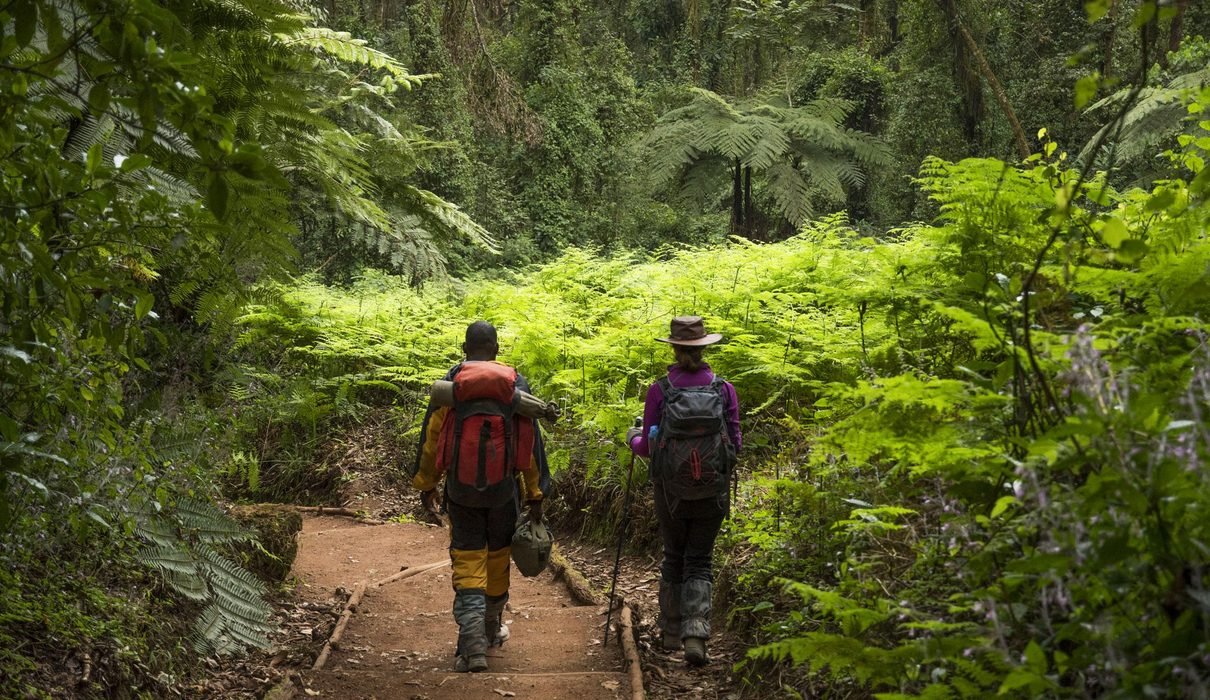
Planning a holiday in Tanzania in 2027? Understanding the country’s weather can help you choose the right time for a wildlife safari, Mount Kilimanjaro climb, or Zanzibar beach holiday. Tanzania is a large country with different landscapes, including mountains, national parks, coastal areas, islands, and highland regions. Because of these differences, the weather in Serengeti National Park can be quite different from the weather in Zanzibar or on Mount Kilimanjaro during the same month.
Tanzania generally experiences two main travel seasons: the dry season and the rainy season. In northern Tanzania, where many popular safari destinations are located, the main dry season usually runs from June to October, while January and February are often relatively dry. The long rains commonly occur between March and May, followed by shorter rains around October to December. However, these patterns can change, and rainfall does not always begin or end at the same time every year.
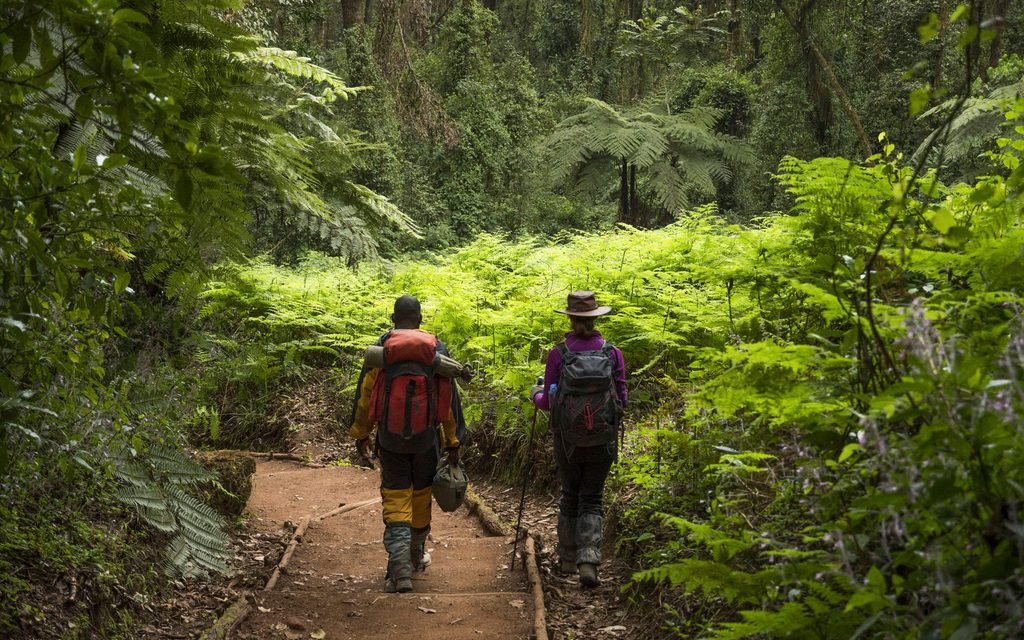
For travelers planning to visit Tanzania in 2027, it is important to understand that long-range weather predictions are not exact. The Tanzania Meteorological Authority has issued seasonal guidance indicating an increased possibility of substantial rainfall in parts of Tanzania during the period extending from late 2026 into early 2027. Travelers visiting during this period should therefore monitor official weather updates before departure.
At Eddy Tours & Safaris, a local tour company in Arusha, Tanzania, we arrange wildlife safaris, Kilimanjaro climbing expeditions, and private holidays throughout the year. This guide explains what travelers can generally expect from Tanzania’s weather in each month of 2027, including seasonal conditions in Serengeti, Ngorongoro, Tarangire, Mount Kilimanjaro, and Zanzibar.
Tanzania Weather 2027: General Overview
Tanzania’s climate is influenced by elevation, geographical location, rainfall patterns, and proximity to the Indian Ocean. Coastal destinations such as Dar es Salaam and Zanzibar generally experience warm, humid conditions, while the northern highlands around Arusha, Ngorongoro, and Kilimanjaro can be considerably cooler. Central Tanzania is often warmer and drier, although rainfall patterns vary throughout the year.
For safari travelers, the dry season is especially popular because animals frequently gather near rivers and permanent water sources as seasonal vegetation becomes less dense. This can make wildlife easier to observe in destinations such as Tarangire and parts of Serengeti National Park. During the rainy season, however, the landscape becomes greener, many animals have access to fresh grazing, and visitors can enjoy different wildlife experiences.
Travelers should also understand that Tanzania’s rainy season does not necessarily mean continuous rainfall throughout the day. Some areas experience short afternoon showers, while others may receive prolonged rainfall during particularly wet periods. The amount of rain varies considerably between regions and individual years.
Tanzania Weather by Month in 2027
| Month | Typical seasonal conditions | Travel considerations |
|---|---|---|
| January | Often warm; relatively dry in much of northern Tanzania | Good for safaris, subject to early-2027 rainfall updates |
| February | Generally warm, with relatively dry conditions in the north | Popular for southern Serengeti and Kilimanjaro |
| March | Transition toward the long rains | Conditions become less predictable |
| April | Usually one of the wetter months | Green scenery, muddy roads possible |
| May | Rainfall often decreases toward the end of the month | Quieter travel period |
| June | Beginning of the main dry season | Good safari and trekking conditions |
| July | Generally dry and relatively cool | Popular for Serengeti safaris |
| August | Dry conditions in many northern destinations | Excellent general safari period |
| September | Generally dry, with warmer daytime conditions | Good wildlife viewing |
| October | Transition toward the short rains | Warm conditions and changing rainfall |
| November | Short rains in many northern and coastal areas | Green landscapes and variable weather |
| December | Often warm, with possible seasonal showers | Safaris and Zanzibar holidays remain possible |
These descriptions reflect Tanzania’s usual seasonal patterns rather than confirmed daily forecasts for 2027.
Tanzania Weather in January 2027
January is generally a warm month in Tanzania, particularly in the northern safari circuit and coastal destinations. In a typical year, northern Tanzania experiences a relatively dry period between the short rains and the long rains. However, the latest seasonal guidance available in late October 2026 indicates that rainfall may continue into January 2027 in some regions, making it important for travelers to check updated forecasts before their holiday.
In Serengeti National Park, January is often associated with green grasslands and wildebeest movements toward the southern plains. Many travelers visit the southern Serengeti and nearby Ndutu area during this period because the migration herds may be gathering around their seasonal grazing grounds. Their exact location depends on rainfall and the availability of fresh grass, so wildlife movements cannot be guaranteed for a particular date.
January can also be a popular time for Kilimanjaro climbing, although conditions on the mountain differ considerably from those in the surrounding lowlands. Climbers should prepare for possible rain on the lower slopes and freezing temperatures near the summit. Travelers planning a January 2027 expedition should pay particular attention to current weather advisories.
Tanzania Weather in February 2027
February is commonly one of the warmer months in Tanzania. In northern safari destinations, relatively dry conditions often provide good opportunities for game drives, although occasional rainfall remains possible. The countryside may still be green from earlier rains, creating attractive scenery across the Serengeti plains and surrounding conservation areas.
February is especially popular among travelers interested in the wildebeest calving season. Large numbers of wildebeest often gather in the southern Serengeti ecosystem, including the Ndutu area, where many calves are born during the broader calving period. Predators may also be active around the herds, making this an interesting time for wildlife photography. However, the timing and location of calving activity can vary according to seasonal conditions.
For travelers interested in climbing Kilimanjaro, February is generally considered a favorable period because conditions are often relatively dry. Zanzibar also remains warm, making it possible to combine a northern Tanzania safari with a beach holiday.
Tanzania Weather in March 2027
March marks a transition toward the long rainy season in much of northern Tanzania. Early March may still offer relatively dry conditions, but rainfall generally becomes more frequent as the month progresses. The exact timing of this transition varies from year to year, so travelers should not assume that the first or last week of March will follow a fixed pattern.
In Serengeti National Park, the landscape can become increasingly green as seasonal rainfall supports new grass growth. Wildlife remains present throughout the year, although some animals may spread across wider areas as water becomes more readily available. This can make game drives different from those experienced during the main dry season.
Travelers planning to climb Kilimanjaro in March should prepare for changing weather, particularly in the rainforest and moorland sections. Waterproof clothing, suitable hiking boots, and appropriate cold-weather equipment are essential.
Tanzania Weather in April 2027
April is generally one of the wettest months in northern Tanzania. The long rains can bring frequent showers, heavy cloud cover, and muddy conditions in some national parks. However, rainfall varies between destinations, and it is still possible to enjoy wildlife safaris during this period with suitable planning.
The main attraction of visiting Tanzania in April is the green landscape. Rainfall supports fresh vegetation across many wildlife areas, and the scenery can be particularly attractive for photography. Some travelers also appreciate the quieter atmosphere because visitor numbers may be lower than during the peak dry season.
Nevertheless, heavy rainfall can affect road conditions and travel times, especially on unpaved routes. Visitors should choose suitable safari vehicles and allow flexibility in their itineraries. Kilimanjaro climbing is also possible, but wet trails and poor visibility can make the expedition more demanding.
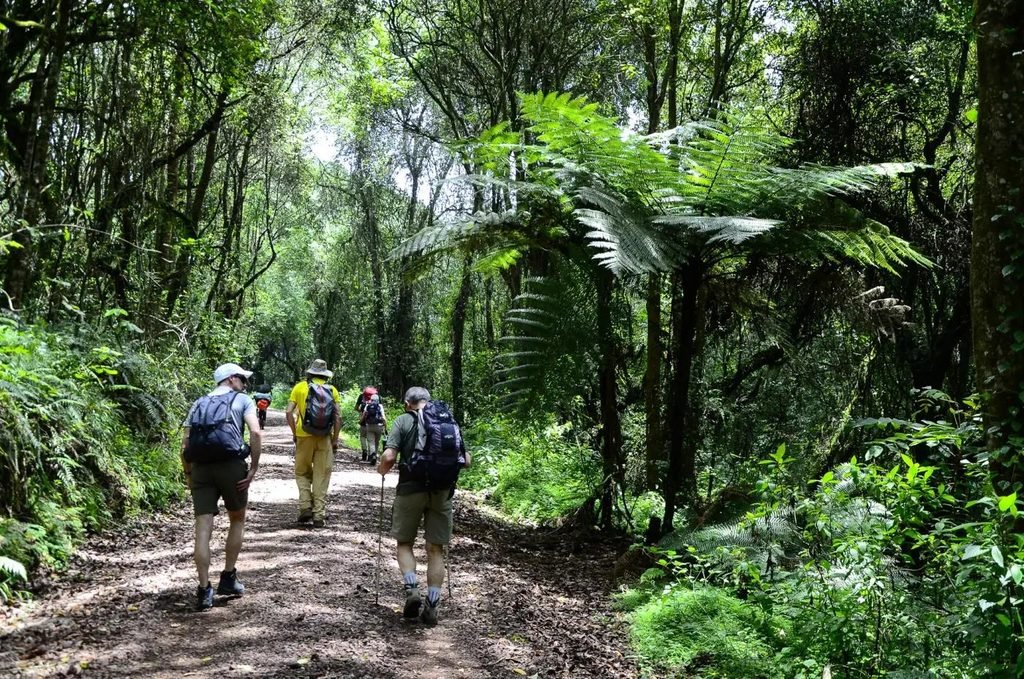
Tanzania Weather in May 2027
May is usually part of the long rainy season, although rainfall often begins to decrease toward the end of the month in northern Tanzania. The landscape remains green, and temperatures in some highland areas can feel cooler than during the warmer months.
For safari travelers, May offers a different experience from the dry season. Vegetation may be dense, and animals can be spread across larger areas because water is more widely available. However, wildlife viewing remains possible, and some travelers prefer the quieter conditions found outside the busiest months.
Visitors planning a May safari should remain flexible because heavy rain may still affect certain roads and activities. By late May, some areas may begin transitioning toward the drier conditions commonly associated with June.
Tanzania Weather in June 2027
June generally marks the beginning of the main dry season in much of northern Tanzania. Rainfall usually decreases, skies may become clearer, and the weather often becomes more suitable for extended outdoor activities. Temperatures can be relatively cool in the mornings and evenings, particularly around Arusha, Ngorongoro, and other highland areas.
For wildlife safaris, June is an attractive month because vegetation gradually becomes less dense and animals begin adjusting to changing water availability. In Serengeti National Park, the wildebeest migration may be moving through the western corridor or other parts of the ecosystem, depending on rainfall and grazing conditions.
June is also a popular period for Kilimanjaro climbing. Travelers should still prepare for cold mountain conditions, particularly at higher elevations, where freezing temperatures are possible throughout the year.
Tanzania Weather in July 2027
July is generally one of the driest and coolest months in northern Tanzania. Daytime conditions are often comfortable for game drives, while mornings and evenings can be cold, especially around Ngorongoro Crater and the northern highlands.
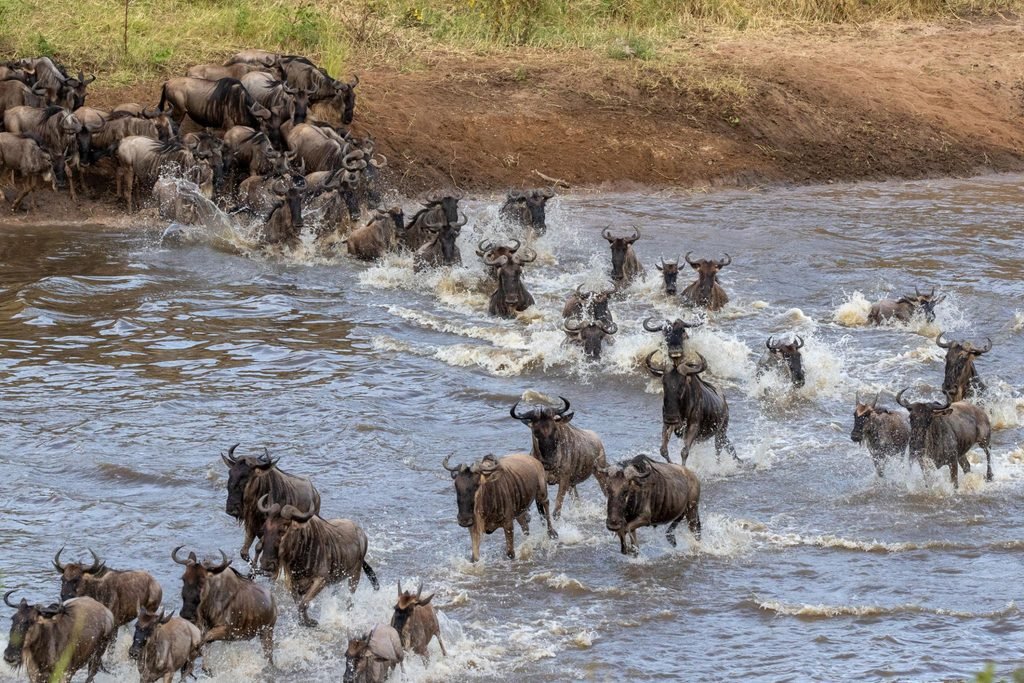
Serengeti National Park becomes particularly popular during July because the wildebeest migration may be moving toward the northern Serengeti and Mara River region. However, migration movements depend on rainfall and grass availability, and river crossings cannot be predicted or guaranteed.
Tarangire National Park is also attractive during the dry season because animals increasingly rely on permanent water sources. Visitors may encounter elephants, giraffes, zebras, and various antelope species during game drives, although sightings always depend on local conditions.
Tanzania Weather in August 2027
August generally offers dry conditions across many of Tanzania’s popular northern safari destinations. The weather is often suitable for full-day game drives, wildlife photography, and outdoor activities, although dust can become noticeable on some roads as the dry season continues.
Northern Serengeti is a popular destination during August because wildebeest herds may be present around the Mara River area. Travelers hoping to observe river crossings should understand that these events depend on animal movements and cannot be scheduled in advance.
August is also a favorable period for climbing Kilimanjaro, although the mountain can be very cold, particularly at night and near the summit. Zanzibar generally offers warm coastal conditions, making August a good option for combining a safari with a beach holiday.
Tanzania Weather in September 2027
September is generally another dry month in northern Tanzania, with warmer daytime conditions beginning to develop in some areas. Vegetation may become increasingly dry, and animals often remain concentrated around reliable water sources.
This is a particularly attractive period for wildlife viewing in Tarangire National Park, where the dry season can bring large numbers of animals toward the Tarangire River and surrounding areas. Serengeti safaris also remain popular, with migration activity potentially continuing in the northern part of the ecosystem.
September is a good month for travelers who want to combine several destinations. A holiday can include Serengeti, Ngorongoro Crater, Tarangire, and Zanzibar, depending on available time and personal interests.
Tanzania Weather in October 2027
October is a transitional month in Tanzania. Early October can remain relatively dry in northern safari destinations, while rainfall may begin increasing later in the month as the short rainy season approaches. Temperatures are often warmer than during July and August.
For safari travelers, October can provide good wildlife viewing opportunities before the arrival of more widespread seasonal rainfall. In Tarangire, animals may still gather around permanent water sources, while the wildebeest migration may begin moving southward from the northern Serengeti ecosystem as conditions change.
Because October is a transition month, visitors should prepare for both warm sunshine and occasional rainfall. The timing of the short rains varies from year to year, making updated weather information particularly useful.
Tanzania Weather in November 2027
November is commonly associated with the short rainy season in northern Tanzania and parts of the coast. Rainfall may occur in the form of afternoon showers, although some periods can experience heavier or more persistent rain.
The arrival of seasonal rainfall often brings fresh vegetation to the landscape. In Serengeti National Park, wildebeest herds may begin moving toward the central and southern areas as grazing conditions change. The exact timing depends on rainfall patterns and should not be treated as a fixed annual schedule.
November can be an interesting month for travelers who enjoy green scenery and quieter safari experiences. However, road conditions may change after heavy rain, and some outdoor activities may require adjustments.
Tanzania Weather in December 2027
December is generally warm in Tanzania, with seasonal rainfall possible in many northern and coastal destinations. The amount of rain varies considerably between regions and years, and visitors may experience sunny periods alongside occasional showers.
In the Serengeti ecosystem, wildebeest herds may be moving toward the southern plains, although their precise location depends on seasonal grazing conditions. Travelers interested in migration photography should plan their safari around current wildlife information rather than relying on a fixed calendar.
Zanzibar is also a popular destination during December, particularly for travelers planning Christmas and New Year holidays. The island is generally warm and humid, with opportunities for swimming, beach relaxation, and cultural excursions when conditions permit.
Best Time to Visit Tanzania for a Safari in 2027
The best time for a Tanzania safari depends on what you want to see. Travelers interested in dry-season wildlife viewing often choose June to October because animals may be easier to locate around permanent water sources. This period is especially attractive for Tarangire, Serengeti, and other northern safari destinations.
However, January and February can also be excellent months, particularly for travelers interested in the southern Serengeti and the wildebeest calving season. The green season provides attractive landscapes and opportunities to observe wildlife behavior that differs from the dry-season experience.
For visitors interested in the Great Migration, the most suitable month depends on the section of the migration they want to experience. The migration is a continuous movement influenced by rainfall and grazing conditions, not an event that happens on a fixed date.
Serengeti Great Migration: General Seasonal Guide
| Period | Areas commonly associated with migration activity |
|---|---|
| January–March | Southern Serengeti and Ndutu |
| April–May | Southern and central Serengeti |
| June | Western corridor and surrounding areas |
| July–September | Northern Serengeti and Mara River region |
| October | Northern and central Serengeti, depending on rainfall |
| November–December | Movement toward central and southern plains |
These are typical seasonal patterns, not guaranteed locations for the herds in 2027.
Best Time to Climb Mount Kilimanjaro in 2027
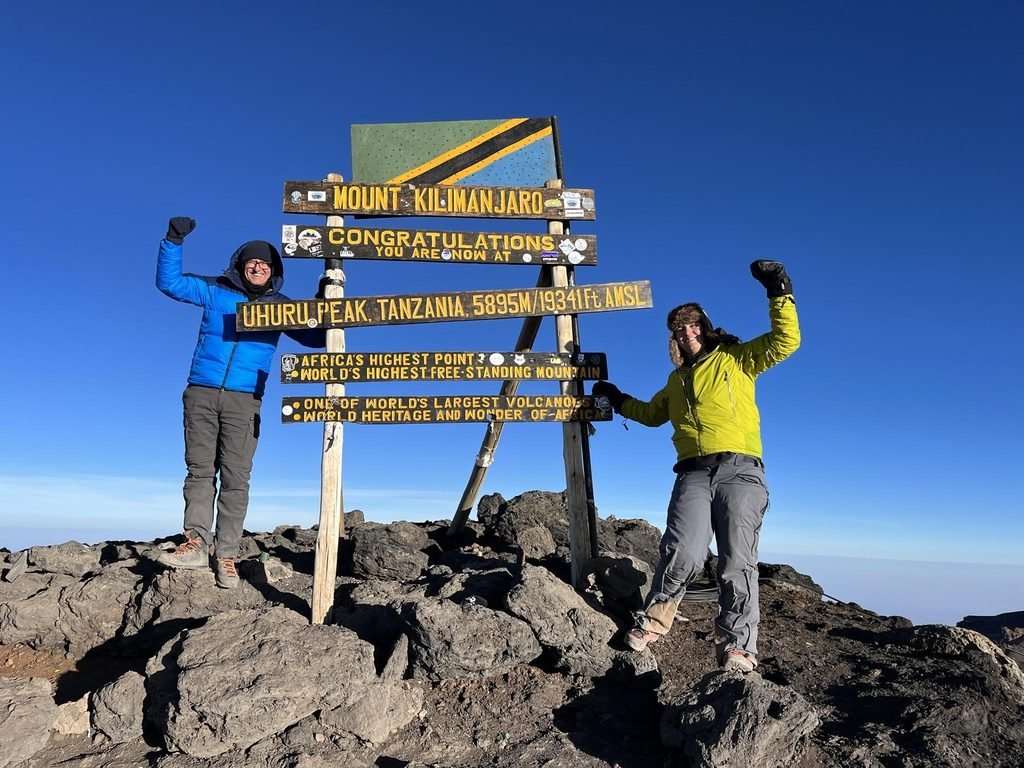
Mount Kilimanjaro can be climbed throughout the year, but January to March and June to October are generally popular periods because they often provide relatively drier trekking conditions. However, the mountain’s weather changes with elevation, and climbers should prepare for several different environments during the same expedition.
The lower slopes can be warm and humid, particularly within the rainforest zone. Higher up, temperatures decrease considerably, and climbers may encounter strong winds, freezing conditions, snow, or poor visibility near the summit.
For travelers planning a Kilimanjaro expedition, choosing an appropriate route and allowing sufficient acclimatization time is more important than relying only on seasonal weather expectations. Longer itineraries such as eight-day Lemosho, nine-day Northern Circuit, and seven-day Machame can provide additional opportunities for altitude adjustment compared with shorter schedules.
Best Time to Visit Zanzibar in 2027
Zanzibar has a warm tropical coastal climate, making it possible to visit throughout the year. However, humidity, rainfall, and sea conditions vary by season. June to October is generally popular because of relatively drier weather and comfortable conditions for exploring the island.
January and February are often warm and attractive for beach holidays, although humidity can be high. April and May commonly experience heavier rainfall, while November and December may bring shorter seasonal showers.
Travelers planning snorkeling, diving, boat trips, or other marine activities should check local sea conditions because wind and waves can affect excursions even when the weather appears sunny.

What Should You Pack for Tanzania in 2027?
Packing for Tanzania depends on the destinations you plan to visit. Travelers going on a northern Tanzania safari should bring comfortable clothing, sturdy walking shoes, sun protection, and a light jacket for cooler mornings. Neutral-colored clothing is practical for game drives, while a waterproof layer can be useful during the rainy season.
For Zanzibar, lightweight clothing, swimwear, sandals, sunscreen, and suitable clothing for visiting towns and cultural sites are generally sufficient. Travelers planning to climb Kilimanjaro require a much more detailed equipment list, including insulated clothing, waterproof layers, warm gloves, suitable hiking boots, and a cold-weather sleeping bag.
If you are visiting Tanzania during the rainy season, waterproof bags or covers can help protect cameras, documents, and electronic equipment. It is also sensible to carry a reusable water bottle, personal medication, and any essential travel documents.
Frequently Asked Questions About Tanzania Weather in 2027
1. What is the best month to visit Tanzania in 2027?
July, August, and September are generally excellent months for dry-season safaris, while January and February are popular for southern Serengeti wildlife viewing.
2. What is the rainy season in Tanzania?
Northern Tanzania usually experiences long rains from March to May and short rains around October to December.
3. Is January 2027 expected to be rainy?
Some regions may experience increased rainfall during the early part of 2027 according to the seasonal outlook issued in October 2026. Conditions will vary by location.
4. Is Tanzania hot throughout the year?
Many areas are warm throughout the year, but highland destinations and mountain regions can be considerably cooler.
5. What is the coldest month in Tanzania?
July and August are generally among the cooler months, particularly in the highlands.
6. What is the hottest time of year?
November to February is commonly one of the warmer periods in many parts of Tanzania.
7. Does it rain every day during the rainy season?
No. Rainfall frequency and duration vary by region and weather conditions.
8. Can I visit Serengeti during the rainy season?
Yes. Serengeti National Park remains a year-round safari destination, although road conditions and wildlife distribution may change.
9. When is the Serengeti wildebeest calving season?
The main calving period commonly occurs around January to March, with February often particularly important.
10. When are Mara River crossings expected?
Crossings are often associated with July to September, but their timing cannot be guaranteed.
11. Is June a good month for a Tanzania safari?
Yes. June generally marks the beginning of the main dry season in northern Tanzania.
12. Is July a good month for Kilimanjaro climbing?
July is commonly a favorable month, although summit temperatures can be extremely cold.
13. Can I climb Kilimanjaro in April?
Yes, but April is generally one of the wetter months, which can make trekking more demanding.
14. What is the best time to visit Ngorongoro Crater?
Ngorongoro can be visited throughout the year, although the dry season is popular for wildlife viewing.
15. Is Zanzibar warm in December?
Yes. December is generally warm and humid, with possible seasonal showers.
16. Does Tanzania experience snow?
Snow and ice can occur on Mount Kilimanjaro, particularly at high elevations. Most lowland safari destinations do not experience snow.
17. Is August good for a Tanzania family safari?
Yes. August is a popular month because of generally dry conditions and school holiday travel.
18. Is September good for Tarangire National Park?
Yes. September is often excellent for dry-season wildlife viewing around permanent water sources.
19. What should I wear on a Tanzania safari?
Comfortable lightweight clothing, a hat, sturdy shoes, and a warm layer for early morning game drives are recommended.
20. Can heavy rain affect safari roads?
Yes. Heavy rainfall can make some unpaved roads muddy or temporarily difficult to use.
21. Are Tanzania’s weather patterns the same every year?
No. Seasonal patterns are broadly similar, but the timing and amount of rainfall vary.
22. Can I combine a safari and Zanzibar in 2027?
Yes. Many travelers combine northern Tanzania national parks with a Zanzibar beach holiday.
23. Are weather forecasts for December 2027 available now?
Reliable day-by-day forecasts for December 2027 are not available this far in advance. Seasonal expectations can guide early planning.
24. Where can I check official Tanzania weather updates?
The Tanzania Meteorological Authority provides official forecasts, seasonal outlooks, and weather advisories.
25. Can Eddy Tours & Safaris help plan my 2027 holiday?
Yes. You can contact Eddy Tours & Safaris to discuss safari destinations, preferred travel dates, Kilimanjaro climbing routes, and Zanzibar holiday arrangements.
Plan Your Tanzania Holiday in 2027 with Eddy Tours & Safaris
Tanzania offers excellent travel opportunities throughout the year, but choosing the right month can make a difference to your holiday experience. June to October is generally popular for dry-season wildlife safaris, while January and February are attractive for travelers interested in the southern Serengeti and wildebeest calving season. The rainy months bring greener landscapes and different wildlife experiences, although visitors should allow for changing weather and road conditions.
For travelers planning a Kilimanjaro expedition, the weather is only one consideration. Choosing an appropriate climbing route, preparing suitable equipment, and allowing enough time for acclimatization are equally important. Zanzibar can also be included in a Tanzania holiday, with beach conditions varying according to rainfall, humidity, and seasonal winds.
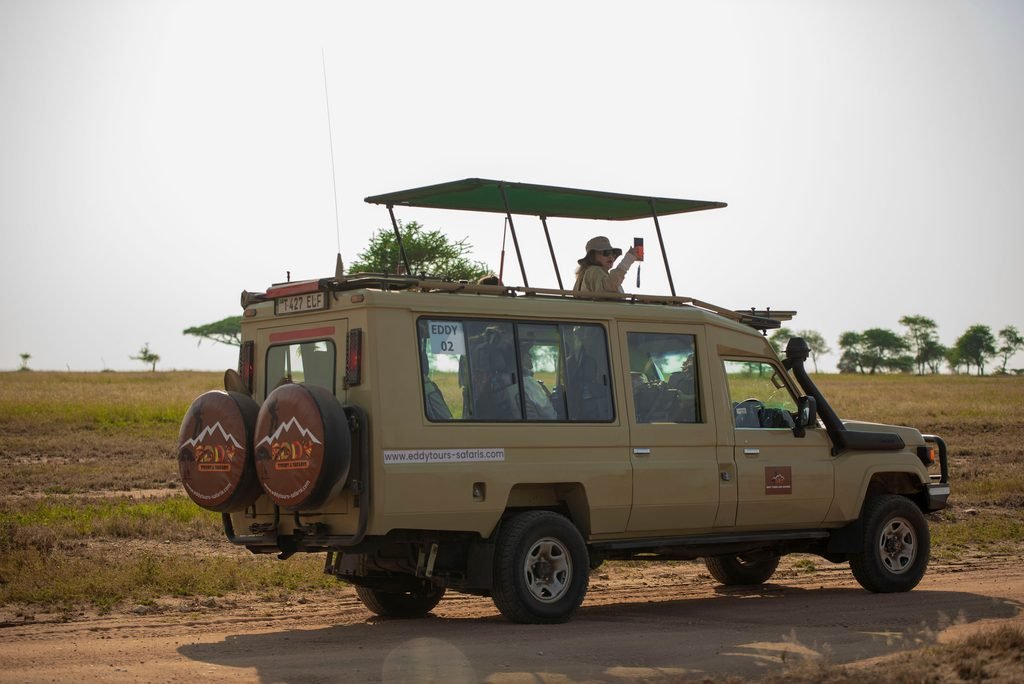
Eddy Tours & Safaris is a local tour company in Arusha, Tanzania, arranging private wildlife safaris, Kilimanjaro climbing expeditions, and Zanzibar holidays. We help travelers select suitable destinations and organize their trips according to their travel dates, interests, and budget.
WhatsApp: +255 711 906 664
Email: sales@eddytours-safaris.com
Website: eddytours-safaris.com
Contact our team to discuss your Tanzania safari, Kilimanjaro climb, or Zanzibar holiday for 2027.