
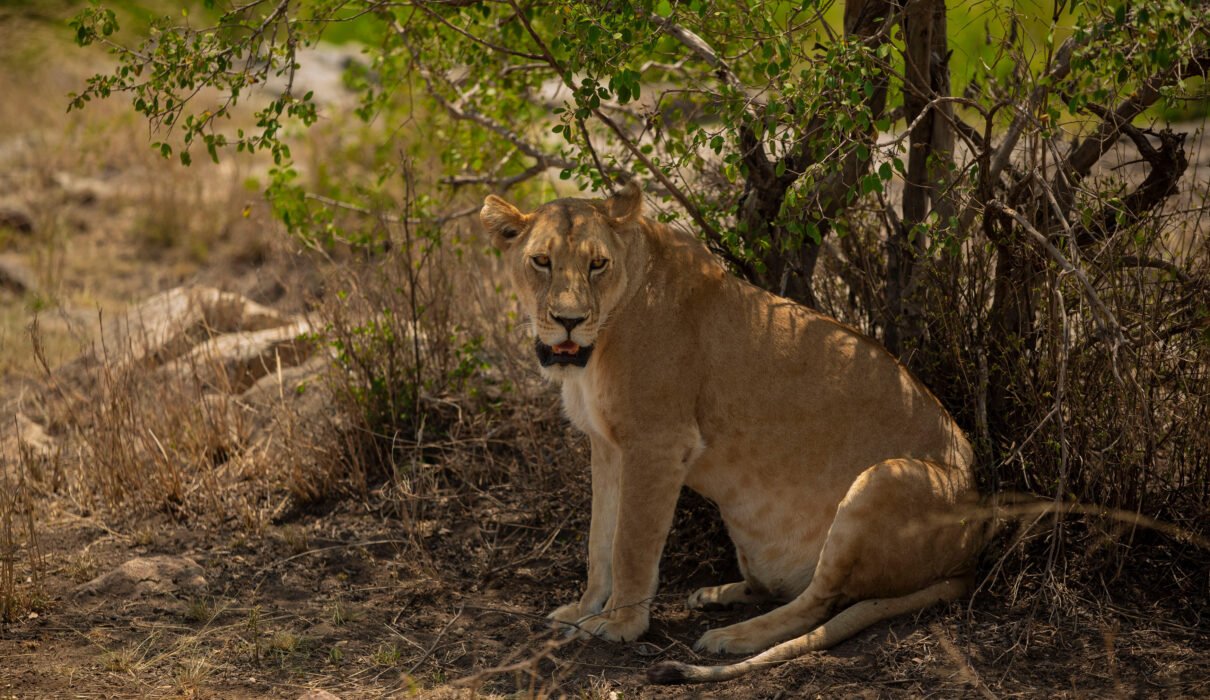
The 20 Most Beautiful Animals on Earth is more than a celebration of colour, shape, and movement in the wild – it is also a reminder that beauty in nature survives only when people protect it, respect it, and choose travel experiences that support wildlife, habitats, and local communities instead of damaging them.
From glowing birds and patterned cats to gentle giants of the savannah and ocean, the world is filled with animals that quietly inspire wonder every single day. What makes these creatures truly beautiful is not only how they look, but also the role they play in keeping ecosystems alive, balanced, and healthy for future generations.
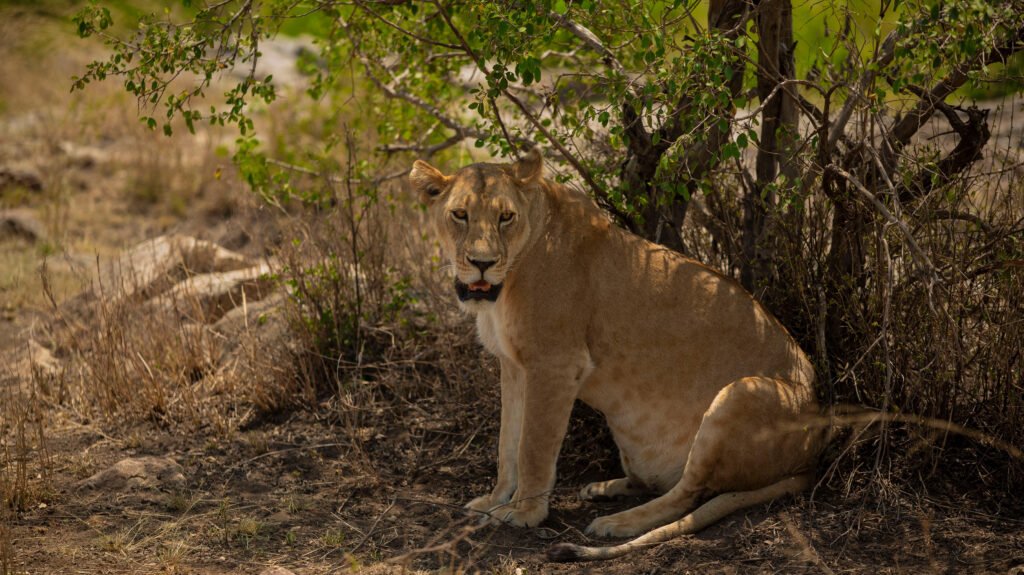
The 20 Most Beautiful Animals on Earth and why beauty matters in conservation
Many people are first attracted to wildlife through beauty, photography, and unforgettable moments in nature. Conservation organisations such as the International Union for Conservation of Nature, the World Wide Fund for Nature, the Wildlife Conservation Society and the African Wildlife Foundation show that emotional connection to animals is one of the strongest reasons people support protected areas, wildlife laws and community conservation programmes. When travellers feel inspired by wildlife, they are more willing to protect it.
Global species protection initiatives supported by Panthera for big cats, bird conservation work led by BirdLife International, and ecosystem protection programmes developed by Conservation International and The Nature Conservancy clearly demonstrate that wildlife beauty is a powerful gateway to real conservation action.
The 20 Most Beautiful Animals on Earth and how science identifies and protects them
Behind every photograph of a colourful bird, a shining leopard or a slow-moving elephant, there is a large scientific effort helping researchers understand population size, habitat needs and migration routes. Biodiversity data systems managed by the Global Biodiversity Information Facility allow scientists around the world to share information on species distribution, while conservation assessments supported by the Intergovernmental Science-Policy Platform on Biodiversity and Ecosystem Services guide governments on how to protect threatened wildlife.
Climate pressure is now one of the biggest threats to many of the animals admired in the world today. Scientific reports from the Intergovernmental Panel on Climate Change show that rising temperatures, droughts and changing rainfall patterns directly affect wildlife habitats, especially in Africa, Asia and coastal regions.
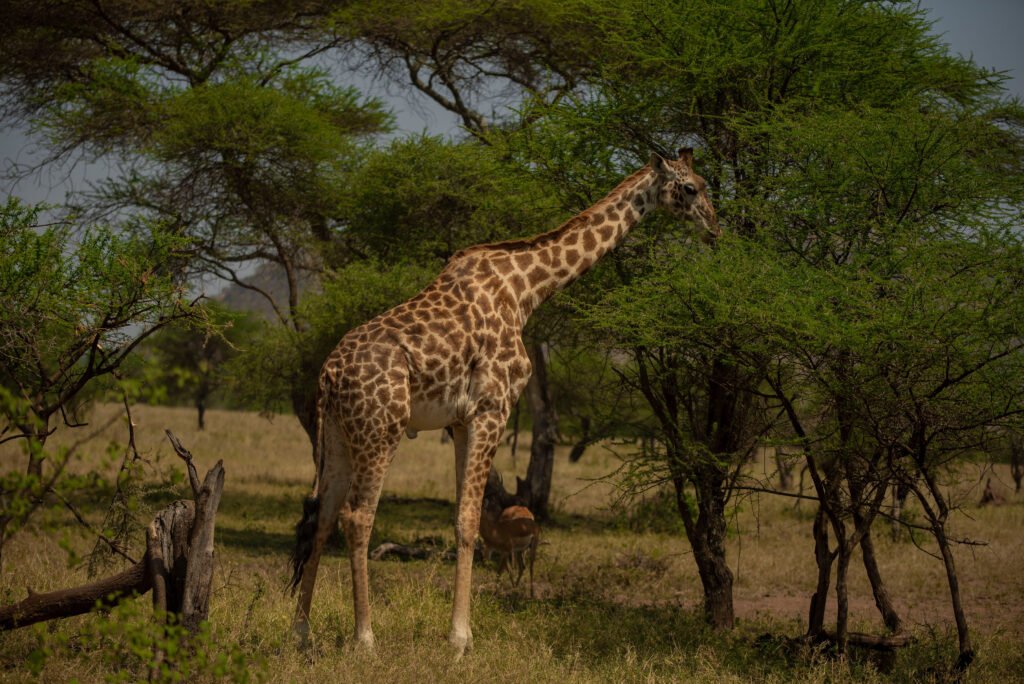
The 20 Most Beautiful Animals on Earth and the landscapes that keep them alive
Beautiful animals cannot survive without strong and healthy landscapes. Environmental planning and ecosystem protection supported by the United Nations Environment Programme, sustainable land and food systems promoted by the Food and Agriculture Organization, and forest and rangeland research led by the Center for International Forestry Research all help protect the forests, grasslands, wetlands and mountain systems where wildlife lives.
Protected area mapping and monitoring coordinated by the UN Environment Programme World Conservation Monitoring Centre strengthens park management and wildlife corridor planning, making sure that animal movement is not blocked by roads, farms or expanding settlements.
The 20 Most Beautiful Animals on Earth and cultural respect for wildlife
Many of the world’s most admired animals are deeply connected to culture, stories and traditional knowledge. Cultural heritage protection supported by UNESCO shows that wildlife and nature are part of human identity, not only scientific interest. In many communities, animals symbolise strength, wisdom, protection and harmony with nature.
Social and development research coordinated by the UN Department of Economic and Social Affairs highlights how community involvement in conservation helps protect wildlife while improving education, health and economic stability in rural areas.
The 20 Most Beautiful Animals on Earth and community livelihoods
Wildlife protection works best when local people benefit directly from conservation and responsible tourism. Economic research published by the World Bank and labour standards promoted by the International Labour Organization show that ethical wildlife tourism creates stable jobs for guides, rangers, drivers, cooks and local suppliers, while reducing pressure on natural resources.
Travellers who want to see wildlife in a responsible way often begin their journey with trusted local operators such as Eddy Tours and Safaris, where trips are designed to support communities living close to wildlife areas and national parks.
The 20 Most Beautiful Animals on Earth and visitor health and safety
Responsible wildlife travel also means protecting visitors, guides and communities. Health and travel guidance published by the World Health Organization helps tourism operators improve hygiene, emergency response and disease prevention, especially in remote wildlife areas where medical services are limited.
Strong safety systems help protect both people and animals by reducing accidents, stress on wildlife and damage to sensitive habitats.
The 20 Most Beautiful Animals on Earth and global wildlife laws
Wildlife survival depends not only on good intentions, but also on strong international agreements and national policies. Conservation planning supported by the Convention on Biological Diversity guides how countries protect endangered species, control land use and design protected areas that allow wildlife populations to recover.
These legal frameworks help ensure that wildlife tourism supports conservation instead of creating additional threats.
The 20 Most Beautiful Animals on Earth and responsible safari travel in Africa
Africa remains one of the best regions in the world to observe wildlife in natural landscapes. For travellers interested in seeing iconic animals in open ecosystems, professionally guided safaris organised through local Tanzania safari services help visitors experience wildlife while respecting park rules, animal behaviour and community guidelines.
Many travellers also prefer to design personalised wildlife journeys using custom safari itineraries in Tanzania, allowing them to combine wildlife viewing with cultural visits and conservation learning experiences.
The 20 Most Beautiful Animals on Earth and the emotional power of seeing wildlife in the wild
Seeing animals in their natural home changes how people think about nature. It creates respect, humility and a stronger desire to protect what still exists. This emotional connection is one of the strongest tools in conservation, because people protect what they truly care about.
For travellers planning wildlife-focused adventures, ethical and professionally organised trips through responsible African wildlife travel programmes offer a chance to experience animals safely while supporting conservation and community projects on the ground.
In simple words, The 20 Most Beautiful Animals on Earth reminds us that beauty in nature is not guaranteed. It survives only when people choose responsible travel, support conservation organisations, respect wildlife laws and allow animals to live freely in healthy and protected environments.