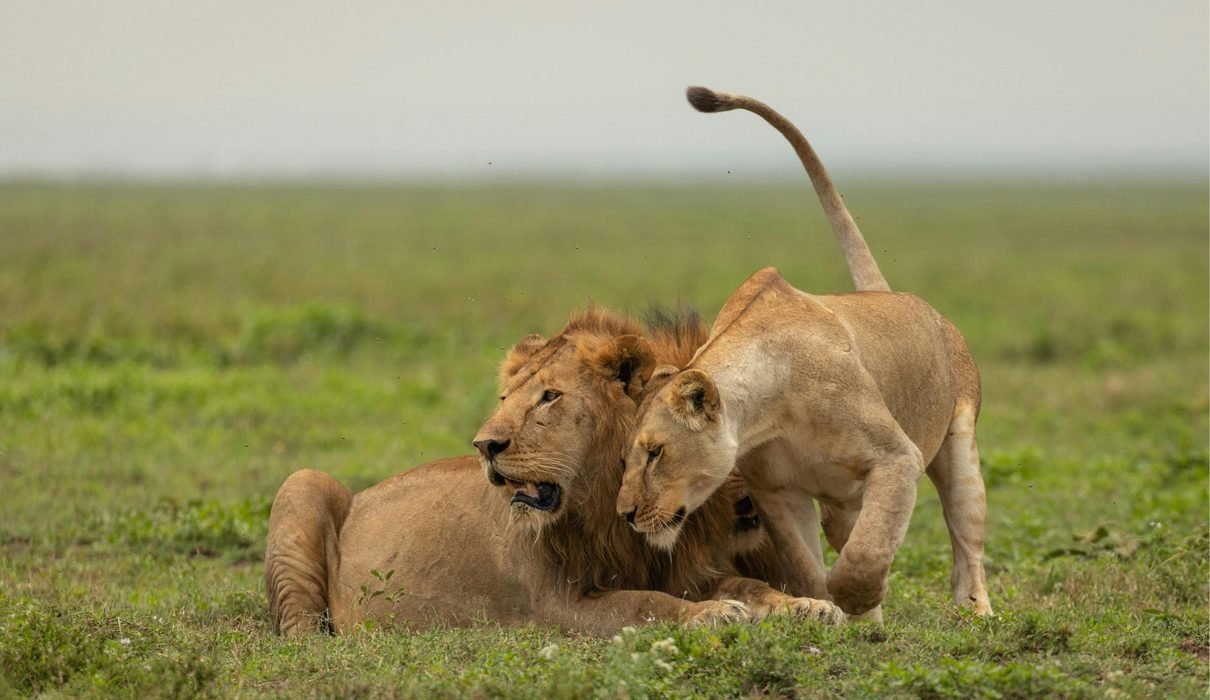
Planning an African safari is exciting, but one of the first questions most travelers ask is how much money they need for the trip. It is a reasonable question because safari holidays can be expensive, and prices vary considerably depending on where you go, how long you stay, and the kind of experience you want. A five-day camping safari in Tanzania will not cost the same as a luxury holiday in Botswana, just as a private safari for two people will have a different price from a group tour with six travelers sharing one vehicle.
For travelers planning an African safari in 2027 or 2028, understanding these differences is important before booking flights or choosing accommodation. Some safari packages look affordable when advertised online, but the final quotation may change once park fees, accommodation, transport, meals, and other services are added. Other packages appear expensive at first, yet include nearly everything you need during your stay. Knowing what is included in the price will help you compare different safari companies and avoid unexpected expenses.
In general, an African safari costs approximately $150 to $400 per person per day for budget travel, $350 to $850 for mid-range experiences, and $800 to $2,500 or more for luxury safaris. These are broad planning ranges based on recent safari market prices, not confirmed rates for 2027 or 2028. Some self-drive holidays cost less, while exclusive safari camps can charge several thousand dollars per person per night.
Tanzania and Kenya remain popular choices for travelers who want traditional wildlife safaris involving lions, elephants, giraffes, zebras, and the Great Wildebeest Migration. South Africa is another excellent destination, particularly for visitors interested in self-drive holidays or private wildlife reserves. Botswana is generally more expensive because many of its best-known safari camps operate in remote wilderness areas, while Uganda and Rwanda attract travelers who want to combine wildlife viewing with gorilla trekking.
At Eddy Tours and Safaris, we help travelers plan Tanzania safaris according to their budget, travel dates, and preferred destinations. This guide explains what an African safari really costs, how prices differ between countries, what you can expect from budget and luxury packages, and how to plan a safari that gives you good value for your money.
How Much Does an African Safari Cost in 2027/2028?
There is no fixed price for an African safari because the word safari covers many different travel experiences. Some visitors stay in simple campsites and travel in shared vehicles, while others fly directly into remote wildlife reserves and spend their nights in luxury tented suites. Both travelers may see elephants, lions, and other wildlife, but the cost of accommodation, transportation, guiding, and additional services can be very different.
For most first-time visitors, the largest expenses are accommodation, national park fees, safari vehicles, and the services of a professional guide. A well-organized safari package usually combines several of these expenses into one quotation, making it easier to plan the total budget. However, travelers should always check whether international flights, visas, travel insurance, tips, and optional activities are included.
The following table gives a general idea of safari costs for 2027 and 2028, using recent published prices as a starting point.
| Safari category | Estimated cost per person per day | Estimated 7-day cost per person |
|---|---|---|
| Budget safari | $150–$400 | $1,050–$2,800 |
| Mid-range safari | $350–$850 | $2,450–$5,950 |
| Luxury safari | $800–$2,500 | $5,600–$17,500 |
| Exclusive luxury safari | $2,500–$5,000+ | $17,500–$35,000+ |
These figures are illustrative and generally assume two travelers sharing accommodation, with commonly included safari services such as game drives, meals, and park fees. Actual packages vary, and international flights are normally excluded. Prices at the upper end of the market can be substantially higher.
African Safari Cost by Country
The country you choose has a major influence on the amount you will spend. Tanzania and Kenya are famous for their open savannah landscapes and large wildlife populations, while South Africa offers a wider range of self-drive options. Botswana is known for remote wilderness camps and water-based safari experiences, and Uganda and Rwanda provide opportunities to see mountain gorillas in their natural habitat. Each destination has different accommodation costs, park fees, transport arrangements, and seasonal demand.
| Country | Budget per day | Mid-range per day | Luxury per day |
|---|---|---|---|
| Tanzania | $200–$400 | $400–$800 | $800–$2,500+ |
| Kenya | $180–$400 | $350–$800 | $800–$2,500+ |
| South Africa | $120–$300 | $300–$700 | $700–$2,500+ |
| Botswana | $350–$700 | $650–$1,300 | $1,300–$4,000+ |
| Uganda | $200–$450 | $400–$850 | $850–$2,000+ |
| Rwanda | $300–$600 | $600–$1,100 | $1,100–$2,500+ |
| Namibia | $150–$350 | $300–$700 | $700–$2,000+ |
| Zambia | $200–$450 | $400–$900 | $900–$2,500+ |
These broad estimates are not directly comparable in every case. Self-drive safaris, fully guided packages, and gorilla trekking holidays can include different services. Gorilla permits and international flights may be additional expenses.
Tanzania Safari Cost in 2027/2028
Tanzania is one of Africa’s most popular wildlife destinations because it offers several famous national parks within the same country. Visitors can explore Serengeti National Park, Ngorongoro Crater, Tarangire National Park, Lake Manyara, Ruaha, and Nyerere National Park. Each destination offers a different landscape, and a well-planned itinerary can combine several parks during one holiday. The country is particularly attractive for travelers hoping to see the Great Wildebeest Migration, which moves through the Serengeti ecosystem throughout the year.
A budget Tanzania safari commonly costs around $200 to $400 per person per day, depending on the itinerary and group size. Mid-range lodge safaris often fall between $400 and $800, while luxury trips can exceed $1,000 per person per day. A five-day private safari visiting Tarangire, Serengeti, and Ngorongoro will generally cost more than a shorter trip focusing on Tarangire and Lake Manyara because it involves additional park fees, longer driving distances, and accommodation inside or near the Serengeti.
The cost of visiting Serengeti and Ngorongoro is influenced by conservation fees and other park charges. Travelers should understand that these fees are separate from the price of accommodation, even when the tour operator includes them in a single package. The final cost also depends on whether you choose a shared safari vehicle or a private Land Cruiser, as well as the number of people traveling together.
For visitors who want to experience Tanzania without spending too much, a group joining safari can be a practical option. Those who prefer greater privacy and flexibility may choose a private safari, where the vehicle and guide are dedicated to their booking. Both options can provide rewarding wildlife experiences when the itinerary is well organized.
Kenya Safari Cost in 2027/2028
Kenya is another popular destination for African wildlife safaris, particularly for travelers interested in the Maasai Mara National Reserve, Amboseli National Park, and Lake Nakuru National Park. The Maasai Mara is famous for its wildlife populations and its connection with the Great Wildebeest Migration, while Amboseli is known for elephants and views of Mount Kilimanjaro when weather conditions are clear.
Budget safaris in Kenya may cost approximately $180 to $400 per person per day, while mid-range packages commonly range from $350 to $800. Luxury camps and private conservancy experiences can cost considerably more, particularly during the migration season. Accommodation around the Maasai Mara can be expensive between July and October because many travelers visit during this period hoping to see large wildebeest herds and river crossings.
One important factor is whether your accommodation is inside a national reserve, in a private conservancy, or outside the protected area. These locations may have different conservation fees, activities, and access arrangements. Before booking, ask your safari company to explain exactly where you will stay and which wildlife-viewing activities are included.
South Africa Safari Cost in 2027/2028
South Africa offers some of the most flexible safari options on the continent. Kruger National Park is particularly popular because visitors can choose between guided game drives, self-drive holidays, and accommodation in or around the park. This flexibility makes South Africa attractive to travelers who want to control their expenses while still enjoying opportunities to see the Big Five.
A self-drive safari can cost considerably less than a fully guided private safari, especially when travelers use standard park accommodation and prepare some of their own meals. Guided mid-range safaris may cost around $300 to $700 per person per day, while luxury private reserves can charge $1,000 or more. The most expensive properties often provide exclusive accommodation, professional guiding, meals, and additional activities.
South Africa is worth considering for travelers who prefer established tourism infrastructure and a wider choice of accommodation. However, visitors should remember that a self-drive safari requires careful planning, particularly when it comes to vehicle rental, park regulations, fuel, and driving distances.
Botswana Safari Cost in 2027/2028
Botswana is known for its large wilderness areas, particularly the Okavango Delta, Chobe National Park, and the Moremi Game Reserve. The country has developed a strong reputation for high-quality wildlife experiences, including traditional game drives, boat safaris, and mokoro excursions in suitable areas.
Botswana safaris are often more expensive than comparable trips in Tanzania or South Africa because many camps are located in remote areas and require light aircraft transfers. Accommodation in exclusive wildlife concessions can also be costly, particularly during the dry season when demand is high. A mid-range safari may cost approximately $650 to $1,300 per person per day, while luxury experiences can exceed $2,000 or $3,000.
For travelers who want a quieter wilderness experience and have a larger budget, Botswana can be an attractive destination. However, it is important to check whether domestic flights and transfers are included because these can add a substantial amount to the final price.
Uganda and Rwanda Safari Costs
Uganda and Rwanda are particularly popular among travelers interested in mountain gorilla trekking. Unlike a traditional safari where visitors spend most of their time observing wildlife from a vehicle, gorilla trekking involves walking through forest habitats with trained guides and trackers to locate a habituated gorilla group.
The cost of a gorilla safari depends heavily on the trekking permit, which is often one of the most expensive parts of the holiday. In recent published fee schedules, standard foreign non-resident gorilla permits have been priced at approximately $800 in Uganda and $1,500 in Rwanda, but travelers should confirm the fees applicable to their actual travel dates and residency status.
Accommodation, transport, guiding, and additional wildlife activities increase the overall cost. A short gorilla trekking holiday can therefore cost as much as a longer traditional safari in another country. Travelers planning Uganda or Rwanda should request a quotation that clearly separates permit fees from other travel expenses.
Budget African Safari: What Can You Expect?
A budget African safari is designed for travelers who want to see wildlife while keeping accommodation and transport expenses relatively low. In Tanzania, this often means joining a small group, sharing a safari vehicle, and staying at public campsites or simple lodges. The focus is on wildlife viewing rather than luxury facilities, making it a good choice for travelers who are comfortable with basic accommodation and a more structured schedule.
Budget camping safaris can still provide excellent wildlife experiences because the animals do not behave differently depending on how much you pay for accommodation. A traveler staying in a simple campsite may see the same lions, elephants, and zebras as someone staying in a luxury lodge nearby. The main differences are usually comfort, privacy, meal arrangements, and flexibility during the safari.
However, choosing the cheapest available package is not always the best decision. Travelers should check the condition of the safari vehicle, the number of passengers, the accommodation facilities, and whether all required park fees are included. A very low price may indicate that some services are excluded or that the itinerary allows less time for game drives than expected.
Mid-Range African Safari: Comfort Without Luxury Prices
Mid-range safaris are popular with travelers who want comfortable accommodation without paying the high prices associated with luxury camps. In Tanzania, these trips commonly use permanent tented camps or lodges with proper beds, private bathrooms, and meals prepared by the accommodation provider. Some properties offer beautiful views of the surrounding landscape, allowing guests to enjoy the atmosphere of the safari even after the day’s game drives have ended.
A mid-range safari is often a good choice for couples, families, and first-time visitors because it provides a balance between comfort and cost. Depending on the itinerary, travelers may have a private safari vehicle or share one with a small group. The most important thing is to confirm these arrangements before booking rather than assuming that every mid-range package includes private transport.
For many visitors planning a five- to seven-day Tanzania safari, mid-range accommodation offers enough comfort for an enjoyable holiday while leaving room in the budget for additional activities. Spending an extra day in Serengeti or Ngorongoro may be more valuable than choosing a more expensive lodge if wildlife viewing is your main priority.
Luxury African Safari: What Are You Paying For?
Luxury safaris are designed for travelers who want a high level of comfort, privacy, and personal service. Accommodation may include spacious tented suites, private terraces, excellent dining facilities, and camps located in remote wildlife areas. Some luxury itineraries also include domestic flights, reducing the time spent traveling by road between destinations.
The cost of a luxury safari is influenced by more than the quality of the room. Remote camps require considerable investment in staff, transport, supplies, maintenance, and conservation arrangements. A property with only a small number of guest suites may charge more because it accommodates fewer visitors and provides more personalized service.
For honeymooners, families celebrating special occasions, and travelers who prefer private arrangements, a luxury safari can be worthwhile. However, a higher price does not guarantee more wildlife sightings. The quality of guiding, location of accommodation, season, and time spent on game drives remain important regardless of how expensive the trip is.
African Safari Cost Based on the Number of Days
The duration of your safari is one of the clearest factors affecting the total cost. A two-day safari will generally cost less overall than a seven-day itinerary, but the daily rate may be higher because certain fixed expenses, such as vehicle preparation and transfers, are spread across fewer days. Longer safaris also allow travelers to explore more destinations without rushing, although each additional night brings accommodation and other operating costs.
The following estimates illustrate how the total budget can change depending on the duration of your trip.
| Safari duration | Budget safari | Mid-range safari | Luxury safari |
|---|---|---|---|
| 2 days | $300–$800 | $700–$1,700 | $1,600–$5,000+ |
| 3 days | $450–$1,200 | $1,050–$2,550 | $2,400–$7,500+ |
| 5 days | $750–$2,000 | $1,750–$4,250 | $4,000–$12,500+ |
| 7 days | $1,050–$2,800 | $2,450–$5,950 | $5,600–$17,500+ |
| 10 days | $1,500–$4,000 | $3,500–$8,500 | $8,000–$25,000+ |
| 14 days | $2,100–$5,600 | $4,900–$11,900 | $11,200–$35,000+ |
These figures are broad estimates calculated from the daily planning ranges above. They are not fixed package prices, and some destinations or itineraries may cost more.
What Makes an African Safari Expensive?
Many travelers are surprised by the cost of an African safari, particularly when comparing it with a conventional beach holiday. However, a safari involves several services that are not always required for other types of travel. A safari company may need to provide a specially equipped vehicle, an experienced driver-guide, accommodation, meals, national park entry, and transportation over long distances.
National Park and Conservation Fees
National park fees are a significant part of safari costs, especially in destinations such as Serengeti, Ngorongoro, and the Maasai Mara. These charges help fund conservation activities, infrastructure, and management of protected areas. Some destinations also charge additional fees for vehicles, overnight stays, or specific activities.
In Tanzania, visitors should understand that Ngorongoro Conservation Area fees and crater service charges are separate categories of expense. A safari that includes descending into Ngorongoro Crater can therefore cost more than a trip that only passes through the conservation area. Since fee schedules may change, travelers planning a safari for 2027 or 2028 should ask their operator to confirm the charges applicable to their travel dates.
Safari Vehicles and Professional Guides
A traditional Tanzania safari commonly uses a four-wheel-drive Land Cruiser equipped for wildlife viewing. These vehicles are expensive to purchase and maintain, especially when regularly traveling on rough roads. Fuel, tires, repairs, insurance, and vehicle preparation all contribute to the cost of operating a safari.
The professional guide is another important part of the experience. A knowledgeable guide helps travelers identify wildlife, understand animal behavior, and explore the national parks safely. Good guiding can make a substantial difference to the quality of the safari, particularly when looking for animals that are difficult to spot.
Accommodation and Meals
Accommodation prices vary greatly between public campsites, simple lodges, permanent tented camps, and luxury safari properties. Staying inside a national park can be more expensive than staying outside it, but it may also reduce travel time and allow earlier access to wildlife-viewing areas.
Meals are commonly included in organized safari packages, although the exact arrangements depend on the operator and accommodation. Some packages provide breakfast, lunch, and dinner, while others may exclude meals on arrival or departure days. Travelers should check these details when comparing quotations.
Domestic Flights and Transfers
Some safari destinations are located far from major airports or towns. In Tanzania, traveling from Arusha to central Serengeti by road can take most of a day, depending on the route and conditions. Flying into the park can save time, but domestic flights increase the cost of the trip.
In Botswana and other countries with remote safari camps, small aircraft transfers are sometimes the main practical way to reach certain properties. These flights can add hundreds of dollars to the total cost, particularly when visiting several camps.
How Does the Travel Season Affect Safari Prices?
The time of year you travel can make a substantial difference to your safari budget. Popular months often bring higher accommodation rates because more visitors want to travel during periods associated with favorable weather or major wildlife events. In Tanzania, July through October is particularly popular for dry-season safaris, while January and February attract travelers interested in the wildebeest calving season around Ndutu and the southern Serengeti.
During peak travel periods, popular lodges and tented camps may sell out well in advance. Prices can also increase around Christmas, New Year, and other major holiday periods. Travelers with fixed dates should therefore begin planning early, especially if they want particular accommodation or a private itinerary.
The rainy season may provide opportunities to save money, but lower prices should not be the only consideration. Heavy rainfall can affect road conditions, and some seasonal camps close during certain months. On the other hand, green landscapes, birdlife, and fewer visitors can make the rainy season attractive for travelers who understand the conditions.
Private Safari vs Group Joining Safari: Which Costs Less?
A group joining safari is generally less expensive per person because travelers share a vehicle, guide, and some operating expenses. This arrangement is particularly useful for solo travelers and visitors who want to experience Serengeti or Ngorongoro without paying for a private vehicle. Group safaris usually follow a fixed itinerary, so travelers have less control over departure times and the amount of time spent at individual wildlife sightings.
A private safari provides a dedicated vehicle and guide for your booking. This allows couples, families, and small groups to discuss their interests and travel preferences before departure. For example, a family with children may prefer shorter game drives, while wildlife photographers may want to spend more time observing particular animals.
The price difference becomes smaller when several people travel together. A private safari for four or six people can sometimes offer good value because the vehicle cost is shared among the group. Before choosing between private and shared arrangements, compare the total price per person rather than assuming that private travel will always be unaffordable.
How Much Does a Tanzania Safari Cost for Two People?
For couples planning a Tanzania safari, the price depends on whether they choose budget camping, mid-range lodges, or luxury accommodation. A private safari for two generally costs more per person than the same itinerary for four travelers because the vehicle and guide expenses are divided between fewer people.
As a simple planning example, a couple considering a five-day mid-range Tanzania safari might budget approximately $2,000 to $3,750 per person, or $4,000 to $7,500 for both travelers. This is only an illustrative estimate, and actual quotations may be higher or lower depending on accommodation, season, and destinations.
Travelers should also remember that the safari package may not include international flights, accommodation before departure, tips, or personal expenses. Preparing a complete holiday budget rather than focusing only on the advertised safari price will make financial planning easier.
How Much Does an African Safari Cost for a Family?
Family safari costs depend on the number of adults and children, the ages of the children, room arrangements, and the destinations included in the itinerary. Some lodges offer family rooms or reduced accommodation rates for younger guests, while certain parks have different entry fees for children. However, child discounts vary and should not be assumed without checking the applicable rules.
For families, a private safari can be particularly useful because it allows greater flexibility. Parents may prefer shorter driving days, accommodation with family-friendly facilities, and enough time for rest between activities. A well-planned itinerary can make the safari more comfortable for everyone, especially when traveling with younger children.
It is also important to check age restrictions for particular activities and accommodation properties. Some walking safaris, gorilla trekking experiences, and remote camps have minimum age requirements. A safari operator should explain these restrictions before you confirm your booking.
Additional Expenses to Include in Your Safari Budget
Even when a safari package includes accommodation, meals, transport, and park fees, travelers should keep some money aside for expenses that may not be included. International flights are often one of the largest additional costs, particularly for visitors traveling from North America, Europe, Asia, or Australia. Airfares change according to the departure city, airline, season, and how early tickets are booked.
Travel insurance is another important consideration. A suitable policy should cover the activities included in your holiday and provide appropriate medical and emergency assistance. Travelers planning mountain climbing, walking safaris, or other specialized activities should check whether those activities are covered.
Tips for safari guides and accommodation staff are also commonly budgeted separately. Tipping practices vary by destination and operator, so it is useful to ask for guidance before departure. Other possible expenses include visas, drinks, laundry, souvenirs, optional cultural visits, balloon safaris, and domestic flights.
Example: A Realistic 7-Day Tanzania Safari Budget for Two People
To understand how different expenses contribute to the final price, consider a couple planning a seven-day private mid-range safari through northern Tanzania. Their itinerary might include Tarangire National Park, Serengeti National Park, and Ngorongoro Crater, with six nights of accommodation and a private safari vehicle.
The following example illustrates a possible budget rather than a confirmed tour quotation.
| Expense | Illustrative cost for 2 people |
|---|---|
| Six nights of mid-range accommodation and meals | $1,800 |
| Private safari vehicle, fuel, and guide | $1,400 |
| Park, conservation, and applicable vehicle fees | $1,400 |
| Other transfers and operating arrangements | $300 |
| Estimated safari total | $4,900 |
| Estimated cost per person | $2,450 |
The actual distribution of expenses will vary. Some operators combine vehicle, guiding, accommodation, and park fees into one package price, while others provide a more detailed breakdown. This example excludes international flights, visas, tips, insurance, and optional activities.
For travelers comparing several safari companies, asking for an itemized quotation is one of the easiest ways to understand why prices differ.
How to Save Money on an African Safari Without Losing the Experience
Saving money on safari does not necessarily mean choosing the cheapest accommodation or reducing the number of game drives. Often, the best savings come from planning the itinerary carefully. Traveling with friends or family can reduce the per-person cost of a private vehicle, while choosing accommodation near the parks you want to visit can reduce unnecessary driving and fuel expenses.
Another useful approach is to avoid including too many distant destinations in a short itinerary. For example, travelers with only three days in Tanzania may get better value from visiting Tarangire and Ngorongoro than attempting a rushed road trip deep into Serengeti. The shorter itinerary can provide more time for wildlife viewing and less time spent traveling.
Traveling outside the busiest holiday periods can also help reduce accommodation costs. Some lodges offer lower rates during quieter months, although travelers should consider rainfall and road conditions before choosing their dates. Booking early may improve accommodation availability, but it does not automatically guarantee the lowest price.
Most importantly, compare packages based on what they include. A safari that costs slightly more but provides good accommodation, suitable game-drive time, and all necessary park fees may offer better value than a cheaper quotation with important exclusions.
Is an African Safari Worth the Cost?
For many travelers, an African safari is a holiday they have been planning for years. Seeing elephants moving through the grasslands, watching giraffes feeding beneath acacia trees, or observing lions in their natural habitat can be very different from seeing wildlife in photographs or documentaries. The experience also offers an opportunity to learn about African ecosystems, conservation, and the communities living near protected areas.
However, enjoying a safari does not require the most expensive accommodation. A carefully planned mid-range or budget safari can provide excellent wildlife experiences, especially when travelers spend enough time in the right destinations. The animals are wild, and sightings depend on natural behavior rather than the price of the package.
The value of a safari therefore comes from the overall experience: the places you visit, the knowledge of your guide, the time spent observing wildlife, and how comfortably the trip fits your travel preferences and budget.
Why Choose Tanzania for Your First African Safari?
Tanzania is an excellent destination for travelers planning their first African safari because it offers several different wildlife areas within one country. The northern safari circuit is particularly popular because visitors can combine Tarangire, Lake Manyara, Ngorongoro Crater, and Serengeti National Park during one holiday.
Serengeti is famous for its large wildlife populations and the Great Wildebeest Migration, while Ngorongoro Crater offers opportunities to observe a wide variety of animals within a relatively compact area. Tarangire is known for elephants and baobab trees, and Lake Manyara provides a different landscape with forests, wetlands, and birdlife.
Tanzania also offers opportunities to combine a safari with Mount Kilimanjaro climbing or a Zanzibar beach holiday. This makes it possible to plan a longer trip that includes wildlife, mountain scenery, cultural experiences, and time beside the Indian Ocean.
At Eddy Tours and Safaris, travelers can inquire about Tanzania safari itineraries, Kilimanjaro climbing arrangements, and combined holidays based on their preferred dates and interests.
Frequently Asked Questions About African Safari Costs
How much does an African safari cost in 2027/2028?
An African safari may cost approximately $150 to $400 per person per day for budget travel, $350 to $850 for mid-range accommodation, and $800 to $2,500 or more for luxury experiences. These are broad estimates, and the actual price depends on the destination, season, accommodation, group size, and services included.
How much does a seven-day African safari cost?
A seven-day safari may cost approximately $1,050 to $2,800 per person for budget travel, $2,450 to $5,950 for mid-range packages, and $5,600 to $17,500 or more for luxury arrangements. International flights and certain personal expenses are normally additional.
Which African country offers the cheapest safari?
South Africa can offer relatively affordable safari options because visitors can arrange self-drive holidays in places such as Kruger National Park. Budget group safaris are also available in Tanzania, Kenya, and other destinations, although prices depend on the itinerary and inclusions.
Why are Tanzania safaris expensive?
Tanzania safari prices are influenced by national park fees, conservation charges, accommodation, safari vehicles, fuel, professional guides, and travel distances. Visiting destinations such as Serengeti and Ngorongoro can involve several separate fees, which contribute to the overall package cost.
Is a private safari more expensive than a group safari?
A private safari generally costs more per person when only one or two people are traveling because they cover the vehicle and guide expenses themselves. However, private safaris can offer good value for families and groups because these costs are shared among more travelers.
How much money should I take for tips on safari?
The amount depends on the destination, tour arrangements, and personal preference. Ask your operator about local tipping practices and whether accommodation staff tips are handled separately from guide tips.
Does an African safari price include flights?
Most safari package prices exclude international flights. Domestic flights may be included in some luxury or fly-in packages, but travelers should always confirm this before booking.
Can I book an African safari for less than $1,000?
Yes, some short budget safaris and self-drive trips can cost less than $1,000 per person. However, the available destinations, accommodation, and number of days will be more limited, and international flights are usually excluded.
What is the best month for a Tanzania safari?
June through October is popular for dry-season wildlife viewing, while January and February are particularly interesting for the wildebeest calving season in the southern Serengeti and Ndutu region. Wildlife movements and weather conditions vary from year to year.
How early should I book a safari for 2027 or 2028?
Booking several months in advance is advisable, especially for popular travel periods. Travelers planning luxury accommodation, large family trips, or Great Migration safaris may benefit from making arrangements earlier.
Final Thoughts: Planning Your African Safari Budget for 2027/2028
An African safari can be affordable, comfortable, or extremely luxurious depending on how you choose to travel. The most important thing is not simply finding the lowest price, but understanding what you are paying for and choosing an itinerary that suits your interests. A short budget safari may be perfect for someone visiting Tanzania for a few days, while a longer private safari may be better for a family hoping to explore several national parks without rushing.
For travelers visiting Africa for the first time, Tanzania is a particularly attractive destination because it combines famous wildlife areas, beautiful landscapes, and opportunities to experience the Great Wildebeest Migration. Whether you choose a camping safari, a comfortable lodge, or a luxury tented camp, planning your route carefully and allowing enough time for wildlife viewing will help you make the most of your holiday.
As you prepare for 2027 or 2028, remember that safari prices can change because of accommodation rates, park fees, fuel costs, and other operating expenses. Use published price guides to prepare your budget, but request a current written quotation before making a booking. This will help you understand the full cost of your trip and avoid surprises later.
Plan Your Tanzania Safari for 2027/2028 with Eddy Tours and Safaris
If you are planning an African safari and would like to visit Tanzania, Eddy Tours and Safaris can help you explore available itineraries based on your travel dates, budget, and number of travelers. Whether you are interested in a short Ngorongoro safari, a five-day Serengeti wildlife tour, a Great Migration experience, or a longer private holiday, our team can help you discuss suitable arrangements.
You can also ask about combining your safari with Mount Kilimanjaro climbing or a Zanzibar beach holiday. Contact us with the number of people traveling, your preferred accommodation category, and the destinations you would like to visit so we can prepare a quotation for your trip.
Website: Eddy Tours and Safaris
Contact page: Plan Your Tanzania Safari
Email: sales@eddytours-safaris.com
WhatsApp: +255 711 906 664