
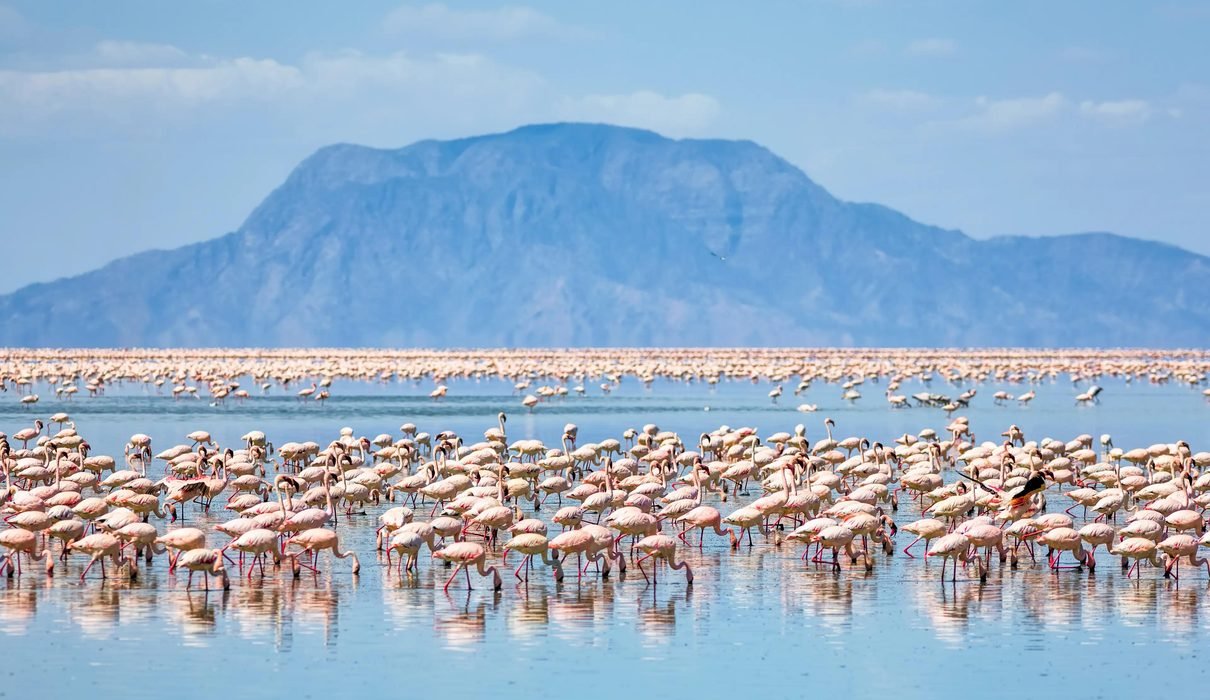
Lake Natron is one of the most unusual and beautiful places to visit in Tanzania. Located in the northern part of the country, close to the Kenyan border, this shallow salt lake is famous for its pink flamingos, red-colored water, volcanic landscapes, and peaceful surroundings. Unlike Tanzania’s popular wildlife parks, Lake Natron offers a different kind of adventure, where visitors can explore nature, meet local Maasai communities, and discover landscapes that are rarely seen elsewhere.
For travelers planning a Tanzania holiday in 2027 or 2028, Lake Natron is an excellent destination to include in a northern Tanzania safari. The lake sits within the Great Rift Valley, surrounded by dry plains, rocky hills, and the impressive Ol Doinyo Lengai volcano. Its remote location makes the journey part of the experience, with beautiful views of traditional villages, mountains, and open countryside along the way.
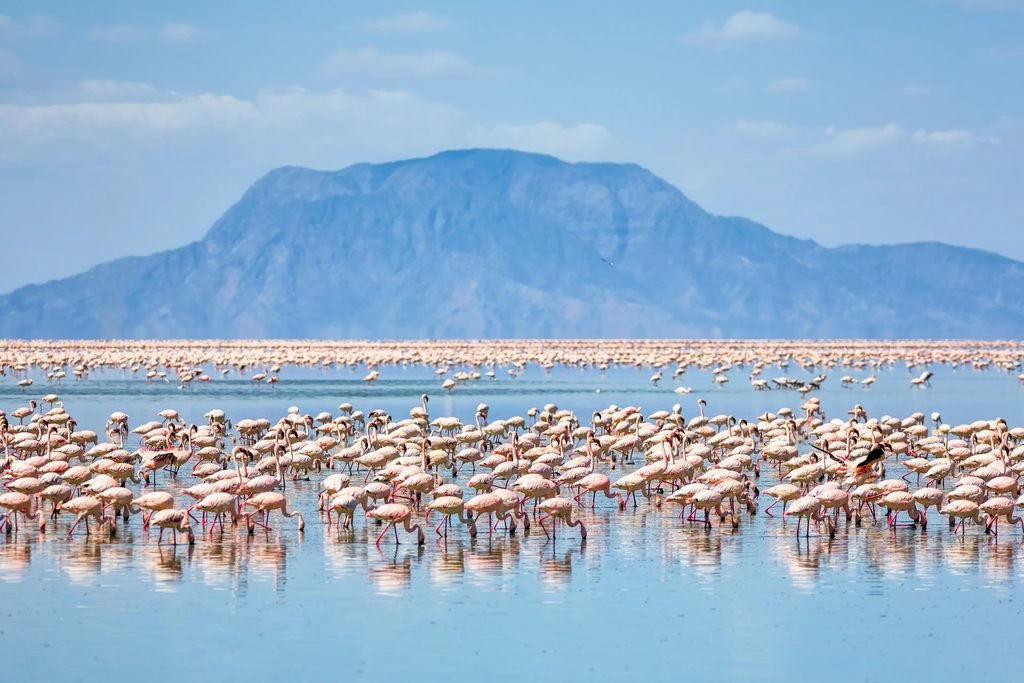
One of the main reasons people visit Lake Natron is to see lesser flamingos. The lake provides an important breeding habitat for these birds, which depend on its special environment for feeding and nesting. Visitors can also enjoy guided walks, explore nearby waterfalls, learn about Maasai traditions, and take photographs of the striking landscapes.
At Eddy Tours & Safaris, we help travelers discover Tanzania beyond the usual safari routes. Whether you are planning a short visit to Lake Natron or combining it with Serengeti National Park, Ngorongoro Crater, and other destinations, this guide will help you understand what to see, when to visit, and how to prepare for your journey in 2027 or 2028.
Lake Natron Destination Overview
| Travel information | Details |
|---|---|
| Destination | Lake Natron |
| Location | Northern Tanzania, near the Kenyan border |
| Region | Arusha Region |
| Landscape | Alkaline lake, volcanic mountains and Rift Valley plains |
| Main attraction | Lesser flamingos |
| Other attractions | Ol Doinyo Lengai, Engare Sero Waterfalls, Maasai villages |
| Recommended visit | 2–3 days |
| Popular travel months | June to October |
| Other possible travel periods | December to February, depending on conditions |
| Starting point | Arusha or Moshi |
| Transport | Private 4×4 safari vehicle recommended |
| Accommodation | Campsites, tented camps and lodges |
| Activities | Birdwatching, photography, guided walking and cultural visits |
| Travel years | 2027 and 2028 |
Where Is Lake Natron Located in Tanzania?
Lake Natron is located in northern Tanzania, within the eastern branch of the Great Rift Valley. It lies close to the border with Kenya and is surrounded by volcanic mountains, dry plains, and traditional Maasai settlements. The lake is situated northeast of the Ngorongoro Conservation Area and can be reached from Arusha through the northern Tanzania safari circuit.
The journey to Lake Natron offers beautiful scenery, especially when traveling through Mto wa Mbu and the Engaruka area. Along the way, visitors pass rural communities, open grazing lands, and impressive views of the Rift Valley escarpment. The landscape becomes increasingly dry and remote as you approach the lake, creating a completely different atmosphere from the forests and grasslands found in Tanzania’s major national parks.
Because some roads are rough and road conditions can change after rainfall, a reliable four-wheel-drive vehicle is recommended. Travelers should plan their journey with an experienced driver who understands the area, particularly when visiting during the rainy season.
Why Is Lake Natron Famous?
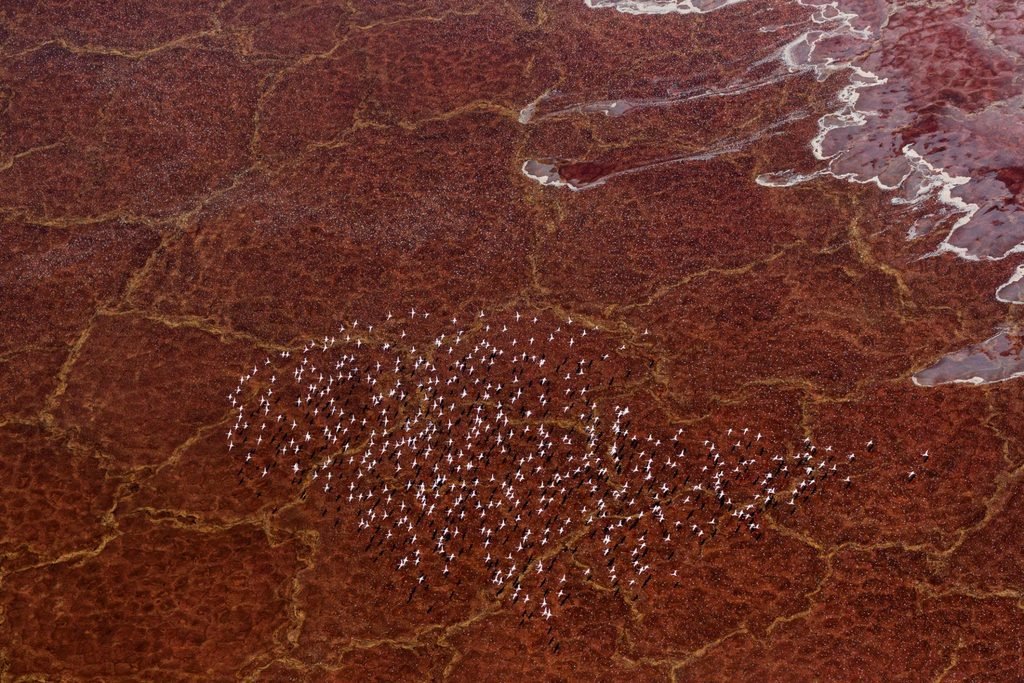
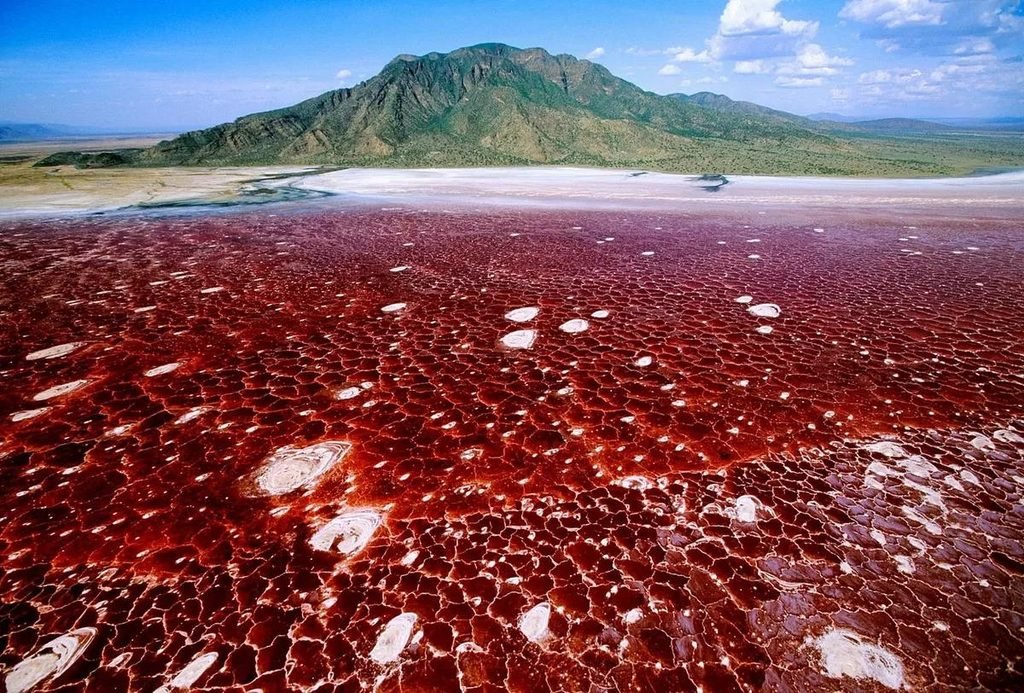
Lake Natron is famous for its unusual water chemistry, colorful appearance, and importance to lesser flamingos. The lake contains high concentrations of dissolved salts and minerals, making its water strongly alkaline. These conditions support special microorganisms, including salt-tolerant cyanobacteria, which contribute to the reddish and pinkish colors sometimes visible across the lake.
The lake is also one of the most important breeding locations for lesser flamingos in the world. Its shallow waters, mineral-rich environment, and relatively isolated nesting areas provide conditions that support large numbers of birds when water levels and food availability are suitable.
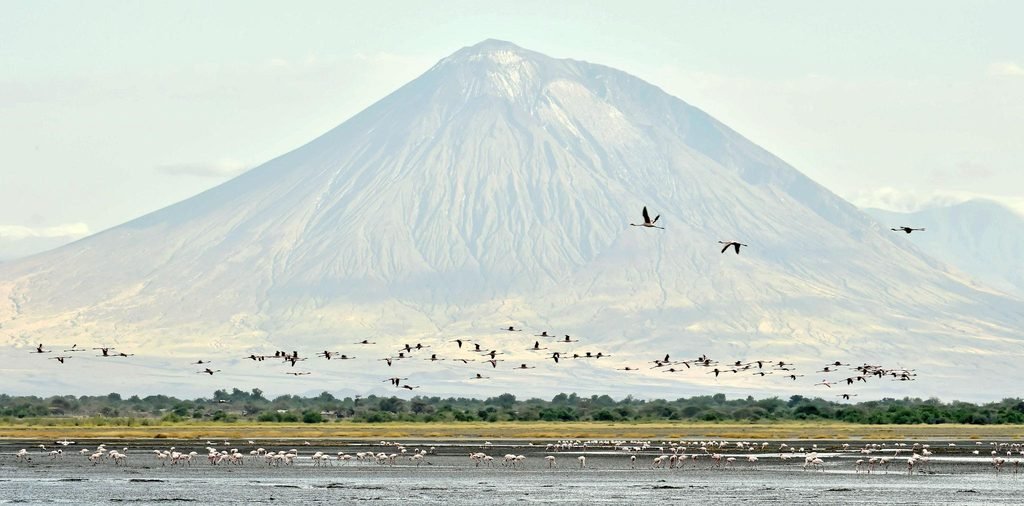
Another reason Lake Natron attracts visitors is the surrounding landscape. The nearby Ol Doinyo Lengai volcano rises above the plains, while the Rift Valley escarpment creates a dramatic backdrop. Together, these natural features make the destination especially attractive to photographers, birdwatchers, and travelers interested in exploring less crowded parts of Tanzania.
Top Things to Do at Lake Natron in 2027 and 2028
1. Watch Flamingos Along the Lake Shore
Flamingo watching is one of the main activities at Lake Natron. The lake provides important feeding and breeding habitat for lesser flamingos, which can gather in large numbers when environmental conditions are suitable. Seeing these birds against the lake’s colorful water and surrounding volcanic mountains is a special experience for wildlife lovers and photographers.
Visitors normally explore suitable sections of the shoreline with a local guide who understands the lake’s changing conditions. Early morning and late afternoon are often good times for birdwatching because temperatures are more comfortable and the softer light is ideal for photography.
Flamingo numbers change throughout the year depending on rainfall, water levels, and food availability. Although large flocks are possible, visitors should not expect the same number of birds during every trip. It is also important to avoid disturbing nesting areas and to follow the guide’s instructions when approaching the lake.
2. Explore the Beautiful Engare Sero Waterfalls
The Engare Sero Waterfalls are another popular attraction near Lake Natron. Located within a rocky gorge, the waterfalls provide a refreshing contrast to the hot and dry landscape surrounding the lake. Visitors can enjoy a guided walk through the gorge, passing natural rock formations and streams before reaching the waterfall area.
The walk can involve uneven ground, shallow water crossings, and slippery rocks, depending on the route and weather conditions. For this reason, comfortable footwear with good grip is important. Local guides help visitors navigate the appropriate paths and identify safe areas for stopping and taking photographs.
Swimming may be possible in suitable freshwater pools when conditions allow and a local guide confirms that it is safe. The waterfall excursion is especially enjoyable for travelers who want to combine sightseeing with light outdoor adventure.
3. Discover Ol Doinyo Lengai, the Mountain of God
Ol Doinyo Lengai is an active volcano located near Lake Natron. Its name means “Mountain of God” in the Maa language, reflecting its cultural and spiritual importance to the Maasai people. The mountain is particularly interesting because it is known for producing a rare type of volcanic lava called natrocarbonatite.
For many visitors, simply seeing the volcano rising above the surrounding plains is an impressive experience. Its steep slopes and distinctive shape create an excellent background for landscape photography, especially during sunrise and sunset.
Experienced hikers may also consider a guided ascent of Ol Doinyo Lengai. However, this is a demanding activity involving steep, loose terrain and potentially dangerous volcanic conditions. It is not suitable for everyone, and climbing arrangements depend on current volcanic activity, weather, local permissions, and professional safety assessments.
Travelers interested in mountain adventures can also explore our Tanzania climbing and travel services for information about other trekking experiences.
4. Experience Maasai Culture and Village Life
The Lake Natron area is home to Maasai communities whose traditions and daily activities form an important part of the region’s cultural identity. Visitors can arrange respectful cultural experiences with local guides and community representatives to learn about traditional lifestyles, livestock keeping, local crafts, and the relationship between the Maasai people and their environment.
A cultural visit may include an introduction to traditional homes, discussions about community life, or opportunities to purchase locally made handicrafts. The exact activities depend on the community and the arrangements made before the visit.
It is important to approach these experiences respectfully. Visitors should ask permission before photographing people and follow local guidance concerning cultural practices. Supporting community-led activities can also help tourism provide benefits to local residents.
5. Visit the Ancient Human Footprints at Engare Sero
The Engare Sero area is known for ancient human footprints preserved in volcanic deposits. These footprints provide an interesting connection to the region’s human history and offer visitors an opportunity to learn about the people who moved through this landscape long before modern tourism developed.
A guided visit can help travelers understand how the footprints were preserved and why they are important to researchers studying past human activity. The site is particularly interesting for visitors who enjoy archaeology, history, and learning about the relationship between people and the natural environment.
Access arrangements may vary, so it is advisable to confirm whether the site is open and whether a local guide is available before including it in your itinerary.
6. Enjoy Landscape and Wildlife Photography
Lake Natron is an excellent destination for photography because of its unusual colors, wide open spaces, and dramatic volcanic scenery. The lake’s appearance changes with water levels, sunlight, and the presence of microorganisms, creating different patterns of red, pink, orange, and white across the shallow water and salt flats.
Photographers can capture flamingos feeding near the shoreline, the silhouette of Ol Doinyo Lengai, Maasai landscapes, and the impressive Rift Valley escarpment. Sunrise and sunset are particularly attractive times because the softer light can bring out the textures and colors of the surrounding environment.
Wildlife photography should always be carried out responsibly. Visitors should maintain a safe distance from birds and other animals, avoid entering sensitive nesting areas, and follow local conservation rules.
Best Time to Visit Lake Natron in 2027 and 2028
Lake Natron can be visited during different parts of the year, but the best travel period depends on the activities you want to enjoy. The dry months, generally from June to October, are often recommended because road access is usually more manageable and conditions are favorable for exploring the surrounding landscape.
During the dry season, visitors can enjoy guided walks, birdwatching, and photography with a lower likelihood of heavy rainfall disrupting their plans. However, Lake Natron is a hot destination, and daytime temperatures can still be uncomfortable, particularly around midday.
December to February can also be a suitable period for visiting, although temperatures may be very high. Rainfall can affect the roads and the lake’s appearance, while flamingo activity depends on changing environmental conditions.
The heavier rainy period, generally around March to May, can make travel more difficult because some unpaved roads become muddy or temporarily inaccessible. Travelers planning visits during these months should allow additional flexibility and confirm road conditions before departure.
Lake Natron Weather and Travel Seasons
| Period | General conditions | Travel considerations |
|---|---|---|
| January–February | Hot, with variable rainfall | Suitable for some visits; plan activities around the heat |
| March–May | Generally wetter | Rough roads may become difficult |
| June–August | Relatively dry | Popular for birdwatching and outdoor activities |
| September–October | Generally dry and hot | Good for photography and guided exploration |
| November–December | Variable rainfall and warm conditions | Confirm road and activity conditions |
Flamingo breeding does not follow a fixed tourist calendar. Rainfall, lake chemistry, and water levels influence when breeding occurs, so nesting activity cannot be guaranteed for a particular month in 2027 or 2028.
How to Get to Lake Natron
Most visitors travel to Lake Natron by road from Arusha, which is one of the main starting points for northern Tanzania safaris. The journey commonly follows routes through Mto wa Mbu and Engaruka before continuing toward the lake and Engaresero village.
Driving times vary depending on the starting point, road conditions, weather, and stops along the way. Travelers should generally allow several hours for the journey rather than planning it as a short transfer.
A four-wheel-drive safari vehicle is recommended because parts of the route are unpaved and can be rough. During the rainy season, some sections may become particularly challenging.
Lake Natron can also be included in a longer northern Tanzania itinerary. Travelers may combine the destination with Tanzania wildlife safaris that include Serengeti National Park, Ngorongoro Crater, and other attractions.
How Many Days Do You Need at Lake Natron?
For most travelers, two or three days is a good amount of time to explore Lake Natron. A two-day visit allows you to travel from Arusha, enjoy selected activities around the lake, and return the following day. However, the journey can feel rushed if you want to visit several attractions.
A three-day itinerary provides more flexibility for flamingo watching, waterfall excursions, cultural experiences, and photography. It also allows travelers to enjoy the area at a more relaxed pace, particularly during the hottest hours of the day.
Visitors planning to climb Ol Doinyo Lengai should allow additional time for preparation, rest, and possible changes caused by weather or volcanic conditions.
Suggested 3-Day Lake Natron Safari Itinerary
Day 1: Arusha to Lake Natron – Scenic Drive and Sunset Views
Your journey begins in Arusha, where you meet your safari driver-guide before traveling toward Lake Natron. The drive passes through beautiful northern Tanzania landscapes, including rural villages, open plains, and sections of the Great Rift Valley. Along the way, you can enjoy views of the surrounding mountains and learn about the local environment as you travel toward the remote Lake Natron area.
Upon arrival, you check in at your selected lodge or campsite and enjoy some time to relax after the journey. Depending on your arrival time and the weather, you may take a guided walk toward a suitable viewpoint near the lake. The late afternoon provides an opportunity to enjoy the changing colors of the landscape and photograph Ol Doinyo Lengai in the distance.
Overnight: Lake Natron area.
Day 2: Flamingo Watching, Waterfalls and Maasai Cultural Experience
After breakfast, you begin exploring the Lake Natron area with a local guide. Your first activity may be a visit to a suitable section of the lake shore, where you can observe flamingos and other birdlife from a respectful distance. The guide explains the lake’s unusual environment, its importance to lesser flamingos, and the role that changing water levels play in the surrounding ecosystem.
Later, you can visit the Engare Sero Waterfalls for a guided walk through the rocky gorge. The route offers views of natural rock formations and freshwater streams, providing a refreshing contrast to the surrounding dry plains. Depending on conditions, there may be an opportunity to enjoy a safe freshwater swimming area.
In the afternoon, you may arrange a respectful Maasai cultural experience to learn more about local traditions and daily life. The day ends with dinner and an overnight stay at your accommodation.
Overnight: Lake Natron area.
Day 3: Lake Natron to Arusha – Return Journey
After breakfast, you prepare for the return journey to Arusha. Depending on the departure schedule, you may have time for a short morning photography stop before leaving the Lake Natron area. The drive takes you back through the Rift Valley landscape, with opportunities to appreciate the scenery along the way.
Upon arrival in Arusha, your driver transfers you to your hotel or another agreed drop-off point. Travelers continuing their holiday can arrange additional activities, including wildlife safaris or a visit to Zanzibar.
End of tour: Arusha.
Where to Stay at Lake Natron
Accommodation around Lake Natron includes basic campsites, tented camps, and a limited selection of lodges. The area is more remote than Tanzania’s major safari destinations, so travelers should expect simpler facilities in some locations.
Camping can be a good option for adventurous visitors who enjoy spending time outdoors. Tented camps and lodges may provide additional comfort, depending on the property and room category. Facilities such as electricity, internet access, air conditioning, and hot water should be confirmed before booking because they are not available at every property.
For travel in 2027 or 2028, accommodation availability and prices should be checked when planning the trip. Booking in advance is useful, particularly when Lake Natron forms part of a longer Tanzania safari itinerary.
Can You Swim in Lake Natron?
Swimming in Lake Natron itself is not recommended. The lake contains highly alkaline water that can irritate or injure skin and eyes, and the surrounding salt crust and muddy areas may be unstable.
Visitors should not enter the lake or walk across unfamiliar salt flats without professional guidance. The safest way to experience Lake Natron is through designated viewing areas and guided shoreline activities.
Travelers interested in swimming can ask their local guide about suitable freshwater pools near the Engare Sero Waterfalls. Swimming should only take place where conditions have been assessed as safe.
Is Lake Natron Safe for Tourists?
Lake Natron can be visited safely with appropriate planning, reliable transport, and knowledgeable local guides. However, its remote location, extreme heat, alkaline water, and rough roads mean that visitors should take practical precautions.
Carry enough drinking water, wear sun protection, and avoid strenuous outdoor activities during the hottest part of the day. Comfortable walking shoes are important because some attractions involve rocky or uneven terrain.
Travelers should also follow local conservation rules, respect Maasai communities, and avoid approaching flamingo nesting areas. If you are considering climbing Ol Doinyo Lengai, make sure the activity is currently permitted and suitable for your experience and physical condition.
Can You Combine Lake Natron with Serengeti and Ngorongoro?
Yes. Lake Natron can be included in a longer northern Tanzania safari, especially for travelers who want to experience more than traditional game drives. The destination offers a different landscape from Serengeti National Park and Ngorongoro Crater, making it an interesting addition to a wildlife-focused itinerary.
A combined safari may include Tarangire National Park, Lake Manyara, Ngorongoro Crater, Serengeti National Park, and Lake Natron. The exact route depends on the number of travel days, road conditions, accommodation arrangements, and your preferred activities.
For travelers planning a longer holiday, Eddy Tours & Safaris can help prepare a customized itinerary that includes Lake Natron alongside other northern Tanzania destinations.
Frequently Asked Questions About Lake Natron
1. Where is Lake Natron located?
Lake Natron is located in northern Tanzania, within the Great Rift Valley near the Kenyan border.
2. Why is Lake Natron famous?
The lake is famous for its flamingos, strongly alkaline water, unusual colors, and surrounding volcanic scenery.
3. Is Lake Natron worth visiting?
Yes. It is an excellent destination for travelers interested in birdwatching, photography, landscapes, and cultural experiences.
4. What is the best time to visit Lake Natron?
June to October is generally a practical period because road conditions are often better during the dry season.
5. Can I visit Lake Natron in 2027?
Yes. You can plan a visit for 2027, subject to accommodation, road conditions, and confirmed arrangements.
6. Can I visit Lake Natron in 2028?
Yes. Travel arrangements can be discussed in advance, with prices and availability confirmed before booking.
7. Why is Lake Natron red?
Microorganisms adapted to the lake’s salty environment contribute to its red, pink, and orange appearance.
8. Are there flamingos at Lake Natron?
Yes. Lake Natron is an important habitat and breeding area for lesser flamingos.
9. Can I see flamingos throughout the year?
Flamingos may be present during different months, but their numbers and locations vary with environmental conditions.
10. Is Lake Natron a national park?
No. Lake Natron is associated with a designated Game Controlled Area and an internationally important wetland.
11. Can tourists swim in Lake Natron?
Swimming in the alkaline lake is not recommended because the water can be harmful.
12. Are there waterfalls near Lake Natron?
Yes. The Engare Sero Waterfalls are among the area’s popular natural attractions.
13. Can I swim at Engare Sero Waterfalls?
Swimming may be possible in suitable freshwater pools when local guides confirm that conditions are safe.
14. What is Ol Doinyo Lengai?
Ol Doinyo Lengai is an active volcano near Lake Natron and an important mountain in Maasai culture.
15. Can I climb Ol Doinyo Lengai?
Guided climbs may be possible, depending on current volcanic activity, weather, permissions, and safety conditions.
16. Is Ol Doinyo Lengai difficult to climb?
Yes. It is a steep and physically demanding climb, generally suited to experienced hikers.
17. How far is Lake Natron from Arusha?
Lake Natron is several hours from Arusha by road, with travel time depending on the route and conditions.
18. Do I need a four-wheel-drive vehicle?
A reliable 4×4 vehicle is strongly recommended because many access roads are rough or unpaved.
19. How many days should I spend at Lake Natron?
Two or three days is suitable for many travelers, while additional time may be needed for longer activities.
20. Is Lake Natron suitable for photography?
Yes. Its flamingos, volcanic scenery, salt flats, and changing colors provide excellent photographic opportunities.
21. Are there hotels near Lake Natron?
Yes. Visitors can choose from campsites, tented camps, and a limited number of lodges.
22. Can I visit Maasai villages near Lake Natron?
Yes. Respectful community-led cultural visits can be arranged through local guides.
23. Are there dangerous animals around Lake Natron?
Wild animals may occur in the surrounding region, so visitors should follow local guidance and avoid walking alone in unfamiliar areas.
24. Can I combine Lake Natron with Serengeti National Park?
Yes. Lake Natron can be included in a longer northern Tanzania safari, depending on the route and available time.
25. How do I book a Lake Natron safari?
You can contact Eddy Tours & Safaris with your preferred travel dates, number of travelers, and activities to request a customized quotation.
Book Your Lake Natron Safari for 2027 and 2028 with Eddy Tours & Safaris
Lake Natron is one of Tanzania’s most interesting destinations for travelers who want to explore beyond the traditional safari parks. Its colorful alkaline lake, important flamingo habitat, dramatic volcanic landscapes, waterfalls, and Maasai cultural experiences make it a worthwhile addition to a northern Tanzania holiday.
Whether you are planning a short two-day visit or a longer journey combining Lake Natron with Serengeti and Ngorongoro, careful planning will help you enjoy the destination comfortably. The remote location means that reliable transport, knowledgeable local guides, suitable accommodation, and flexible travel arrangements are especially important.
At Eddy Tours & Safaris, we help travelers plan private Tanzania safaris and customized holidays for 2027 and 2028. Our team can help you arrange a Lake Natron itinerary that includes birdwatching, guided nature walks, cultural experiences, and connections to other popular destinations.
Contact us to start planning your Lake Natron adventure.
Website: Eddy Tours & Safaris
Enquiries: Contact Eddy Tours & Safaris
WhatsApp: Chat with our safari team
Email: sales@eddytours-safaris.com
Discover Lake Natron in 2027 or 2028 and experience a different side of Tanzania’s natural beauty.