

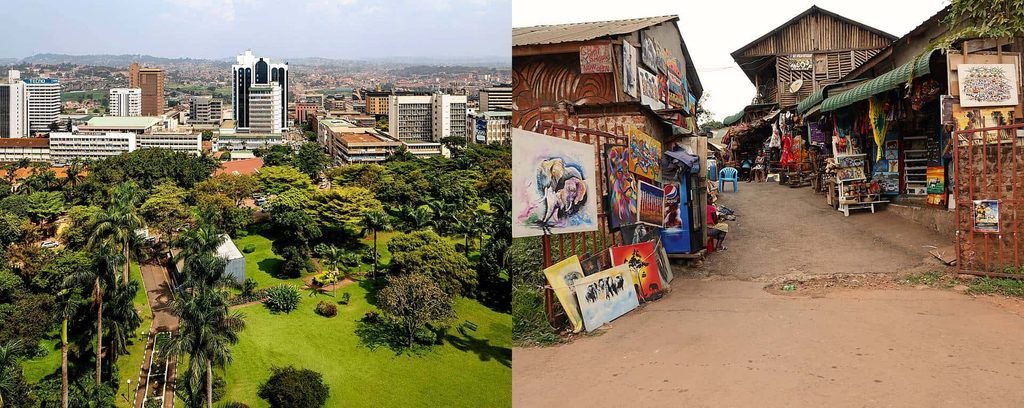
Kampala is the capital of Uganda and one of East Africa’s most interesting cities to explore. It is a place where busy markets, historic buildings, religious landmarks, traditional food, and modern city life come together. Whether you are visiting Uganda for a wildlife safari, a business trip, or a holiday, spending a day exploring Kampala gives you a chance to learn about the country’s people, history, and everyday culture.
A Kampala city tour is different from a traditional wildlife safari. Instead of searching for lions and elephants, you will explore royal palaces, historical sites, local markets, religious buildings, and neighborhoods that tell the story of Uganda. You can learn about the Buganda Kingdom, visit important places of worship, taste Ugandan dishes, and discover how Kampala has developed into a major commercial and cultural centre.
For travelers planning to visit Uganda in 2027 or 2028, Kampala is an excellent destination for a half-day, full-day, or two-day cultural experience. Most of the major attractions can be explored with a knowledgeable local guide, although traffic and the distances between neighborhoods mean that it is better to select a few meaningful stops rather than rushing through every landmark in one day.
At Eddy Tours & Safaris, we help travelers explore East African holiday options, including wildlife safaris, cultural experiences, and customized travel arrangements. This guide explains the best places to visit in Kampala, a practical one-day itinerary, local food, transport, accommodation options, travel costs, safety tips, and everything you should consider when planning a Kampala city tour in 2027 or 2028.
Kampala City Tour Overview for 2027–2028
| Tour details | Information |
|---|---|
| Destination | Kampala, Uganda |
| Tour name | Kampala City Cultural and Historical Tour |
| Recommended duration | 1 full day |
| Optional duration | Half-day or 2-day city experience |
| Tour type | Cultural, historical, sightseeing and food experience |
| Main attractions | Kasubi Tombs, Kabaka’s Palace, Uganda National Mosque, local markets and cultural landmarks |
| Starting location | Kampala or Entebbe, by arrangement |
| Transport | Private vehicle, walking and guided transfers |
| Suitable for | Couples, families, solo travelers and small groups |
| Best travel period | Year-round, with some drier months generally more convenient |
| Accommodation | Available separately if required |
| Price | On request, based on group size and itinerary |
| Travel years | 2027 and 2028 |
Why Visit Kampala During Your Uganda Holiday?
Kampala is worth visiting because it offers a closer look at Uganda beyond its famous national parks. The city is an important centre for government, business, education, religion, and culture. Its streets are filled with shops, restaurants, market stalls, offices, and residential neighborhoods, while its hills are home to some of the country’s most important historical landmarks.
One of Kampala’s strongest attractions is its connection to the Buganda Kingdom. Visitors can learn about the traditional leadership of the Baganda people, the history of the Kabakas, and the importance of royal sites such as the Kasubi Tombs and Kabaka’s Palace. These places help explain how the kingdom influenced the region long before Uganda became an independent country.
Kampala also has a lively food scene and many opportunities to experience local life. Traditional dishes, roadside snacks, fresh fruit markets, and small restaurants provide an introduction to everyday Ugandan culture. With a local guide, visitors can explore these places respectfully and gain a better understanding of how people live and work in the city.
A Kampala tour is especially useful at the beginning or end of a longer Uganda holiday. Travelers visiting Bwindi Impenetrable National Park, Queen Elizabeth National Park, Murchison Falls, or Jinja can include a city experience in their travel plans, depending on available time and transport arrangements.
Best Places to Visit During a Kampala City Tour
1. Kasubi Royal Tombs – Discover the History of the Buganda Kingdom
The Kasubi Royal Tombs are among the most important cultural sites in Uganda. Located on Kasubi Hill, the site serves as the burial ground of four former kings of Buganda and is recognized as a UNESCO World Heritage Site. The tombs are important not only because of their royal history but also because of the traditional architecture, cultural practices, and spiritual significance associated with the Buganda Kingdom.
A visit to Kasubi provides an opportunity to learn about the history of the Kabakas, the traditional leadership of Buganda, and the cultural meaning of the royal burial grounds. The main mausoleum is known for its large thatched structure and traditional construction methods. Visitors can also learn about the customs associated with royal burial sites and the work undertaken to protect this important heritage.
The site suffered major damage in a fire in 2010, and restoration work continued for many years. Before including Kasubi in your 2027 or 2028 itinerary, confirm the latest visitor access arrangements, guided tour availability, and any cultural restrictions that apply. As a royal heritage site, visitors should dress respectfully, follow the instructions of local custodians, and request permission before taking photographs.
2. Uganda National Mosque – Enjoy Panoramic Views of Kampala
The Uganda National Mosque, also widely known as the Gaddafi Mosque, stands on Old Kampala Hill and is one of the city’s most recognizable religious landmarks. Its large prayer hall, distinctive architecture, and elevated location make it an interesting stop for travelers who want to understand Kampala’s religious diversity and enjoy views over the surrounding city.
A guided visit can provide information about the mosque’s history, architecture, and role in Uganda’s Muslim community. Depending on current visitor arrangements, tourists may also have the opportunity to climb the minaret for panoramic views of Kampala’s hills, roads, neighborhoods, and commercial areas. The climb involves stairs and may not be suitable for every visitor, so it is worth discussing this with your guide beforehand.
Because the mosque is an active place of worship, respectful clothing and behavior are important. Visitors may be asked to cover certain parts of the body or remove shoes before entering designated areas. Photography and visiting hours should be confirmed locally, particularly during prayer times and religious occasions.
3. Kabaka’s Palace – Learn About Uganda’s Royal and Political History
Kabaka’s Palace, also known as the Lubiri Palace, is located in the Mengo area of Kampala and is closely associated with the history of the Buganda Kingdom. The palace grounds are an important cultural landmark and provide an opportunity to learn about traditional royal leadership and the relationship between the kingdom and Uganda’s political history.
A guided visit may include explanations of the palace compound, royal traditions, and historical events that shaped Uganda during the twentieth century. Some tours also discuss the former underground detention chambers associated with the Idi Amin period, offering a more serious perspective on the country’s political past.
Visitors should remember that the palace is a culturally significant site, and access to particular areas may be restricted. The experience is most valuable when accompanied by a knowledgeable local guide who can explain the historical context without turning sensitive events into entertainment. It is advisable to confirm which parts of the grounds are accessible before arrival.
4. Nakasero Market – Experience Everyday Kampala Life
Nakasero Market is a popular place to experience Kampala’s local trading culture. The market is known for its fresh produce, including fruits, vegetables, spices, and other everyday goods. Walking through the market offers a chance to see how local traders organize their stalls, interact with customers, and supply food to homes, restaurants, and businesses across the city.
For visitors who enjoy food and photography, Nakasero provides an interesting contrast to Kampala’s royal and religious landmarks. The market can be busy, particularly during the morning, and the narrow walkways may be crowded with shoppers and traders. A local guide can help you move around more comfortably, explain unfamiliar products, and communicate with sellers when necessary.
It is important to respect the people working in the market. Always ask before photographing traders or their stalls, avoid blocking customers, and keep personal belongings secure. Visitors interested in buying fruit, spices, or small local products can use the opportunity to support local businesses.
5. Namirembe Cathedral – Explore Kampala’s Religious Heritage
Namirembe Cathedral is one of Kampala’s important Christian landmarks and is associated with the Anglican Church in Uganda. Located on Namirembe Hill, the cathedral offers visitors an opportunity to learn about the development of Christianity in the region and the role of religious institutions in Uganda’s history.
The cathedral’s hilltop location provides views across parts of Kampala, while its architecture and peaceful surroundings offer a quieter experience than the busy streets below. Depending on access arrangements, visitors may be able to explore designated areas and learn about the building’s history with assistance from local guides or church representatives.
As with other religious sites, visitors should dress appropriately and respect worship services. Photography may be restricted during certain activities, and opening arrangements can change during special religious events.
6. Rubaga Cathedral – Visit Another Important Kampala Landmark
Rubaga Cathedral, also known as Saint Mary’s Cathedral Rubaga, is an important Roman Catholic landmark situated on Rubaga Hill. The cathedral is associated with the history of Catholicism in Uganda and remains an active place of worship.
Its elevated position and distinctive architecture make it an interesting stop for travelers who want to explore Kampala’s religious and historical diversity. Visitors can learn about the development of the Catholic Church in Uganda and the cathedral’s role in local religious life.
Rubaga and Namirembe cathedrals are often included as alternatives rather than both being visited during a short city tour. If you are particularly interested in religious history or architecture, however, you may choose to include both in a longer itinerary.
7. Uganda Museum – Learn About the Country’s Cultural Heritage
The Uganda Museum is one of East Africa’s oldest museums, with origins dating to 1908. Its collections cover different aspects of Uganda’s cultural and natural history, including archaeology, traditional musical instruments, ethnography, and historical objects. For travelers who want a broader understanding of Uganda beyond Kampala, the museum can be an educational addition to a city tour.
Museum exhibits traditionally introduce visitors to different communities, historical periods, and cultural practices found across the country. The displays help explain Uganda’s diversity and provide useful background for travelers continuing to other regions.
Important travel update: The Uganda Museums official visitor website currently displays a notice that the Uganda National Museum is temporarily closed for renovations. Its pages also contain differing general opening-hour information. For 2027 and 2028, do not assume that the museum will be open until its reopening and visitor arrangements have been confirmed. If it remains closed during your visit, your guide can replace it with another suitable cultural attraction.
8. Independence Monument – A Symbol of Uganda’s Independence
The Independence Monument is located in central Kampala and commemorates Uganda’s independence in 1962. It is an important national landmark and a useful stop for travelers interested in the country’s modern history.
The monument is often visited briefly during a city sightseeing tour because it is located near other central landmarks and commercial areas. A guide can explain its symbolism and provide background on Uganda’s transition from British colonial rule to independence.
This is generally a short photography and history stop rather than a long attraction visit. It fits well into an itinerary that also includes the central business district, local markets, and nearby cultural sites.
9. Baha’i House of Worship – Enjoy Peaceful Gardens and Architecture
The Baha’i House of Worship is situated on Kikaaya Hill in the northern part of Kampala. It is known for its distinctive domed architecture, landscaped gardens, and peaceful atmosphere. The site offers a different experience from the city’s busy markets and commercial streets.
Visitors interested in religious diversity and architecture may enjoy learning about the Baha’i faith and the purpose of the House of Worship. The gardens can provide a quiet setting for walking and reflection, subject to the site’s visitor rules.
Because the temple is located away from some of the main central attractions, it is more practical to include it in a longer city tour or a carefully planned itinerary. Opening arrangements and visitor restrictions should be checked in advance.
10. Kampala Craft Markets – Shop for Local Souvenirs
Kampala has several places where visitors can find locally made crafts, souvenirs, clothing, and decorative items. Depending on the shops and markets visited, products may include woven baskets, wood carvings, beadwork, paintings, fabrics, and handmade accessories.
Craft shopping is a good way to finish a city tour because it allows travelers to purchase gifts and support local artisans and traders. Prices vary depending on the item, quality, and seller, so it is sensible to ask questions before buying. A local guide may also help you identify suitable shops and understand common market practices.
When purchasing souvenirs, choose legally traded products and avoid wildlife items or materials whose origin is unclear. Small purchases from reputable local craftspeople can provide a useful contribution to the local economy.
The Best One-Day Kampala City Tour Itinerary for 2027–2028
A full-day Kampala city tour usually works best when it includes approximately four major attractions, with shorter stops added only when traffic and opening arrangements allow. The following itinerary is a suggested schedule rather than a guaranteed timetable.
8:00 AM – Hotel Pickup and Introduction to Kampala
Your day begins with pickup from your hotel or agreed meeting point in Kampala. After meeting your local guide, you receive a short introduction to the city, its history, and the places you will visit. As you drive through the streets, your guide explains how Kampala developed across its hills and became Uganda’s capital and commercial centre.
The morning drive provides an opportunity to observe everyday city life, including shops opening for business, commuters traveling to work, and traders preparing their stalls. Traffic can be heavy, so your guide may adjust the order of attractions according to road conditions.
9:00 AM – Visit Uganda National Mosque
Your first major stop is Uganda National Mosque on Old Kampala Hill. During the visit, you learn about the building’s architecture and religious importance, while your guide explains the history of the surrounding area. If access is available and you are comfortable with stairs, you may choose to visit the minaret viewpoint.
The elevated location provides a useful introduction to Kampala’s geography. From the viewpoint, visitors can better appreciate the hills and neighborhoods that make up the city, helping them understand the layout of the places they will explore during the rest of the day.
10:30 AM – Explore Kabaka’s Palace
Continue toward Mengo for a guided visit to Kabaka’s Palace. This stop introduces the history of the Buganda Kingdom and provides background on its traditional leadership, cultural institutions, and role in Uganda’s history.
Depending on visitor access, the guide may also explain historical events associated with the palace compound and nearby landmarks. The visit offers an opportunity to understand Kampala from a cultural and historical perspective rather than seeing it only as a modern city.
12:30 PM – Enjoy a Traditional Ugandan Lunch
After the morning sightseeing, stop at a suitable local restaurant for lunch. This is a good opportunity to try Ugandan dishes such as matoke, rice, beans, groundnut sauce, grilled meat, or other regional foods, depending on the restaurant’s menu and your dietary preferences.
Your guide can help explain the ingredients and recommend suitable dishes. Travelers who prefer vegetarian meals or have food allergies should communicate their requirements in advance so that appropriate arrangements can be made.
1:45 PM – Visit the Kasubi Royal Tombs
In the afternoon, continue to the Kasubi Royal Tombs, subject to confirmed visitor access. During a guided visit, you can learn about the burial traditions of the Buganda kings, the history of the royal site, and the importance of preserving traditional architecture and cultural heritage.
This is one of the most meaningful stops on a Kampala tour because it connects the city’s present-day identity with the history of the Buganda Kingdom. Visitors should follow local cultural rules and allow enough time for explanations rather than treating the visit as a quick photography stop.
3:30 PM – Explore Nakasero Market or a Craft Market
Finish the afternoon with a visit to Nakasero Market or a suitable craft market, depending on your interests and traffic conditions. At Nakasero, you can explore fresh produce stalls and observe everyday trading activity. At a craft market, you can browse handmade souvenirs and gifts.
The final stop provides a relaxed way to experience Kampala’s local culture after visiting several historical landmarks. Your guide can assist with shopping and help you understand the practical details of buying goods in a busy market.
5:00 PM – Return to Your Hotel
After completing the sightseeing program, your driver transfers you back to your hotel or agreed drop-off point. The actual finishing time depends on traffic, attraction access, and the time spent at each location.
Travelers with additional time can extend their Kampala experience by visiting other religious landmarks, arranging an evening cultural activity, or exploring more of the city’s restaurant scene.
Kampala City Tour: Suggested Daily Schedule
| Time | Activity |
|---|---|
| 8:00 AM | Hotel pickup and city introduction |
| 9:00 AM | Uganda National Mosque |
| 10:30 AM | Kabaka’s Palace |
| 12:30 PM | Traditional Ugandan lunch |
| 1:45 PM | Kasubi Royal Tombs |
| 3:30 PM | Nakasero Market or craft shopping |
| Around 5:00 PM | Hotel drop-off |
This itinerary may be adjusted to suit your interests, religious-site visiting rules, traffic, and attraction availability.
Is One Day Enough to Explore Kampala?
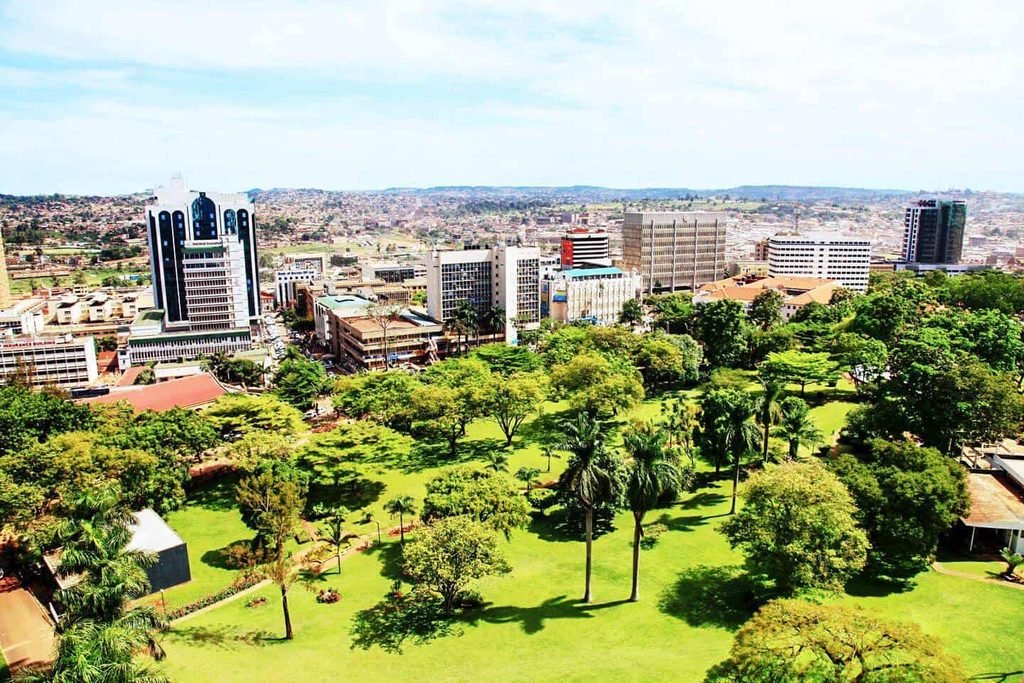
One day is enough to enjoy a useful introduction to Kampala, particularly if you are visiting the city as part of a longer Uganda holiday. A well-planned full-day tour can include several important cultural and historical attractions, a traditional lunch, and some time to experience local markets. However, it is not realistic to explore every major landmark in one day because Kampala’s traffic can make travel between neighborhoods slow.
If you are especially interested in Ugandan history, architecture, food, or religious heritage, two days will provide a more relaxed experience. A second day could include the Baha’i House of Worship, Namirembe Cathedral, Rubaga Cathedral, additional markets, and other cultural activities.
Travelers with only a few hours available can arrange a half-day city tour focusing on two or three nearby attractions. The best itinerary depends on your starting location, interests, and available time.
Best Time to Visit Kampala in 2027 and 2028
Kampala can be visited throughout the year because most city attractions are not dependent on wildlife movements or seasonal trekking conditions. However, weather can affect walking tours, outdoor markets, and the comfort of traveling between attractions.
The periods from December to February and June to August are generally associated with relatively drier conditions in much of Uganda, although rainfall remains possible. Wetter periods often occur around March to May and September to November, but local weather patterns vary and should not be treated as fixed.
For travelers planning a Kampala city tour in 2027 or 2028, comfortable walking shoes, light clothing, sun protection, and a small rain jacket are useful regardless of the month. A private vehicle is particularly convenient during rainy weather or when visiting attractions located on different hills.
How Much Does a Kampala City Tour Cost in 2027 and 2028?
The cost of a Kampala city tour depends on several factors, including the number of travelers, duration, transport arrangements, entrance fees, guide services, meals, and pickup location. A private full-day tour for one person will generally cost more per person than a tour shared by several travelers because vehicle and guiding expenses are spread across fewer guests.
Entrance fees also vary between attractions and may change before 2027 or 2028. Some religious sites require guided visits or have special arrangements for tourists, while cultural heritage sites may charge separate admission fees. Travelers should therefore request a detailed quotation rather than relying on a single general price found online.
For an accurate budget, ask whether the quoted price includes hotel pickup, private transport, a local guide, attraction entrance fees, lunch, drinking water, and any additional activities. This makes it easier to compare different tour arrangements and avoid unexpected costs.
What Is Included in a Kampala City Tour Package?
A guided Kampala city tour may include hotel pickup and drop-off, transport in a suitable vehicle, the services of a local guide, and visits to the attractions listed in the confirmed itinerary. Some packages also include entrance fees, lunch, and bottled drinking water, while others quote these services separately.
The exact arrangements should always be confirmed before booking. Travelers should ask whether the tour is private or shared, which sites are included, whether walking is required, and how the operator handles unexpected closures or heavy traffic.
Services commonly excluded unless specifically stated may include international flights, accommodation, visa fees, personal shopping, alcoholic drinks, tips, and activities not listed in the itinerary.
What to Eat During Your Kampala City Tour
Food is an important part of the Kampala experience, and visitors can discover several traditional Ugandan dishes during a city tour. Matoke, made from cooked green bananas, is one of the country’s well-known foods and is often served with sauces, beans, meat, or groundnuts. Other common meals include rice, posho, sweet potatoes, cassava, and grilled meat.
A popular local street food is the rolex, which is made by rolling an omelette with vegetables inside a chapati. It is widely enjoyed as a quick meal or snack, although visitors should choose vendors who prepare food hygienically and serve it fresh.
Travelers interested in traditional food can ask their guide to include a suitable local restaurant in the itinerary. Vegetarian and other dietary requirements can often be accommodated when communicated in advance.
Getting Around Kampala During a City Tour
Kampala has several transport options, including private vehicles, taxis, minibuses, and motorcycle taxis known locally as boda bodas. For visitors who want to explore several attractions in one day, a private vehicle with a knowledgeable driver is generally the most practical choice because it provides flexibility and reduces the difficulty of navigating unfamiliar streets.
Traffic congestion is common, particularly during morning and evening commuting periods. Travel times between attractions can vary significantly, so a realistic itinerary should include extra time for road delays. This is one reason why it is better to visit a smaller number of attractions properly rather than attempting to cover the entire city in a single day.
Walking can be enjoyable in suitable areas, particularly when exploring markets and cultural sites, but visitors should remain aware of traffic and follow their guide’s advice. Motorcycle taxis may be convenient for local residents, but travelers should carefully consider road safety before using them.
Is Kampala Safe for Tourists?
Kampala welcomes many visitors, but travelers should take normal precautions when exploring a busy city. Keep valuables secure, avoid displaying large amounts of cash, and remain aware of your surroundings in crowded markets and transport areas. It is also advisable to use reliable transport and avoid walking alone in unfamiliar areas late at night.
A local guide can make the experience easier by helping with navigation, cultural expectations, and communication. Visitors should also respect rules at religious sites, government buildings, and culturally sensitive locations. Photography may be restricted in certain places, so always ask before taking pictures.
Before departure, check the latest travel advice issued by your country’s government, as security conditions and entry requirements can change.
Where to Stay in Kampala
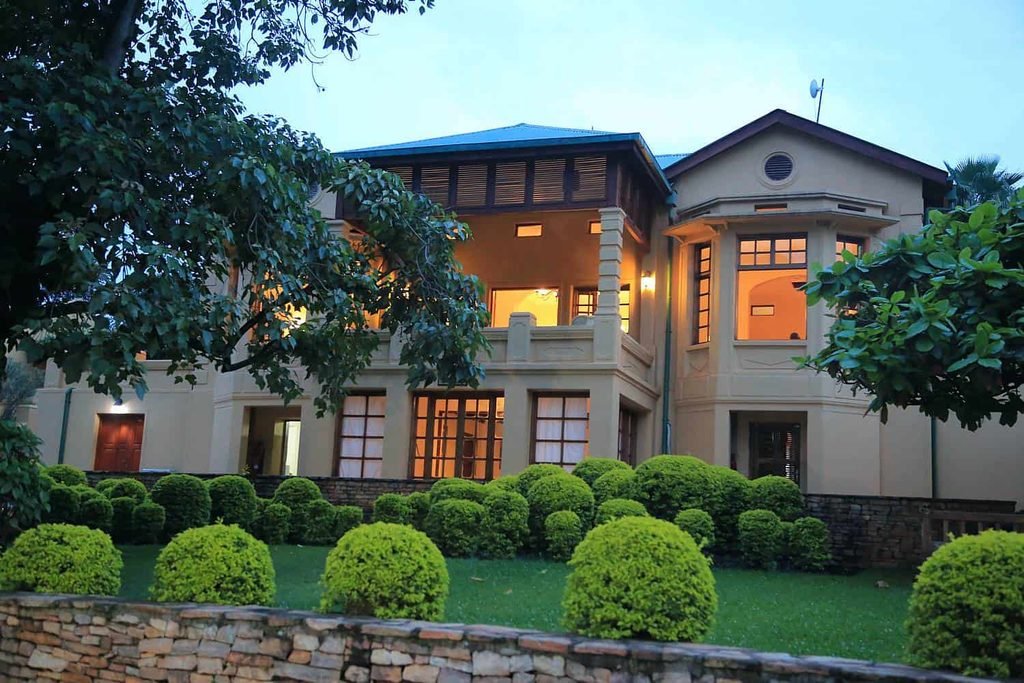
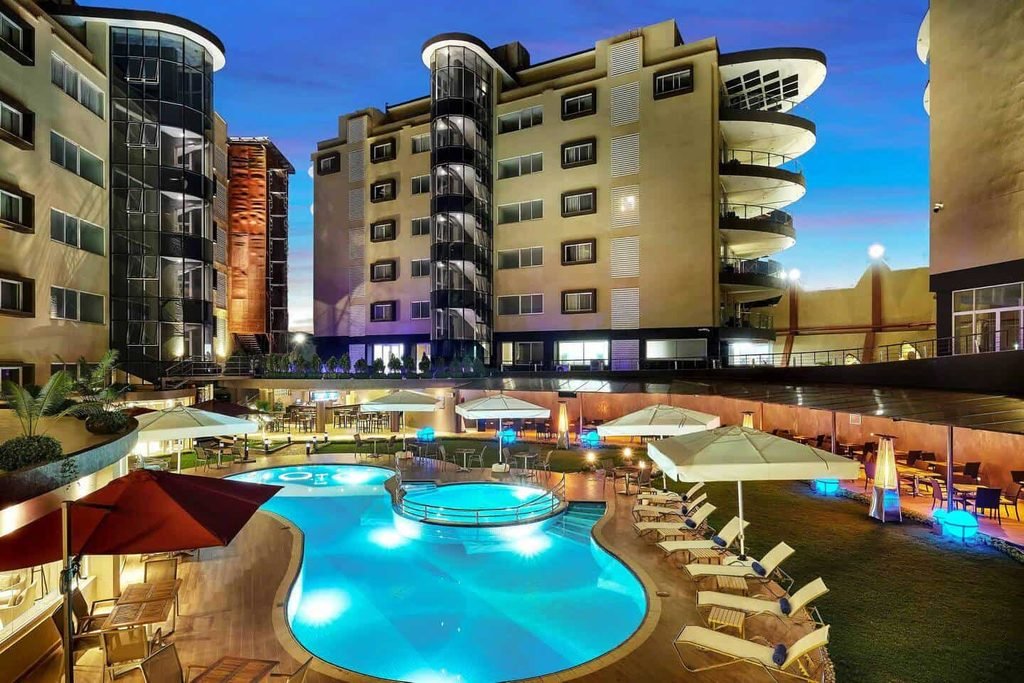
Kampala offers a wide range of accommodation, from budget guesthouses and mid-range hotels to luxury properties. The best location depends on your travel plans, preferred level of comfort, and whether you want to spend time exploring restaurants and nightlife after your city tour.
Areas such as Kololo and Nakasero are popular with travelers looking for established hotels and convenient access to restaurants and business facilities. Other neighborhoods may offer more affordable accommodation, although travel times to the main attractions should be considered.
If you are arriving through Entebbe International Airport, remember that the airport is located in Entebbe rather than central Kampala. The road transfer can take considerably longer during heavy traffic, so it is advisable to plan your arrival and sightseeing schedule carefully.
Can You Combine Kampala with a Uganda Wildlife Safari?
Yes. A Kampala city tour can be included before or after a longer Uganda safari, giving travelers an opportunity to experience both the country’s cultural attractions and natural landscapes. Popular wildlife destinations include Murchison Falls National Park, Queen Elizabeth National Park, Lake Mburo National Park, and Bwindi Impenetrable National Park.
Travelers interested in gorilla trekking can arrange a longer itinerary that combines Kampala with southwestern Uganda, subject to permit availability and the relevant trekking requirements. Jinja is another possible addition for visitors who want to explore the Nile region and enjoy outdoor activities.
Because Uganda’s main safari destinations are spread across different parts of the country, travel times should be considered carefully. A well-organized itinerary should allow enough time for transfers, sightseeing, and rest rather than trying to fit too many destinations into a short holiday.
Frequently Asked Questions About Kampala City Tours
1. Is Kampala worth visiting in 2027 or 2028?
Yes. Kampala offers cultural, historical, religious, and food experiences that make it a worthwhile addition to a Uganda holiday.
2. How many days do I need in Kampala?
One full day is enough for a useful introduction, while two days allow more time to explore.
3. What are the best places to visit in Kampala?
Popular attractions include Kasubi Royal Tombs, Uganda National Mosque, Kabaka’s Palace, Nakasero Market, and the city’s major cathedrals.
4. Can I explore Kampala in one day?
Yes, although it is best to focus on a few major attractions because of traffic.
5. Is Kampala suitable for family tours?
Yes. Many attractions can be enjoyed by families, although the itinerary should consider children’s ages and interests.
6. What is the best time of year to visit Kampala?
Kampala can be visited year-round, with relatively drier periods often making outdoor sightseeing more comfortable.
7. Do I need a local guide?
A guide is strongly recommended for visitors who want to understand the city’s history and culture.
8. What is the main cultural attraction in Kampala?
The Kasubi Royal Tombs are among the city’s most significant cultural heritage sites.
9. Can I visit Uganda National Mosque?
Guided tourist visits may be available, subject to current religious-site rules and visiting arrangements.
10. Can I climb the mosque minaret?
Access may be available during guided visits, depending on current arrangements and your ability to use stairs.
11. Can I visit Kabaka’s Palace?
Guided visits to permitted areas may be available, subject to current access arrangements.
12. Is the Uganda Museum open?
Its official website currently displays a temporary renovation closure notice. Confirm its status before including it in your itinerary.
13. Can I visit the Kasubi Tombs?
Visitor arrangements should be confirmed before travel, especially following the site’s restoration work.
14. What food should I try in Kampala?
Matoke, rolex, groundnut sauce, rice, beans, and other traditional Ugandan dishes are popular options.
15. Is Kampala expensive for tourists?
Costs vary according to accommodation, transport, meals, attraction fees, and whether you choose a private or shared tour.
16. What currency is used in Kampala?
The Ugandan shilling (UGX) is the local currency.
17. Can I pay in US dollars?
Some tourism businesses may accept US dollars, but Ugandan shillings are useful for everyday purchases.
18. How far is Kampala from Entebbe Airport?
Kampala is roughly 40 kilometres from Entebbe International Airport by road, depending on the destination and route.
19. How long does the airport transfer take?
Travel time varies significantly with traffic, so allow extra time rather than relying on a fixed estimate.
20. Is Kampala safe for solo travelers?
Solo travelers can visit Kampala, but normal urban safety precautions and reliable transport are important.
21. What should I wear during a Kampala tour?
Comfortable clothing and walking shoes are suitable, with more modest clothing recommended for religious and cultural sites.
22. Can I take photographs at Kampala attractions?
Photography is allowed in some areas, but restrictions may apply at religious, cultural, and government sites.
23. Can I combine Kampala with gorilla trekking?
Yes. A Kampala tour can be included in a longer Uganda itinerary with gorilla trekking, subject to permit and travel arrangements.
24. Can I book a Kampala city tour for 2027?
You can request a customized itinerary and quotation for 2027, subject to local partner arrangements and availability.
25. Can I arrange a Kampala city tour for 2028?
Yes. You can enquire about future travel arrangements, although prices, attraction access, and guide availability must be confirmed.
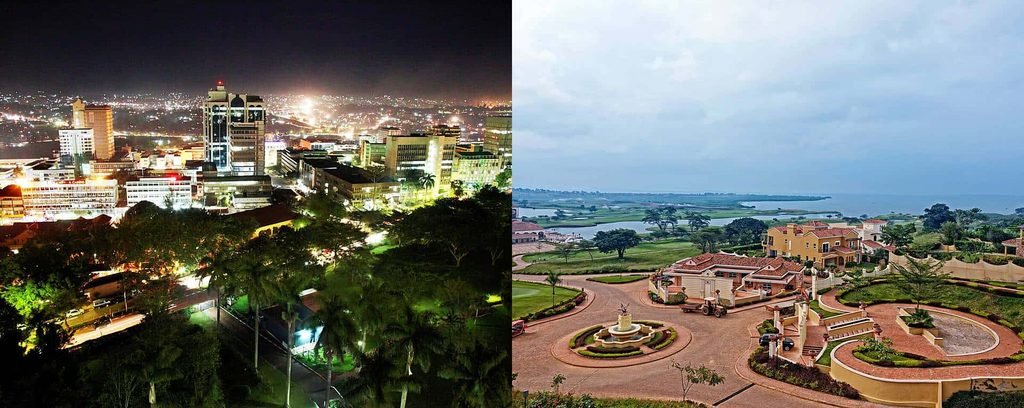
Book Your Kampala City Tour in Uganda for 2027–2028
A Kampala city tour is an excellent way to learn about Uganda’s culture, history, religion, and everyday life. From the royal heritage of the Kasubi Tombs and Kabaka’s Palace to the views from Uganda National Mosque and the busy atmosphere of local markets, the city offers a variety of experiences that can make your Uganda holiday more meaningful.
Whether you have a few hours, one full day, or two days available, the best Kampala itinerary is one that matches your interests and allows enough time to explore each attraction properly. With a knowledgeable local guide and suitable transport, you can discover important landmarks, enjoy traditional food, and experience the character of Uganda’s capital without unnecessary rushing.
At Eddy Tours & Safaris, we help travelers plan East African holiday experiences, including customized travel enquiries for Uganda and Tanzania. Contact our team to discuss your preferred Kampala sightseeing itinerary, travel dates, group size, and any additional safari destinations you would like to include. Uganda arrangements and local services are subject to confirmation.
Request Your Kampala City Tour Quotation
Chat with Eddy Tours & Safaris on WhatsApp
Email: sales@eddytours-safaris.com
Plan your Kampala city experience for 2027 or 2028 with enough time to enjoy the city’s history, local culture, and memorable places.