
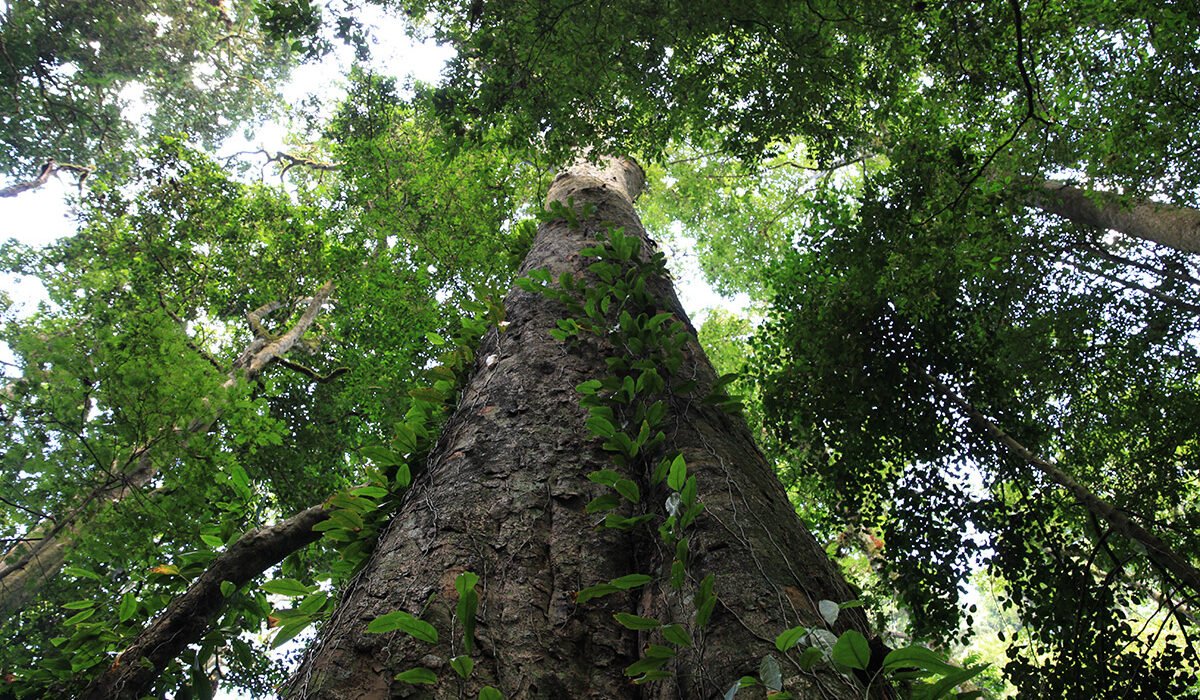
The Tallest Tree in Africa stands as one of the continent’s most breathtaking natural wonders, rising above dense mountain forests and capturing the imagination of scientists, conservationists, and travelers alike. This extraordinary tree is not just a record-breaker in height, but also a living symbol of Africa’s rich biodiversity and ecological strength. Hidden within protected highland forests, it represents resilience, age, and the quiet power of nature that has been growing undisturbed for generations.
Discovering The Tallest Tree in Africa
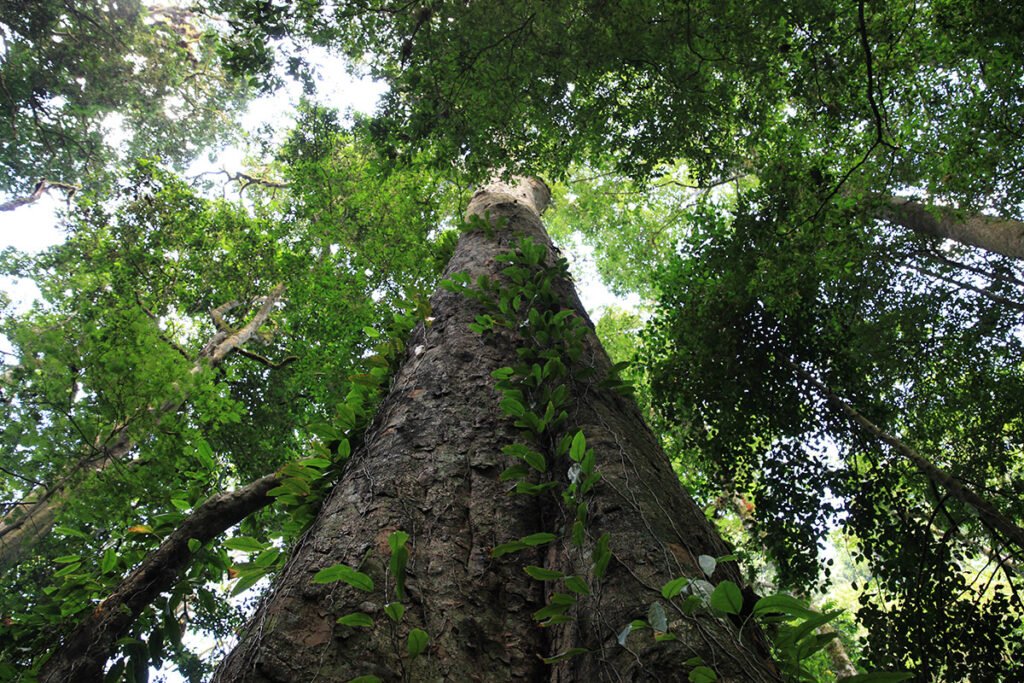
For decades, researchers and forest experts searched across Africa’s montane regions to identify the continent’s true giant. Deep in the highlands of East Africa, careful measurements and advanced laser technology revealed that The Tallest Tree in Africa rises to an astonishing height, making it one of the most remarkable indigenous trees ever recorded on the continent. Scientists confirmed that The Tallest Tree in Africa belongs to the species Entandrophragma excelsum, a towering hardwood known for its impressive straight trunk and massive canopy that stretches wide across the forest skyline.
Organizations such as World Wildlife Fund, IUCN, and the Food and Agriculture Organization emphasize the importance of protecting rare forest ecosystems like these. According to research shared by National Geographic and Encyclopaedia Britannica, Africa’s montane forests hold some of the continent’s oldest and tallest tree species. The presence of such giants confirms the ecological value of protected forest reserves managed by authorities like the Kenya Forest Service.
Where Is The Tallest Tree in Africa Located?
Hidden within a protected mountain forest ecosystem, The Tallest Tree in Africa grows in a region known for misty slopes, rich volcanic soils, and consistent rainfall that supports dense indigenous vegetation. These forests are part of critical biodiversity hotspots supported by conservation bodies such as Conservation International and The Nature Conservancy. The area is also recognized for its environmental importance by UNESCO and the United Nations Environment Programme.
The forest’s altitude and climate create ideal conditions for extreme vertical growth. Studies related to climate patterns from the Intergovernmental Panel on Climate Change, NASA, and NOAA show that stable temperatures and consistent moisture allow certain tree species to reach extraordinary heights. This delicate balance of environment and protection explains why such giants survive in limited regions rather than across the entire continent.
Ecological Importance of The Tallest Tree in Africa
Beyond its impressive height, The Tallest Tree in Africa plays a vital ecological role in maintaining forest stability. Its wide canopy provides shade, regulates temperature, and creates habitat for birds, insects, and mammals that depend on mature trees for nesting and feeding. Scientific publications highlighted by Smithsonian Magazine and environmental platforms like Mongabay explain how old-growth trees act as carbon sinks, absorbing large amounts of carbon dioxide and supporting global climate regulation.
Data from Global Forest Watch, Center for International Forestry Research, and the World Agroforestry Centre confirms that mature trees significantly improve soil fertility and water retention. Protecting The Tallest Tree in Africa means preserving a living pillar of biodiversity that supports entire ecosystems. Regional research bodies such as the African Forest Forum and regulatory institutions like the Environmental Protection Agency stress that conserving towering indigenous trees safeguards long-term environmental stability.
Threats Facing The Tallest Tree in Africa
Despite being located in a protected zone, The Tallest Tree in Africa is not immune to threats. Illegal logging, climate change, and land conversion pose serious risks to highland forests across Africa. Conservation organizations including Fauna & Flora and Rewilding Europe highlight how human activity continues to pressure forest ecosystems worldwide. The future of The Tallest Tree in Africa depends on strong environmental laws, community awareness, and continuous monitoring supported by research shared on platforms such as ResearchGate.
Public education and responsible tourism also play a key role in ensuring these natural landmarks remain untouched. Even simple online awareness through platforms like Google searches can drive interest in forest conservation and sustainable travel practices that respect fragile ecosystems.
Visiting The Tallest Tree in Africa
When travelers set out to see The Tallest Tree in Africa, the journey itself becomes an unforgettable adventure through lush mountain landscapes, cool forest air, and vibrant birdlife. Responsible safari operators such as Eddy Tours & Safaris help visitors explore nearby national parks and protected areas while respecting conservation rules. Visitors planning extended East African adventures often combine forest exploration with wildlife safaris arranged through experienced local guides who understand both ecological sensitivity and visitor safety.
For those interested in mountain trekking experiences near forested regions, reliable resources like Kilimanjaro Climb Specialist provide valuable insight into responsible high-altitude travel. Combining forest visits with broader safari packages available through custom Tanzania safari itineraries allows travelers to appreciate both towering trees and iconic wildlife in one seamless journey. Additional safari extensions offered by Eddy Tours & Safaris ensure that eco-conscious exploration remains comfortable and well organized.
Forest excursions are carefully guided to avoid damaging root systems or surrounding vegetation. Visitors are encouraged to follow marked trails, avoid littering, and respect wildlife habitats. Ethical tour planning through professional safari planners supports conservation funding and local communities who help protect these rare ecosystems.
Why The Tallest Tree in Africa Matters Globally
Across the world, towering trees symbolize endurance and natural heritage, but The Tallest Tree in Africa carries unique continental significance. It demonstrates that Africa’s forests can rival other global regions known for giant trees, proving that preservation efforts truly matter. Ultimately, The Tallest Tree in Africa symbolizes hope for future generations who deserve to witness living natural monuments that have stood quietly for centuries.
By supporting conservation groups, promoting sustainable tourism, and respecting forest regulations, individuals contribute to protecting rare ecological treasures. The story of Africa’s tallest tree is not only about height, but about harmony between people and nature. It reminds us that when forests are valued, protected, and responsibly explored, they continue to thrive as pillars of biodiversity and climate stability.