
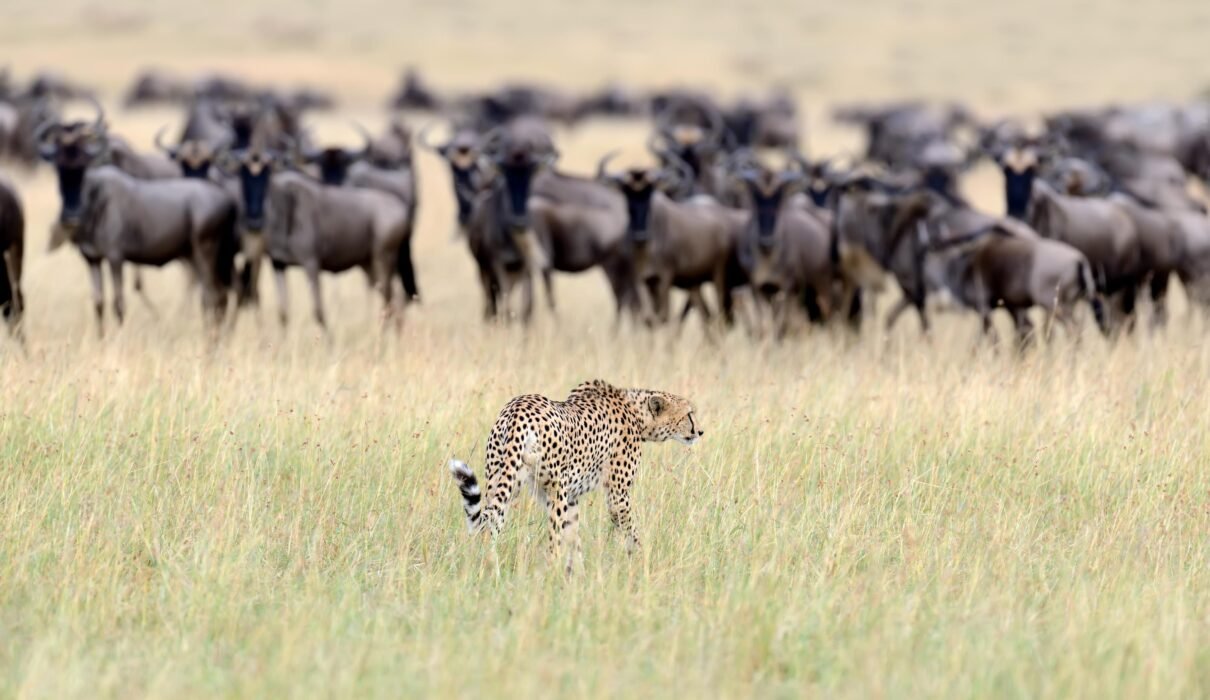
The Great Migration is one of the reasons people dream about Tanzania. It is not a single show that starts at nine o’clock and ends before lunch. It is a living movement of wildebeest, zebra and gazelle across the Serengeti ecosystem, shaped by rain, grass, rivers and the animals themselves. That is exactly what makes it so compelling—and why the right safari needs to be planned around the season rather than a promise in a brochure.
This guide to the Top 10 Great Migration Safaris in Tanzania is for travellers planning 2027, 2028 or 2029. It shows ten genuinely different ways to experience the migration: calving season, western corridor, northern Serengeti river country, short fly-in safaris, family trips, private luxury journeys and more. The best choice depends on when you can travel, how many nights you have and what you most want to see.
Eddy Tours & Safaris is a locally operated Tanzania company based in Arusha. We plan private itineraries with real travel time, selected accommodation and experienced local driver-guides. For a tailored quote, email eddytoursandsafaris@gmail.com or sales@eddytours-safaris.com, call or WhatsApp +255 711 906 664, or send your dates through our contact page.
First, one honest note about migration timing
The migration follows rainfall and fresh grazing. In broad terms, the herds are often in southern Serengeti and Ndutu from around December to March; move through central and western areas during the wetter months; gather around the western corridor in June and July; and are often associated with the northern Serengeti and Mara River from August to October. In November, many herds begin turning south again. Those are useful planning windows, not fixed appointments.
River crossings are especially unpredictable. A herd may gather at a bank, change its mind, cross at night or choose a point far from the vehicles. The responsible way to plan a migration safari is to stay at least three nights in the relevant area, keep the guide’s route flexible and enjoy all the wildlife around the migration rather than waiting for one event.
1. 5-Day Southern Serengeti Calving Safari
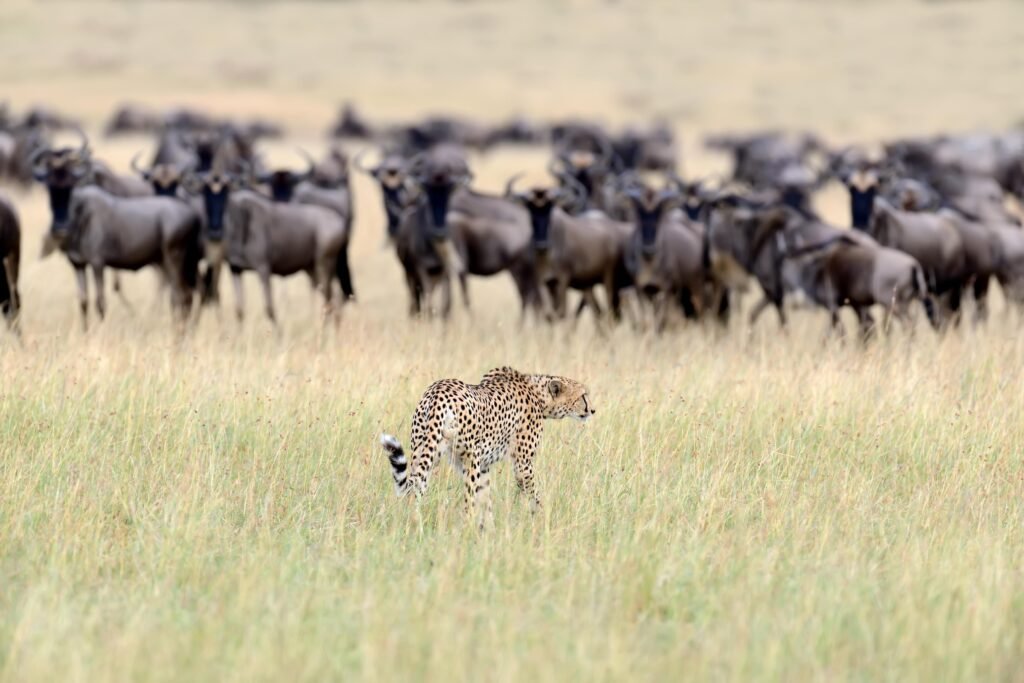
This is a strong option for travellers visiting between roughly January and March. The focus is the southern Serengeti and Ndutu area, where many wildebeest give birth during the green season. The landscape can be full of young animals, zebra and predators taking advantage of the abundance.
A five-day safari usually works best as a fly-in journey or a tightly planned private route from Arusha. Spend as many nights as possible in the south rather than using valuable time moving between too many parks. This option suits photographers, first-time safari guests and anyone who wants dramatic wildlife without needing to chase a river crossing.
2. 6-Day Tarangire, Ngorongoro and Southern Migration Safari
This route adds variety to the calving-season experience. Begin with Tarangire’s elephants and baobabs, descend into the Ngorongoro Crater, then spend the final nights in the southern Serengeti or Ndutu region. It is a good choice for people who want the migration but do not want to miss Tanzania’s other famous northern wildlife areas.
The itinerary needs sensible pacing. Driving from one park to another is part of the experience, but it should not take away all the useful game-drive time. A private vehicle allows your guide to adjust the day around wildlife sightings and lodge location.
3. 7-Day Western Corridor and Grumeti Safari
For many travellers, June and July are attractive months because the herds may be moving through the western Serengeti and Grumeti region. The landscape is changing from green to drier conditions, and wildlife viewing can be excellent. The Grumeti River area is often discussed in relation to migration movement, but no crossing can be guaranteed here either.
A seven-day safari gives room for central Serengeti as well as the western corridor. It is a good choice for travellers who value long game drives, resident predators and a quieter sense of space. Choose a camp location that is practical for the season, not simply the most familiar name on a booking website.
4. 8-Day Northern Serengeti Mara River Safari
This is one of the most popular options for August through October. The itinerary allows time in Tarangire and Ngorongoro before moving north through Serengeti National Park and spending at least three nights near the Mara River region. That time is important. It gives your guide several mornings and afternoons to follow herd movement without putting all your hopes on a single day.
The northern Serengeti is more than a river crossing area. Expect open grassland, riverine woodland, hippos, crocodiles, lions, leopards, elephants and some of the best wide views in the park. This is a powerful choice for travellers who want the classic August safari atmosphere without false guarantees.
5. 4-Day Fly-In Northern Serengeti Safari
If time is limited, a fly-in safari can be the smartest way to experience the north. Fly from Arusha or Kilimanjaro to a Serengeti airstrip, meet your private guide and spend three nights close to the relevant game-drive area. This avoids losing two days to long road transfers.
The shorter format is ideal for couples, repeat visitors to Tanzania or guests adding Serengeti to a Kilimanjaro climb or Zanzibar holiday. Keep your luggage soft-sided and within the bush-flight allowance. More importantly, choose three nights in the north rather than one night in several different camps.
6. 9-Day Great Migration Photography Safari
A photography safari is not only for professionals. It is for anyone who wants time to wait, good light and a guide who understands that a leopard in a tree may be worth twenty minutes rather than two. A nine-day route can be built around the season, with longer stays in the migration area and flexible morning and late-afternoon drives.
For August to October, that may mean northern Serengeti with a camp near the Mara River. For January to March, it may mean Ndutu and southern Serengeti. Ask for a vehicle layout that gives photographers room, and discuss whether you prefer full-day drives with picnic lunches or a return to camp during the hottest hours.
7. 10-Day Family Great Migration Safari
Families need a safari that feels exciting without becoming exhausting. A ten-day private journey gives time for shorter drives, lodge pools where available, room arrangements that work for children and enough nights in each area that nobody is packing every morning. The migration can be a highlight, but the route should also include elephants, crater wildlife and time to rest.
Tell us children’s ages, dietary needs and your preferred room setup when you enquire. A family safari should not be a standard adult itinerary with children added at the end. It should be planned from the beginning around realistic drive times and the kind of camp where everyone will be comfortable.
8. Luxury Migration Safari with Tented Camps
Luxury on the migration route is often about being in the right place with excellent guiding, thoughtful service and a comfortable tent after a long day outside. A high-end tented camp can offer private decks, proper beds, good food and the sounds of the bush at night, while keeping you close to the wildlife area you came to see.
Mobile camps are especially useful when selected for the season because they may move with the migration. Permanent luxury lodges can be equally strong if their location is practical. Your quotation should show the actual camp, room category and included flights or activities before you pay a deposit.
9. Budget Camping Great Migration Safari
A migration safari does not need to be luxury to be meaningful. Budget camping keeps the focus close to the landscape: early starts, meals under canvas, simple camps and private or small-group game drives. The key is not to choose the cheapest plan without checking where the nights are spent.
For a budget trip, location and number of nights in the relevant migration area matter more than decorative extras. Ask whether park fees, camping equipment, meals and the driver-guide are included. A clear itinerary is more valuable than a low headline price that leaves important costs out.
10. Tanzania Migration Safari and Zanzibar Beach Extension
After early mornings and dusty game drives, Zanzibar can be a natural next step. A migration safari followed by four or five nights at the beach gives you both the Serengeti plains and the Indian Ocean. You can fly from a Serengeti airstrip to Arusha or Kilimanjaro, then connect onward to Zanzibar depending on the final travel plan.
This is a popular option for honeymoons, anniversaries and travellers making the most of a long journey to East Africa. Keep the safari portion focused on the migration season, then let the beach stay be genuinely relaxed rather than filling it with too many transfers and activities.
How to choose between the top 10 Great Migration safaris in Tanzania
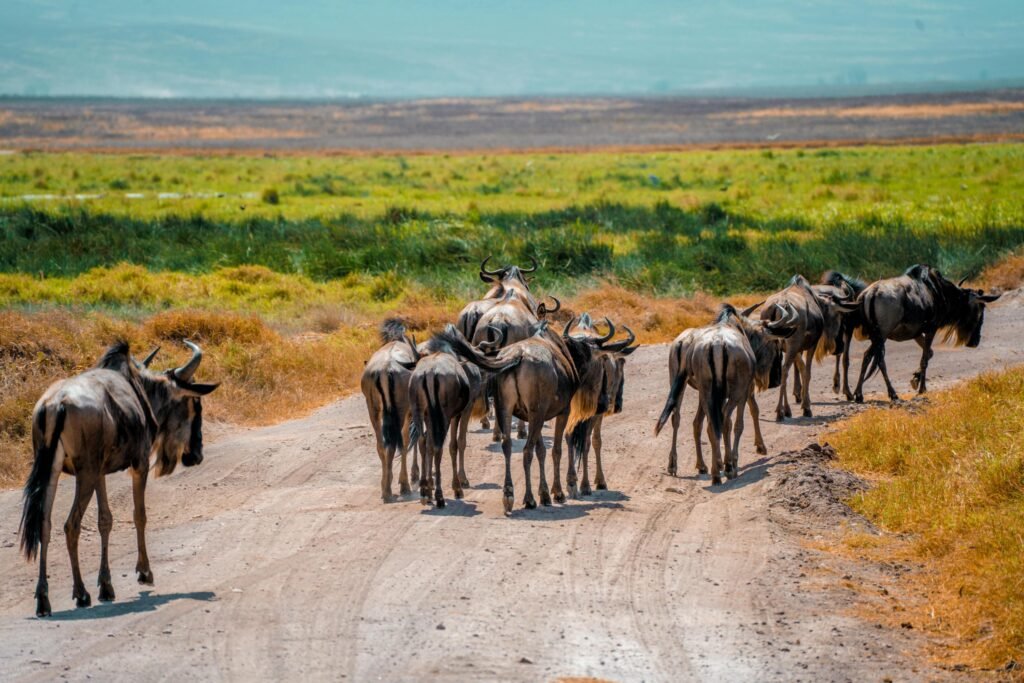
Start with your travel month. If you can travel in January or February, look at the southern Serengeti calving options. If June or July suits you, consider the western corridor. If you are travelling in August, September or October, give priority to northern Serengeti and enough time near the Mara River. If your dates are fixed in November, ask for a route based on the latest likely movement rather than a copied dry-season plan.
Then decide what matters most: migration, photography, family comfort, luxury, budget, fewer flights or adding Zanzibar. There is no single “best” migration safari for every traveller. The best one is the route that puts you in the right place for the month and gives you enough time there.
Accommodation and transport: the details that change a safari
Migration camps and lodges fill quickly, particularly for August through October and the Christmas/New Year period. The sooner you confirm your dates, the more choice you will have. We can arrange budget camping, mid-range tented camps, lodges and luxury properties, but availability must be checked before any accommodation is promised.
Road safaris give you the changing scenery of northern Tanzania. Bush flights save time, especially when your main goal is northern Serengeti. Many strong itineraries use both: drive through Tarangire and Ngorongoro, then fly from Serengeti at the end. We will explain the practical difference, luggage limits and flight timing before you decide.
How to make your migration safari feel worthwhile
The most satisfying Great Migration safaris are usually the ones with breathing room. Rather than changing camp every night, stay long enough in one area to learn the landscape and let the wildlife come to you. A guide may hear that a herd was seen near a river at dawn, but the herd can be kilometres away by lunch. Flexibility is part of the experience, not a flaw in the plan.
Talk openly about your priorities before booking. Some guests are happy to wait quietly for a crossing; others would rather spend the day looking for cats, elephants and smaller details of the bush. Neither choice is wrong. It simply affects how your guide uses the time. The best private safaris leave room for those decisions instead of treating every day as a fixed checklist.
It also helps to travel with realistic expectations about the famous images seen online. A river crossing can be dramatic, but it is only one part of an enormous natural movement. Calving season, predator encounters, vast moving columns of wildebeest, zebra foals, stormy skies and the everyday life of the Serengeti can be just as memorable. Tanzania rewards travellers who remain curious after the headline moment has passed.
Responsible wildlife viewing on migration safaris
Good guiding protects both the wildlife and the quality of your photographs. Vehicles should keep a respectful distance, avoid blocking animals and follow park rules. A responsible driver-guide does not push an animal for a closer image or promise behaviour that cannot be controlled. That patience often leads to better sightings because the animals remain calm and behave naturally.
Keep noise low at sightings, take every piece of litter back to camp and listen when your guide asks you to remain in the vehicle. On foot around camp, follow the staff briefing carefully. These small habits make a difference in a place shared by wildlife, local communities, park staff and guests from around the world.
What is included and what is not included
Your final quotation is the agreement, but a typical private migration safari includes a 4×4 safari vehicle, professional English-speaking driver-guide, park and conservation fees for the confirmed route, accommodation, meals according to the booked category, drinking water in the vehicle and government taxes listed in the itinerary.
International flights, visas, travel insurance, alcoholic drinks, tips, laundry, personal purchases, optional balloon flights and services not named in the written itinerary are normally separate. Domestic bush flights are included only when they appear in the quote. We keep these points clear so there are no surprises after you arrive.
Practical packing advice
Bring layers for cool morning drives and warm afternoons: a fleece or light jacket, T-shirts, long trousers, comfortable shoes, sun hat and sunglasses. Pack sunscreen, insect repellent, camera batteries, binoculars and personal medication. Soft-sided luggage is often required for light aircraft, and we will confirm the limit if your itinerary includes a bush flight.
For health and entry requirements, use current official sources and a qualified travel-health professional. A search through Google can help you locate a recognised clinic, but medical guidance should come from a professional who understands your own health history.
Frequently asked questions
Will I definitely see a river crossing?
No. River crossings are unpredictable. The best approach is to stay several nights in the northern Serengeti during the relevant season and let your guide respond to the movement of the herds.
How many days do I need for a migration safari?
Four days can work as a fly-in northern Serengeti trip. Seven to ten days gives a more comfortable balance of other parks and migration time. The key is at least three nights in the relevant migration area.
Can I add a balloon safari?
Yes, when balloon flights are operating near your camp and space is available. It is usually an optional addition and remains subject to weather and the operator’s safety decision.
Can I combine the migration with Kilimanjaro?
Yes. Some travellers climb first and take a safari afterward; others do the safari first. For mountain route ideas, visit Kilimanjaro Climb Specialist, and we can arrange your Tanzania connections around the dates you choose.
Plan your Tanzania Great Migration Safari for 2027, 2028 or 2029
The Top 10 Great Migration Safaris in Tanzania are not ten copies of the same journey. They are ten starting points for different seasons, travel styles and priorities. Give us your month, number of travellers, accommodation level and whether you prefer road travel, bush flights or a Zanzibar extension. We will build the route around the migration reality of your travel period.
Start with Eddy Tours & Safaris or send an enquiry through our contact page. You can also email eddytoursandsafaris@gmail.com or sales@eddytours-safaris.com, or call and WhatsApp +255 711 906 664. We will send a clear itinerary with accommodation options, inclusions and realistic advice about the season.