
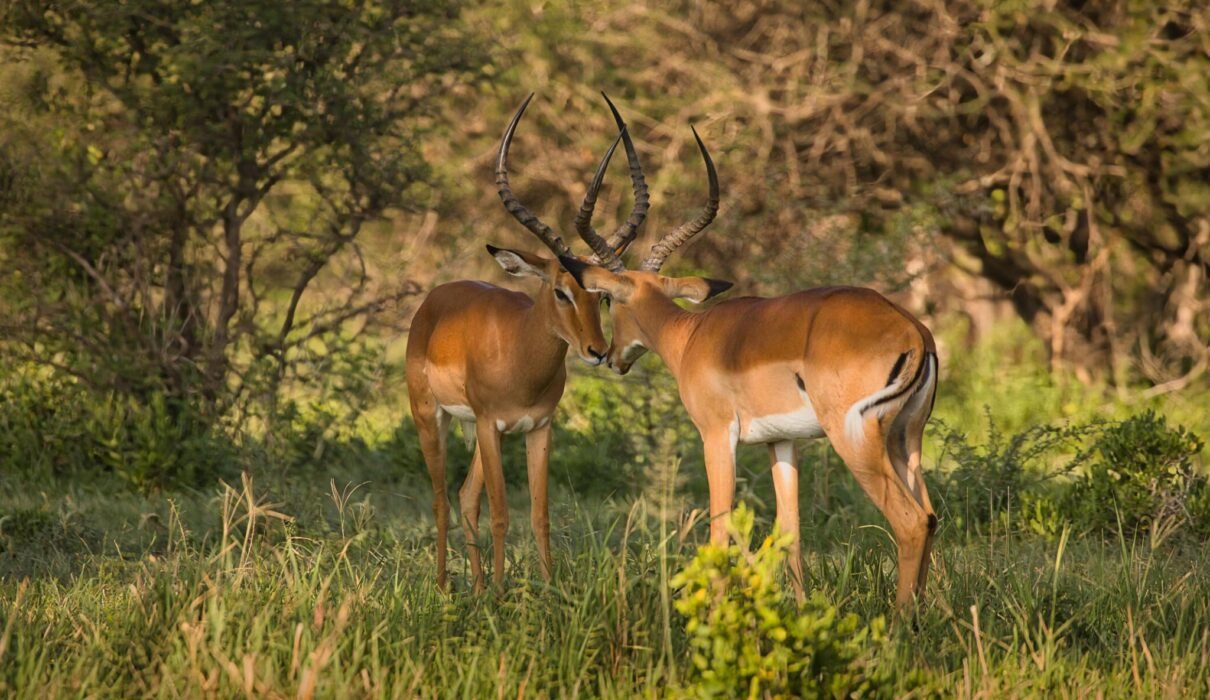
The Ultimate Tanzania Safari : Tanzania is one of the most popular safari destinations in Africa, offering travelers the opportunity to see wild animals in their natural habitats while exploring some of the continent’s most beautiful landscapes. From the endless grasslands of Serengeti National Park to the wildlife-rich Ngorongoro Crater and the elephant-filled valleys of Tarangire, a Tanzania safari provides experiences that are difficult to find anywhere else in the world.
For many travelers, visiting Tanzania is something they have dreamed about for years. They want to watch lions resting beneath acacia trees, see elephants crossing the road in front of their safari vehicle, and experience the excitement of searching for wildlife across the African savannah. Others hope to witness the Great Wildebeest Migration, climb Mount Kilimanjaro, or spend a few relaxing days on the beaches of Zanzibar.
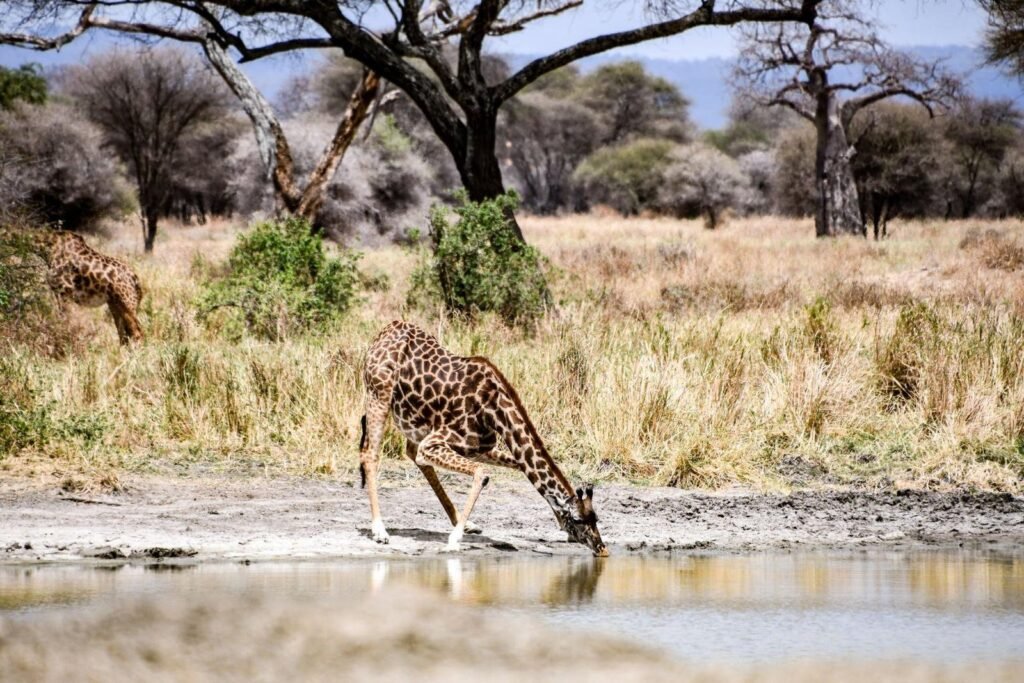
The beauty of a Tanzania safari is that every day brings something different. You might spend one morning watching a herd of giraffes feeding among the trees and another following a pride of lions moving across the plains. Sometimes the most memorable moments happen when you least expect them, such as watching young elephants playing near a waterhole or seeing a leopard resting quietly on a tree branch.
However, planning a safari requires careful consideration. Tanzania has many national parks and conservation areas, and the distances between them can be considerable. Choosing the right destinations, travel season, accommodation, and number of days will make a significant difference to your experience.
At Eddy Tours and Safaris, we help travelers plan wildlife safaris, Kilimanjaro climbing adventures, cultural tours, and Zanzibar holidays. Whether you are visiting Tanzania for the first time or returning to explore a different part of the country, understanding the available options will help you create a holiday that suits your interests and budget.
This guide covers the best wildlife destinations in Tanzania, the Great Migration, safari activities, travel seasons, accommodation options, costs, and practical advice for planning a Tanzania safari in 2027 and 2028.
Why Tanzania Is One of the Best Safari Destinations in Africa
Tanzania has earned its reputation as a leading safari destination because of its extensive protected areas, varied landscapes, and remarkable wildlife populations.
The country is home to some of Africa’s most famous national parks, including Serengeti, Tarangire, Lake Manyara, Ruaha, and Nyerere. Each park offers a different environment, from open grasslands and acacia woodland to rivers, wetlands, and rocky hills.
One of Tanzania’s greatest attractions is the opportunity to observe large wild animals living freely within protected ecosystems. Visitors can see elephants, lions, giraffes, zebras, buffaloes, wildebeest, hippos, crocodiles, and numerous antelope species.
Tanzania is also an important destination for travelers hoping to see the Big Five: lion, leopard, elephant, buffalo, and rhinoceros. However, seeing all five during a single safari is never guaranteed. Leopards and black rhinos can be particularly difficult to find.
Another reason Tanzania stands out is the Great Wildebeest Migration. This annual movement of wildebeest and zebras through the Serengeti-Mara ecosystem attracts visitors from around the world.
Beyond wildlife, Tanzania offers beautiful mountain scenery, welcoming towns, cultural experiences, and Indian Ocean beaches. This makes it possible to combine several different activities within one holiday.
For travelers who want more than a traditional game drive, Tanzania provides plenty of opportunities to explore.
1. Serengeti National Park: Tanzania’s Most Famous Wildlife Destination
Serengeti National Park is one of the most important destinations to include in a Tanzania safari. Covering approximately 14,750 square kilometres, the park is famous for its wide plains, abundant wildlife, and the annual Great Wildebeest Migration.
The name Serengeti is commonly associated with the idea of endless plains, which becomes easy to understand when you visit the park. Large areas of grassland stretch toward the horizon, interrupted by acacia trees, rocky outcrops, and seasonal rivers.
The Serengeti supports a remarkable variety of animals. Lions are among the park’s best-known predators, and visitors may see them resting, hunting, or moving with their prides.
Cheetahs are often found in open grassland areas where they can use their speed to hunt. Leopards are more difficult to spot, but they may occasionally be seen resting in trees or moving through woodland.
Elephants, giraffes, buffaloes, zebras, wildebeest, hyenas, and many antelope species are also present throughout the ecosystem.
What Makes a Serengeti Safari Special?
One of the most enjoyable things about the Serengeti is the opportunity to spend time observing animal behaviour.
Instead of simply moving from one sighting to another, a knowledgeable safari guide can help you understand what the animals are doing.
For example, you may watch a lioness keeping an eye on a herd of zebras or observe elephants communicating with one another as they move toward a water source.
These moments often become the most memorable parts of a safari.
The Serengeti is also an excellent destination for wildlife photography because of its open landscapes and beautiful natural light.
For first-time visitors, spending at least two or three nights in the Serengeti is a good starting point. Longer stays provide more opportunities to explore different areas of the park.
2. The Great Wildebeest Migration: One of Africa’s Most Remarkable Wildlife Events
The Great Wildebeest Migration is one of the main reasons travelers choose Tanzania for a safari.
Every year, enormous herds of wildebeest, accompanied by zebras and other grazing animals, move through the Serengeti-Mara ecosystem in search of fresh grass and water.
The migration is not a single event that happens during one particular month. It is a continuous movement influenced by rainfall, grazing conditions, and seasonal changes.
January to March: Calving Season in Southern Serengeti
During the early months of the year, large concentrations of wildebeest are often found in the southern Serengeti and Ndutu area.
January and February are particularly associated with the calving season, when many wildebeest give birth.
This period attracts predators such as lions, cheetahs, and hyenas, creating opportunities to observe natural interactions between predators and prey.
For travelers interested in wildlife photography, the calving season can be especially rewarding.
April to June: Movement Toward Central and Western Serengeti
As rainfall patterns change, the herds generally begin moving toward the central and western parts of the Serengeti ecosystem.
The exact timing varies from year to year.
During this period, visitors may see large groups of wildebeest moving across the grasslands.
July to October: Northern Serengeti and River Crossings
Between July and October, many herds may be found in the northern Serengeti and Kenya’s Maasai Mara.
This is the period when travelers often hope to witness crossings of the Mara River.
River crossings can be dramatic because wildebeest must navigate strong currents and the presence of crocodiles.
However, crossings are unpredictable. Even during the main migration season, there is no guarantee that visitors will witness a crossing.
If seeing the migration is your main priority, it is important to choose accommodation near the areas where the herds are expected during your travel dates.
You can discuss seasonal Serengeti safari arrangements with Eddy Tours and Safaris.
3. Ngorongoro Crater: A Beautiful Wildlife Destination in Northern Tanzania
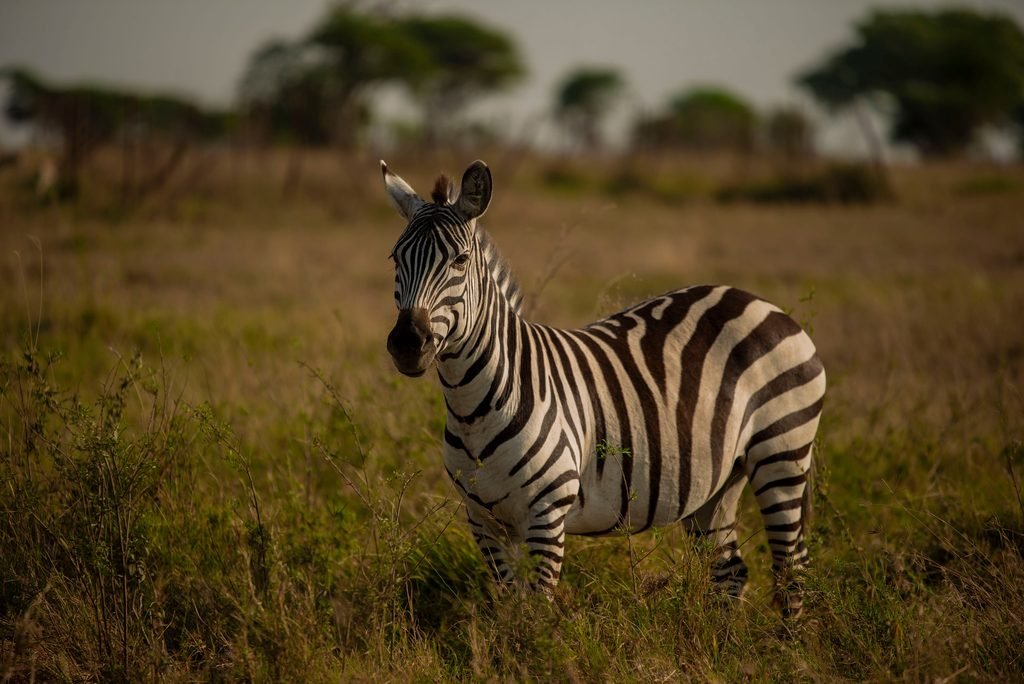
Ngorongoro Crater is one of Tanzania’s most remarkable natural attractions. Located within the Ngorongoro Conservation Area, the crater was formed following the collapse of a large ancient volcano.
Today, it contains grasslands, wetlands, woodland, and a seasonal lake, providing suitable habitats for many wildlife species.
One of the main advantages of visiting Ngorongoro is that several different animals can be found within a relatively compact area.
During a game drive, visitors may see lions, elephants, buffaloes, zebras, wildebeest, hippos, hyenas, and different antelope species.
Ngorongoro is also known for its endangered black rhinoceros population.
Although rhino sightings are never guaranteed, the crater is one of the better-known locations in Tanzania where visitors may have an opportunity to see this rare animal.
What to Expect During a Ngorongoro Crater Safari
Most crater visits begin early in the morning.
Your safari vehicle descends from the crater rim toward the floor, where the game drive begins.
The scenery is particularly beautiful when the morning mist clears and the surrounding crater walls become visible.
Your guide will explore different habitats while searching for wildlife.
Depending on the day’s conditions, you may see lions resting in the grasslands, hippos in the pools, or elephants moving through wooded areas.
A visit to Ngorongoro Crater is commonly included in northern Tanzania safari itineraries lasting three days or more.
For official information about the conservation area, visit the Ngorongoro Conservation Area Authority.
4. Tarangire National Park: The Best Place to Watch Elephants and Baobab Trees
Tarangire National Park is one of the most attractive wildlife destinations in northern Tanzania, particularly for travelers interested in elephants.
The park is known for its large elephant herds, ancient baobab trees, and beautiful savannah landscapes.
The Tarangire River plays an important role in supporting wildlife, especially during the dry season when water becomes less available in surrounding areas.
From June through October, animals often gather near the river and other water sources.
This creates opportunities to observe elephants, giraffes, zebras, buffaloes, wildebeest, and different antelope species.
Why Visit Tarangire During a Tanzania Safari?
One of the main attractions is the chance to watch elephant families interacting.
You may see young elephants walking close to their mothers, adults feeding beneath trees, or groups gathering near water.
The park is also home to lions, leopards, and numerous bird species.
Tarangire’s baobab trees are another highlight. Their enormous trunks and unusual shapes make them some of the most recognizable features of the landscape.
For travelers with limited time, Tarangire can be visited on a day trip from Arusha.
However, staying overnight near the park allows more time for game drives and reduces the need to rush.
5. Lake Manyara National Park: Forest, Wildlife, and Beautiful Rift Valley Scenery
Lake Manyara National Park is located near Mto wa Mbu, beneath the Great Rift Valley escarpment.
Although it is smaller than Serengeti and Tarangire, the park contains a variety of habitats, including groundwater forest, open grasslands, wetlands, and lake environments.
These habitats support elephants, giraffes, buffaloes, zebras, baboons, hippos, and many bird species.
Lake Manyara is also known for its tree-climbing lions, although sightings are uncommon and should not be expected during every visit.
The park can be particularly interesting for birdwatchers.
Depending on water levels and seasonal conditions, flamingos and other waterbirds may be present around the lake.
Combine Lake Manyara with Mto wa Mbu
Mto wa Mbu is a town located near the entrance to Lake Manyara National Park.
It is known for its agricultural activities and cultural diversity.
Travelers can arrange guided village visits to learn about local farming, markets, food preparation, and everyday life.
A visit to Mto wa Mbu can provide a different perspective on Tanzania beyond the national parks.
For travelers who enjoy combining wildlife viewing with cultural experiences, this area can be a worthwhile addition to the itinerary.
6. Ruaha National Park: A Quieter Safari Experience in Southern Tanzania
Ruaha National Park is one of Tanzania’s major wildlife destinations and an attractive choice for travelers who want to explore a less frequently visited safari region.
Located in southern-central Tanzania, Ruaha is known for its rugged landscapes, baobab trees, rocky hills, and wildlife habitats.
The park supports elephants, lions, giraffes, buffaloes, zebras, antelopes, and other wildlife species.
The Great Ruaha River is an important feature of the ecosystem, particularly during dry periods.
Why Choose a Ruaha Safari?
Ruaha can appeal to travelers who have already visited the northern safari circuit and want a different experience.
The park’s large landscapes and generally lower visitor numbers can provide a quieter atmosphere.
Wildlife viewing is often particularly rewarding during the dry season when animals concentrate around available water sources.
However, reaching Ruaha may require a domestic flight or a long road journey.
Travelers should consider the additional transport time and costs when planning their itinerary.
For a first Tanzania safari, the northern circuit may be more convenient, but Ruaha is an excellent destination to consider for a longer or return visit.
7. Nyerere National Park: Wildlife and River-Based Safari Experiences
Nyerere National Park is another important wildlife destination in southern Tanzania.
The park forms part of a much larger protected ecosystem associated with the former Selous Game Reserve.
Its landscapes include woodland, grassland, rivers, wetlands, and lakes.
Wildlife species found in the region include elephants, lions, buffaloes, giraffes, hippos, crocodiles, and African wild dogs.
One of the attractions of visiting Nyerere is the opportunity to enjoy different safari activities.
In addition to traditional game drives, some areas offer boat-based wildlife experiences along the Rufiji River system.
What Makes Nyerere Different?
A boat safari provides a different perspective from a game drive.
Instead of observing wildlife from a vehicle, visitors may have opportunities to see hippos, crocodiles, waterbirds, and other animals along the riverbanks.
Activities depend on the location, operator, park regulations, and prevailing conditions.
Nyerere is particularly attractive for travelers who want to explore southern Tanzania or combine a safari with a stay in Zanzibar.
8. Climb Mount Kilimanjaro Before or After Your Tanzania Safari
A Tanzania holiday does not have to focus entirely on wildlife.
Mount Kilimanjaro, standing at 5,895 metres above sea level, is the highest mountain in Africa and one of the country’s most famous adventure destinations.
Located near Moshi, Kilimanjaro attracts travelers who want to challenge themselves by reaching Uhuru Peak.
Several established routes lead toward the summit, including Machame, Lemosho, Marangu, Rongai, and the Northern Circuit.
Each route has different trekking conditions, scenery, accommodation arrangements, and opportunities for altitude acclimatization.
Which Kilimanjaro Route Should You Choose?
The Machame Route is popular for its varied landscapes and challenging trekking sections.
The Lemosho Route approaches the mountain from the western side and is often chosen by climbers who want a longer itinerary.
The Marangu Route is different because climbers stay in permanent mountain huts rather than tents.
For first-time climbers, choosing an itinerary with sufficient time for acclimatization is important.
However, even longer routes do not guarantee reaching the summit.
Climbing Kilimanjaro requires physical preparation, appropriate equipment, professional guiding, and attention to altitude-related health risks.
If you are planning a combined Kilimanjaro and safari holiday, it is generally sensible to complete the mountain climb first and enjoy a wildlife safari afterward.
This allows you to relax and recover during the safari portion of your trip.
9. Enjoy Cultural Experiences During Your Tanzania Safari
Tanzania is home to many different ethnic communities, languages, and cultural traditions.
Although wildlife is often the main reason travelers visit the country, cultural activities can provide a deeper understanding of local life.
In northern Tanzania, visitors may arrange cultural experiences around Arusha, Moshi, Mto wa Mbu, and the Ngorongoro highlands.
Maasai Cultural Visits
The Maasai are among the best-known communities in northern Tanzania.
A responsibly organized cultural visit may provide opportunities to learn about livestock keeping, traditional clothing, housing, and community life.
Some experiences include traditional dances, discussions with local guides, and opportunities to purchase handmade crafts.
Visitors should always respect local customs and ask permission before photographing people.
Materuni Village and Chagga Coffee Experiences
Materuni Village is located on the lower slopes of Mount Kilimanjaro, near Moshi.
The village is known for its waterfall and traditional coffee experiences.
During a guided visit, travelers can learn about coffee cultivation, processing, roasting, and preparation.
A walk to Materuni Waterfalls can also be included, depending on the weather and available time.
These experiences can be particularly enjoyable before or after a Kilimanjaro climb.
10. Finish Your Tanzania Safari with a Zanzibar Beach Holiday
After several days of wildlife viewing, many travelers choose to spend time relaxing on Zanzibar’s beaches.
Zanzibar is located off Tanzania’s Indian Ocean coast and is known for its white sandy beaches, warm waters, historic towns, and Swahili coastal culture.
The islands offer accommodation for different budgets, from small guesthouses to luxury beachfront resorts.
Some of the most popular beach destinations include Nungwi, Kendwa, Paje, Jambiani, and Matemwe.
Nungwi and Kendwa
Nungwi and Kendwa are located in northern Zanzibar.
These areas are popular for beach relaxation, swimming, and sunset views.
Kendwa is particularly attractive to travelers who prefer beaches where swimming is less affected by tidal changes than on parts of the eastern coast.
Paje and Jambiani
Paje and Jambiani are located along Zanzibar’s southeast coast.
These destinations are known for their beautiful beaches, coastal villages, and water activities.
Paje is particularly popular for kitesurfing when wind conditions are suitable.
Stone Town
Stone Town is the historic centre of Zanzibar City and a UNESCO World Heritage Site.
Visitors can explore narrow streets, old buildings, markets, and historic sites while learning about Zanzibar’s role in Indian Ocean trade.
For more information about Stone Town’s cultural importance, visit the UNESCO World Heritage Centre.
A three- to five-day Zanzibar stay can be a good addition to a longer Tanzania safari.
Best Time to Visit Tanzania for a Wildlife Safari in 2027 and 2028
Tanzania offers wildlife viewing throughout the year, but different seasons provide different experiences.
The best travel dates depend on the animals you want to see, the parks you plan to visit, and your preferred weather conditions.
January to March: Calving Season and Green Landscapes
January and February are particularly interesting for visitors who want to experience the wildebeest calving season in the southern Serengeti and Ndutu area.
The landscape is often green, and there may be opportunities to observe predators following the herds.
These months can also be suitable for climbing Kilimanjaro, although mountain weather remains unpredictable.
April to May: The Long Rainy Season
April and May are normally associated with the long rainy season in northern Tanzania.
Rainfall can make some roads muddy and affect travel conditions.
However, the landscapes are often green, and some accommodation providers offer lower seasonal rates.
Travelers should consider road accessibility and lodge availability when planning safaris during this period.
June to October: The Popular Dry Season
June through October is generally one of the most popular periods for wildlife safaris in Tanzania.
During the dry season, animals often gather near rivers and waterholes, making them easier to locate in some parks.
Tarangire can be particularly rewarding during this period.
The northern Serengeti is also popular between approximately July and October for travelers hoping to see migration river crossings.
However, crossings are never guaranteed.
November to December: Short Rains and Changing Landscapes
November often brings short rains, while December conditions vary.
The landscape becomes greener, and wildlife viewing remains possible in many destinations.
For travelers who prefer fewer visitors in some areas, these months may be worth considering.
How Many Days Do You Need for the Ultimate Tanzania Safari?
The ideal safari duration depends on your interests, available time, and budget.
A short safari can provide opportunities to visit Tarangire and Ngorongoro, while a longer itinerary allows more time in Serengeti and other destinations.
| Safari duration | Suggested destinations |
|---|---|
| 2–3 days | Tarangire and Ngorongoro |
| 4–5 days | Tarangire, Serengeti, and Ngorongoro |
| 6–7 days | Northern Circuit with additional Serengeti time |
| 8–10 days | Extended northern safari and cultural activities |
| 12–14 days | Tanzania safari combined with Zanzibar |
| 16–20 days | Kilimanjaro climb, safari, and Zanzibar |
These are general suggestions. The final itinerary should consider road distances, accommodation locations, and the amount of time you want to spend in each park.
For first-time visitors, a five- to seven-day northern Tanzania safari is often a good starting point.
Suggested 7-Day Tanzania Safari Itinerary
A seven-day safari provides enough time to visit several major wildlife destinations without spending every day changing accommodation.
Day 1: Arrival in Arusha
Arrive at Kilimanjaro International Airport and transfer to your hotel in Arusha.
Spend the afternoon relaxing after your flight and preparing for the safari.
Day 2: Tarangire National Park
After breakfast, travel to Tarangire National Park for a game drive.
Look for elephants, giraffes, zebras, and other wildlife while enjoying the park’s beautiful baobab landscapes.
Overnight near Tarangire or in the Karatu area, depending on your itinerary.
Day 3: Travel to Serengeti National Park
Continue toward Serengeti National Park, passing through the Ngorongoro highlands.
The drive is relatively long, but the surrounding landscapes are beautiful.
Enjoy wildlife viewing after entering the Serengeti, depending on your arrival time.
Day 4: Full-Day Serengeti Safari
Spend the day exploring Serengeti National Park with your safari guide.
Look for lions, elephants, giraffes, cheetahs, and other animals.
Return to your accommodation for dinner and overnight.
Day 5: Another Day in Serengeti
Enjoy another day of wildlife viewing in the Serengeti.
The additional time allows you to explore different habitats and spend longer observing animal behaviour.
Your guide can adjust the day’s game drive according to wildlife movements and park conditions.
Day 6: Serengeti to Ngorongoro
Enjoy a morning game drive before traveling toward the Ngorongoro Conservation Area.
Spend the evening near the crater, preparing for the following day’s safari.
Day 7: Ngorongoro Crater and Return to Arusha
After breakfast, descend into Ngorongoro Crater for a game drive.
Look for lions, buffaloes, elephants, hippos, and other wildlife before returning to Arusha.
Depending on your flight schedule, you may need an additional overnight stay before departure.
This itinerary can be adjusted according to your travel dates, preferred accommodation, and budget.
Tanzania Safari Accommodation: Budget, Mid-Range, and Luxury Options
Tanzania offers a wide range of safari accommodation, from public campsites to luxury lodges and tented camps.
The best choice depends on your budget, comfort preferences, and the locations you want to visit.
Budget Safari Accommodation
Budget safaris commonly use public campsites or simple accommodation outside national parks.
These options are suitable for travelers who want to reduce accommodation costs while spending most of their time on game drives.
Facilities are generally basic, but camping can provide an enjoyable outdoor experience.
Mid-Range Safari Lodges and Tented Camps
Mid-range accommodation often includes comfortable rooms or permanent safari tents with private bathrooms.
Many properties offer restaurants, lounge areas, and views of the surrounding landscape.
This category is popular among couples, families, and travelers who want a balance between comfort and cost.
Luxury Safari Lodges
Luxury lodges and tented camps provide higher levels of comfort and personalized services.
Depending on the property, facilities may include spacious suites, private decks, swimming pools, and fine dining.
Some luxury camps are located in remote areas, providing convenient access to particular wildlife habitats.
However, accommodation location is often more important than luxury level when planning a wildlife-focused itinerary.
How Much Does a Tanzania Safari Cost in 2027 and 2028?
The cost of a Tanzania safari depends on several factors, including the number of travelers, duration, accommodation category, travel season, and transport arrangements.
Private safaris generally cost more per person than shared group safaris because the vehicle and guide are reserved for one booking.
The following figures are broad planning estimates rather than confirmed 2027 or 2028 package prices.
| Safari category | Estimated cost per person per day |
|---|---|
| Budget or shared safari | $200–$350 |
| Mid-range private safari | $350–$600 |
| Luxury private safari | $600–$1,000+ |
| Premium fly-in safari | $1,000+ |
Prices can vary considerably, particularly for solo travelers, small private groups, and premium accommodation.
Before booking, check whether your quotation includes park fees, accommodation, meals, transport, professional guides, and airport transfers.
International flights, visa fees, travel insurance, personal expenses, and optional activities may not be included.
For a quotation based on your travel dates and preferred destinations, contact Eddy Tours and Safaris.
What Animals Can You See on a Tanzania Safari?
Tanzania is home to a remarkable variety of wildlife.
The animals you may encounter depend on the national park, season, weather conditions, and natural movements.
The Big Five
The Big Five are lion, leopard, elephant, buffalo, and rhinoceros.
These animals are among the most sought-after sightings on African safaris.
However, seeing all five during one trip is not guaranteed.
Black rhinos are particularly rare, and leopards can be difficult to find because of their secretive behaviour.
Other Common Safari Animals
Visitors may also see giraffes, zebras, wildebeest, hippos, crocodiles, hyenas, warthogs, baboons, and different antelope species.
Cheetahs are often associated with open grassland habitats, particularly in the Serengeti.
African wild dogs may be seen in some southern Tanzania ecosystems, although sightings are uncommon.
Birds in Tanzania
Tanzania is also an excellent destination for birdwatching.
Different habitats support eagles, vultures, hornbills, storks, kingfishers, bee-eaters, flamingos, and many other species.
Birdwatching can be particularly rewarding during the greener months when migratory species may be present.
What to Pack for a Tanzania Safari
Packing for a Tanzania safari is generally straightforward, but choosing suitable clothing and equipment can make your holiday more comfortable.
Lightweight clothing in neutral colours is useful for daytime game drives.
Early mornings can be cool, particularly in the Ngorongoro highlands, so a warm jacket is recommended.
Important items include:
- Comfortable lightweight clothing.
- A warm jacket or fleece for early morning game drives.
- Comfortable walking shoes.
- Sunglasses and sunscreen.
- A hat for protection from the sun.
- Binoculars for observing distant wildlife.
- A camera with suitable batteries and memory cards.
- Reusable water bottles.
- Personal medication and basic toiletries.
- Travel documents and appropriate insurance information.
Avoid packing excessive luggage, particularly if your itinerary includes domestic flights with baggage restrictions.
Important Travel Tips for Your Tanzania Safari
Before traveling to Tanzania, check the latest entry requirements for your nationality.
Many international visitors require a visa, and passport validity requirements should be confirmed before departure.
You can find official information through the Tanzania Immigration Department.
It is also advisable to consult a qualified healthcare professional about vaccinations, malaria prevention, and other travel health considerations.
Travel insurance is strongly recommended, particularly for travelers visiting remote destinations or participating in adventure activities.
During game drives, follow your safari guide’s instructions and respect national park regulations.
Do not feed wildlife, throw rubbish from the vehicle, or ask your guide to disturb animals for photographs.
Wildlife sightings are never guaranteed, so patience and flexibility are important parts of the safari experience.
Why Book Your Tanzania Safari with Eddy Tours and Safaris?
Planning a Tanzania safari involves choosing suitable destinations, arranging accommodation, understanding travel distances, and selecting activities that match your interests.
At Eddy Tours and Safaris, we help travelers organize wildlife safaris, Kilimanjaro climbing adventures, cultural experiences, and Zanzibar beach holidays.
Whether you want to spend several days in Serengeti National Park, explore Ngorongoro Crater, or combine wildlife viewing with other Tanzania attractions, our team can help you plan an itinerary according to your travel preferences.
We understand that every traveler has different expectations.
Some visitors want to focus on wildlife photography, while others prefer a combination of game drives, cultural activities, and relaxation.
By discussing your travel dates, group size, accommodation preferences, and budget, we can help you explore suitable safari arrangements.
Visit the Eddy Tours and Safaris website or contact our team to discuss your Tanzania holiday.
Frequently Asked Questions About Tanzania Safaris
Is Tanzania one of the best countries for an African safari?
Yes. Tanzania is widely recognized as one of Africa’s leading safari destinations because of its extensive protected areas, wildlife diversity, and famous destinations such as Serengeti and Ngorongoro.
What is the best month for a Tanzania safari?
June through October is generally popular for wildlife viewing during the dry season. January and February are particularly interesting for travelers hoping to experience the wildebeest calving season in southern Serengeti.
How many days are enough for a Tanzania safari?
Five to seven days is a good starting point for first-time visitors who want to explore Serengeti, Ngorongoro, and Tarangire. Longer itineraries allow more time for wildlife viewing and additional destinations.
Can I see the Big Five in Tanzania?
Yes. Tanzania is home to all five species, but sightings are not guaranteed. Black rhinos and leopards can be particularly difficult to find.
Is the Great Migration visible throughout the year?
The migration is a year-round movement through the Serengeti-Mara ecosystem, but the location of the herds changes according to rainfall and grazing conditions.
Can I combine a Tanzania safari with Zanzibar?
Yes. Many travelers spend several days exploring Tanzania’s national parks before flying to Zanzibar for a beach holiday.
Is Tanzania suitable for family safaris?
Yes. Tanzania offers safari experiences suitable for families, although the best itinerary depends on the children’s ages, travel distances, accommodation, and activities.
What is the difference between a private safari and a shared safari?
A private safari reserves the vehicle and guide for one booking, while a shared safari combines travelers from different bookings in the same vehicle.
Do I need a professional safari guide?
A professional safari guide is highly recommended. Guides understand wildlife habitats, park regulations, and local conditions, helping travelers enjoy a safer and more informative experience.
Can I visit Tanzania during the rainy season?
Yes. Wildlife safaris operate during much of the rainy season, although some roads may become difficult to access and certain accommodation properties may close temporarily.
Final Thoughts: Planning the Ultimate Tanzania Safari
Tanzania is one of Africa’s most rewarding destinations for travelers who enjoy wildlife, beautiful landscapes, and outdoor adventure.
From the open plains of Serengeti National Park to the wildlife-rich Ngorongoro Crater and the elephant herds of Tarangire, the country offers opportunities to observe animals in their natural habitats.
Travelers who want to explore beyond the northern safari circuit can consider destinations such as Ruaha and Nyerere National Parks.
Those interested in mountain adventures may choose to climb Mount Kilimanjaro, while visitors who prefer relaxation can finish their holiday on Zanzibar’s beaches.
The best Tanzania safari is not necessarily the one that includes the most destinations.
A well-planned itinerary gives you enough time to enjoy each national park, appreciate the surrounding landscapes, and observe wildlife without rushing.
Whether you are planning a short wildlife safari or a longer holiday combining several experiences, Tanzania offers many possibilities.
With suitable preparation, realistic expectations, and a carefully arranged itinerary, your safari can become one of the most memorable parts of your travels.
Book Your Ultimate Tanzania Safari with Eddy Tours and Safaris
Are you planning a Tanzania safari in 2027 or 2028?
Eddy Tours and Safaris can help you explore different wildlife destinations, compare safari itineraries, and arrange a holiday based on your travel interests.
Whether you are traveling alone, with friends, as a couple, or with family, our team can help you plan a suitable Tanzania safari.
Contact us to discuss your preferred travel dates, number of travelers, accommodation requirements, and the national parks you would like to visit.
Website: Eddy Tours and Safaris
Contact page: Plan Your Tanzania Safari
Email: sales@eddytours-safaris.com
Phone/WhatsApp: +255 711 906 664