
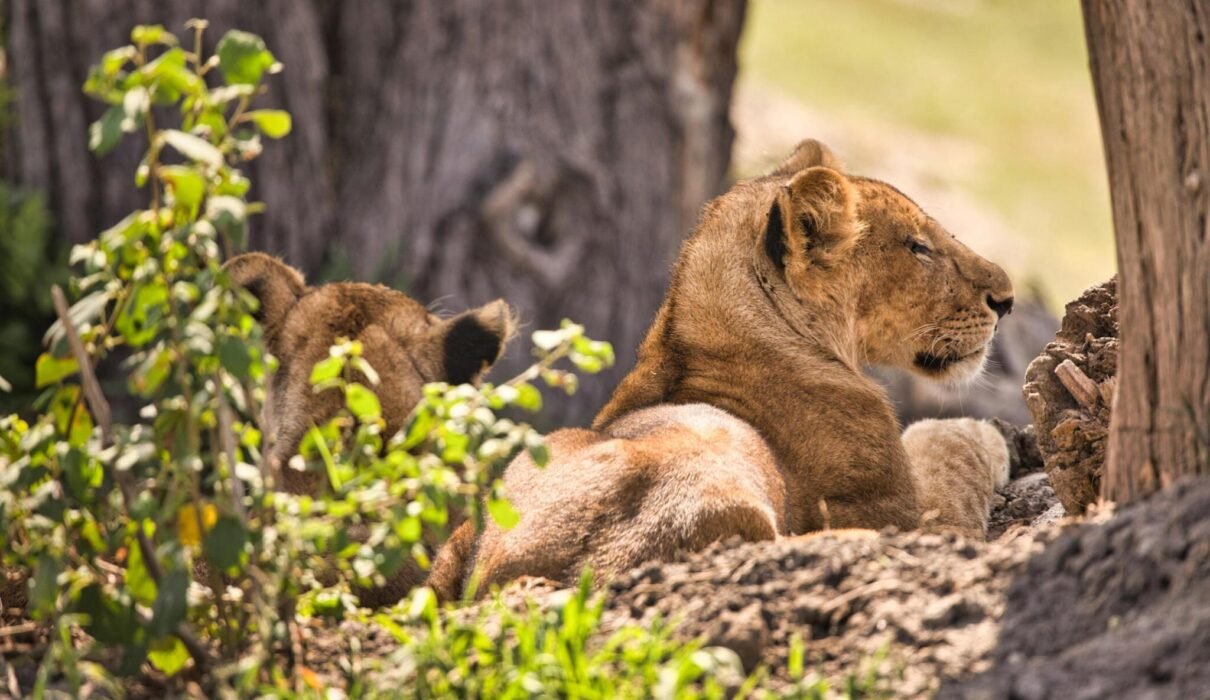
Planning an African safari is exciting, but choosing the right type of safari can sometimes be confusing, especially if you are visiting Africa for the first time. You may have seen photographs of lions resting beneath acacia trees, elephants walking across the savannah, or wildebeest crossing rivers in the Serengeti. However, not every safari follows the same itinerary or offers the same experience.
Some travelers prefer traditional game drives in a safari vehicle, while others want to explore nature on foot with an experienced guide. Families may choose private safaris that allow them to travel at their own pace, while budget travelers often prefer shared group safaris. There are also luxury safaris, photographic safaris, walking safaris, balloon safaris, and special wildlife experiences designed around particular interests.
Understanding the different types of safaris will help you choose a holiday that matches your expectations, available time, and budget. It will also help you decide which national parks to visit, what accommodation to book, and which activities to include.
Tanzania is one of the best countries in Africa for experiencing different safari styles. Its national parks and conservation areas support an impressive variety of wildlife, including lions, elephants, giraffes, buffaloes, zebras, wildebeest, and many other animals. The country also offers different landscapes, from the open grasslands of Serengeti National Park to the baobab-covered valleys of Tarangire and the beautiful highlands surrounding Ngorongoro Crater.
At Eddy Tours and Safaris, we help travelers organize Tanzania wildlife safaris according to their interests, preferred accommodation, group size, and travel dates. Whether you want a short wildlife experience or a longer holiday combining several national parks, understanding the available safari options is a good place to begin.
This guide explains the main types of African safaris, what makes each experience different, and how to choose the best safari adventure for your holiday in 2027 and 2028.
1. Game Drive Safaris: The Traditional African Wildlife Experience
A game drive safari is the most common type of wildlife safari in Tanzania and many other African countries. It involves exploring national parks and conservation areas in a safari vehicle with a professional guide.
During a game drive, the guide follows designated roads and tracks while searching for wildlife. Depending on the destination, you may see lions, elephants, giraffes, zebras, buffaloes, wildebeest, antelopes, and many bird species.
Game drives are particularly popular because they allow travelers to cover relatively large distances and explore different wildlife habitats.
In Tanzania, game drive safaris are common in Serengeti National Park, Tarangire National Park, Lake Manyara National Park, and Ngorongoro Crater.
What Happens During a Game Drive?
Most game drives begin in the morning when temperatures are cooler and many animals are active. Your guide may stop near a waterhole, follow a road through open grassland, or spend time observing animals from a suitable distance.
For example, in Serengeti National Park, you may watch a pride of lions resting near a rocky outcrop or see a herd of wildebeest moving across the plains.
In Tarangire, game drives often provide opportunities to observe elephants feeding beneath baobab trees or gathering near the Tarangire River.
The experience depends on wildlife movements, weather conditions, and the knowledge of your guide.
Best for: First-time safari travelers, families, couples, and visitors interested in seeing a wide variety of wildlife.
2. Private Safaris: A Flexible and Personalized Experience
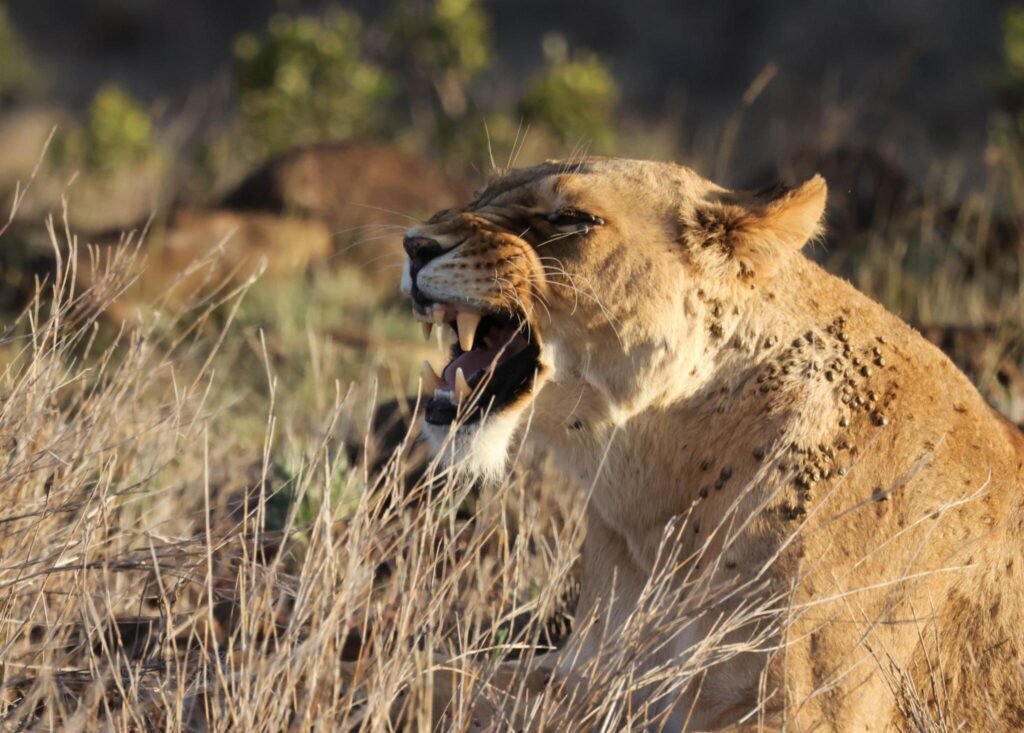
A private safari is arranged exclusively for you and your traveling companions. Instead of sharing the safari vehicle with travelers from other bookings, you have your own vehicle and guide.
Private safaris are popular among couples, families, honeymoon travelers, photographers, and groups of friends.
One of the main advantages is flexibility. Your guide can adjust the pace of the day according to your interests, within park regulations and the agreed itinerary.
For example, if you enjoy photography, you may want to spend more time watching a particular animal rather than moving quickly to another sighting.
Families with children may prefer shorter game drives or additional rest breaks.
Private safaris also allow travelers to choose accommodation according to their budget and preferences.
Are Private Safaris Worth the Cost?
Private safaris generally cost more per person than shared group safaris, particularly for solo travelers or couples.
However, the difference may become smaller when several people share the cost of the vehicle and guide.
For travelers who value privacy, flexibility, and a personalized schedule, a private safari can be a worthwhile choice.
Best for: Couples, families, small groups, wildlife photographers, and travelers who prefer flexible itineraries.
3. Group Joining Safaris: An Affordable Way to Explore Tanzania
A group joining safari allows travelers from different bookings to share a safari vehicle and guide.
This type of safari is particularly popular among solo travelers, students, backpackers, and visitors who want to experience Tanzania’s national parks without paying the full cost of a private vehicle.
Group safaris commonly follow scheduled itineraries with fixed departure dates, accommodation arrangements, and travel routes.
In northern Tanzania, joining safaris may include destinations such as Tarangire, Serengeti, and Ngorongoro Crater.
What Are the Advantages of a Group Safari?
One of the main benefits is cost sharing. Travelers divide certain expenses, including the safari vehicle and guide, making the trip more affordable.
Group safaris also provide opportunities to meet people from different countries and share wildlife experiences.
However, they generally offer less flexibility than private safaris.
For example, the group may follow a fixed departure time and spend a predetermined amount of time at each destination.
Before booking, ask about the maximum number of passengers, accommodation arrangements, luggage restrictions, and whether everyone will have a suitable viewing position.
Best for: Solo travelers, budget-conscious visitors, and people who enjoy traveling with others.
4. Luxury Safaris: Comfort and Wildlife in Beautiful Surroundings
Luxury safaris combine wildlife viewing with high-quality accommodation and personalized services.
Travelers may stay in luxury lodges, permanent tented camps, or exclusive safari properties located near important wildlife areas.
Depending on the accommodation, facilities may include spacious rooms, private bathrooms, swimming pools, fine dining, and beautiful views of the surrounding landscape.
Some luxury itineraries also include domestic flights between destinations to reduce travel time.
However, the most expensive safari is not necessarily the best wildlife experience. The location of the accommodation, quality of guiding, and time available for game drives are often more important.
Luxury Safaris in Tanzania
Serengeti National Park offers a variety of luxury tented camps and lodges, including properties located near areas associated with seasonal wildebeest movements.
The Ngorongoro highlands also offer premium accommodation with impressive views.
For honeymoon travelers, a luxury safari can be combined with a Zanzibar beach holiday.
Best for: Honeymooners, couples celebrating special occasions, families seeking comfort, and travelers who prefer premium accommodation.
5. Budget Camping Safaris: Enjoy Wildlife Without Luxury Accommodation
A budget camping safari focuses on wildlife experiences while keeping accommodation costs relatively low.
Travelers normally stay at designated campsites rather than luxury lodges.
Camping facilities vary by location. Some campsites provide shared toilets, showers, and basic cooking areas, while others have more limited amenities.
A camping safari can be particularly enjoyable for travelers who appreciate spending time outdoors.
After a day of wildlife viewing, you may return to camp for dinner and enjoy the evening atmosphere of the African bush.
However, camping does not mean that safety procedures or park regulations can be ignored.
Visitors must follow instructions from their guides and campsite staff, particularly in areas where wild animals may be present.
Is a Budget Camping Safari Comfortable?
Comfort depends on the equipment provided, weather conditions, and the campsite.
Before booking, ask whether the package includes tents, mattresses, sleeping bags, meals, and camping fees.
Also confirm whether the campsite has showers, toilets, and other facilities.
Best for: Backpackers, students, adventurous travelers, and visitors who want to reduce accommodation costs.
6. Walking Safaris: Discover Nature Beyond the Safari Vehicle
A walking safari provides an opportunity to explore the African wilderness on foot with an appropriately qualified guide.
Unlike traditional game drives, walking safaris focus on smaller details of the natural environment as well as wildlife.
During a guided walk, you may learn about animal tracks, insects, plants, birds, and the relationships between different species.
Walking safaris can provide a deeper understanding of the ecosystem because you experience the landscape at a slower pace.
Where Can You Enjoy Walking Safaris in Tanzania?
Walking safaris are available in certain designated areas of Tanzania, including parts of Arusha National Park, Nyerere National Park, and other locations where the activity is permitted.
The exact arrangements depend on park regulations, guide qualifications, safety requirements, and the selected operator.
Walking safaris are not permitted everywhere, and visitors should never attempt to walk independently in wildlife areas where it is prohibited.
Your guide will explain the safety procedures before the activity begins.
Best for: Nature lovers, experienced safari travelers, birdwatchers, and visitors interested in learning about the environment.
7. Photographic Safaris: Designed for Wildlife Photography
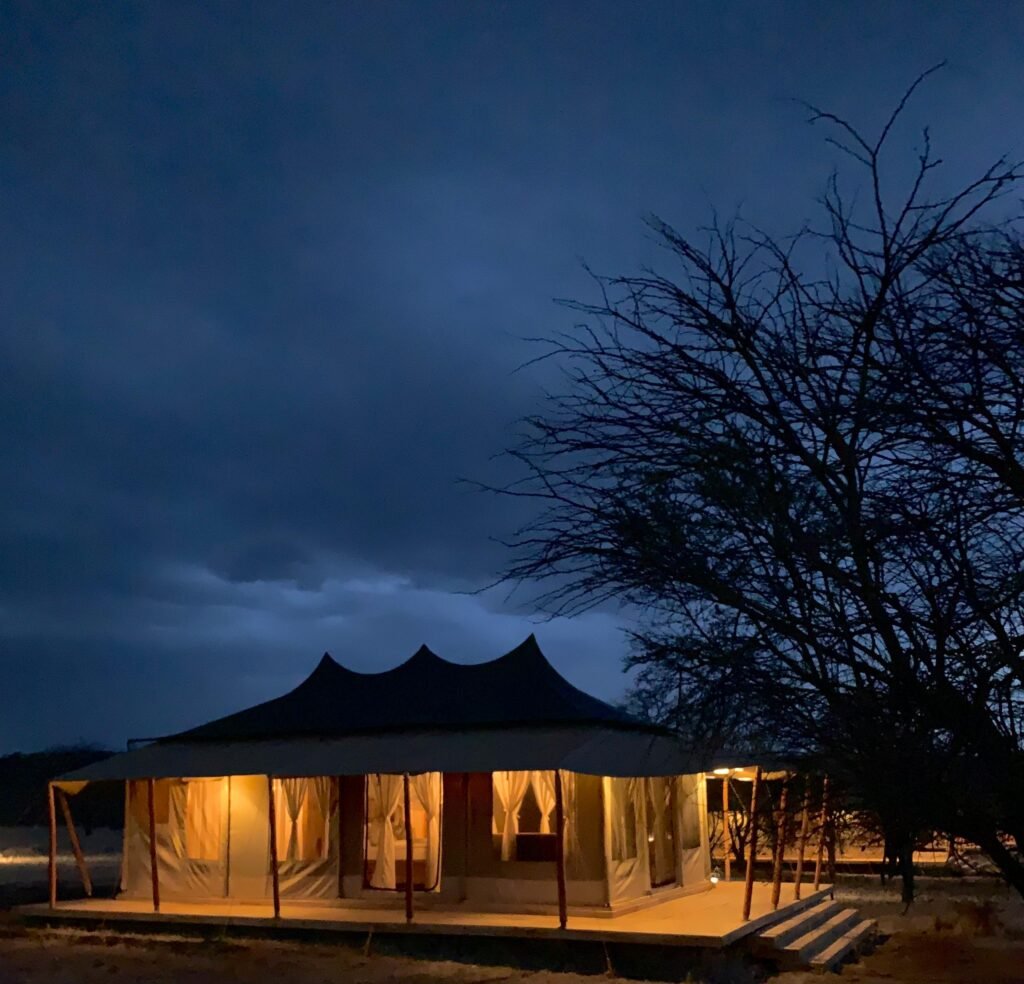
A photographic safari is organized around the interests of travelers who want to photograph wildlife and natural landscapes.
Although photography is possible during any game drive, a dedicated photographic safari normally allows more time at sightings and greater attention to lighting, camera positions, and animal behaviour.
For example, a photographer may prefer to spend an entire morning observing a pride of lions rather than searching for as many different animals as possible.
Early morning and late afternoon are particularly popular for wildlife photography because the natural light is often softer.
Best Tanzania Destinations for Photography Safaris
Serengeti National Park is an excellent choice because of its open grasslands, predators, and large wildlife populations.
Tarangire offers beautiful elephant photography opportunities, especially when animals are moving through landscapes dominated by baobab trees.
Ngorongoro Crater provides impressive scenery and opportunities to photograph different animals within a relatively compact area.
Before booking, ask about vehicle seating, camera support arrangements, luggage space, and whether the itinerary allows enough time for photography.
Best for: Wildlife photographers, content creators, nature enthusiasts, and travelers who want to spend longer observing animals.
8. Great Migration Safaris: Follow the Wildebeest Across the Serengeti
A Great Migration safari focuses on the seasonal movement of wildebeest and zebras through the Serengeti-Mara ecosystem.
Every year, enormous herds move in search of fresh grass and water, creating one of Africa’s most famous wildlife spectacles.
However, the migration does not follow an exact calendar. Rainfall and grazing conditions influence where the animals move.
Different Seasons of the Great Migration
Between January and March, large concentrations of wildebeest are often found in the southern Serengeti and Ndutu area. January and February are particularly associated with the calving season.
During April, May, and June, the herds generally move toward the central and western parts of the ecosystem, depending on rainfall.
Between July and October, many herds may be found in the northern Serengeti and Kenya’s Maasai Mara.
This is the period when travelers often hope to witness Mara River crossings.
However, river crossings are unpredictable, and no safari operator can guarantee that a crossing will happen during a particular game drive.
A migration-focused itinerary should consider accommodation location, seasonal wildlife patterns, and the number of days available.
Best for: Wildlife enthusiasts, photographers, repeat safari visitors, and travelers interested in the Great Wildebeest Migration.
9. Hot Air Balloon Safaris: See the Serengeti from Above
A hot air balloon safari offers a different perspective on Tanzania’s wildlife landscapes.
Instead of exploring the national park from a vehicle, travelers rise above the plains in a balloon during the early morning.
Balloon safaris are particularly popular in Serengeti National Park.
The experience normally begins before sunrise, when travelers are transferred from their accommodation to the designated launch area.
After a safety briefing, passengers board the balloon and begin the flight.
Depending on weather conditions and the flight route, you may see grasslands, rivers, trees, and wildlife from above.
Is a Balloon Safari Worth It?
A balloon safari can be an excellent experience for travelers who enjoy beautiful scenery and want to celebrate a special occasion.
However, it is normally an additional activity rather than a replacement for traditional game drives.
Balloon flights are weather-dependent, and wildlife sightings cannot be guaranteed.
The activity also requires an additional budget, so it is worth confirming the current price, cancellation conditions, and operating arrangements before booking.
Best for: Couples, honeymooners, photographers, and travelers looking for a special safari experience.
10. Birdwatching Safaris: Explore Tanzania’s Rich Birdlife
Birdwatching safaris focus on observing and identifying birds in different natural habitats.
Tanzania is an excellent destination for birdwatchers because it contains forests, wetlands, grasslands, lakes, rivers, and mountain environments.
These habitats support a wide variety of resident and migratory bird species.
Depending on the destination, visitors may see hornbills, kingfishers, bee-eaters, eagles, vultures, storks, flamingos, and many other birds.
Best Places for Birdwatching in Tanzania
Lake Manyara National Park is known for its varied habitats and waterbirds.
Tarangire National Park supports numerous bird species across its woodland and savannah landscapes.
Arusha National Park is another interesting destination because of its forests, lakes, and mountain habitats.
The best birdwatching season depends on the species you want to see. Some migratory birds are present during particular months, while resident species can be observed throughout the year.
A specialized birdwatching guide can help identify species by their appearance, calls, and behaviour.
Best for: Birdwatchers, nature lovers, photographers, and travelers interested in wildlife beyond large mammals.
11. Family Safaris: Wildlife Adventures for Parents and Children
A family safari is designed around the needs of parents, children, and other family members traveling together.
Tanzania can be an excellent destination for family wildlife holidays, particularly when the itinerary includes comfortable accommodation and manageable driving distances.
Children often enjoy seeing elephants, giraffes, zebras, and lions in their natural habitats.
However, long driving days and early morning departures may be tiring for younger travelers.
How to Plan a Family Safari
When traveling with children, consider choosing a private safari that allows more flexibility.
It may also be helpful to spend additional nights at the same accommodation rather than changing hotels every day.
Before booking, confirm the property’s minimum age requirements, family room arrangements, swimming pool safety, and any restrictions on particular activities.
Walking safaris and certain other wildlife activities may have minimum age limits.
A well-planned family safari should provide a balance between wildlife viewing, relaxation, and activities suitable for the children’s ages.
Best for: Families with children, multigenerational groups, and parents who prefer a flexible travel schedule.
12. Honeymoon Safaris: Wildlife, Privacy, and Romantic Experiences
A honeymoon safari combines wildlife viewing with accommodation and activities suitable for couples.
Many honeymoon travelers choose private safaris because they provide greater privacy and flexibility.
Accommodation may include comfortable tented camps, luxury lodges, or smaller properties located in beautiful natural settings.
A typical honeymoon safari may include Serengeti National Park, Ngorongoro Crater, and a few days on Zanzibar’s beaches.
Tanzania Safari and Zanzibar Honeymoon
One popular arrangement is to spend four to six days exploring northern Tanzania’s national parks before flying to Zanzibar.
The safari portion provides opportunities to see wildlife and enjoy the African landscapes.
The Zanzibar portion allows couples to relax on the beach, enjoy coastal activities, and explore Stone Town.
This combination offers two different experiences within one holiday.
Best for: Honeymoon couples, anniversary celebrations, and travelers looking for privacy and relaxation.
13. Fly-In Safaris: Reach Remote Wildlife Destinations More Quickly
A fly-in safari uses domestic flights to connect airports or airstrips near wildlife destinations.
This type of safari can reduce the amount of time spent traveling by road, particularly when visiting remote parks.
In Tanzania, fly-in safaris are commonly arranged for destinations such as Serengeti, Ruaha, and Nyerere.
After landing at the airstrip, travelers are normally met by a safari guide or lodge representative.
Advantages of Fly-In Safaris
The main advantage is saving travel time.
For example, reaching certain areas of the Serengeti by road from Arusha can take many hours, while a domestic flight may significantly reduce the journey.
Fly-in safaris are particularly suitable for travelers with limited time or those who prefer to avoid long road transfers.
However, flights increase the overall cost and are subject to luggage restrictions, schedules, and weather conditions.
Best for: Luxury travelers, honeymooners, visitors with limited time, and people exploring remote safari destinations.
14. Cultural Safaris: Learn About Tanzania’s People and Traditions
A cultural safari combines wildlife experiences with opportunities to learn about local communities, traditions, and everyday life.
Tanzania is home to many ethnic communities with different languages, customs, and cultural practices.
Cultural experiences may include village visits, traditional food preparation, farming activities, local markets, and guided discussions with community members.
In northern Tanzania, travelers may visit areas around Mto wa Mbu, Moshi, Arusha, or the Ngorongoro highlands.
Maasai Cultural Experiences
Some cultural tours provide opportunities to learn about Maasai traditions, livestock keeping, clothing, and community life.
It is important to choose experiences organized with the participation and consent of local communities.
Visitors should ask permission before taking photographs and respect local customs.
Materuni Village and Coffee Tours
Materuni Village, near Moshi, is known for its waterfall and coffee experiences.
During a guided visit, travelers can learn how coffee is grown, processed, roasted, and prepared.
These activities can be combined with a Kilimanjaro visit or a northern Tanzania safari.
Best for: Travelers interested in culture, community tourism, local food, and experiences beyond wildlife viewing.
15. Night Game Drive Safaris: Discover Wildlife After Sunset
A night game drive allows visitors to explore certain wildlife areas after dark with an authorized guide.
Some animals are more active at night, making nighttime wildlife viewing different from daytime game drives.
Depending on the destination, visitors may have opportunities to see nocturnal mammals and other animals that are less frequently observed during the day.
However, night game drives are not permitted in every Tanzanian national park.
The activity must be arranged only in areas where it is authorized and must follow the applicable regulations.
Where Can You Experience Night Game Drives?
Certain designated areas, private concessions, and authorized wildlife destinations offer nighttime activities.
Availability depends on the location, operator, and current regulations.
Before booking, confirm whether night game drives are permitted at your chosen destination.
Best for: Wildlife enthusiasts, repeat safari travelers, and visitors interested in nocturnal animals.
16. Self-Drive Safaris: Explore at Your Own Pace
A self-drive safari involves exploring permitted wildlife destinations in a rented vehicle without a dedicated safari driver-guide.
This type of safari is available in some African destinations, but regulations and practical conditions vary.
In Tanzania, independent driving in certain national parks is possible under applicable rules, although many international visitors prefer a guided safari.
Driving in wildlife areas requires confidence, route planning, appropriate vehicle equipment, and an understanding of park regulations.
Some roads may become difficult during the rainy season, and mobile phone coverage can be limited in remote areas.
For first-time visitors, a guided safari is often more practical because professional guides understand wildlife habitats, road conditions, and park procedures.
Best for: Experienced independent travelers who understand the relevant park regulations and are comfortable driving in remote areas.
Which Type of Safari Is Best for You?
Choosing the right safari depends on your interests, travel budget, group size, and preferred level of comfort.
The following comparison can help you narrow down your options.
| Safari type | Main experience | Best suited for |
|---|---|---|
| Game drive safari | Traditional wildlife viewing | First-time visitors |
| Private safari | Flexible, personalized travel | Couples and families |
| Group joining safari | Shared wildlife experience | Budget travelers |
| Luxury safari | Wildlife and premium accommodation | Honeymooners and luxury travelers |
| Camping safari | Wildlife with basic accommodation | Adventurous travelers |
| Walking safari | Guided exploration on foot | Nature enthusiasts |
| Photographic safari | Wildlife photography | Photographers |
| Great Migration safari | Seasonal wildebeest movements | Migration enthusiasts |
| Balloon safari | Aerial views of wildlife landscapes | Special occasions |
| Birdwatching safari | Bird identification and observation | Bird lovers |
| Family safari | Child-friendly wildlife experiences | Families |
| Honeymoon safari | Wildlife and romantic accommodation | Couples |
| Fly-in safari | Faster access to remote parks | Time-conscious travelers |
| Cultural safari | Local traditions and community visits | Cultural travelers |
| Night game drive | Authorized nocturnal wildlife viewing | Experienced safari travelers |
| Self-drive safari | Independent exploration | Experienced drivers |
These safari categories are not mutually exclusive. For example, you can book a private luxury photographic safari or combine a family game drive safari with cultural activities.
Best Tanzania National Parks for Different Safari Experiences
The national park you choose can be just as important as the type of safari.
Serengeti National Park
Serengeti is particularly suitable for traditional game drives, photographic safaris, Great Migration safaris, and balloon experiences.
The park’s open landscapes provide opportunities to observe predators, large herbivore populations, and seasonal wildlife movements.
Ngorongoro Crater
Ngorongoro is popular for wildlife viewing within a relatively compact area.
It is particularly suitable for travelers with limited time who want opportunities to observe several animal species during one game drive.
Tarangire National Park
Tarangire is known for elephants, baobab trees, and beautiful savannah landscapes.
It is suitable for game drives, wildlife photography, and birdwatching.
Lake Manyara National Park
Lake Manyara offers forest, wetland, and lake habitats.
It can be particularly interesting for birdwatchers and travelers who want to combine wildlife viewing with cultural experiences around Mto wa Mbu.
Ruaha National Park
Ruaha offers extensive landscapes and wildlife viewing in southern Tanzania.
It is an attractive option for returning safari travelers and those interested in less crowded destinations.
Nyerere National Park
Nyerere provides opportunities for game drives and other authorized wildlife activities, including boat safaris in suitable areas.
It can be combined with a longer southern Tanzania itinerary or a Zanzibar holiday.
How Much Do Different Types of Safaris Cost in 2027 and 2028?
Safari prices vary according to the destination, travel season, accommodation category, number of travelers, and activities included.
A private safari generally costs more per person than a group joining safari because the vehicle and guide are reserved for one booking.
Luxury accommodation and domestic flights can also increase the overall cost.
The following figures are broad planning estimates, not confirmed prices for 2027 or 2028.
| Safari category | Estimated cost per person per day |
|---|---|
| Budget joining safari | $200–$350 |
| Mid-range private safari | $350–$600 |
| Luxury safari | $600–$1,000+ |
| Premium fly-in safari | $1,000+ |
Activities such as balloon safaris may involve additional charges.
When comparing quotations, check whether park fees, accommodation, meals, transport, professional guides, and airport transfers are included.
For a personalized quotation, contact Eddy Tours and Safaris.
Best Time to Enjoy Different Types of Safaris in Tanzania
Tanzania can be visited throughout the year, but the best travel period depends on the wildlife and activities you want to experience.
January and February are particularly interesting for Great Migration calving-season safaris in the southern Serengeti and Ndutu area.
June through October is generally popular for traditional wildlife safaris because dry-season conditions often concentrate animals near water sources.
July through October is commonly associated with northern Serengeti migration safaris, although river crossings cannot be guaranteed.
Birdwatching can be rewarding throughout the year, with different opportunities during the wetter months when migratory birds may be present.
Walking safaris, balloon flights, and other specialized activities depend on local weather conditions, permits, and operator arrangements.
How to Choose the Right Safari for Your Budget and Travel Style
The best safari is not necessarily the most expensive one or the itinerary that includes the largest number of national parks.
A good safari should match your interests and provide enough time to enjoy each destination.
If you are visiting Tanzania for the first time, a traditional guided game drive safari is usually a good starting point.
If you are traveling with children, a private family safari may provide more flexibility.
For wildlife photographers, an itinerary with additional nights in the Serengeti may be more valuable than visiting several parks within a short period.
Travelers with limited budgets may prefer group joining safaris, while those who want more comfort can choose mid-range or luxury accommodation.
If you are particularly interested in the Great Migration, your travel dates and accommodation location should be selected around the expected seasonal movement of the herds.
Whatever type of safari you choose, allow enough time for wildlife viewing and avoid unnecessary travel between destinations.
Important Tips Before Booking Your African Safari
Before confirming your safari, ask for a detailed itinerary and written quotation.
Make sure you understand the accommodation arrangements, number of game drives, transportation, park fees, and meals included in the package.
Check whether the safari is private or shared, particularly if you are comparing prices from different operators.
If you are booking specialized activities such as walking safaris, night game drives, or balloon flights, confirm that they are authorized and available at your chosen destination.
Travel insurance is strongly recommended, especially for visitors traveling to remote areas.
You should also check passport and visa requirements before departure through the Tanzania Immigration Department.
Finally, remember that wildlife sightings are never guaranteed. Animals move naturally according to weather, food availability, and other environmental conditions.
A knowledgeable guide, suitable travel season, and realistic itinerary can improve your overall experience.
Why Book Your Tanzania Safari with Eddy Tours and Safaris?
Choosing the right safari can be difficult when there are so many destinations and activities available.
At Eddy Tours and Safaris, we help travelers explore different Tanzania safari options according to their interests, travel dates, preferred accommodation, and budget.
Whether you are looking for a private wildlife safari, a shared group experience, a Great Migration adventure, or a longer holiday combining safari and Zanzibar, our team can help you discuss suitable arrangements.
We also assist travelers interested in Mount Kilimanjaro climbing and cultural activities around northern Tanzania.
Our goal is to help you plan a safari that gives you enough time to enjoy the destinations you choose.
Visit the Eddy Tours and Safaris website or contact our team to discuss your Tanzania holiday.
Frequently Asked Questions About Types of Safaris
What are the most popular types of safaris in Africa?
The most popular types include traditional game drive safaris, private safaris, group joining safaris, luxury safaris, camping safaris, walking safaris, and photographic safaris.
Which type of safari is best for first-time visitors?
A guided game drive safari is usually the best starting point because it provides opportunities to observe different animals while learning from an experienced safari guide.
What is the difference between a private safari and a group safari?
A private safari reserves the vehicle and guide for one booking, while a group safari combines travelers from different bookings in the same vehicle.
Are walking safaris safe?
Walking safaris involve wildlife-related risks and should only be undertaken with appropriately qualified guides in authorized areas, following established safety procedures.
Can I book a luxury safari in Tanzania?
Yes. Tanzania offers luxury safari lodges and tented camps in destinations such as Serengeti, Ngorongoro, and other wildlife areas.
What type of safari is best for photography?
A dedicated photographic safari is suitable for travelers who want more time at wildlife sightings and an itinerary planned around lighting conditions and animal behaviour.
Can families with children go on safari?
Yes. Tanzania offers family safari options, although accommodation requirements, driving distances, and activity age restrictions should be considered carefully.
Is a Great Migration safari available throughout the year?
The migration is a year-round natural movement, but the location of the herds changes seasonally. Travelers should select dates and accommodation according to the part of the migration they hope to see.
Are night game drives allowed in Serengeti National Park?
Night game drives are not part of the standard permitted activities in Serengeti National Park. Travelers interested in nighttime wildlife viewing should choose a destination where the activity is specifically authorized.
Can I combine different safari types during one holiday?
Yes. For example, you can combine a private game drive safari with a balloon experience, cultural visit, photographic safari, or Zanzibar beach holiday.
Final Thoughts: Finding the Best Safari Adventure for You
There are many different types of safaris in Africa, and each offers a different way to experience wildlife and natural landscapes.
Traditional game drives are ideal for travelers who want to see a wide variety of animals, while private safaris provide flexibility and personalized travel arrangements.
Group joining safaris can be a practical option for budget-conscious travelers, and luxury safaris offer additional comfort.
For travelers with specific interests, walking safaris, photographic safaris, birdwatching safaris, and Great Migration experiences provide opportunities to explore wildlife in greater detail.
Tanzania is particularly well suited to combining different safari styles because of its diverse national parks, conservation areas, and cultural attractions.
The most important thing is to choose an itinerary that matches your interests, budget, and available time.
Rather than trying to experience everything during one short holiday, focus on the activities and destinations that matter most to you.
With careful planning, the right safari can provide memorable wildlife encounters and a deeper appreciation of Africa’s natural environment.
Plan Your Tanzania Safari with Eddy Tours and Safaris
Are you planning an African safari in 2027 or 2028?
Eddy Tours and Safaris can help you explore Tanzania’s national parks, compare safari options, and arrange an itinerary based on your travel preferences.
Whether you are interested in a private safari, shared group safari, Great Migration experience, or a combined Tanzania and Zanzibar holiday, contact our team to discuss your plans.
Website: Eddy Tours and Safaris
Contact page: Book Your Tanzania Safari
Email: sales@eddytours-safaris.com
Phone/WhatsApp: +255 711 906 664